La Table de Beaurecueil

A Michelin Plate-recognised table in the village of Beaurecueil, sitting at the foot of the Montagne Sainte-Victoire and drawing its cooking from the Provençal terroir that surrounds it. Traditional cuisine is the register here: careful, grounded, and shaped by ingredients with a clear address.
Pearl is the En Primeur Club membership app — saves, bookings, and concierge access live there. Same editors, same standards.
- Address
- 66 All. des Mûriers, 13100 Beaurecueil, France
- Phone
- +33 4 42 66 94 98
- Website
- latabledebeaurecueil.com
- Directions
- Get directions
 Saves & bookings on Pearl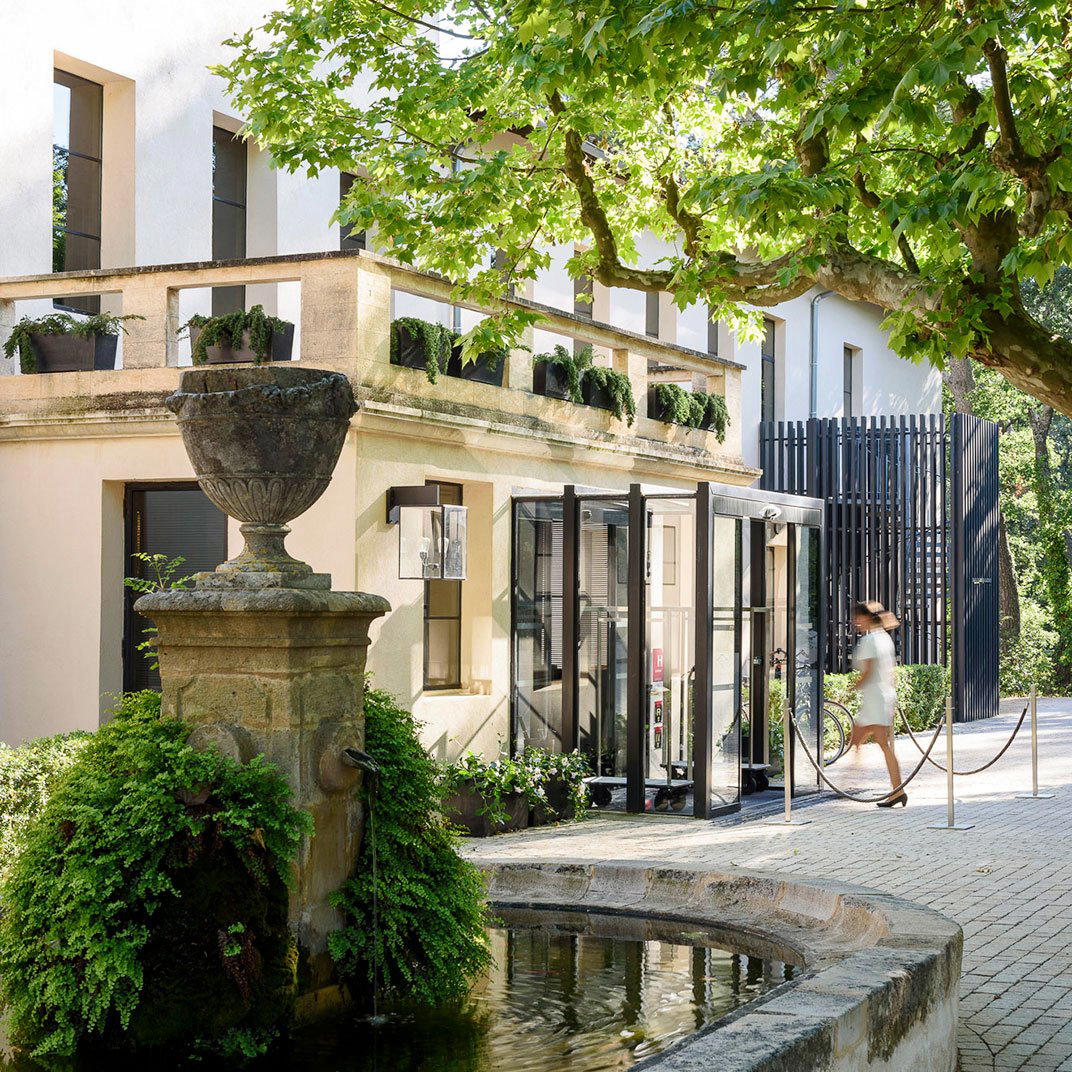
At the Foot of Sainte-Victoire
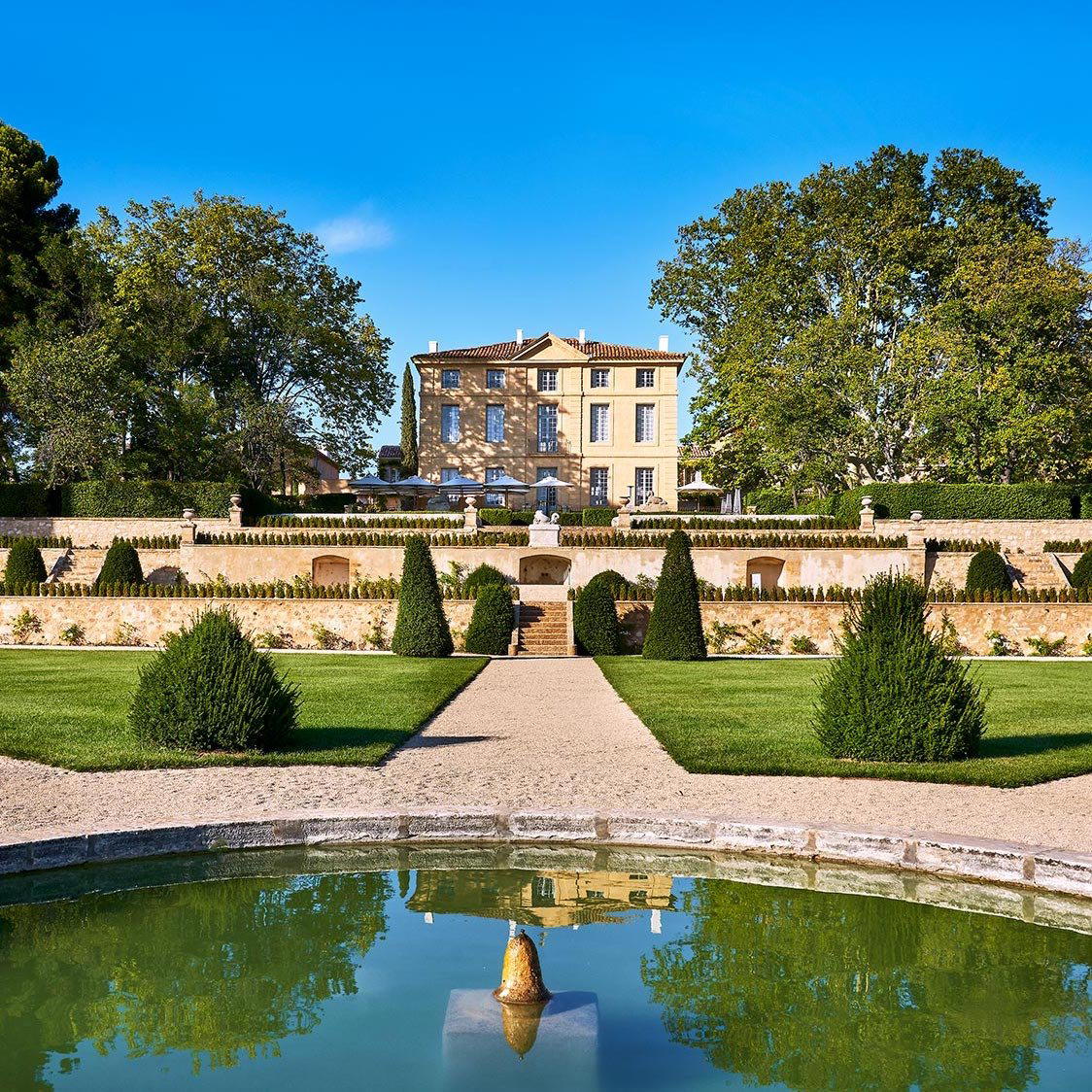
The Montagne Sainte-Victoire dominates the eastern edge of Aix-en-Provence's département the way few natural landmarks dominate anywhere in southern France. Cézanne painted it obsessively. Walkers summit it on weekday mornings. And at its foot, on the Allée des Mûriers in the small village of Beaurecueil, sits a dining room that has earned consecutive Michelin Plate recognition in both 2024 and 2025, a signal that the food here meets a standard the guide considers worth tracking, even if a star has not yet followed. The Michelin Plate marks kitchens that deliver good cooking without the theatrics that tend to accompany higher distinctions. For a village table in rural Provence, it is a meaningful credential.
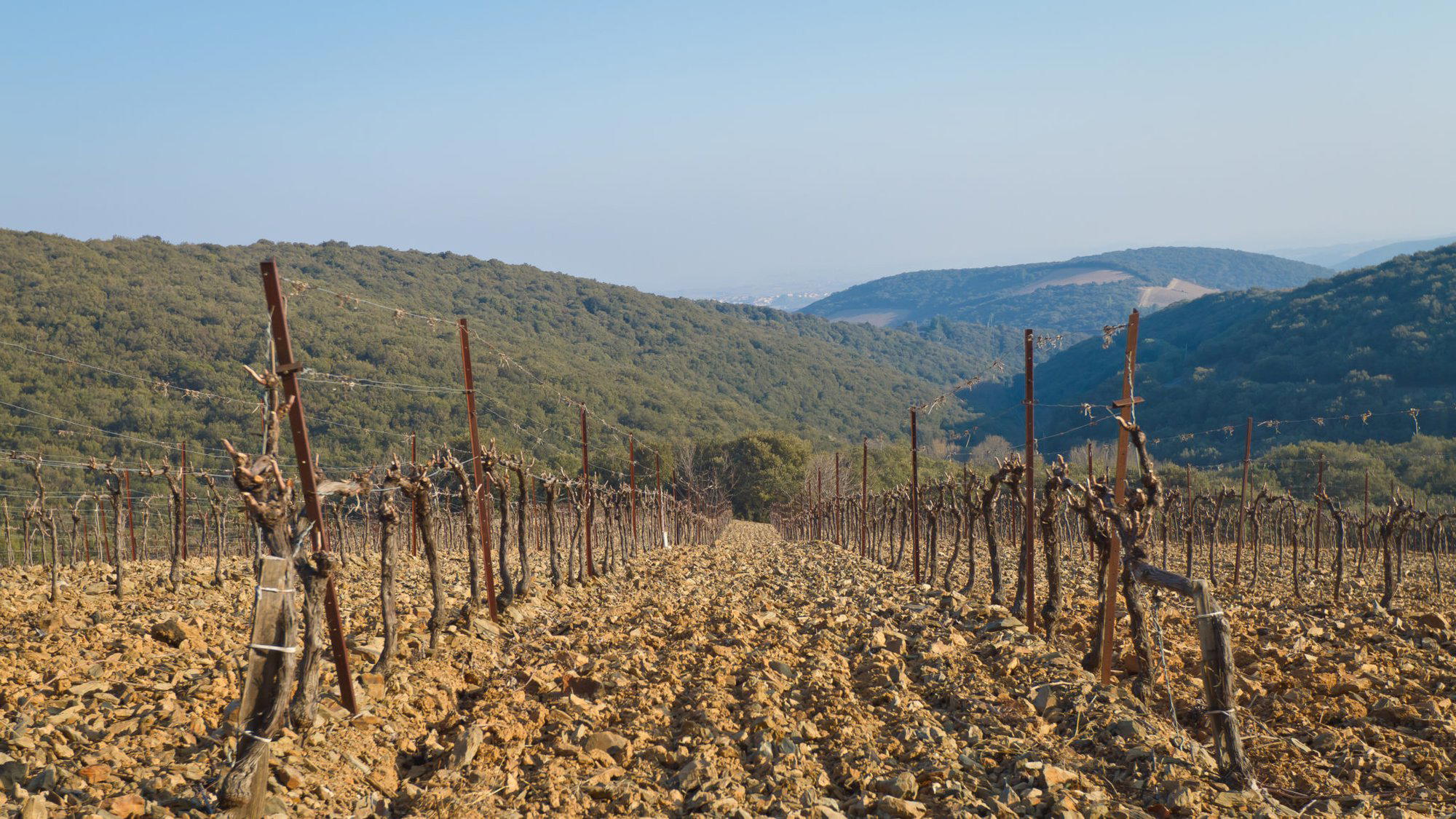
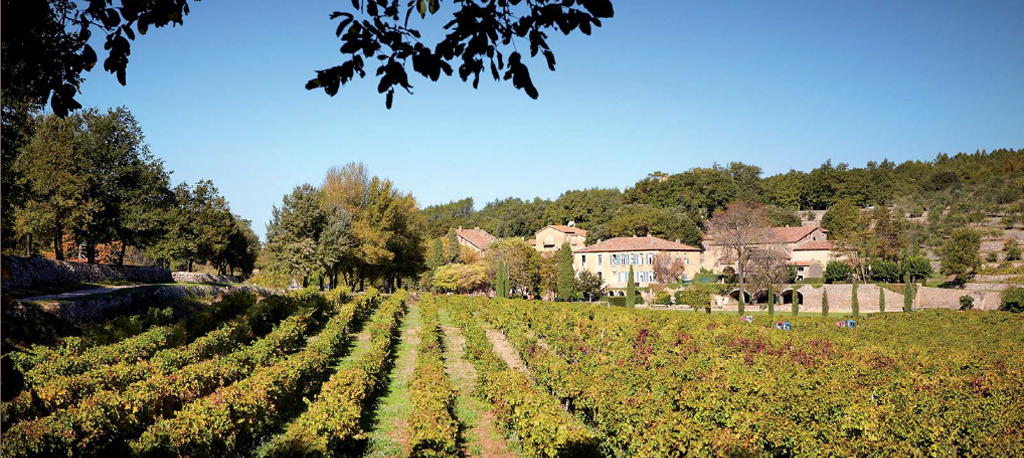
Beaurecueil sits roughly twelve kilometres east of Aix-en-Provence along the D17, a road that winds through a corridor of garrigue scrub, limestone outcrops, and the occasional winery. There is no train stop. You drive, and the journey out of the city feels deliberate in the leading sense, the kind of approach that primes a meal rather than just delivering you to one. The surrounding countryside is not incidental to what ends up on the plate. In Provence, the distance between a kitchen and its ingredient sources has always shaped the character of the cooking, and that relationship is exactly what the traditional cuisine designation at La Table de Beaurecueil reflects.
What Traditional Cuisine Means Here
France's restaurant scene has fractured in useful ways over the past two decades. At the summit, three-star operations like Alléno Paris au Pavillon Ledoyen in Paris and Mirazur in Menton operate in a register of technical ambition and ingredient transformation that is, frankly, a different discipline from what a village restaurant in Provence is doing. Rural maisons like Auberge du Vieux Puits in Fontjoncouse and Auberge de l'Ill in Illhaeusern have built reputations over generations precisely because they stayed anchored to a place and a tradition rather than chasing the critical agenda of the capital. La Table de Beaurecueil operates in that same current: traditional cuisine, competently executed, rooted in the Provençal larder.
The traditional cuisine designation is not a compromise, it is a commitment. It means the cooking reflects regional identity, that classic technique takes precedence over novelty, and that the ingredient itself carries most of the responsibility for what lands in the bowl or on the plate. In Provence, that larder is considerable. The Var and Bouches-du-Rhône departments produce olives, herbs, tomatoes, courgettes, and stone fruit at a quality that makes sourcing locally both a practical and an aesthetic decision. The limestone terroir of the Sainte-Victoire corridor specifically supports a kind of wild herb density, thyme, rosemary, savory, that regional cooks have drawn on for centuries.
Compared to the creative southern kitchens like AM par Alexandre Mazzia in Marseille, which treats Provençal ingredients as raw material for technical reinvention, a table operating in the traditional register reads those same ingredients differently: as the point, not the starting point. That is a genuine editorial position in contemporary French cooking, and it is one that the.
The Ingredient Argument
Provençal cooking has always been ingredient-forward by necessity and by geography. The Mediterranean climate compresses seasons and concentrates flavour in ways that northern French producers work hard to replicate. Summer tomatoes in the Bouches-du-Rhône are a different object from tomatoes grown further north; the same applies to the region's stone fruits, its olive oils, and the lamb that grazes on the scrubland above villages like Beaurecueil. A kitchen that draws on this supply chain without transforming it beyond recognition is making an argument about transparency, that the journey from field or hillside to plate should be legible in the eating.
This sourcing logic connects La Table de Beaurecueil to a broader class of French regional tables that have received renewed critical attention in recent years. Bras in Laguiole built its entire reputation on the Aubrac plateau's wild ingredients. Flocons de Sel in Megève works within the constraints and gifts of the Alpine seasons. The common thread is that geography precedes technique in the decision-making hierarchy. At a €€€ price point, mid-tier for a recognised French table, reasonable for the quality signal the Michelin Plate implies, the restaurant positions itself as accessible to the serious eater without demanding the commitment of a destination tasting-menu evening.
Planning Your Visit
Beaurecueil is a village without a hospitality infrastructure of its own, which means the restaurant functions as the primary reason most visitors arrive. For those combining it with a stay in Aix-en-Provence, a city well served by the TGV from Paris, roughly three hours from Gare de Lyon, the restaurant makes a logical lunch or dinner excursion, though a car is necessary for the final stretch.
At the €€€ tier, the restaurant sits in a price bracket that rewards advance booking but does not require the months-ahead lead time of the starred metropolitan rooms. For France-wide context on traditional cuisine tables at this recognition level, comparisons with Auberge Grand'Maison in Mûr-de-Bretagne and Troisgros - Le Bois sans Feuilles in Ouches provide a useful calibration of what Michelin-tracked regional cooking looks like across different terroirs.
How It Stacks Up
Comparable venues nearby, for context on price, style, and recognition.
| Venue | Cuisine | Price | Awards | Notes |
|---|---|---|---|---|
| La Table de BeaurecueilThis venue — the venue you are viewing | Traditional French Mediterranean | $$$ | Michelin Plate | Not listed |
| es/pacìo | Modern French Bistro | $$$ | Michelin Plate | Nouveau Port des Lecques |
| Sépia | Modern French Mediterranean Bistro | $$$ | Michelin Plate | Saint Victor |
| Būbo | Modern French-Brazilian Fusion | $$$ | Michelin Plate | Castellane |
| La Petite Ferme | Modern French Bistro | $$$ | Michelin Plate | Centre Ville |
| Campagne, Vignes et Gourmandises | Provençal French Bistro | $$$ | Michelin Plate | Sainte-Cécile-les-Vignes |
Recognition history
Dated appearances from independent guides and award organizations, with the underlying list record or original source where available.
Michelin Plate
Michelin
Michelin Plate
Michelin
Michelin Plate
Michelin
Continue exploring
More in Beaurecueil
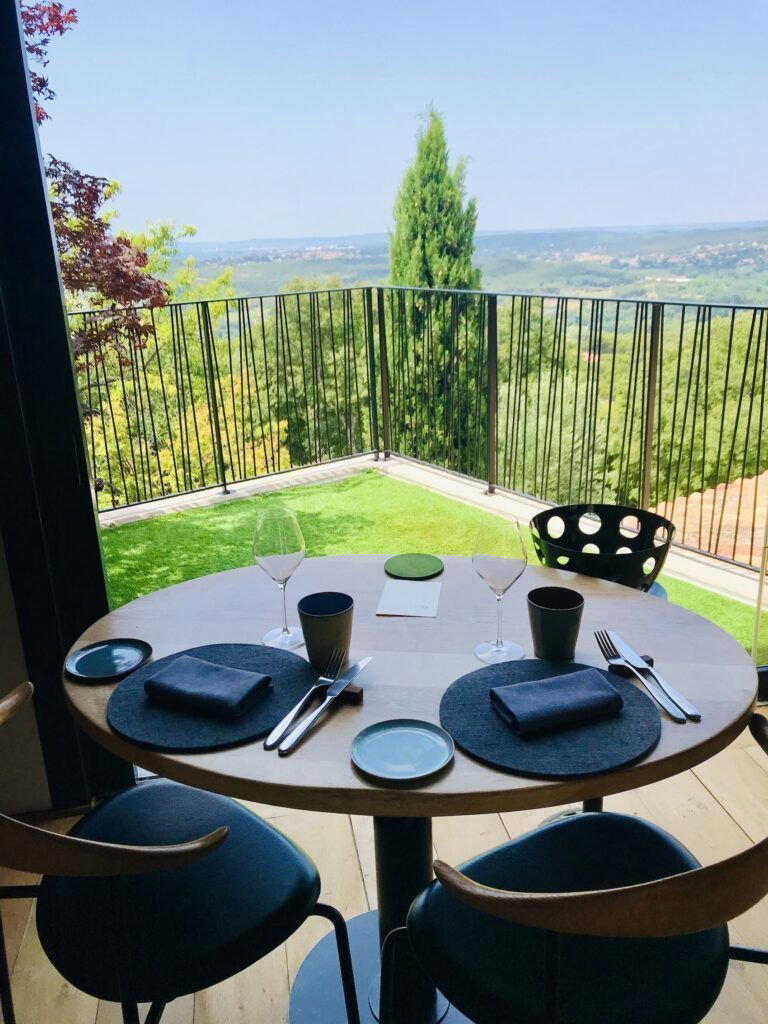
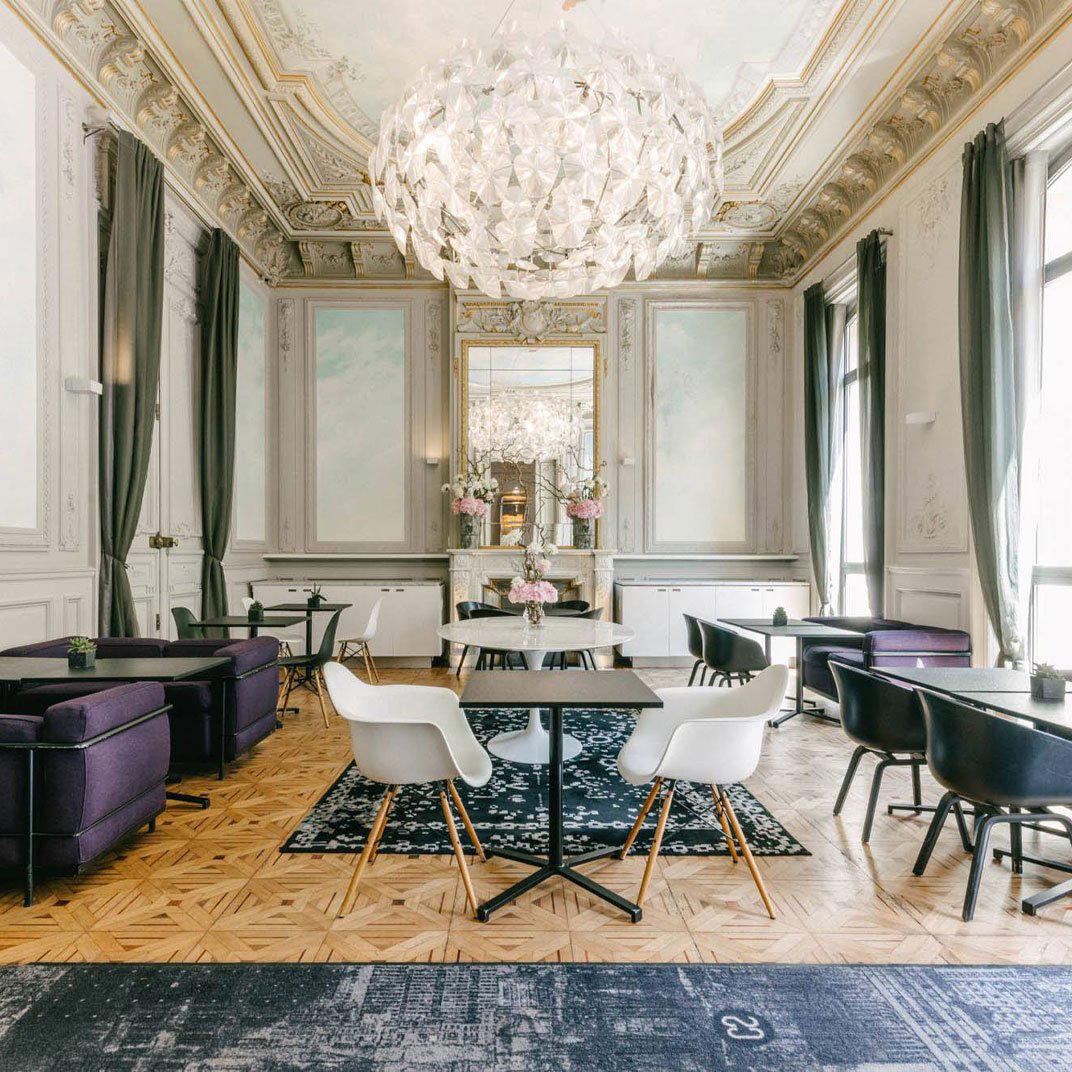
Restaurants in Beaurecueil
Browse all →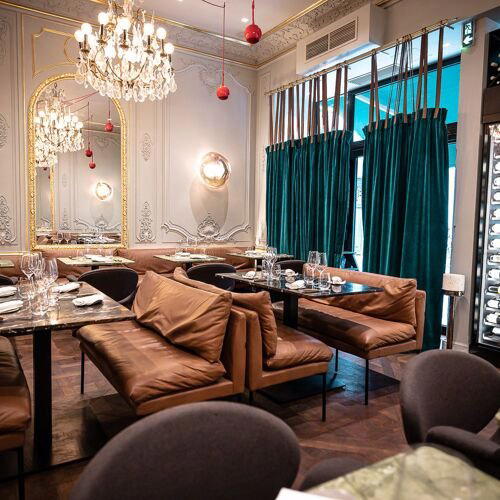
Bars in Beaurecueil
Browse all →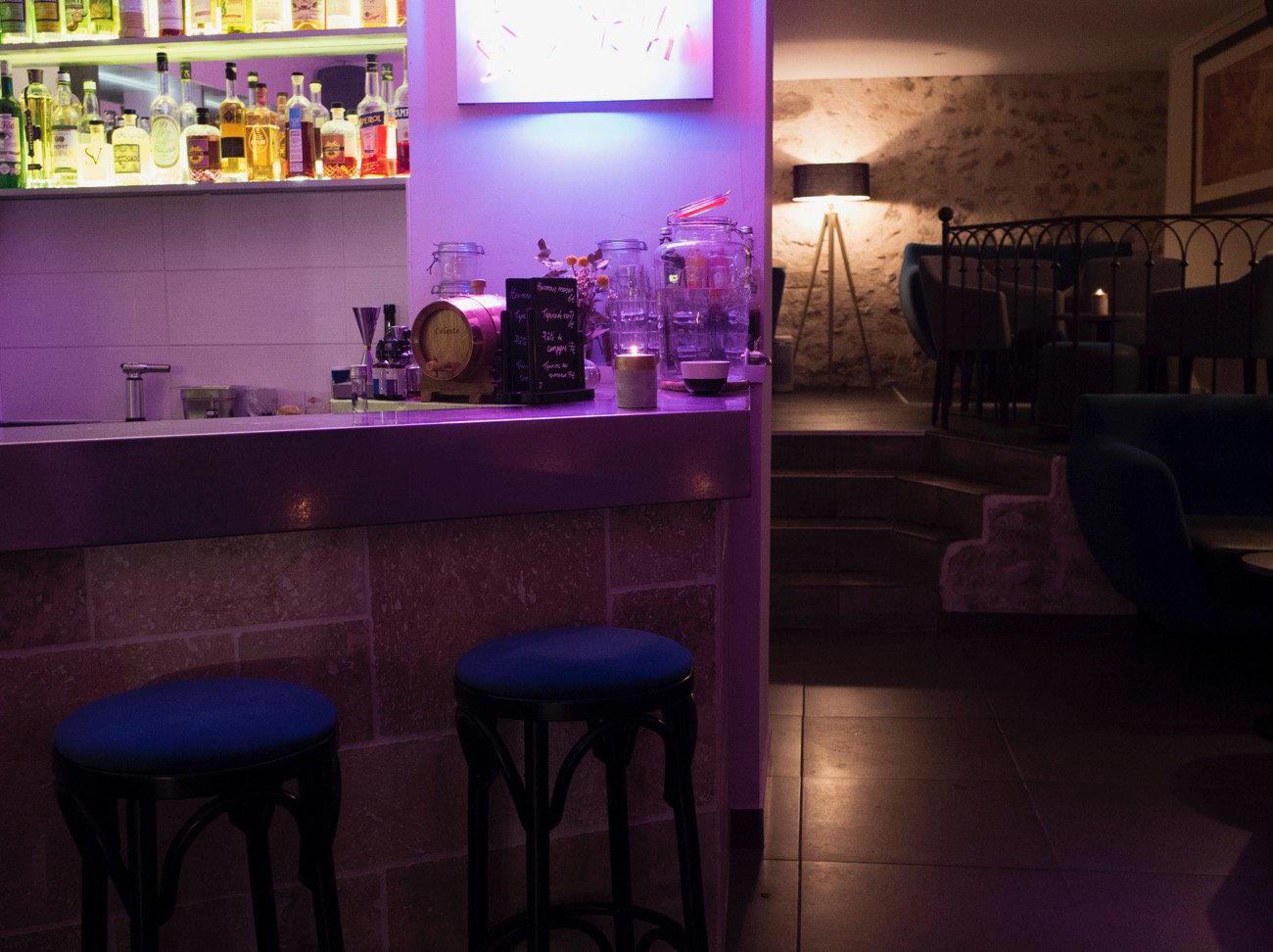
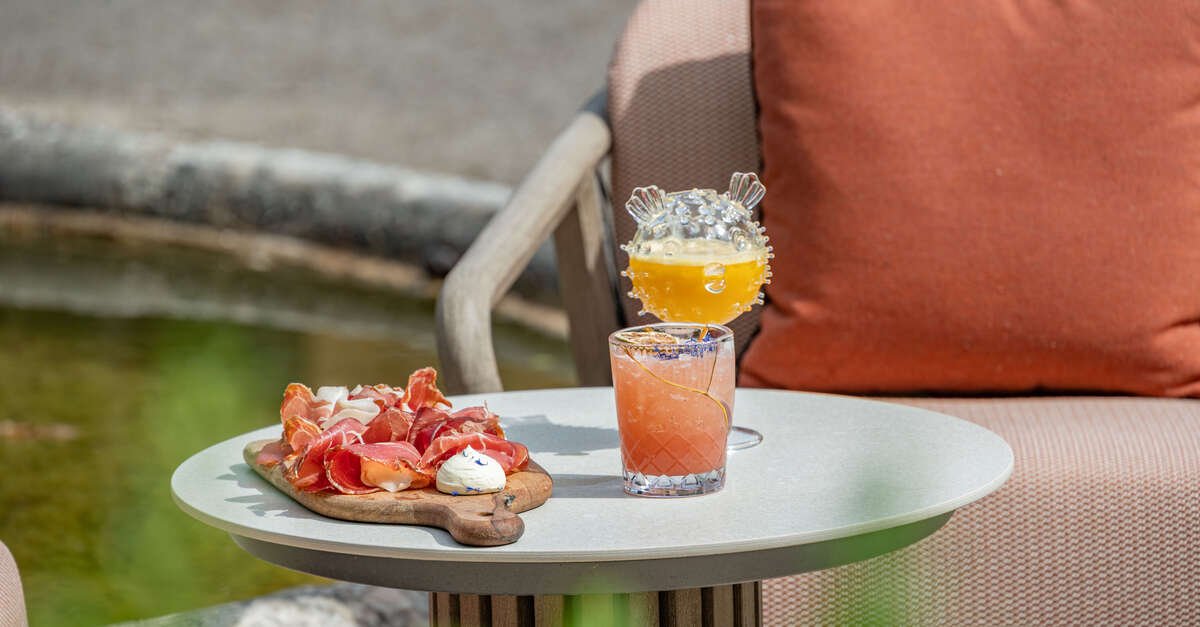
Hotels in Beaurecueil
Browse all →

At a Glance
- Rustic
- Elegant
- Cozy
- Special Occasion
- Family
- Celebration
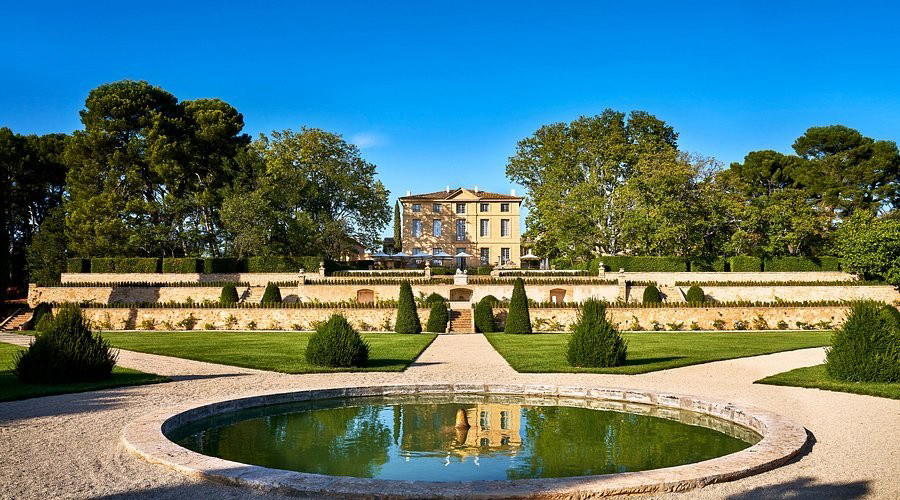
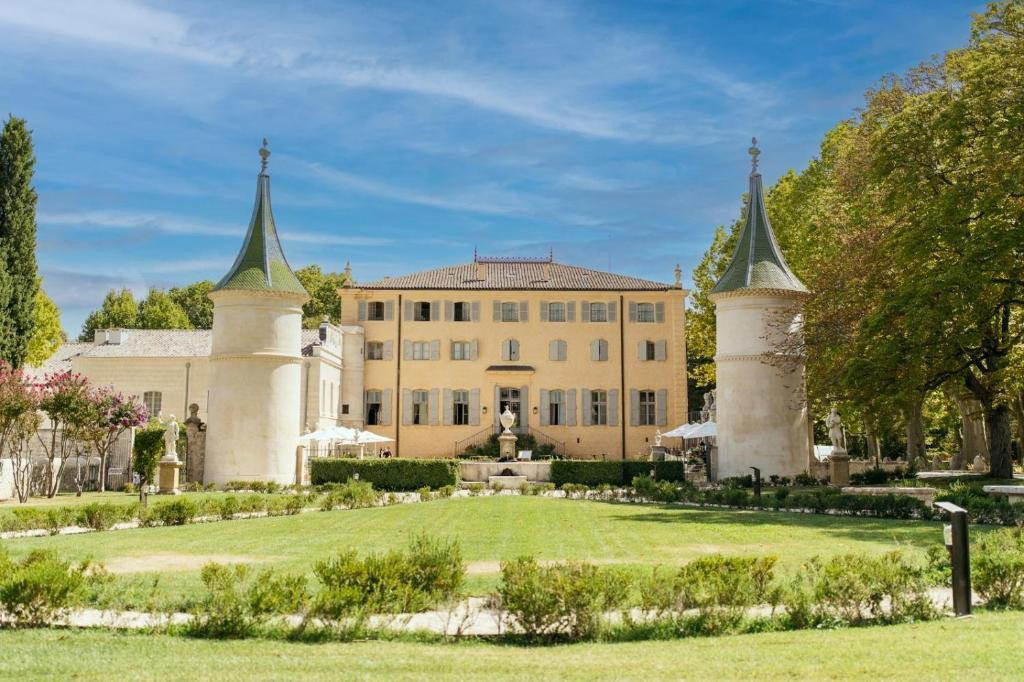
- Historic Building
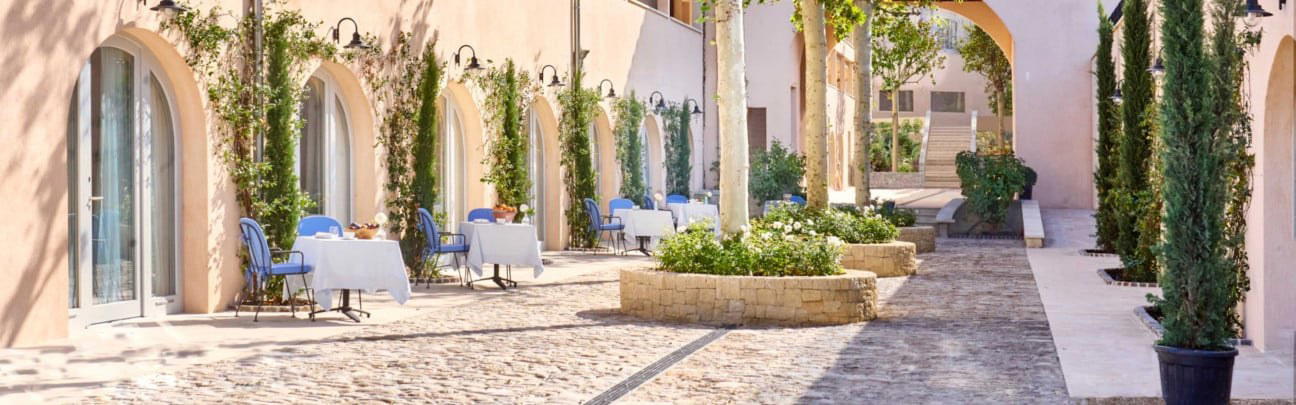
- Terrace
- Local Sourcing
- Mountain
Current opening hours
- Monday
- Closed
- Tuesday
- Closed
- Wednesday
- Closed
- Thursday
- 10 AM–11:30 PM
- Friday
- 10 AM–11:30 PM
- Saturday
- 10 AM–11:30 PM
- Sunday
- 10 AM–5 PM
Hours can change for holidays and private events. Last verified .
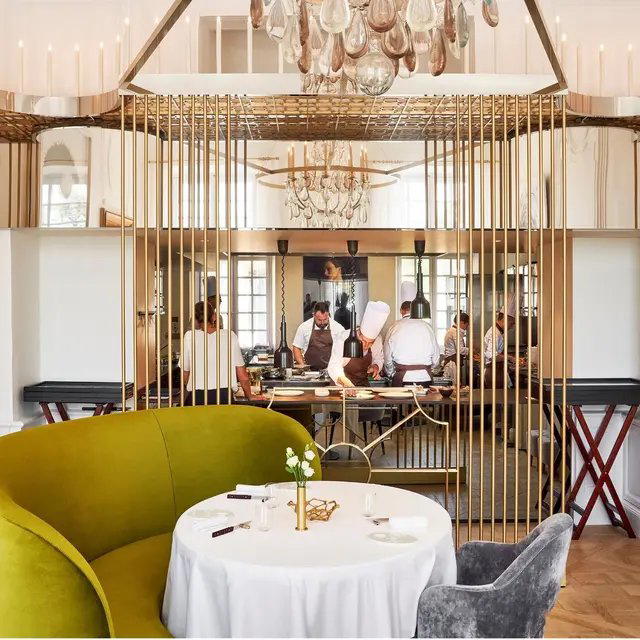
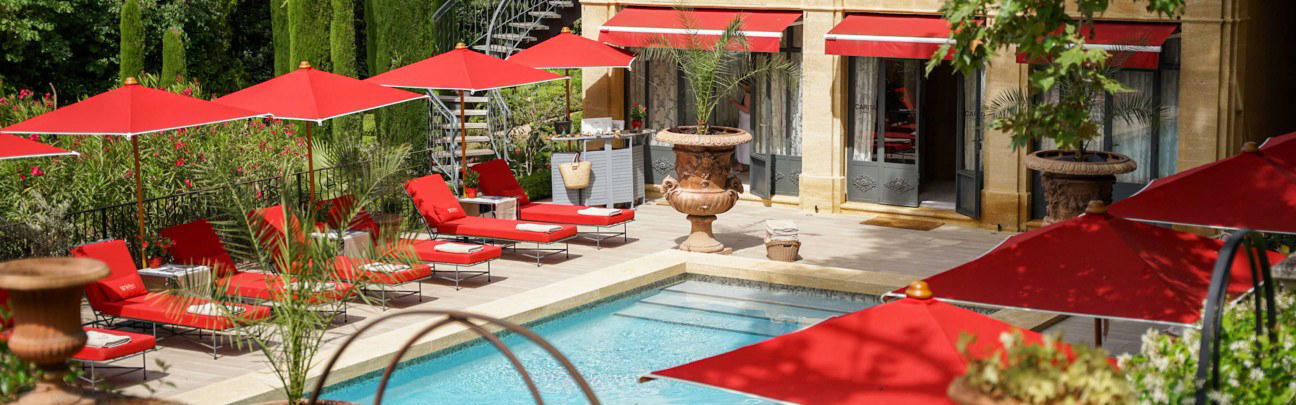
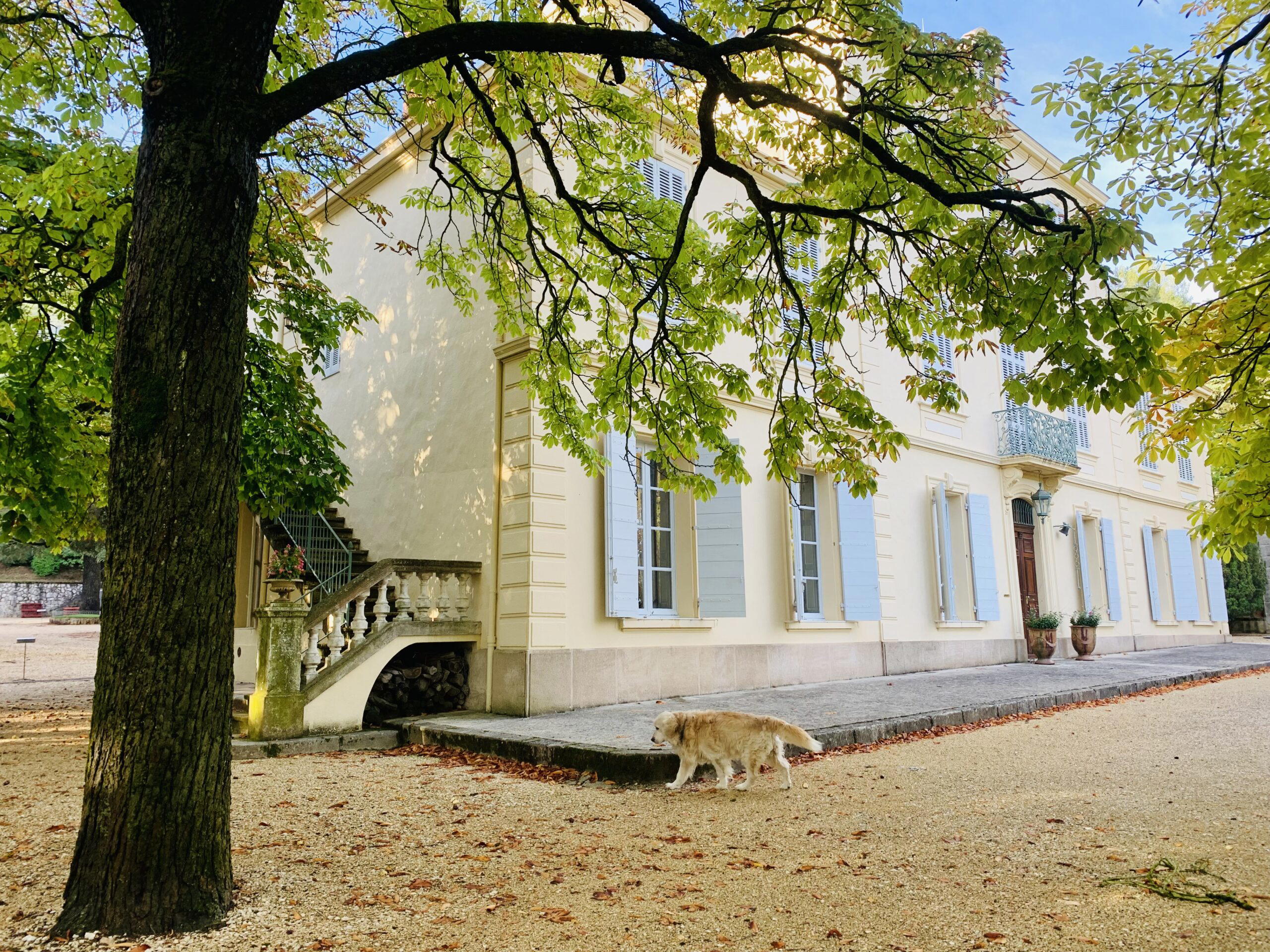
Contemporary and luminous interior in a renovated old farmhouse with high ceilings, warm and welcoming atmosphere praised by guests.