Google: 4.6 · 55 reviews
La Table d'Antonio Salvatore au Rampoldi

Tucked within Rampoldi’s former cigar lounge, La Table d’Antonio Salvatore is an intimate five-table sanctuary where contemporary Italian cuisine evolves with exquisite precision. Chef Antonio Salvatore, born in Basilicata and seasoned across Spain, England, and Russia, composes a tasting journey that marries Riviera terroir with southern Italian soul. Impeccable sourcing—from small producers around Menton and San Remo to prized ingredients from the south of Italy—anchors a menu of refined signatures, such as bottoni di vitello tonnato, slow-cooked cabri dodici ore, and a decadent texture di cioccolato. Here, service is hushed and attentive, the rhythm of the evening unhurried, and every plate a study in flavor, craft, and grace. For those seeking a more relaxed tempo, the adjacent brasserie presents modernized classics that echo the same disciplined elegance.
 Discover on Pearl
Pearl is the En Primeur Club membership app — saves, bookings, and concierge access live there. Same editors, same standards.
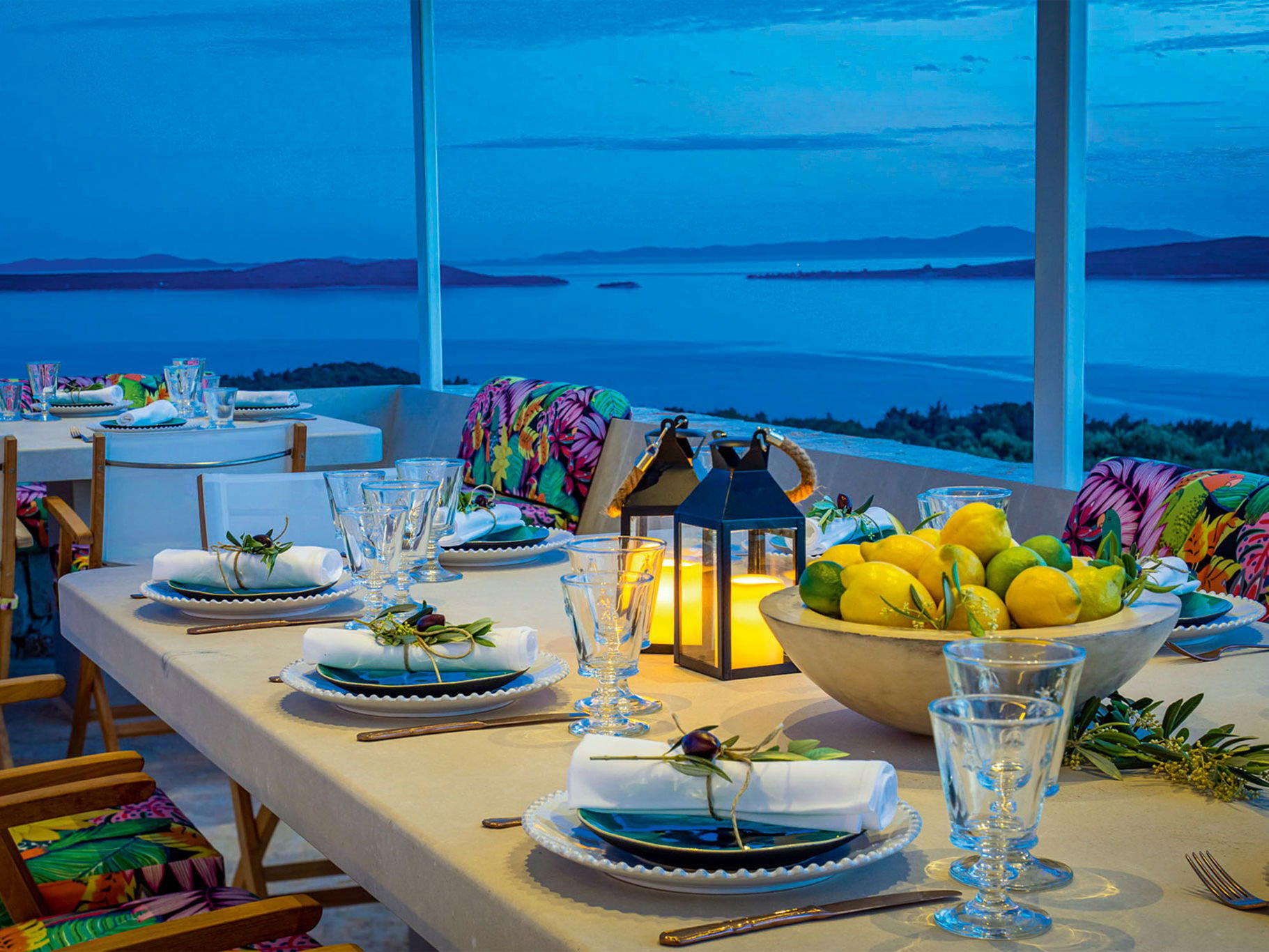
Five Tables in a Former Cigar Lounge
Monaco operates at an extreme end of the restaurant density curve: a microstate with a concentration of Michelin-starred rooms that would embarrass cities ten times its size. Within that environment, intimate specialist formats hold particular weight. The former cigar lounge at Rampoldi, now given over to just five tables, represents a deliberate narrowing of focus in a principality where scale is rarely a constraint. The room arrives quietly, without the chandeliered grandeur of the Casino district's larger dining rooms, and that restraint is precisely the point.
Positioned on Avenue des Spélugues, a short distance from the Casino de Monte-Carlo, the address places the restaurant inside Monaco's most concentrated hospitality corridor, where Alain Ducasse's Louis XV anchors the three-star tier and properties like Blue Bay Marcel Ravin and L'Abysse Monte-Carlo occupy the two-star level. La Table d'Antonio Salvatore sits at the one-star tier alongside Les Ambassadeurs by Christophe Cussac, but its format, five tables rather than a full dining room, places it in a different experiential register from nearly all of its peers.
Contemporary Italian in a City of French Ambition
Italian cooking at this level of precision in Monaco is a narrower proposition than it might appear. The principality's fine dining identity has historically skewed French and Provençal, with Mediterranean inflections arriving through Niçois and coastal traditions. Serious contemporary Italian, drawing explicitly on southern regional heritage while operating at Michelin-star standards, occupies a smaller niche here. Internationally, that niche is better populated: 8 1/2 Otto e Mezzo Bombana in Hong Kong, Octavium in Hong Kong, and Il Ristorante-Niko Romito in Dubai all demonstrate how Italian cooking travels when it is grounded in specific regional identity rather than generalised Mediterranean tropes. Within Monaco specifically, the Italian flag is largely carried by more accessible rooms; Zeffirino represents the established end of that bracket. La Table d'Antonio Salvatore operates at the other pole: formal enough for the address, precise enough for the star, but anchored in a southern Italian sensibility that gives it a distinct competitive position.
Chef Antonio Salvatore's Basilicata origins matter here not as biography but as sourcing logic. Basilicata is a region of intense, unglamorous flavours, where cooking tends toward depth rather than delicacy. That regional foundation, layered with professional experience across Spain, England, and Russia, produces a style that Michelin's 2024 assessment describes as contemporary Italian that is both tasty and precise. The distinction between tastiness and mere technical precision is worth noting: at this price tier, €€€€ by any count, precision without flavour is a common failure mode. The sourcing framework supports the flavour claim directly: small-scale producers around Menton and San Remo supply the proximity ingredients, while specific produce travels from southern Italy when the regional character demands it.
The Trattoria Instinct at Formal Scale
There is a version of Michelin-starred Italian cooking that abandons every instinct of the trattoria tradition in favour of architectural plating and conceptual distance. And there is a version that carries the warmth and directness of neighbourhood Italian cooking into a more technically demanding register. The five-table format at Rampoldi, and the dishes cited in the Michelin assessment, suggest the latter orientation. Bottoni di vitello tonnato, a reference to the vitello tonnato tradition that runs through northern and central Italy, arrives reformatted but recognisable. Cabri dodici ore, slow-cooked kid, is the kind of preparation that speaks to patience and ingredient respect over spectacle. Texture di cioccolato closes the loop on regional dessert identity. None of these dishes require the diner to decode an abstract concept; they require the diner to pay attention to the quality of the execution.
This matters in the context of Monte Carlo's dining scene because the principality can trend toward spectacle over substance. Several of Monaco's most-discussed rooms deliver as much atmosphere as cooking. The Rampoldi format, five tables, a former cigar lounge, dinner service running Tuesday through Saturday from 7 PM, closed Sunday and Monday, is not designed for spectacle. It is designed for the kind of attention that a very small room and very careful sourcing can produce. The Google rating of 4.6 across 48 reviews is consistent with a room that attracts deliberate visitors rather than high-volume traffic.
Sourcing as Editorial Position
The sourcing geography of La Table d'Antonio Salvatore tells a specific story about how contemporary Italian cooking positions itself when operating outside Italy. The Menton-San Remo corridor, running along the Ligurian coast from France into Italy, is one of the most productive small-producer zones in the western Mediterranean: citrus, olives, herbs, seafood, and market vegetables of a quality that justifies the premium. Anchoring the menu in that geography is not a marketing gesture; it is a cooking decision with direct implications for flavour and seasonality. The complement, specific ingredients imported from southern Italy when regional character requires it, reflects a sourcing discipline that resists substitution where substitution would compromise the dish.
This approach places the restaurant in a tradition shared by other serious Italian rooms operating at distance from their source regions. Frasca Food and Wine in Boulder and Osteria Mozza in Los Angeles both demonstrate that Italian cooking away from Italy can maintain integrity when the sourcing commitment is genuine. Closer geographically, Hostellerie Jerome in La Turbie, just above Monaco in the hills, operates on a similar philosophy of local and regional material taken seriously. In Kyoto, cenci demonstrates how Italian culinary logic can absorb entirely different local ingredient frameworks. In each case, the sourcing commitment is the argument, not the decoration.
The Brasserie Dimension
Rampoldi operates across two distinct formats under one address. The main brasserie carries a menu of modernised classics that has made it a Monaco institution across several decades, while La Table d'Antonio Salvatore functions as the more intimate, more demanding room within the same building. The coexistence of these two formats is a useful structural choice: it allows the starred kitchen to operate at its natural pace and scale without the volume pressure of a full brasserie service, while the brasserie retains Rampoldi's broader audience. Guests who want the neighbourhood brasserie experience have that option; guests who want the five-table precision format have theirs. The separation is clean.
Planning a Visit
Dinner service runs Tuesday through Saturday, opening at 7 PM and closing at 10 PM. The restaurant is closed Sunday and Monday. With only five tables, advance booking is strongly advisable, particularly for Friday and Saturday evenings when Monaco's hospitality footprint contracts around events at the Casino and the broader leisure circuit. The price range sits at €€€€ by Monaco standards, which positions it alongside the principality's other starred rooms rather than above them, though the intimacy of the format means cost-per-cover reflects the experience more directly than in a larger dining room. For those building a broader visit, our full Monte Carlo restaurants guide covers the complete starred and notable dining landscape, while our Monte Carlo hotels guide, bars guide, wineries guide, and experiences guide map the rest of the principality's premium offer.
Cost Snapshot
A quick look at comparable venues, using the data we have on file.
| Venue | Price | Awards | Notes |
|---|---|---|---|
| La Table d'Antonio Salvatore au Rampoldi | €€€€ | Michelin 1 Star | This venue |
| Pavyllon, un restaurant de Yannick Alléno, Monte-Carlo | €€€€ | Michelin 1 Star | Modern Cuisine, €€€€ |
| Alain Ducasse- Louis XV | Michelin 3 Star | French - Provençal | |
| L'Abysse Monte-Carlo | €€€€ | Michelin 2 Star | Japanese, €€€€ |
| Blue Bay Marcel Ravin | €€€€ | Michelin 2 Star | Creative, €€€€ |
| Elsa | €€€€ | Michelin 1 Star | Mediterranean Cuisine, €€€€ |
Continue exploring
More in Monte Carlo
Restaurants in Monte Carlo
Browse all →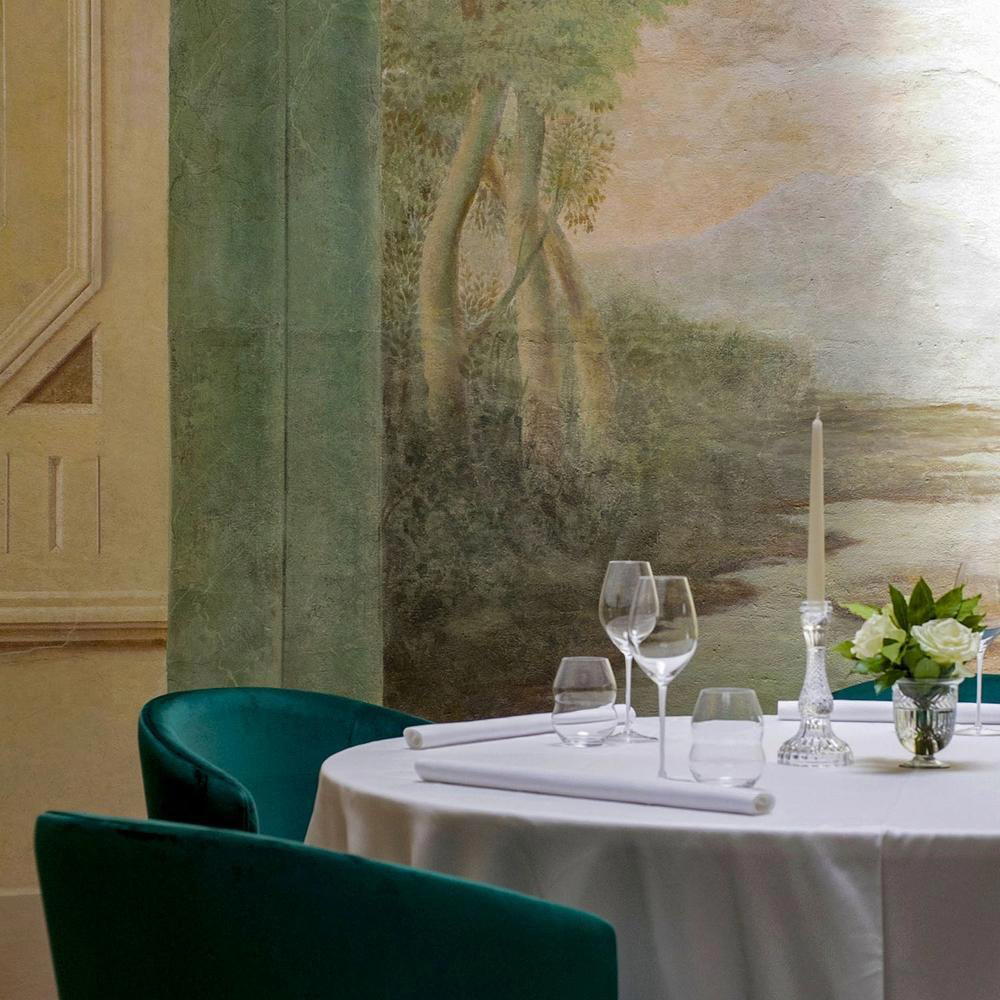
Bars in Monte Carlo
Browse all →
Hotels in Monte Carlo
Browse all →
Wineries in Monte Carlo
Browse all →
At a Glance
- Elegant
- Sophisticated
- Intimate
- Classic
- Opulent
- Date Night
- Special Occasion
- Business Dinner
- Private Dining
- Historic Building
- Extensive Wine List
- Sommelier Led
- Local Sourcing
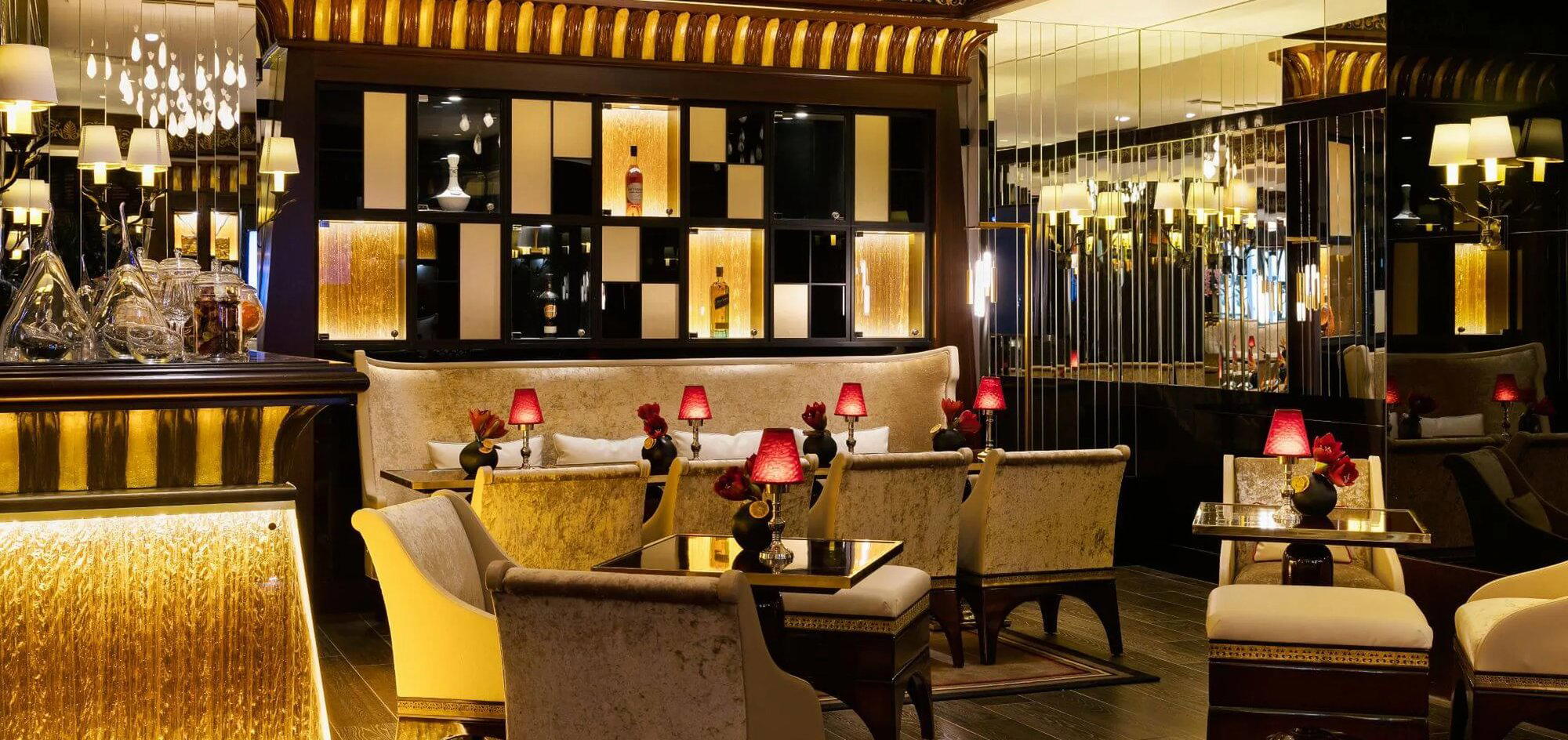
Art Déco-inspired room with sophisticated multimedia lighting effects creating an intimate and charming atmosphere.