Our verdict
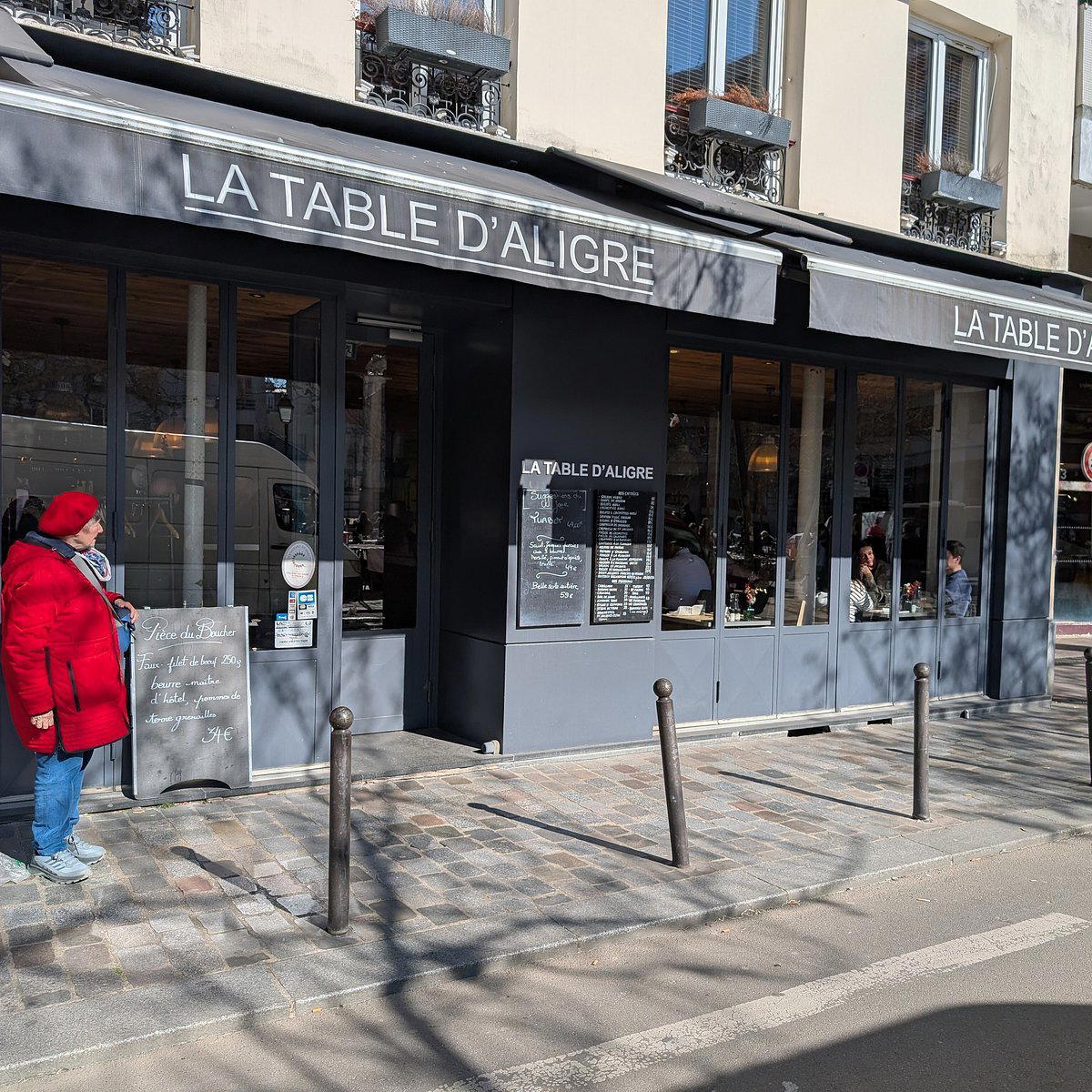
Situated on Place d'Aligre in Paris's 12th arrondissement, La Table d'Aligre draws from one of the city's most characterful market squares, where working-class roots and a serious food culture have coexisted for generations. The restaurant sits within a neighbourhood that operates largely outside the tourist circuits of the Right and Left Banks, making it a reference point for diners who prioritise context alongside the plate.

Pearl is the En Primeur Club membership app, where members save venues, book tables and use the concierge.
The menu
What to order
- Mixed Seafood Platter
- Filet of Lemon Sole
- Parillade de crustacés
- Brochettes de Saint Jacques
Place d'Aligre and the 12th: Paris's Market Quarter on Its Own Terms
Paris's restaurant geography has long been divided between the arrondissements that attract international attention and those that sustain a more local, practised dining culture. The 12th falls firmly into the latter category. Anchored by the Marché d'Aligre, one of the oldest and most active open-air markets in the city, the neighbourhood around Place d'Aligre has operated as a provisioning ground for serious Parisian cooks and households since at least the 18th century. The square itself predates Haussmann's reorganisation of the city, and the market retains a density and variety that newer food halls in more visible arrondissements rarely match. It is the kind of place where the priorities are produce and price, not presentation.
That context matters when reading a restaurant address on this square. Venues here do not inherit the ambient prestige of the 8th's grand avenues or the Left Bank's established critical attention. They earn their standing through the neighbourhood itself: proximity to serious ingredients, a clientele that cooks and eats with conviction, and a local culture that applies real scrutiny to what lands on the table. La Table d'Aligre sits at 11 Place d'Aligre, which places it directly within that ecosystem rather than at a remove from it.
A Neighbourhood That Resists the Obvious
The 12th arrondissement is not where Paris's highest-profile restaurant openings tend to cluster. The starred establishments that draw international reservation lists are concentrated elsewhere: Alléno Paris au Pavillon Ledoyen occupies the Champs-Élysées gardens, Arpège works from the 7th, and the Le Cinq at the Four Seasons George V anchors the luxury hotel dining tier in the 8th. Even Kei and L'Ambroisie, at different ends of the contemporary-classic spectrum, operate from more trafficked addresses.
The relative quiet of the Aligre quarter is precisely what defines its dining proposition. Restaurants here do not compete for the same reservation-chasing crowd that cycles through the 6th and 8th. Instead, they answer to a neighbourhood with its own expectations: seasonal sourcing taken for granted because the market is steps away, a preference for directness over theatrics, and a price sensitivity that keeps ambition anchored. That combination does not produce minimalism for its own sake. It produces a particular kind of cooking confidence, the sort that does not require a famous address to make its case.
Reading the Address: What Place d'Aligre Signals
For diners oriented by arrondissement prestige, an address on Place d'Aligre requires a recalibration. This is not a destination neighbourhood in the way that the Marais or Saint-Germain function for tourists, nor does it operate as a foodie outpost in the manner that, say, Oberkampf or the canal districts have been positioned in recent years. It is older than those narratives and less self-conscious about its food identity.
The Marché d'Aligre runs Tuesday through Sunday, and the surrounding streets maintain a rhythm tied to that schedule. The square itself is compact and human in scale, with the covered Beauvau market hall at its centre. A restaurant at number 11 is embedded in that daily life rather than set apart from it. The practical consequence for the diner is that the sourcing infrastructure is immediate: the distance between market stall and kitchen is measured in footsteps rather than supply-chain logistics.
French regional dining at this level of market integration has a long tradition, one visible in the great provincial houses that have sustained their reputations across generations: Auberge de l'Ill in Illhaeusern, Troisgros in Ouches, and Bras in Laguiole all built their identities around a specific terrain and its products. In a Paris context, proximity to Aligre functions as a version of that rootedness, compressed into an urban setting.
Where La Table d'Aligre Sits in the Broader Paris Scene
Paris's restaurant offer spans a range that runs from the grand classic houses, places like Paul Bocuse's Auberge du Pont de Collonges in the French culinary tradition, through contemporary creative tasting formats at venues such as AM par Alexandre Mazzia in Marseille, to neighbourhood-anchored tables that operate without the infrastructure of a starred kitchen. La Table d'Aligre occupies this last register in the capital's most market-dense setting. It is not positioned against the €€€€ tasting menu tier represented by the 8th arrondissement establishments. Its competitive set is the serious neighbourhood restaurant, a category Paris does well and the 12th does with particular lack of pretension.
That positioning is neither a limitation nor a consolation. Some of the most instructive meals in any city happen outside the formal recognition infrastructure. Assiette Champenoise in Reims, Flocons de Sel in Megève, and Auberge du Vieux Puits in Fontjoncouse demonstrate that address and setting shape what a kitchen decides to do. At Aligre, the setting argues for produce-led cooking, honest portions, and a wine list that matches the neighbourhood's no-nonsense character.
For diners building a Paris itinerary that moves beyond the established circuit, the 12th and its market square represent a different entry point into the city's food culture. The contrast with a meal at Le Bernardin in New York or Atomix is instructive: those rooms are defined by their precision and controlled environment. Aligre's context is defined by its openness to the street, to the market, and to the daily life of a Paris quartier that has fed itself seriously for centuries. See our full Paris restaurants guide for broader context on how the city's dining neighbourhoods compare.
Further afield, the contrast with venues like Au Crocodile in Strasbourg or Mirazur in Menton, both rooted in their respective terroirs, underlines that the most coherent restaurants tend to draw identity from their immediate geography. At Place d'Aligre, that geography is unusually legible.
Know Before You Go
- Address: 11 Place d'Aligre, 75012 Paris, France
- Neighbourhood: 12th arrondissement, adjacent to Marché d'Aligre
- Market Days: The Marché d'Aligre operates Tuesday to Sunday, with Saturday mornings drawing the highest footfall
- Getting There: Ledru-Rollin (Line 8) is the closest Métro station, approximately a five-minute walk from the square
- Price Range: Not confirmed in; expect neighbourhood restaurant pricing rather than grand tasting menu rates
- Note: Phone, website, and hours were not available at time of publication; verify before visiting
Frequently asked questions
What's La Table d'Aligre's location?
La Table d'Aligre is located at 11 Pl. d'Aligre, 75012 Paris, France, Paris.
What is the atmosphere like at La Table d'Aligre compared to central Paris restaurant districts?
La Table d'Aligre sits on Place d'Aligre in the 12th arrondissement, a working market square that operates at a remove from the tourist-heavy circuits of Saint-Germain or the Marais. The surrounding neighbourhood draws a predominantly local clientele, which tends to produce a quieter, more residential register than you would find at comparably sized restaurants in the 6th or 1st arrondissements.
What's the must-try dish at La Table d'Aligre?
The restaurant's address directly on Place d'Aligre, one of Paris's most active daily markets, suggests a kitchen with reliable access to fresh seasonal produce, which typically shapes the offer at this level of neighbourhood dining in the 12th.
What's the best way to book La Table d'Aligre?
The most dependable route for restaurants at this address level in Paris is to visit in person during off-peak hours or use a platform such as TheFork, which covers a broad range of 12th arrondissement venues.
What has La Table d'Aligre built its reputation on?
The clearest indicator of standing is the address itself: Place d'Aligre draws a local Parisian clientele rather than a tourist circuit, and restaurants that sustain a presence there do so on repeat neighbourhood trade rather than external recognition.
Do they accommodate allergies at La Table d'Aligre?
Contact details are not available at time of publication, so the most direct approach is to reach out via a booking platform or visit the restaurant directly before your reservation date.
Is La Table d'Aligre worth the price?
Restaurants on Place d'Aligre in the Paris 12th typically operate at mid-range price points calibrated to a local clientele, placing them well below the starred houses of the 6th or 8th while offering a more grounded experience of how the city actually eats.
The Quick Read
Comparable venues nearby, for context on price, style, and recognition.
| Venue | Cuisine | Price | Notes |
|---|---|---|---|
| La Table d'AligreThis venue (the venue you are viewing) | French Seafood | $30–50 | Not listed |
| Le Petit Canard | Traditional French Duck Bistro | Not listed | 9th arrondissement, Traditional French Duck Bistro |
| Le Diamant Bleu - Dîner Croisière | Traditional French Dinner Cruise | $50–100 | Austerlitz, French Gastronomic Dinner Cruise |
| Café Pierre Hermé | Not listed | $30–50 | 7th arrondissement, French Patisserie Café |
| Le Saut du Crapaud | Franco-Mexican Fusion Bistro | $30–50 | 14e Arr., Franco-Mexican Fusion Bistro |
| Les Fables de La Fontaine | Modern French Seafood Fine Dining | $50–100 | 7th Arrondissement, Modern French Seafood Fine Dining |
Continue exploring
More in Paris
Restaurants in Paris
All restaurants in Paris →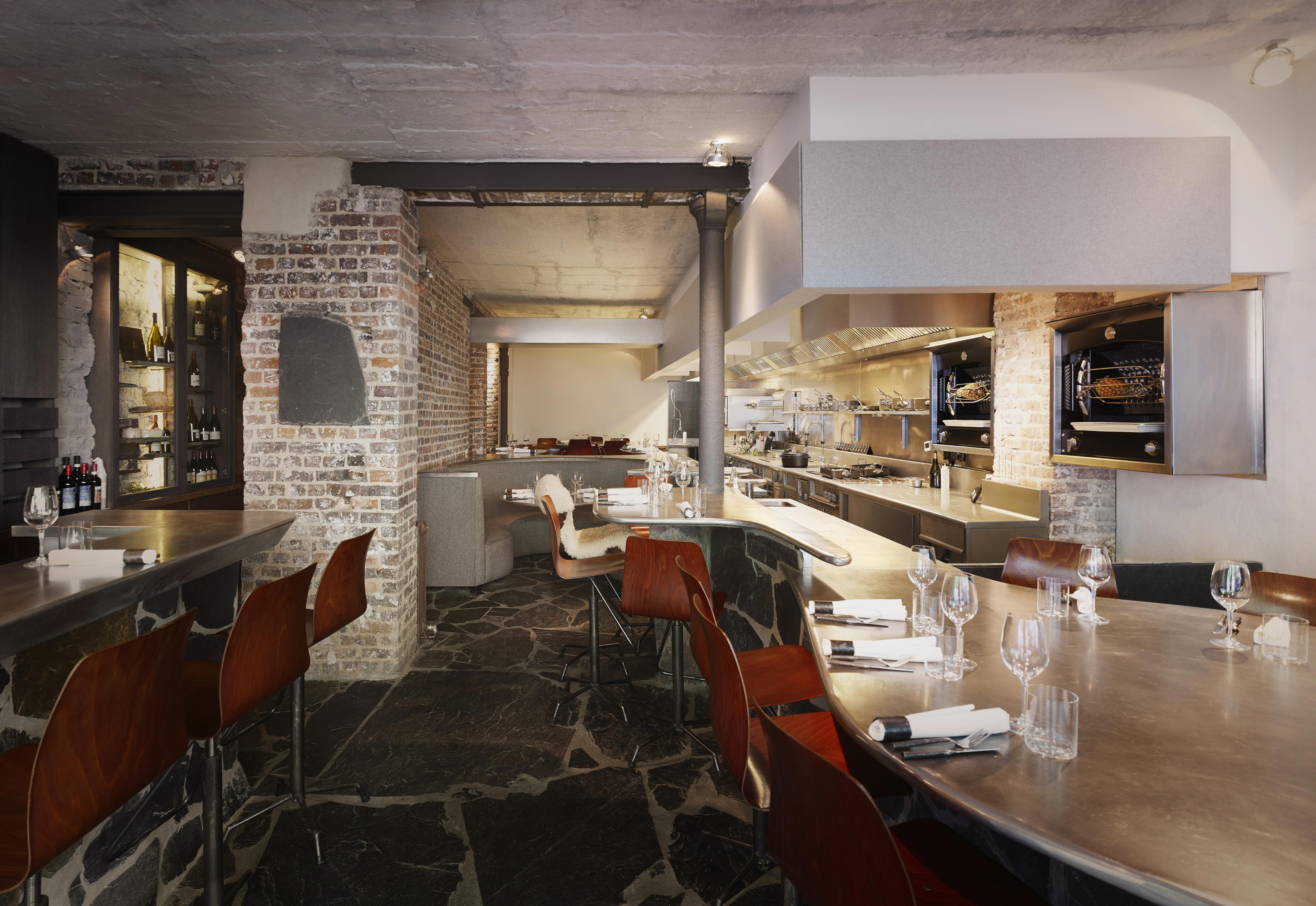
Bars in Paris
All bars in Paris →

Details
- Cozy
- Lively
- Modern
- Date Night
- Casual Hangout
- Open Kitchen
- Terrace
- Extensive Wine List
- Local Sourcing
- Street Scene
- A La Carte
Current opening hours
- Monday
- 12–3 PM, 7–11 PM
- Tuesday
- 12–3 PM, 7–11 PM
- Wednesday
- 12–3 PM, 7–11 PM
- Thursday
- 12–3 PM, 7–11 PM
- Friday
- 12–3 PM, 7–11 PM
- Saturday
- 12–3 PM, 7–11 PM
- Sunday
- 12–3:30 PM, 7–10 PM
Hours can change for holidays and private events. Hours as of .
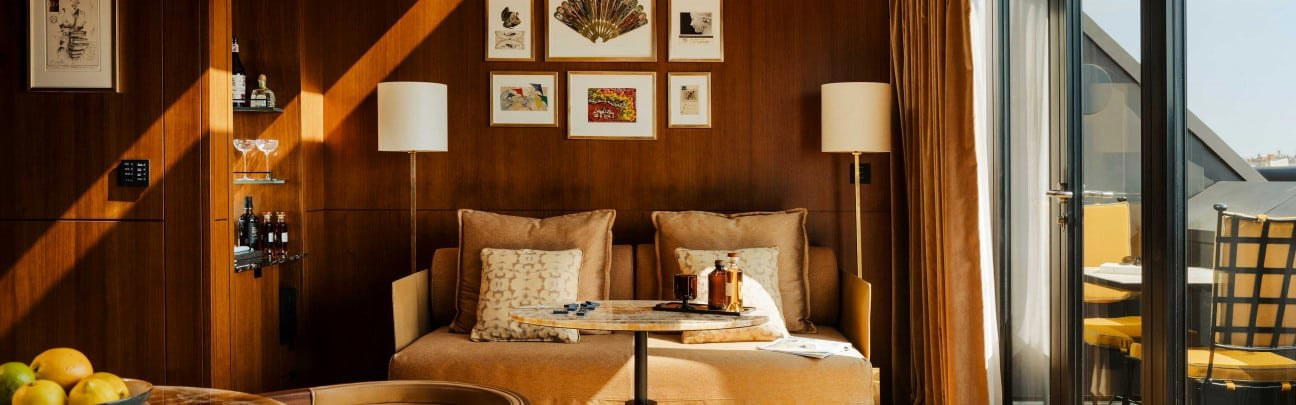
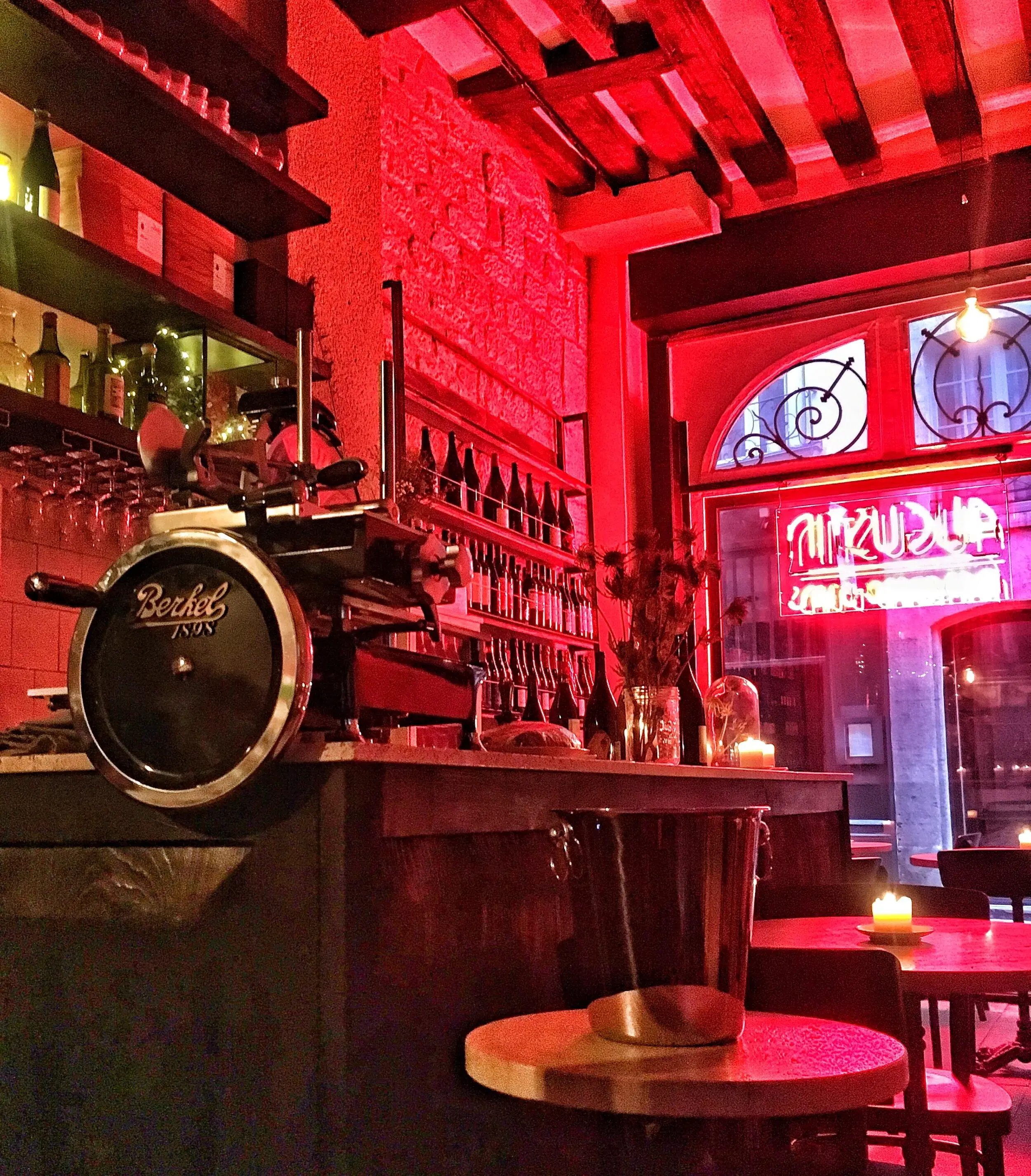
Warm and lively boisée interior with natural light filtering in, modern wood, glass and metal decor, convivial atmosphere with open kitchen views.