On Deauville's working marina at 1 Quai de la Marine, Le Comptoir et la Table occupies a position where the Norman fishing tradition meets the town's reputation for understated luxury. The address places it within the port's rhythm of trawlers and tide-dependent schedules, framing a dining experience rooted in the Atlantic larder that supplies this stretch of the Côte Fleurie.
Pearl is the En Primeur Club membership app — saves, bookings, and concierge access live there. Same editors, same standards.
- Address
- 1 Quai de la Marine, 14800 Deauville, France
- Phone
- +33 2 31 88 92 51
- Website
- lecomptoiretlatable.fr
- Directions
- Get directions
 Saves & bookings on Pearl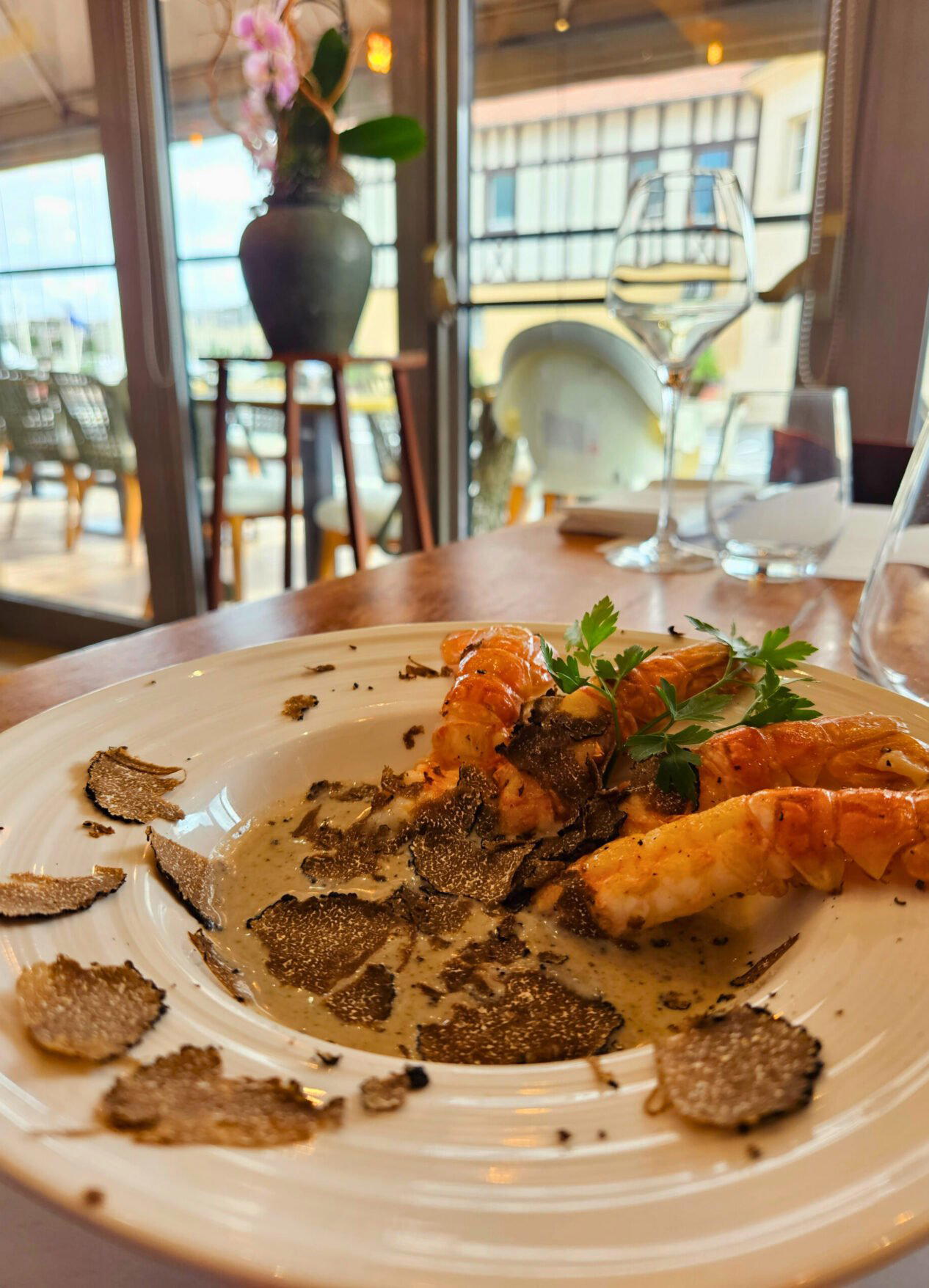
Where the Port Sets the Menu
The quayside at Deauville's marina operates on a different clock from the town's racecourse and casino. Trawlers unload at the Quai de la Marine in the early hours; by midday the catch has moved inland or, at addresses like Le Comptoir et la Table, directly into the kitchen. Sitting at the port's edge, the restaurant exists inside a supply chain that the leading Norman coastal dining has always depended on: the English Channel's cold, productive waters yielding sole, turbot, scallops, and langoustine with a regularity that shapes menus season by season rather than trend by trend.
That physical grounding matters in Normandy more than in most French regions. The cuisine here is defined less by haute technique than by raw material quality: the dairy richness of local cream and butter, the brine-forward character of channel shellfish, the firm flesh of line-caught fish from waters that never warm enough to soften flavour. Any serious table in this part of France positions itself against that tradition, whether by honouring it directly or finding productive tension with it. Le Comptoir et la Table, at its waterfront address, is placed squarely inside it.
Deauville's Dining Position on the Normandy Spectrum
Normandy's restaurant culture divides roughly between country-auberge formality and coastal bistro directness. Deauville pulls from both: it has the resort visitor's appetite for polish and the fishing-town's preference for produce over performance. The town's dining scene has historically offered fewer starred tables than comparable resort destinations in southern France, but it compensates with addresses that treat local sourcing as a non-negotiable rather than a marketing point.
Within Deauville itself, the competitive set includes L'Essentiel, which applies modern technique to Norman ingredients, and Maximin Hellio, which draws from a broader creative repertoire. Le Comptoir et la Table's port address signals a different orientation: the name itself, counter and table, suggests a format that sits closer to market-stall directness than to formal dining room ceremony. That positioning is not accidental in a town where the weekend visitor from Paris expects quality without being made to feel they have wandered into a white-tablecloth performance.
For a wider picture of what the town offers across dining, accommodation, and leisure, see our full Deauville restaurants guide, alongside our full Deauville hotels guide, our full Deauville bars guide, our full Deauville wineries guide, and our full Deauville experiences guide.
The Atlantic Larder and Its Demands on the Kitchen
The cultural logic of Norman coastal cooking is essentially this: the sea provides so reliably and so well that the kitchen's primary obligation is to not interfere too much. That philosophy runs from the simple sole meunière served in port-side brasseries up through the French restaurant tradition broadly, visible in the precision that a Paris address like Le Bernardin in New York City has long applied to similar raw material logic transplanted to the Atlantic seaboard.
What changes at the coastal source, as opposed to a metropolitan interpretation of that tradition, is immediacy. In Deauville, the same fish that left the water before dawn arrives at the table within hours. That compression of time between sea and plate is something that even accomplished restaurants in Paris, Lyon, or Marseille cannot fully replicate. France's inland starred tables, from Troisgros - Le Bois sans Feuilles in Ouches to Bras in Laguiole, build their identity around terroir of a different kind: wild plants, mountain dairy, river fish. Coastal Norman cooking answers with a terroir that is tidal and temperature-driven, its window of peak quality measurable in hours.
That context places a quayside address in Deauville inside an argument about French culinary geography that goes well beyond any individual restaurant. The Normandy coast is one of the few places in France where the distance between source and plate is short enough to make the kitchen's restraint a genuine expression of confidence rather than a rhetorical one.
How This Address Fits the Broader French Table
French fine dining at its upper tier, represented by addresses such as Alléno Paris au Pavillon Ledoyen, Mirazur in Menton, or Assiette Champenoise in Reims, operates under a different logic than a market-anchored quayside table. Those addresses build a case for cuisine as transformation, applying extensive technique to raw material. What the Norman coast offers is a counter-argument that the tradition has always accommodated: that some ingredients arrive already making a case for themselves, and the cook's job is to get out of the way. Classic houses like Auberge de l'Ill in Illhaeusern or Paul Bocuse - L'Auberge du Pont de Collonges made their names partly by knowing which technique to apply and, equally, which to withhold. Alpine kitchens, including Flocons de Sel in Megève, operate on a similar logic with mountain ingredients. At the Norman shore, the same discipline applies to a different set of materials.
A more experimental register appears at an address like AM par Alexandre Mazzia in Marseille or in Korean-rooted creative cooking at Atomix in New York City, where the ambition is explicitly to build a new culinary vocabulary. The Norman port tradition asks something harder in its own way: to maintain standards when the raw material sets expectations that technique must meet rather than mask.
Planning a Visit
The restaurant sits at 1 Quai de la Marine, 14800 Deauville, directly on the working marina.
Cost and Credentials
Comparable venues nearby, for context on price, style, and recognition.
| Venue | Cuisine | Price | Notes |
|---|---|---|---|
| Le Comptoir et la TableThis venue — the venue you are viewing | Port, Classic French Brasserie | $$$ | Not listed |
| Deauville-La Touques Racecourse | Tourgeville, French Brasserie | $$$ | Not listed |
| Le Spinnaker | centre ville, French Gastronomic | $$$ | Not listed |
| L'Etoile des Mers | center, French Seafood Bistro | $$$ | Not listed |
| Augusto Chez Laurent | Not listed | $$$ | Rue Principale Commerçante, Classic French Seafood |
| Belle Epoque | Not listed | $$$$ | Les Planches, Classic French with Norman influences |
Continue exploring
More in Deauville
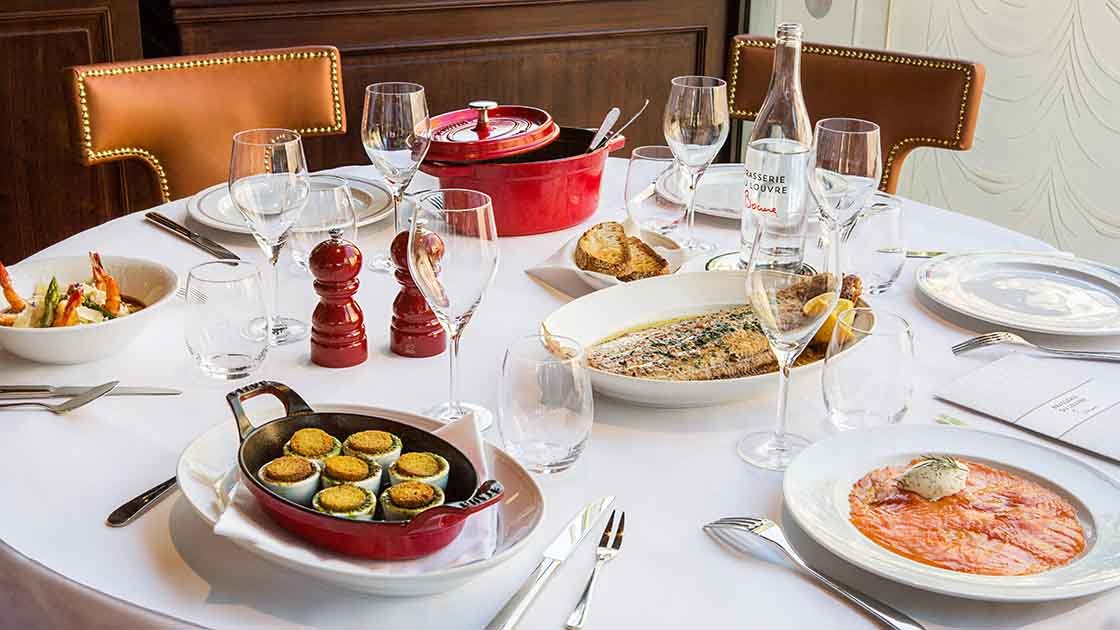
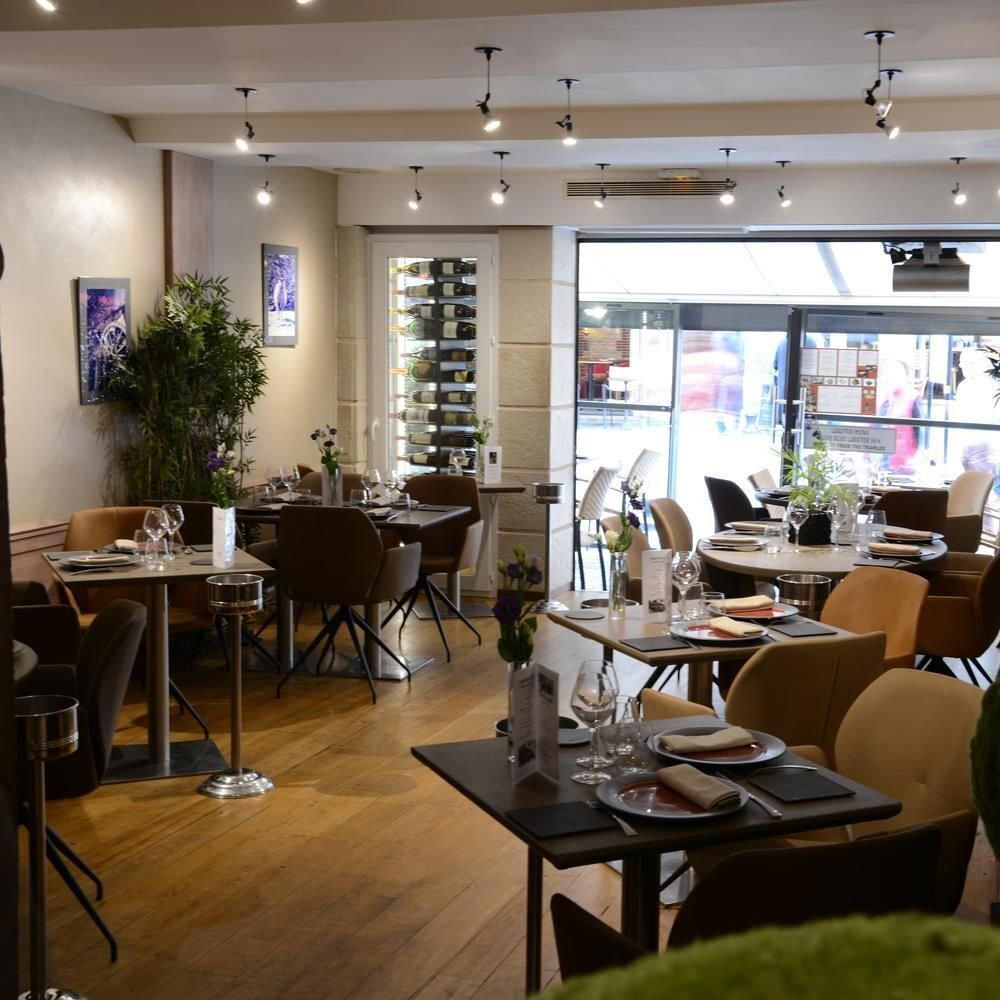
Restaurants in Deauville
Browse all →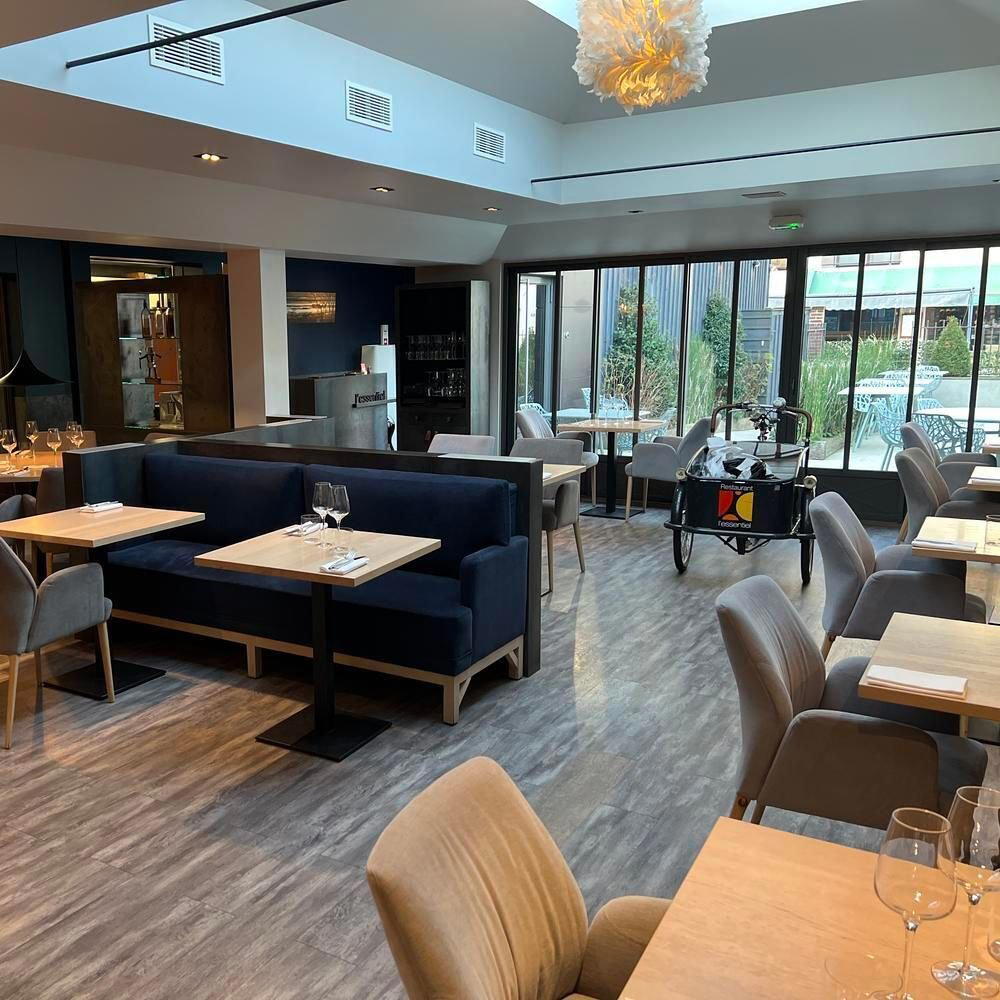
Bars in Deauville
Browse all →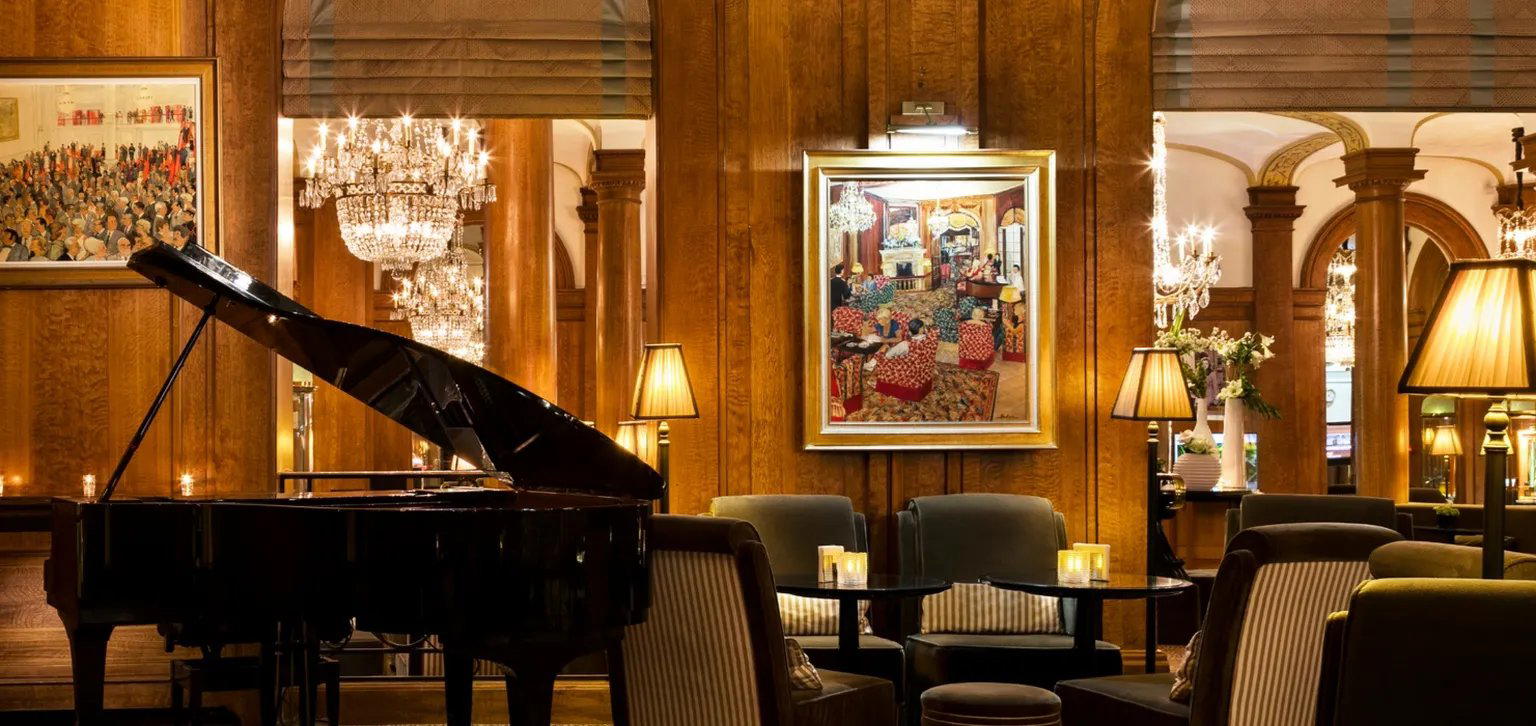
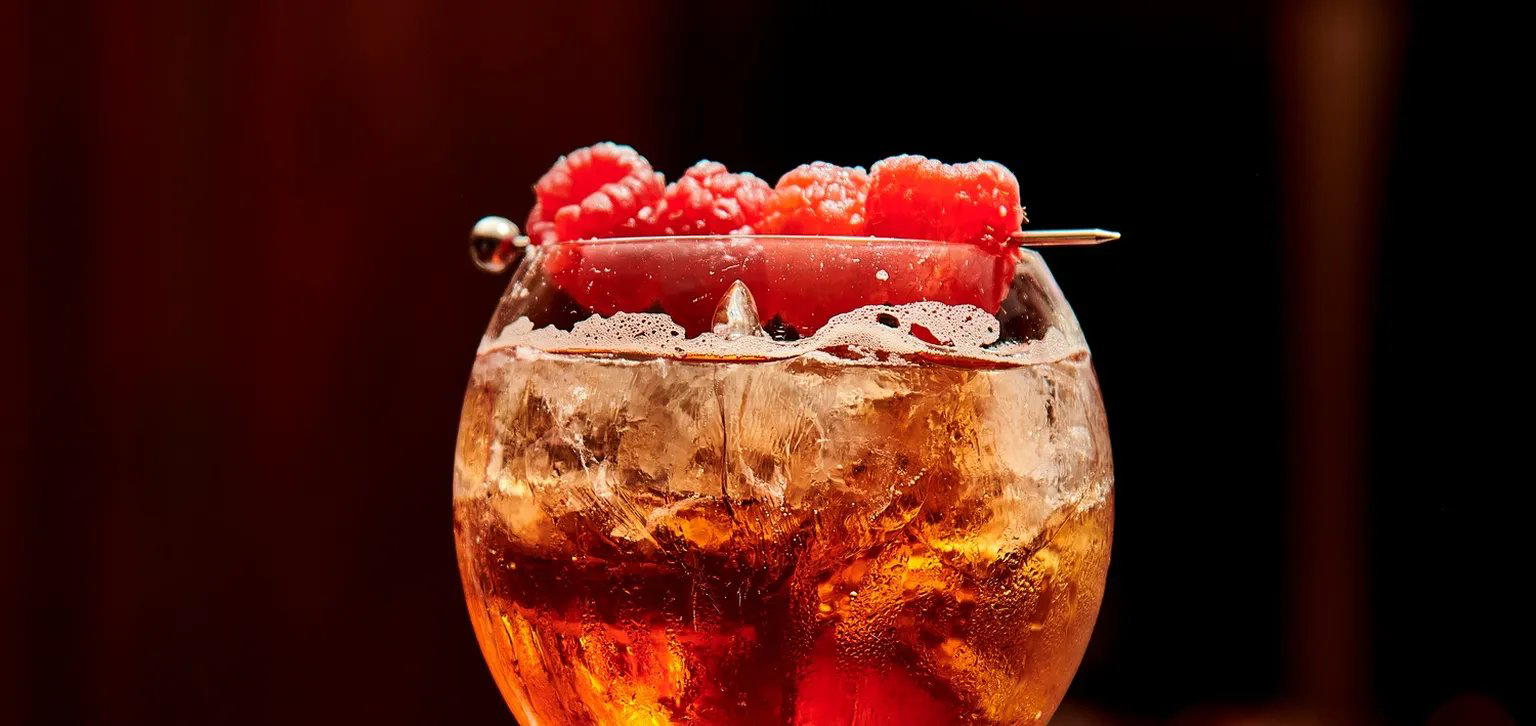
Hotels in Deauville
Browse all →
At a Glance
- Classic
- Elegant
- Cozy
- Date Night
- Special Occasion
- Terrace
- Waterfront
- Local Sourcing
- Waterfront
Current opening hours
- Monday
- 12–2 PM, 7–10 PM
- Tuesday
- 12–2 PM, 7–10 PM
- Wednesday
- 12–2 PM, 7–10 PM
- Thursday
- 12–2 PM, 7–10 PM
- Friday
- 12–2 PM, 7–10:30 PM
- Saturday
- 12–2 PM, 7–10:30 PM
- Sunday
- 12–2 PM, 7–10 PM
Hours can change for holidays and private events. Last verified .
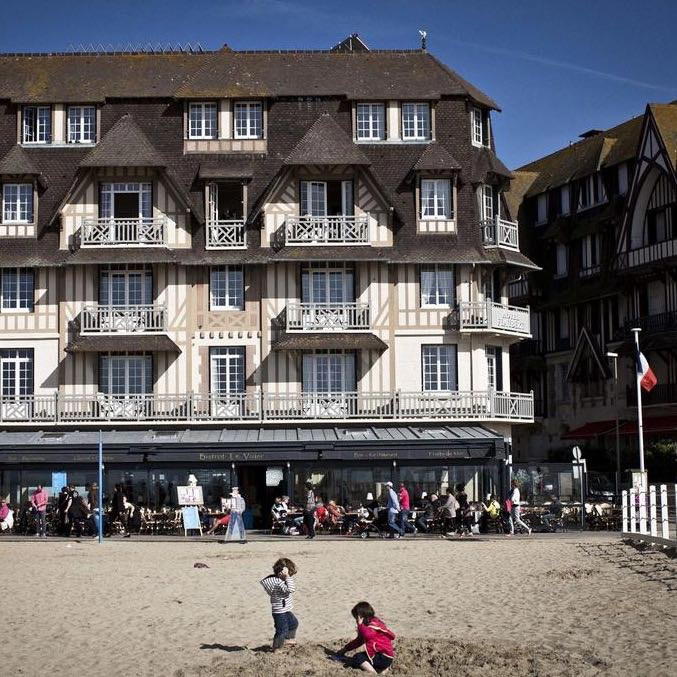
Warm brasserie-style atmosphere with terrace, veranda, and old-fashioned bar spaces, offering a cozy yet elegant dining experience.