La Rosa Restaurant
La Rosa Restaurant sits in Miami’s everyday dining lane rather than its trophy-counter circuit, which makes the ingredient question more useful than the hype question. Read it through the city’s Cuban and Latin pantry logic: rice, beans, plantains, citrus, slow-cooked meats, and a room built for regulars rather than ceremony.
Pearl is the En Primeur Club membership app — saves, bookings, and concierge access live there. Same editors, same standards.
- Address
- 4041 NW 7th St, Miami, FL 33126
- Phone
- +13055411715
- Website
- larosafinecubancuisine.com
 Saves & bookings on Pearl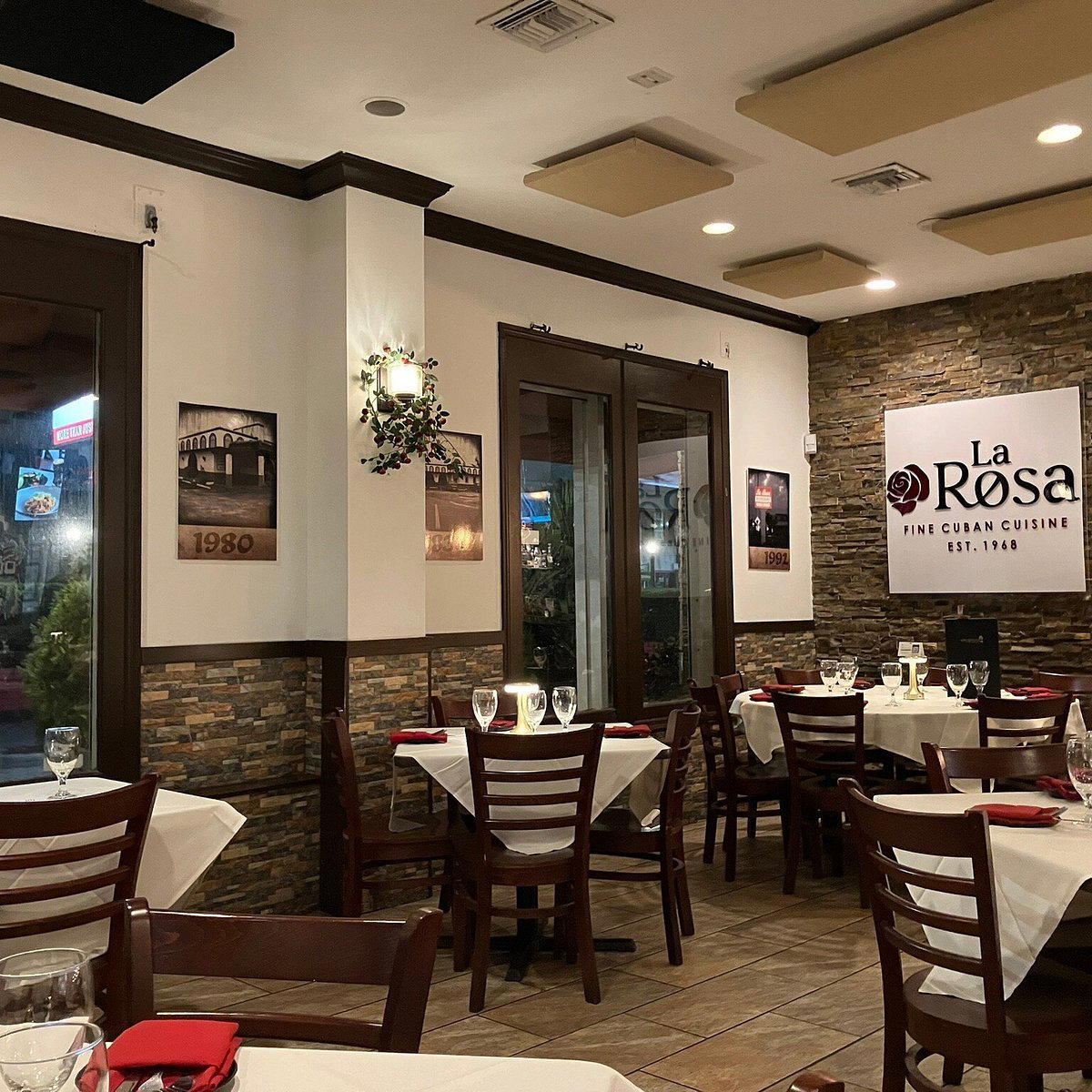
La Rosa Restaurant is a Miami restaurant serving Authentic Cuban Cuisine at 4041 NW 7th St, with a $25 per person price point. The approach to a Miami neighborhood restaurant often tells the story before the menu does: traffic close by, families moving in and out, a dining room calibrated for lunch, dinner, and the long middle hours when the city does not quite pause. La Rosa Restaurant belongs to that practical Miami tradition. The draw is not a staged tasting format or a chef’s mythology; it is the city’s familiar Latin restaurant grammar, where the value of the meal depends on sourcing rhythms, kitchen repetition, and the way staple ingredients are handled day after day.
Miami’s serious dining conversation often splits in two. One side follows reservations, awards, imported luxury products, and high-design rooms. The other side is built on the produce, starches, citrus, coffee, seafood culture, and meat cookery that define daily eating across Cuban, Caribbean, Central American, and South American communities. La Rosa Restaurant fits the second conversation. That matters because ingredient sourcing in this lane is less about rare labels and more about consistency: ripe plantains when the dish needs sweetness, beans cooked with enough structure, rice that works as a base rather than filler, citrus that cuts through richness, and proteins prepared for comfort rather than spectacle.
Miami's Latin pantry matters more here than ceremony
Ingredient-led dining in Miami is often misunderstood. In fine-dining rooms, it can mean named farms, imported seafood, and seasonal tasting menus. In neighborhood Latin restaurants, it is usually more tactile and less announced. The pantry carries the identity: garlic, onion, bell pepper, cumin, oregano, sour orange, lime, yuca, malanga, black beans, white rice, sweet plantains, and cuts of meat suited to braising, grilling, or frying. The sourcing question is not whether a menu reads rare; it is whether the kitchen respects ingredients that locals know well enough to judge quickly.
That is the useful frame for La Rosa Restaurant. Miami diners have a high tolerance for glamour and a low tolerance for weak staples. A room can survive without awards if the basic components land correctly, because the city has enough family-run and counter-service competition to expose shortcuts. This is where comparison helps. A pizza-focused stop such as 11th Street Pizza (Pizzeria) is judged by dough, heat, and cheese balance; 1986 Steak House (Argentine steakhouse) by beef sourcing and grill discipline; 100 Montaditos by the efficiency of a casual Spanish sandwich format. In the Cuban-Latin lane, the test is the pantry, the plate construction, and whether the kitchen can keep those standards through a long service day.
Miami also rewards restaurants that can serve multiple constituencies without changing personality. Office workers, airport-adjacent traffic, families, late lunches, and early dinners all create different demands on the same kitchen. That operating reality favors menus built around ingredients that hold their identity across the day: rice, beans, roasted or stewed meats, fried components, soups, coffee, and simple desserts. A more delicate tasting-menu format would fight the rhythm of the neighborhood; a sturdier Latin format works with it.
How it sits against Miami's wider restaurant map
The city’s restaurant map has become broader and more fragmented. Coral Way can send diners toward Italian cooking at O Munaciello Coral Way; Wynwood and central corridors have made food-hall grazing a normal night out through places such as 1-800-Lucky; Spanish formats appear through names like Madrid Tapas Y Vinos; steakhouse culture moves between Argentine and American references; hotel restaurants such as Cane Fire Grille serve another audience entirely. Against that spread, La Rosa Restaurant reads as part of the city’s practical Latin dining infrastructure rather than a destination built around novelty.
That distinction should guide expectations. This is not the page to search for chef biography or tasting-menu language. The stronger editorial question is how a Miami restaurant without a high-concept identity earns a place in a city crowded with louder choices. The answer sits in usefulness. Restaurants in this category are judged by whether they make sense for a weekday lunch, a family table, or a familiar dinner where the order is built from staples rather than discoveries. The ingredient angle is therefore grounded in reliability, not rarity.
The same logic applies when comparing Miami with other American food cities. Los Angeles can support specialist Japanese and Mexican-American formats such as Jōdo Saké Bar in Los Angeles or ¡Salud! in Los Angeles; Pasadena has focused casual Japanese formats like Onigiri Time in Pasadena; Portland’s casual Mexican conversation includes ¿Por Qué No? in Portland. Hawaii’s local-food vocabulary appears through 'Ai Love Nalo in Waimanalo Beach, 'Ama 'Ama in Kapolei, and San Francisco’s Hawaiian-rooted 'āina in San Francisco. Kamakura’s beef tradition shows a different kind of ingredient focus at -Grilled beef Sukiyaki- KAMAKURA TANUKIAN 鎌倉 たぬき庵 in Kamakura. Miami’s version is less about importing a niche format and more about the daily Latin pantry operating at scale.
Use it as a Miami regular's-room choice, not an awards chase
The practical read is direct: La Rosa Restaurant is a better fit for diners who want a Miami meal rooted in familiar Latin ingredients than for diners building an itinerary around national accolades. That is not a downgrade; it is a category distinction. The city needs both trophy rooms and regulars’ rooms, and they serve different purposes. Awards can identify technical ambition, but they do not fully explain why a rice-and-beans plate, a pressed sandwich, or a slow-cooked meat dish matters in Miami’s dining culture.
For planning across the city, use the broader EP Club maps according to the night rather than forcing every meal into the same category.
The verdict is category-specific. La Rosa Restaurant makes sense when the meal should feel local to Miami’s everyday Latin dining pattern: familiar ingredients, a long-service rhythm, and a room that does not need ceremony to justify itself. Diners chasing awards or chef-led theater should look elsewhere; diners reading Miami through its working pantry will understand the point faster.
Side-by-Side Snapshot
Comparable venues nearby, for context on price, style, and recognition.
| Venue | Cuisine | Price | Awards | Notes |
|---|---|---|---|---|
| La Rosa RestaurantThis venue — the venue you are viewing | Authentic Cuban Cuisine | $$ | , | |
| Le Bistro | French-Mediterranean Bistro | $$ | , | Miami River |
| GTMPR | Casual Stop | , | , | Little Havana |
| Coyo Taco | Fresh Mexican Street Tacos | $$ | , | Miami Fashion District |
| Mangrove | Modern Jamaican | $$ | , | Downtown |
| Rincon Escondido Tapas & Restaurant | Spanish Tapas with Argentine Flair | $$ | , | Edgewater |





At a Glance
- Classic
- Cozy
- Family
- Group Dining
- Late Night
- Standalone
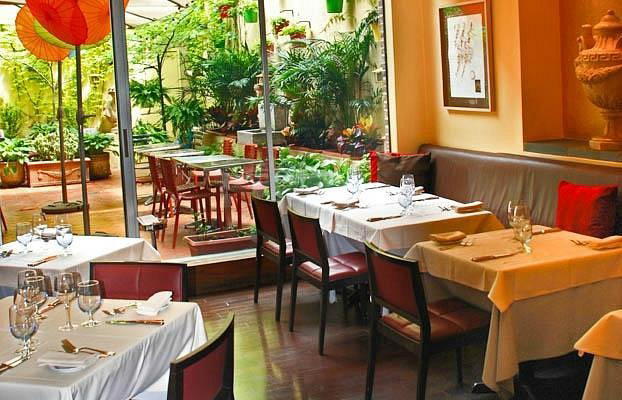
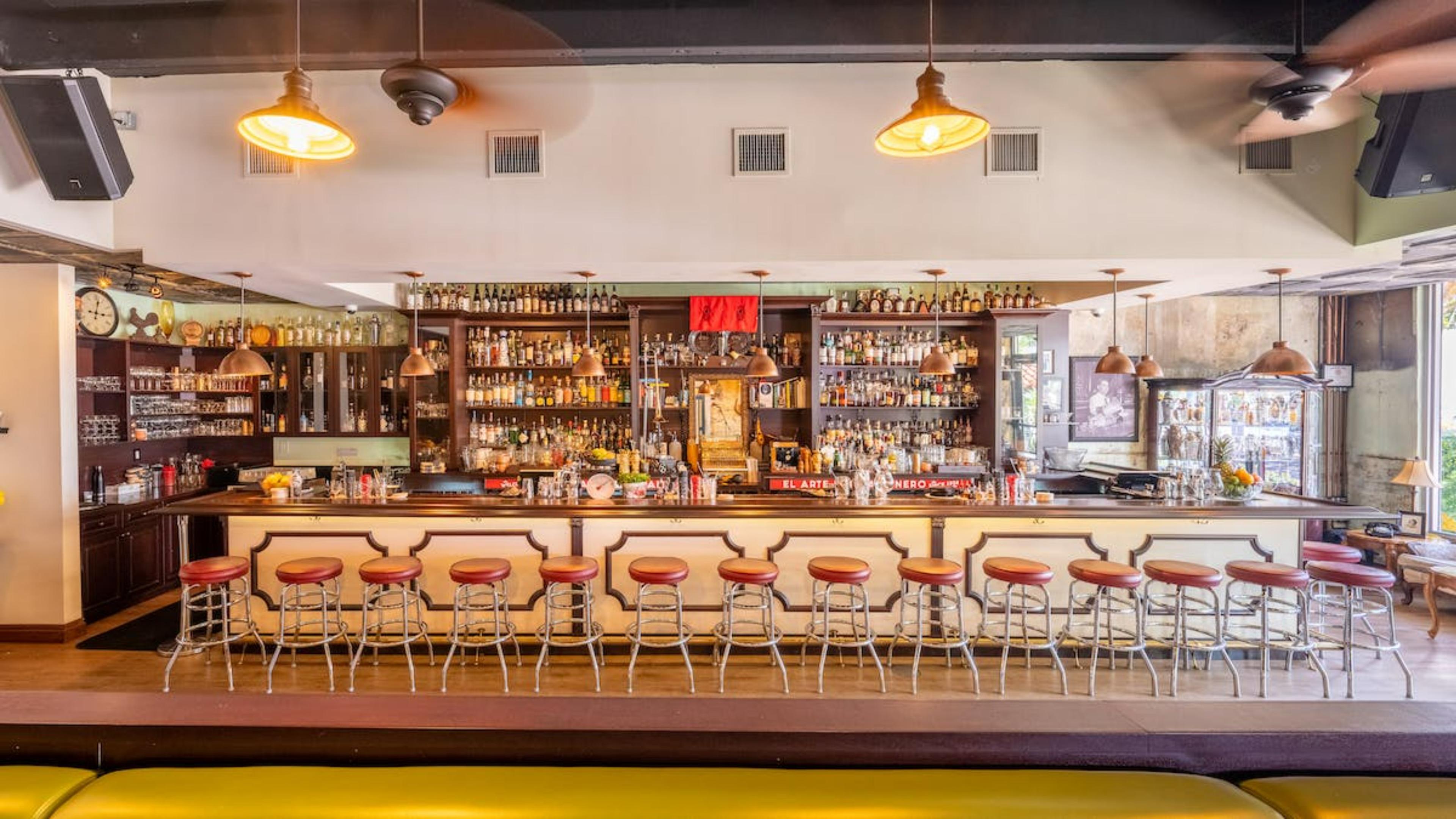
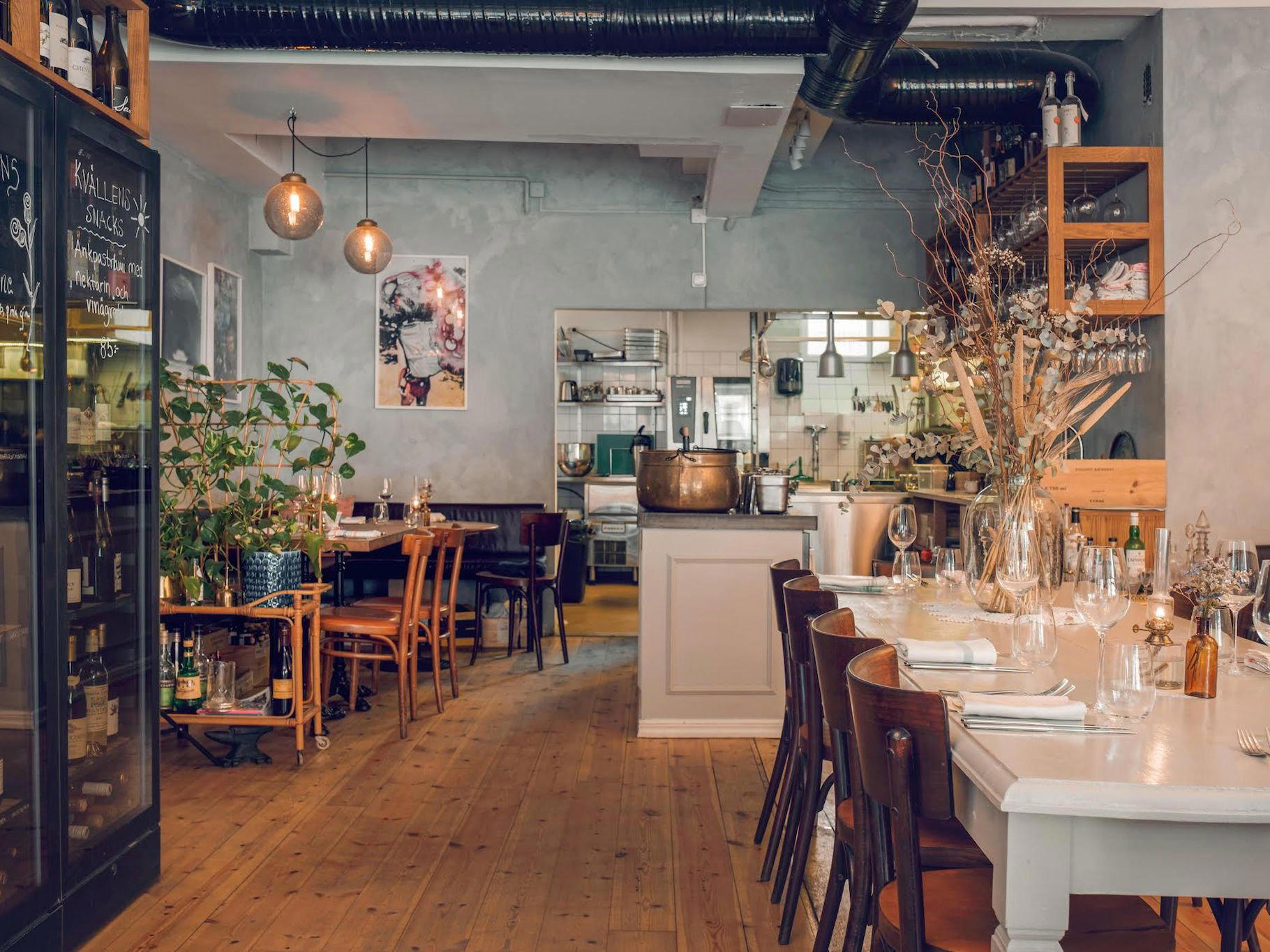
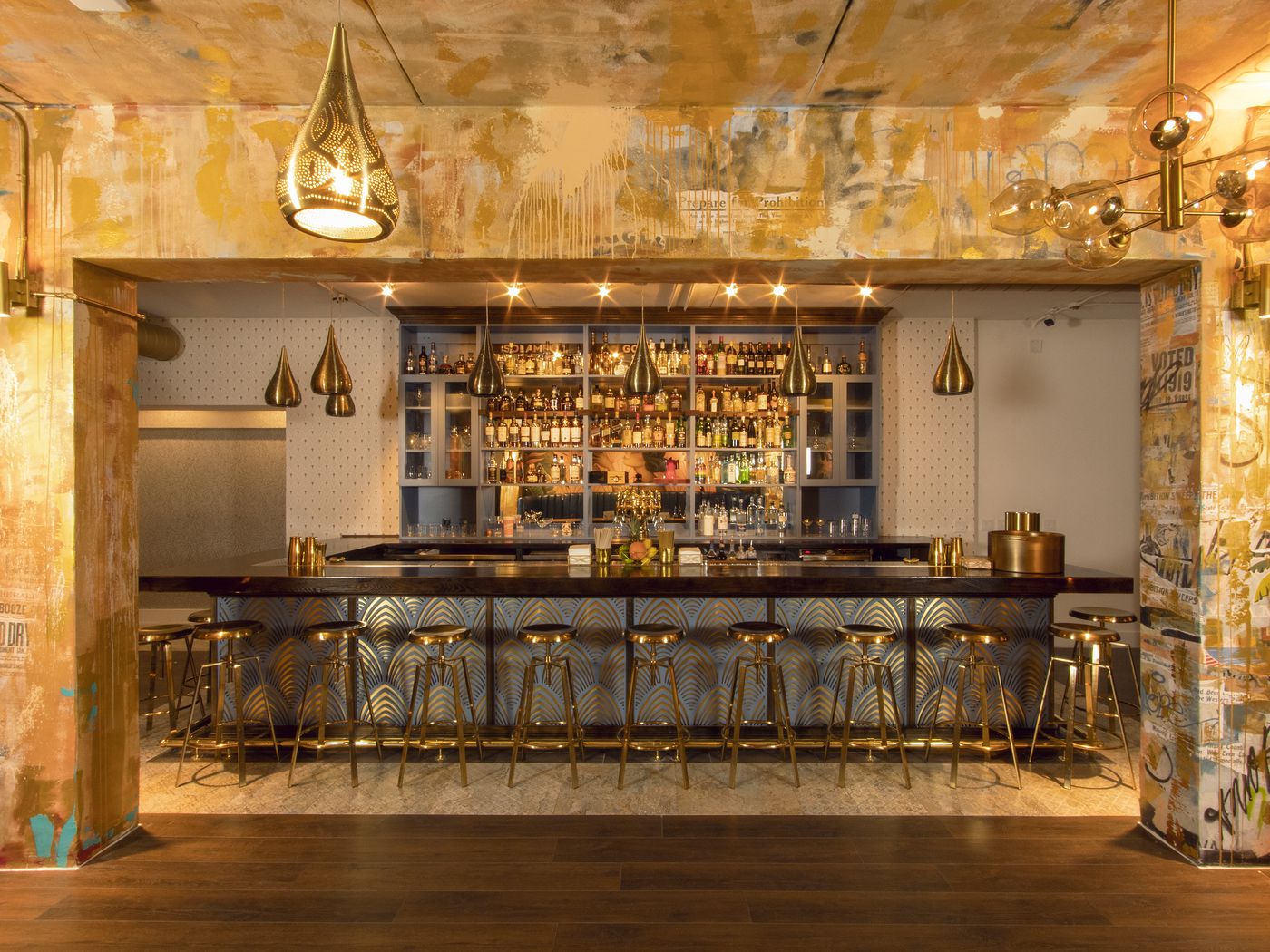
Classic family-friendly atmosphere blending Cuban tradition with modern touches.