
We're Smart World 3 Radishes
Our verdict
La Rosa has been a fixture on Mechelsesteenweg in Edegem for nearly two decades, and the kitchen's approach to vegetable-forward balance distinguishes it from the broader Antwerp-area dining scene. Combinations like scallop with Brussels chicory and truffle hazelnut butter, or lamb saddle built around chickpeas, lentils, and young carrots, show a kitchen that treats produce as architecture rather than garnish.

Pearl is the En Primeur Club membership app, where members save venues, book tables and use the concierge.
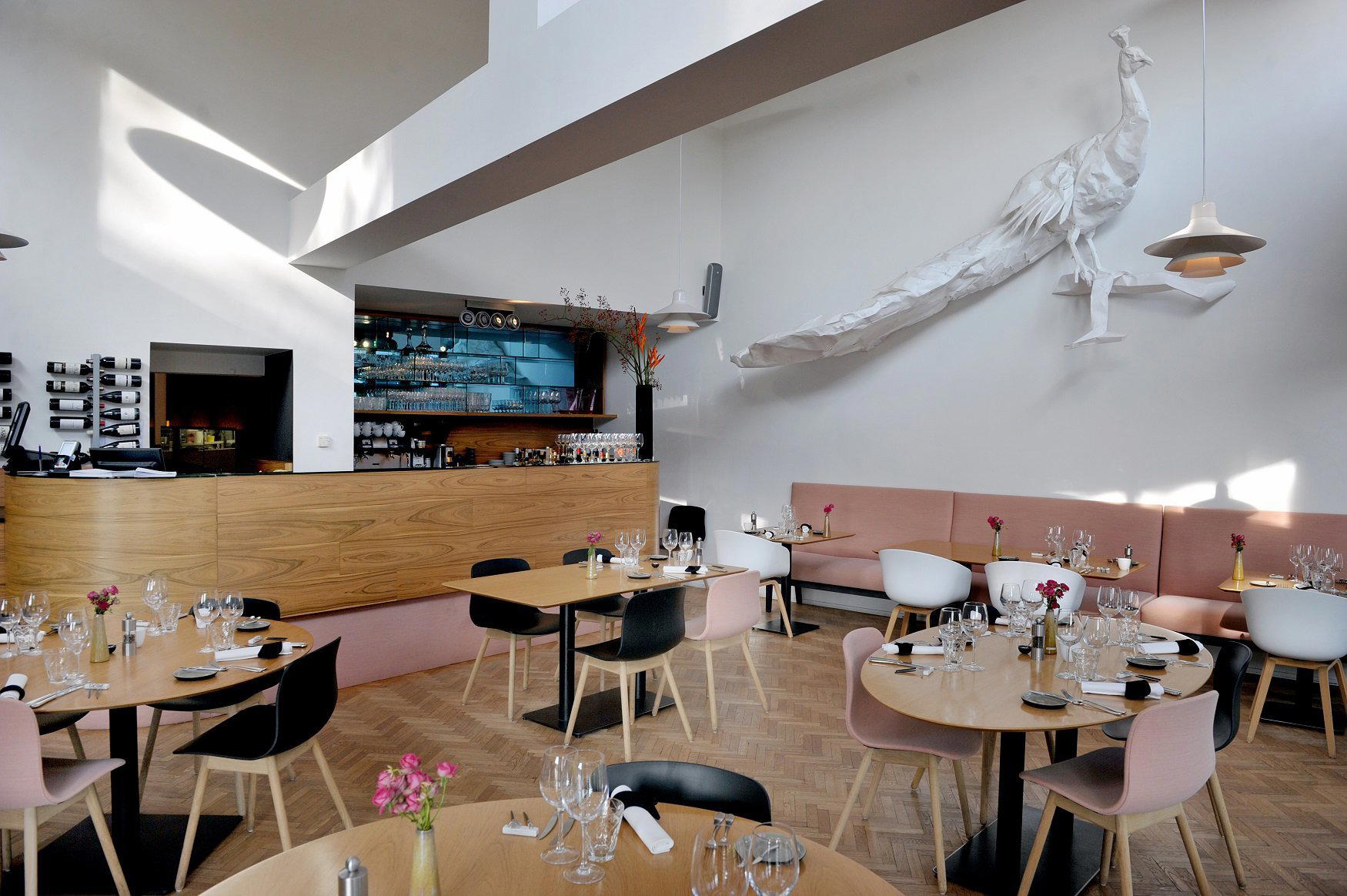
Where Edegem Eats Seriously
Antwerp's southern suburbs have never generated much dining press, but Edegem's position on the Mechelsesteenweg corridor has quietly sustained a handful of kitchens that reward the detour. La Rosa sits at number 398 on that road, in a stretch where the city's restaurant energy dissolves into residential Belgium. Coming from Antwerp, you pass neighbourhood cafés and traiteurs before the dining register shifts. That shift is the point: La Rosa operates at a level of seriousness that the surrounding streetscape does nothing to signal in advance.
Belgium's restaurant culture, particularly in the Flemish province of Antwerp, has a long tradition of neighbourhood restaurants that punch well above their postcode. The country's density of Michelin-recognised kitchens per capita has few European rivals, and many of those addresses sit in towns and suburbs that tourists never plan around. La Rosa belongs to that tradition. For the broader context of what Edegem's dining scene currently looks like, see our full Edegem restaurants guide.
Nearly Two Decades and Still Sharpening
Longevity in a neighbourhood restaurant is a signal, not just a statistic. Kitchens that survive two decades in the same address in Belgium, where food literacy among the local dining public is high and goodwill evaporates quickly, do so because they keep up. The recognition attached to La Rosa makes this explicit: observers note the restaurant is approaching its twentieth year and getting better, which is a different claim than simply enduring. The improvement trajectory is a more meaningful credential than the age alone.
That trajectory maps onto a broader pattern in Belgian fine dining. Kitchens like Boury in Roeselare and Castor in Beveren operate in similar suburban or secondary-city contexts and have refined their identities over years rather than relaunching around new hires. La Rosa fits that model: consistency of address and a kitchen that has iterated on its core approach rather than chased trend cycles.
Vegetables as Architecture, Not Decoration
The editorial case for La Rosa rests primarily on how the kitchen positions vegetables within its plates. In most Belgian fine dining, vegetables function as accompaniment, respectfully prepared, occasionally foregrounded in a dedicated course, but ultimately structured around protein. La Rosa inverts that hierarchy in a specific and disciplined way: the vegetables are load-bearing.
The scallop preparation described in the restaurant's recognition illustrates this precisely. Slices of briefly fried scallop arrive alongside Brussels chicory and truffle hazelnut butter. The chicory, native to the Belgian agricultural calendar and carrying its own bitterness and structural presence, is not a bed or a garnish. It is a counterpoint that the dish is built to require. The hazelnut butter adds fat and depth, and the truffle ties the register together without dominating. This is plate architecture that reflects sourcing logic: the ingredients are chosen because they need each other, not because one is the centrepiece and the others are decoration.
Lamb saddle course carries the same philosophy into a different protein register. Chickpeas, young carrots, and lentils are not presented as a vegetable side. They form the structural base of the dish, legumes and root vegetables doing the textural and nutritional work that a starch-heavy accompaniment would normally handle. Young carrots in this context signal precise seasonal sourcing: not the storage carrots of a kitchen buying on convenience, but produce pulled at a specific stage for a specific textural and sweetness result.
This approach connects La Rosa to a wider movement in northern European cooking that takes vegetable character seriously at the ingredient selection stage rather than the technique stage. Kitchens like Willem Hiele in Oudenburg and De Jonkman in Sint-Kruis operate with similar sourcing discipline in Flemish contexts. At the highest end of this conversation, places like Hof van Cleve in Kruishoutem demonstrate how Flemish fine dining can carry produce-led thinking to national reference level. La Rosa works within the same tradition at a neighbourhood scale.
What Balance Actually Means Here
The word balance appears frequently in assessments of La Rosa, and it is worth unpacking rather than treating as a generic compliment. In a kitchen oriented around vegetables, balance is the technical challenge: bitterness from chicory against richness from butter, acidity from a legume preparation against the iron-register depth of lamb. Getting those relationships right requires not just technique but an accurate read of each ingredient's specific character at the point of purchase.
Belgium's agricultural geography helps. The country's northern provinces produce Brussels chicory in commercial volume, it is not an imported luxury here but a crop with terroir, varying in bitterness and tenderness through the season. A kitchen in Edegem has access to that ingredient in a way that kitchens in London or Paris buying from wholesale markets do not. The same applies to young carrots and lentils sourced from Flemish or Dutch producers at specific growth stages. The sourcing advantage is geographic, and a kitchen that uses it well earns its balance rather than engineering it through technique alone. For comparison, consider how internationally oriented kitchens like Le Bernardin in New York City or Emeril's in New Orleans navigate sourcing across very different supply contexts. La Rosa's local ground gives it a specific edge in vegetable-forward cooking.
Other Edegem addresses worth considering alongside La Rosa include Stable (Creative), which operates in a different register but represents the same broader commitment to serious cooking in the suburb. Further afield in Belgium, Bozar Restaurant in Brussels, Zilte in Antwerp, Bartholomeus in Heist, Cuchara in Lommel, and d'Eugénie à Emilie in Baudour complete the picture of Belgian fine dining's geographic spread.
Planning Your Visit
Frequently asked questions
Is La Rosa okay with children?
Nothing in La Rosa's documented profile explicitly excludes younger guests, but the kitchen's focus on considered, ingredient-led plates, scallop with chicory and truffle, lamb with lentils and carrots, suggests a dining room where a slower, quieter pace is the norm. Families with older children who eat attentively will likely find it more comfortable than those with toddlers. It is worth calling ahead to confirm.
Is La Rosa formal or casual?
La Rosa operates as a serious neighbourhood restaurant rather than a white-tablecloth institution. Nearly two decades on the Mechelsesteenweg in Edegem places it firmly in the category of established local fixture, the kind of address where the cooking commands attention without demanding black-tie formality. Dress neatly; the food sets the tone.
What distinctions does La Rosa have?
La Rosa has received recognition including: This restaurant is almost 2 decades old and is getting better and better. The dishes score through their balance and thoughtful combinations in which vegetables play a significant role. As in the mix of slices of short fried scallop with Br….
What should I order at La Rosa?
The documented dishes point clearly toward the kitchen's strength: vegetables used as structural elements rather than afterthoughts. Dishes like scallop with Brussels chicory, truffle, and hazelnut butter, and lamb saddle paired with chickpeas, young carrots, and lentils, represent the balance the kitchen is known for. Follow the vegetable-forward combinations wherever the menu leads.
What part of town is La Rosa in?
La Rosa is located at Mechelsesteenweg 398, 2650 Edegem, Belgium, Edegem.
How hard is it to get a table at La Rosa?
No booking data is publicly available for La Rosa, but a restaurant that has held the same address in Edegem for close to two decades while continuing to sharpen its cooking typically builds a loyal local following. Booking ahead, especially for weekend evenings, is the sensible approach.
What's the signature at La Rosa?
La Rosa's defining move is the repositioning of vegetables from side detail to structural component within the plate. The combination of scallop with Brussels chicory, truffle, and hazelnut butter is the most specifically documented example of this approach, where bitterness, fat, and earthiness are brought into deliberate balance. That calibration across contrasting ingredients is what the kitchen has been refining for nearly twenty years.
In Context: Similar Options
Comparable venues nearby, for context on price, style, and recognition.
| Venue | Cuisine | Price | Awards | Notes |
|---|---|---|---|---|
| La RosaThis venue (the venue you are viewing) | Modern Belgian Bistro | Not listed | We're Smart World 3 Radishes | Not listed |
| Palette | Dining | Not listed | Not listed | Edegem |
| Vizier | Modern Belgian with French and worldly influences | Not listed | Not listed | Edegem |
| Stable | Modern Belgian Fine Dining | $100–150 | Michelin Plate · We're Smart World 2 Radishes | Edegem |
| Zin | Modern French-Belgian Bistro | Not listed | Not listed | Kerkplein |
| Sensi | Modern Belgian Bistro | Not listed | Not listed | Kalmthout |
Recognition history
Dated appearances from independent guides and award organizations, with the underlying list record or original source where available.
We're Smart World 3 Radishes
We're Smart World
Continue exploring
More in Edegem
Restaurants in Edegem
All restaurants in Edegem →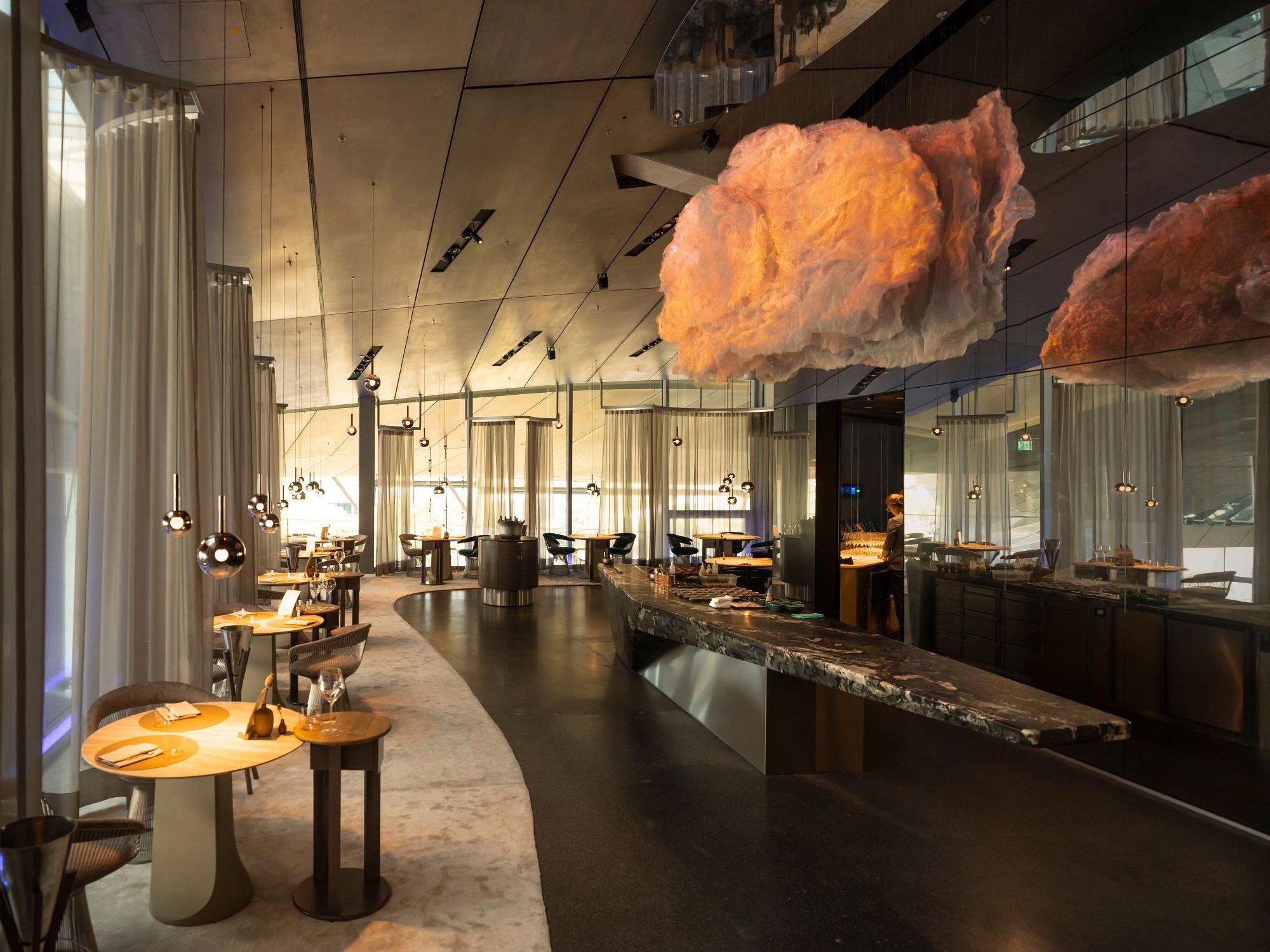
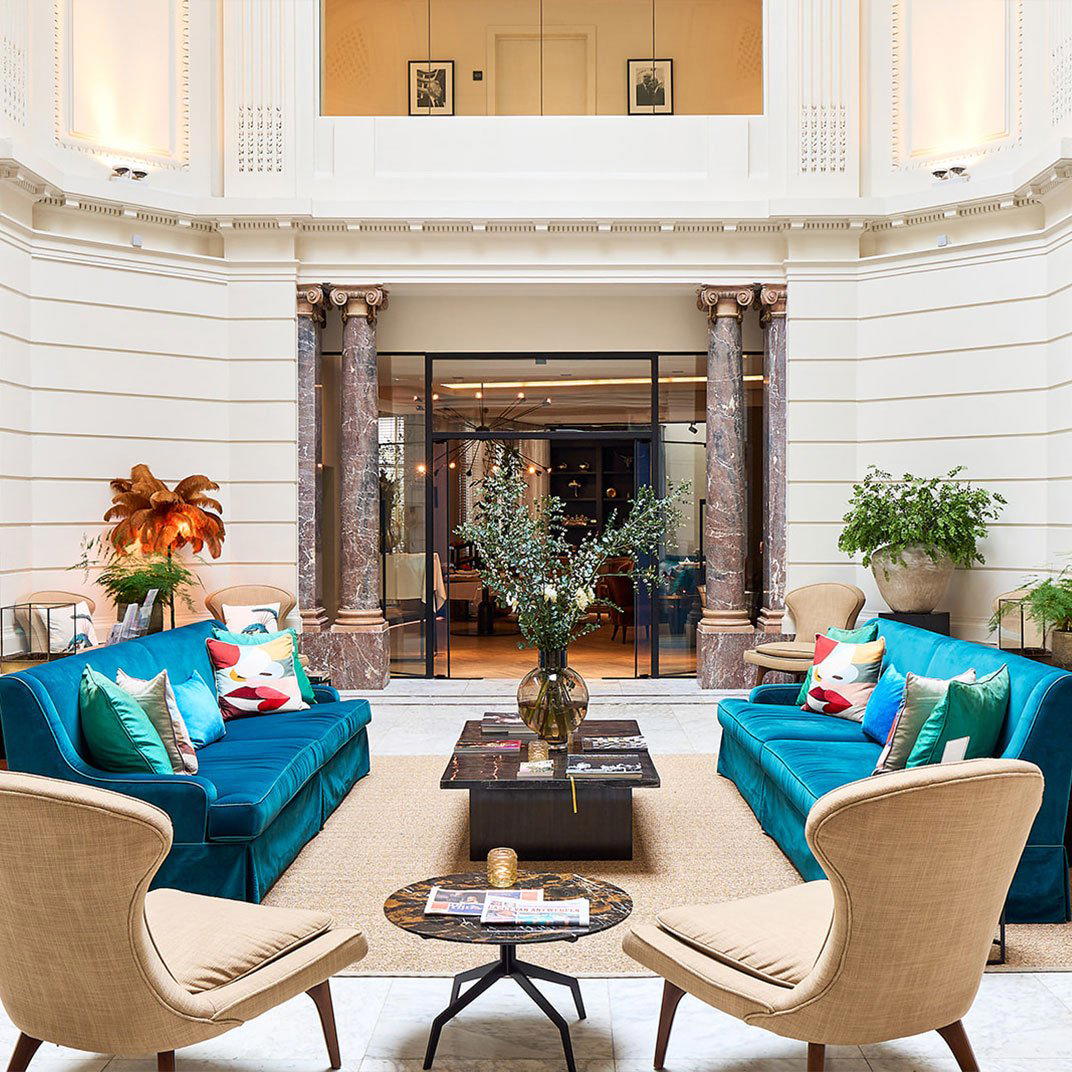
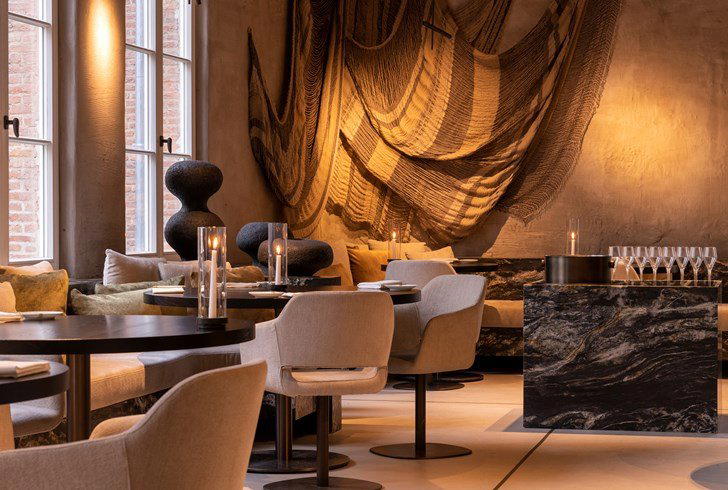
Bars in Edegem
Browse all →
Details
- Modern
- Cozy
- Elegant
- Intimate
- Date Night
- Business Dinner
- Special Occasion
- Terrace
- A La Carte
- Vegetarian Friendly
Current opening hours
- Monday
- Closed
- Tuesday
- 12–1:30 PM, 7–9:30 PM
- Wednesday
- 12–1:30 PM, 7–9:30 PM
- Thursday
- 12–1:30 PM, 7–9:30 PM
- Friday
- 12–1:30 PM, 7–9:30 PM
- Saturday
- 7–9:30 PM
- Sunday
- Closed
Hours can change for holidays and private events. Hours as of .
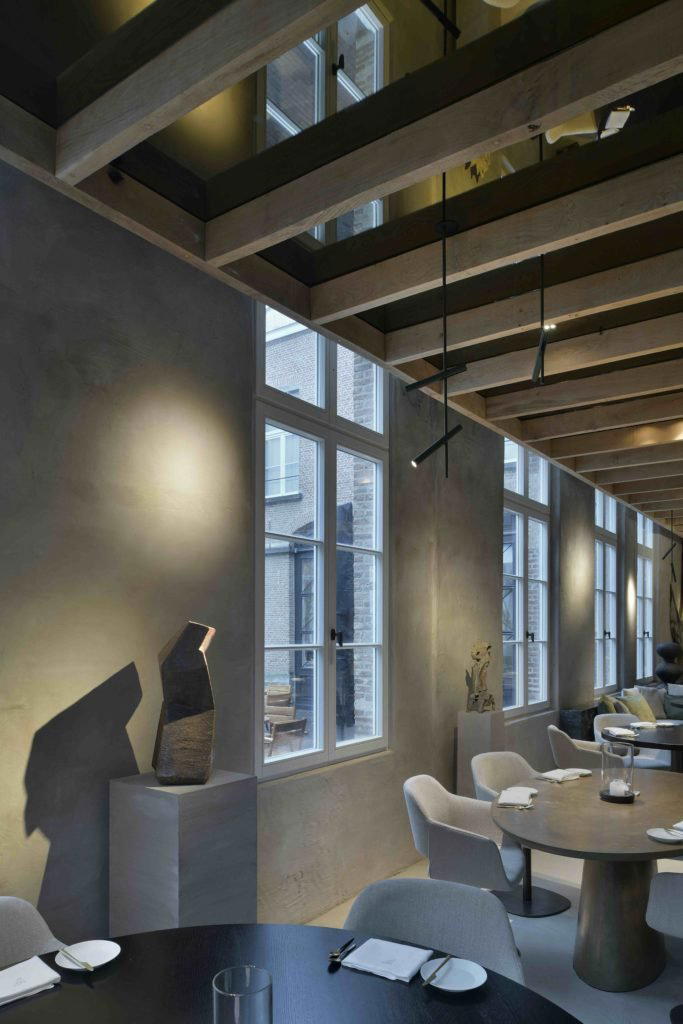
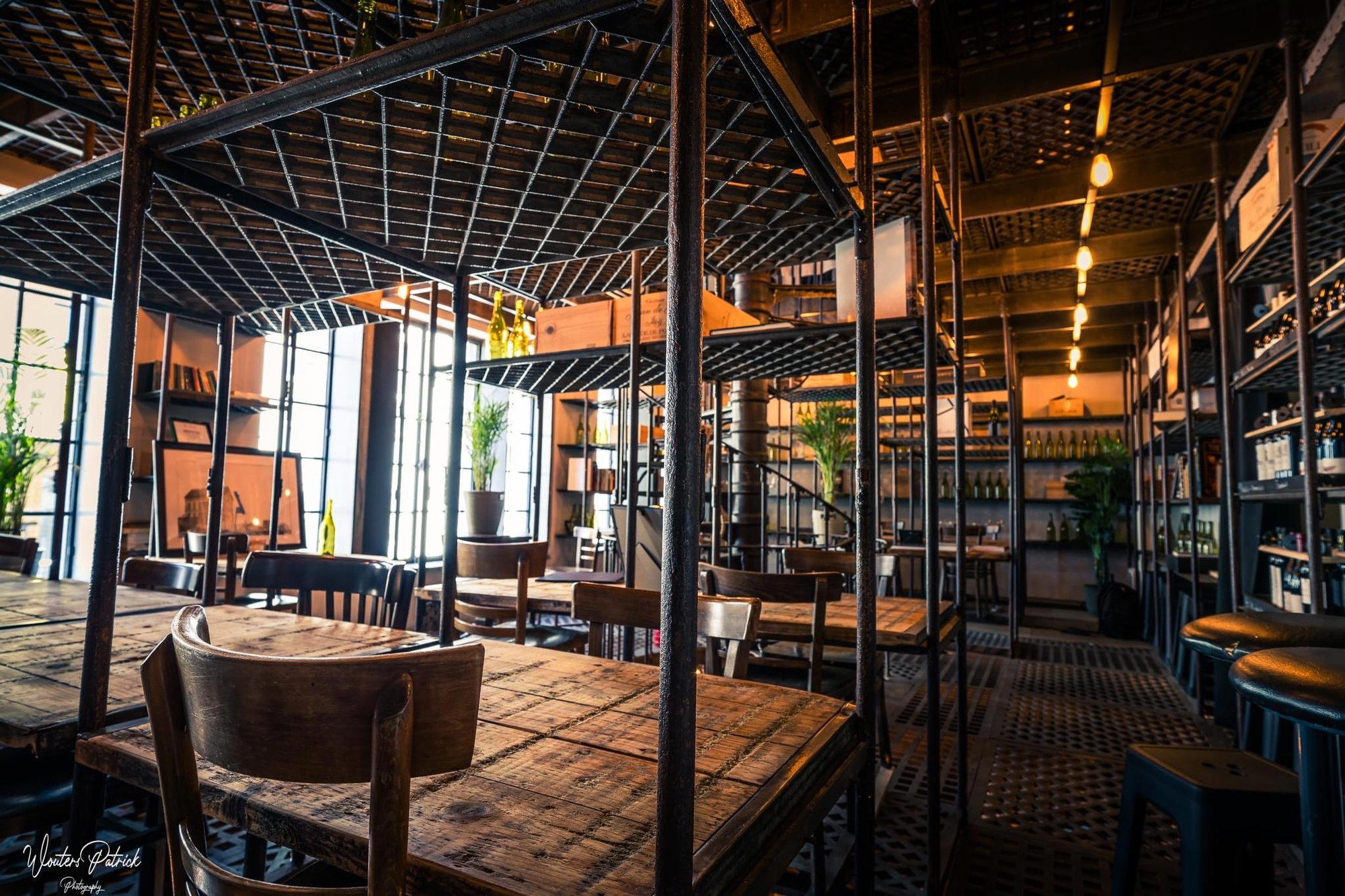
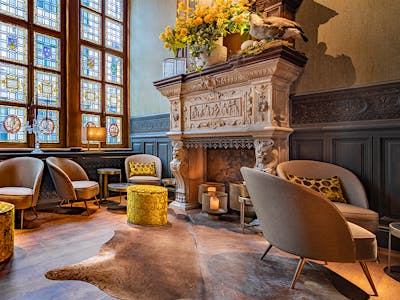
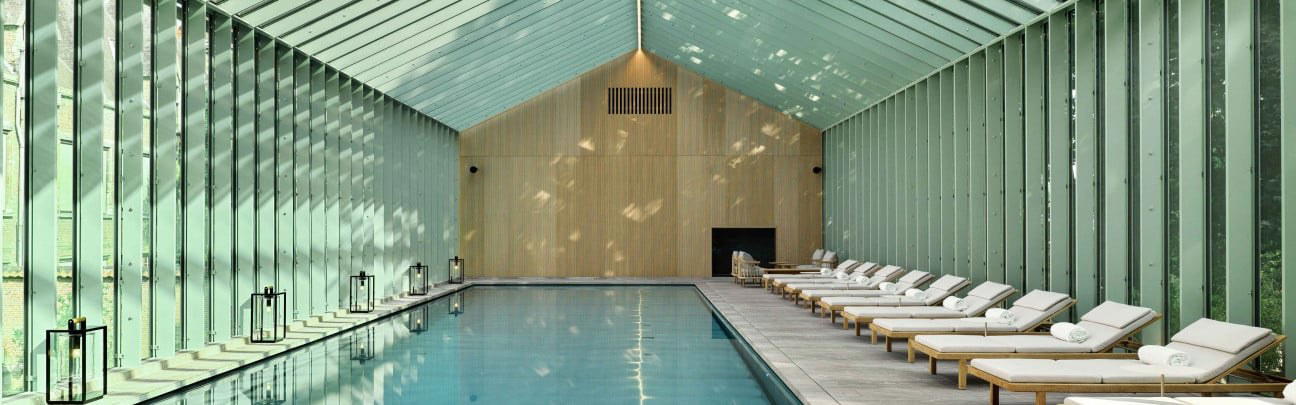
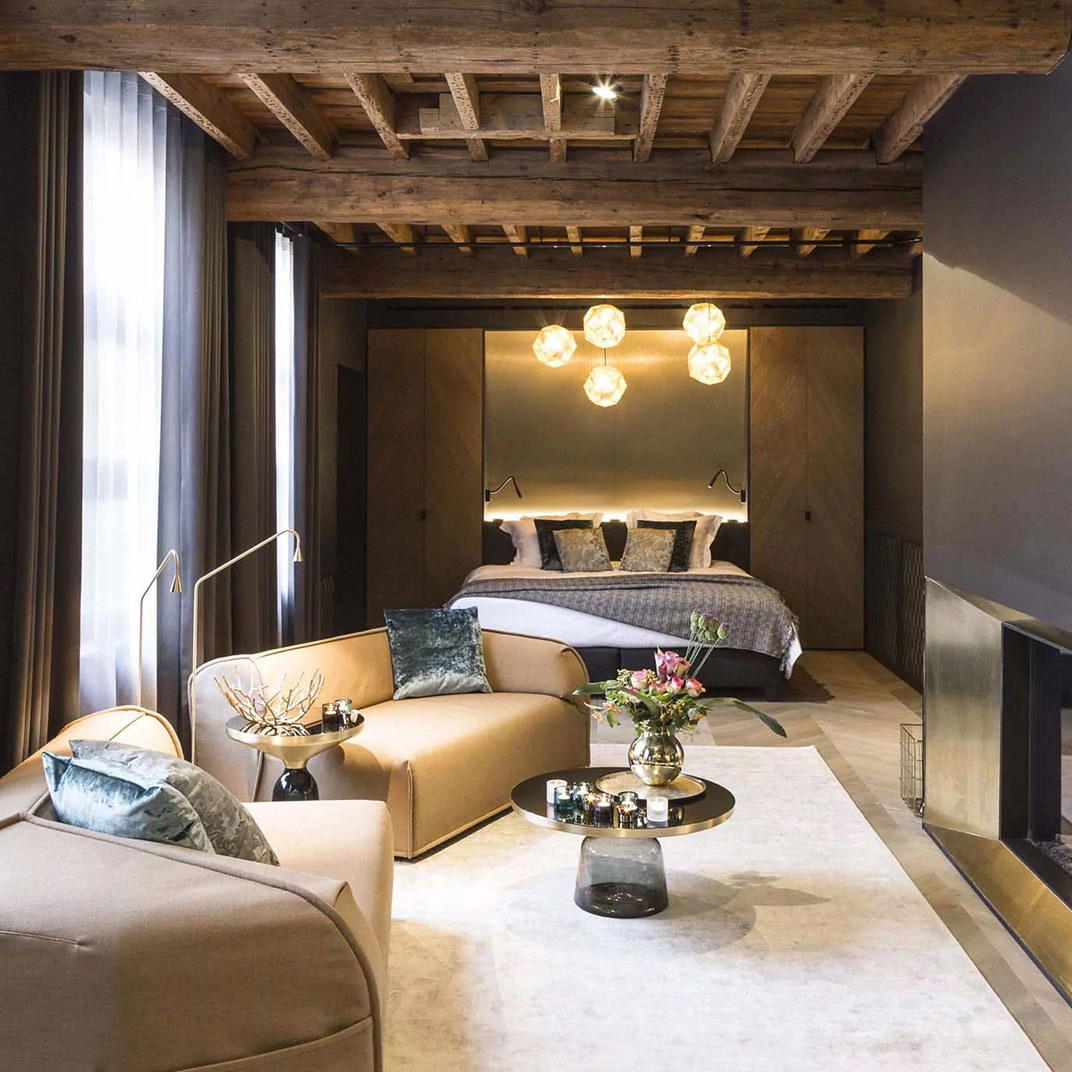
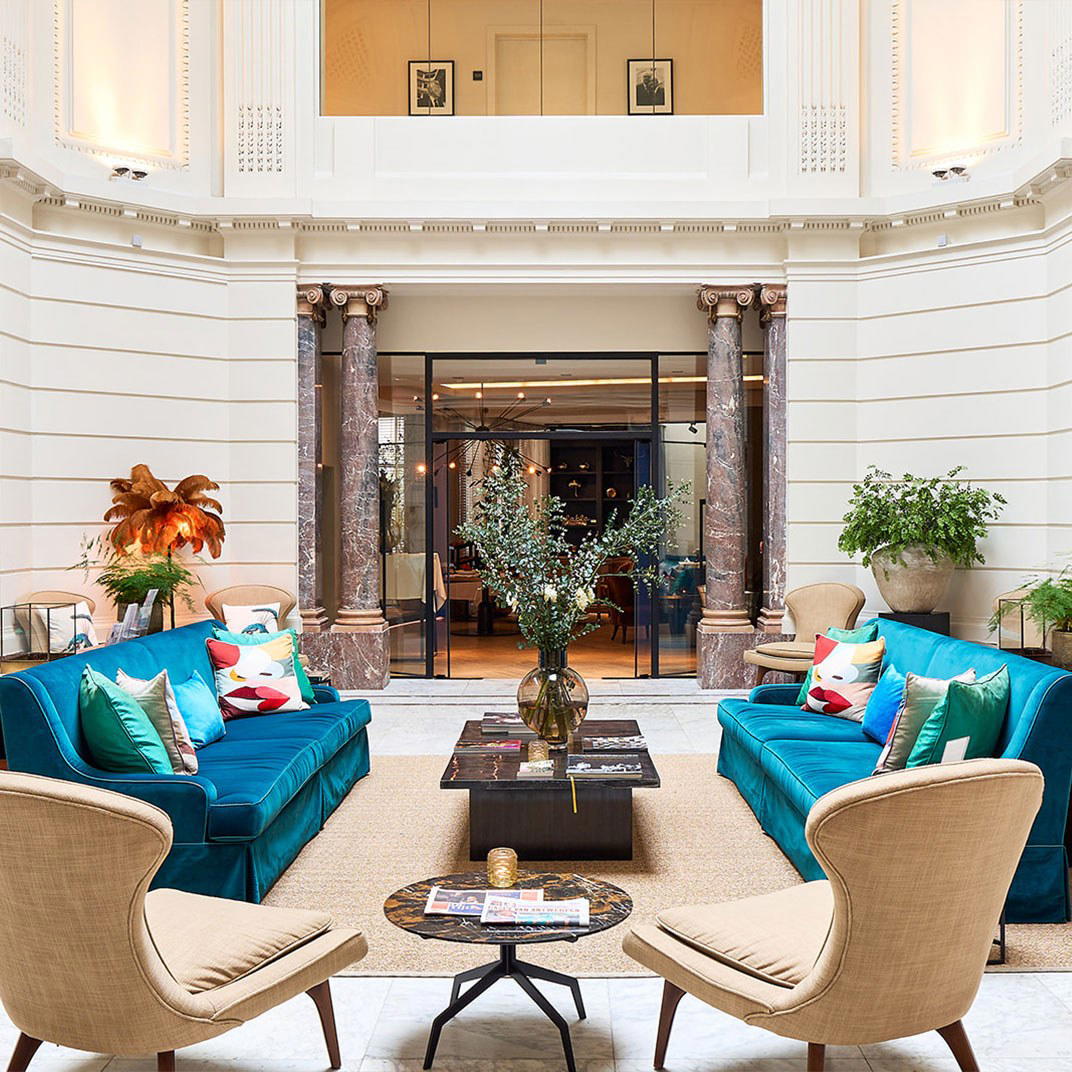
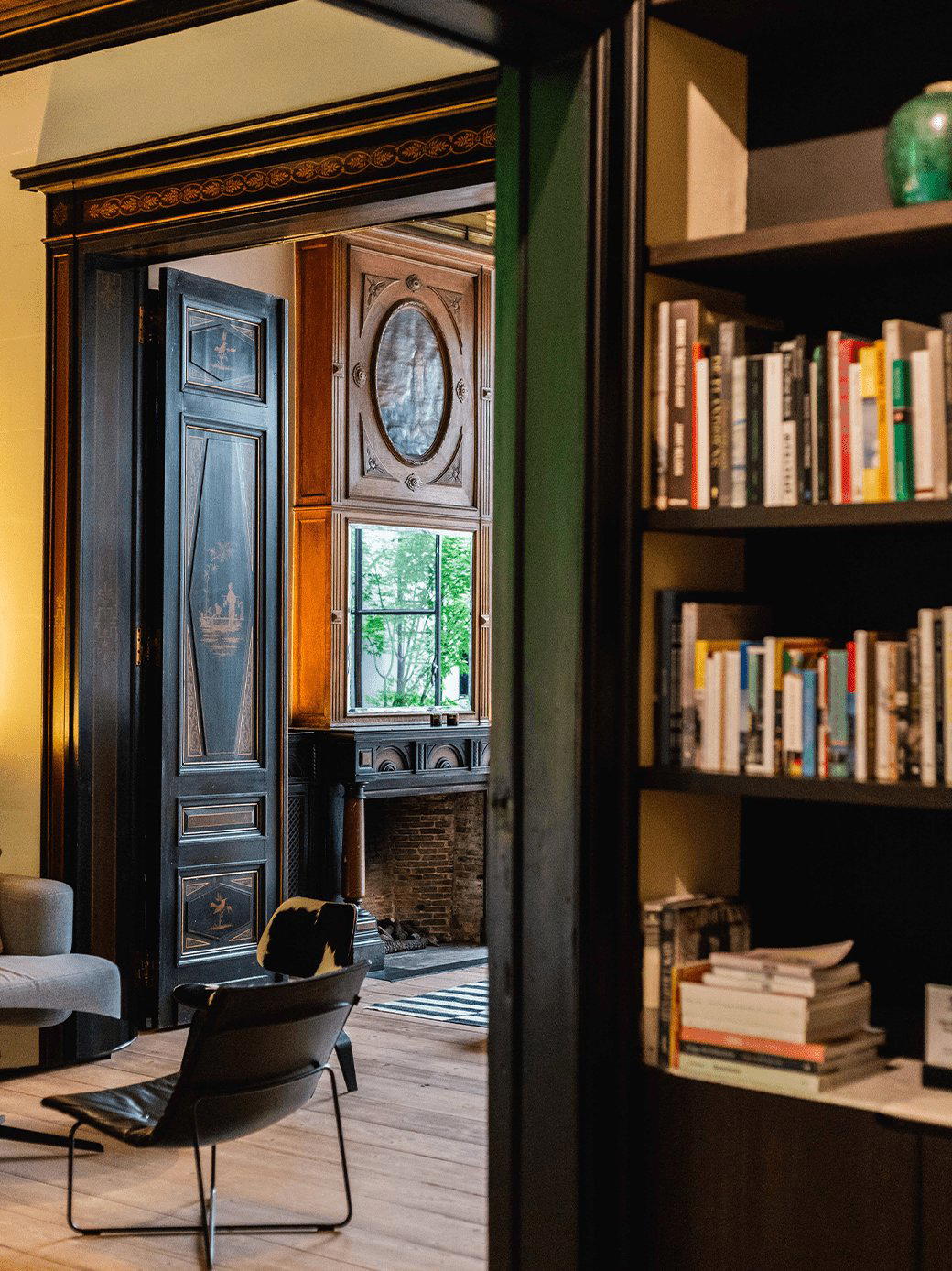
Modern, light-filled interior with a relaxed, warm, and intimate atmosphere, especially cozy on the terrace.