La Ribaudière


On the banks of the Charente river in a quiet village south of Cognac, La Ribaudière pairs a riverside villa setting with fine cuisine built on local produce. Thierry and Julien Verrat draw from their own vineyard and truffle field, as well as the wider Charentais larder, from Cognac and Pineau des Charentes to Atlantic fish.
Pearl is the En Primeur Club membership app — saves, bookings, and concierge access live there. Same editors, same standards.
- Address
- 2 Pl. du Port, 16200 Bourg-Charente, France
- Phone
- +33 5 45 81 30 54
- Website
- laribaudiere.com
- Directions
- Get directions
 Saves & bookings on Pearl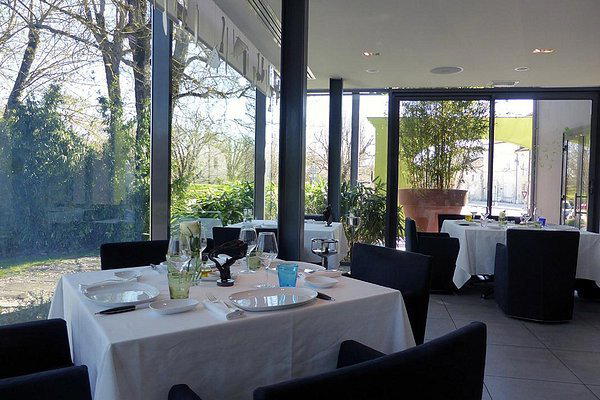
Where the Charente Shapes the Plate
The approach to La Ribaudière sets the register before you reach the door. A large villa at the edge of Bourg-Charente, its garden descends in steps toward the Charente river, where the water moves at the unhurried pace that defines this part of southwest France. Across the river, the silhouette of Bourg-Charente castle rises above the vines. The dining room holds that view through floor-to-ceiling picture windows, with slate-grey walls that keep the room from competing with what is outside. The effect is less decorative than purposeful: the landscape is the argument, and the kitchen answers it directly.
This is a style of fine dining found in a handful of French provincial addresses, where the region itself functions as the creative brief. Properties like Bras in Laguiole and Auberge de l'Ill in Illhaeusern have made their respective territories central to their identity over decades. La Ribaudière operates in the same tradition, though the Charente is a different kind of territory: cognac country, truffle country, the Atlantic within reach, and the Pineau des Charentes running through the region's culinary DNA like a thread.
A Family Practice with Deep Local Roots
French fine dining has a long tradition of family succession in the kitchen, from the Troisgros dynasty (see Troisgros - Le Bois sans Feuilles in Ouches) to multigenerational houses that have earned their place in the canon over time. La Ribaudière follows that model in its own regional key. Thierry Verrat and his son Julien Verrat share the kitchen, which in practice means a cuisine that carries both accumulated knowledge and a degree of generational dialogue. That combination tends to produce menus that are technically grounded but not static.
What gives the Verrats' position its particular character is the ownership dimension. Thierry Verrat holds a vineyard and a truffle field in the Charente, which means the supply relationship for key ingredients is direct rather than mediated by a market. This is not simply a sourcing story. It shapes how the kitchen can work: availability, timing, and quality are controlled at source, which allows a specificity of approach that chefs who depend entirely on suppliers cannot always achieve. The result is cuisine described by Michelin as one where invention moves alongside natural surroundings, with the full range of Charentais produce in play, from wild snails and river fish to the region's celebrated spirits.
The Charentais Larder as a Serious Subject
The Charente-Maritime and the broader Charente region are not typically mentioned in the same breath as Brittany or the Périgord when French food geography is discussed, but the larder here is substantial. The Atlantic coast brings fish and shellfish within practical reach. The river itself supports freshwater species that rarely appear on tables in Paris. Cognac and Pineau des Charentes function as both ingredients and flavor references, giving the cuisine a distinctly local accent that no amount of technical skill can replicate without genuine access to the source.
Fine dining addresses that work at this level of regional specificity occupy a different position from the cosmopolitan, produce-from-everywhere model practiced at three-star operations like Alléno Paris au Pavillon Ledoyen or Mirazur in Menton. The ambition is different, and so is the basis for judgment. Where those kitchens might draw on global ingredient networks, the restaurant works within a deliberate geographic constraint that becomes its primary creative material. Whether that constraint produces more or less interesting food is partly a matter of what you travel for.
For the reader who wants French fine dining with a genuine regional grammar, the Charente is underexplored compared to Alsace, Burgundy, or the Côte d'Azur. Addresses like Au Crocodile in Strasbourg and Assiette Champenoise in Reims draw visitors specifically for their regional expression; the restaurant offers a comparable case for a part of France that fewer food-focused travelers have mapped in detail.
The Michelin Assessment and What It Signals
The Michelin star is a substantive endorsement: the inspector's notes point to a kitchen that balances invention with place, and to a chef who brings conviction to local ingredients rather than treating regionality as a marketing category. The house's own vineyard and truffle field ownership is flagged as part of what gives the cuisine its distinctive character.
In the context of French provincial fine dining, this positions the restaurant in a peer group with addresses that have made a specific territory their subject rather than chasing a more generic contemporary-French idiom. The comparison with places like Flocons de Sel in Megève or AM par Alexandre Mazzia in Marseille, both of which work with strong regional identity, is instructive: each operates as a serious expression of its place, even when the scale or format differs from the capital's showcase restaurants.
Planning a Visit
The restaurant sits at 2 Place du Port in Bourg-Charente, a village in the Charente department roughly between Cognac and the river town of Saintes. The price range is €€€€, placing it at the upper end of the local dining scene. The riverside setting and the terrace that faces the Charente suggest this is a lunch-or-long-dinner venue rather than a quick stop; the physical environment rewards time taken. Advance booking is advisable given the address's recognition, though specific lead times are not published.
At-a-Glance Comparison
Comparable venues nearby, for context on price, style, and recognition.
| Venue | Cuisine | Price | Awards | Notes |
|---|---|---|---|---|
| La RibaudièreThis venue — the venue you are viewing | Modern French Fine Dining | $$$$ | Michelin 1 Star | Not listed |
| La Table du Fleuve | French Bistro with Local Charente Terroir | $$ | Bib Gourmand | Bourg-Charente |
| Moulin d'Alotz | Creative Vegetarian Fine Dining | $$$$ | Michelin 1 Star | Arcangues |
| Le Pont de l'Ouysse | French Rustico-Chic Fine Dining | $$$$ | Michelin 1 Star | Lacave |
| Jean-Marc Pérochon | Michelin-Starred Modern French | $$$$ | Michelin 1 Star | Bretignolles-sur-Mer |
| Le Moulin de la Gorce | Classic French Fine Dining | $$$$ | Michelin 1 Star | La Roche-l'Abeille |
Recognition history
Dated appearances from independent guides and award organizations, with the underlying list record or original source where available.
Michelin 1 Star
Michelin
Gault & Millau Remarkable Restaurant
Gault & Millau
Michelin 1 Star
Michelin
Michelin 1 Star
Michelin
Continue exploring
More in Bourg-Charente
Restaurants in Bourg-Charente
Browse all →
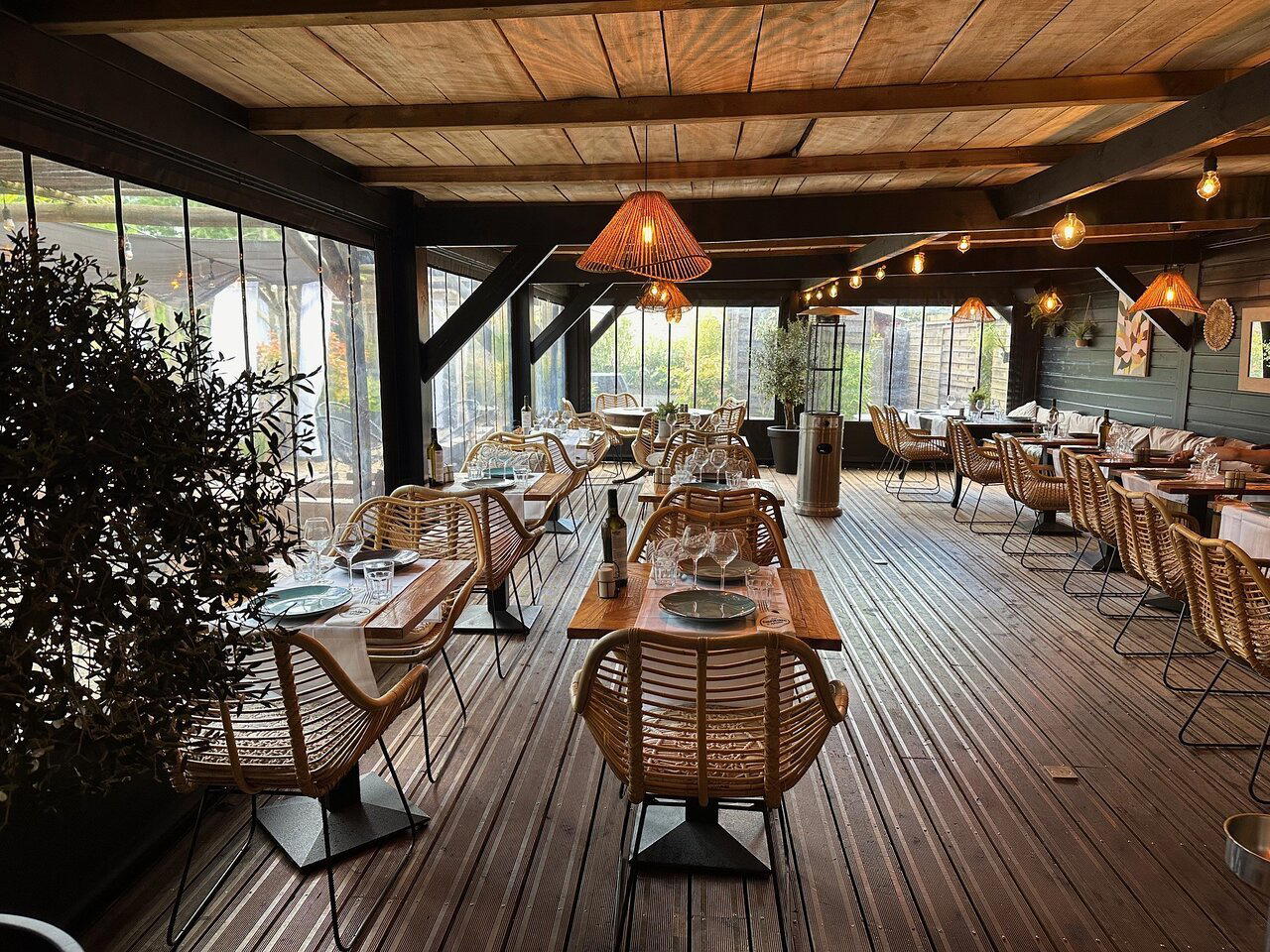
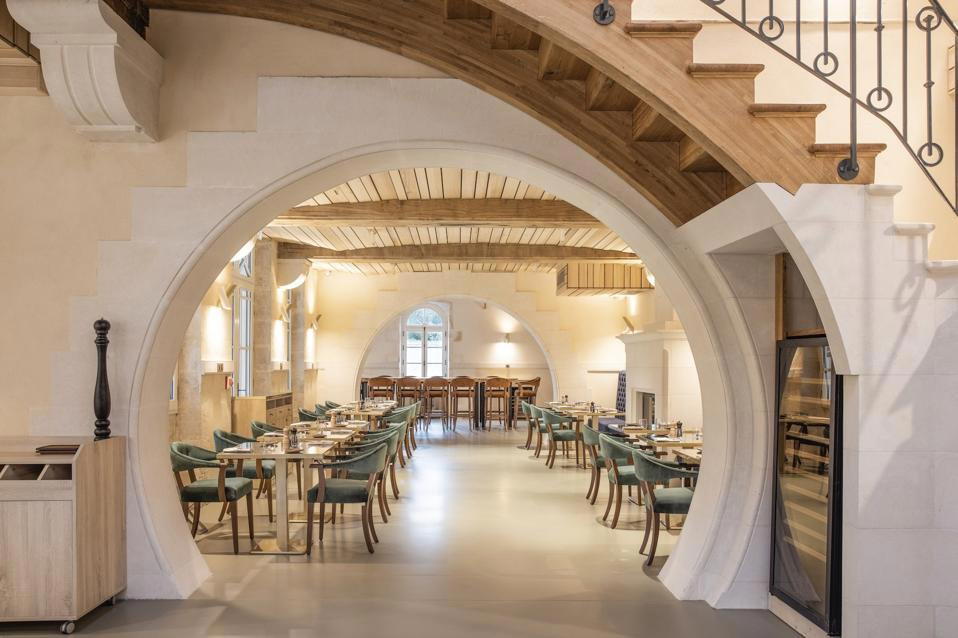
Bars in Bourg-Charente
Browse all →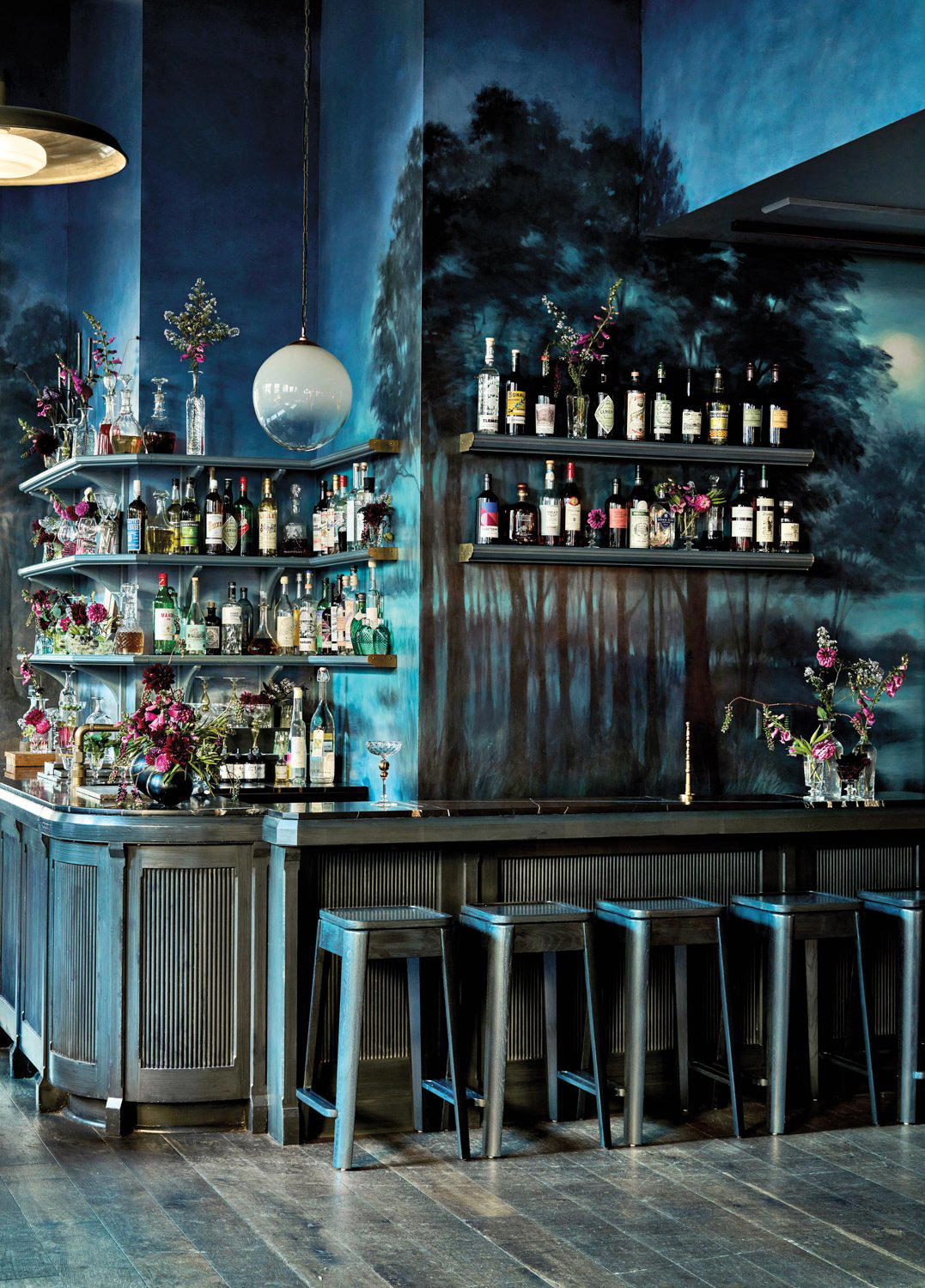
Hotels in Bourg-Charente
Browse all →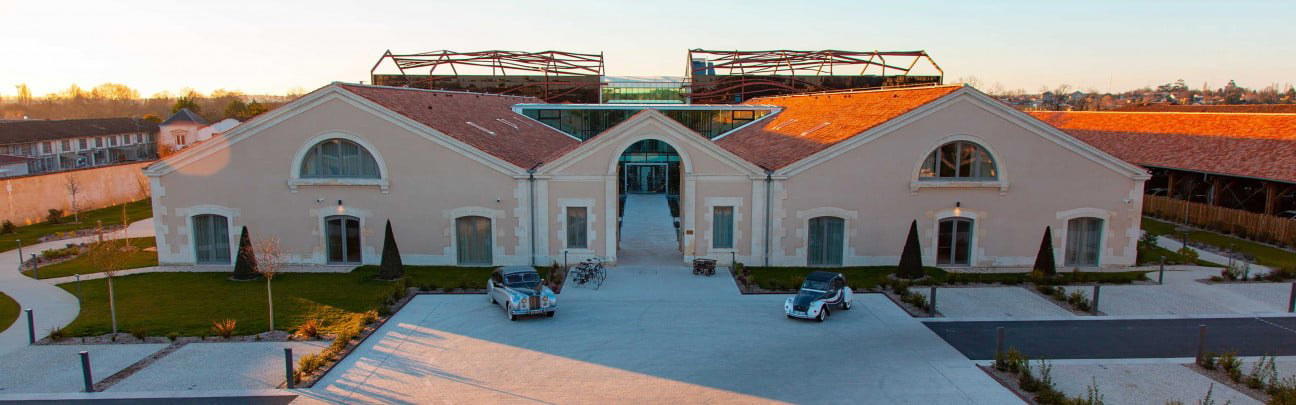
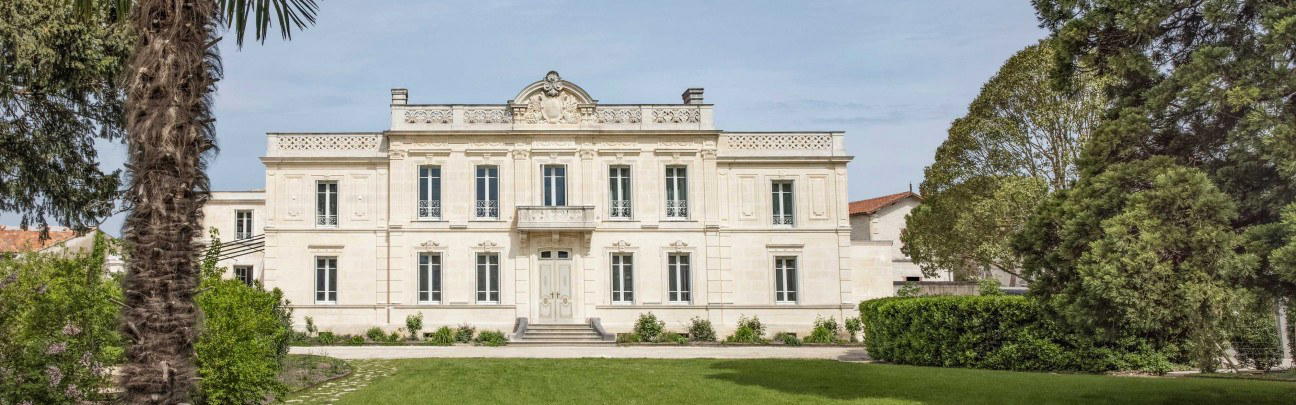
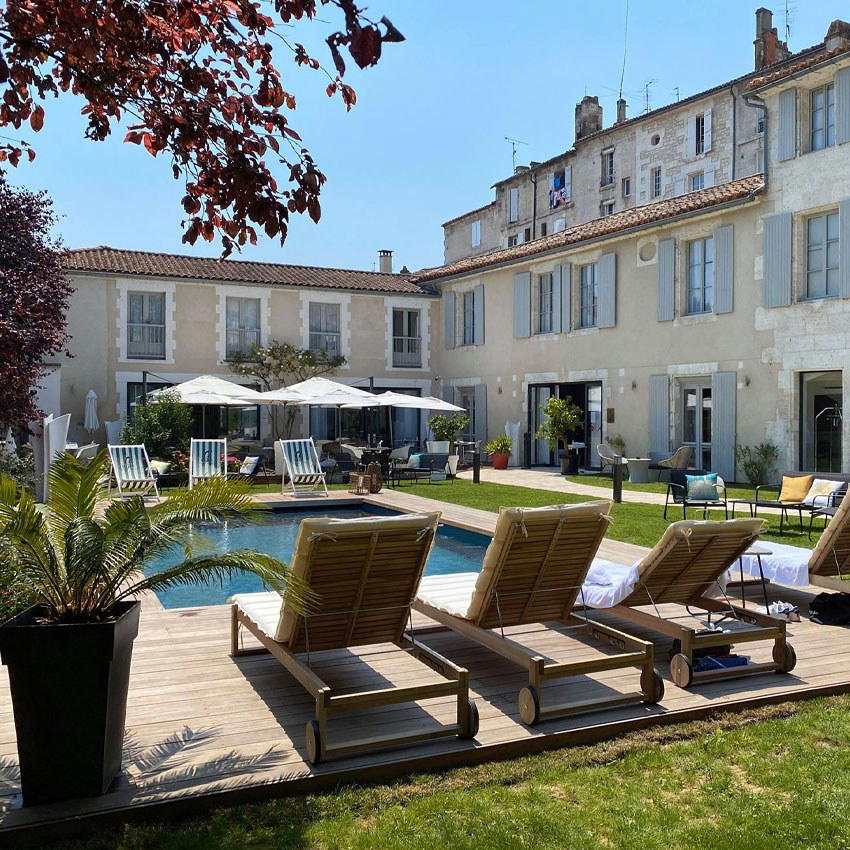
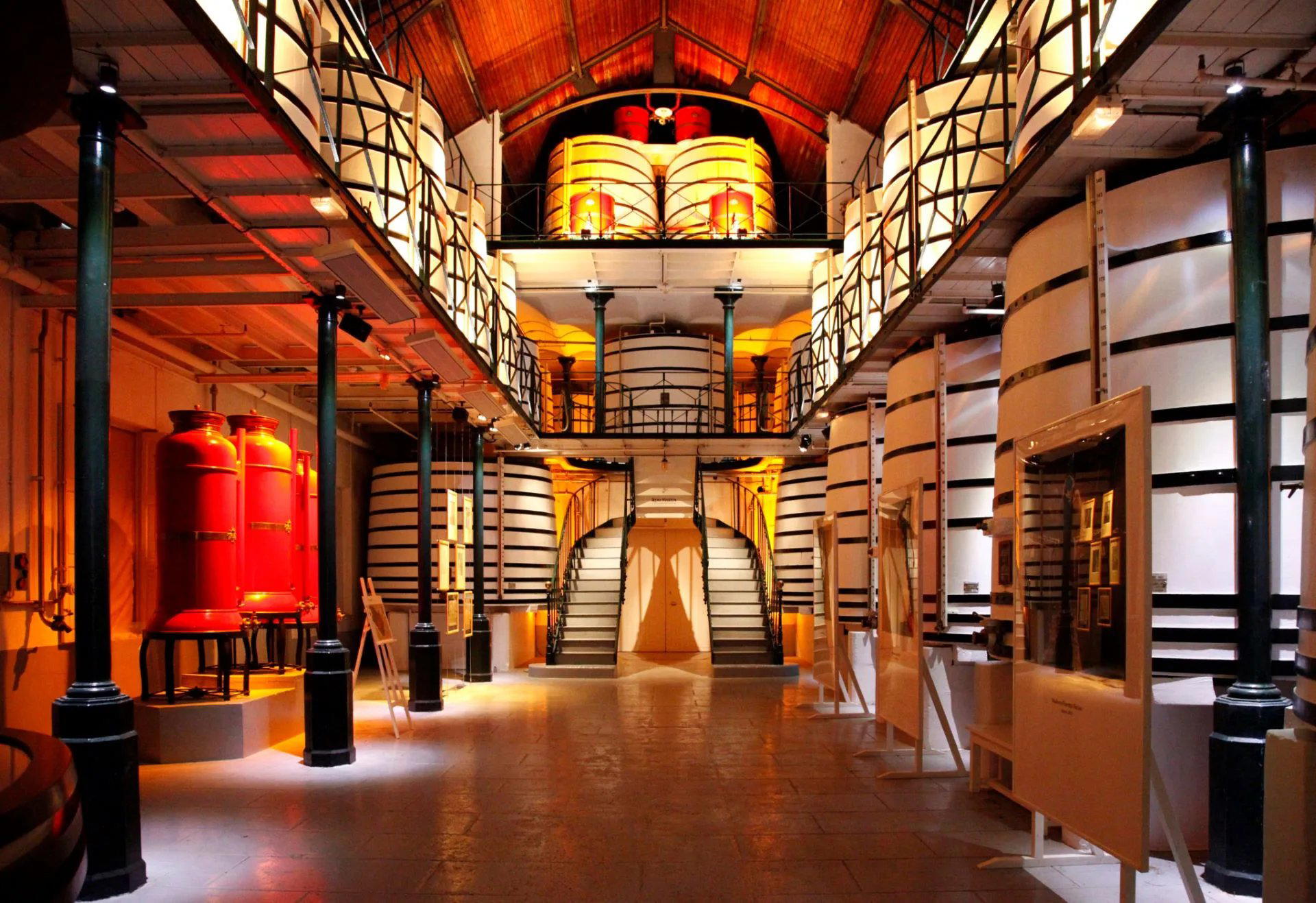
Wineries in Bourg-Charente
Browse all →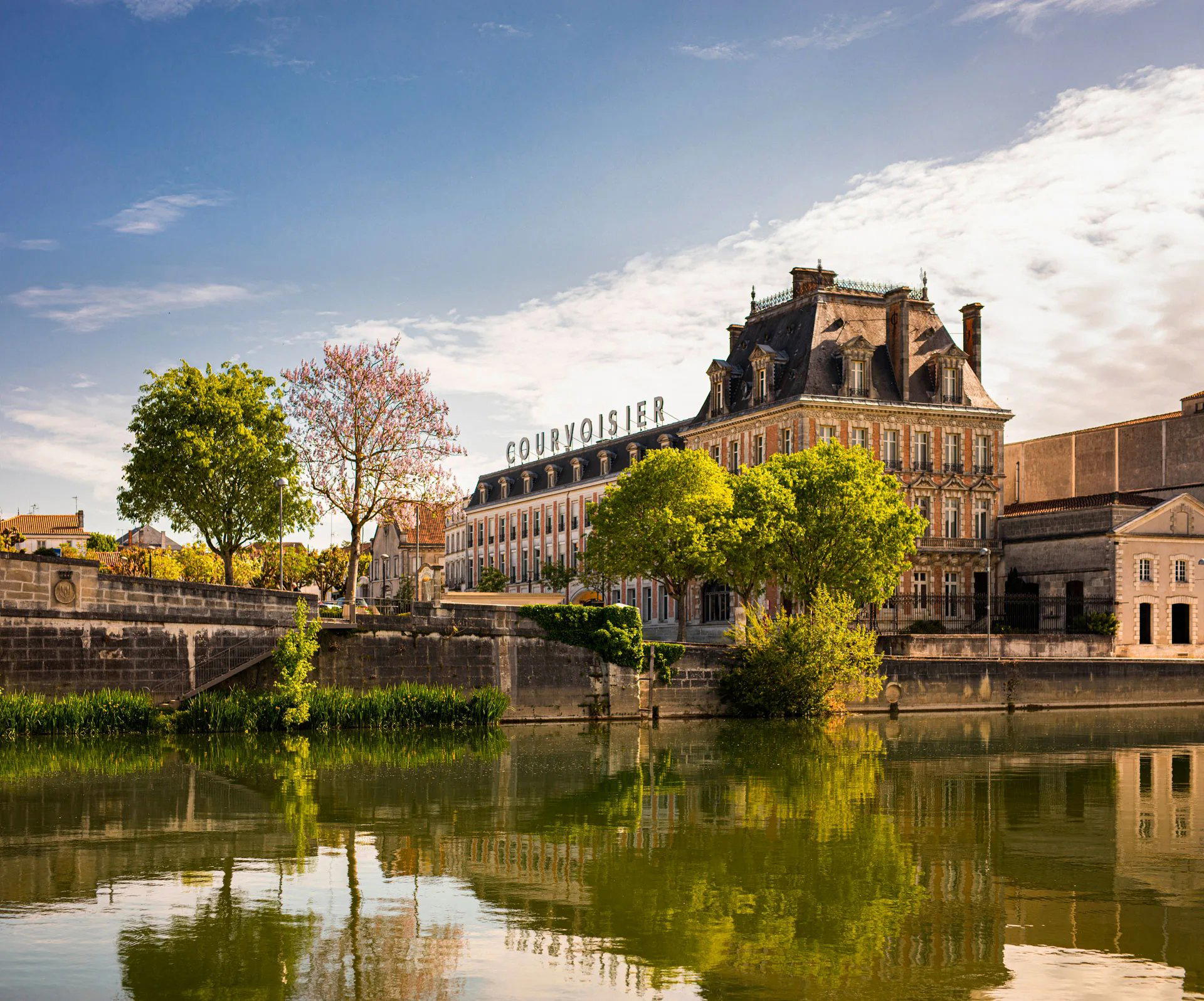
At a Glance
- Rustic
- Elegant
- Scenic
- Sophisticated
- Special Occasion
- Date Night
- Celebration
- Terrace
- Waterfront
- Open Kitchen
- Extensive Wine List
- Farm To Table
- Local Sourcing
- Waterfront
- Street Scene
Current opening hours
- Monday
- Closed
- Tuesday
- Closed
- Wednesday
- 12–2 PM, 7:30–9 PM
- Thursday
- 12–2 PM, 7:30–9 PM
- Friday
- 12–2 PM, 7:30–9 PM
- Saturday
- 12–2 PM, 7:30–9 PM
- Sunday
- 12–2 PM
Hours can change for holidays and private events. Last verified .
Contemporary building with rustic charm, modern decor indoors and on the terrace overlooking the Charente River, providing a refined and elegant atmosphere.