
Michelin Bib Gourmand
Our verdict
A consecutive Michelin Bib Gourmand recipient for 2024 and 2025, La Rapière on Rue Saint-Jean sits inside Bayeux's old town as a reliable reference point for Norman traditional cooking at a mid-range price.

Pearl is the En Primeur Club membership app, where members save venues, book tables and use the concierge.
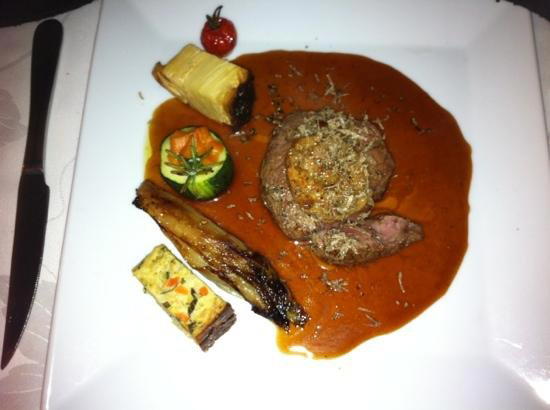
Old Stone, Slow Plates: The Ritual of Eating in Bayeux
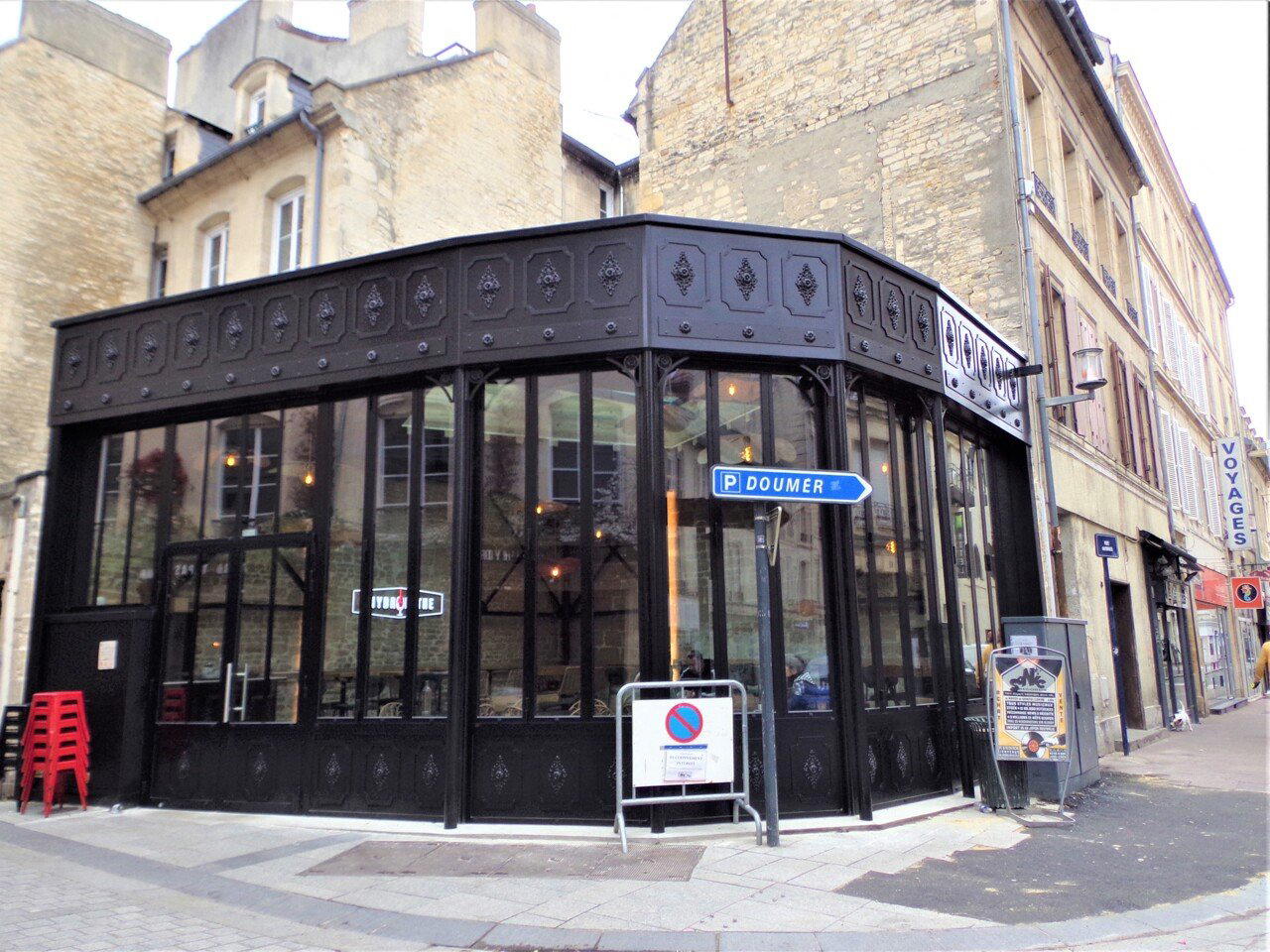
Rue Saint-Jean runs through Bayeux's medieval core, a street that moves at the pace of a city shaped more by its cathedral and museum than by any modern redevelopment. The buildings here carry visible age, thick walls, low lintels, rooms that were designed before the concept of a dining room existed. It is within this physical register that La Rapière operates, at number 53, and the setting is not incidental. In Norman towns of this character, the architecture sets expectations about how a meal should unfold: without rush, with attention to sequence, and with cooking that references the land immediately around it.
That relationship between place and plate is the defining principle of French traditional cuisine at the regional level. It operates differently from the Bib Gourmand restaurants you would find in a larger urban centre. At Paul Bocuse, L'Auberge du Pont de Collonges in Collonges-au-Mont-d'Or or Auberge de l'Ill in Illhaeusern, regional tradition is performed at the highest technical register. At the Bib Gourmand tier, the ambition is different: to serve recognisable regional food at a price that removes any hesitation about returning. La Rapière's consecutive recognition in 2024 and 2025 suggests it is meeting that contract consistently.
What the Bib Gourmand Signals at This Price Point
The Michelin Bib Gourmand is awarded specifically to restaurants offering good quality meals at moderate prices, the current French threshold sits at menus under a defined price ceiling. For Bayeux, a city where the mid-range dining tier is populated by several solid kitchens, that distinction carries weight. La Rapière holds a €€ price position, placing it in the same bracket as L'Alcôve, L'Angle Saint-Laurent, and La Table du Lion, all three of which operate in the modern cuisine register. La Rapière does not. Its cuisine type is listed as traditional, which in a Norman context points toward preparations built from the region's canonical larder: cream, cider, Calvados, seafood from the Channel coast, and meats raised in the Bocage Normand.
The distinction matters when selecting a table in Bayeux. Those other €€ addresses are applying contemporary technique to local produce; La Rapière's brief is the continuity of a pre-modern cooking tradition. Both approaches are legitimate and serve different intentions at the table.
The Dining Ritual: Pacing and Expectation
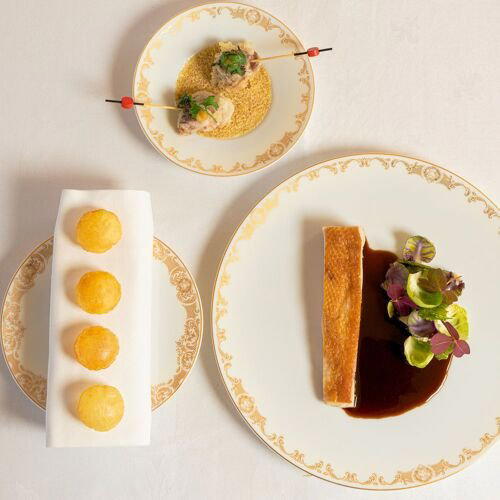
Norman traditional cuisine has its own internal logic of progression. It is not a cuisine of minimalism or composed refinement in the contemporary sense. Portions carry weight. Sauces are reduced, not just seasoned. The meal typically observes a formal succession, starter, main, cheese or dessert, that mirrors the classic French service structure without the self-consciousness that contemporary restaurants sometimes apply to it. At La Rapière, the architecture of the meal should be understood on those terms: this is cooking that rewards patience rather than appetite for novelty.
The tradition also has a geographic logic. Normandy sits between the Cotentin peninsula and the Seine estuary, with a coastline that has historically produced langoustine, scallops, and sole, and an interior that runs on dairy farming at a density almost unmatched elsewhere in France. Kitchens working within this tradition do not need to source widely because the regional produce is already broad enough to sustain a menu across seasons. For visitors arriving from the D-Day beaches, the Memorial Museum, or the, the meal at a table like this functions as an extension of the regional encounter rather than a departure from it.
This is where the format diverges from the modern addresses on the same price tier. Le 1720 at Château de Sully, which sits at €€€, brings a country-house setting and modern cuisine framing to a similar demographic of visitors and locals. La Rapière's traditional register sets a different tempo at the table, one closer to what travellers find at Auberge Grand'Maison in Mûr-de-Bretagne or Auga in Gijón, regional kitchens where the commitment to a specific food culture is the primary editorial position of the menu.
Where La Rapière Sits in the Bayeux Eating Pattern
Bayeux is a small city that punches considerably above its population in terms of historical weight and tourist footfall, which means its restaurant scene is shaped by two parallel demands: visitors who want to eat Norman food as part of a cultural itinerary, and a local population that treats dining out as a weekly or fortnightly social ritual rather than an occasional occasion. Restaurants that satisfy both constituencies tend to build durable reputations.
For practical planning, Rue Saint-Jean is walkable from the cathedral and from the Bayeux Museum on Boulevard Fabian Ware, placing La Rapière within the natural circuit of a day spent in the old city. The €€ price point means that a full meal with wine will typically arrive well under what an equivalent evening at a starred address in Caen or Rouen would cost. Given the Bib Gourmand credential, the value calculation is transparent: Michelin has already assessed that it clears the quality bar at the price being charged.
For those building a wider Norman itinerary, the EP Club guides to Bayeux restaurants, Bayeux hotels, Bayeux bars, Bayeux wineries, and Bayeux experiences offer the surrounding context. Further along the French traditional spectrum, Bras in Laguiole, Flocons de Sel in Megève, Mirazur in Menton, Troisgros in Ouches, and Alléno Paris au Pavillon Ledoyen map the upper registers of what French kitchens do with regional produce at higher investment levels.
Planning a Table
La Rapière operates at 53 Rue Saint-Jean, 14400 Bayeux. As a Bib Gourmand restaurant in a city with a busy tourist season concentrated around summer and the annual D-Day commemoration period in early June, booking ahead is advisable for Friday and Saturday evenings and for the May-to-September window generally. The €€ price tier makes it an accessible proposition for most travellers without advance financial planning, and the consecutive Michelin recognition removes the uncertainty that sometimes accompanies mid-market choices in unfamiliar cities.
Frequently asked questions
How much does it cost to eat at La Rapière?
Pricing at La Rapière is listed as €€.
How hard is it to get a table at La Rapière?
Bayeux draws concentrated tourist traffic through summer, particularly around the cathedral and tapestry museum on Rue Saint-Jean, where La Rapière is located at number 53. A Bib Gourmand rating held in both 2024 and 2025 sharpens demand further, especially for peak season lunch and dinner slots. Booking ahead is sensible rather than optional during July and August.
What has La Rapière built its reputation on?
Two consecutive Michelin Bib Gourmand awards, in 2024 and 2025, point to consistent delivery of good-quality cooking at prices that sit within the €€ range. The restaurant operates inside Bayeux's medieval core, serving traditional Norman cuisine in a city where the visitor base skews towards cultural travellers with high expectations. That combination of accessible pricing, repeatable quality, and a credible Michelin signal is what sustains the standing.
Cuisine Lens
| Venue | Cuisine | Price | Awards | Notes |
|---|---|---|---|---|
| La RapièreThis venue (the venue you are viewing) | Traditional French Bistro | $50–100 | Michelin Bib Gourmand | Not listed |
| L'Alcôve | Modern French Bistronomy | $30–50 | Michelin Bib Gourmand | Modern Cuisine |
| Le 1720 - Château de Sully | Modern French Norman Fine Dining | $50–100 | Michelin Plate | Modern Cuisine |
| L'Angle Saint-Laurent | Refined Norman French Bistro | $30–50 | Michelin Bib Gourmand | Modern Cuisine |
| La Table du Lion | Modern French with Asian Fusion | $50–100 | Michelin Plate | Modern Cuisine |
Recognition history
Dated appearances from independent guides and award organizations, with the underlying list record or original source where available.
Michelin Bib Gourmand
Michelin
Full recognition history (3 entries)
Michelin Bib Gourmand
Michelin
Michelin Bib Gourmand
Michelin
Continue exploring
More in Bayeux
Restaurants in Bayeux
All restaurants in Bayeux →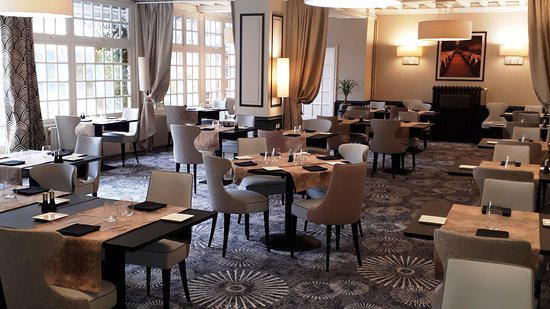
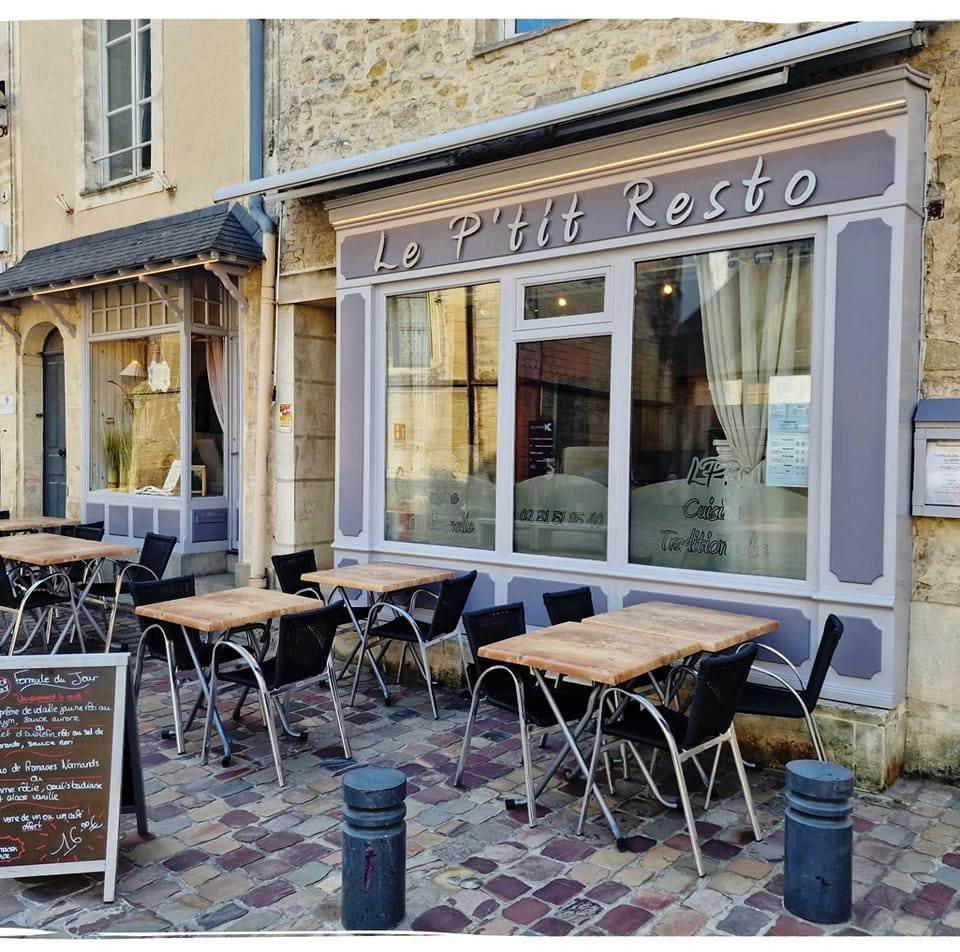
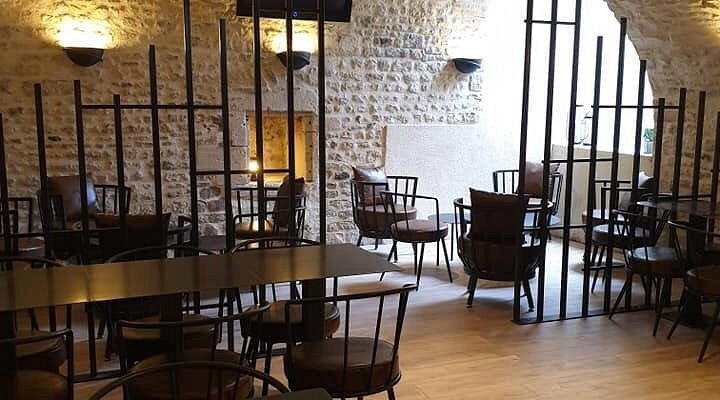
Hotels in Bayeux
All hotels in Bayeux →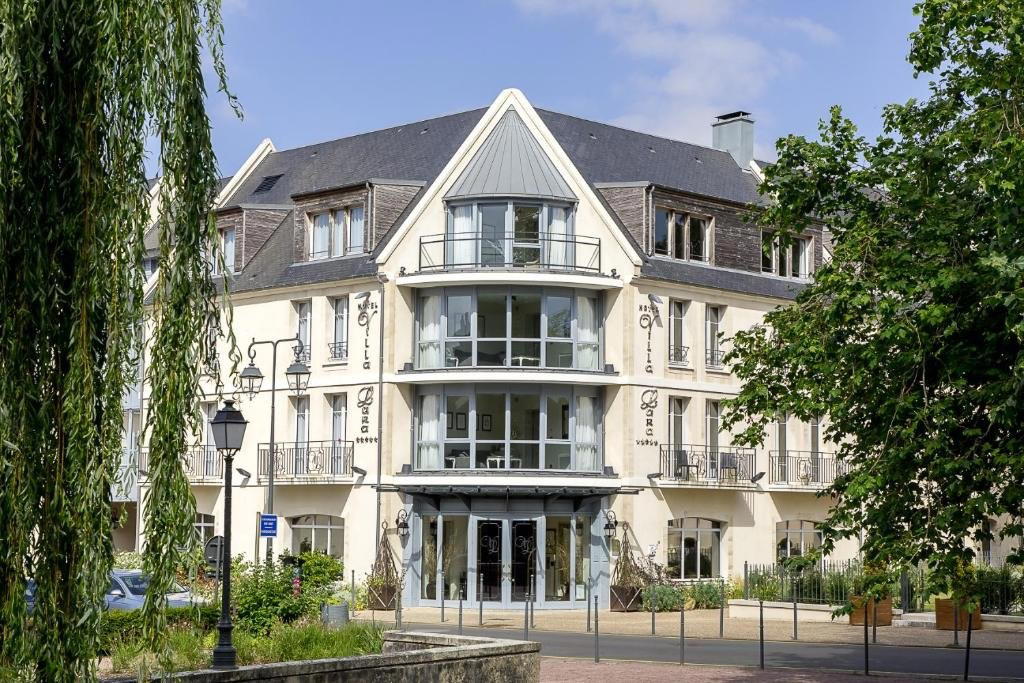
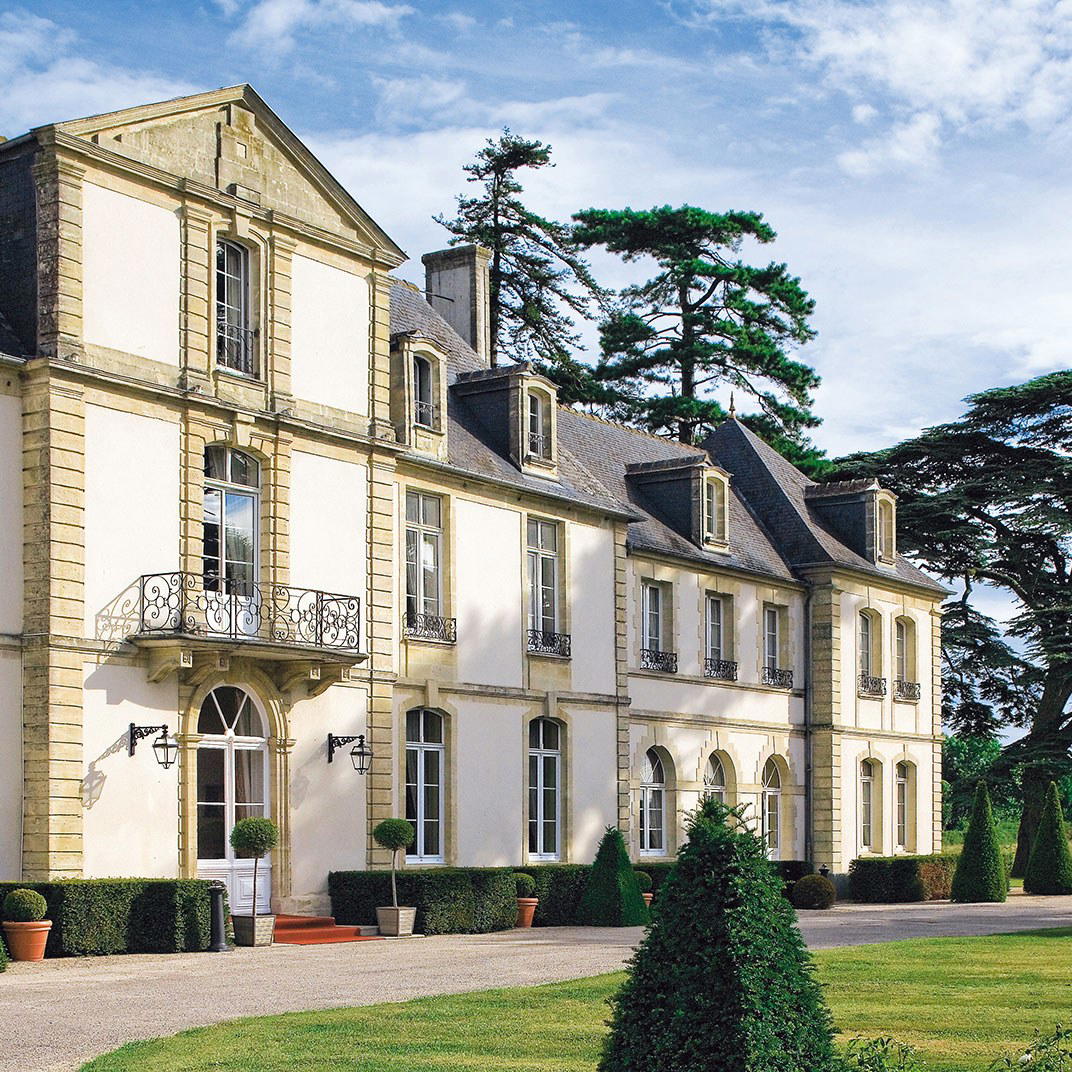
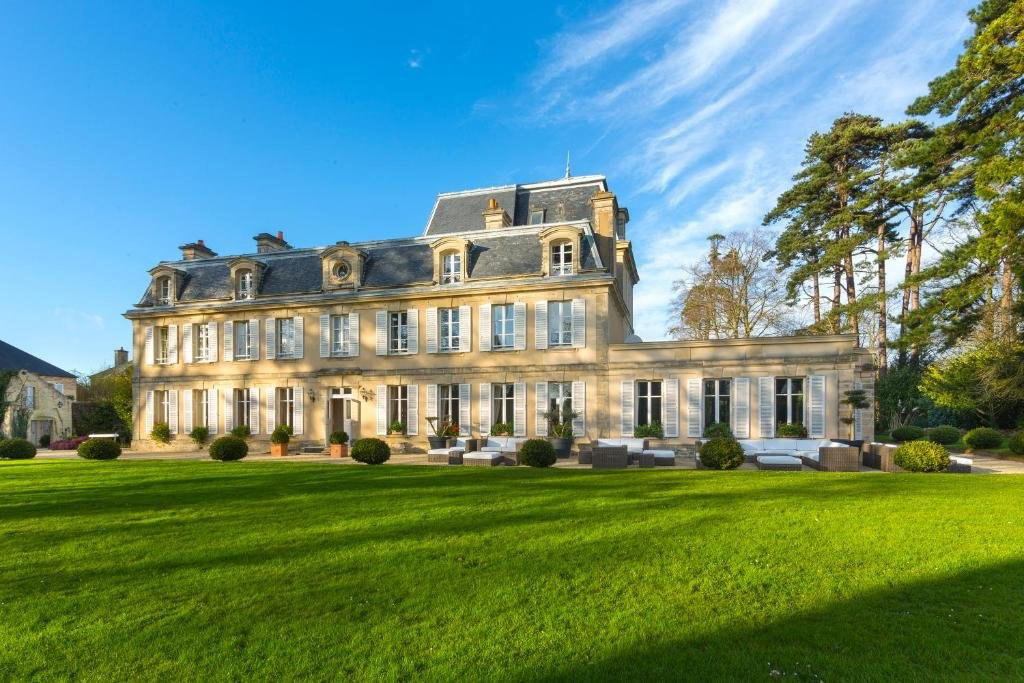
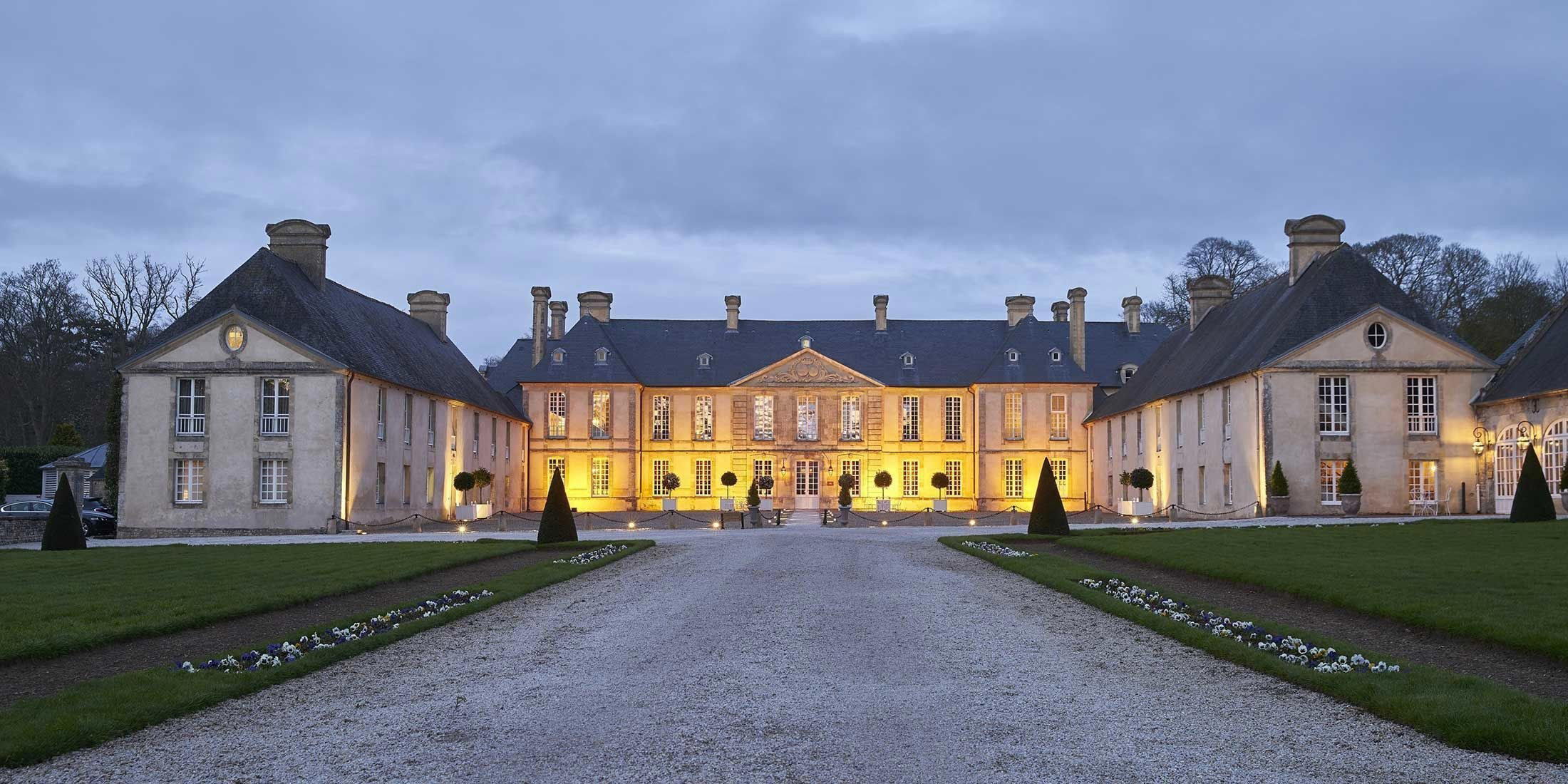
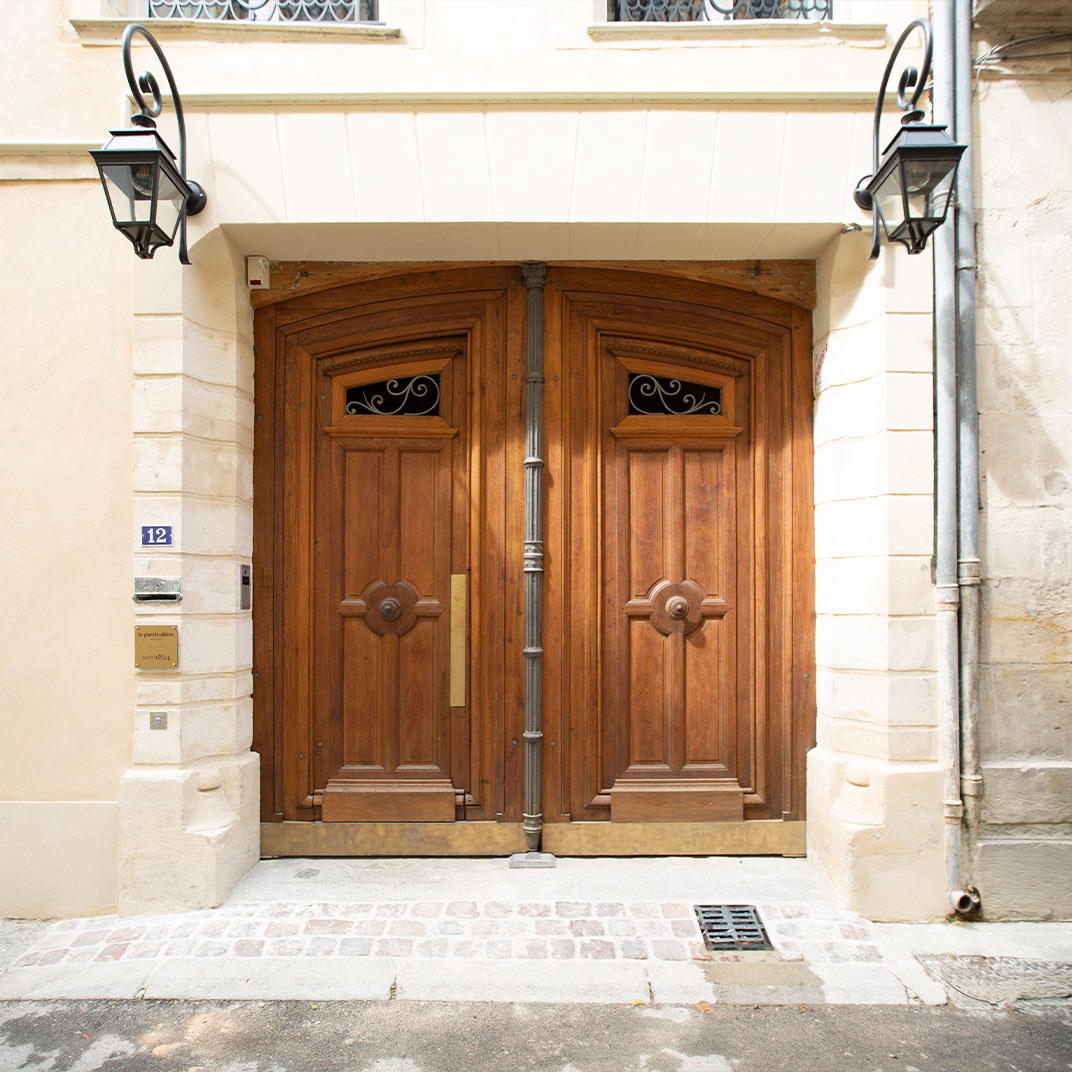
Wineries in Bayeux
Browse all →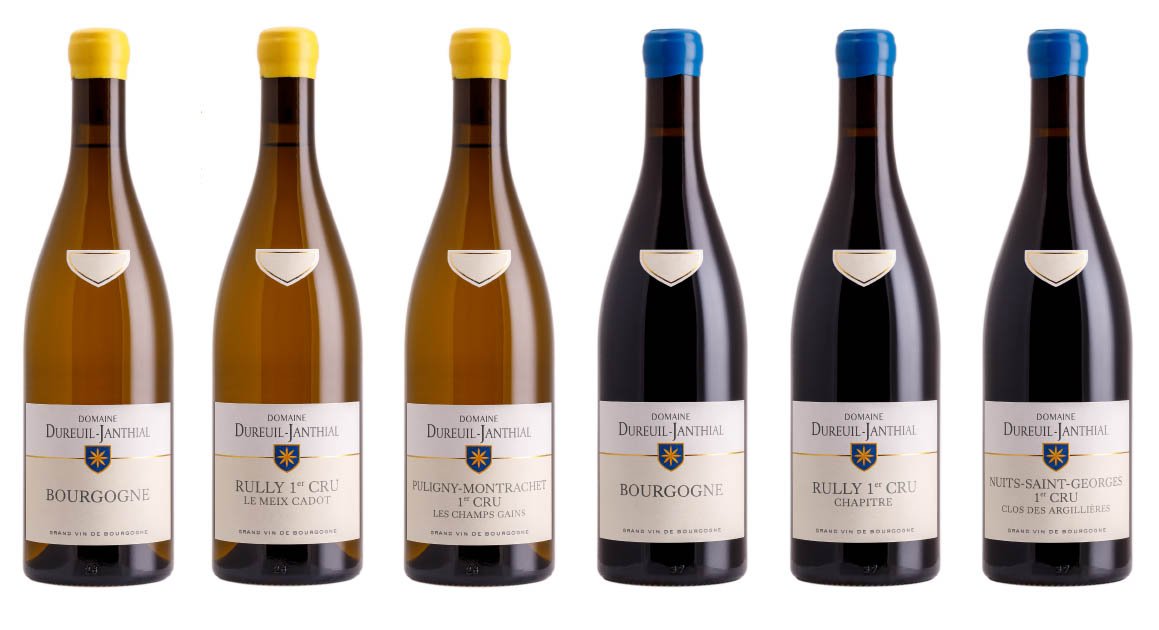
Details
- Cozy
- Elegant
- Classic
- Intimate
- Romantic
- Date Night
- Special Occasion
- Historic Building
- Extensive Wine List
- Local Sourcing
- Prix Fixe
- Vegetarian Friendly
- Gluten Free Options
- Allergy Accommodating
Current opening hours
- Monday
- 6:30–9 PM
- Tuesday
- 6:30–9 PM
- Wednesday
- 6:30–9 PM
- Thursday
- 6:30–9 PM
- Friday
- 6:30–9 PM
- Saturday
- 6:30–9 PM
- Sunday
- Closed
Hours can change for holidays and private events. Hours as of .
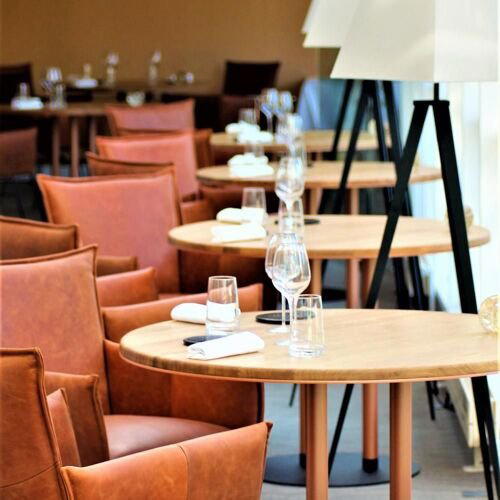
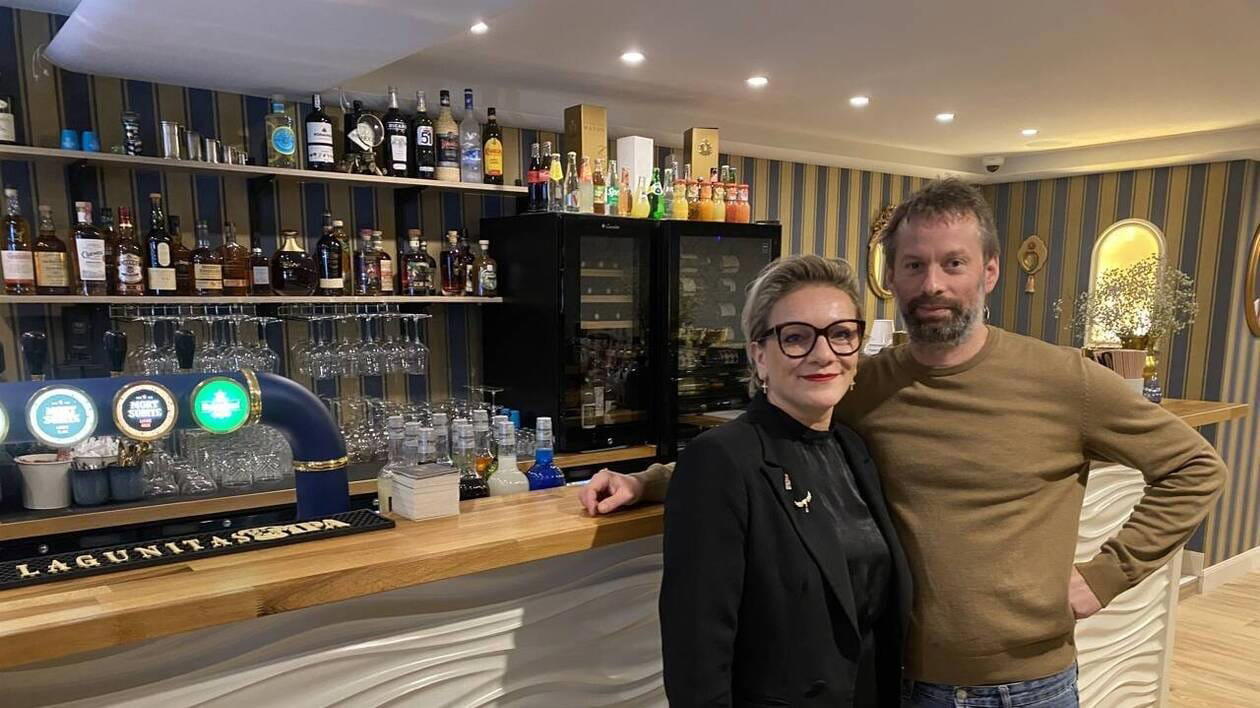
Charming, cozy, and warm with authentic historic decor, relaxed old-world appeal, and inviting atmosphere.