Le Botaniste - La Chenevière

Inside a historic château outside Port-en-Bessin, Le Botaniste earns its 2025 Michelin Plate through a kitchen that draws directly from the estate's vegetable garden and a network of small-scale Norman producers. The cooking is precise and rooted: slow-roasted free-range chicken, confit brill with lobster bisque, and a service register that matches the 18th-century dining room in composure. This is château dining with genuine agricultural substance behind it.
Pearl is the En Primeur Club membership app — saves, bookings, and concierge access live there. Same editors, same standards.
- Address
- Château la Chenevière, Escures-Commes, 14520 Port-en-Bessin, France
- Phone
- +33 2 31 51 25 25
- Website
- le-botaniste.com
- Directions
- Get directions
 Saves & bookings on Pearl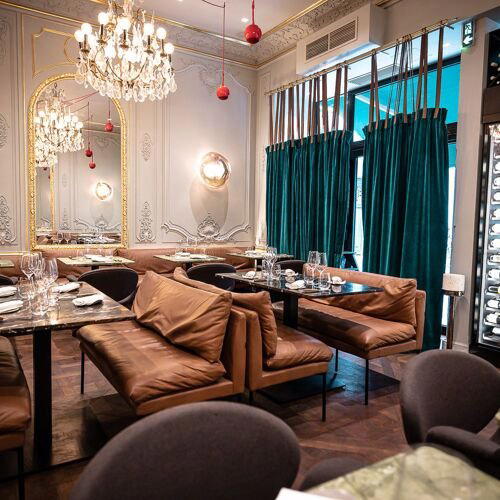
Where the Kitchen Starts in the Garden
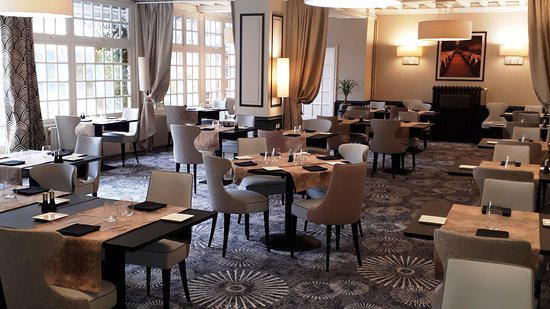
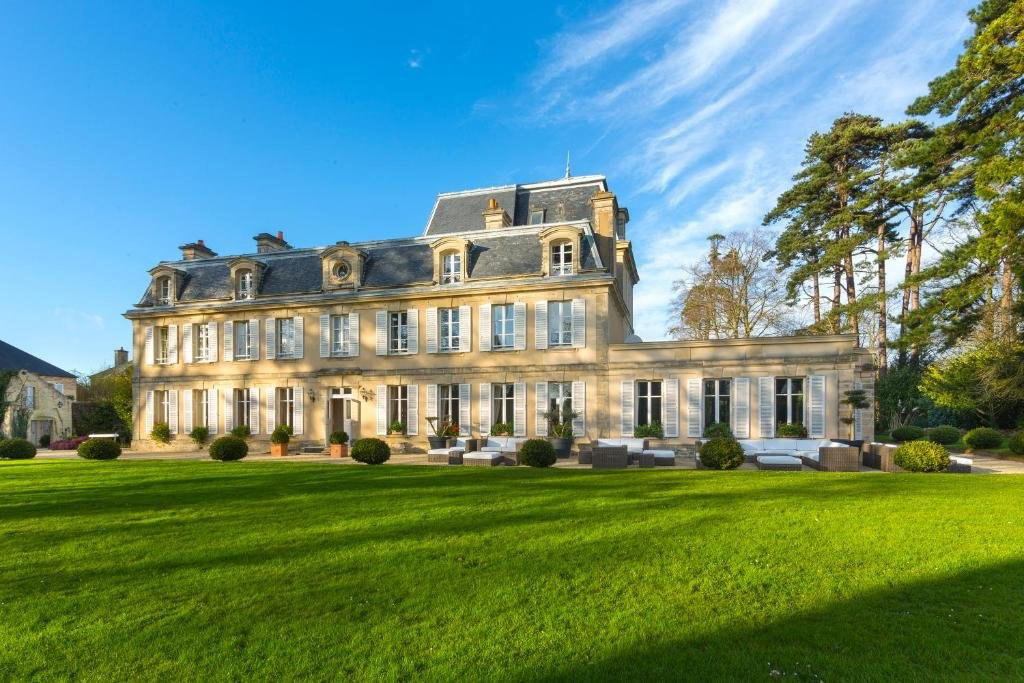
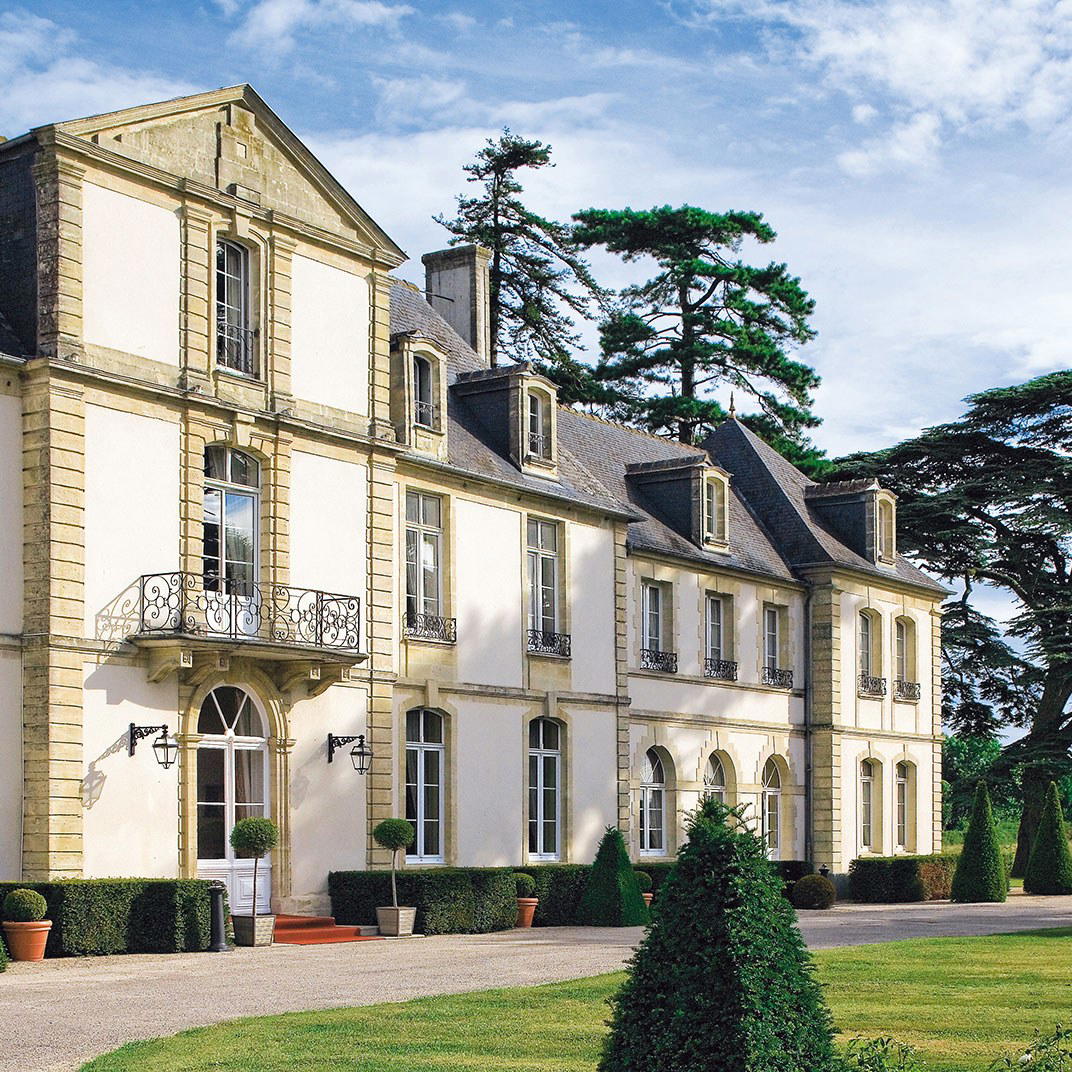
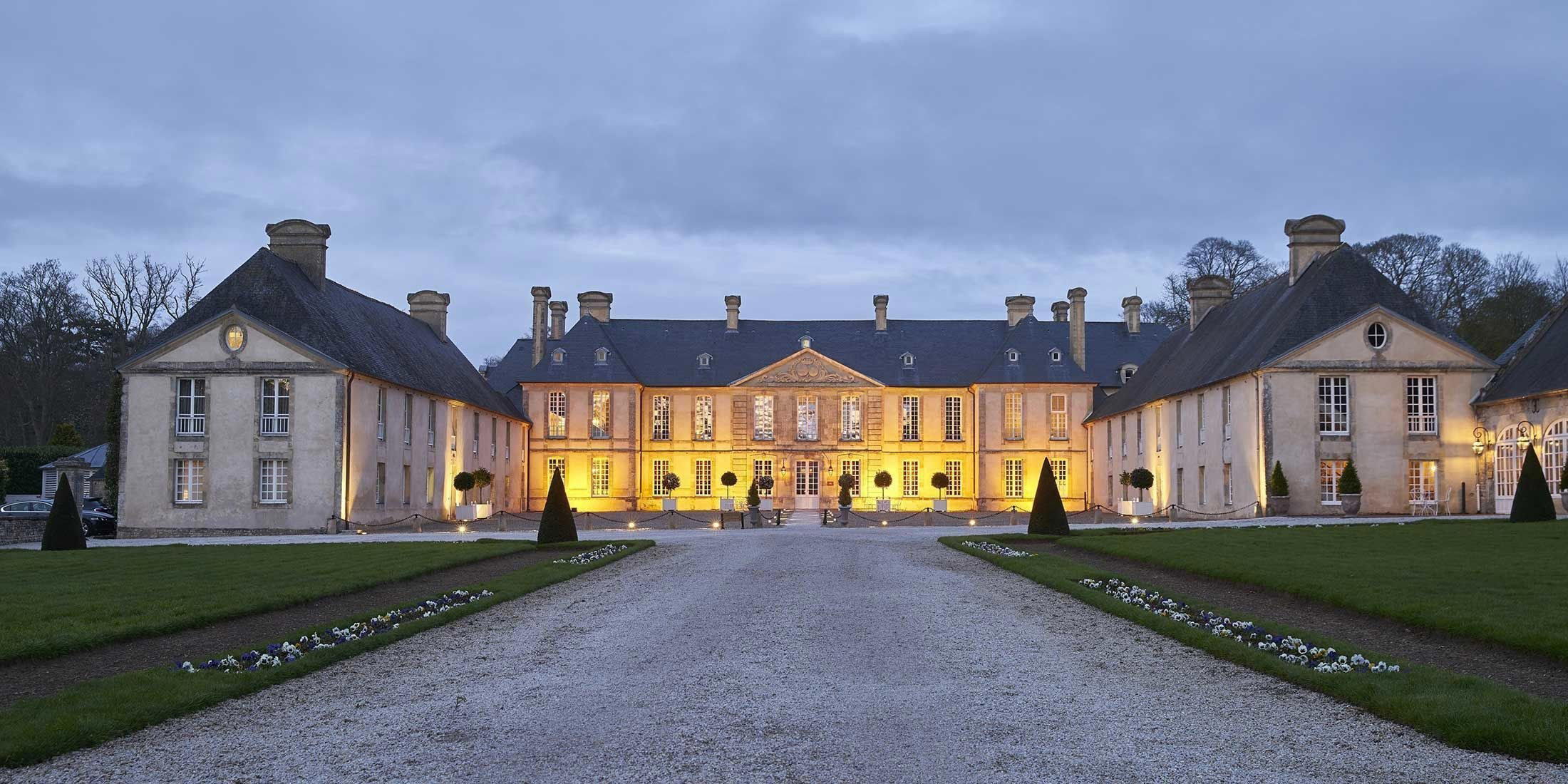
The approach to Château la Chenevière already frames the meal to come. The estate's formal grounds, its stone façades and its evident distance from the fishing-port bustle of Port-en-Bessin establish that what happens inside the dining room operates at a different tempo to most Calvados-coast cooking. Wood panelling, parquet floors and 18th-century furnishings meet you at the door, a physical environment that signals formality without tipping into museum-piece stiffness. The room holds its history lightly, and the kitchen's relationship to the surrounding land gives that history some forward momentum.
The restaurant's Michelin Plate recognition places it in a category that Michelin reserves for kitchens producing food of consistent quality and clear culinary identity, not yet a starred house, but a dining room where the inspectors found something worth marking. In Normandy, where the produce case is among the more compelling in France, that kind of recognition carries specific weight. The question the guide is implicitly answering is whether a kitchen is genuinely using what the region offers, or simply sitting in a handsome setting.
Normandy's Larder and What a Château Garden Changes
Ingredient-led cooking has become something of a default claim in French fine dining, but the supply chain behind Le Botaniste is more specific than the phrase usually implies. The chef draws from the château's own vegetable garden and from a roster of small-scale producers, a sourcing model that sits closer to the Bras model in Laguiole, where the kitchen's relationship to a particular patch of land shapes what appears on the plate, than to the broader regional-produce positioning that larger hotel restaurants tend to adopt.
Normandy's agricultural credentials are not in dispute. The region supplies a significant share of France's dairy output, its apple orchards underpin calvados and cidre production, its coastline delivers shellfish and flatfish of consistent quality, and its pastures produce chicken and beef with genuine provenance stories attached. What the château garden adds is control over variety selection and harvest timing, details that matter in a cuisine where a delicate treatment of vegetables or a precisely seasoned broth depends on produce picked at the right moment rather than ordered from a supplier's weekly list.
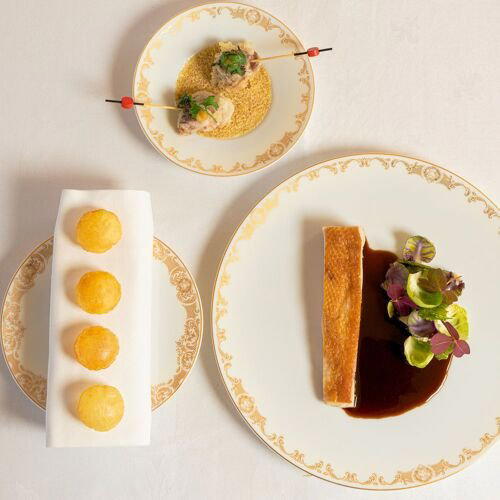
The cooking that results from this supply structure is described as delicate, a word that in this context means technically precise and restrained rather than sparse. The menu works with Normandy produce through alliances of flavour rather than declarative single-ingredient statements. Slow-roasted free-range chicken arrives alongside a confit of the shredded leg with pleurote mushrooms and elderflower jelly: a construction that uses the whole bird, applies different techniques to different cuts, and introduces a seasonal aromatic element in the elderflower that connects the dish to a specific window in the Norman calendar. Brill, a flatfish that performs well in the Channel, is treated to confit of fennel, carrot seasoning and lobster bisque, a combination that draws from the sea and the kitchen garden in the same bowl.
These are not simple dishes. The technical register, the multi-component plating and the sourcing discipline put Le Botaniste in the same frame as other château and estate restaurants across provincial France where a kitchen has the resources and the setting to operate seriously. Compared to the starred hotel dining rooms in Paris, Alléno Paris au Pavillon Ledoyen or Assiette Champenoise in Reims, the ambition here is calibrated to a different scale: fewer covers, a closer connection to a specific terroir, and a price point at €€€ rather than the €€€€ tier that those addresses occupy.
Service as Architecture
Michelin's notation for Le Botaniste specifically flags service as first-class and seamless, language the guide uses carefully and does not apply to rooms that are merely polite or attentive. In the context of a château dining room with 18th-century furnishings, seamless service means something particular: a front-of-house team that can operate at the same formal register as the setting without making guests feel they are being administered rather than looked after. That balance is harder to achieve than it sounds, and its presence here is part of what the Michelin Plate is recognising alongside the kitchen output.
The broader tradition of château hotel dining in France, represented at various levels by properties from the Loire to Provence, has always had service ambition built into the format. Guests staying at La Chenevière can also access the more casual Le Petit Jardin at the same estate, which operates at a different register and price point. Le Botaniste is the formal dining option: the room where the kitchen pushes further and the service structure matches it.
The Normandy Dining Context
Port-en-Bessin sits on the Calvados coast between Bayeux and the D-Day beaches, in a part of Normandy that draws visitors primarily for its history and its landscape rather than its restaurant scene. That context matters when assessing what Le Botaniste is doing. Serious cooking at this level, Michelin-recognised, estate-sourced, technically composed, is not what most travellers expect to find in a small fishing harbour. The château's setting, roughly two kilometres from the port itself, creates a geographical separation that reinforces the culinary one.
For travellers building an itinerary through northern France, the kitchen's approach to Norman produce provides a useful contrast to the more urban interpretations of French regional cuisine found further afield. Houses like Auberge de l'Ill in Illhaeusern or Flocons de Sel in Megève operate within clearly defined regional terroir traditions; Le Botaniste does something similar for Normandy, using the château's own land as the starting point and the Channel coastline as a constant reference.
Planning Your Visit
Le Botaniste sits within Château la Chenevière at Escures-Commes, a short drive from Port-en-Bessin on the Calvados coast. The price range at €€€ positions it as a serious dinner destination without reaching the four-tier pricing of particularly formally starred French houses. Given the Michelin Plate recognition and the château setting, booking ahead is advisable, particularly across the summer months. The formal dining room's 18th-century character means smart dress sits comfortably with the setting.
What's the leading thing to order at Le Botaniste - La Chenevière?
The Michelin Plate citation points to two dishes as representative of the kitchen's approach. The slow-roasted free-range chicken with confit of shredded leg, pleurote mushrooms and elderflower jelly demonstrates the kitchen's commitment to whole-animal cooking and seasonal aromatics from the château's own garden. The brill with confit of fennel, carrot seasoning and lobster bisque shows the same technical discipline applied to the Channel catch. Both dishes make the case for the kitchen's sourcing model, produce from the estate garden and small Norman suppliers, treated with precision rather than elaboration. Either represents the clearest expression of what the Michelin Plate is recognising at this address.
Side-by-Side Snapshot
Comparable venues nearby, for context on price, style, and recognition.
| Venue | Cuisine | Price | Awards | Notes |
|---|---|---|---|---|
| Le Botaniste - La ChenevièreThis venue — the venue you are viewing | Normandy Fine Dining | $$$ | Michelin Plate | Not listed |
| Le Petit Jardin - La Chenevière | Modern French Bistronomic | $$$ | Michelin Plate | Port-en-Bessin |
| L'Espérance - Stéphane Carbone | Modern French Bistronomie | $$$ | Michelin Plate | Hérouville-Saint-Clair |
| L'Antiquaire | Modern French Bistro | $$$ | Michelin Plate | Vieux Laval |
| L'EssenCiel | Modern French Bistronomic | $$$ | Michelin Plate | Fougères city center |
| Comète | Modern French Bistro | $$$ | Michelin Plate | Saint-Lunaire |
Recognition history
Dated appearances from independent guides and award organizations, with the underlying list record or original source where available.
Michelin Plate
Michelin
Michelin Plate
Michelin
Michelin Plate
Michelin
Continue exploring
More in Port-en-Bessin
Restaurants in Port-en-Bessin
Browse all →
Bars in Port-en-Bessin
Browse all →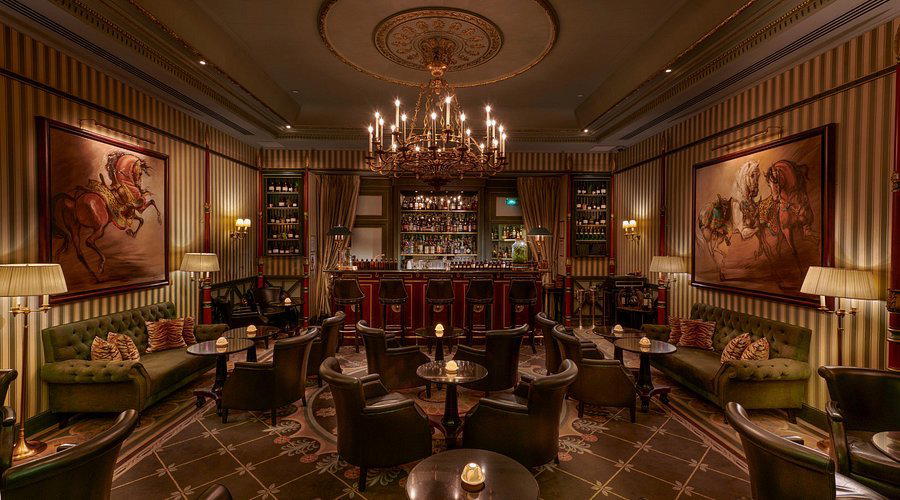
At a Glance
- Elegant
- Sophisticated
- Rustic
- Cozy
- Special Occasion
- Date Night
- Group Dining
- Garden
- Historic Building
- Hotel Restaurant
- Extensive Wine List
- Natural Wine
- Sommelier Led
- Farm To Table
- Local Sourcing
- Organic
- Garden
Current opening hours
- Monday
- Closed
- Tuesday
- 6:45–9 PM
- Wednesday
- 6:45–9 PM
- Thursday
- 6:45–9 PM
- Friday
- 6:45–9 PM
- Saturday
- 6:45–9 PM
- Sunday
- Closed
Hours can change for holidays and private events. Last verified .
Swish and elegant with wood panelling, parquet floors, 18C furnishings, bay windows overlooking the garden, floral motifs, and botanical decor.