La Potinière

Michelin Plate
Our verdict
La Potinière on Gullane's Main Street is one of East Lothian's most consistently recognised small restaurants, holding a Michelin Plate in both 2024 and 2025. Owners Mary and Keith share the cooking across a short, carefully considered menu of traditional dishes with occasional ambitious turns.

Pearl is the En Primeur Club membership app — saves, bookings, and concierge access live there. Same editors, same standards.
- Address
- Main Street, Gullane EH31 2AA, United Kingdom
- Phone
- +44 1620 843214
- Hours
- Mon–Wed ClosedThu–Sat 12:30–1:30 PM, 7–8:30 PMSun 12:30–1:30 PM
- Website
- lapotiniere.co.uk
- Directions
- Get directions
The menu
What to order
- Twice-baked cheese soufflé
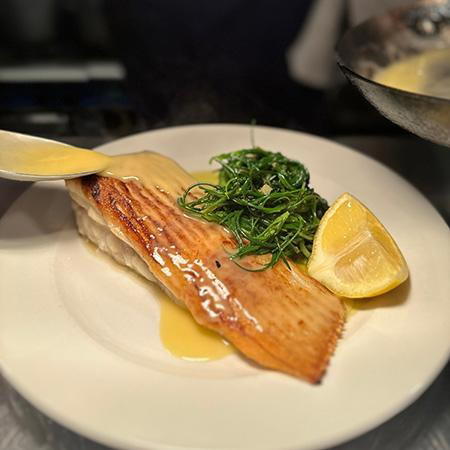
- Steamed halibut with crushed new potatoes
- Poached and seared Gressingham duck breast
- Thai coconut soup amuse bouche
A Village Restaurant That Earns Its Reputation
East Lothian's dining scene has always been shaped by the land and sea that frame it: the Firth of Forth pushing salt air inland, fertile arable farmland stretching back from the coast, and a tradition of precise, ingredient-led cooking that owes more to larder discipline than to trend-chasing. Gullane sits at the quieter end of that tradition. The village is renowned for its golf, but the stretch of Main Street that runs through it carries a different kind of gravity for those who pay attention to where Scotland eats well. La Potinière, at that same address since long before the current wave of Scottish fine dining attracted international attention, is the clearest expression of what that tradition looks like when it holds its nerve.
Approaching the restaurant, nothing announces itself loudly. The building reads as a considered, personal space rather than a hospitality statement. That restraint is the point. In a county where The Bonnie Badger has brought a more polished Modern British register to the village, La Potinière occupies a different frequency: quieter, more concentrated, with the texture of a room that has been shaped by years of genuine commitment rather than a brand rollout.
Where the Food Comes From
Scotland's larder is not an abstraction at La Potinière. The cooking here is traditional at its core, and traditional cooking in this part of Scotland means sourcing that is inseparable from geography. East Lothian sits within reach of some of the country's most productive food geography: North Sea fish landed at nearby harbours, soft fruit from the Lothian farms, game from the surrounding estates, and beef and lamb bred on coastal pasture. A short menu of two choices per course is not a limitation; it is, in this context, a sourcing statement. It reflects the discipline of cooking only what the season and the suppliers can justify, rather than building a menu around range for its own sake.
That approach places La Potinière in a lineage of British and Irish country restaurants that have consistently argued, through their food rather than their press releases, that fewer, better ingredients cooked with technical accuracy matter more than ambition for its own sake. It is the same argument being made, at higher price points and with greater fanfare, at places like L'Enclume in Cartmel or Moor Hall in Aughton. At La Potinière, the framing is less theatrical and the prices sit at £££ rather than the ££££ tier that defines those starred rooms, but the underlying logic is shared: sourcing integrity expressed through restraint.
The Michelin Plate recognition in both 2024 and 2025 reflects this. The Plate designation does not carry the star count of CORE by Clare Smyth or the architectural ambition of The Fat Duck in Bray, but it does signal something specific from the Guide: good food, technically delivered, without unnecessary contrivance. Michelin's own language on La Potinière cites technique, ingredient quality, and a deliberate absence of frippery. For a restaurant of this scale in a village of this size, sustained Michelin recognition across consecutive years is meaningful data, not ambient praise.
The Format and What It Tells You
Two choices per course is a format that demands honesty from the kitchen. There is no long menu to hide behind, no safety net of sixteen dishes from which a diner can self-select their way to a satisfying meal. What arrives at the table is a direct expression of what the kitchen is confident about on that particular day. In the broader context of British country-house and village dining, from Gidleigh Park in Chagford to Le Manoir aux Quat' Saisons in Great Milton, the short-menu model has historically tracked with kitchens that cook from conviction rather than volume.
The cooking here is described as traditional with occasional ambitious edges. That phrasing is worth reading carefully. It does not mean timid. Traditional cooking, at its finest, is technically demanding: sauces built from foundations, proteins cooked to precise internal temperatures, classical techniques applied without shortcuts. The ambition, when it surfaces, registers as an earned extension of that base rather than a departure from it. Comparable in spirit, if not in scale or price, to the ethos behind hide and fox in Saltwood or the disciplined regional focus found at Auberge Grand'Maison in Mûr-de-Bretagne.
In village dining at this price tier, that signal carries weight.
La Potinière in East Lothian's Wider Scene
Gullane is not a dining destination in the way that some Scottish towns have become. It does not have the critical mass of restaurants that makes a weekend itinerary easy to build from scratch. But for those already in East Lothian for the golf, or travelling the coastal route from Edinburgh, the restaurant represents the kind of specific reason to stop that is worth building a schedule around. The broader Gullane food and drink picture, from accommodation to bars, is covered in our full Gullane restaurants guide, alongside our Gullane hotels guide, bars guide, wineries guide, and experiences guide.
Internationally, the traditional-cuisine format that La Potinière represents has strong parallels elsewhere in Europe. Auga in Gijón operates from a similar premise: regional ingredients, classical cooking methods, a format that trusts the food to carry the room. Both sit at a remove from the more visible, award-heavy restaurants like Midsummer House in Cambridge or Opheem in Birmingham, but that remove is not a deficit. It is a different, quieter argument about what makes a meal worth travelling for.
Planning Your Visit
La Potinière is at Main Street, Gullane EH31 2AA. The price range sits at £££, placing it in the mid-to-upper tier for the region but below the ££££ bracket that defines the starred London and Home Counties rooms referenced above.
Frequently asked questions
Would La Potinière be comfortable with kids?
At £££ pricing in a small, quiet Gullane room built around a precise two-choice-per-course format, this is not a setting designed with children in mind. The Michelin Plate recognition for 2024 and 2025 reflects a kitchen focused on technical accuracy and considered cooking, which works best when the room matches that register.
Is La Potinière better for a quiet night or a lively one?
La Potinière sits firmly in the quiet-night category. The personal, owner-run format, Michelin Plate recognition across 2024 and 2025, and £££ price point all point to an intimate room where the food is the focus rather than the atmosphere around it.
What awards or recognition does La Potinière have?
La Potinière has received recognition including: An icon in the Scottish hospitality industry, this sweet little restaurant is run in a very personal way by owners Mary and Keith, who share the cooking and have showed great professionalism and dedication over the years. They offer a choic….
What should I order at La Potinière?
Order across all courses. The kitchen offers two choices per course, and the Michelin Plate designation for both 2024 and 2025 signals that each option is prepared with care rather than used as filler. The cooking is traditional at its core with occasional ambitious edges, so following the full menu structure is the way to see what Mary and Keith are doing.
Quick Comparison
| Venue | Cuisine | Price | Awards |
|---|---|---|---|
| La PotinièreThis venue — the venue you are viewing | Modern Scottish Fine Dining | $50–100 | Michelin Plate |
| The Ledbury | Modern European, Modern Cuisine | Not listed | Michelin 3 Star |
| Sketch, The Lecture Room and Library | Modern French | Not listed | Michelin 3 Star |
| CORE by Clare Smyth | Modern British | Not listed | Michelin 3 Star |
| Restaurant Gordon Ramsay | Contemporary European, French | Not listed | Michelin 3 Star |
| Dinner by Heston Blumenthal | Modern British, Traditional British | Not listed | Michelin 2 Star |
Recognition history
Dated appearances from independent guides and award organizations, with the underlying list record or original source where available.
Michelin Plate
Michelin
Full recognition history (3 entries)
Michelin Plate
Michelin
Michelin Plate
Michelin



Details
- Intimate
- Elegant
- Classic
- Quiet
- Romantic
- Date Night
- Special Occasion
- Celebration
- Standalone
- Historic Building
- Local Sourcing
- Farm To Table
- Set Menu
- Prix Fixe
- Wine
- Vegetarian Friendly
- Allergy Accommodating
Current opening hours
- Monday
- Closed
- Tuesday
- Closed
- Wednesday
- Closed
- Thursday
- 12:30–1:30 PM, 7–8:30 PM
- Friday
- 12:30–1:30 PM, 7–8:30 PM
- Saturday
- 12:30–1:30 PM, 7–8:30 PM
- Sunday
- 12:30–1:30 PM
Hours can change for holidays and private events. Last verified .
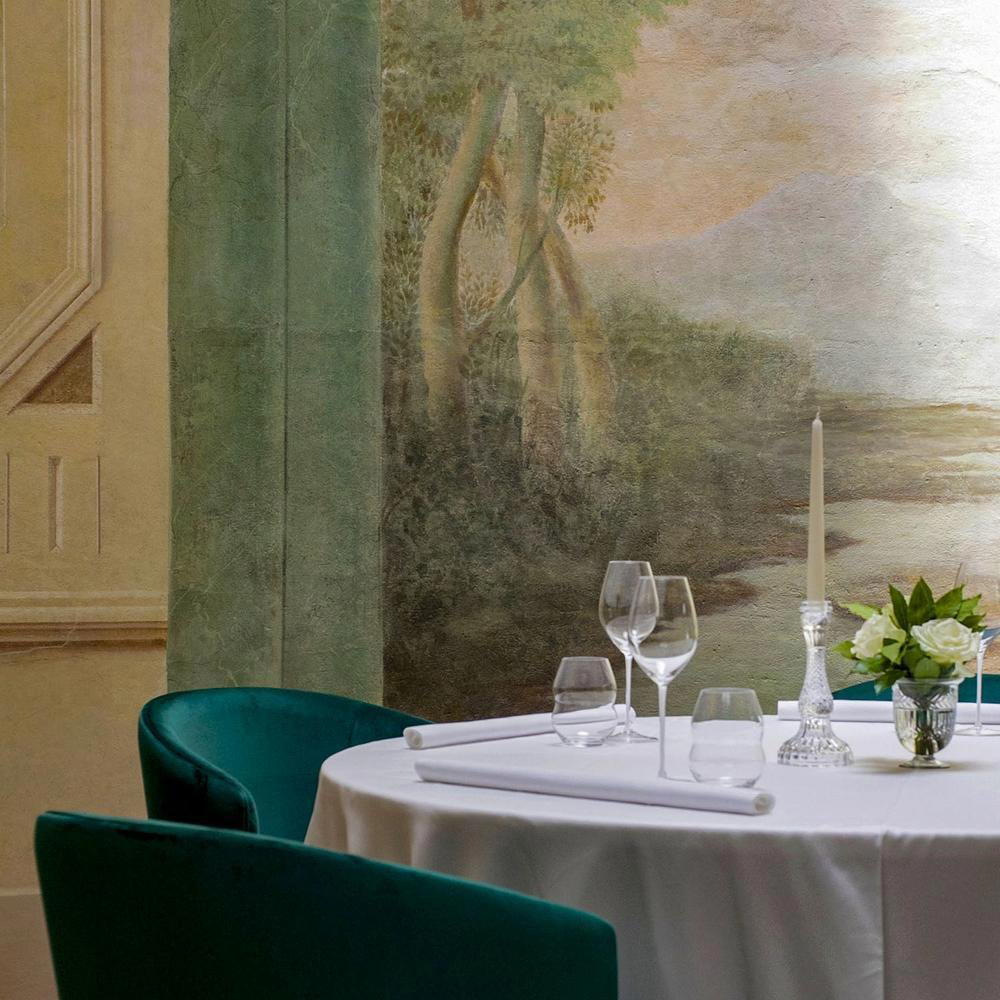
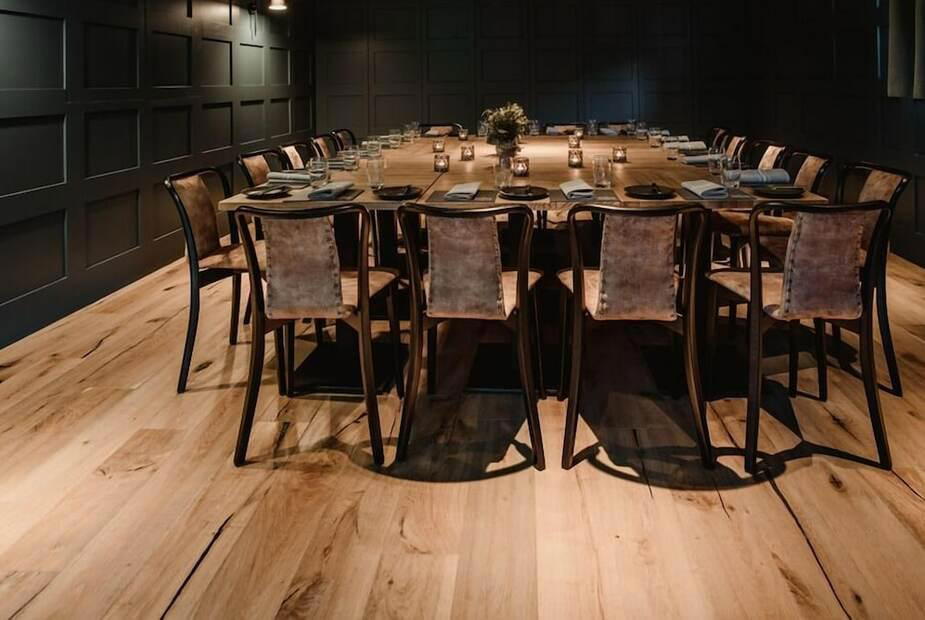
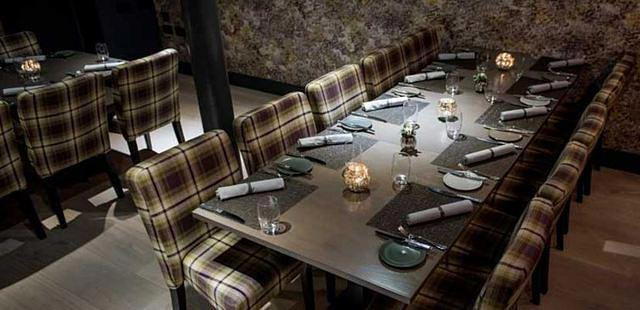
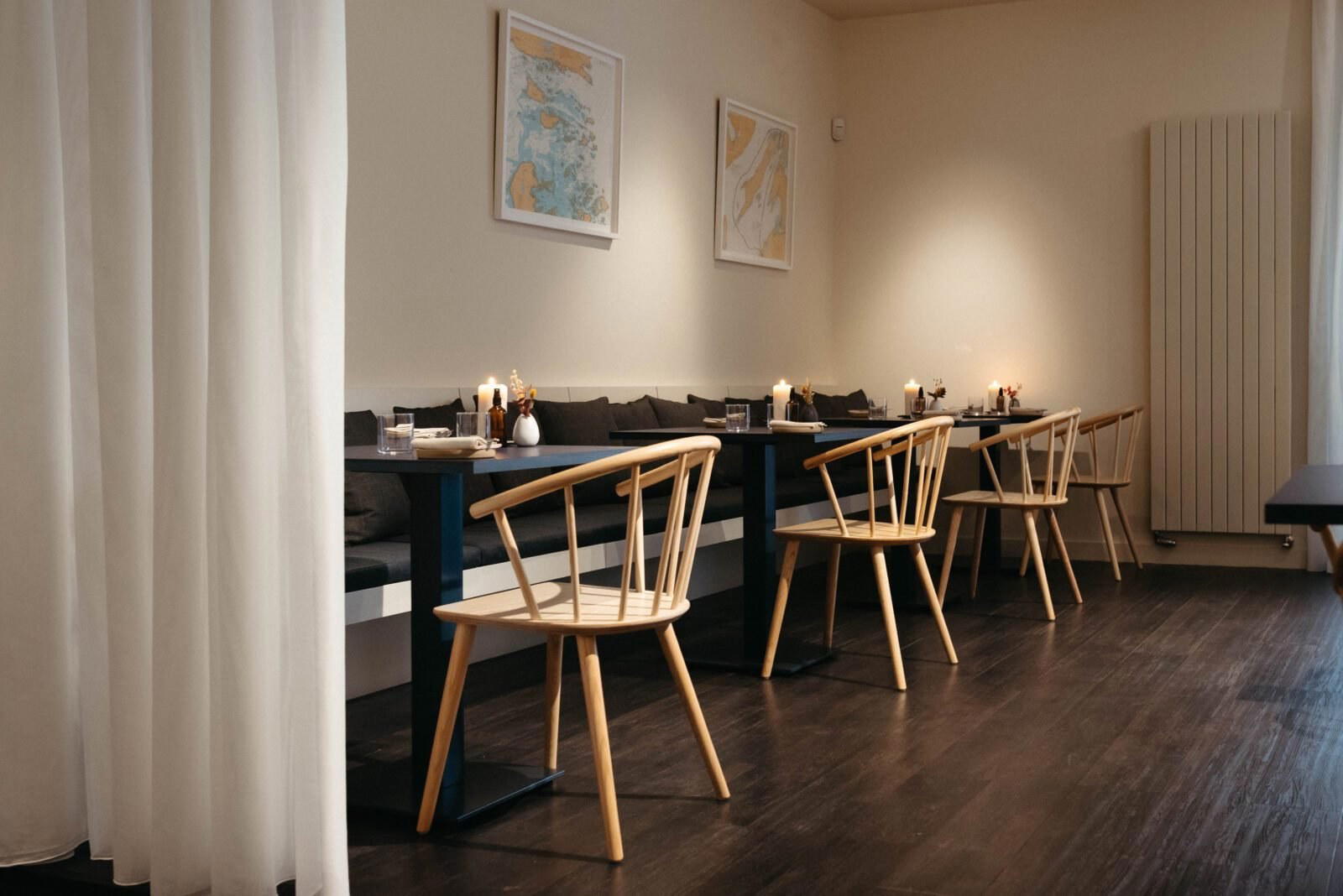
Intimate cottage-style setting with understated elegance, floral curtains, oak sideboards, and crisp damask linens; modest décor that relies on appreciative conversation rather than pomp; low ceilings and cottagey windows create a personal, relaxed yet refined atmosphere.