The Kinneuchar Inn



Michelin Plate · SquareMeal UK Top 100 Restaurants #20 · National Restaurant Awards Top 100 #35
Our verdict
The Kinneuchar Inn brings the East Neuk’s produce-led cooking into a 17th-century pub setting, with a daily-changing à la carte menu shaped by nearby growers and Balcaskie Estate supply. Its National Restaurant Awards Top 100 recognition in 2025 places it in the serious gastropub conversation without pushing the experience into formal dining territory.

Pearl is the En Primeur Club membership app, where members save venues, book tables and use the concierge.
The menu
What to order
- Rotisserie chicken
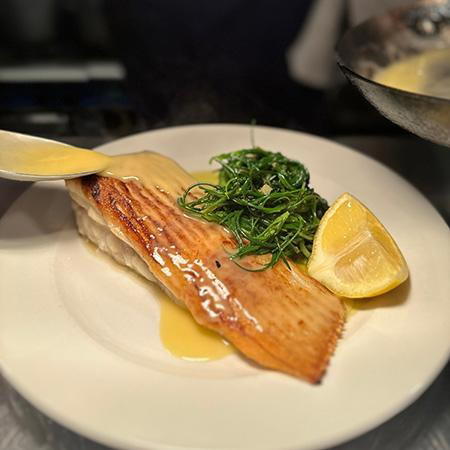
- Fresh local fish specials
- Seasonal game dishes
Approaching an inn in Leven sets different expectations from entering a city dining room: quieter rhythm, a closer sense of local setting and a visit with less need to announce itself. At The Kinneuchar Inn, the point is not theatrical reinvention, but the appeal of a Leven dining room when its identity is kept focused and disciplined.
Leven gives the visit a scale that can feel distinct from a larger urban restaurant circuit. The strongest contemporary dining rooms are often judged less by generic luxury signals than by judgment: what belongs on the table, how much structure the meal needs and whether the room still feels true to itself. The Kinneuchar Inn fits that conversation. Its appeal is easier to understand through restraint than through grand claims.
A Leven inn with a focused sense of place
The more interesting informal restaurants sit between polish and ease. They keep flexibility, avoid unnecessary ceremony and use clarity as structure, not decoration. The Kinneuchar Inn belongs to that camp in spirit. The useful distinction is between generosity and excess: a relaxed meal can drift into weight, while restaurant restraint can remove the comfort that makes the format work.
The experience is the key signal to read. A venue in this setting does not need to chase novelty to feel current; it needs to make clear choices and let the meal suit the day. In Leven, that reads differently from the same language in a metropolitan restaurant. The best version of the promise is narrow and believable: an inn that understands its scale, its audience and the value of hospitality without too much performance.
National Restaurant Awards source material around The Kinneuchar Inn places it in a wider conversation about serious casual dining. That recognition matters because the venue is not presented here as a grand dining-room proposition. It places an inn beside more conspicuous restaurant formats, showing where British food culture has moved: judgment, consistency and a convincing sense of place now carry more weight than formality alone.
For readers comparing nearby options, the distinction helps. Craig Millar @ 16 West End and The Dory Bistro & Gallery point toward different coastal dining experiences, while The Peat Inn sits in a more formal bracket. The Kinneuchar Inn offers a Leven setting, an inn frame and a style of dining that keeps the meal grounded. These are not interchangeable experiences, even when they share a regional pull.
The modern inn is being judged by restraint
Dining outside the biggest cities is often pulled between destination restaurants that require a planned journey and venues relying on setting more than discipline. The compelling middle ground is the inn treating the meal seriously while keeping the social code relaxed. That is why restraint matters at The Kinneuchar Inn. Here, it means fewer gestures, clearer purpose and an experience that does not need to disguise itself as luxury.
Value language can mislead. A relaxed format does not mean casual in ambition; it means the restaurant competes in a category where dining can quickly become ceremony. A flexible meal helps the visit adapt around appetite and occasion, one reason this kind of inn suits mixed groups better than many fixed-format restaurants.
The room’s role matters less as nostalgia than context. An inn carries expectations: warmth, human-scale noise and a meal for locals and travellers. The stronger tradition does not abandon comfort; it edits it. The Kinneuchar Inn’s wider recognition suggests its comfort has enough precision to be judged beyond the immediate area, while its Leven setting keeps the experience tied to place.
Leven is not a conventional restaurant capital, making the inn’s presence more instructive. Serious dining in smaller communities often depends on local confidence showing through in public view. The choice is not only a table, but a style of eating increasingly influential across Britain: fewer imported status symbols, more accountability to the room, the plate and the occasion.
How to place it within a wider Leven itinerary
For a focused food-led trip, The Kinneuchar Inn works as the local anchor rather than the city-style headline. Build around Leven as the practical base for eating, drinking and sleeping choices. EP Club’s city pages help sort that context: Our full Leven restaurants guide, Our full Leven hotels guide, Our full Leven bars guide, Our full Leven wineries guide and Our full Leven experiences guide map the surrounding categories without treating dinner as isolated.
Across the UK, the same shift appears in different forms: rural hospitality, tasting-menu theatre, neighbourhood restaurants, confident dining rooms, small-plates culture and casual regional cooking. The useful comparison is format, not cuisine: how much structure a meal needs before it loses the ease that made the booking attractive.
Other references sharpen the point. Local context changes a meal’s meaning, whether the setting is an inn, a coastal dining room, a formal restaurant or a neighbourhood place. The same lesson holds across different cities and formats: focused sourcing, a clear sense of scale and disciplined hospitality travel better than vague luxury language.
The Kinneuchar Inn is strongest for diners who value the mechanics behind the visit: an inn format treated with care, a Leven setting and a meal that does not need to overstate itself. Its national visibility gives the claim external weight, but the better reason to go is simpler. In Leven, the setting is not just backdrop; it is part of the organising principle of the visit.
Frequently asked questions
Does The Kinneuchar Inn work for a family meal?
Yes, The Kinneuchar Inn in Leven can work well for a family meal because it is an inn and restaurant rather than a highly formal dining room. The setting gives the experience a more flexible feel than a ceremonial occasion.
Is The Kinneuchar Inn formal or casual?
It sits between the two: the setting is relaxed, but the experience is treated more seriously than a standard stop-off meal. That balance is central to its appeal, keeping the room approachable while giving the visit a clear sense of purpose.
What distinctions does The Kinneuchar Inn have?
The Kinneuchar Inn has national visibility through National Restaurant Awards source material, which places it within a broader conversation about serious casual dining in the UK.
What's the address for The Kinneuchar Inn?
Leven.
Should I book The Kinneuchar Inn in advance?
Yes, advance booking makes sense for The Kinneuchar Inn in Leven, especially if the visit is part of a planned food-led trip. Its profile and destination-inn character make planning ahead sensible.
What do critics highlight about The Kinneuchar Inn?
Commentary around The Kinneuchar Inn tends to focus on restraint, the inn format and the way a Leven setting can support a serious but relaxed meal. The interest lies in balance rather than showmanship.
What if I have allergies at The Kinneuchar Inn?
Flag allergies clearly at the time of booking and again on arrival. The Kinneuchar Inn is in Leven, so plan ahead and give the team time to discuss what is suitable on the day.
Fast Comparison
Comparable venues by cuisine and price in the same metro.
| Venue | Cuisine | Price | Awards | Notes |
|---|---|---|---|---|
| The Kinneuchar InnThis venue (the venue you are viewing) | Modern British gastropub | $50–100 | Michelin Plate · SquareMeal UK Top 100 Restaurants #20 | Not listed |
| Castlehill Restaurant | Modern Scottish | Not listed | Not listed | City Centre |
| Spoon | Hearty British Bistro | Not listed | Not listed | Old Town |
| Davies and Brook | Modern British Fine Dining | $200–300 | World's Best Wine Lists Awards WBWL 2-Star | Mayfair |
| The Yellow Bittern | Irish-influenced British set-menu lunch | $100–150 | Not listed | King's Cross |
| Afternoon Tea @ Prestonfield | Traditional British Afternoon Tea | $50–100 | Not listed | Prestonfield |
Recognition history
Dated appearances from independent guides and award organizations, with the underlying list record or original source where available.
Michelin Plate
Michelin
National Restaurant Awards Top 100 #35 · No. 35
National Restaurant Awards · 2026 National Restaurant Awards Top 100
SquareMeal UK Top 100 Restaurants #20
SquareMeal
Top 50 Gastropubs 2026 Estrella Damm Top 100 Gastropubs #40
Top 50 Gastropubs
Full recognition history (5 entries)
National Restaurant Awards Top 100 #66
National Restaurant Awards
Continue exploring
More in Leven
Restaurants in Leven
All restaurants in Leven →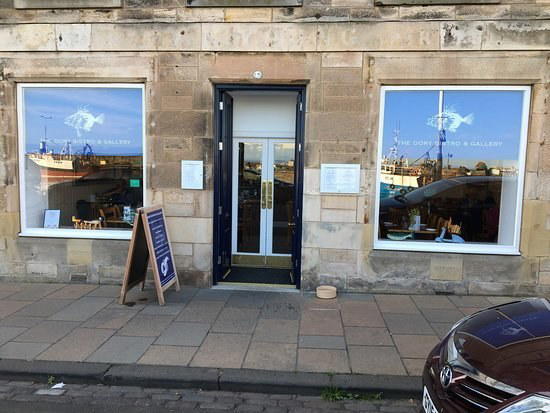
Bars in Leven
Browse all →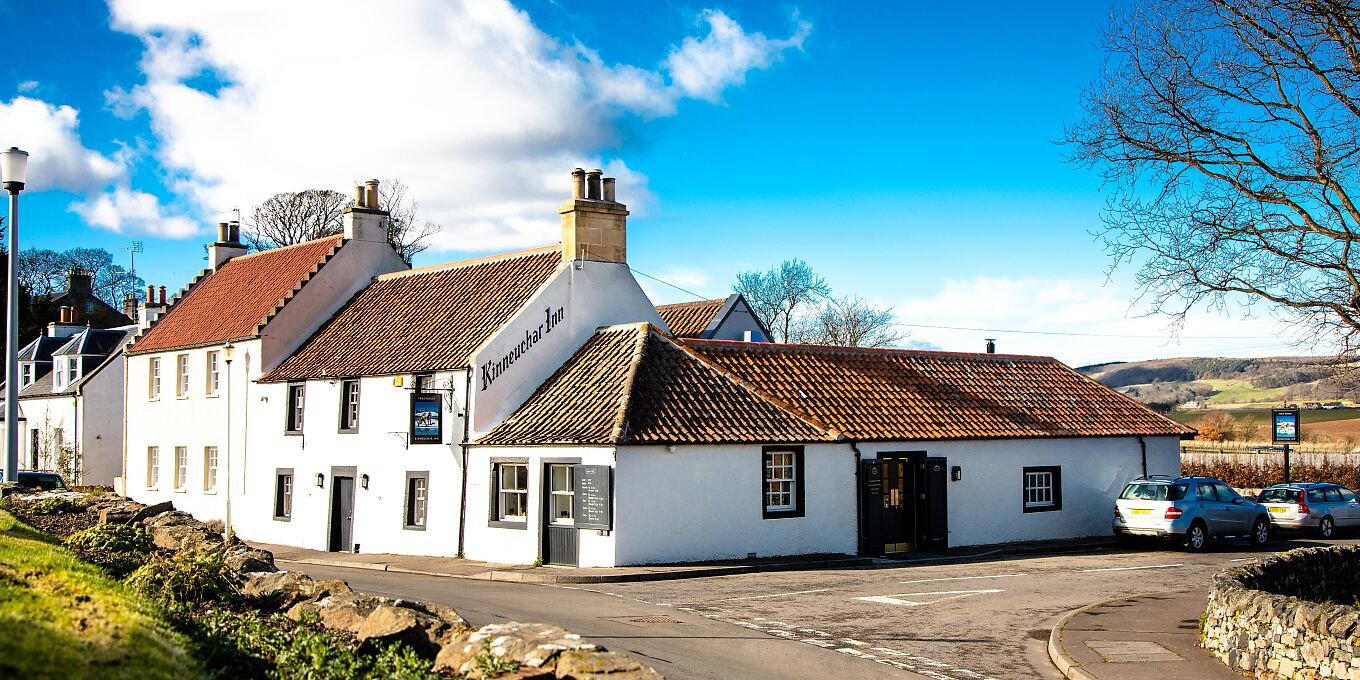
Hotels in Leven
Browse all →
Wineries in Leven
Browse all →
Details
- Cozy
- Rustic
- Intimate
- Classic
- Date Night
- Special Occasion
- Group Dining
- Business Dinner
- Casual Hangout
- Garden
- Private Dining
- Standalone
- Historic Building
- Design Destination
- Extensive Wine List
- Farm To Table
- Local Sourcing
- Sustainable Seafood
- A La Carte
- Wine
- Beer
- Cocktails
- Vegetarian Friendly
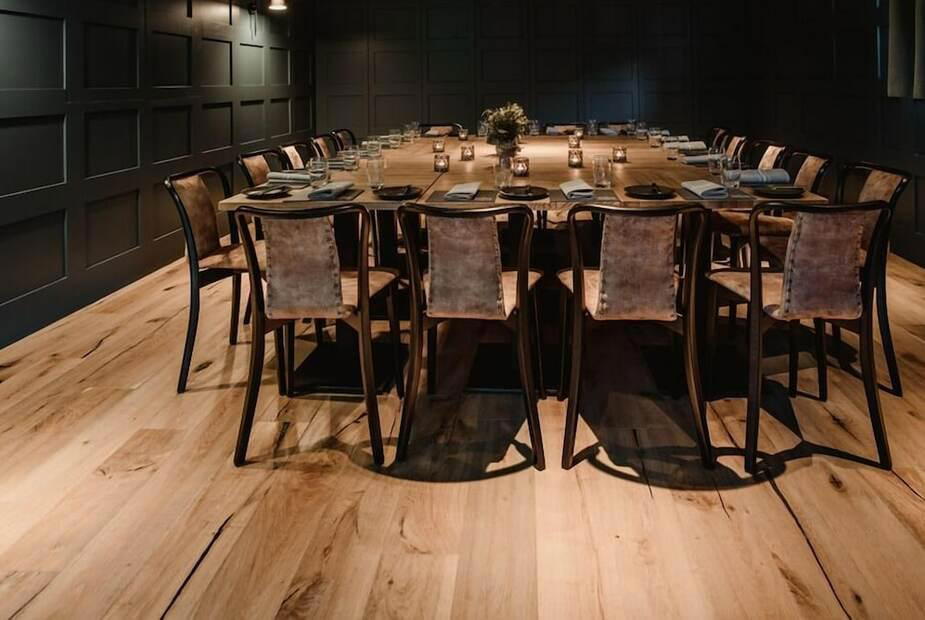
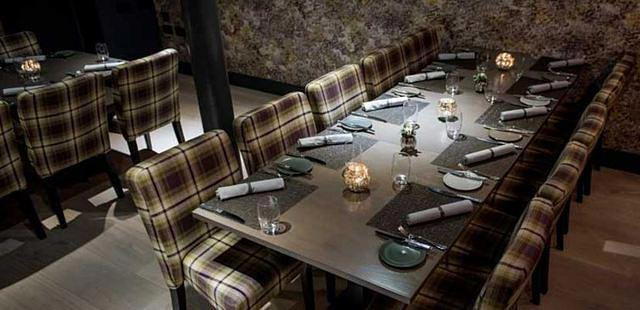
An intimate, low‑key country inn with a traditional pub shell, warm lighting and a rustic, lived‑in feel, balanced by refined, modern plating; it feels relaxed yet special rather than formally fine‑dining.