La Pineta
Our verdict
La Pineta sits in Roccabruna, a small comune in the Cuneo province of Piedmont, where the Ligurian Alps meet the southern edge of Italy's most celebrated wine and truffle country. The address alone places it in a tradition where what grows nearby shapes everything on the plate. For travellers cross-referencing the broader Italian fine-dining circuit, this is a destination that rewards the effort of finding it.

Pearl is the En Primeur Club membership app — saves, bookings, and concierge access live there. Same editors, same standards.
- Address
- Via Sant'Anna, 6, 12020 Roccabruna CN, Italy
- Phone
- +39171918472
- Website
- lapinetaalbergo.it
- Directions
- Get directions
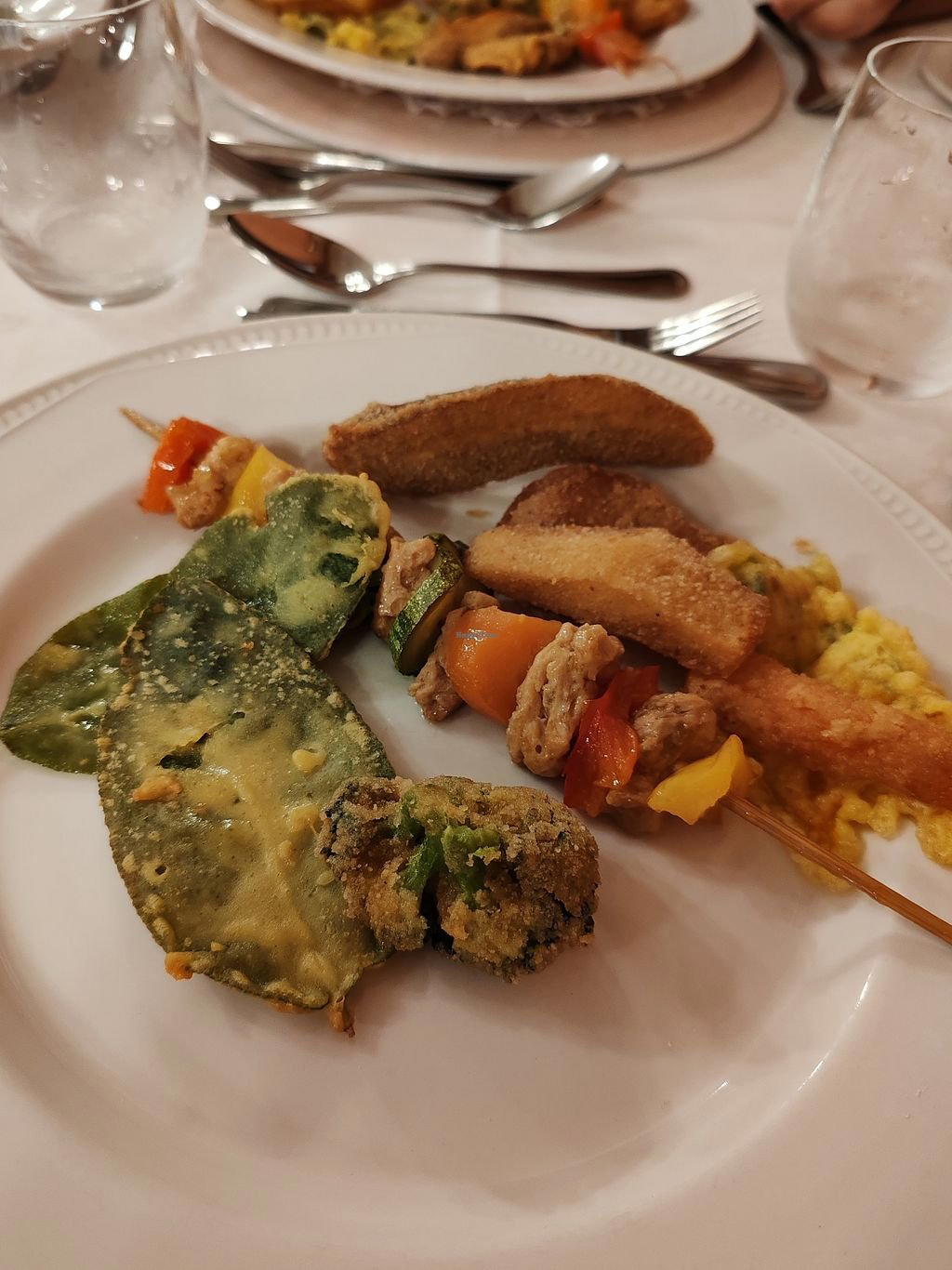
The menu
What to order
- Fritto Misto alla Piemontese
- Agnolotti
- Veal with Tuna Sauce
Where the Ligurian Alps Meet the Piedmontese Table
Roccabruna sits in the Valle Maira, one of the Occitan-speaking valleys that cut into the Cuneo province from the south, where the Alps press close and the air carries the particular stillness of high pastoral country. This is not the Piedmont of the Langhe wine estate or the Alba truffle fair — it is an older, less-photographed version of the region, where the food tradition runs on what grows, grazes, and forages within a short radius. La Pineta, positioned in this context, belongs to a category of Italian restaurant that is defined less by its address on a city map than by its proximity to a specific set of raw materials and the cooking culture that has grown around them.
Arriving at Via Sant'Anna, 6, the setting does what the leading mountain-country restaurants always do: it shifts the register before you have even seen a menu. The pine-country surroundings that give the restaurant its name are not decoration — they are context. Piedmont's southern Alpine edge produces wild herbs, game, chestnuts, and mountain dairy products that share nothing with the olive-oil-and-tomato palette of the coast an hour south. The kitchen, at a place like this, is working with a larder shaped by altitude and season rather than agricultural infrastructure.
Ingredient Logic in a Mountain Cuneo Kitchen
The Cuneo province has a long tradition of cucina povera that was never actually poor in ingredients, it was rich in specificity. The Ligurian Alps produce conditions for slow-growing, concentrated flavours: aged mountain cheeses from breeds like Piemontese and Occitana, river trout from clear-water streams, game from managed woodlands, and wild mushrooms and herbs that shift week by week through the mountain seasons. Restaurants in this tradition do not source ingredients from national distributors; the supply chain is local by geography and by habit.
This is a materially different proposition from the ingredient sourcing models at celebrated Piedmontese tables in more accessible towns. Piazza Duomo in Alba, for instance, operates within reach of the Langhe's highly organised truffle and wine commerce. Dal Pescatore in Runate draws on the Po Valley's river and agricultural tradition. La Pineta's position in the Cuneo valleys places it in a smaller, less commercially visible tier, which is precisely what makes the sourcing proposition interesting. When the supply chain is local by necessity rather than by marketing choice, the menu is a direct transcript of what the land is producing at any given moment.
This principle appears across Italian fine dining when restaurants are far enough from urban supply networks to require it. Reale in Castel di Sangro in the Abruzzo Apennines operates on a similar logic, with a kitchen anchored to a remote pastoral environment. Uliassi in Senigallia achieves comparable sourcing specificity through coastal proximity rather than altitude. The common thread is that geography dictates the menu's outer limits, and the cook's job is to work intelligently within them.
The Broader Italian Fine-Dining Circuit and Where Roccabruna Fits
Italy's most-discussed fine-dining addresses concentrate in a relatively small number of cities and towns: Modena (Osteria Francescana), Florence (Enoteca Pinchiorri), Milan (Enrico Bartolini), Rome (La Pergola), Rubano (Le Calandre), and the occasional rural exception that has accumulated enough recognition to draw international visitors. The rural exceptions are the more interesting study. Atelier Moessmer Norbert Niederkofler in Brunico operates in South Tyrol on a strict Alpine-sourcing philosophy that has earned multiple Michelin stars. Villa Crespi in Orta San Giulio draws destination diners to the Piedmontese lake district.
La Pineta in Roccabruna occupies a position further off that circuit. The Valle Maira does not have the tourist infrastructure of the Langhe, the Aosta Valley, or the Dolomites. Getting there from Turin takes roughly two hours by road; from the French border, the drive through the mountain passes is shorter but requires care in winter months. This is not a restaurant that travellers stumble into, it is one that requires a deliberate plan, which tends to filter the clientele toward those who are specifically interested in what the mountains here produce.
For context on what high-quality coastal Italian cooking of a similar destination-driven character looks like, Quattro Passi in Marina del Cantone and Gambero Rosso in Marina di Gioiosa Ionica represent the southern seafood equivalent: remote, specific, worth planning around. La Pineta is the mountain counterpart of that model. Even internationally, the pattern appears at destinations like Le Bernardin in New York City and Atomix in New York City, where deep sourcing specificity and intentional format define the experience. At Da Vittorio in Brusaporto and Casa Perbellini 12 Apostoli in Verona, the commitment to regional ingredient logic is equally present, just in different landscape registers.
Planning a Visit
Roccabruna is a small comune with limited accommodation, so most visitors plan this as a day excursion from Cuneo (roughly 30 kilometres to the northeast) or as part of a longer Valle Maira itinerary that might include the Occitan cultural sites of the valley. Spring and autumn are the most rewarding seasons for mountain-sourced menus in this part of Piedmont: wild mushrooms, game, and the first or last of the seasonal herbs shift the kitchen's output in ways that a summer or winter visit would not replicate. Given the limited publicly available booking information, contacting the restaurant directly in advance of any visit is advisable. For a broader view of what the area offers, our full Roccabruna restaurants guide maps the local context.
Frequently asked questions
Can I bring kids to La Pineta?
Roccabruna is a small, unhurried comune in the Valle Maira, and a mountain trattoria setting of this kind typically accommodates families without issue. The address is Via Sant'Anna, 6, 12020 Roccabruna CN.
What's the overall feel of La Pineta?
La Pineta is positioned in Roccabruna, a small Cuneo-province comune where the Alps press close to the valley floor — the setting shapes the experience as much as the food. Expect the character of a mountain room with a grounded, regional focus rather than a formal urban dining room. The Occitan-Piedmontese cultural context of Valle Maira gives it a specificity that most restaurants in larger cities cannot replicate.
Is La Pineta in Roccabruna a good base for exploring Valle Maira's Occitan food traditions?
Roccabruna sits squarely within the Occitan-speaking Valle Maira, where Cuneo-province culinary traditions — chestnuts, mountain cured meats, local dairy — remain closely tied to the valley's Franco-Provençal cultural identity. La Pineta at Via Sant'Anna, 6 places you in that tradition directly, making it a practical and contextually fitting stop for anyone tracing the food culture of the southern Cuneo valleys. The valle itself offers walking and heritage itineraries that complement a meal with broader regional context.
Where do I go for La Pineta?
La Pineta is located at Via Sant'Anna, 6, 12020 Roccabruna CN, Italy, Roccabruna.
How far ahead should I plan for La Pineta?
Roccabruna is roughly 30 kilometres from Cuneo and has limited accommodation, meaning most visitors arrive as a day trip.
What's the standout thing about La Pineta?
Location is the defining factor. La Pineta sits in Valle Maira, one of the Occitan-speaking valleys in Cuneo province — a part of Piedmont that receives far less attention than the Langhe or the Monferrato, despite a food tradition that is equally specific. That combination of geographic isolation and ingredient specificity gives the restaurant a character that urban Piedmontese addresses cannot offer.
Quick Comparison
| Venue | Cuisine | Price | Awards | Notes |
|---|---|---|---|---|
| La PinetaThis venue — the venue you are viewing | Traditional Piedmontese | $30–50 | Not listed | Not listed |
| Atelier Moessmer Norbert Niederkofler | Modern Alpine Fine Dining | $300–500 | 3 Michelin Stars · World's 50 Best #20 | Italian, Creative |
| Dal Pescatore | Classic Italian Fine Dining | $200–300 | 3 Michelin Stars · World's 50 Best #38 | Italian, Italian Contemporary |
| Enoteca Pinchiorri | Contemporary Italian Fine Dining | $200–300 | 3 Michelin Stars · World's 50 Best #32 | Italian - French, Italian Contemporary |
| Enrico Bartolini | Modern Italian Fine Dining | $300–500 | 3 Michelin Stars · World's 50 Best #85 | Creative |
| Le Calandre | Modern Italian Fine Dining | $200–300 | 3 Michelin Stars · World's 50 Best #31 | Progressive Italian, Creative |
Continue exploring
More in Roccabruna
Restaurants in Roccabruna
Browse all →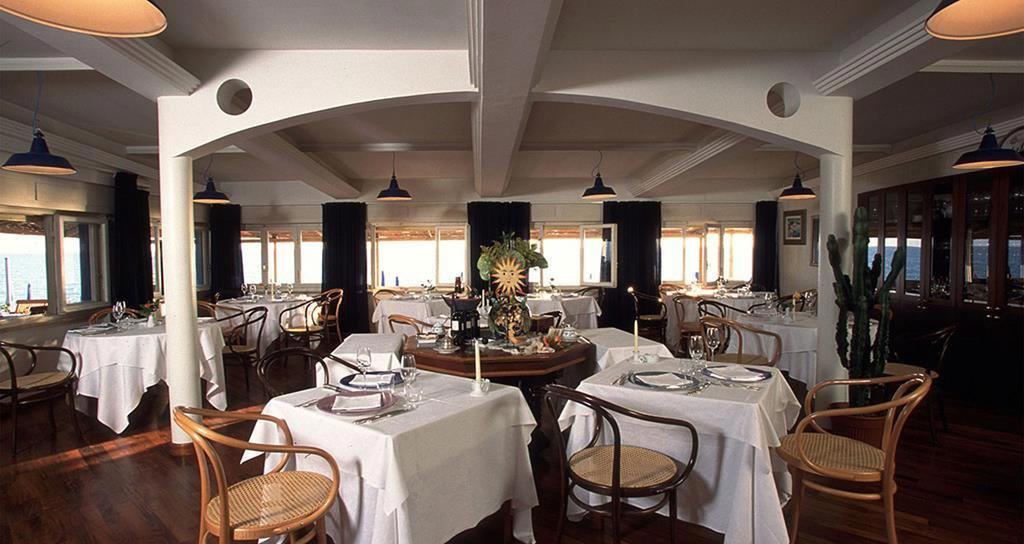
La Pineta
The wine
- Wine program
- Curated wine list
- Extensive wine list
Details
- Rustic
- Cozy
- Elegant
- Family
- Celebration
- Date Night
- Historic Building
- Extensive Wine List
- Mountain
- A La Carte
- Tasting Menu
- Vegan Options
- Gluten Free Options
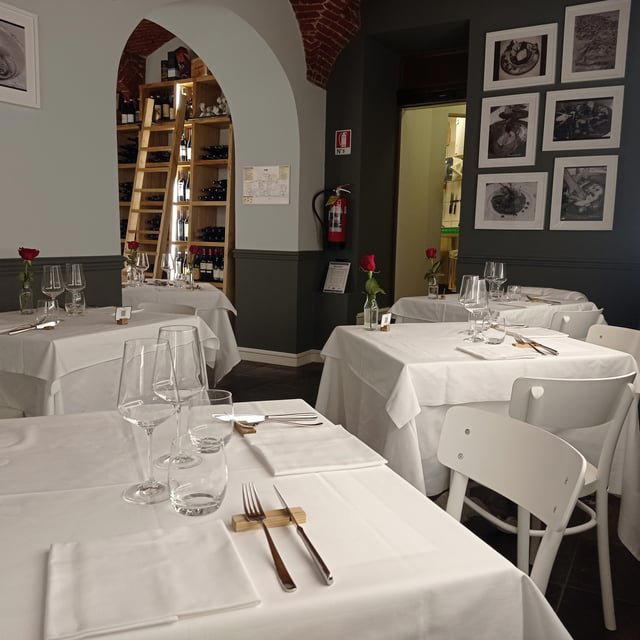
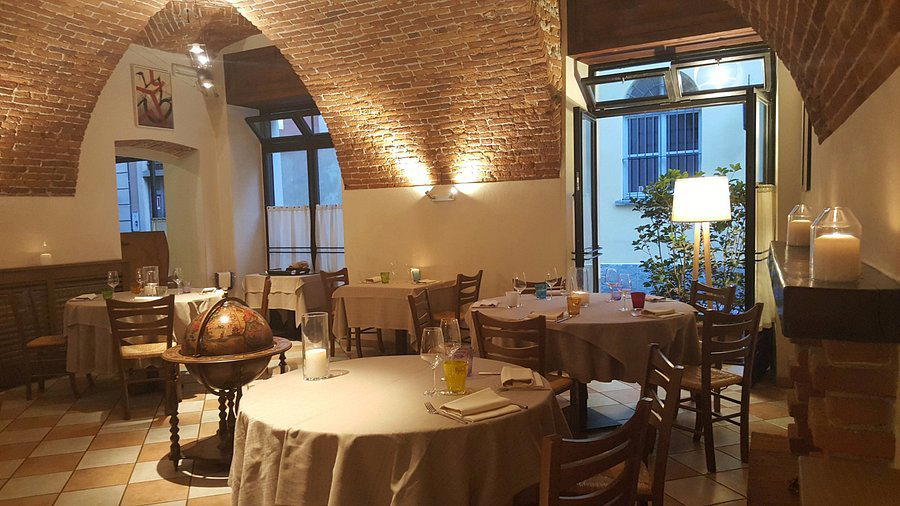
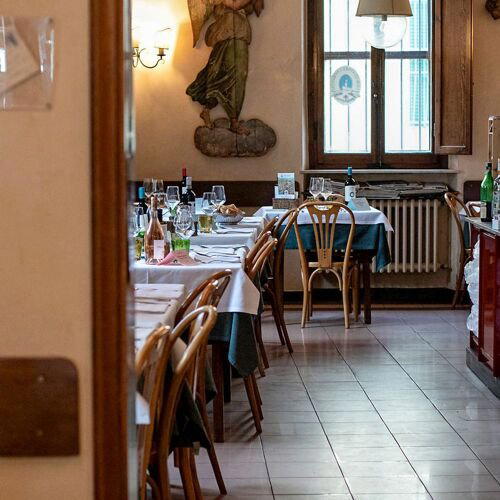
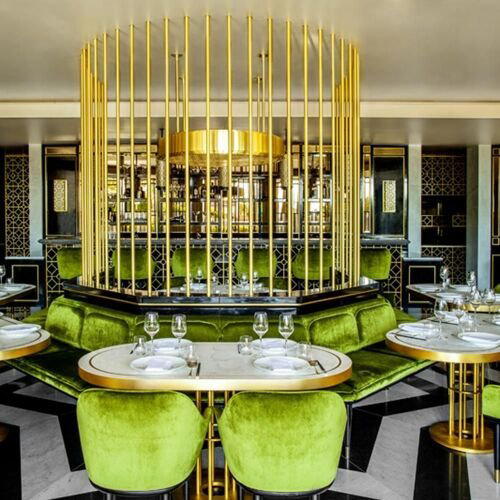
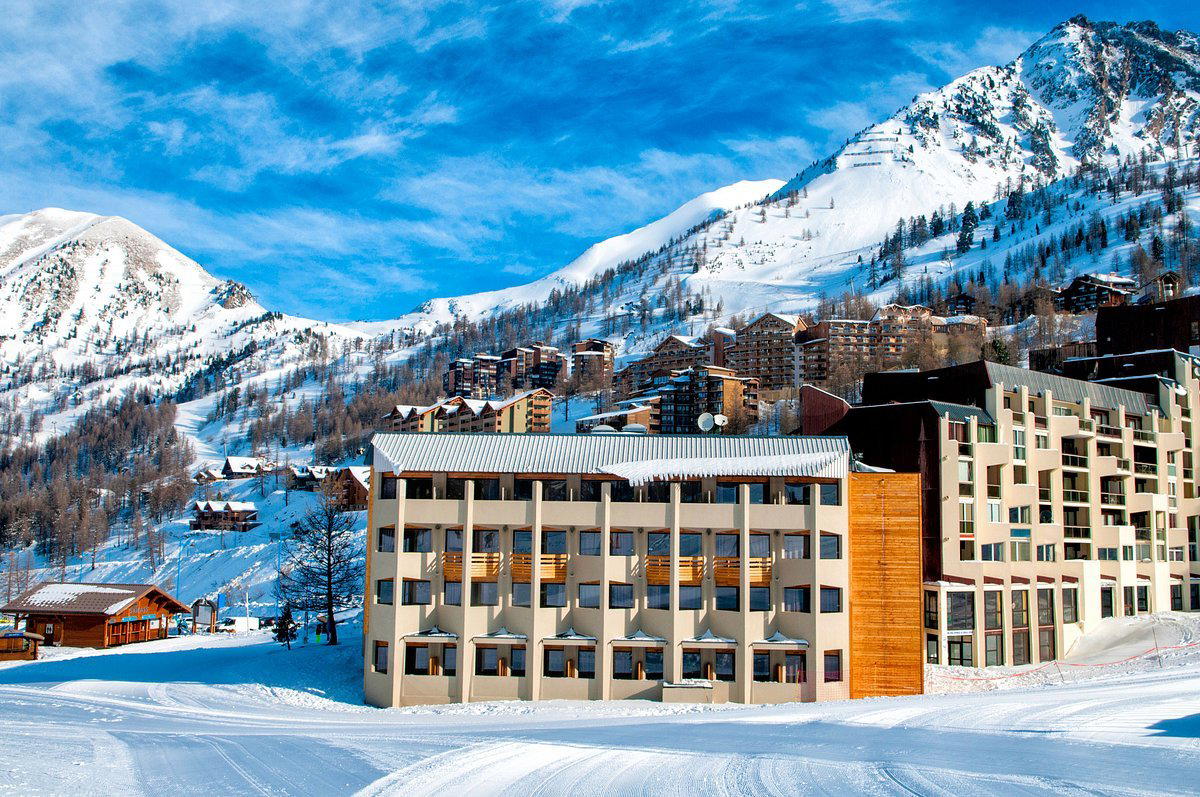
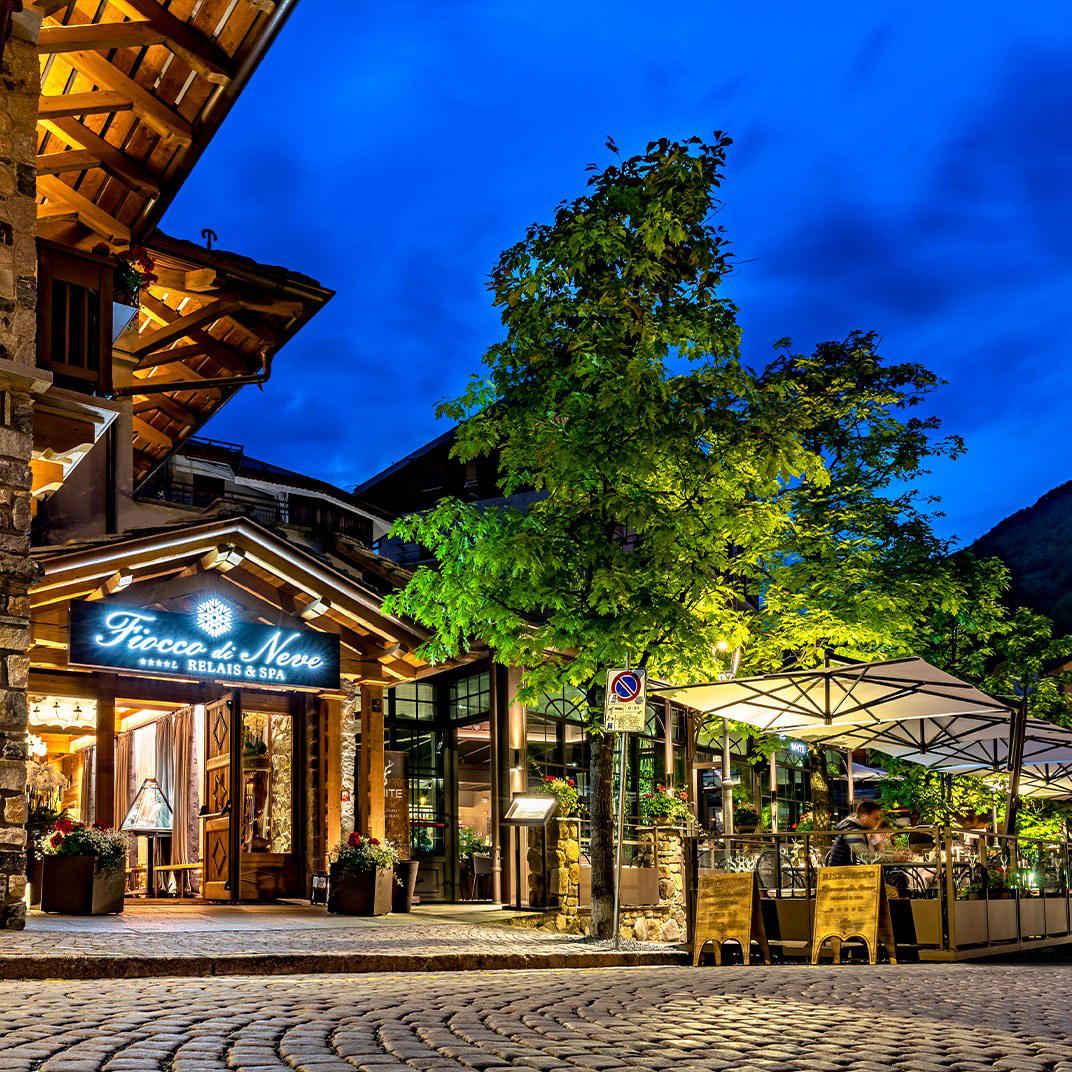
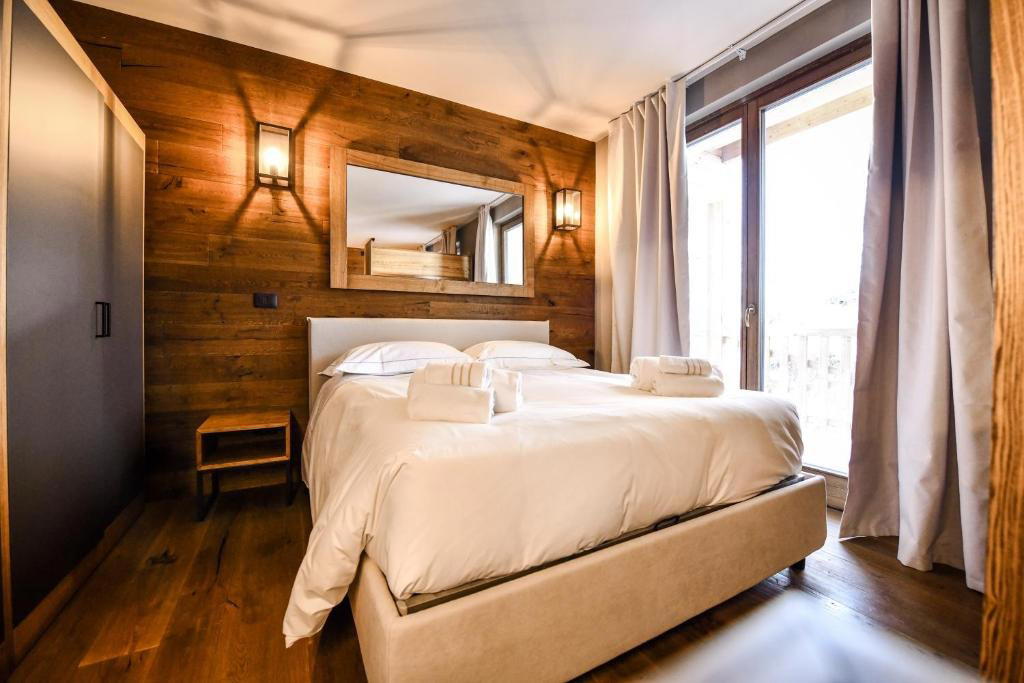
Elegant yet rustic environment immersed in lush greenery, offering a welcoming family atmosphere with professional table service.