Isola 2000 is a purpose-built ski resort in the Mercantour mountains of the French Alps, sitting at 2,000 metres above the Côte d'Azur hinterland. Its proximity to Nice, roughly 90 kilometres by road, makes it one of the few high-altitude ski stations accessible as a day trip from a Mediterranean city. The resort's compact, car-free village core and direct south-facing slopes define its character among southern French ski destinations.

Pearl is the En Primeur Club membership app, where members save venues, book tables and use the concierge.
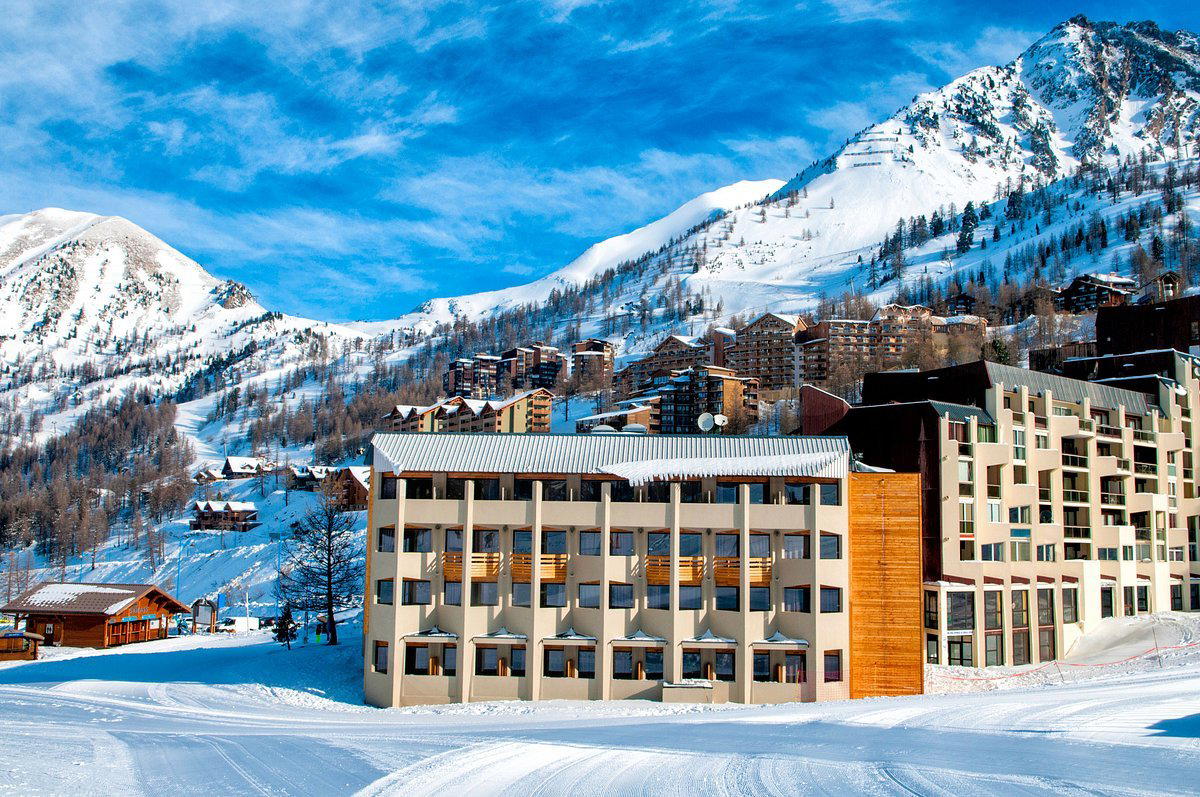
A Resort Built Into the Rock at 2,000 Metres
Most French ski resorts accumulated their identity over centuries, growing from farming villages into winter destinations. Isola 2000 took a different path. Conceived and constructed in the early 1970s as an integrated mountain station, it was placed on a high-altitude plateau in the Mercantour range with deliberate architectural intent: a compact, car-free village where every structure speaks to the same design brief. That approach places it in a category of purpose-built French resorts, alongside stations like Flaine and Les Arcs, where the built environment was a project in itself rather than an afterthought to the skiing. What distinguishes Isola 2000 within that cohort is its position in the southern Alps, at an altitude where the Côte d'Azur climate gives way to genuine winter conditions, and where the Mediterranean is close enough to feel part of the same journey. For planning your broader French Alps experience, Cheval Blanc Courchevel in Courchevel and the Four Seasons Megeve in Megève represent the northern Alps luxury tier, useful reference points for understanding where Isola 2000 sits in the broader regional picture.
The Physical Environment: How the Station Was Designed to Function
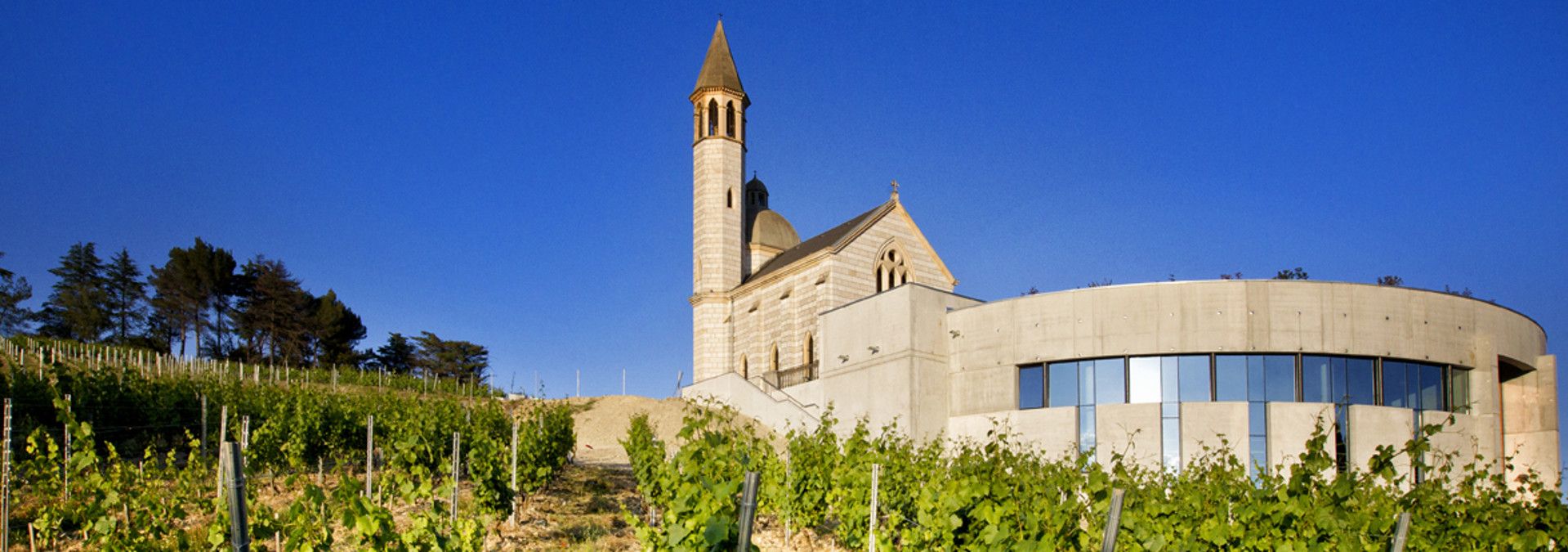
The 1970s origin is legible in the architecture. Isola 2000's central complex reads as a product of that decade's faith in the integrated resort concept: a clustered arrangement of accommodation blocks, commercial spaces, and ski access points designed to eliminate the need for vehicles once guests arrive. The south-facing orientation of the main slopes is not incidental; it was chosen to maximise sun hours, which matters at a resort that sits at the junction of Alpine and Mediterranean climate systems. The Mercantour National Park surrounds the station on multiple sides, which has constrained expansion but also preserved the visual setting, a ridgeline without the horizontal spread that characterises older Savoyard resorts.
The compact footprint means the distance from accommodation to ski lifts is measured in walking minutes, not kilometres. That spatial logic, baked into the original design, remains the defining functional characteristic of the resort. Visitors arriving from Nice, approximately 90 kilometres by road on the D2205 via the Tinée valley, find that the journey itself transitions through olive groves, then pine forests, then open alpine terrain before reaching the plateau. The elevation gain is around 1,800 metres from the Côte d'Azur, covering that distance in roughly two hours by car.
Isola 2000 in the Southern French Alps Context
Southern French skiing operates on different assumptions than its northern counterpart. The resorts of Savoie and Haute-Savoie draw visitors primarily from Paris, Geneva, and London, with a well-established infrastructure of luxury chalets and high-end hotels built over decades. The southern Alps, anchored by the Alpes-Maritimes département, serve a different catchment: Nice and the Riviera coast, northern Italy via the Tende pass, and a domestic French market that values proximity over prestige. Isola 2000 sits squarely in this southern circuit, competing for attention with Auron and Valberg as the three principal ski stations within reach of the Côte d'Azur. Among those three, Isola 2000 offers the highest base altitude at 2,000 metres and the largest ski area, with around 120 kilometres of marked runs across terrain that spans from beginner-friendly lower slopes to north-facing couloirs at the summit zones above 2,600 metres.
For visitors combining a Riviera stay with a mountain excursion, the contrast is part of the appeal. Properties on the coast such as Hotel Du Cap-Eden-Roc in Cap d'Antibes, The Maybourne Riviera in Roquebrune-Cap-Martin, and Château de la Chèvre d'Or in Èze sit within two hours of the resort, meaning a ski day can plausibly begin and end at sea level. That geographic compression, a Mediterranean hotel and an alpine ski station in the same day, is a logistical condition specific to this part of France and one that Isola 2000 benefits from more than any comparable station in the country.
Ski Season Timing and Conditions
The season typically runs from late November through to April, though the lower slopes depend on snowfall and snowmaking in marginal winters. The higher terrain above 2,400 metres, accessible from the Ténibre summit, holds snow more reliably. February half-term and the school holiday windows in February and March represent peak demand periods; visiting in January or early April generally means thinner crowds and lower prices while the upper mountain remains in good condition. The southern Alpine snowpack tends to be denser than the northern Alps due to Mediterranean moisture systems, which produces different skiing conditions than Chamonix or Les Arcs.
See our full Isola restaurants guide for dining options within the resort and surrounding village area.
Planning Your Visit
Access from Nice is direct by car via the D2205, a single-road mountain route that requires snow chains or winter tyres in adverse conditions. No direct train or bus link covers the full distance; the nearest rail connection is at Saint-Martin-Vésubie, from which the final section requires a vehicle. Accommodation within the resort ranges from studio apartments in the original 1970s blocks to more recent chalet-style residences on the village perimeter. Booking through the Isola 2000 tourist office, located at the village entrance, covers both accommodation referrals and lift pass information. Peak weeks require advance reservation of at least six to eight weeks; shoulder periods are bookable closer to arrival. Visitors looking for a post-ski contrast or a base for broader regional exploration might consider coastal properties: La Réserve Ramatuelle, Airelles Saint-Tropez Château de la Messardière, and Château de la Gaude in Aix-en-Provence each sit within a half-day's drive of the resort. Further afield, Baumanière Les Baux-de-Provence, Villa La Coste, and La Bastide de Gordes represent the Provence luxury tier for those extending their trip westward.
| Venue | Cuisine | Price | Awards |
|---|---|---|---|
| ISOLA 2000This venue (the venue you are viewing) | This venue | $100–200 | Not listed |
| Cheval Blanc Paris | Michelin 3 Key, World's 50 Best | $2,500+ | 3 Michelin Keys · World's 50 Best #20 |
| Cheval Blanc Courchevel | Michelin 3 Key | $1,500–2,500 | 3 Michelin Keys · La Liste Top Hotels |
| Le Meurice | Michelin 3 Key | $1,000–1,500 | 3 Michelin Keys · La Liste Top Hotels |
| Aman Le Mélézin | Michelin 2 Key | $2,500+ | 2 Michelin Keys · La Liste Top Hotels |
| Hôtel Cheval Blanc St-Tropez | Michelin 2 Key | $200–300 | 2 Michelin Keys · La Liste Top Hotels |
Continue exploring
More in Isola
Hotels in Isola
All hotels in Isola →
Bars in Isola
Browse all →

Details
- Modern
- Cozy
- Scenic
- Family Vacation
- Weekend Escape
- Ski In Ski Out
- Panoramic View
- Pool
- Spa
- Sauna
- Wi Fi
- Restaurant
- Mountain
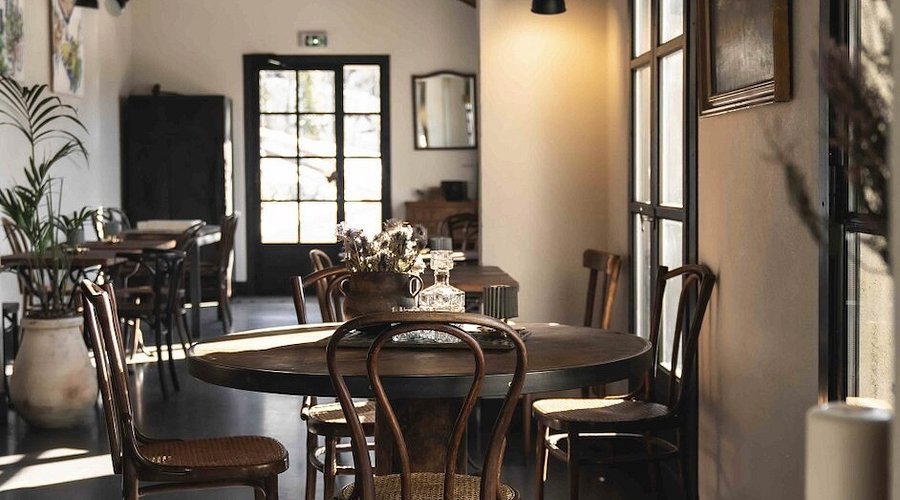
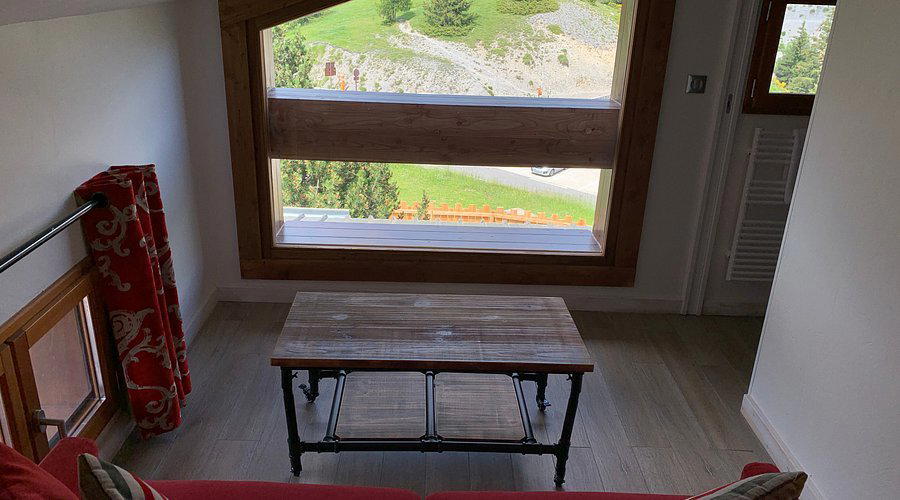
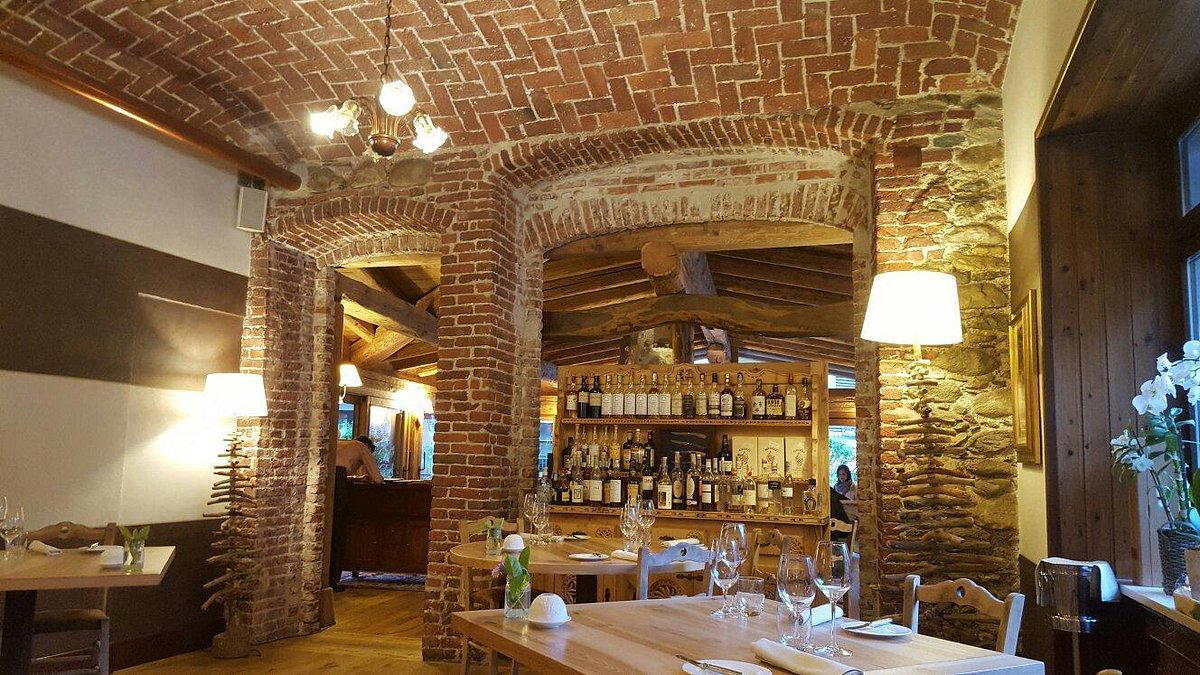
Relaxed alpine atmosphere with warm, comfortable interiors and rustic charm.