
La Pinata gives Osaka’s Italian scene a sourcing-led counterpoint to the city’s louder, faster dining habits: Southern Italian cooking, a fish focus, and a wine-minded format in Sakaisuji Hommachi. Its Tabelog Italian WEST 100 selections in 2021 and 2025 place it in a serious regional bracket without turning the meal into ceremony.
Pearl is the En Primeur Club membership app — saves, bookings, and concierge access live there. Same editors, same standards.
- Address
- Japan, 〒541-0058 Osaka, Chuo Ward, Minamikyuhojimachi, 2 Chome−5−3 南久宝寺ときわビル
- Phone
- +81 6-6226-8570
- Website
- tabelog.com
 Saves & bookings on Pearl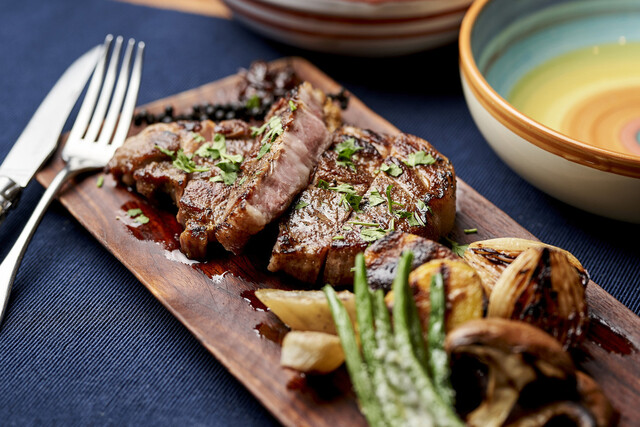
Minamikyuhojimachi lacks Dotonbori’s theatrical voltage and Umeda’s department-store polish. Around Sakaisuji Hommachi, dinner feels local, office-adjacent, and built on repeat custom rather than spectacle. That suits Osaka Italian: the city absorbs foreign formats without treating them as museum pieces, and its stronger rooms read Italian cooking through Japanese product, not imported nostalgia.
La Pinata belongs to that quieter strain. The clue is not a chef biography or manifesto, but its categorization: Italian, steak, and meat dishes, with explicit emphasis on fish and Italian wine. In Osaka, where seafood buying is pragmatic and exacting, that matters. Southern Italian cooking speaks naturally through fish, olive oil, acidity, tomato, herbs, and wine; in Japan, it sharpens when sourcing leads rather than decorates.
Southern Italian cooking filtered through Osaka sourcing
Osaka’s Italian tables split broadly into three camps: pizza and pasta rooms built for frequency, chef-counter Italian borrowing from kappo rhythms, and ingredient-led restaurants where the menu flexes around fish, meat, and wine rather than a fixed grand tasting structure. La Pinata sits in the third lane. Its Tabelog Italian WEST 100 recognition in 2021 and 2025 signals a regional audience valuing consistency, not novelty alone.
The fish emphasis gives the restaurant its clearest editorial position. Osaka diners do not need another generic trattoria serving the same pan-Italian checklist found in every commercial district. The stronger case is Southern Italian technique handling Japanese ingredients with less weight than French-derived luxury cooking and less rigidity than formal kaiseki. A meal may follow season, market availability, and wine rather than named signatures. The point is not reinvention; it is fit.
That sourcing angle explains why this kind of Italian restaurant often works better in Osaka than outsiders expect. The city prizes appetite and directness, but its serious restaurants are rarely careless. A fish-led Italian kitchen must be precise about heat, salt, acidity, and pacing. Too much embellishment and the product disappears; too little structure and the meal loses its Italian frame. The better version keeps both pressures visible.
Within the neighborhood, the contrast helps. Honmachi Seimensho Honten and Spice Curry Te represent low-priced, high-frequency local eating, while Tonkatsu Koshirou occupies a richer specialist lane. Shokudo Tanoshi points toward Osaka’s izakaya grammar, where drinking and shared plates drive the evening. La Pinata’s bracket is different: Italian wine, a composed dinner rhythm, and enough formality to justify planning without making the room feel like a temple.
A compact room with counter logic, not banquet polish
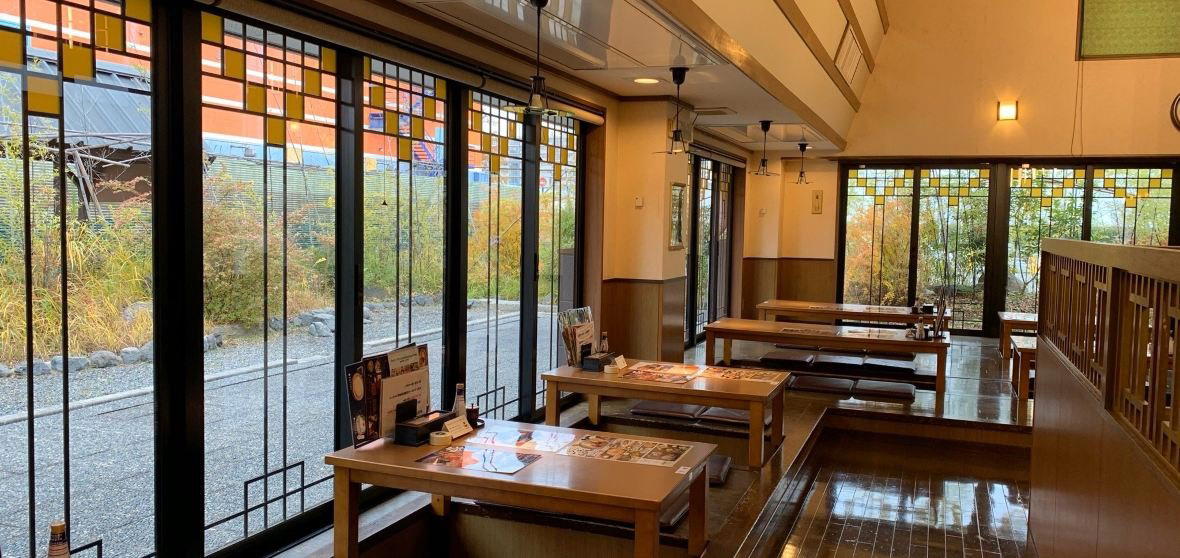
The physical format reinforces the cooking. A small restaurant with counter seating narrows the distance between kitchen and diner, makes pacing easier to read, and avoids the anonymous sprawl that can flatten Italian dining in larger rooms. Osaka has a gift for compact restaurants: personal without becoming precious, serious without becoming stiff.
La Pinata’s 24-seat scale, with six counter seats and upstairs table space, places it closer to a controlled neighborhood dining room than a celebratory hotel restaurant. For travelers, this is not takoyaki grazing or late-night neon; it is planned dinner after a day in Honmachi, Kitahama, or Umeda, rewarded by a focused bottle of wine and a kitchen treating seafood and meat as anchors rather than accessories.
The wine signal is more than a beverage note. Italian restaurants in Japan often reveal seriousness through wine because the list must translate the food’s regional logic. Southern Italian cooking needs freshness, grip, and flexibility; heavier prestige bottles can overwhelm the table. A sommelier presence and stated attention to Italian wine show the drinking side is structural, not an afterthought.
The operating history adds trust. Opening in 2013 gives the restaurant more than a decade in one of Osaka’s practical business districts, unlike trend-driven attention. Later expansion of related addresses, including an Italian bar format and other branches, suggests local demand for the group’s style, though the original appeal remains the compact dinner room rather than scale.
How to place it within an Osaka itinerary
For a food-focused Osaka stay, the restaurant makes sense on a night when Japanese-Italian cooking is the point, not a fallback from sushi, kappo, or steak. It pairs naturally with a day around central Osaka: shopping streets, business-district architecture, and the quieter grid east of Midosuji. The area rewards travelers who do not need every meal framed by a landmark.
It also fills an itinerary gap. Osaka’s international reputation still leans on street food, okonomiyaki, kushikatsu, ramen, and late-night drinking, but the more interesting dining map is broader. Italian cooking has become one of the city’s durable premium categories, especially where chefs work with Japanese seafood and vegetables while keeping wine central. The restaurant earns attention not as an alternative to Osaka food culture, but as evidence of how that culture absorbs outside forms.
Travelers should be clear about expectations. This is dinner for adults or older children who can sit through a composed meal; the restaurant’s own policy excludes customers under junior high school age. It suits conversation, wine, and measured pacing better than a quick pre-theater bite. The price bracket places it above casual pasta rooms and below the city’s trophy tasting-menu tier, exactly where many rewarding Osaka meals sit.
For broader planning, place it alongside a canto (Italian) and 99 Pizza Napoletana Gourmet when mapping Osaka’s Italian range, then widen the day with 551 Horai (551蓬莱), 52CHO-ME BAKERY, or .cafe for another read on the city’s eating habits. The broader city pages help triangulate the trip: Our full Osaka restaurants guide, Our full Osaka hotels guide, Our full Osaka bars guide, Our full Osaka wineries guide, and Our full Osaka experiences guide.
Outside Osaka, the comparison becomes less about cuisine than how Japan’s regional dining rooms express specialization. -Grilled beef Sukiyaki- KAMAKURA TANUKIAN 鎌倉 たぬき庵 in Kamakura. 鮪と炭火焼き うお炭 秋葉原店 in Tokyo.know in Kumamoto, (Shoku) Vietnam in Kawasaki, [Curry Senmon Ten] Maruyama Kyoju. in Sapporo, [ki:] in Kyoto, Jōdo Saké Bar in Los Angeles, and Onigiri Time in Pasadena underline the same editorial point: the better meal is often the one with a precise format, not the loudest reputation.
Comparison Snapshot
Comparable venues by cuisine and category.
| Venue | Cuisine | Price | Notes |
|---|---|---|---|
| La PinataThis venue — the venue you are viewing | Southern Italian (Puglia-focused) trattoria | $$$ | Not listed |
| PESCE ROSSO | Upscale Seasonal Italian | $$$ | Chūō |
| gucite | Italian Fusion Counter | $$$ | Kita |
| anello | Casual Italian Trattoria & Wine Bar | $$ | Kita |
| Pebble | Modern Italian with Wine Pairings | $$$ | Kita |
| La Barcaccia | Neapolitan Pizza & Italian Wine Bar | $$$ | Kita |
Recognition history
Dated appearances from independent guides and award organizations, with the underlying list record or original source where available.
Tabelog 100 #92 · No. 92
Tabelog · Tabelog 100 - Italian - WEST - 2025
Continue exploring
More in Osaka
Restaurants in Osaka
Browse all →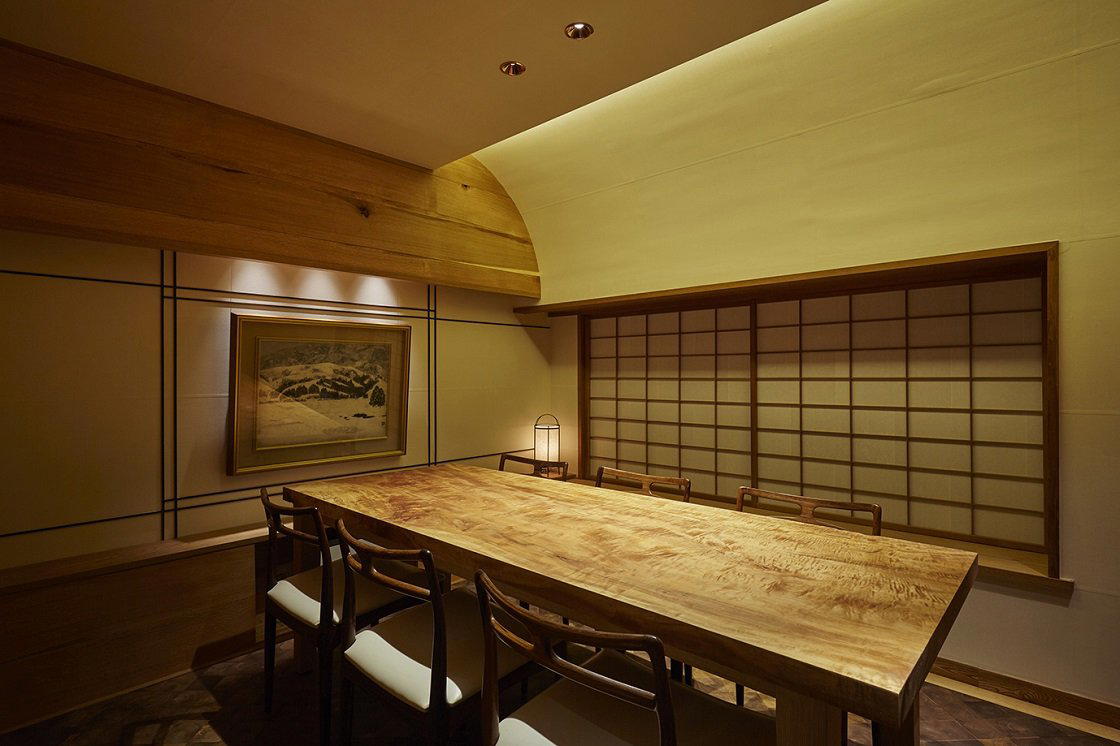


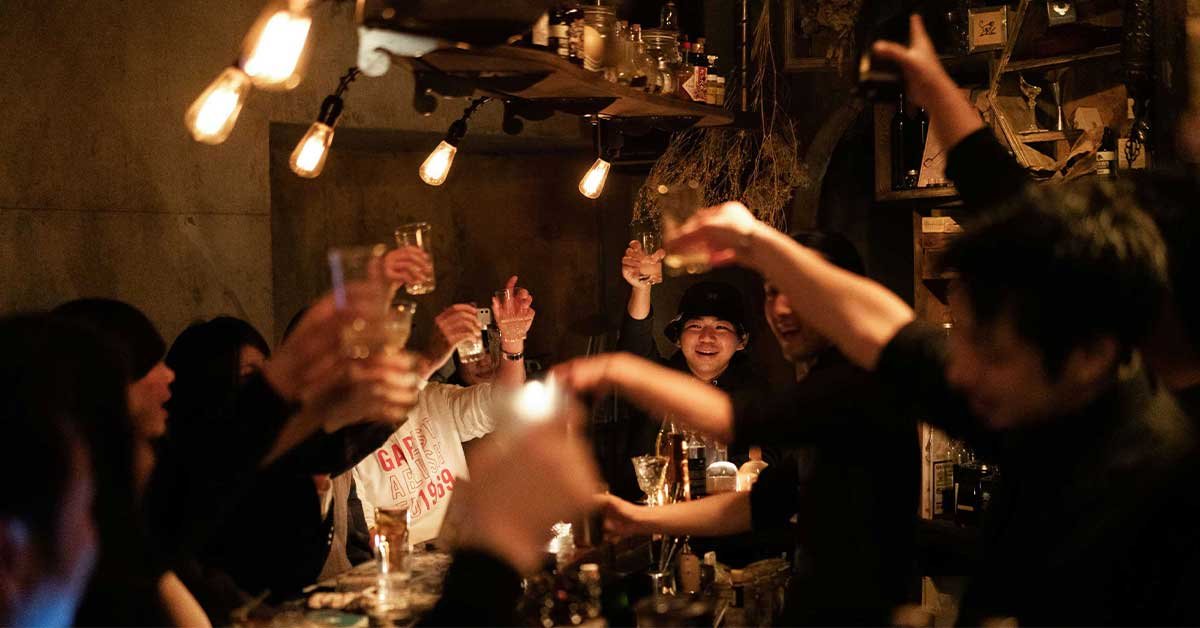
Bars in Osaka
Browse all →
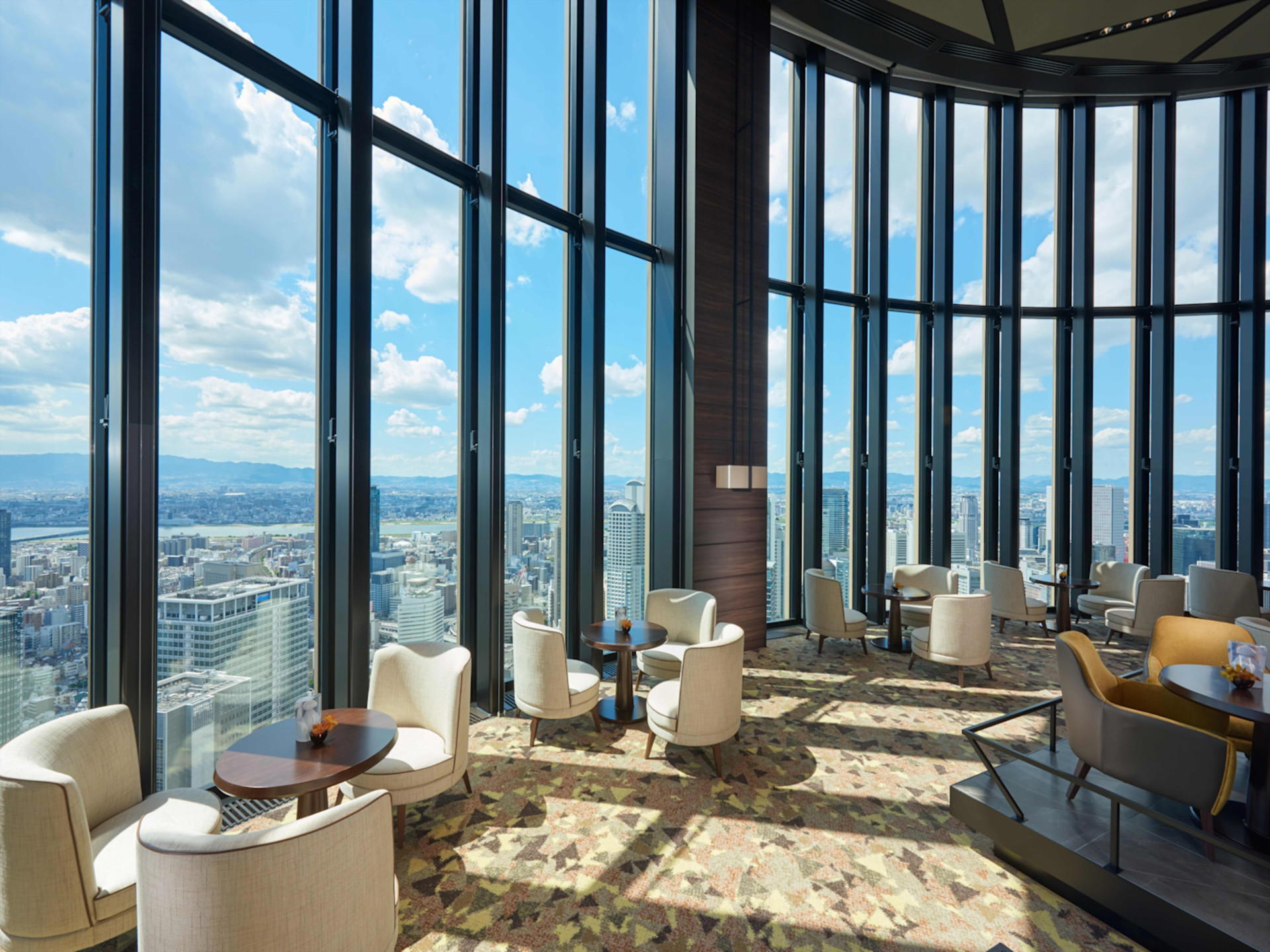
Hotels in Osaka
Browse all →


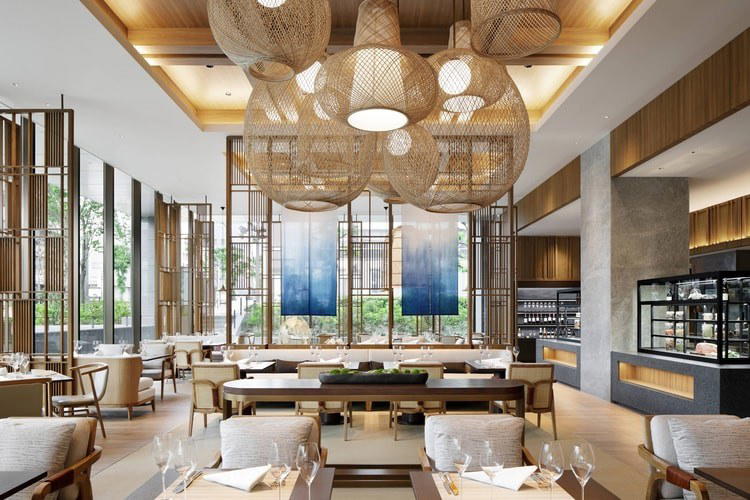
Wineries in Osaka
Browse all →
At a Glance
- Cozy
- Lively
- Intimate
- Date Night
- Business Dinner
- Group Dining
- Celebration
- After Work
- Late Night
- Private Dining
- Standalone
- Extensive Wine List
Current opening hours
- Monday
- 5–11 PM
- Tuesday
- 5–11 PM
- Wednesday
- 5–11 PM
- Thursday
- 5–11 PM
- Friday
- 5–11 PM
- Saturday
- 5–11 PM
- Sunday
- Closed
Hours can change for holidays and private events. Last verified .
A warm, at-home trattoria-style space with an intimate dining room, relaxed neighborhood feel, and a second-floor area that can be reserved for convivial group gatherings.