La Muña

La Muña brings Peruvian cooking to Zurich's Seefeld lakefront, holding consecutive Michelin Plate recognition in 2024 and 2025. At the €€€ tier on Utoquai 45, it occupies a distinct position in a city where South American kitchens remain a small minority among the Michelin-tracked dining scene..
Pearl is the En Primeur Club membership app — saves, bookings, and concierge access live there. Same editors, same standards.
- Address
- Utoquai 45, 8008 Zürich, Switzerland
- Phone
- +41 44 266 25 25
- Website
- lareserve-zurich.com
- Directions
- Get directions
 Saves & bookings on Pearl
Peruvian Cooking on the Zürichsee
Zurich's restaurant map tilts heavily toward European fine dining. The Michelin-tracked tier is dominated by Swiss-French technique, from the sharing format at IGNIV Zürich by Andreas Caminada (Sharing) to the creative programs at The Counter (Creative) and The Restaurant (Creative), and grounded Swiss tradition at places like Widder (Swiss). South American cooking, and Peruvian cuisine in particular, occupies a far narrower lane. La Muña, at Utoquai 45 in the Seefeld district, is the address that Michelin has twice acknowledged within that lane, awarding it a Plate in both 2024 and 2025.
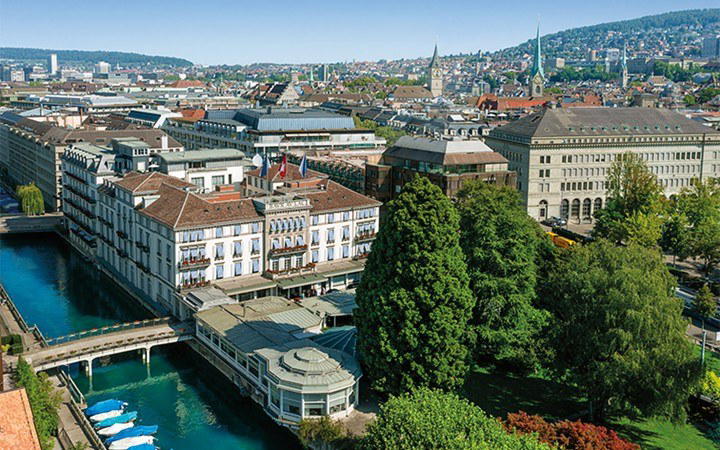
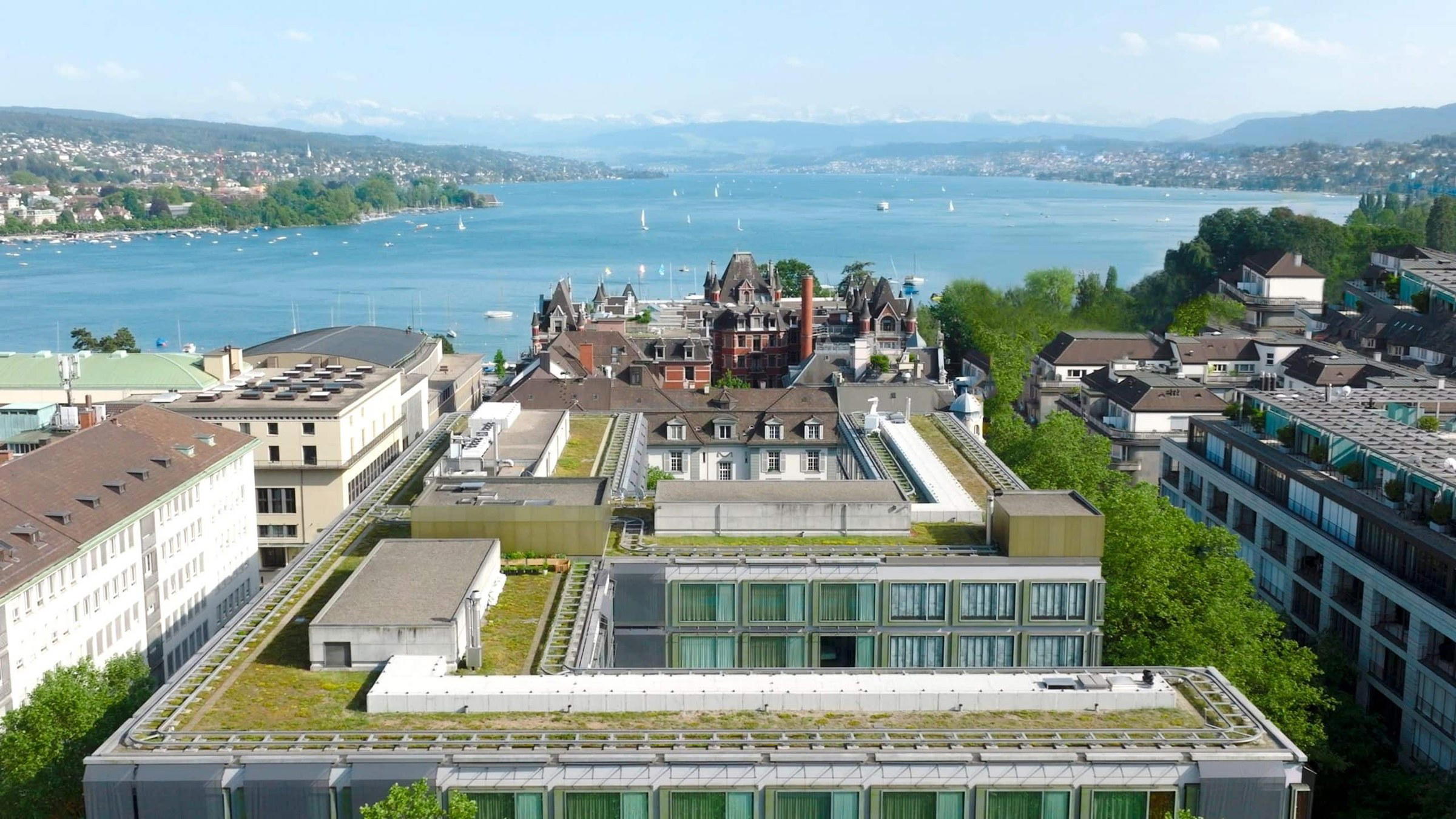
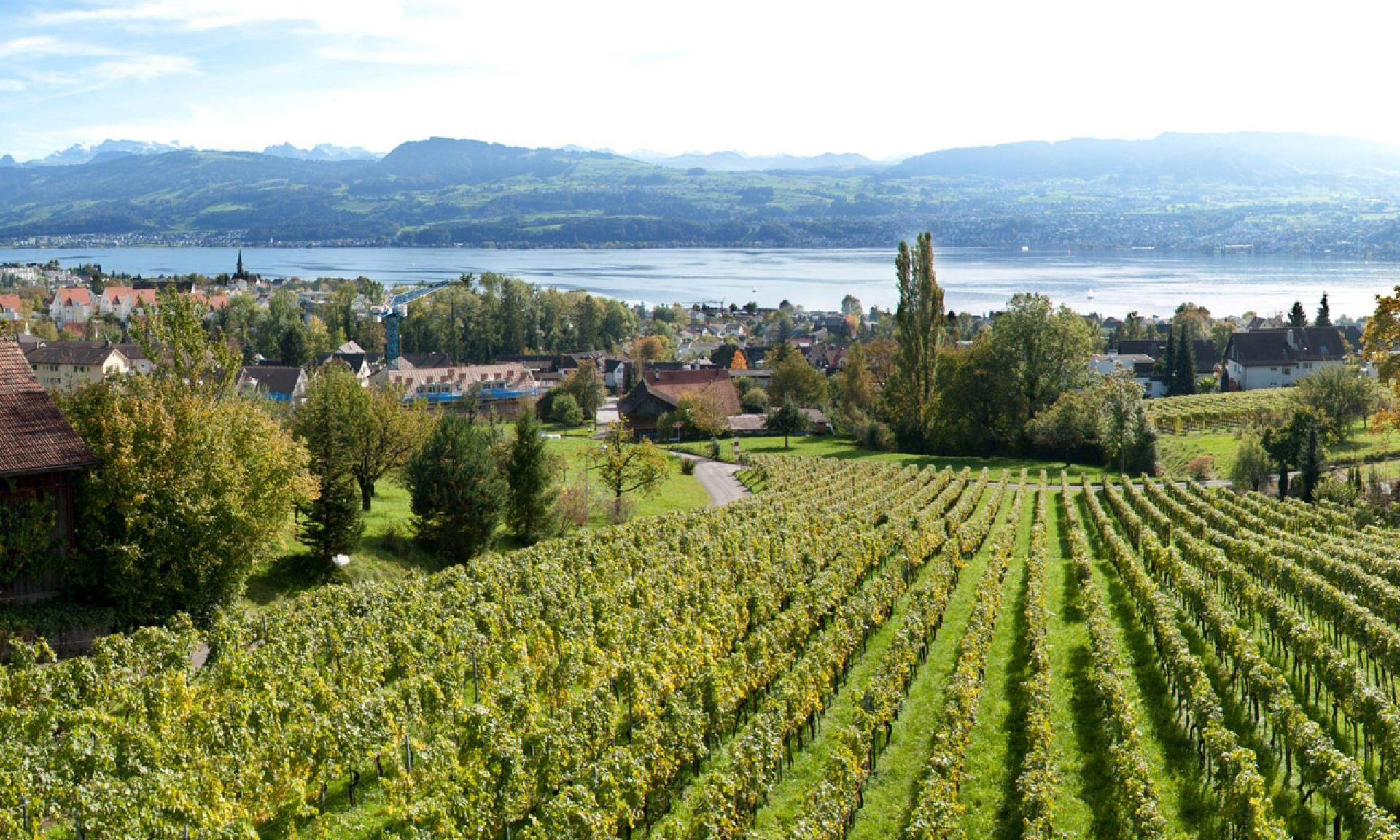
The setting matters here. Utoquai runs along the western shore of the Zürichsee, a stretch of lakefront that draws both residents and visitors during the warmer months. Arriving in the evening, the water sits just across the road, and the light off the lake has that particular northern quality, flat and cool, that makes interior warmth feel earned. Peruvian kitchens have always understood contrast: acid against fat, heat against sweetness, the raw against the cooked. The juxtaposition of a Peruvian kitchen on a Swiss lakefront is less incongruous than it sounds once you understand that the cuisine was built for exactly this kind of dialogue between elements.
The Ingredient at the Centre
Peruvian cooking has among the more complex starch vocabularies in the world. While corn and masa are central to Mexican and Central American traditions through nixtamalization, the alkaline process that transforms dried maize into a nutritionally complete, workable dough, Peruvian cuisine distributes that foundational role across both corn and potato, with upward of three thousand native potato varieties recorded in the Andes and dozens of choclo and morado corn types used in ways that have no direct European equivalent. The corn that appears in a Peruvian kitchen is not sweet corn bred for sugar content; it is starchier, more mineral, often dried and treated in ways closer to the Mexican masa tradition than to anything produced in Europe.
Restaurants operating in this tradition outside Peru carry an implicit responsibility to the ingredient. The shortcuts are obvious: imported dried goods, generic masa flour, produce sourced from whatever Latin American importer serves the city. The more committed approach, sourcing specific Andean varieties, working with ceviche-grade fish that respects Peruvian leche de tigre acidity, using aji amarillo and aji panca as functional ingredients rather than garnishes, is harder to maintain at distance. Consecutive Michelin Plate recognition suggests La Muña is operating at the more committed end of that spectrum, at least by the standards Michelin applies in this city.
Where It Sits in Zurich's Dining Structure
Pricing at €€€ positions La Muña in the same general bracket as Barranco, Zurich's other notable Peruvian address, and at a tier below the €€€€ creative kitchens. This is relevant because the €€€ Michelin Plate tier in Zurich is genuinely competitive. The Plate designation signals that Michelin inspectors found the cooking worthy of attention without yet awarding a star, it is recognition of consistent quality, not a consolation category. Holding it across two consecutive years, as the restaurant has done, is a signal of durability in a city that has seen restaurants open and lose traction quickly.
For context on where Swiss fine dining sits at its highest levels, the country's Michelin landscape includes three-star houses like Hotel de Ville Crissier in Crissier and Schloss Schauenstein in Fürstenau, alongside Cheval Blanc by Peter Knogl in Basel, Memories in Bad Ragaz, and 7132 Silver in Vals. The restaurant is not competing in that tier. Its comparable set is narrower: Peruvian and broader South American kitchens that have earned Michelin attention in European cities, a category that remains small.
Peruvian Cooking in a Wider Frame
Peruvian cuisine has become one of the more globally distributed fine dining traditions over the past two decades, partly because its techniques, ceviche as acid cookery, tiradito as a Japanese-Peruvian hybrid, causa as a layered cold potato construction, translate to international formats without losing their identity. Cities with developed Peruvian dining scenes include London, Madrid, and Miami; in the United States, addresses like Causa in Washington, D.C. and ITAMAE in Miami represent the North American end of this tradition. Zurich is a smaller market, and the restaurant occupies a position closer to specialist than to mainstream within it.
The Seefeld neighbourhood gives the restaurant a more residential context than the central city addresses. It is not in the tourist corridor. The clientele at a Seefeld Peruvian kitchen will skew toward residents who know what they are ordering, which tends to raise the baseline expectation and reward kitchens that take the food seriously. That the restaurant has held Michelin recognition across two cycles in this context is evidence the kitchen is meeting that expectation.
For visitors building a wider Zurich itinerary, Colonnade in Lucerne provides a point of comparison an hour away by train.
Planning Your Visit
The restaurant is at Utoquai 45, 8008 Zürich, in the Seefeld district on the eastern lakefront. The €€€ price bracket places an evening here at a level consistent with Zurich's mid-to-upper restaurant tier, budget accordingly for a full meal with drinks.
Comparable Spots
Comparable venues nearby, for context on price, style, and recognition.
| Venue | Cuisine | Price | Notes |
|---|---|---|---|
| La MuñaThis venue — the venue you are viewing | Peruvian-Japanese Fusion | $$$$ | Not listed |
| Sala of Tokyo | Classic Japanese Kaiseki & Robata Grill | $$$$ | Oberstrass |
| Mikuriya | Japanese Omakase | $$$$ | Sonnenberg |
| Ornellaia | Modern Tuscan Italian | $$$$ | Aussersihl |
| ROSI | Neo-Bavarian | $$$ | Aussersihl |
| Tao's | Euro-Asian Fusion | $$$$ | Enge |
Recognition history
Dated appearances from independent guides and award organizations, with the underlying list record or original source where available.
Michelin Plate
Michelin
Michelin Plate
Michelin
Michelin Plate
Michelin
Continue exploring
More in Zürich
Restaurants in Zürich
Browse all →
Bars in Zürich
Browse all →
Hotels in Zürich
Browse all →

At a Glance
- Elegant
- Cozy
- Sophisticated
- Scenic
- Date Night
- Special Occasion
- Business Dinner
- Rooftop
- Open Kitchen
- Terrace
- Panoramic View
- Hotel Restaurant
- Extensive Wine List
- Local Sourcing
- Waterfront
- Skyline
- Mountain
Current opening hours
- Monday
- 12–2 PM, 6–8:30 PM, 9–11 PM
- Tuesday
- 12–2 PM, 6–8:30 PM, 9–11 PM
- Wednesday
- 12–2 PM, 6–8:30 PM, 9–11 PM
- Thursday
- 12–2 PM, 6–8:30 PM, 9–11 PM
- Friday
- 12–2 PM, 6–8:30 PM, 9–11 PM
- Saturday
- 12–2 PM, 6–8:30 PM, 9–11 PM
- Sunday
- 12–2 PM, 6–8:30 PM, 9–11 PM
Hours can change for holidays and private events. Last verified .
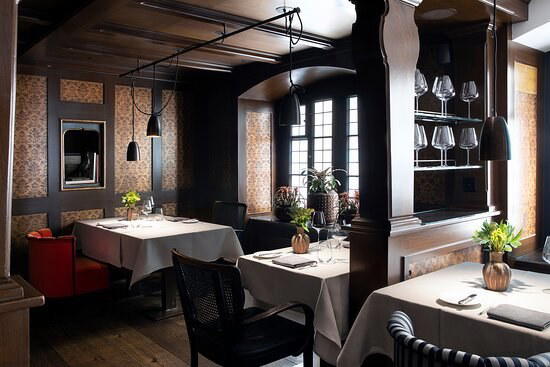
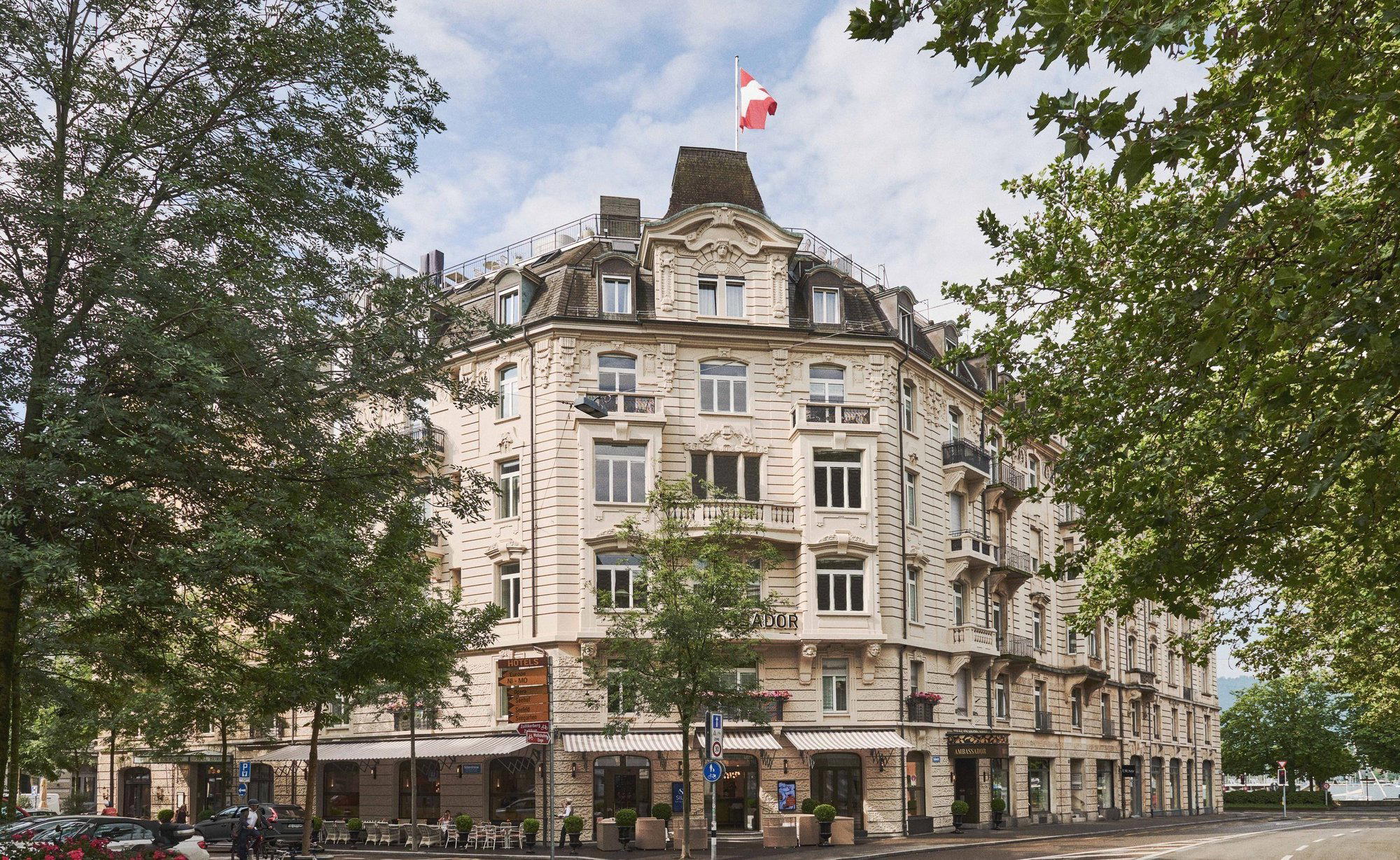
Cozy attic space under exposed roof beams with antique-style furniture, wooden floors, and mysterious objects, complemented by a tree-lined rooftop terrace.