Brechbühl Weinbau

Falstaff Winery - Listed
Brechbühl Weinbau is a small family-run Schleinikon producer shaped less by cellar-door theatre than by rural Zurich Unterland viticulture. Its defining point is Stadel Grappolino, made from whole Riesling Sylvaner grapes rather than the pomace used for traditional grappa, with clear and oak-aged dark expressions anchoring the range.

Pearl is the En Primeur Club membership app — saves, bookings, and concierge access live there. Same editors, same standards.
- Address
- Schleinikon, Zurich Unterland, Canton Zurich, Schweiz
- Directions
- Get directions

Approaching Schleinikon, the register is modest and rural: village scale, vineyard edges, agricultural quiet, and a setting that reads more like a working winegrowing business than a staged hospitality destination. Brechbühl Weinbau is best understood as a small family-run winegrowing and consulting operation with an emphasis on product quality rather than a designed visitor experience. The atmosphere is likely informal, rural, and understated around the vineyards near the historic village of Stadel, where the value lies less in spectacle than in the sense of a producer rooted in its immediate landscape.
For travellers mapping the area beyond a single producer, start with broader Schleinikon context and compare Brechbühl Weinbau with other local options only in general terms. Schleinikon is not presented here as a large-format wine tourism hub; the appeal is the smaller agricultural texture around the village and its vineyards. That makes the address more relevant as part of a quiet rural itinerary than as a self-contained destination built around elaborate visitor programming.
A small family-run winegrowing business defines the house identity
Brechbühl Weinbau should not be framed as a grand visitor attraction or a high-design tasting venue. The picture is more restrained: a family-run winegrowing and consulting business in Schleinikon, with attention placed on the quality of its products rather than on a polished hospitality concept. This gives the house identity a practical, grounded quality, closer to agricultural work and local production than to the language of destination leisure.
That distinction matters for expectations. Travellers should approach Brechbühl Weinbau as a rural producer, not as a restaurant, bar, or formal cellar-door experience with a documented menu, tasting format, or public service schedule. In this context, restraint is not a weakness; it is the most accurate way to read the place.
The result is a quieter kind of premium interest. Brechbühl Weinbau’s appeal comes from its small scale, agricultural context, and emphasis on product quality. It is better suited to readers interested in local winegrowing and rural producers than to those looking for a fully choreographed visitor circuit. The draw is the impression of a working, compact operation, where the surrounding vineyards and family-run structure do much of the storytelling.
Schleinikon setting, rural mood, and vineyard context
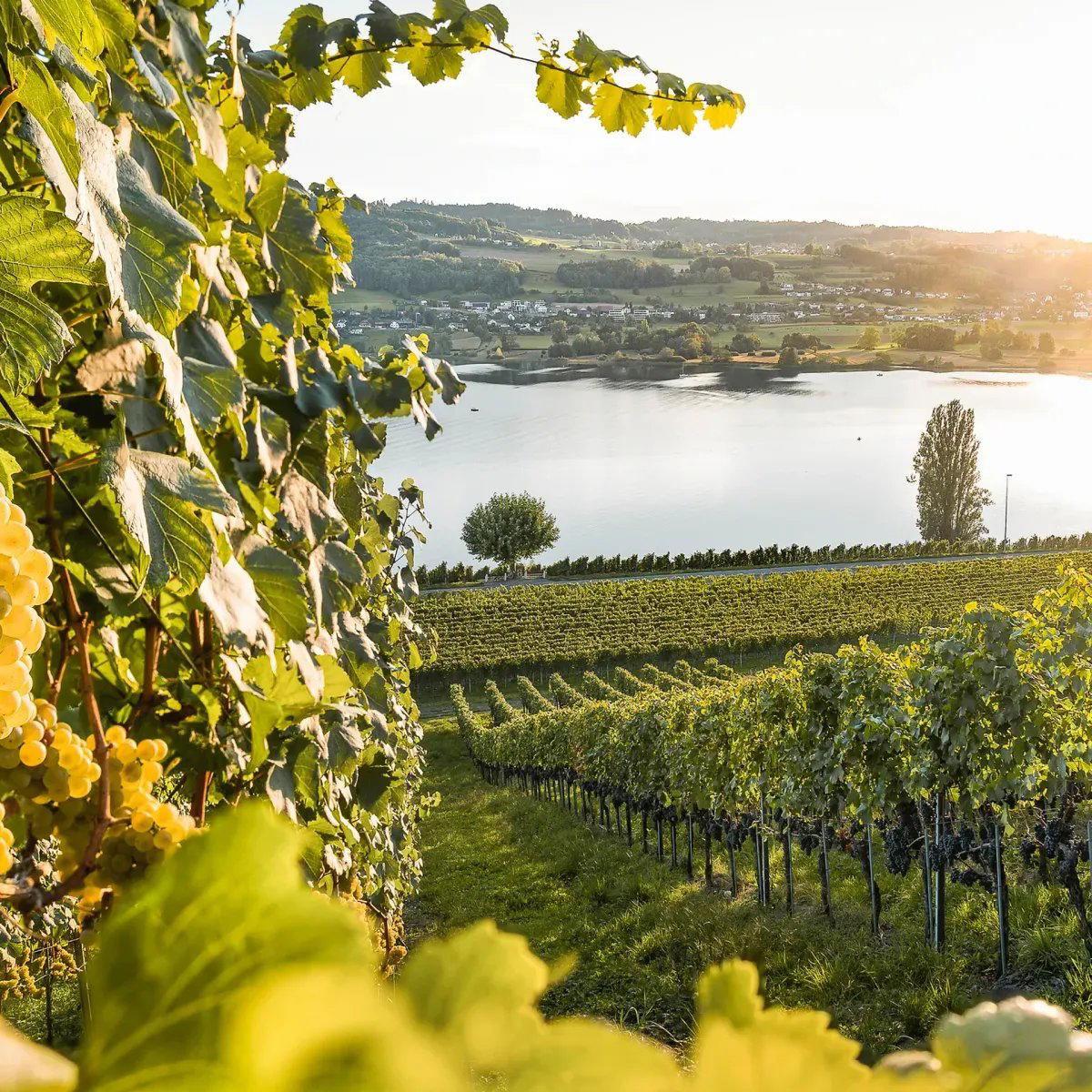
The location context is Schleinikon, with a rural atmosphere around vineyards near the historic village of Stadel. That setting gives Brechbühl Weinbau its strongest sense of place. The experience should be understood through agricultural landscape, village scale, and an informal mood rather than through urban hospitality cues. In editorial terms, the setting is not merely background; it is central to how the business should be approached and described.
Because the available information is deliberately narrow, it would be misleading to attach unconfirmed claims about grape varieties, spirits, tasting flights, cellar architecture, service format, or visitor amenities. What can be said with confidence is that Brechbühl Weinbau belongs to the quieter end of wine-related travel: small, rural, family-run, and focused on product quality. That clarity helps avoid overstating the offer while still recognising the appeal of a producer embedded in a vineyard landscape.
The consulting dimension also places the business within agriculture rather than pure hospitality. Many wine-related visits now lead with architecture, lounges, tasting sequences, and retail choreography. Brechbühl Weinbau is better described as the opposite end of that spectrum: a modest rural operation where the product and the surrounding vineyard context carry the interest. For the right traveller, that lack of overproduction can be part of the appeal, provided expectations remain appropriately modest.
How to place it among small rural producers
Without details on awards, exact production methods, public hours, or a formal visitor program, the fairest comparison is not to a destination restaurant or a large wine-tourism address. Brechbühl Weinbau is more naturally understood as a small local producer in Schleinikon, with a family-run structure and a rural vineyard setting. It belongs in the mental category of producers whose significance is measured by locality, scale, and product focus rather than by a long list of visitor-facing features.
The editorial verdict is simple: Brechbühl Weinbau is strongest for travellers who care about agricultural specificity, informal rural atmosphere, and small-scale winegrowing rather than spectacle. Its identity is concise but distinctive: a family-run winegrowing and consulting business in Schleinikon, priced at $$, with a focus on product quality over a designed visitor experience. Read on those terms, it offers a clear, grounded profile within the quieter rural wine landscape around the village.
Recognition history
Dated appearances from independent guides and award organizations, with the underlying list record or original source where available.
Falstaff Winery - Listed
Falstaff
Continue exploring
More in Schleinikon
Wineries in Schleinikon
Browse all →
Bars in Schleinikon
Browse all →
Restaurants in Schleinikon
Browse all →
Details
- Rustic
- Quiet
- Scenic
- Vineyard
- Riesling Sylvaner
- Dessert
Small family-run winegrowing and consulting business with a focus on product quality rather than a designed visitor experience; atmosphere likely informal and rural around the vineyards near the historic village of Stadel.