La Mission
Our verdict
On University Avenue, La Mission occupies a corner of Berkeley's dining scene where local-ingredients thinking meets technique drawn from further afield. The address at 1255 University Ave places it in a corridor that rewards repeat visits over single-occasion dining. For Berkeley's broader restaurant context, it sits within a city that has long treated sourcing as a philosophical position rather than a marketing decision.

Pearl is the En Primeur Club membership app — saves, bookings, and concierge access live there. Same editors, same standards.
- Address
- 1255 University Ave, Berkeley, CA 94702
- Phone
- (510) 845-5898
- Hours
- Mon–Sat 10 AM–11:30 PMSun 10 AM–11 PM
- Website
- la-mission.shop
- Directions
- Get directions
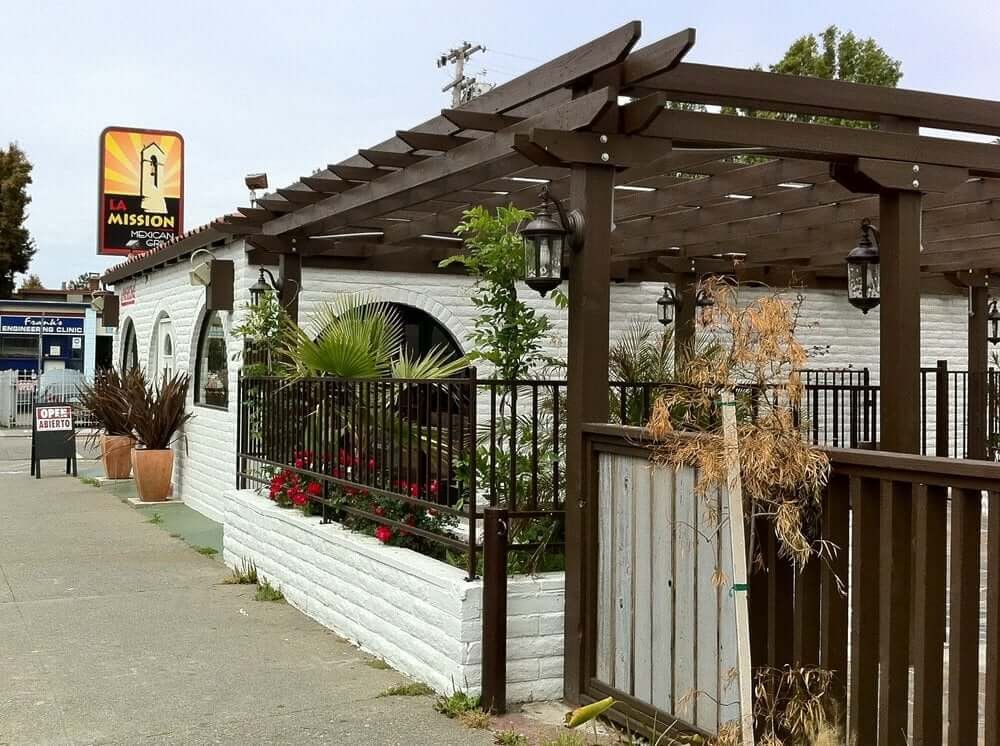
The menu
What to order
- Baja fish tacos
- Lamb burrito
- Mole poblano
University Avenue and the Craft of Imported Method
University Avenue has never been Berkeley's most celebrated dining corridor — that distinction generally falls to the Gourmet Ghetto on Shattuck, or to the smaller clusters around Piedmont and Adeline. But the avenue's western stretch, running toward the bay, has quietly accumulated a set of restaurants that operate with more technical ambition than their storefronts suggest. La Mission, at 1255 University Ave, belongs to that pattern. The building announces little. The discipline inside is a different matter.
Berkeley's dining culture has a particular relationship with technique. The city's foundational contribution to American food — the farm-to-table movement that Alice Waters codified at Chez Panisse, was always as much about restraint of method as it was about sourcing. The argument was that good ingredients, treated simply, outperform complex preparations built on inferior raw material. That position shaped a generation of cooks trained in the Bay Area and remains the operating assumption for much of what gets served between Oakland and the northern hills. What has shifted in the past decade, across Berkeley and San Francisco alike, is the willingness to layer non-local technique onto that local-ingredients foundation. The result is a category of restaurant that sources with Berkeley conviction and cooks with methods drawn from Mexico City, Tokyo, Lyon, or Lima.
Where Local Sourcing Meets Global Technique
La Mission sits inside that category. The name and the address, in a neighborhood with a significant Latino population and a long history of Mission-style cooking, suggest a specific culinary identity, one rooted in the traditions of California's Mexican-influenced kitchens. Whether the kitchen executes that positioning through masa work, through brined and braised proteins, or through the kind of slow-cooked preparations that define northern Mexican cooking is worth establishing before you visit. Berkeley has several restaurants that use similar frames of reference. Agrodolce approaches its identity through Italian-Californian crossover. Ajanta has spent decades demonstrating what happens when Indian regional technique meets Bay Area produce. La Mission operates in analogous territory, with the particular advantage that its culinary tradition, one shaped by nixtamalization, long braises, dried chiles, and citrus-acid balancing, is among the most technique-dense in the Western Hemisphere.
The broader Bay Area context is useful here. At the higher end of the price spectrum, restaurants like Single Thread Farm in Healdsburg and The French Laundry in Napa have made hyper-local sourcing the structural premise of tasting menus that run to three figures per person. Lazy Bear in San Francisco takes a similar premise toward communal-table format with modernist technique. What differentiates the University Avenue tier, where La Mission operates, is that the sourcing discipline is present without the price architecture that accompanies destination-dining formats. That makes the editorial question not whether the food is locally sourced, but what the kitchen does with technique once it has good material in hand.
The Berkeley Context: A City That Takes Sourcing Seriously
To understand where La Mission fits, it helps to map Berkeley's current restaurant field. The city has a cluster of places that handle breakfast and brunch with more seriousness than most: 900 Grayson has occupied that role for years, drawing queues that signal genuine neighborhood loyalty rather than tourist traffic. AKEMI approaches Japanese-inflected cooking with sourcing specificity that puts it in a different conversation than its price point might suggest. Angeline's Louisiana Kitchen demonstrates what happens when a distinct American regional tradition, one as technique-heavy as any European cuisine, is applied in a California context. La Mission, read against those comparators, occupies the Latin-kitchen corner of that competitive map, a position that carries real depth if the kitchen chooses to pursue it.
Nationally, the restaurants that have most successfully fused imported culinary method with local sourcing tend to share a common quality: they do not treat the two things as in tension. Blue Hill at Stone Barns in Tarrytown built its reputation precisely on that synthesis. Atomix in New York City applies Korean technique to ingredients sourced with the same rigour as any farm-forward American kitchen. Providence in Los Angeles uses classical French method as the chassis for California seafood. The lesson from those programs is that technique and terroir are not competing values, they are multipliers when applied together.
Planning Your Visit
La Mission's address at 1255 University Ave, Berkeley, CA 94702 puts it on a well-served transit corridor: the 51B bus runs the length of University Avenue, and the venue is reachable from Downtown Berkeley BART in under ten minutes by bus. University Avenue has metered street parking along most of its length, with availability improving in the evenings and on weekends. For a wider map of where La Mission sits within Berkeley's dining field, the EP Club Berkeley restaurants guide covers the full range of the city's notable addresses.
Frequently Asked Questions
- What should I order at La Mission?
- The clearest path through any kitchen working in the Latin-California tradition is to follow preparations that showcase technique: masa-based dishes, slow-cooked proteins, and anything that uses dried chile or citrus-acid balance as a structural element rather than a garnish. Those preparations tend to separate kitchens that understand the tradition from those that approximate it. For confirmed current menu specifics, contact the restaurant directly, as menu composition changes with seasonal availability, a pattern consistent with Berkeley's sourcing-first restaurant culture.
- Is La Mission reservation-only?
- Reservation policy at Berkeley restaurants in this category varies, but the city's dining patterns, particularly on University Avenue, where foot traffic is consistent, mean that walk-in availability is often limited on weekend evenings. If you are planning a visit around a specific occasion, securing a reservation in advance is the more reliable approach. Berkeley's broader restaurant field, including higher-profile addresses on Shattuck, tends to book two to three weeks out during peak academic periods, and University Avenue venues follow similar patterns when operating at capacity.
- What is the defining dish or idea at La Mission?
- The defining idea at restaurants working in this tradition is usually the tension between a deeply rooted culinary system, one built over centuries on corn, dried chiles, slow heat, and acid, and the sourcing logic of a city that has treated ingredient provenance as a serious question since the 1970s. When those two things align in a kitchen, the result is food that tastes specific in both directions: specific to a place and to a tradition. That specificity is the mark to look for, and it shows most clearly in preparations where the technique is load-bearing rather than decorative. Nationally, kitchens like Le Bernardin in New York City and Alinea in Chicago have made technique-as-identity their central argument; La Mission's version of that argument, if it holds, runs through a different culinary lineage.
- How does La Mission fit into Berkeley's Latin dining scene compared to other Bay Area options?
- Berkeley's Latin-kitchen segment is smaller and less documented than San Francisco's Mission District equivalent, which means University Avenue restaurants operating in this tradition have less direct local competition but also less critical infrastructure around them. La Mission's address puts it in a position to serve both the local Berkeley population and diners crossing the bay specifically for its approach. For the full picture of how it compares within Berkeley's restaurant field, the EP Club Berkeley guide provides the wider context.
Frequently asked questions
What's La Mission's location?
La Mission is located at 1255 University Ave, Berkeley, CA 94702, Berkeley.
How does La Mission fit into Berkeley's broader dining scene compared to the Gourmet Ghetto?
La Mission occupies a different axis than the Shattuck Avenue cluster that defines Berkeley's most-discussed dining corridor. Situated at 1255 University Ave in a neighborhood with deep Latino roots, it draws on a culinary tradition that the Gourmet Ghetto's California-cuisine lineage largely bypasses. For diners who have worked through the Chez Panisse orbit, La Mission represents a distinct strand of Berkeley's food culture, one grounded in community identity rather than farm-to-table orthodoxy.
What should I order at La Mission?
La Mission's menu reflects its University Avenue location and the neighborhood's Latino culinary heritage, which points toward dishes shaped by Mission-style traditions combined with locally sourced California ingredients. Without a current published menu on record, the safest approach is to ask staff about market-driven specials on arrival. The kitchen's emphasis on imported technique applied to regional sourcing suggests preparations that change with the season rather than a static signature list.
Is La Mission reservation-only?
University Avenue restaurants in this category tend to operate with a mix of walk-in availability and advance booking, particularly on weekend evenings. Contacting the venue directly before visiting is the most reliable way to confirm current policy.
What's the defining dish or idea at La Mission?
The defining idea at La Mission is the tension between method and place: global culinary technique applied to ingredients and traditions rooted in Berkeley's Latino west side. That positioning sets it apart from the produce-first Cal-cuisine institutions on Shattuck, which tend to lead with the farm rather than the kitchen tradition. The name itself signals a commitment to the Mission corridor's cultural identity as a starting point, not a backdrop.
Comparable Options
Comparable venues nearby, for context on price, style, and recognition.
| Venue | Cuisine | Price | Notes |
|---|---|---|---|
| La MissionThis venue — the venue you are viewing | Mexican Grill | $10–20 | Not listed |
| Pyramid Brewery & Alehouse | American Brewpub | Not listed | West Berkeley |
| Blue Willow Tea | Specialty Tea House & Café | $10–20 | Berkeley |
| HS Lordships | American Seafood | Not listed | Marina |
| Camille | Vietnamese and Chinese | $10–20 | UC Berkeley |
| Norikonoko Japanese Restaurant | Homestyle Japanese | Not listed | Telegraph |
Continue exploring
More in Berkeley
Restaurants in Berkeley
Browse all →
Bars in Berkeley
Browse all →
Hotels in Berkeley
Browse all →

Details
- Cozy
- Casual
- Casual Hangout
- Family
- A La Carte
- Vegetarian Friendly
Current opening hours
- Monday
- 10 AM–11:30 PM
- Tuesday
- 10 AM–11:30 PM
- Wednesday
- 10 AM–11:30 PM
- Thursday
- 10 AM–11:30 PM
- Friday
- 10 AM–11:30 PM
- Saturday
- 10 AM–11:30 PM
- Sunday
- 10 AM–11 PM
Hours can change for holidays and private events. Last verified .
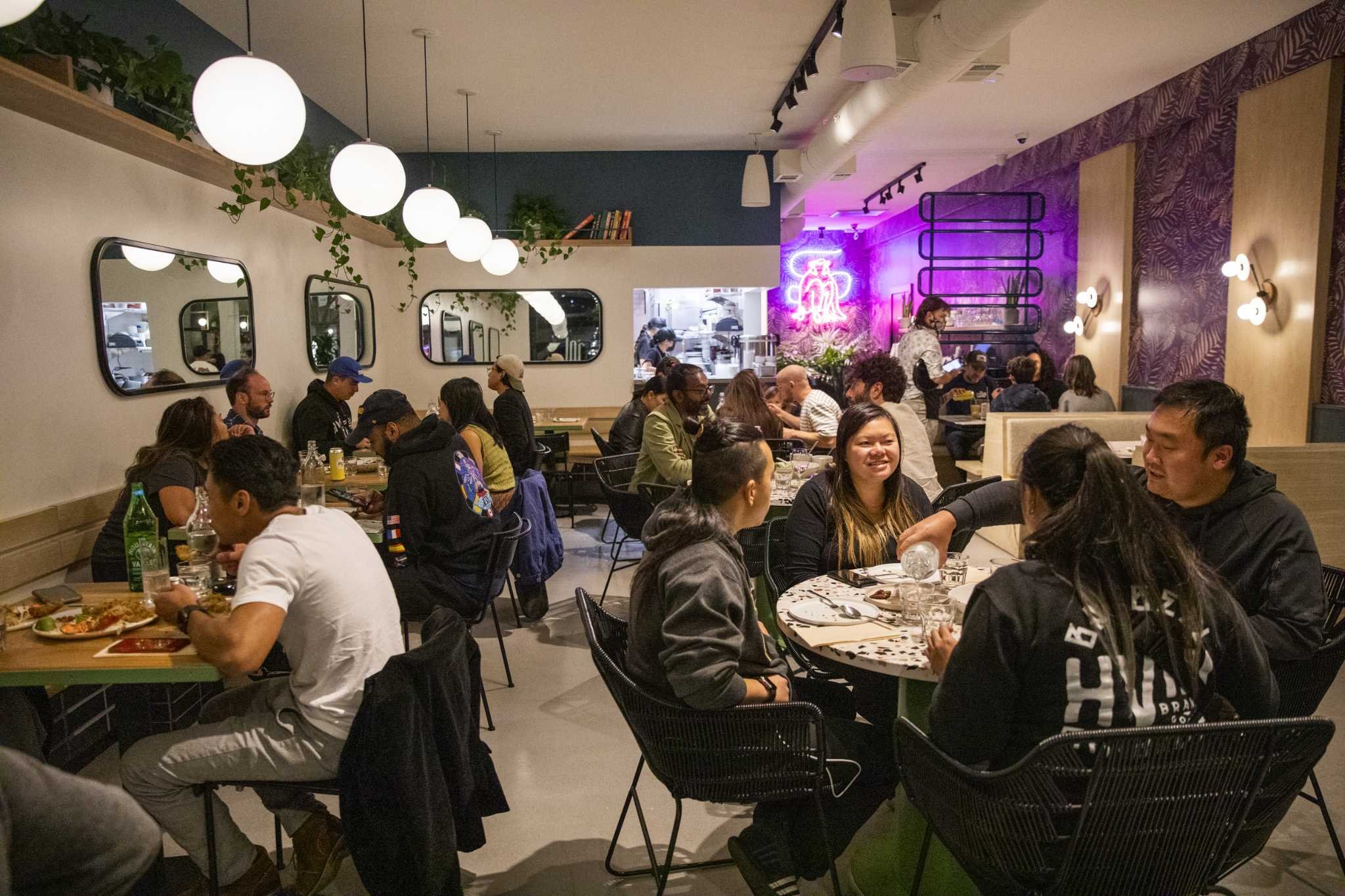
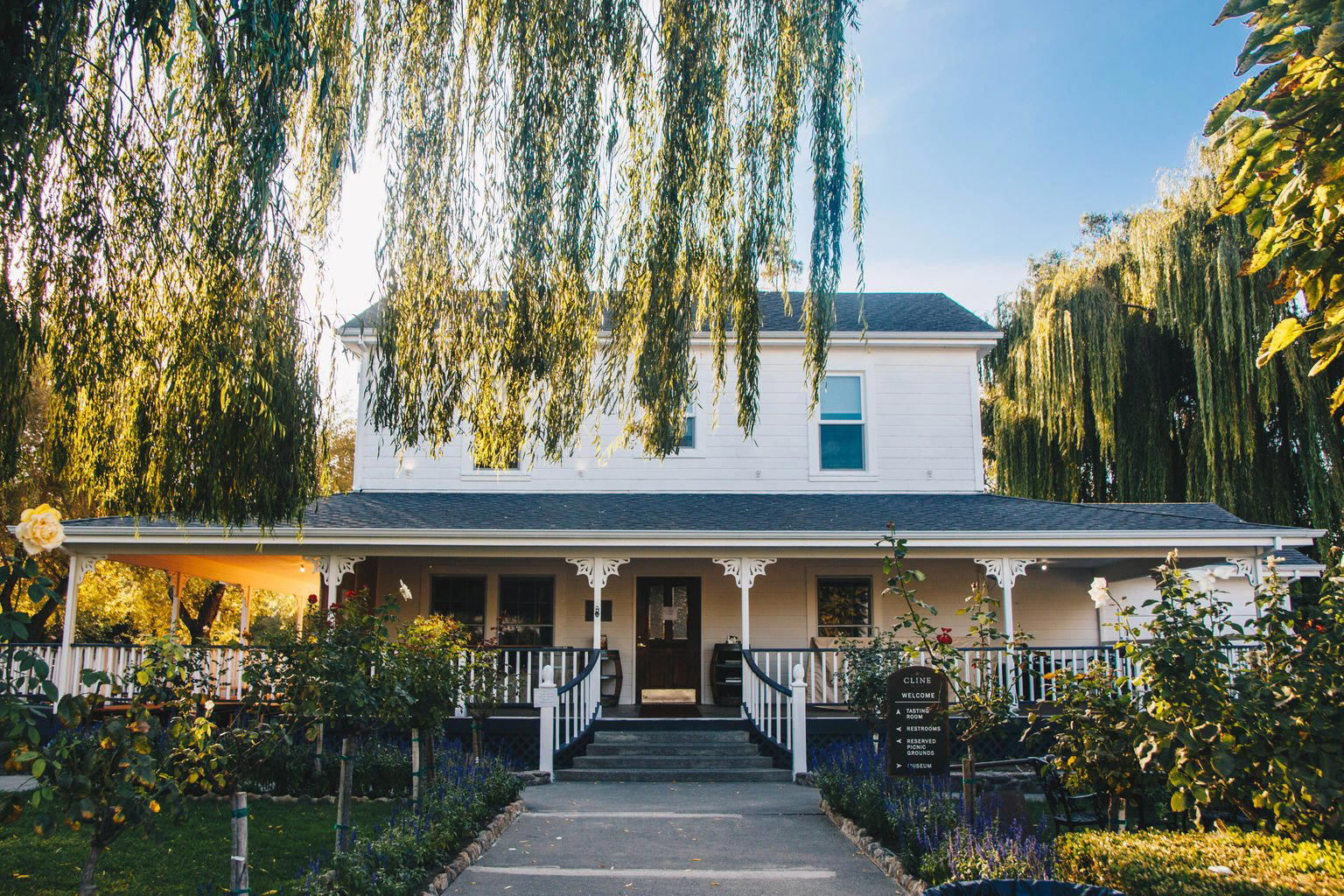
Casual and colorful interior with pleasant relaxing outdoor patio seating.