Michelin Plate
Our verdict
La Maruca on Paseo de la Castellana brings Cantabrian coastal cooking to Madrid's Chamartín district, anchoring the à la carte in Santander tradition rather than capital-city innovation. Ranked #176 in Opinionated About Dining's Casual Europe list for 2025 and holding a Michelin Plate, it occupies a specific niche: high-quality ingredients, unchanged recipes, and a format that resists the experimental drift defining Madrid's most-talked-about dining right now.

Pearl is the En Primeur Club membership app, where members save venues, book tables and use the concierge.
The Room Before the Plate
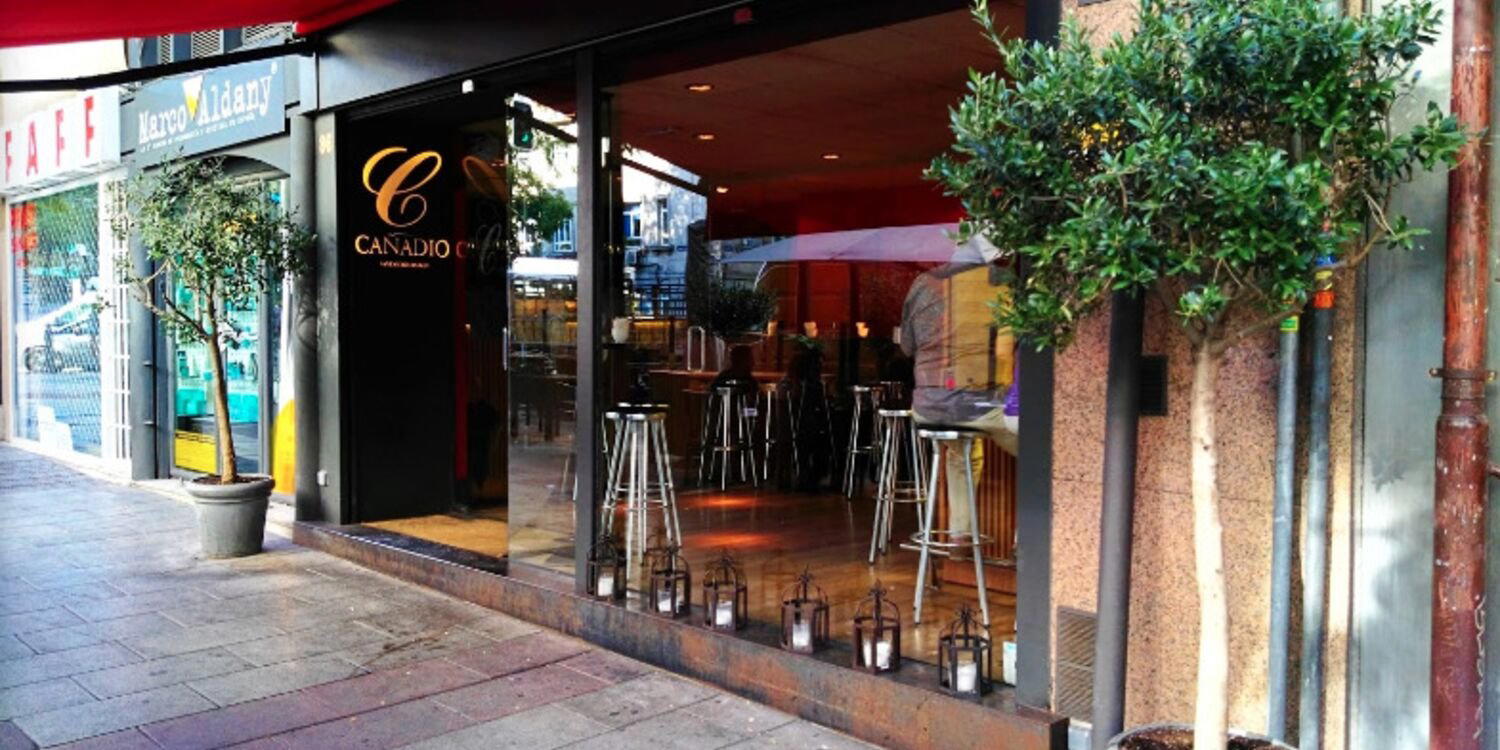
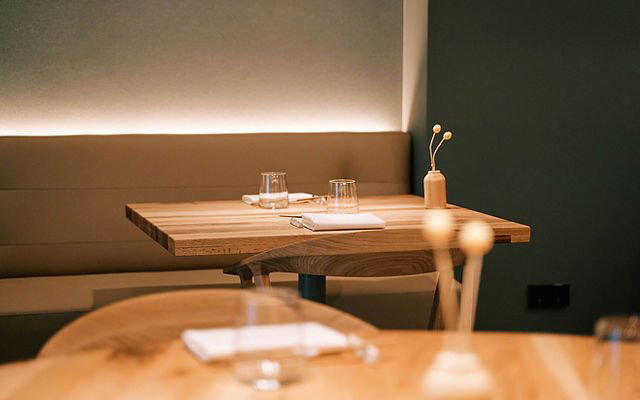
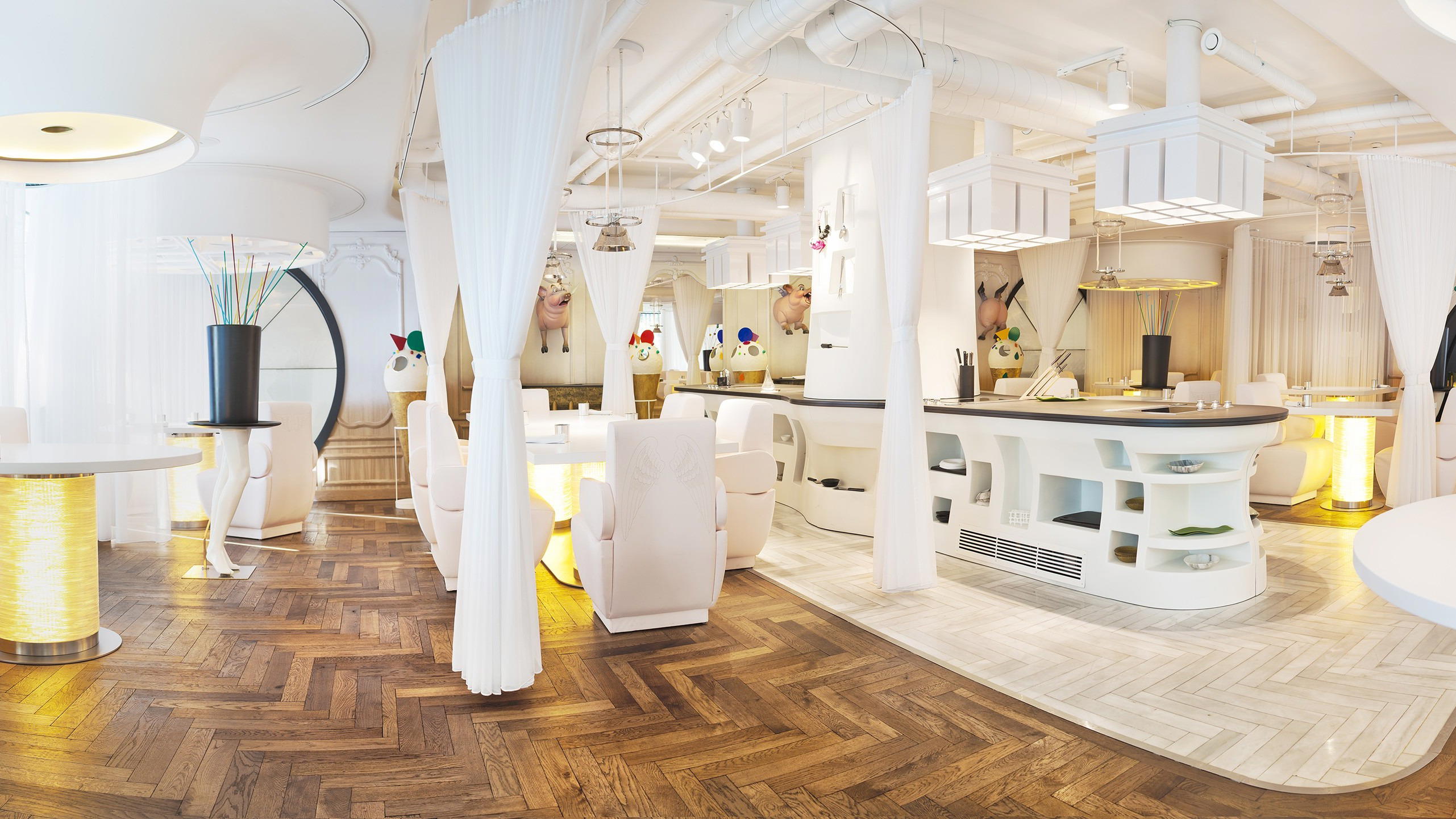
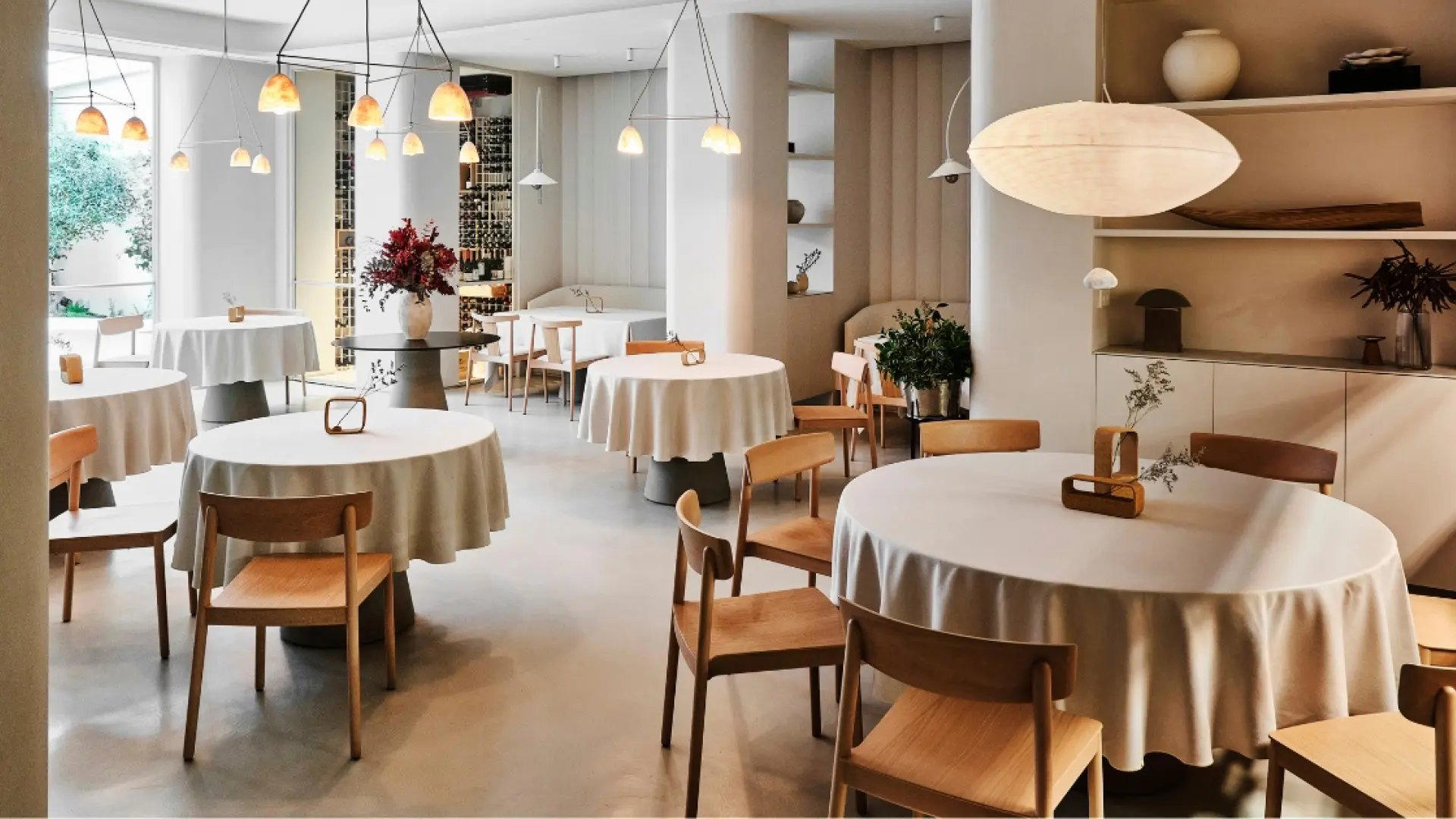
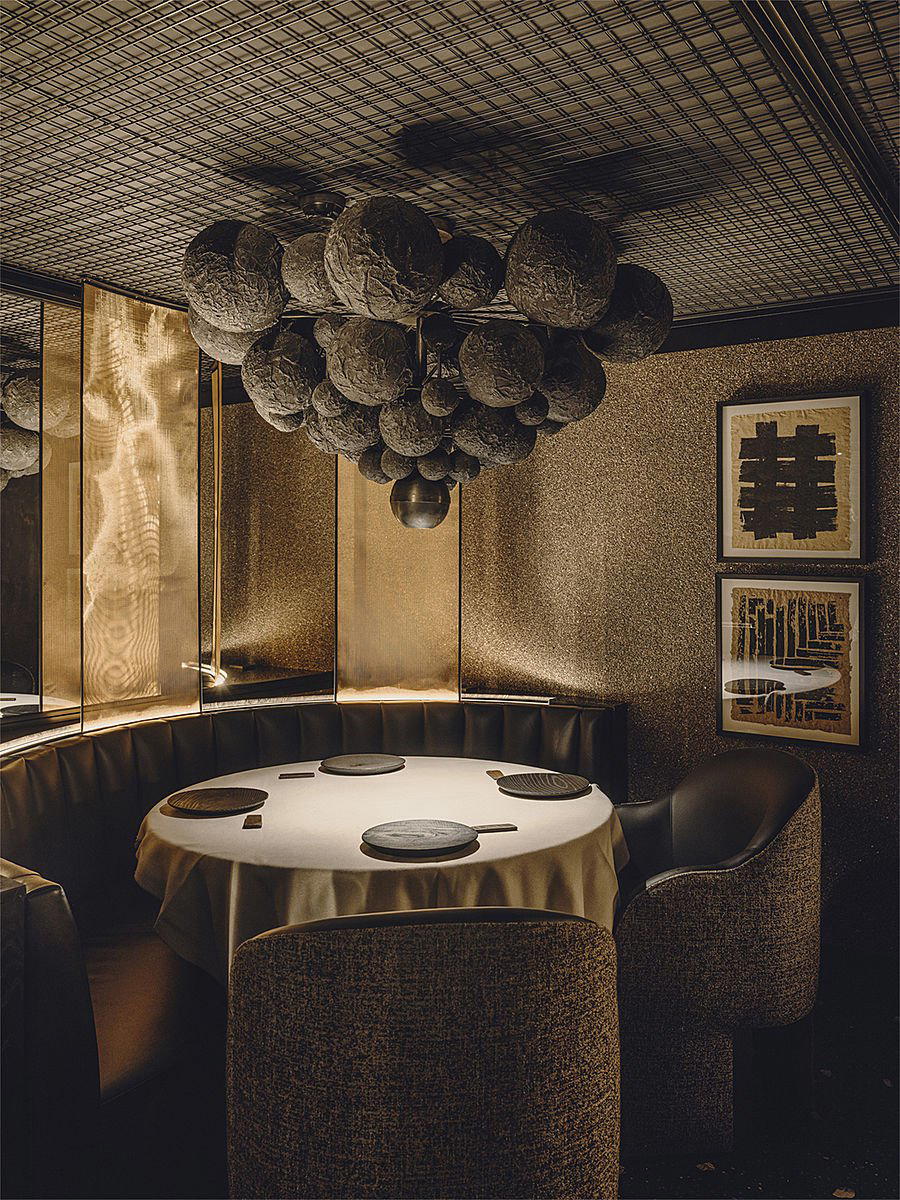
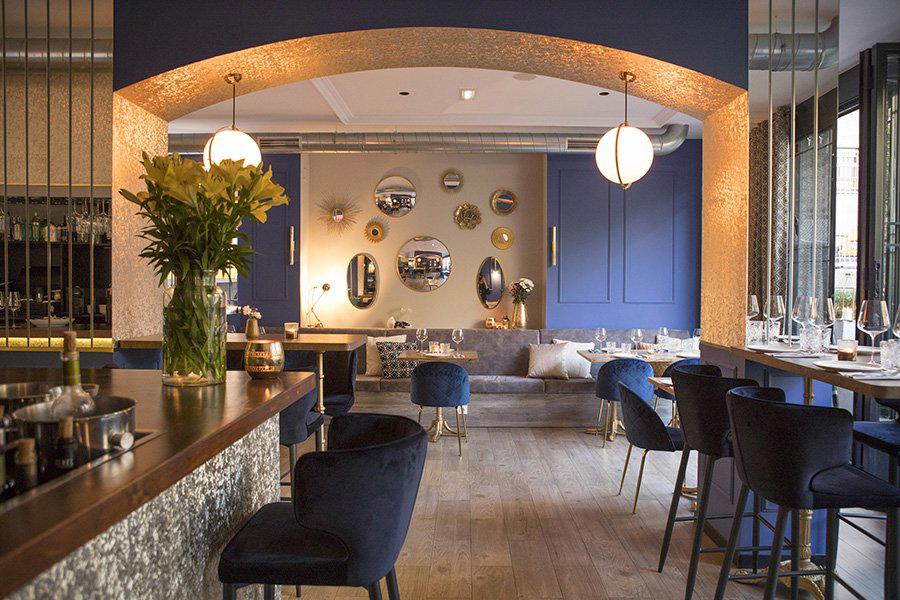
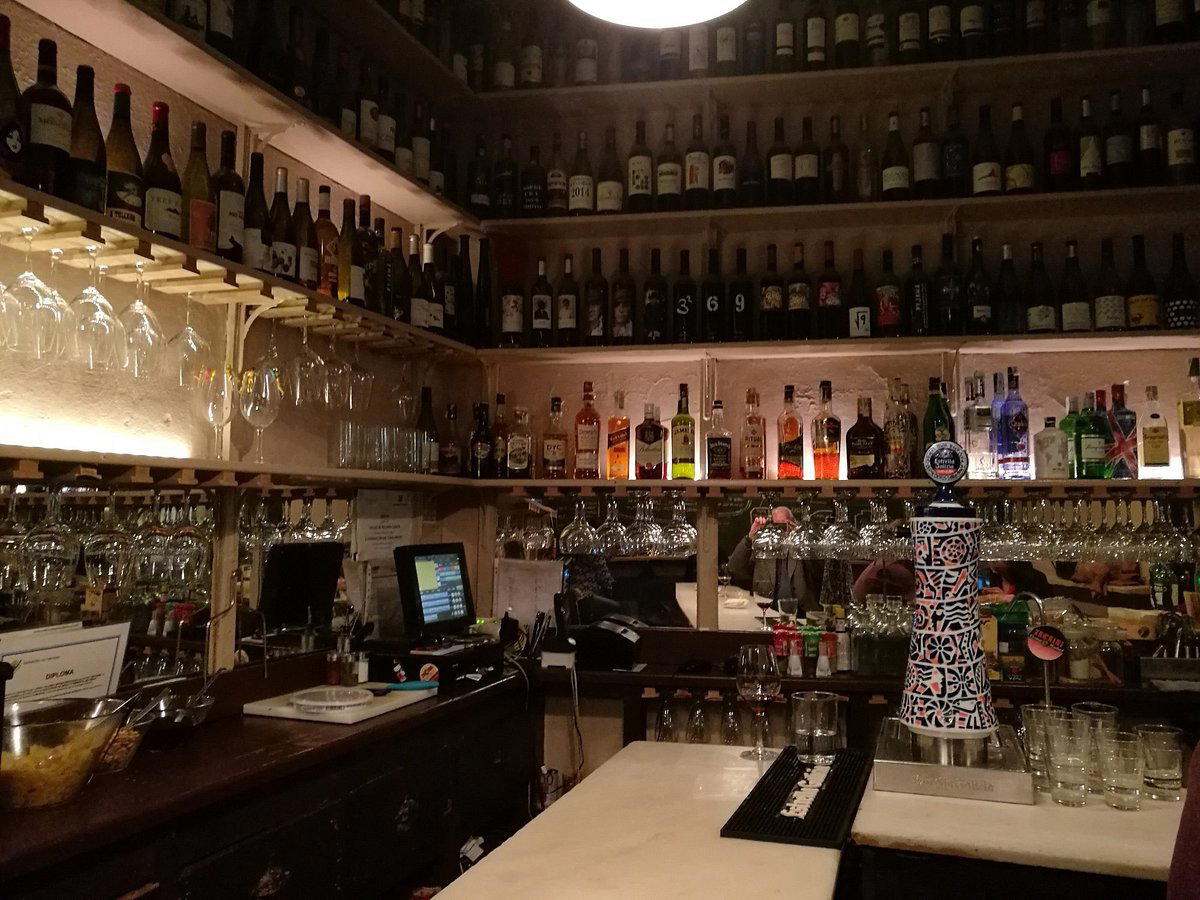
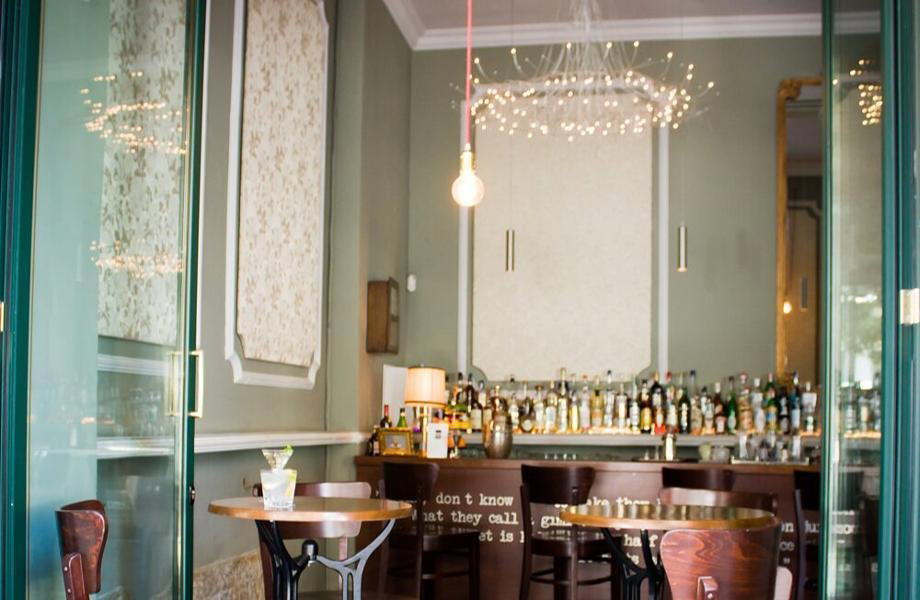
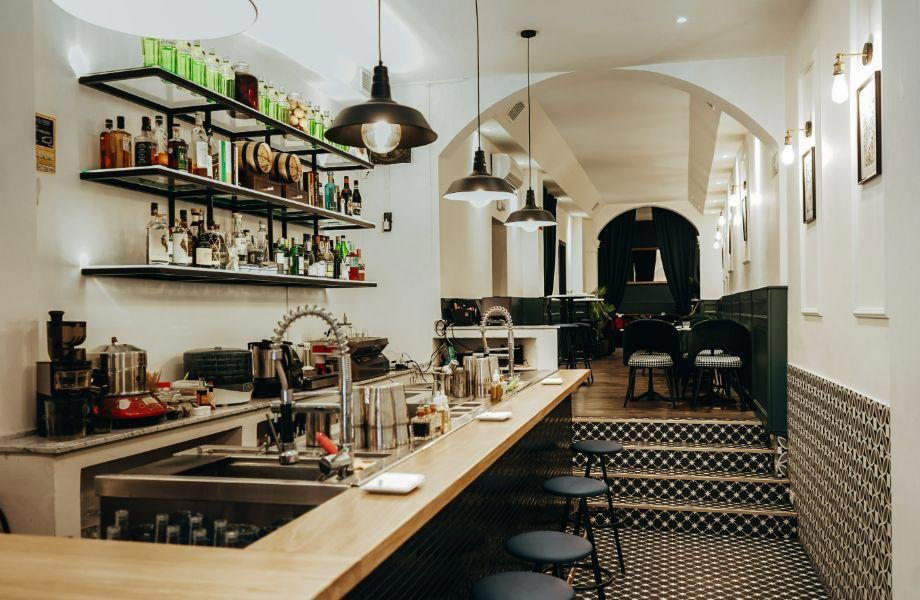
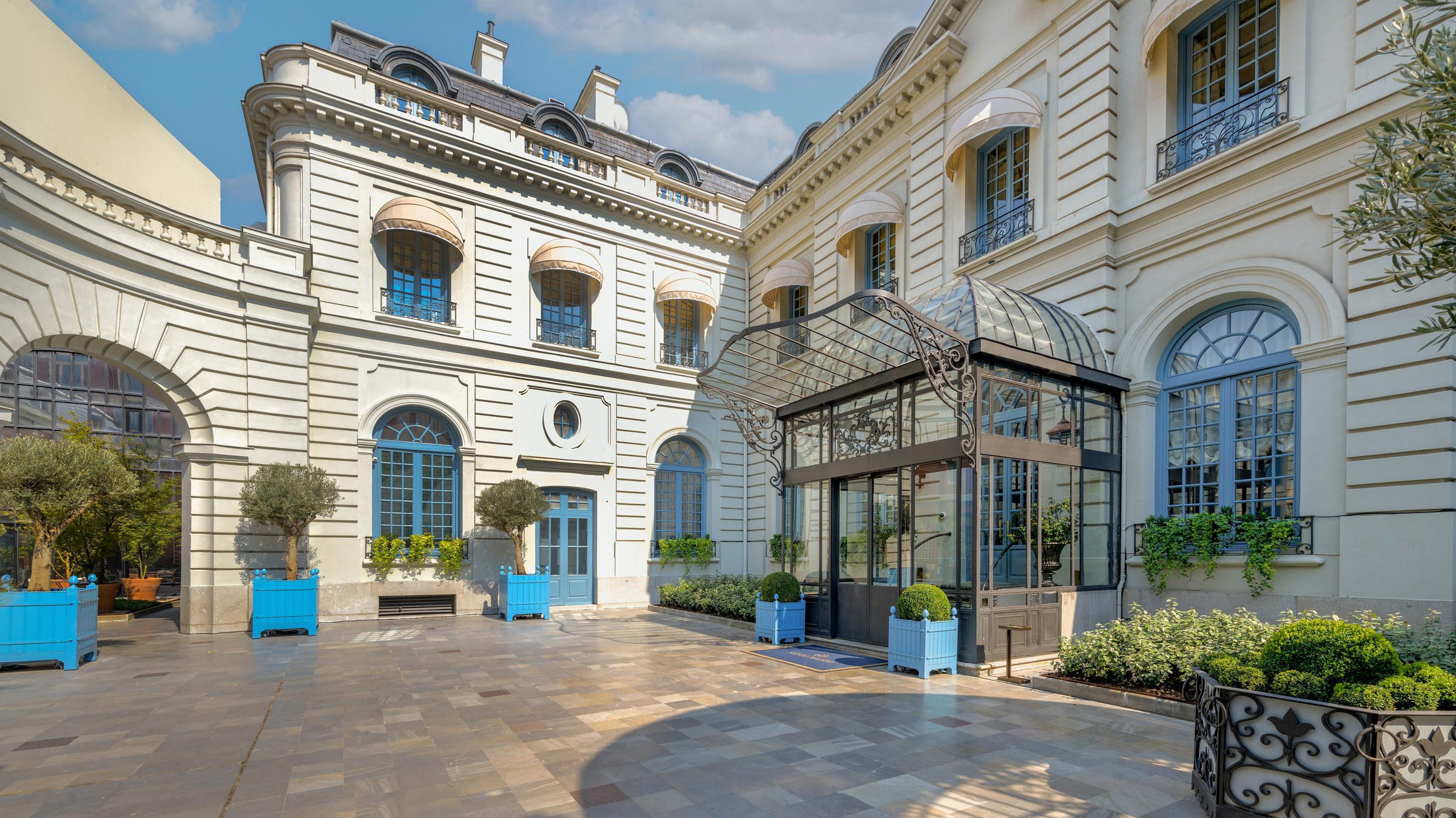
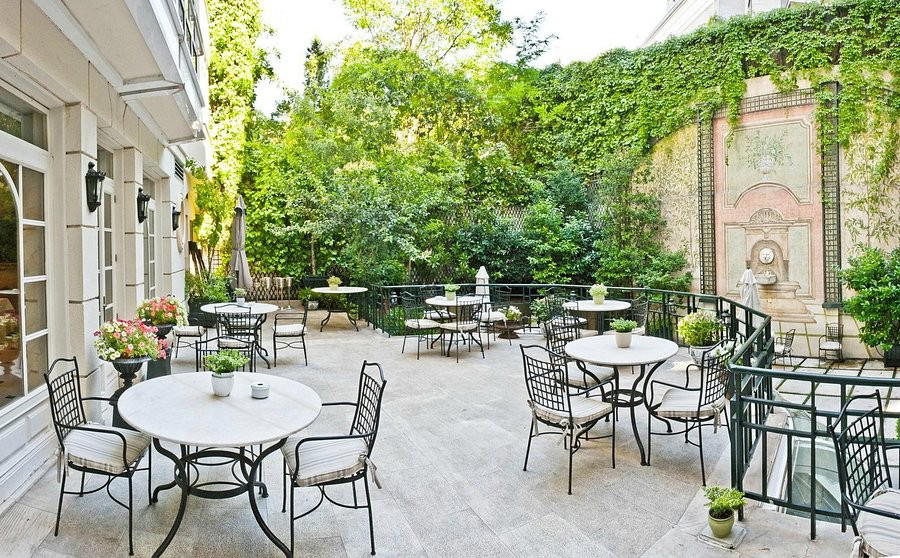
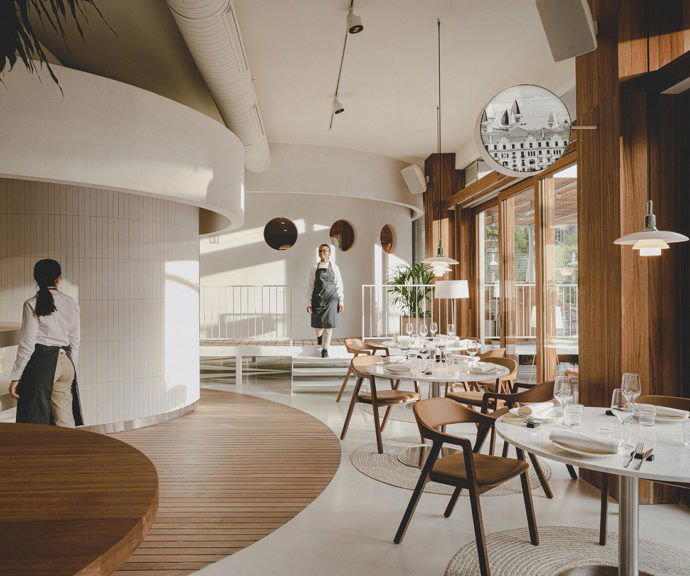
On Paseo de la Castellana, where the upper stretch of Madrid's central artery passes through Chamartín, the dominant register is corporate. Office towers, hotel lobbies, and business-lunch venues set the tone for this part of the boulevard. La Maruca cuts against that grain, not through theatrical design, but through the particular warmth of a multi-purpose bar running along one side and a dining room that reads as genuinely informal without drifting into carelessness. The occasional designer detail, a considered light fixture, a material choice that pulls the eye, gives the space a coherence that casual restaurants in this price bracket often lack. The room signals something specific: this is Cantabrian hospitality transposed to the capital, and it wants you to feel the difference.
Cantabrian Cooking in a City That Rarely Stops Talking About Innovation
Madrid's current dining conversation is dominated by the post-elBulli generation's legacy. Kitchens at the top of the market, from the three-Michelin-starred Botín Restaurante to the technically ambitious rooms earning recognition across the city, have absorbed the lesson that technique and concept can be the story. That current runs through venues like Desencaja and informs the ambitions of kitchens at every price point. Even in the casual segment, Madrid diners encounter menus that treat regionality as a starting point for reinvention rather than a destination in itself.
La Maruca operates on a different premise. The kitchen here treats Cantabrian tradition as the endpoint, not the jumping-off point. Cantabrian anchovies, fried squid in the Santander style, and hake sourced directly from the fish auction are on the menu because they represent the regional canon at its most direct, not because they are raw material for transformation. In Spain's broader dining culture, this represents a genuine position rather than a lack of ambition. The country's coastal regions, the Basque Country and Cantabria in particular, have long argued that the ingredient itself, handled with precision and respect, is the technique. La Maruca makes that argument at an accessible price point, and the consistency of its recognition suggests the argument lands.
The Cheesecake That Has Not Changed Since 1981
One data point cuts through the noise of trend cycles better than any award citation: the Cañadío cheesecake, whose recipe has remained unchanged since 1981. In a decade when restaurants across Spain routinely revised their signatures to reflect evolving technique or seasonal sourcing logic, holding a dessert recipe fixed for more than four decades is an editorial statement. It says that the dish reached a point of resolution that revision would damage, and that the kitchen trusts its regulars to want the same thing each time. The Cañadío cheesecake traces its lineage to the Santander original, and its presence on the Madrid menu is the clearest signal of what La Maruca is actually doing: not replicating a regional restaurant, but extending a Cantabrian institution into the capital's dining fabric.
Where This Sits in Madrid's Casual Tier
Spain's most discussed restaurants occupy the upper price brackets. Arzak in San Sebastián, El Celler de Can Roca in Girona, Azurmendi in Larrabetzu, and Martin Berasategui in Lasarte-Oria shape the international perception of Spanish cuisine. Within Madrid specifically, the high-technique rooms, Cocina Hermanos Torres in Barcelona operates as a useful peer benchmark in another capital, demonstrate how Spain's restaurant ambition expresses itself when budget is not the constraint. The market for that kind of dining is smaller and more self-selecting. The much larger segment is the casual tier, where the gap between an average outcome and a considered one is significant and underappreciated by visitors.
In the casual-tier rankings from Opinionated About Dining, La Maruca placed #176 in Europe for 2025, up from #172 in 2024, following a Highly Recommended designation in 2023. That upward trajectory in the OAD casual list, combined with a Michelin Plate, positions it clearly within the upper end of Madrid's informal eating, closer to the register of Casa Revuelta and Cuenllas in terms of authenticity of execution than to the casual-restaurant-as-concept-vehicle model that has gained ground in recent years. At the €€ price point, it prices against neighbourhood trattorias and regional Spanish tables rather than against tasting-menu rooms, making its OAD placement all the more pointed.
Venues like El Fogón de Trifón represent the Madrid appetite for regional Spanish cooking done with conviction, and La Maruca occupies an overlapping but distinct position: specifically Cantabrian, specifically connected to the Cañadío lineage, and specifically resistant to the modernising impulse that touches even the most tradition-oriented corners of the market.
Spain's Reach and La Maruca's Deliberate Counter-Position
Spanish cooking has become one of the few genuinely global reference points in fine dining. The influence of the Ferran Adrià generation spread into kitchens from Tokyo, where ZURRIOLA carries Spanish technique eastward, to Gdańsk, where Arco by Paco Pérez extends a Catalan-rooted sensibility into northern Europe. Meanwhile, the Spanish coastline's own restaurants, from Aponiente in El Puerto de Santa María to the Basque avant-garde, demonstrate how regional identity and technical ambition can fuse into something that travels. La Maruca does not participate in that outward reach. It is a restaurant that looks toward the Bay of Biscay and imports what it finds there to Chamartín, full stop. In Madrid's current dining environment, that refusal to translate tradition into something more easily legible to the global palate is itself a position.
What Drives This Kitchen
Chef Paco Quirós anchors the kitchen in a sourcing discipline that is direct to describe but demanding to execute consistently: Cantabrian anchovies, squid from Santander, hake bought at auction rather than through intermediaries. That supply-chain specificity matters because it is what prevents the menu from becoming a generalised Spanish seafood offering. Casual restaurants at this volume and this recognition level tend to drift toward the mean over time; the OAD upward trend from 2023 to 2025 indicates that drift has not occurred here.
Know Before You Go
- Address: P.º de la Castellana, 212, Chamartín, 28046 Madrid
- Cuisine: Traditional Cantabrian / Spanish
- Price range: €€
- Hours: Monday to Friday 8:00 am–12:00 am; Saturday 9:30 am–1:00 am; Sunday 9:30 am–12:00 am
- Awards: Michelin Plate (2025); Opinionated About Dining Casual Europe #176 (2025)
- Neighbourhood: Chamartín, upper Paseo de la Castellana
For broader planning, see our full Madrid restaurants guide, our full Madrid hotels guide, our full Madrid bars guide, our full Madrid wineries guide, and our full Madrid experiences guide.
What to Order at La Maruca
The Cantabrian anchovy and the Santander-style fried squid are the anchors of the à la carte and the dishes that most directly express the kitchen's sourcing logic. The hake, bought at auction rather than through distributors, is the leading single measure of the kitchen's commitment on any given visit; the quality will vary with the catch, which is the point. The Cañadío cheesecake, unchanged since 1981, is the order to close on. It carries the weight of its Santander original and does not need to be improved.
Frequently asked questions
How much does it cost to eat at La Maruca?
Pricing at La Maruca is listed as €€.
What kind of cuisine does La Maruca serve?
What kind of recognition has La Maruca received?
La Maruca has received recognition including: A restaurant that exudes a fresh, optimistic approach through two iconic themes, namely Santander and Cantabria. This lively and informal setting features a multi-purpose bar and contemporary dining spaces embellished with the occasional de….
What's the best thing to order at La Maruca?
The Cantabrian anchovy and the Santander-style fried squid are the clearest expressions of what this kitchen does: sourcing-led Cantabrian cooking at a mid-range price point (€€). The Cañadío cheesecake is non-negotiable, the recipe has not changed since 1981, and its consistency across decades is precisely what has made it a reference point on the à la carte. For a first visit, those three dishes map the kitchen's priorities more directly than anything else on the menu.
What are the opening hours for La Maruca?
Hours at La Maruca: Hours: Monday 8 am–12 am Tuesday 8 am–12 am Wednesday 8 am–12 am Thursday 8 am–12 am Friday 8 am–12 am Saturday 9:30 am–1 am Sunday 9:30 am–12 am.
Where is La Maruca located?
La Maruca is located at P.º de la Castellana, 212, Chamartín, 28046 Madrid, Spain, Madrid.
Who's behind the kitchen at La Maruca?
The chef associated with La Maruca is Paco Quirós.
A Lean Comparison
| Venue | Cuisine | Price | Awards | Notes |
|---|---|---|---|---|
| La MarucaThis venue (the venue you are viewing) | Modern Spanish Tapas | $50–100 | Michelin Plate | Not listed |
| DiverXO | Avant-Garde Spanish Tasting Menu | $300–500 | 3 Michelin Stars · World's 50 Best #4 | Progressive - Asian, Creative |
| Deessa | Modern Valencian Fine Dining | $150–200 | 2 Michelin Stars · La Liste Top Restaurants | Modern Spanish, Creative |
| Smoked Room | Modern Japanese Fire Omakase | $200–300 | 2 Michelin Stars · La Liste Top Restaurants | Progressive Asador, Contemporary |
| Coque | Modern Spanish Fine Dining | $300–500 | 2 Michelin Stars · La Liste Top Restaurants | Spanish, Creative |
| Paco Roncero | Avant-Garde Spanish Fine Dining | $150–200 | 2 Michelin Stars · La Liste Top Restaurants | Creative |
Recognition history
Dated appearances from independent guides and award organizations, with the underlying list record or original source where available.
Michelin Plate
Michelin
Opinionated About Dining Casual in Europe Ranked #176
Opinionated About Dining
Full recognition history (6 entries)
Michelin Plate
Michelin
Michelin Plate
Michelin
Opinionated About Dining Casual in Europe Ranked #172
Opinionated About Dining
Opinionated About Dining Casual in Europe Highly Recommended
Opinionated About Dining