La Cense
La Cense sits on Rue Auguste Bonte in Lambersart, the quietly residential commune that borders Lille's western edge. The address places it within the cluster of independent tables that have made this arrondissement-adjacent town a consistent draw for Lille diners seeking alternatives to the city centre. Booking ahead is advisable for weekend services.
Pearl is the En Primeur Club membership app — saves, bookings, and concierge access live there. Same editors, same standards.
- Address
- 27 Rue Auguste Bonte, 59130 Lambersart, France
- Phone
- +33320922274
- Website
- la-cense.fr
- Directions
- Get directions
 Saves & bookings on Pearl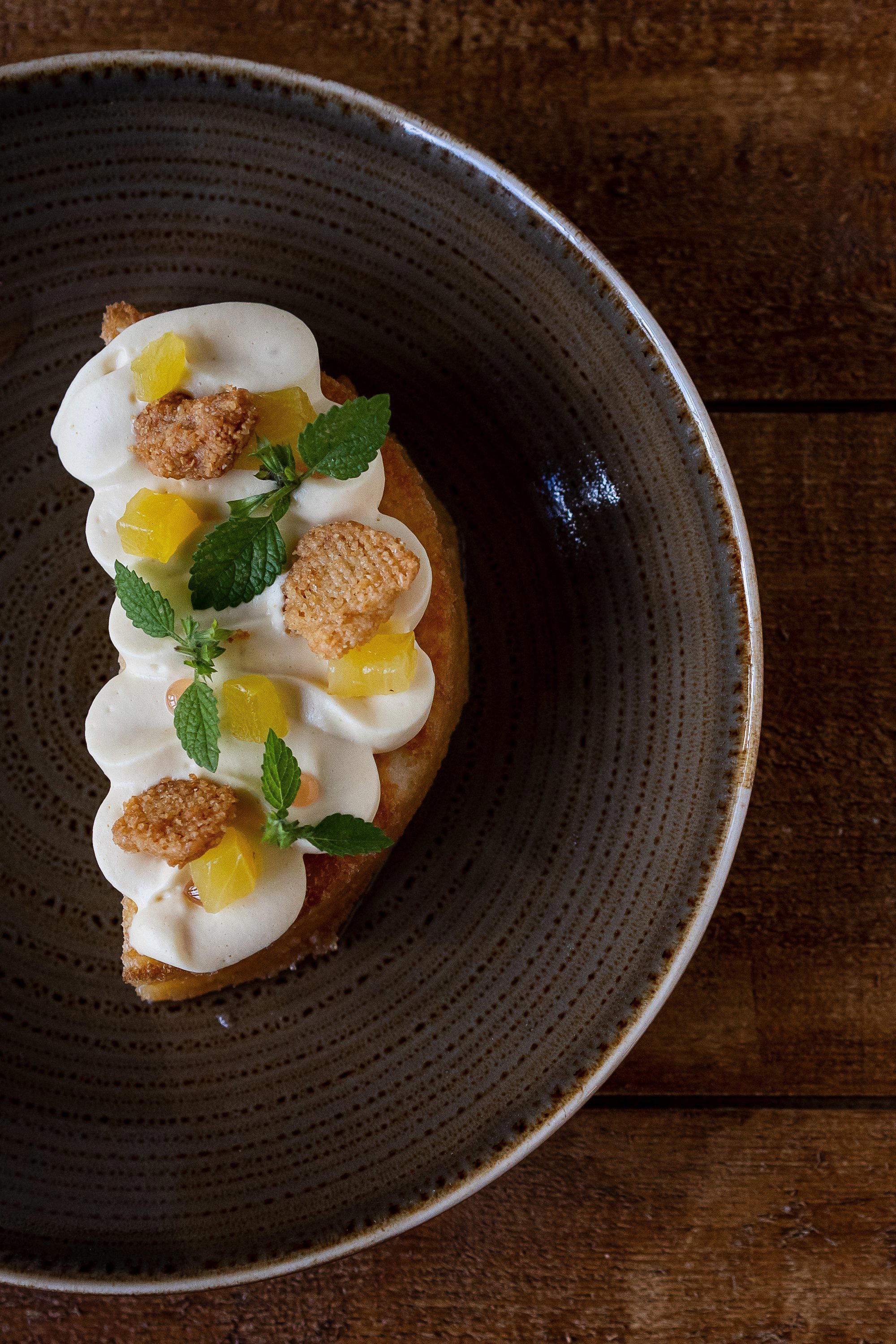
Lambersart at the Table: What This Commune Says About Northern French Dining
The communes that ring Lille, Lambersart to the west, Marcq-en-Baroeul to the north, Villeneuve-d'Ascq to the east, have developed a dining culture that operates in productive tension with the city centre. Where Lille's Vieux-Lille concentrates historic brasseries and tourist-facing estaminets, Lambersart has attracted a quieter cadre of independent restaurants that serve a predominantly local clientele. The neighbourhood serves its residents. That distinction shapes everything from the pace of service to the proportion of prix-fixe menus on a given table's card.
La Cense is a restaurant in Lambersart, France, at 27 Rue Auguste Bonte, serving Modern French Gastronomy at about $45 per person. The address is residential in character, the kind of street where a restaurant's signage is modest because the people who come already know where they are going. For anyone arriving from central Lille, the short transit across the commune boundary means a quieter, more deliberate lunch or dinner.
The Northern French Table: A Cuisine Built on Climate and History
French cuisine north of Paris carries specific cultural weight that often goes underappreciated in discussions dominated by Lyon, Bordeaux, or the Basque Country. The Nord-Pas-de-Calais tradition, now administratively part of Hauts-de-France, is shaped by proximity to Belgium, a Protestant and working-class mercantile history, and an agricultural calendar dictated by grey skies and Atlantic proximity. Chicory, endive, Maroilles cheese, freshwater fish from the Lys and Escaut rivers, and the hop culture that underpins the region's bière de garde all belong to a culinary vocabulary that predates the Escoffier codification of haute cuisine and operates somewhat apart from it.
Where the Alsatian table at restaurants like Au Crocodile in Strasbourg draws on Germanic influence, and the kitchens of Auberge de l'Ill in Illhaeusern represent the apotheosis of Alsace's Franco-German synthesis, the Nord table occupies a different register entirely: more plainspoken, more deeply tied to the Catholic feast calendar and the industrial worker's appetite for generous, warming preparations. Carbonnade flamande, potjevleesch, and waterzooi cross the Belgian border without cultural difficulty because the border itself was, for centuries, a political fiction imposed on a continuous culinary zone.
This context matters when reading any Lambersart restaurant. Tables in this commune operate within that tradition whether they acknowledge it explicitly or not. The cultural gravity of the Nord kitchen, its preference for body, for slow cooking, for preparations that sustain rather than merely impress, remains a reference point even for menus that move toward contemporary French idioms. For comparison with how other French regional traditions are expressed through serious kitchens, the menus at Bras in Laguiole and Auberge du Vieux Puits in Fontjoncouse illustrate how deeply rooted terroir can anchor a cooking identity across decades.
Lambersart's Competitive Set: Where La Cense Sits
Within Lambersart specifically, the independent restaurant tier includes several addresses that have developed consistent local followings. Chez mon cousin and Le Quai represent different points on the spectrum from informal neighbourhood dining to more considered plated cooking, while La Table du Colysée occupies its own position within that local competitive frame.
La Cense on Rue Auguste Bonte occupies the kind of position in that set that becomes legible through what surrounds it: a residential street, a commune with no strong tourist infrastructure, a local clientele that tends to return rather than discover. These are the conditions that typically produce cooking calibrated for repeat visitors rather than first impressions, and menus that change with the season because the regulars will notice if they do not.
France's broader fine dining conversation, carried by three-star addresses like Alléno Paris au Pavillon Ledoyen, Mirazur in Menton, and Troisgros in Ouches, filters into the provinces as aspiration and reference point, not as direct competition. The ambition that animates kitchens like Flocons de Sel in Megève or the technical precision of Assiette Champenoise in Reims trickles outward. What it produces in a commune like Lambersart is not a copy of those models but a local fluency with contemporary technique applied to regional material.
For readers whose frame of reference extends to international French-influenced tables, the precision cooking at Le Bernardin in New York City or the cross-cultural rigour of Atomix illustrate the global reach of French culinary methodology, while the regional specificity of Christopher Coutanceau in La Rochelle and AM par Alexandre Mazzia in Marseille show how individual French cities sustain their own culinary identities beneath the national canopy. The Nord's version of that individuality is less frequently written about than Provence or Burgundy, which makes tables in Lambersart worth tracking for anyone serious about the full geographic range of French cooking.
The long lineage of French restaurant culture, anchored by institutions like Paul Bocuse's L'Auberge du Pont de Collonges, casts a long shadow. Provincial French restaurants carry that inheritance differently depending on how far they sit from the centres of culinary gravity. Lambersart's distance from Paris is about 220 kilometres by road, close enough for the city's dining culture to register, far enough for the Nord's own character to remain the primary reference.
Planning a Visit to La Cense
The restaurant is located at 27 Rue Auguste Bonte, 59130 Lambersart. Lambersart is accessible from Lille's city centre by tram and bus, with the journey from Lille-Flandres taking under 20 minutes by public transport. Weekend tables at independently operated neighbourhood restaurants in Lambersart tend to fill in advance, particularly at lunch on Saturdays when the French tradition of the long midday meal remains a structuring social event. Arriving without a reservation for peak services carries meaningful risk. The restaurant is recommended for reservations and is open Mon: Closed; Tue: 12-2 PM, 7:30-9:30 PM; Wed: 12-2 PM, 7:30-9:30 PM; Thu: 12-2 PM, 7:30-9:30 PM; Fri: 12-2 PM, 7:30-9:30 PM; Sat: 7:30-9:30 PM; Sun: 12-2 PM.
Cost and Credentials
Comparable venues nearby, for context on price, style, and recognition.
| Venue | Cuisine | Price | Notes |
|---|---|---|---|
| La CenseThis venue — the venue you are viewing | Lambersart, Modern French Gastronomy | $$$ | Not listed |
| Chez mon cousin | Lambersart, Modern French Bistro | $$ | Not listed |
| La Table du Colysée | Lambersart, Modern French Bistro | $$$ | Not listed |
| Le Quai | Lambersart, French Gourmet Brasserie | $$ | Not listed |
| Bienheureux | Not listed | $$$ | Wasquehal, Modern French seasonal tasting menu |
| Atelier de Candale | Not listed | $$$ | Saint-Laurent-des-Combes / Saint-Émilion vineyards, Seasonal French wine‑country restaurant in the vineyards |
Continue exploring
More in Lambersart
Restaurants in Lambersart
Browse all →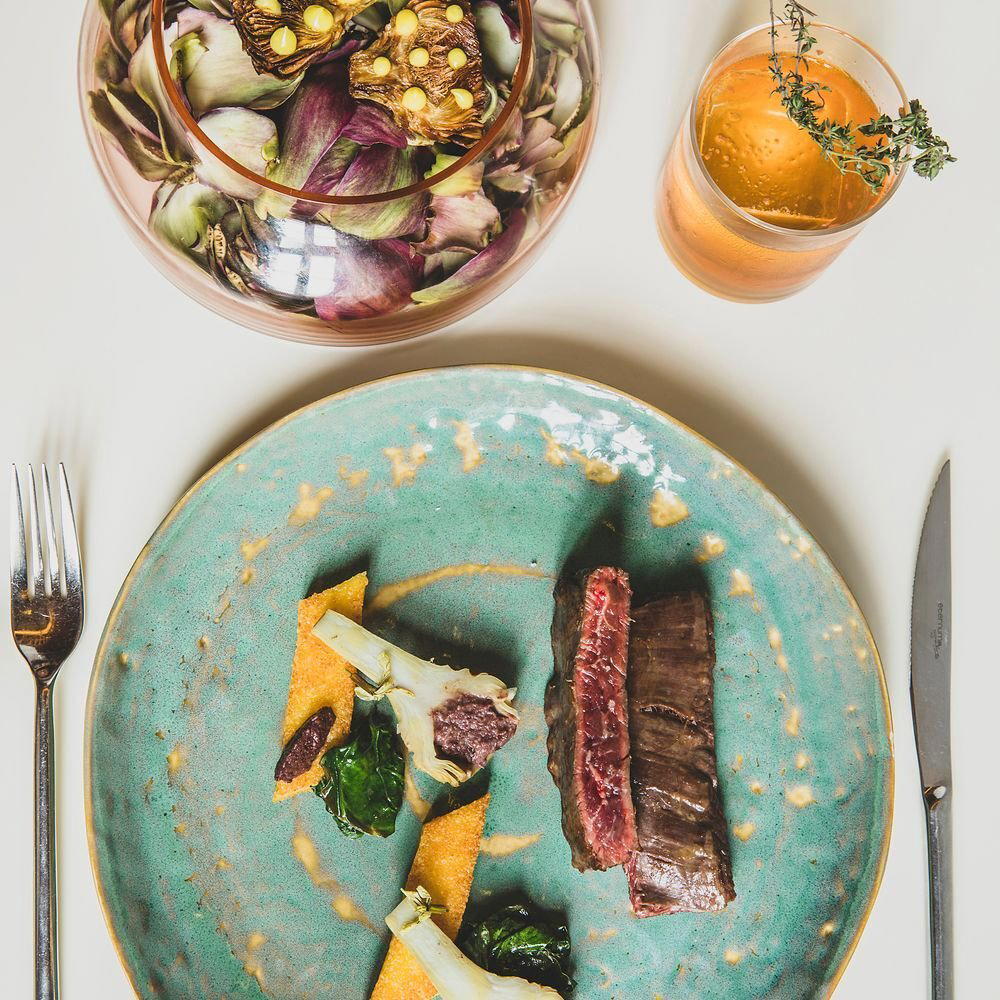
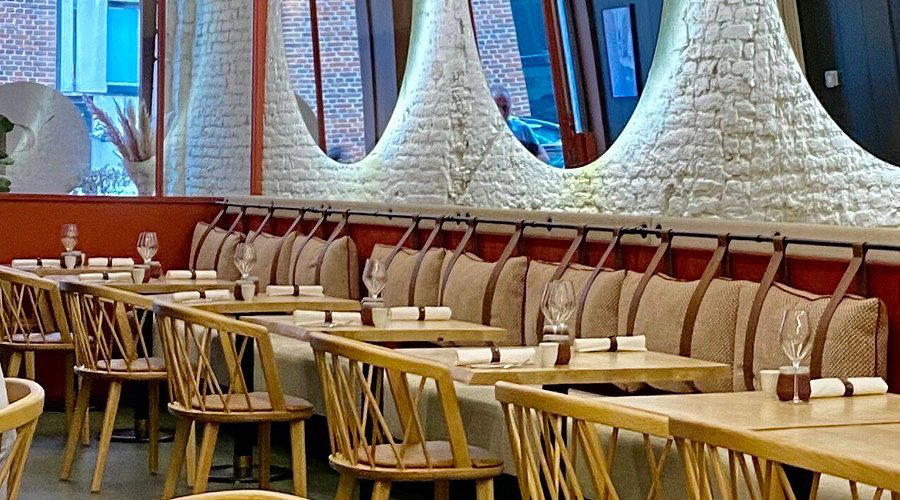
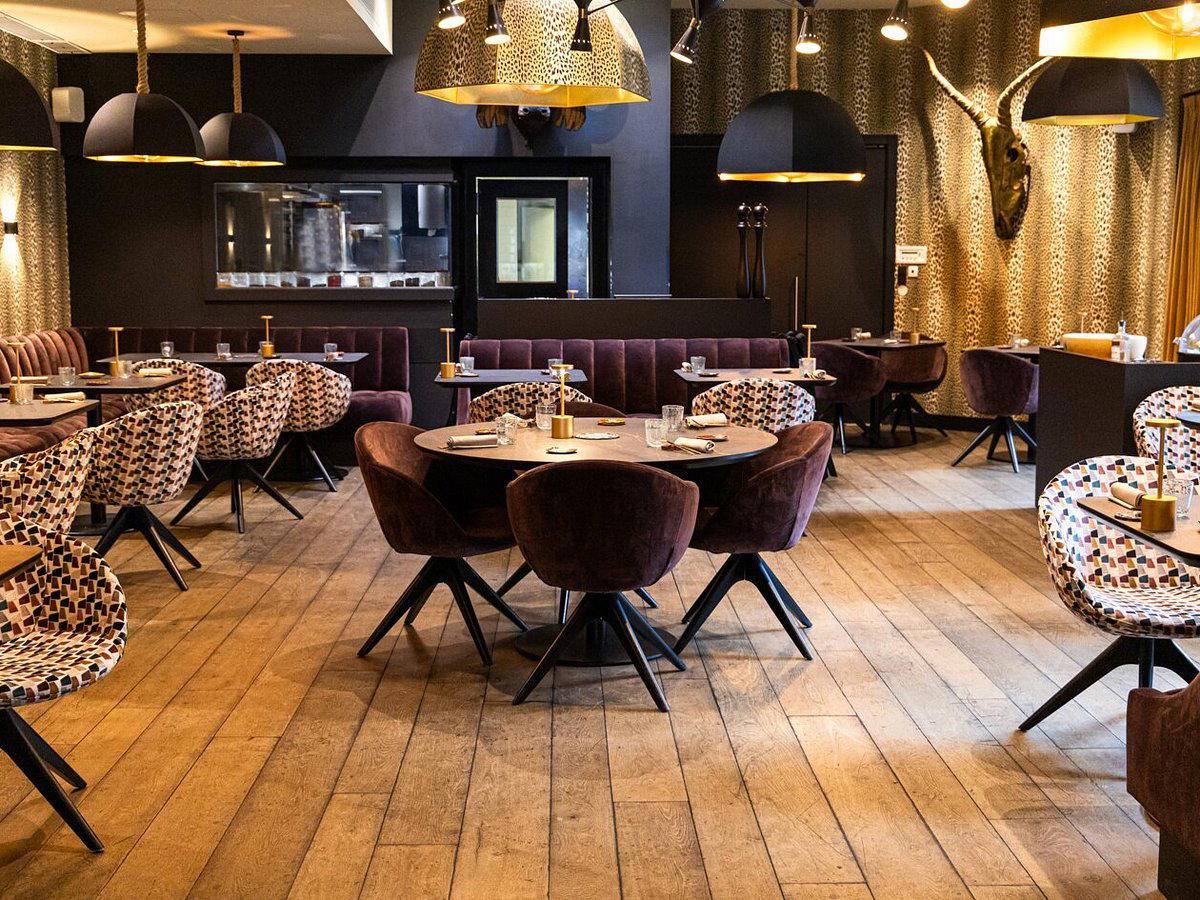
Bars in Lambersart
Browse all →
At a Glance
- Elegant
- Romantic
- Cozy
- Rustic
- Classic
- Date Night
- Business Dinner
- Family
- Celebration
- Special Occasion
- Private Dining
- Garden
- Terrace
- Historic Building
- Local Sourcing
- Garden
Current opening hours
- Monday
- Closed
- Tuesday
- 12–2 PM, 7:30–9:30 PM
- Wednesday
- 12–2 PM, 7:30–9:30 PM
- Thursday
- 12–2 PM, 7:30–9:30 PM
- Friday
- 12–2 PM, 7:30–9:30 PM
- Saturday
- 7:30–9:30 PM
- Sunday
- 12–2 PM
Hours can change for holidays and private events. Last verified .
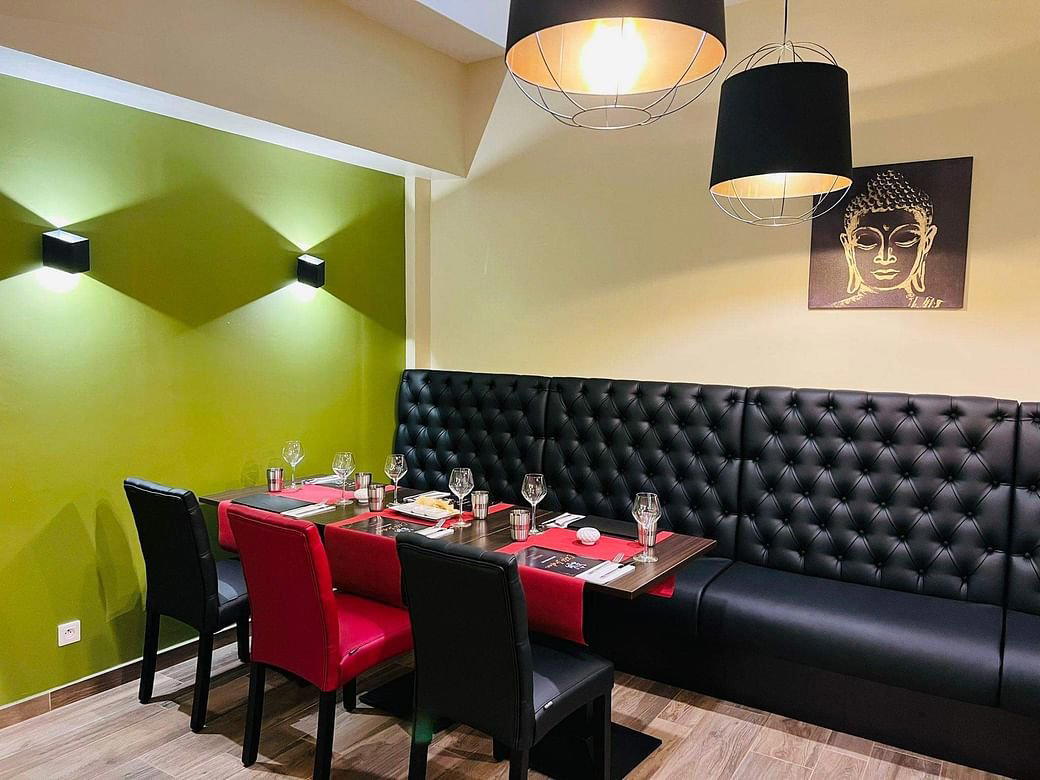
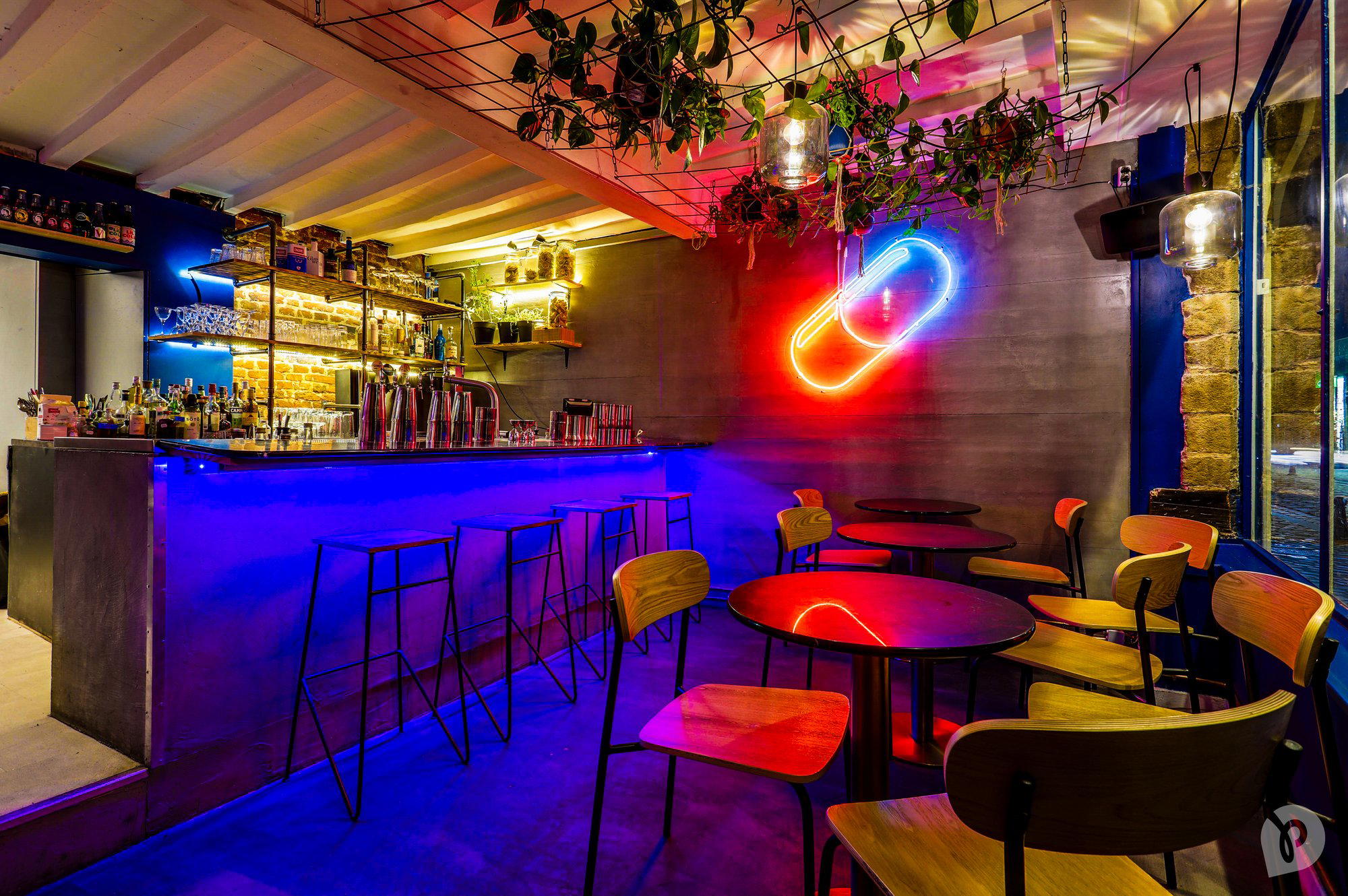
Warm and cozy with high ceilings, exposed wooden beams, and brick accents creating a refined yet welcoming atmosphere; calm and reposing during lunch hours.