
Michelin Plate
Our verdict
La Lune sits in Hangzhou’s Mixc complex, where polished mall dining meets the city’s appetite for refined, destination-level rooms. The address matters: Shangcheng puts it within the commercial corridor rather than the West Lake heritage orbit, making the experience more about controlled interiors, ingredient discipline, and contemporary urban dining than old-city nostalgia.

Pearl is the En Primeur Club membership app, where members save venues, book tables and use the concierge.
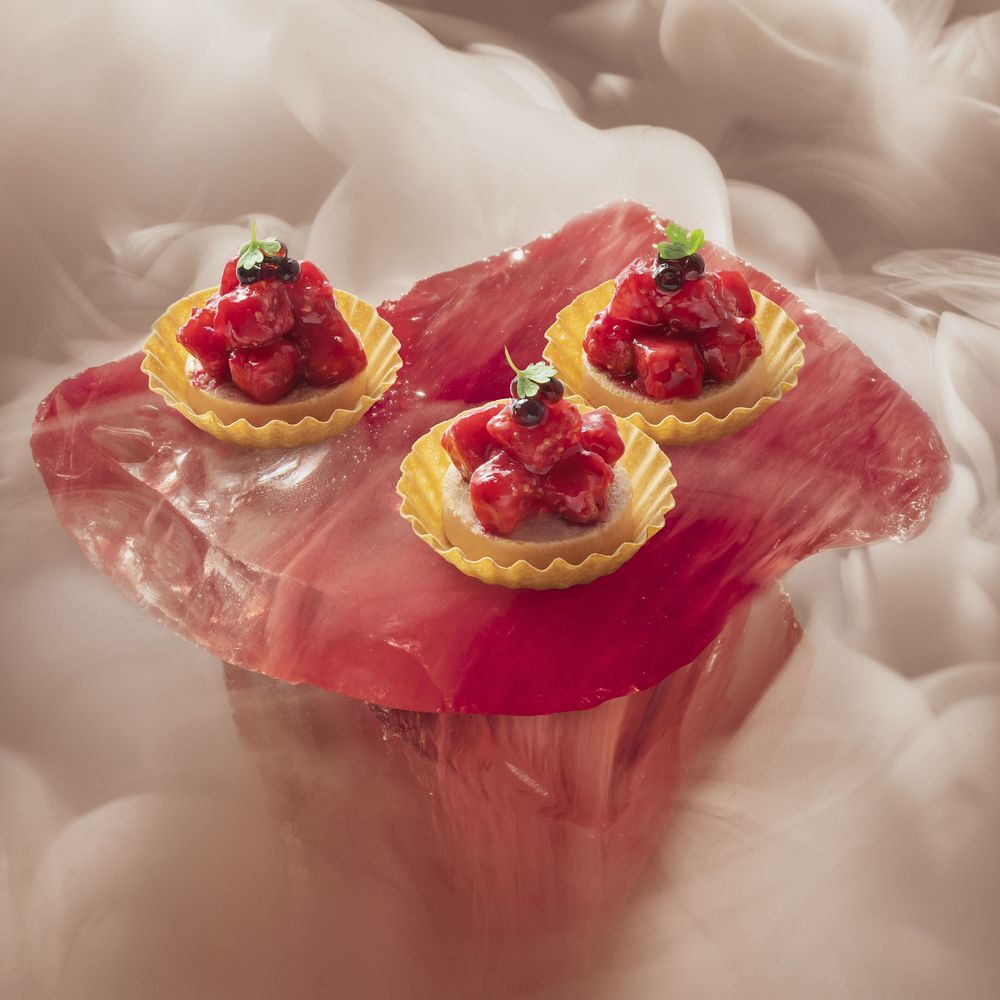
The menu
What to order
- Thinly sliced air-dried beef with Sichuan pepper
- Fusion Chinese dishes mixing regional techniques
La Lune’s first signal is urban and composed rather than postcard-ready: a polished dining room in Hangzhou. The setting places it in a tier of Chinese city dining where pacing, comfort, and service shape the meal as much as the kitchen. Hangzhou has long sold lake views, tea fields, and Jiangnan softness; La Lune reflects a newer urban grammar, with premium dining folded into the contemporary city and judged against other serious rooms in Hangzhou as well as broader Chinese dining expectations.
Ingredient-led Hangzhou dining, away from the postcard version of the city
Hangzhou’s serious dining culture is often read through local produce, tea references, seasonal greens, and the gentle sweetness associated with Jiangnan cooking. The sharper contemporary question is how restaurants handle sourcing without turning every plate into heritage theatre. In this bracket, ingredient quality must carry more than decorative storytelling: produce, texture, and restraint need precision because the local palate notices balance.
La Lune is useful because it does not need to sit in the obvious scenic script. Its Hangzhou setting makes the sourcing conversation contemporary rather than pastoral. The room suggests occasion dining, but the test is whether the kitchen can connect that polish to ingredients with a reason to be in Hangzhou, rather than simply imported luxury signals. In a city where refined dining can lean toward banquet convention or highly designed tasting formats, the better experiences let provenance show through structure: seasonal produce handled cleanly, sauces kept in proportion, and luxury ingredients used as punctuation rather than volume.
The local comparison set is split. Yan Zhu Chao occupies its own lane, while CHIU by Howard, Li’An - Conrad Hangzhou, 与澜, and 宿汐 show the city’s appetite for composed, premium rooms, though each sits in a different hospitality or culinary register. La Lune’s position is less about one cuisine label than how Hangzhou absorbs polished dining formats into the city without losing its preference for balance.
The Hangzhou setting changes the rhythm of the meal
La Lune is not best understood as a lakeside set piece or preserved village compound. Its place in contemporary Hangzhou changes how the restaurant is used. It suits planned dinners, business meals, and controlled evenings where the room carries the occasion. In Hangzhou, where visitors often organize meals around scenery and heritage cues, choosing this kind of address signals a different priority: less scenic symbolism, more contemporary comfort.
That polished setting also pressures the menu. Expensive-feeling rooms can flatten food if the cooking is generic, so sourcing becomes the anchor. In Hangzhou, the kitchen has to speak to season without slogans. Seasonal produce, tea-country associations, and Zhejiang’s softer register give local restaurants material, but premium diners increasingly expect those cues edited rather than paraded. The strongest version is measured: enough luxury to justify the room, enough regional intelligence to avoid interchangeability.
For readers mapping the city, La Lune belongs beside Hangzhou’s polished dining addresses rather than its casual noodle, snack, or teahouse culture. For a wider read, Our full Hangzhou restaurants guide gives the broader frame, while nearby editorial points include other Hangzhou dining rooms across the city. Together, they outline the spread between formal Chinese dining, heritage-inflected settings, and contemporary formats.
How to read La Lune against China's premium dining circuit
Chinese premium dining is no longer a simple opposition between banquet rooms and tasting counters. Major cities now support a middle and upper tier where design-forward rooms, regional sourcing, and international service expectations intersect. Hangzhou’s version is quieter than Shanghai’s and less political than Beijing’s, but has a clear advantage: the region’s ingredients encourage subtlety. The city rewards kitchens that understand freshness, texture, and restraint, especially inside polished rooms where excess can become the default language.
That is why La Lune reads better as part of a dining trend than as an isolated address. The question for travelers is not whether it supplies old Hangzhou atmosphere; it does not primarily trade on that register. The question is whether a contemporary room can deliver a meal anchored to place through sourcing and editing. In Hangzhou, that distinction is live and useful.
Travelers building a fuller itinerary should separate dining from adjacent categories rather than treating the city as one hospitality list. Our full Hangzhou hotels guide is the lodging frame; Our full Hangzhou bars guide covers drinking rooms; Our full Hangzhou wineries guide and Our full Hangzhou experiences guide broaden the trip beyond dinner. For cross-city context, compare Hangzhou’s premium dining scene with other regional Chinese dining cities in broad terms rather than treating any single address as the template. The useful contrast is between grand rooms, compact formats, and kitchens that rely on precision instead of spectacle.
The practical read is concise: La Lune makes sense for diners who want Hangzhou in its contemporary register, not as a lakeside period piece. Its value lies in the tension between a polished room and the city’s quieter ingredient culture. It also carries MICHELIN Plate recognition, giving it a clear role in Hangzhou’s premium dining map.
Frequently asked questions
What kind of recognition has La Lune received?
La Lune has received MICHELIN Plate recognition from the Michelin Guide.
What's La Lune's location?
Hangzhou.
What's the best way to book La Lune?
Start with the venue directly and confirm table availability before going. For a premium dining room in Hangzhou, it is sensible to check the current booking process, opening times, and any seating requirements in advance.
What makes La Lune worth seeking out?
La Lune places a polished premium dining experience within contemporary Hangzhou rather than relying on the city’s postcard scenery. It is best read as part of the city’s modern dining map, with MICHELIN Plate recognition adding useful context.
How does La Lune handle allergies?
The safest approach is to state allergies when arranging the table and repeat them to the service team on arrival. That is standard practice for a premium dining room in Hangzhou.
Can I bring kids to La Lune?
For children, it is sensible to check seating, timing, and any age-related preferences with the venue before booking. La Lune is a premium dining room in Hangzhou, so planning ahead will make the visit smoother.
What's the vibe at La Lune?
Expect a polished, formal-leaning dining room rather than a casual neighbourhood spot. The overall read is contemporary Hangzhou dining with an occasion-ready feel.
Fast Comparison
Comparable venues by cuisine and price in the same metro.
| Venue | Cuisine | Price | Awards | Notes |
|---|---|---|---|---|
| La LuneThis venue (the venue you are viewing) | Contemporary Chinese Fusion | $50–100 | Michelin Plate | Not listed |
| Yan Zhu Chao | Chao Zhou Chinese | Not listed | Michelin Plate | Chao Zhou |
| CHIU by Howard | Modern Chaoshan Fine Dining | $30–50 | Black Pearl 1 Diamond | Not listed |
| Li’An - Conrad Hangzhou | Modern Hangzhou Cuisine | Not listed | Black Pearl 1 Diamond | Not listed |
Recognition history
Dated appearances from independent guides and award organizations, with the underlying list record or original source where available.
Michelin Plate
Michelin
Continue exploring
More in Hangzhou
Restaurants in Hangzhou
All restaurants in Hangzhou →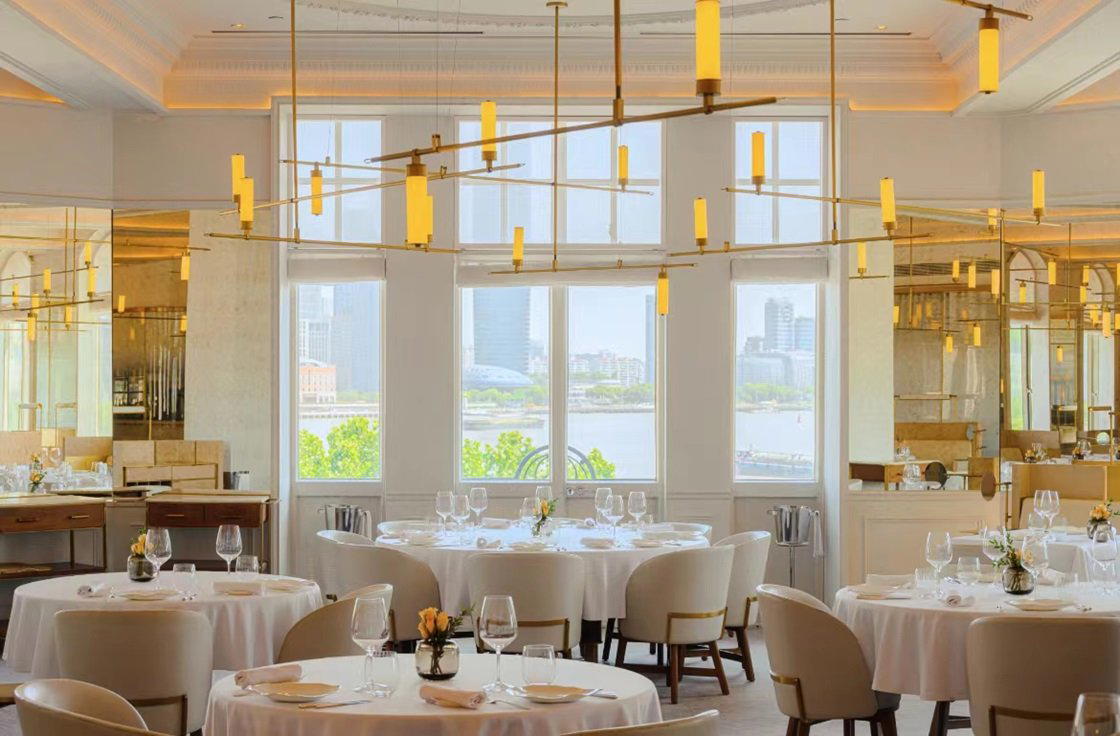
Bars in Hangzhou
All bars in Hangzhou →
Details
- Modern
- Elegant
- Sophisticated
- Cozy
- Date Night
- Business Dinner
- Special Occasion
- Group Dining
- Design Destination
- Standalone
- Extensive Wine List
- A La Carte
- Set Menu
- Wine
- Cocktails
- Tea
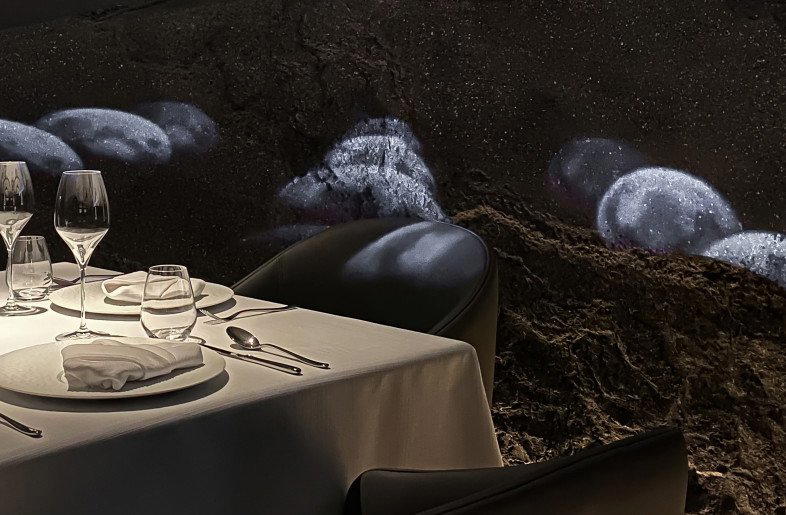
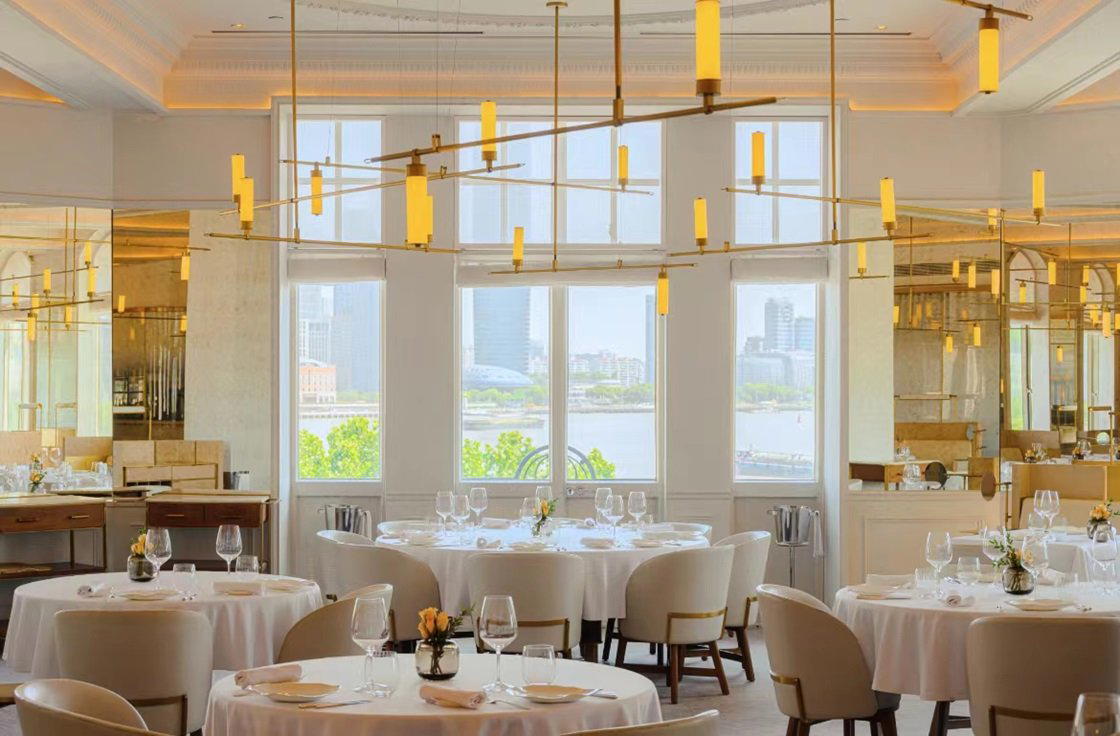
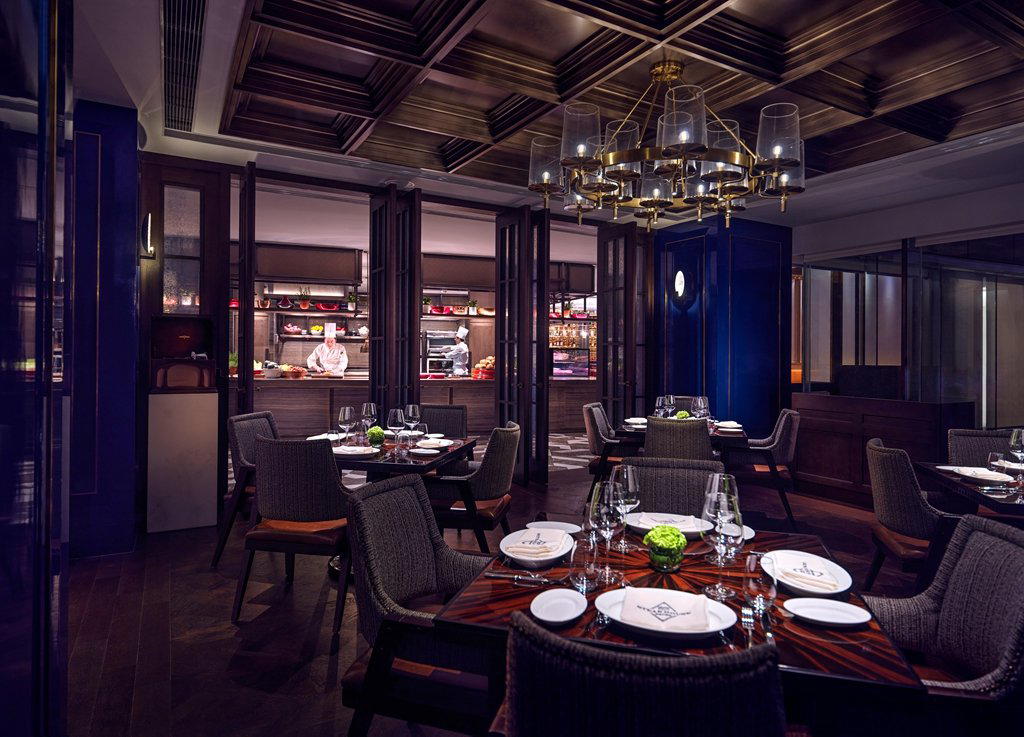
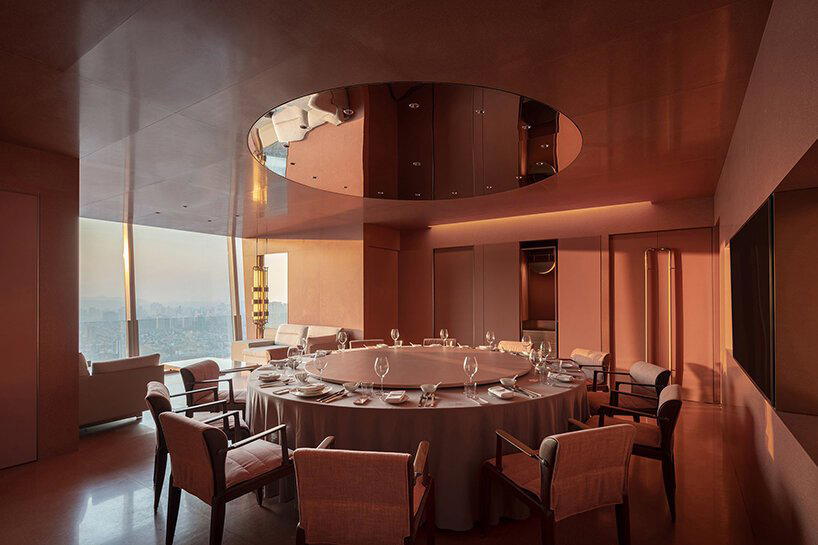
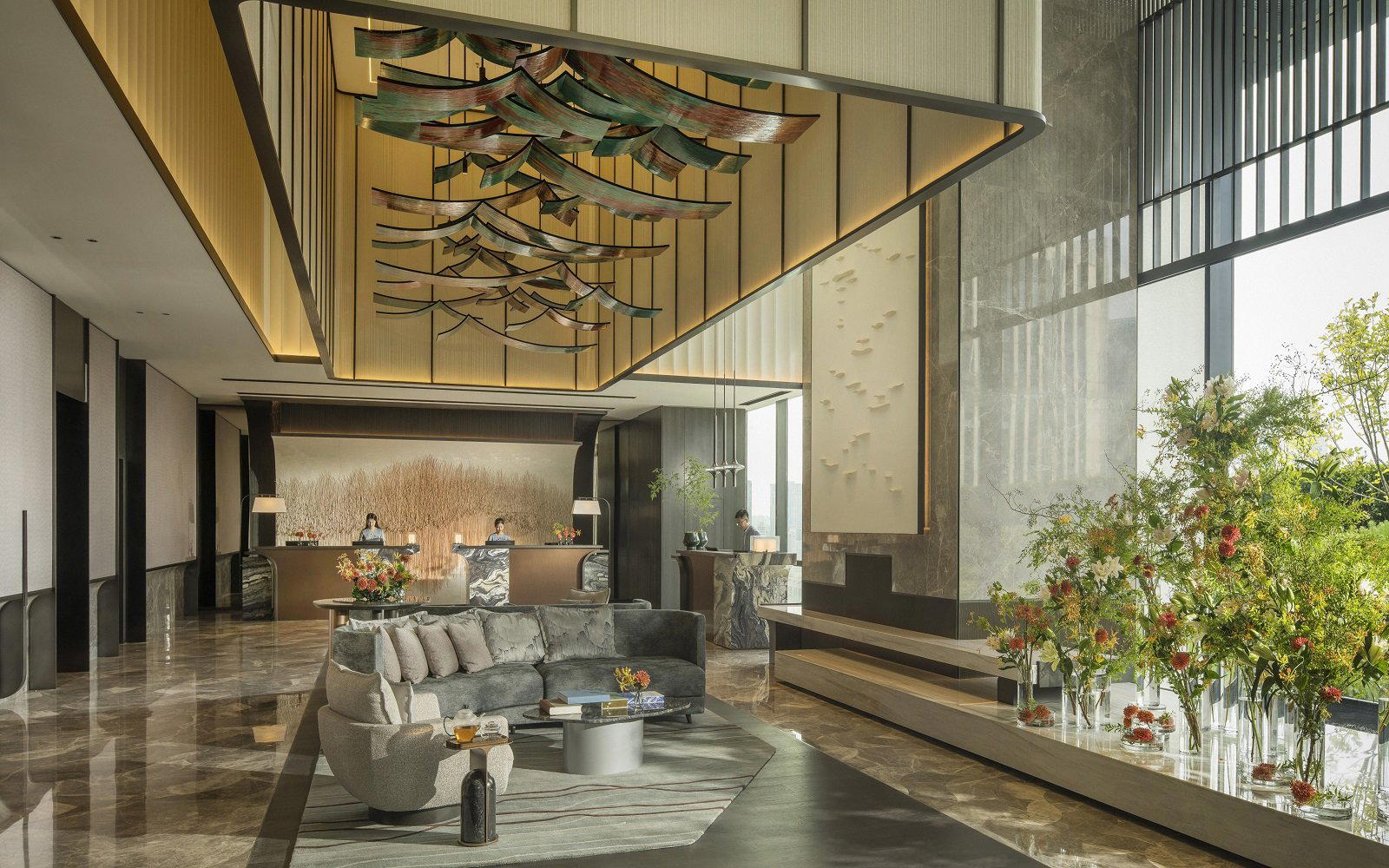
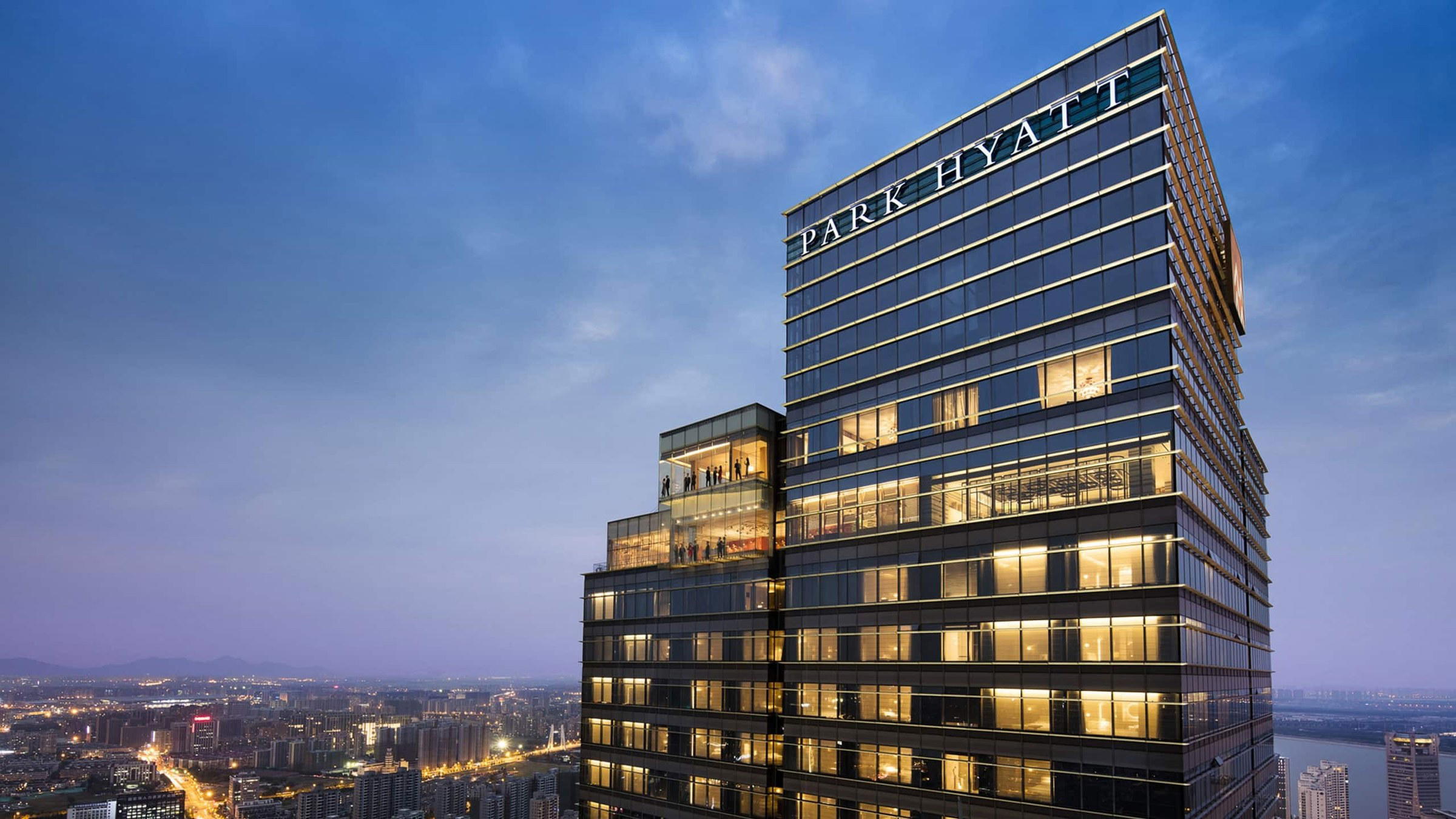
Located on an upper floor of a modern luxury mall, the dining room is polished and contemporary with a refined, quietly upscale atmosphere suited to relaxed business meals and special-occasion dinners rather than a loud, high-energy scene.