Our verdict
La Lanterna di Diogene sits in Solara di Bomporto, a quiet agricultural stretch of the Modena province where the Po Valley's flatlands have fed serious cooking for centuries. The address alone places it inside one of Italy's most ingredient-dense regions, neighbour to the traditions that built aceto balsamico, Parmigiano-Reggiano, and Lambrusco into global reference points. For those tracing the source of Emilian cooking, this is the kind of address worth investigating.

Pearl is the En Primeur Club membership app, where members save venues, book tables and use the concierge.
The menu
What to order
- Tortelloni di ricotta di capra e ortiche
- Tagliatelle al ragù
- Squash blossom frittata with aged balsamic vinegar
Where the Po Valley Sets the Agenda
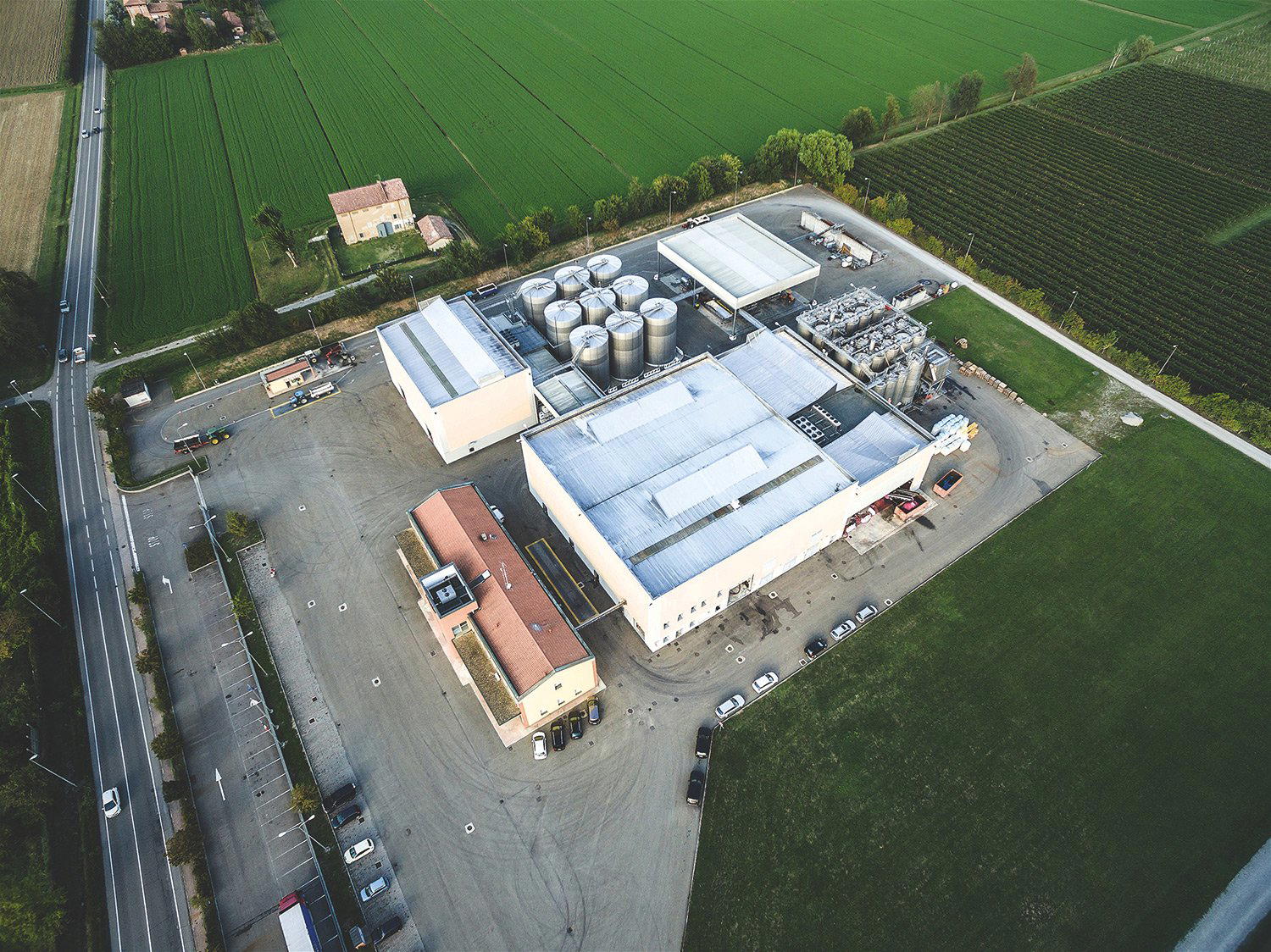
The road into Solara di Bomporto runs flat and straight through agricultural land that has been producing food of consequence since the medieval period. There are no dramatic approaches here, no hilltop silhouettes or vineyard terraces. What the landscape offers instead is density: orchards, small holdings, and the kind of soil conditions that explain why the Modena province became shorthand for Italian ingredient excellence long before any restaurant in the region collected an award. La Lanterna di Diogene occupies this world. Its address on Via Argine, a road that follows the old embankment lines of the local waterways, is itself a statement about proximity to primary produce.
This is the context that shapes serious dining in the Modena hinterland. The restaurants here do not truck ingredients from distant suppliers; the supply chain is often measured in kilometres rather than regions. That geographic reality has produced a cooking culture in which the sourcing argument is almost redundant, because the sourcing was never in question. What differentiates one kitchen from another in this part of Emilia-Romagna is what the cook chooses to do with material that arrives at peak condition by default.
The Emilian Ingredient Tradition
To understand why a restaurant in Bomporto carries weight, it helps to map the ingredient infrastructure surrounding it. Within a short drive, producers are ageing Parmigiano-Reggiano in purpose-built cellars, curing Prosciutto di Modena under DOP protocols, and producing aceto balsamico tradizionale through a minimum twelve-year process that turns cooked grape must into something closer to a condiment than a vinegar. Lambrusco, once dismissed outside Italy as a sweet export product, has been rehabilitated by small-scale producers working the same flatland vineyards that supplied Emilian tables for generations.
This is the ingredient environment that restaurants in the province inherit. The comparison point is not other Italian regions but other cuisines worldwide that draw on equally codified raw material traditions. In France's Bresse or Japan's Kyoto, the sourcing heritage shapes the cooking even when individual kitchens reinvent the format. The Po Valley operates on the same logic. A kitchen in Solara di Bomporto can call on a depth of local material that most urban restaurants spend considerable effort and money attempting to replicate.
The broader Italian restaurant scene has bifurcated over the past decade between high-concept progressives, represented by addresses like Osteria Francescana in Modena and Reale in Castel di Sangro, and kitchens that treat the same ingredients with a more restrained hand, prioritising the product over the transformation. Rural Emilia has historically leaned toward the latter. The ingredient is the point; the technique is the vehicle.
Placing La Lanterna di Diogene in the Regional Picture
Bomporto sits outside the circuit of Modena city proper, which means diners arriving here are typically making a deliberate choice rather than slotting the address into a wider urban evening. That self-selecting quality tends to produce a particular kind of room: attentive, locally rooted, less performance-oriented than city counterparts. The trattoria tradition of rural Emilia-Romagna is one of Italy's most durable hospitality formats, and addresses in agricultural communes like Bomporto have sustained it in ways that urban expansion has made harder in Modena itself.
Against the backdrop of the region's higher-profile names, the countryside surrounding Bomporto offers a different register. Kitchens like Dal Pescatore in Runate show how rural Italian restaurants operating on serious ingredient sourcing can build reputations that outlast trends. The same principle applies across northern Italy, from Le Calandre in Rubano to Villa Crespi in Orta San Giulio: sourcing discipline and a defined relationship with place are the foundations on which longevity is built.
Within the wider Italian fine dining conversation, coastal kitchens such as Uliassi in Senigallia and Quattro Passi in Marina del Cantone draw on seafood terroir with similar intensity. The inland equivalent, in a province like Modena, substitutes cured meat, aged cheese, and fermented condiments for the sea's offer. Neither is the lesser tradition; they are parallel expressions of Italy's fundamental commitment to cooking from place.
For readers building a broader Italian itinerary, the contrast between Emilian countryside cooking and the formal grandeur of places like La Pergola in Rome or Enoteca Pinchiorri in Florence is instructive. The north Italian countryside operates by different values: informality over ceremony, the product over the plate architecture, and a kitchen confidence that comes from not needing to prove anything to a cosmopolitan audience.
Planning a Visit to Solara di Bomporto
Solara di Bomporto is most practically reached by car from Modena, which sits roughly fifteen kilometres to the south. The surrounding area rewards an unhurried approach: the drives through the Po Valley flatlands, past cooperative cheese facilities and small holdings, are themselves part of understanding what ends up on the plate. Spring and autumn tend to be the seasons when Emilian produce is at its most various, with the former bringing fresh greens and the latter delivering game, mushrooms, and the harvest period for balsamic production. Our full Bomporto restaurants guide covers the wider local context for planning a day or evening in the area.
Readers with appetite for the broader northern Italian scene will find useful comparators in Piazza Duomo in Alba, Atelier Moessmer Norbert Niederkofler in Brunico, and Enrico Bartolini in Milan, all of which sit in the northern Italian tradition while representing distinct regional ingredient logics. For those travelling further, international reference points like Le Bernardin in New York City and Lazy Bear in San Francisco demonstrate how sourcing-led kitchen philosophies translate across very different culinary cultures. Closer to home, Da Vittorio in Brusaporto, Gambero Rosso in Marina di Gioiosa Ionica, and Casa Perbellini 12 Apostoli in Verona round out the picture of Italian kitchens working from strong regional foundations.
Frequently asked questions
Is La Lanterna di Diogene okay with children?
The restaurant is located in Solara di Bomporto, a rural agricultural village outside Modena's city circuit, which tends to attract deliberate, adult-led dining parties rather than casual family outings.
Is La Lanterna di Diogene better for a quiet night or a lively one?
Given its address on Via Argine in Solara di Bomporto, a flat agricultural stretch well outside Modena proper, the setting is more aligned with a focused, unhurried evening than a high-energy social one. Diners who make the fifteen-kilometre drive from Modena are typically doing so with purpose, which shapes the room's tone accordingly.
Why do diners travel specifically to Solara di Bomporto for La Lanterna di Diogene rather than eating in Modena city?
Bomporto sits outside Modena's main restaurant circuit, which means a visit to La Lanterna di Diogene on Via Argine is a deliberate decision rather than an opportunistic one. The restaurant draws from one of Italy's most productive agricultural zones, the Po Valley land surrounding it has been producing food of consequence since the medieval period. For diners willing to cover the roughly fifteen kilometres from Modena by car, that agricultural proximity to Emilia-Romagna's core ingredients is the reason to make the trip.
What's the signature dish at La Lanterna di Diogene?
No specific dishes are documented in the public record for La Lanterna di Diogene. What is clear from its location is that the surrounding Modena province supplies some of Italy's most consequential ingredients, Parmigiano-Reggiano, aged balsamic, and locally produced pork, making the regional larder the most reliable guide to what appears on the plate.
In Context: Similar Options
| Venue | Cuisine | Price | Awards | Notes |
|---|---|---|---|---|
| La Lanterna di DiogeneThis venue (the venue you are viewing) | Traditional Emilian Farm-to-Table | $20–30 | Not listed | Not listed |
| Atelier Moessmer Norbert Niederkofler | Modern Alpine Fine Dining | $300–500 | 3 Michelin Stars · World's 50 Best #38 | Italian, Creative |
| Dal Pescatore | Classic Italian Fine Dining | $200–300 | 3 Michelin Stars · World's 50 Best #38 | Italian, Italian Contemporary |
| Quattro Passi | Modern Mediterranean Fine Dining | $300–500 | 3 Michelin Stars · World's 50 Best #38 | Italian, Mediterranean Cuisine |
| Reale | Modern Italian Fine Dining | $200–300 | 3 Michelin Stars · World's 50 Best #27 | Progressive Italian, Modern Cuisine |
| Uliassi | Modern Adriatic Italian Fine Dining | $300–500 | 3 Michelin Stars · World's 50 Best #51 | Italian Seafood - Marche, Creative |
Continue exploring
More in Bomporto
Restaurants in Bomporto
All restaurants in Bomporto →

Bars in Bomporto
Browse all →

Details
- Rustic
- Cozy
- Scenic
- Group Dining
- Casual Hangout
- Special Occasion
- Garden
- Open Kitchen
- Standalone
- Extensive Wine List
- Natural Wine
- Farm To Table
- Local Sourcing
- Organic
- Garden
- A La Carte
- Buffet
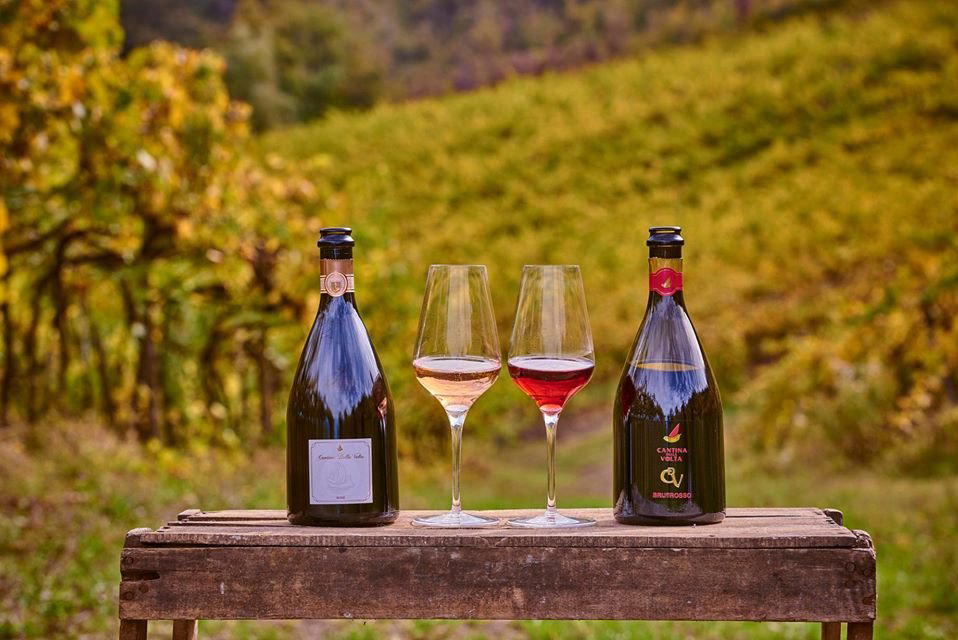
- Lambrusco
- Balsamic Vinegar
- Vegetarian Friendly
- Organic Focus
Current opening hours
- Monday
- Closed
- Tuesday
- Closed
- Wednesday
- Closed
- Thursday
- Closed
- Friday
- 12–3 PM, 7–11:30 PM
- Saturday
- 12–3 PM, 7–11:30 PM
- Sunday
- 12–3 PM
Hours can change for holidays and private events. Hours as of .
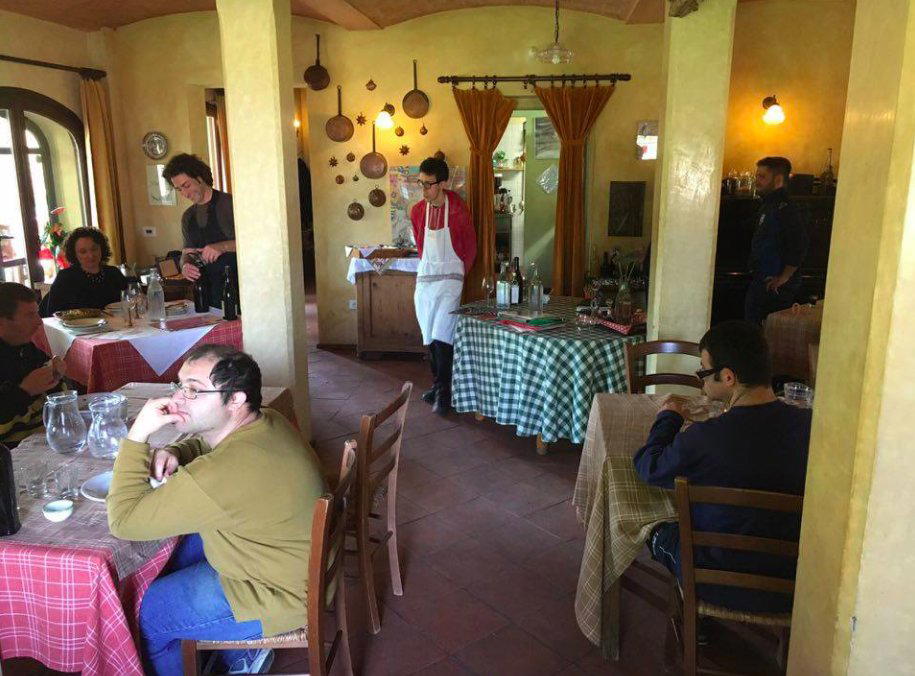
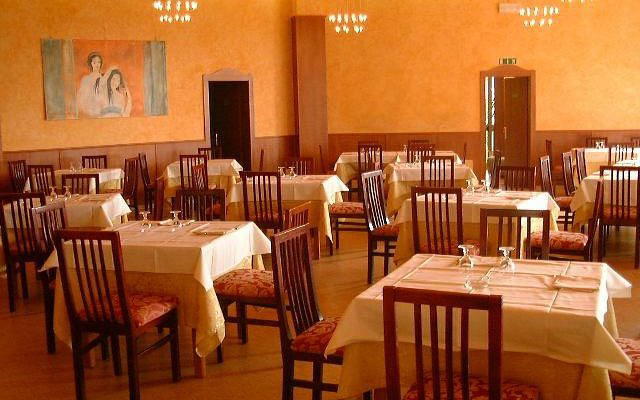
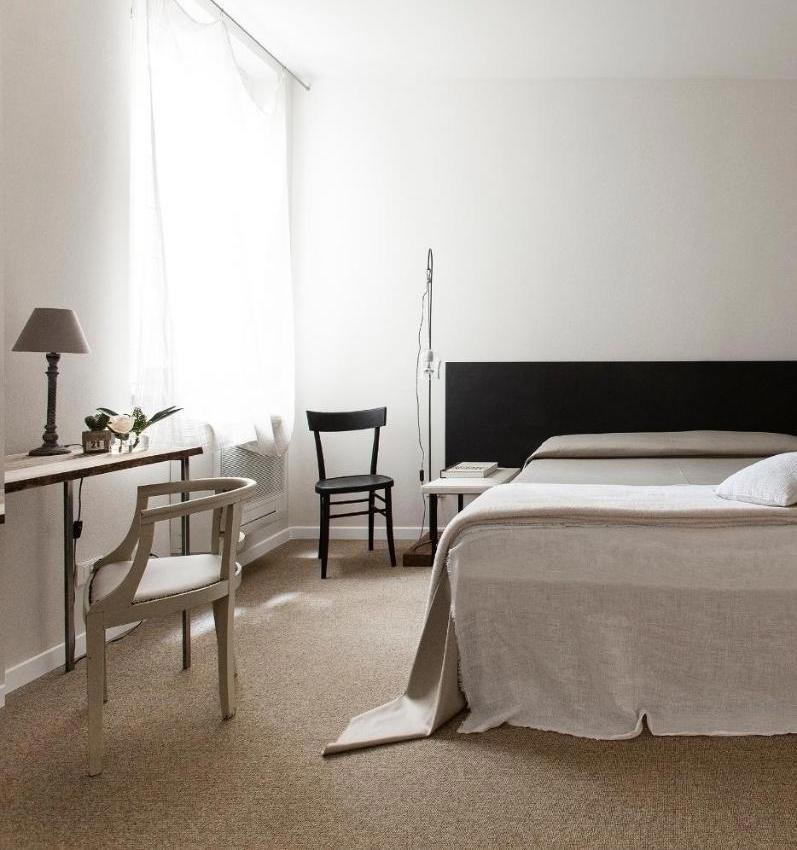
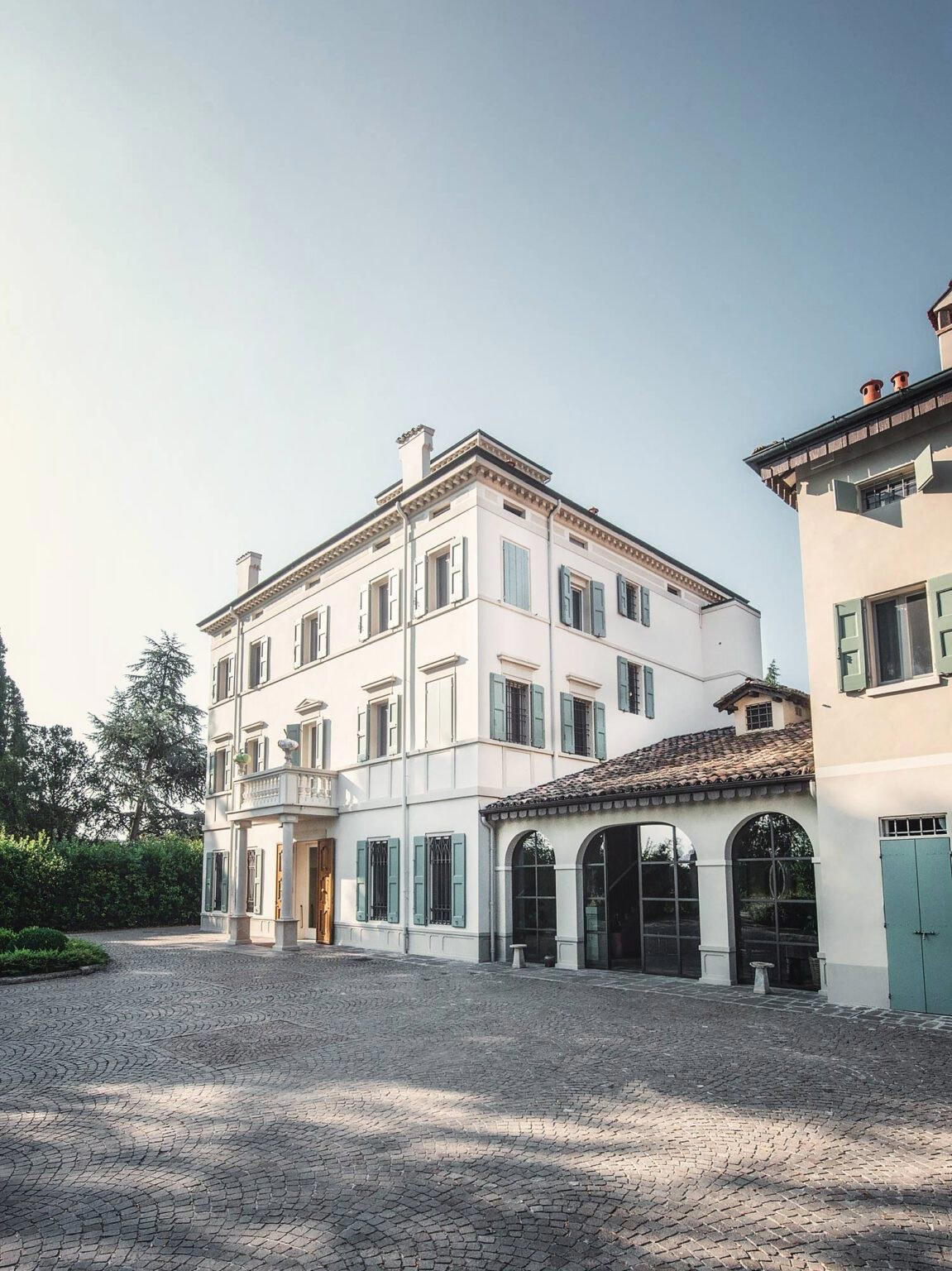
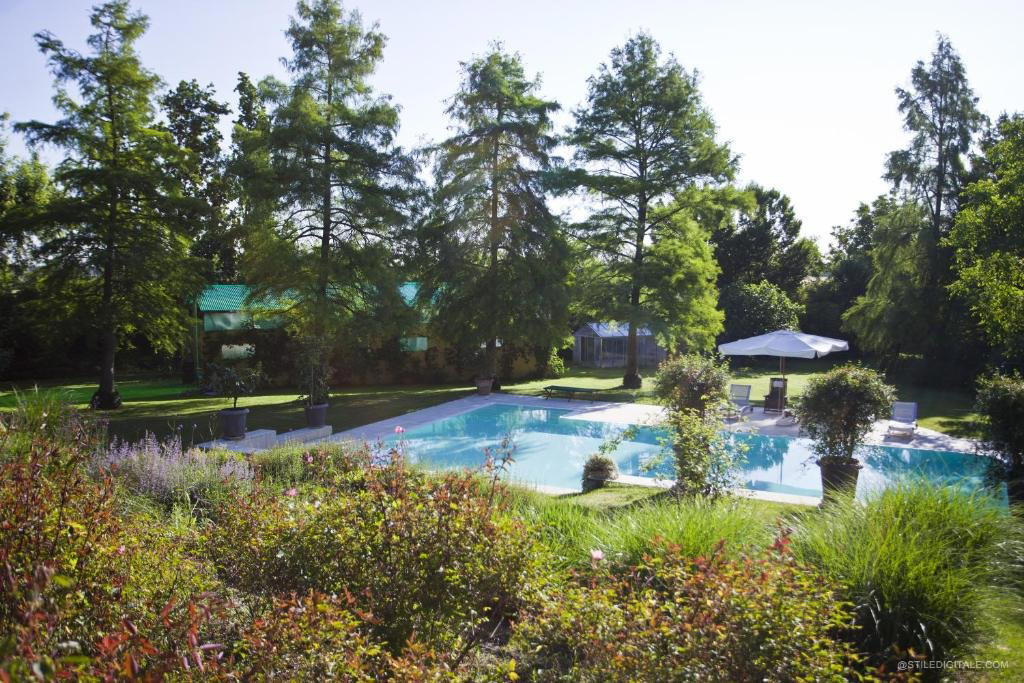
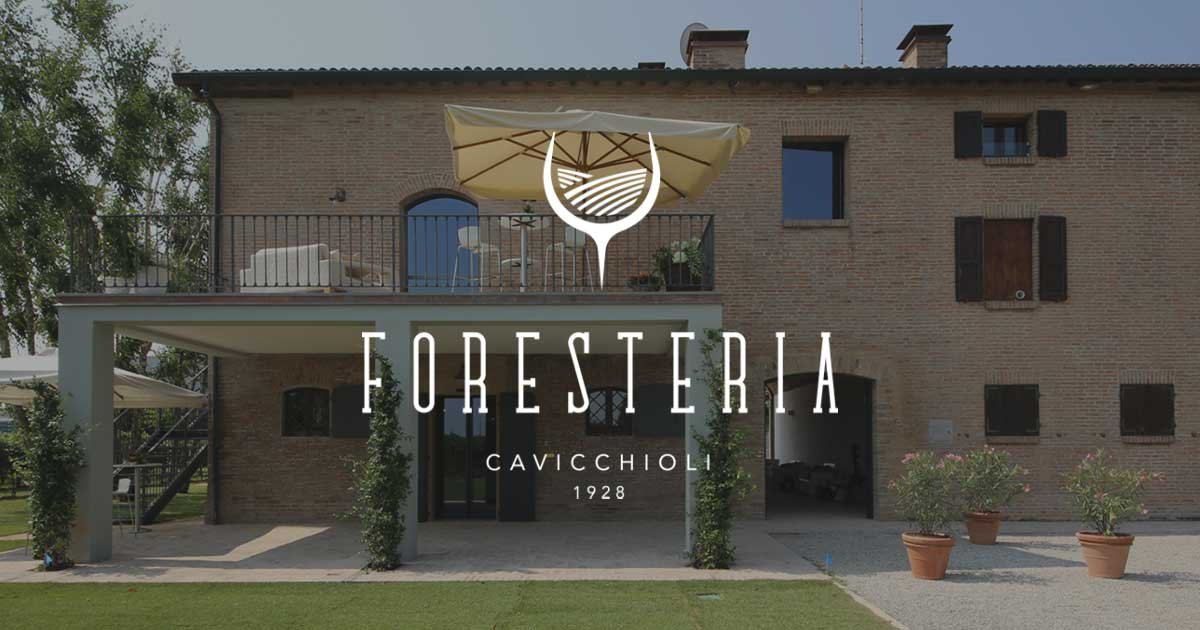
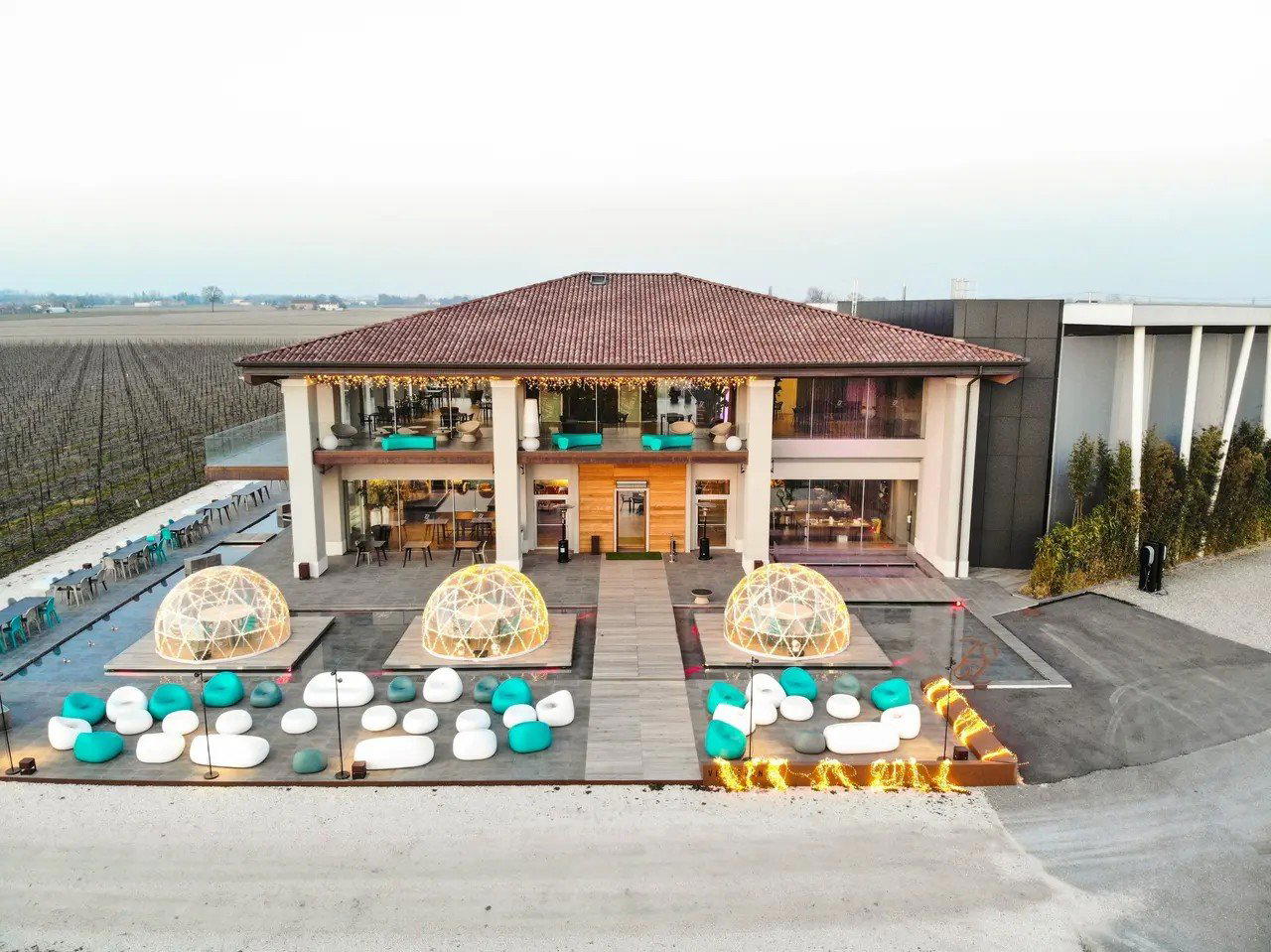
Rustic converted barn setting set on the banks of the Panaro River with views of vegetable gardens and aromatic herb bushes, creating a relaxed and nature-connected dining experience.