L'Atelier de l'Alchimiste
On a quiet lane in Montpellier's historic centre, L'Atelier de l'Alchimiste occupies the kind of address that rewards deliberate visitors. The name alone signals intent: an alchemist's workshop, where transformation is the premise. Set against a city whose restaurant scene ranges from market-driven bistros to ambitious modern tables, this address sits within a concentrated pocket of serious cooking that defines central Montpellier's culinary character.
Pearl is the En Primeur Club membership app — saves, bookings, and concierge access live there. Same editors, same standards.
- Address
- 5 Rue Four des Flammes, 34000 Montpellier, France
- Phone
- +33467609353
- Website
- alchimistemontpellier.fr
- Directions
- Get directions
 Saves & bookings on Pearl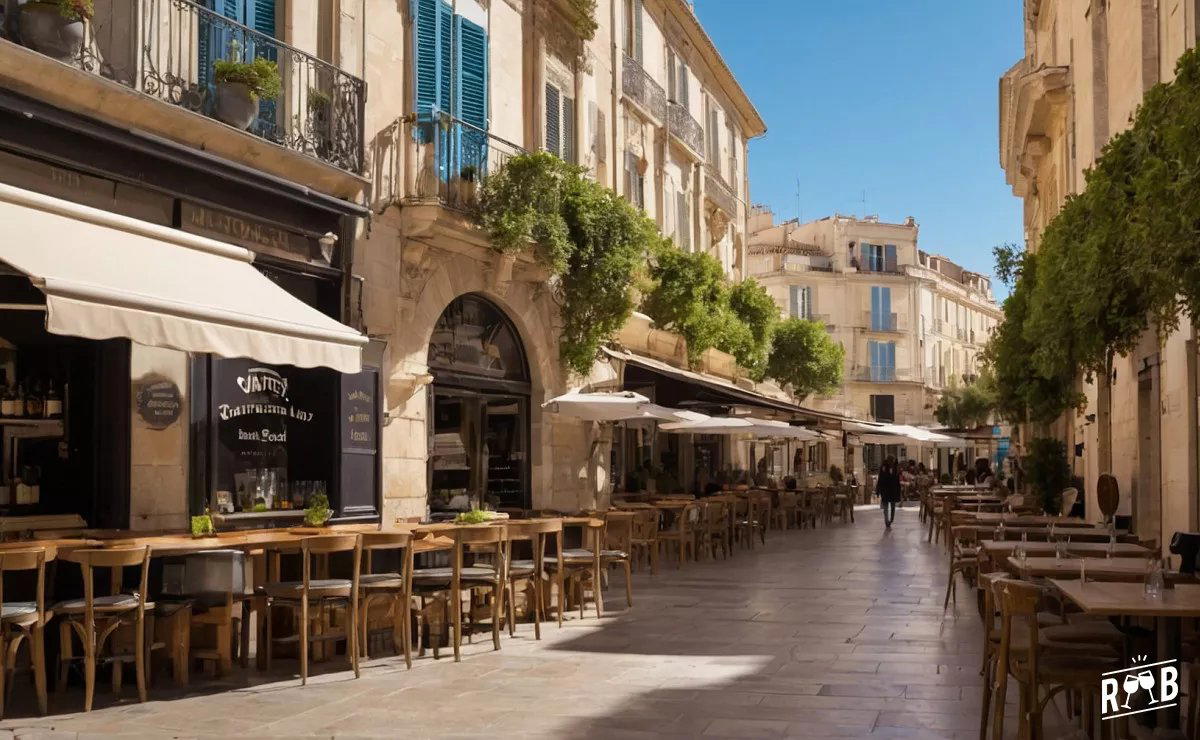
A Street That Sets the Register
L'Atelier de l'Alchimiste is a restaurant in Montpellier, France, serving Modern French Bistronomique at about $40 per person. In the older quarters of Montpellier, where medieval stonework compresses the grid into narrow passages, addresses like this one operate at a remove from the city's more visible dining corridors. That spatial context matters: much of Montpellier's most considered cooking happens in buildings that predate the concept of a restaurant by several centuries, and the physical environment shapes the tone of a meal before anyone has touched a menu. The stone, the quiet, the compressed scale, these are not incidental to the experience. They signal a certain kind of register, one where the cooking is expected to hold its own against surroundings that carry their own weight.
L'Atelier de l'Alchimiste at number 5 occupies this context. The name reads as a statement of method: an atelier implies craft practised incrementally, and an alchemist implies transformation at the ingredient level. In a city where the food culture spans everything from traditional Languedoc taverns to the gastronomic ambition of Jardin des Sens, a name that foregrounds process rather than geography or personality is a deliberate positioning choice.
Languedoc Ingredients and What They Demand
The region surrounding Montpellier is among the more argued-over ingredient territories in southern France. Garrigue herbs, thyme, rosemary, wild fennel, grow across limestone hillsides that also produce the grapes behind some of France's most price-accessible serious wines. The Étang de Thau lagoon, roughly 25 kilometres west of the city, supplies oysters and mussels that appear on tables across the region. The Hérault and Orb rivers drain highlands that carry lamb, game, and freshwater catch into the local supply. And Montpellier's covered market, Les Halles Castellane, concentrates a daily cross-section of that supply into a single navigable space.
This ingredient density creates a particular pressure on any restaurant operating under a concept name rather than a chef's name. When the surrounding territory offers that much raw material of genuine character, the cooking either uses it specifically and honestly, or the gap between premise and plate becomes apparent quickly. The leading kitchens working in this mode, from Bras in Laguiole, where the Aubrac plateau's flora is treated as primary material, to Mirazur in Menton, where the Ligurian microclimate shapes the entire menu logic, have established a template for what it looks like when a kitchen's sourcing decisions are also its editorial decisions. Southern French cooking at its most rigorous follows this pattern: the region does not just supply the pantry, it structures the thinking.
For a restaurant on Rue Four des Flammes, operating under the alchemist framing, this context is both an opportunity and a standard. The transformation the name promises has to start somewhere real, which in Languedoc means garrigue, lagoonal seafood, highland meat, and the seasonal rhythms of a Mediterranean climate that compresses growing seasons and concentrates flavours in ways that Atlantic-facing regions do not replicate.
Where This Address Sits in Montpellier's Dining Tier
Montpellier's restaurant scene has stratified over the past decade in ways that track broader patterns across French provincial cities. At the upper end, Jardin des Sens represents the established gastronomic tier at €€€€ pricing. The middle tier, where most of the city's more interesting cooking now happens, includes Leclère, La Réserve Rimbaud, and Pastis Restaurant, all in the €€€ bracket. Reflet d'Obione pushes the city's creative ambitions further, with a format that draws on coastal Languedoc sourcing in ways that have attracted regional attention.
This middle tier is where productive competition in Montpellier's dining scene plays out. Kitchens at this level share a sourcing territory but differentiate through format, restraint, and the specificity with which they use regional material. The gap between a kitchen that uses local ingredients as a marketing claim and one that builds its menu architecture around them is perceptible at the table, and regular visitors to this tier of the city's restaurants develop a fairly precise sense of which addresses are doing which.
L'Atelier de l'Alchimiste operates within this competitive field. Its address in the historic centre, its concept name, and its position in a city with genuine ingredient depth place it in a comparable set that includes the names above.
The Broader Frame: Transformation as a Culinary Mode
The alchemist framing, taken seriously, implies a cooking mode that goes beyond assembly. In contemporary French provincial cooking, this kind of approach has antecedents in kitchens as different as Flocons de Sel in Megève, where Alpine ingredients are processed through techniques that extract rather than obscure, and AM par Alexandre Mazzia in Marseille, where transformation is so extreme that the source material sometimes becomes unrecognisable. Between those poles sits a wide range of kitchens that use the language of craft to describe what is, at its core, a close relationship between sourcing and preparation.
In Languedoc specifically, the ingredient base supports this kind of approach. Garrigue aromatics, aged Pélardon goat cheese from the Cévennes foothills, tielle sétoise (the spiced octopus pie native to Sète), and the wide spectrum of Languedoc wine appellations from Pic Saint-Loup to Faugères, these are materials with enough character to reward transformation rather than simple presentation. The leading tables in the broader French south, including Troisgros and Auberge de l'Ill at the national level, have long demonstrated that regional specificity and technical ambition are not competing values. They are, in the leading cases, the same value expressed through different means.
Planning a Visit
The restaurant is at 5 Rue Four des Flammes in Montpellier's historic centre, walkable from the Place de la Comédie and the main tram lines that connect central Montpellier to the railway station. Given its position in a neighbourhood of serious restaurants competing for a relatively concentrated pool of reservation slots, booking ahead is advisable, particularly for weekend evenings and during the summer months when Montpellier draws visitors from across the region.
Comparison Snapshot
Comparable venues nearby, for context on price, style, and recognition.
| Venue | Cuisine | Price | Notes |
|---|---|---|---|
| L'Atelier de l'AlchimisteThis venue — the venue you are viewing | Modern French Bistronomique | $$$ | Not listed |
| Angus & Bacchus | French Steakhouse | $$$ | Comédie |
| Le Métropole Oceania | Traditional Southern French Brasserie | $$$ | Comédie |
| MENJIA | Modern French Bistro | $$$$ | Préfecture |
| Thym et Romarin | Vegetable-Centric French Bistro | $$ | Saint-Roch |
| Le Bourdon | Bistronomique French | $$$ | Saint-Roch |
Continue exploring
More in Montpellier
Restaurants in Montpellier
Browse all →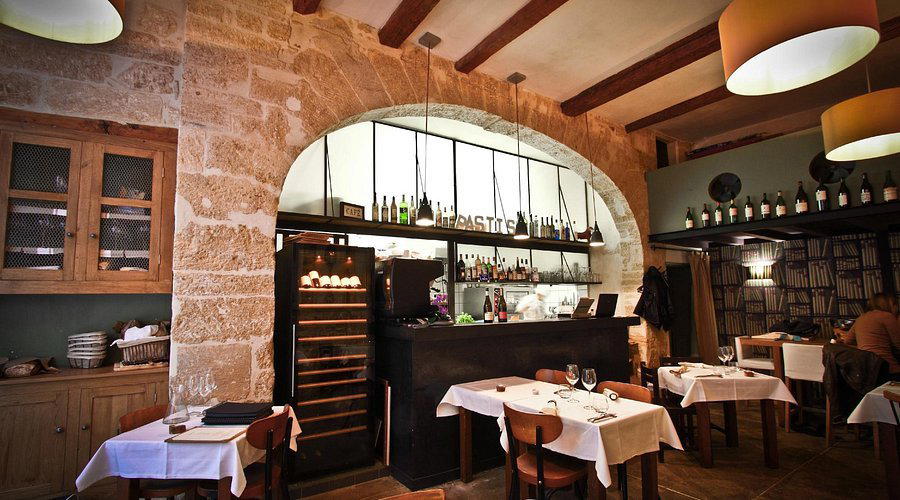
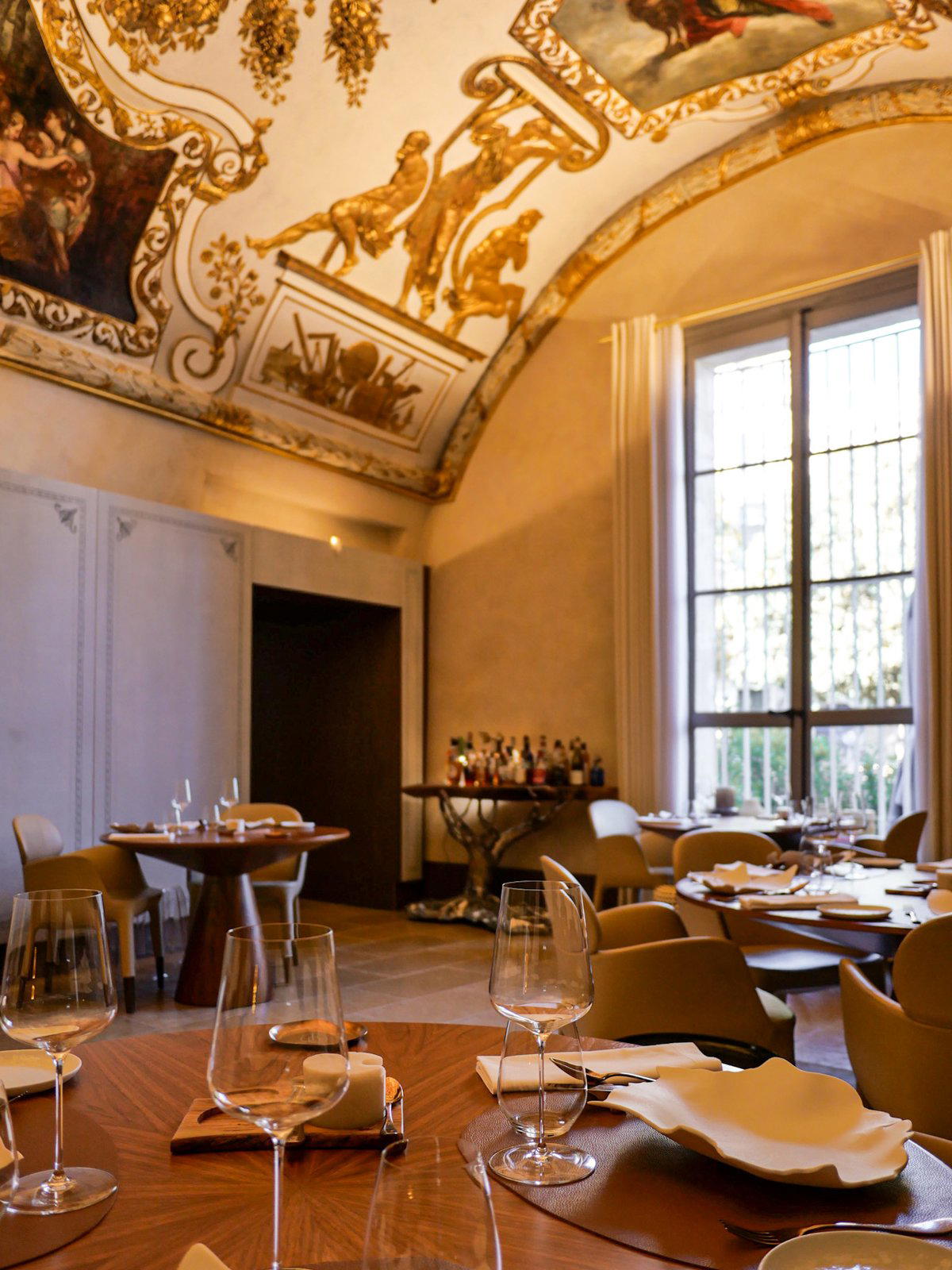
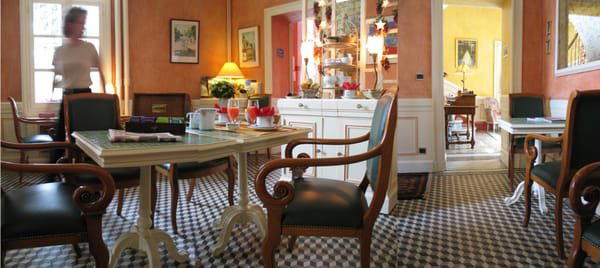
Bars in Montpellier
Browse all →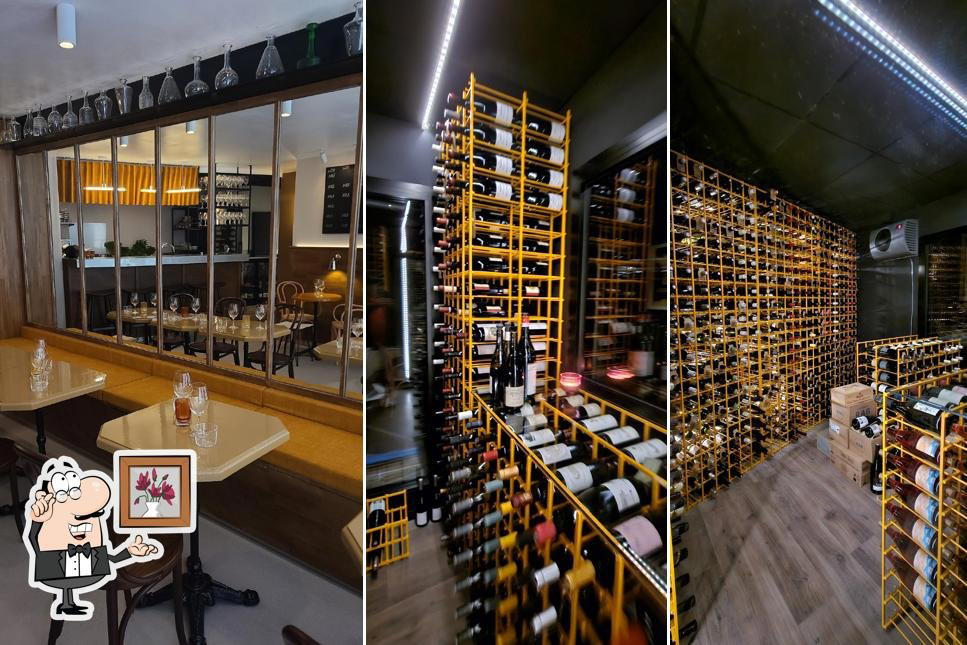
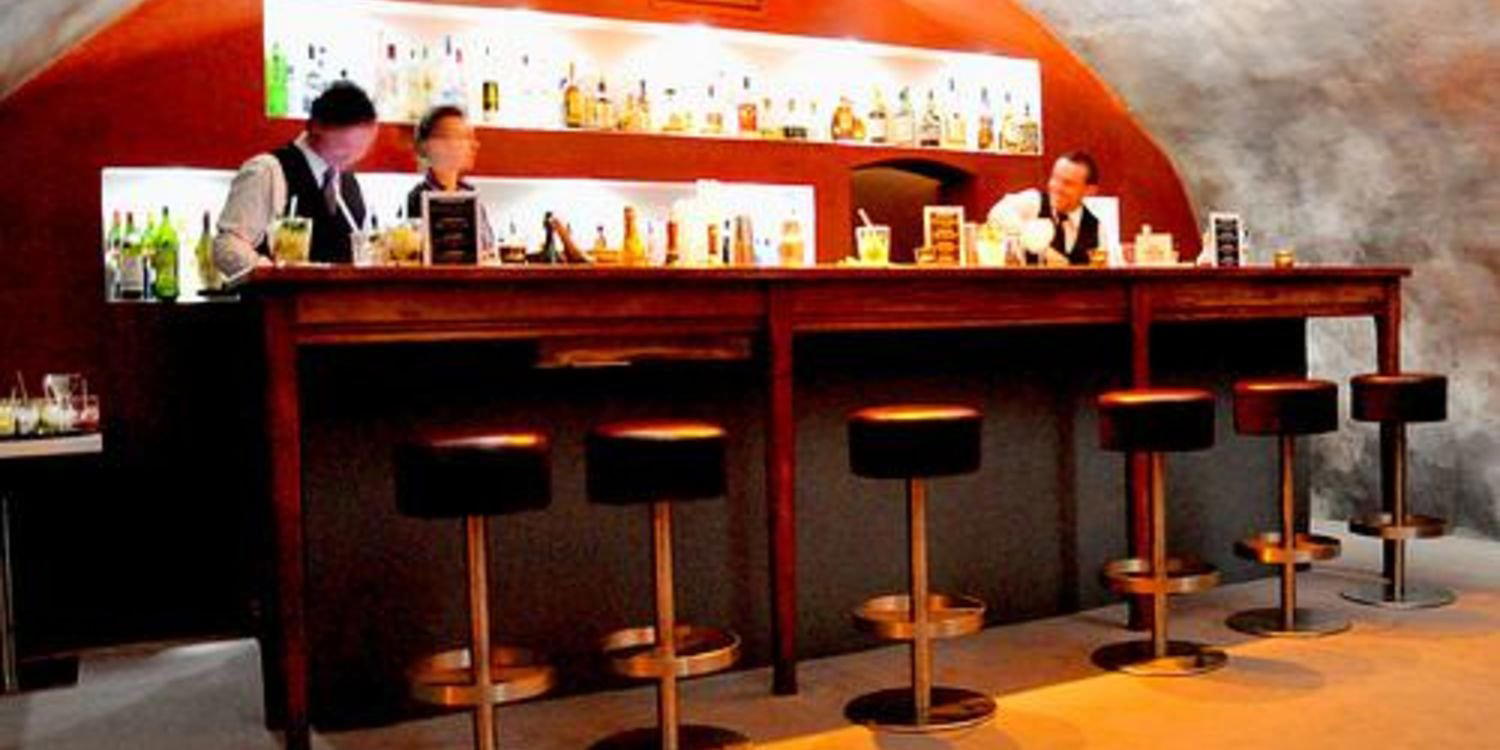
Hotels in Montpellier
Browse all →

At a Glance
- Whimsical
- Cozy
- Modern
- Elegant
- Date Night
- Group Dining
- Special Occasion
- Open Kitchen
- Craft Cocktails
- Local Sourcing
Current opening hours
- Monday
- Closed
- Tuesday
- Closed
- Wednesday
- 6:30–10:30 PM
- Thursday
- 6:30–10:30 PM
- Friday
- 6:30–11 PM
- Saturday
- 6:30–11 PM
- Sunday
- Closed
Hours can change for holidays and private events. Last verified .
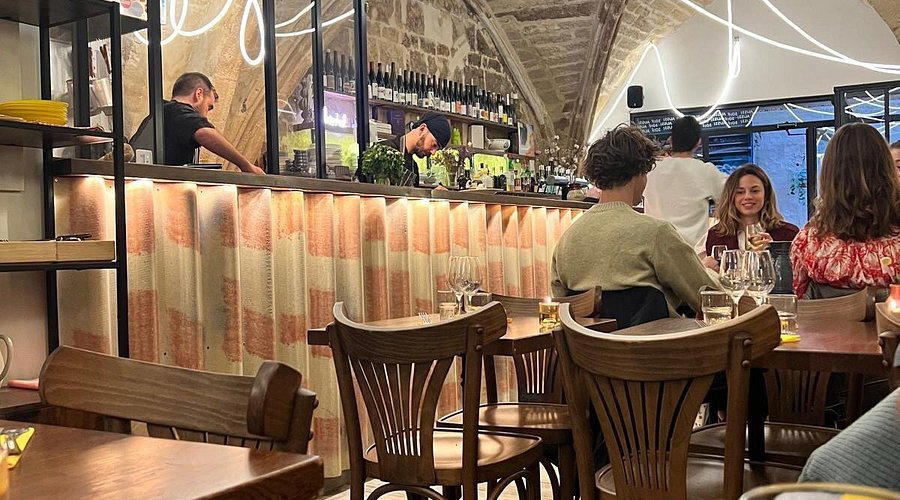
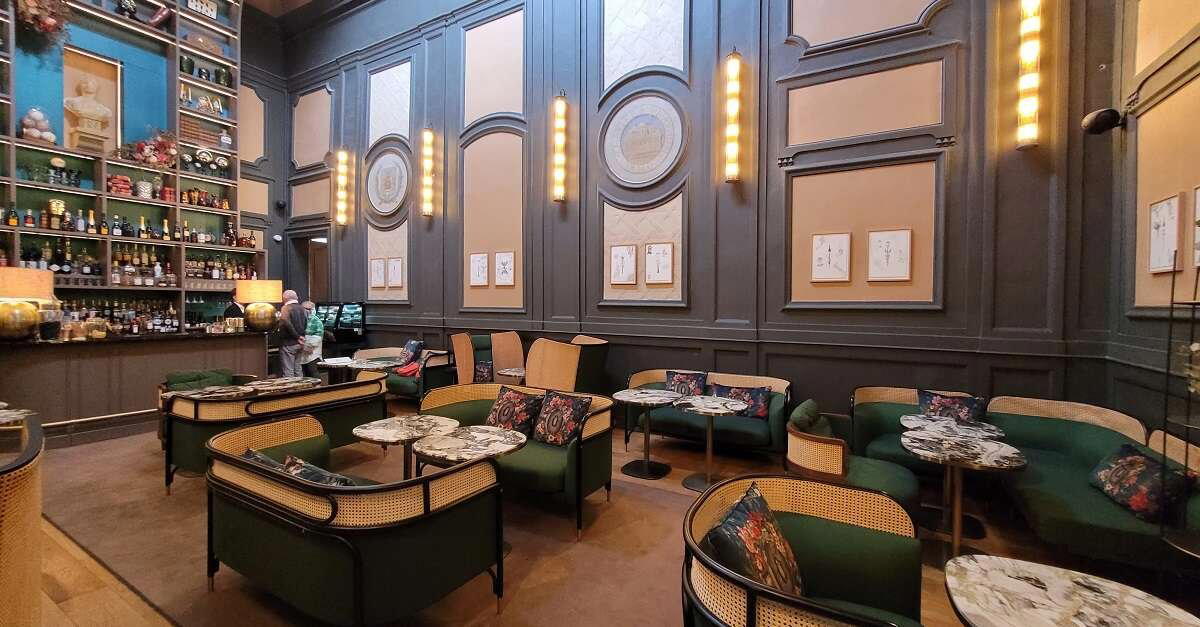
Chaleureuse and convivial atmosphere with elegant decor mixing modernity and tradition, soft lighting, and subdued music.