Google: 4.5 · 571 reviews

A converted wine storehouse at Domaine Riberach in Bélesta, La Coopérative pairs seasonal modern cuisine with estate wines made through agroecological methods. Local small-scale producers supply the kitchen, and the result is a menu that reads as a direct transcript of the Roussillon countryside. Guestrooms are available for those who want to extend the visit into an overnight stay.
 Discover on Pearl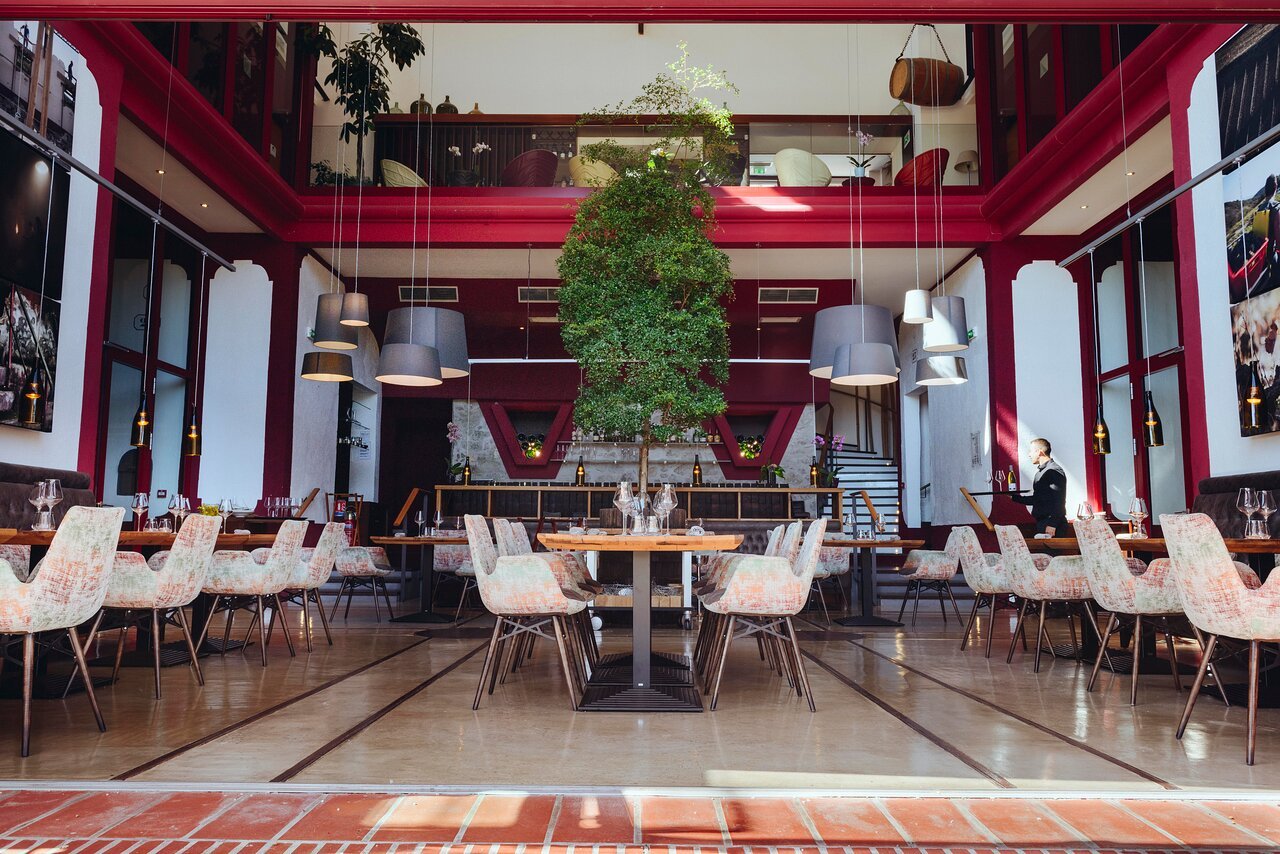
Stone, Metal, and the Roussillon Table
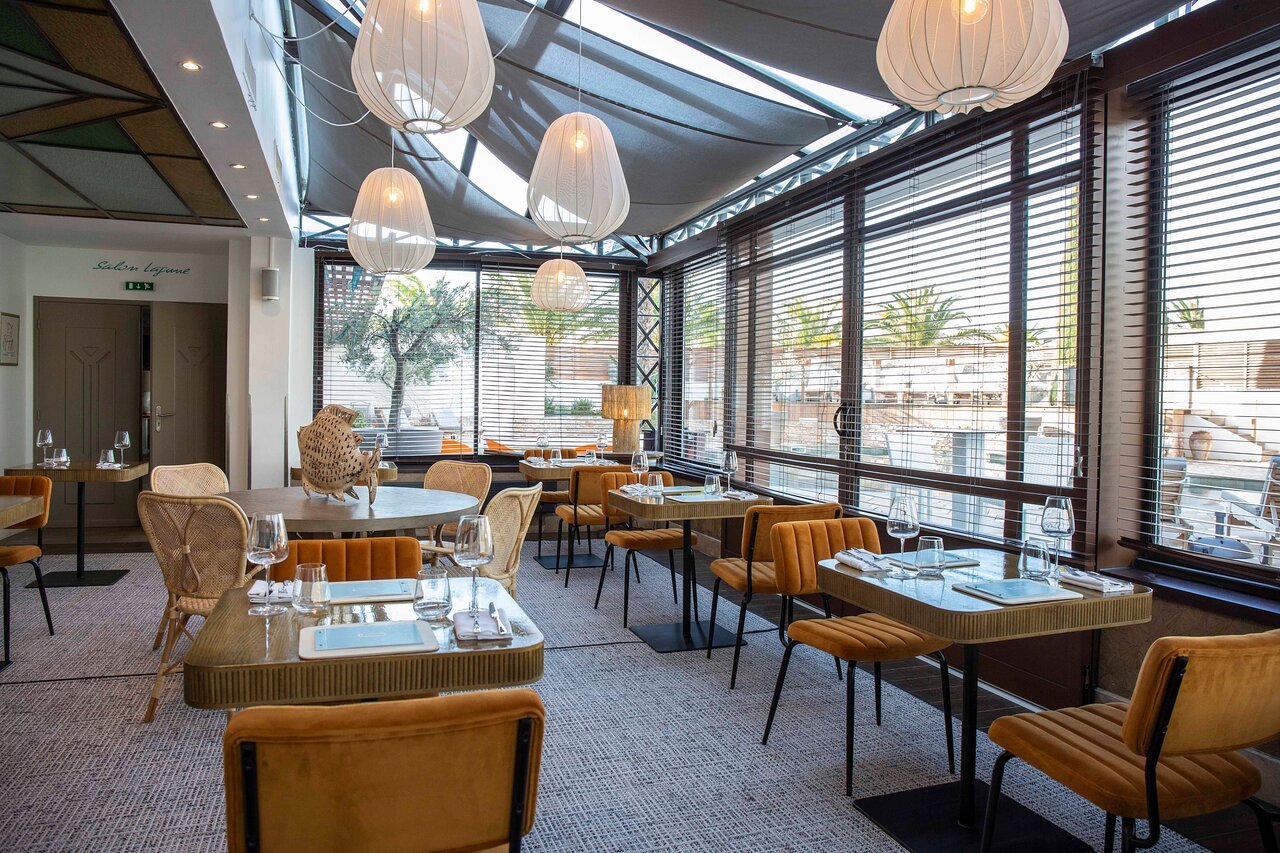
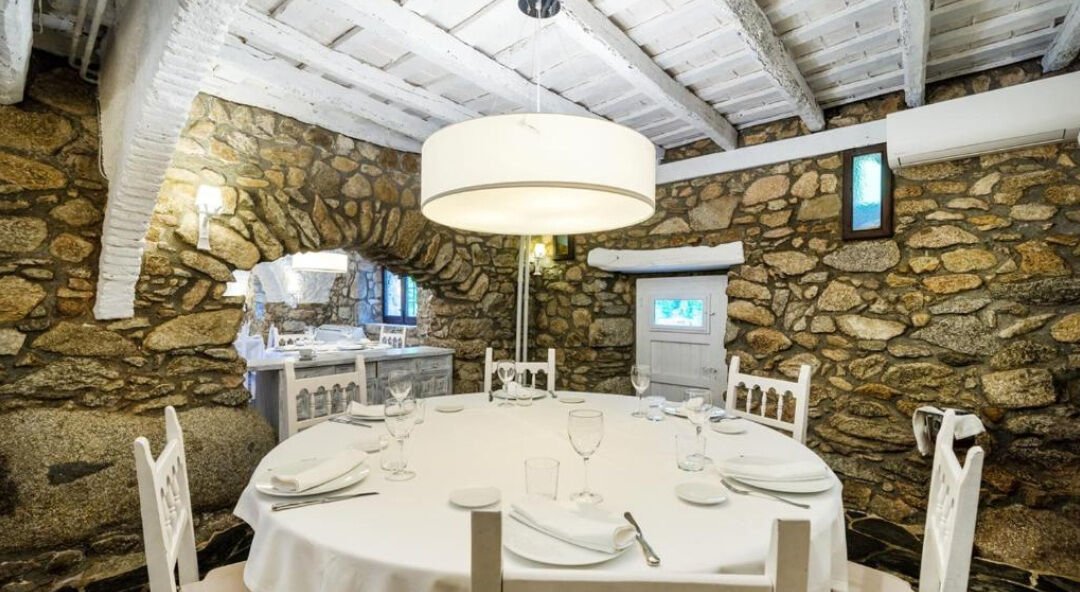
The architecture sets the terms before the food arrives. La Coopérative occupies a former wine storehouse at Domaine Riberach on the edge of Bélesta, a small village in the Pyrénées-Orientales that sits between the Agly valley and the foothills above the Roussillon plain. The original metal frame of the cooperative building remains visible, giving the dining room a vaulted, industrial character that most rural French restaurants cannot replicate through renovation — it has to have been there from the beginning. The space is large without feeling empty, and the combination of aged structural steel and stone walls produces a particular quality of light in the late afternoon that is specific to buildings that were built for function and later adapted for pleasure.
This physical context matters because it positions La Coopérative within a specific tendency in French regional dining: the domaine restaurant that uses its estate setting to anchor both the menu and the wine program. The cooking here is framed by the estate's agricultural identity, not merely decorated by it. That distinction shapes what ends up on the plate and in the glass.
Where the Ingredients Come From — and Why That Framing Holds
The sourcing model at La Coopérative follows a logic that has become more common across southern France over the past decade, but is still far from universal at this price point. The kitchen draws from small-scale local producers, and the menu rotates with the seasons. In Roussillon, that seasonal calendar is compressed and shifted relative to northern France: the growing season starts earlier, stone fruits arrive in late spring, and the autumn harvest carries into November. A kitchen genuinely tied to that rhythm produces a menu that looks and tastes different from one that merely claims seasonal credentials.
The wines from the Domaine Riberach estate are produced without additives and follow agroecological methods, placing them in the category of estate wines that have made deliberate departures from conventional viticulture. The Roussillon appellation covers a wide range of styles and ambitions, from large cooperative output to small-plot natural producers. Domaine Riberach sits closer to the latter cohort, and the wines on the list at La Coopérative reflect that positioning. Pairing the estate's own bottles with the kitchen's local-sourced menu creates a coherent thread through the meal that works as a genuine editorial statement about Roussillon's agricultural character rather than a marketing convenience.
For broader context on how southern French kitchens have approached ingredient sourcing and terroir-driven menus, the comparison with established reference points is instructive. Restaurants like Bras in Laguiole and Auberge du Vieux Puits in Fontjoncouse have long operated on the principle that the land immediately surrounding the kitchen should determine the menu, a principle that La Coopérative applies at its own scale and price tier. Fontjoncouse, like Bélesta, is a village most visitors would not locate on a map without prior knowledge, and that geographic specificity is part of what gives the food its character in both cases.
The Cuisine: Seasonal, Colourful, Precise
The food at La Coopérative is described as modern cuisine, and the dishes are characterised as delicate and colourful. Those are not decorative terms at a kitchen operating from a seasonal, producer-led brief. Colour in this context is a reliable indicator of freshness and sourcing discipline: dishes built from ingredients harvested at the right moment tend toward vivid, natural pigmentation that processed or out-of-season produce cannot replicate. Delicacy, in a building with an industrial frame and a rural Catalan backdrop, suggests that the kitchen is not defaulting to rusticity. There is technical work happening behind the seasonal premise.
The price tier sits at €€€, placing La Coopérative above casual bistro territory but below the four-symbol bracket occupied by three-Michelin-star addresses such as Mirazur in Menton, Alléno Paris au Pavillon Ledoyen, or Flocons de Sel in Megève. At the €€€ level in a rural Roussillon setting, the expectation is for serious, honest cooking with a clear identity , not the theatrical architecture of a destination restaurant in a major city. La Coopérative appears to operate precisely in that register.
Staying On: The Guestroom Option
Domaine Riberach offers guestrooms, which changes the calculus of a visit considerably. Rural restaurants in France that provide overnight accommodation sit in a different planning category from urban restaurants: the meal becomes the centerpiece of a stay rather than a single evening commitment. For anyone travelling through the Roussillon, whether arriving from Perpignan to the south or crossing over from the Languedoc wine towns to the north, building a night at Bélesta around a dinner at La Coopérative is a more coherent structure than a day-trip. The village itself is a medieval settlement with a château, and the surrounding countryside takes in the Fenouillèdes hills and the northern edge of the Catalan plain. For more on where to stay in the area, see our full Bélesta hotels guide.
Planning a Visit
La Coopérative is located at 2 Route de Caladroy, 66720 Bélesta, within the Domaine Riberach estate. The venue is accessible by car from Perpignan, which lies roughly 30 kilometres to the south, and from the wine towns of the Agly valley to the west. The address is rural, and a car is the practical approach unless staying on the estate. For an evening meal, arriving with enough time to walk the domaine before sitting down makes sense given the agricultural context the kitchen is drawing from. The wines are estate-produced, so the wine list is tied to a single producer's range, which means the sommelier conversation is about understanding the estate's style rather than choosing across a broad cellar. Anyone with an interest in natural and additive-free wine production will find the list worth exploring in some depth. For further context on dining, drinking, and visiting in the area, see our full Bélesta restaurants guide, our full Bélesta bars guide, our full Bélesta wineries guide, and our full Bélesta experiences guide.
Comparison Snapshot
These are the closest comparables we have in our database for quick context.
| Venue | Cuisine | Price | Awards | Notes |
|---|---|---|---|---|
| La Coopérative - Domaine Riberach | €€€ · Modern Cuisine | This converted wine storehouse with its authentic metal frame is spacious, comfo… | This venue | |
| Alléno Paris au Pavillon Ledoyen | Creative | €€€€ | Michelin 3 Star | Creative, €€€€ |
| Kei | Contemporary French, Modern Cuisine | €€€€ | Michelin 3 Star | Contemporary French, Modern Cuisine, €€€€ |
| L'Ambroisie | French, Classic Cuisine | €€€€ | Michelin 3 Star | French, Classic Cuisine, €€€€ |
| Le Cinq - Four Seasons Hôtel George V | French, Modern Cuisine | €€€€ | Michelin 3 Star | French, Modern Cuisine, €€€€ |
| Plénitude | Contemporary French | €€€€ | Michelin 3 Star | Contemporary French, €€€€ |
Continue exploring
More in Bélesta
Restaurants in Bélesta
Browse all →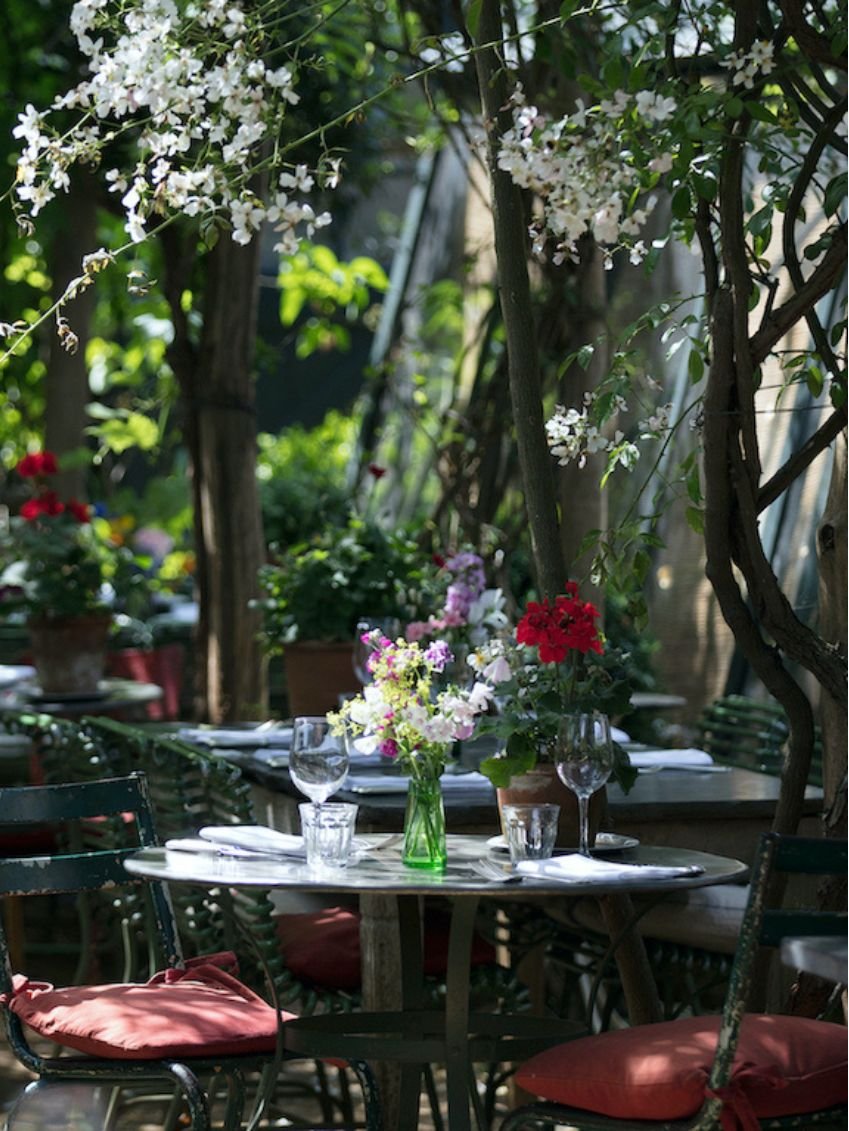
Hotels in Bélesta
Browse all →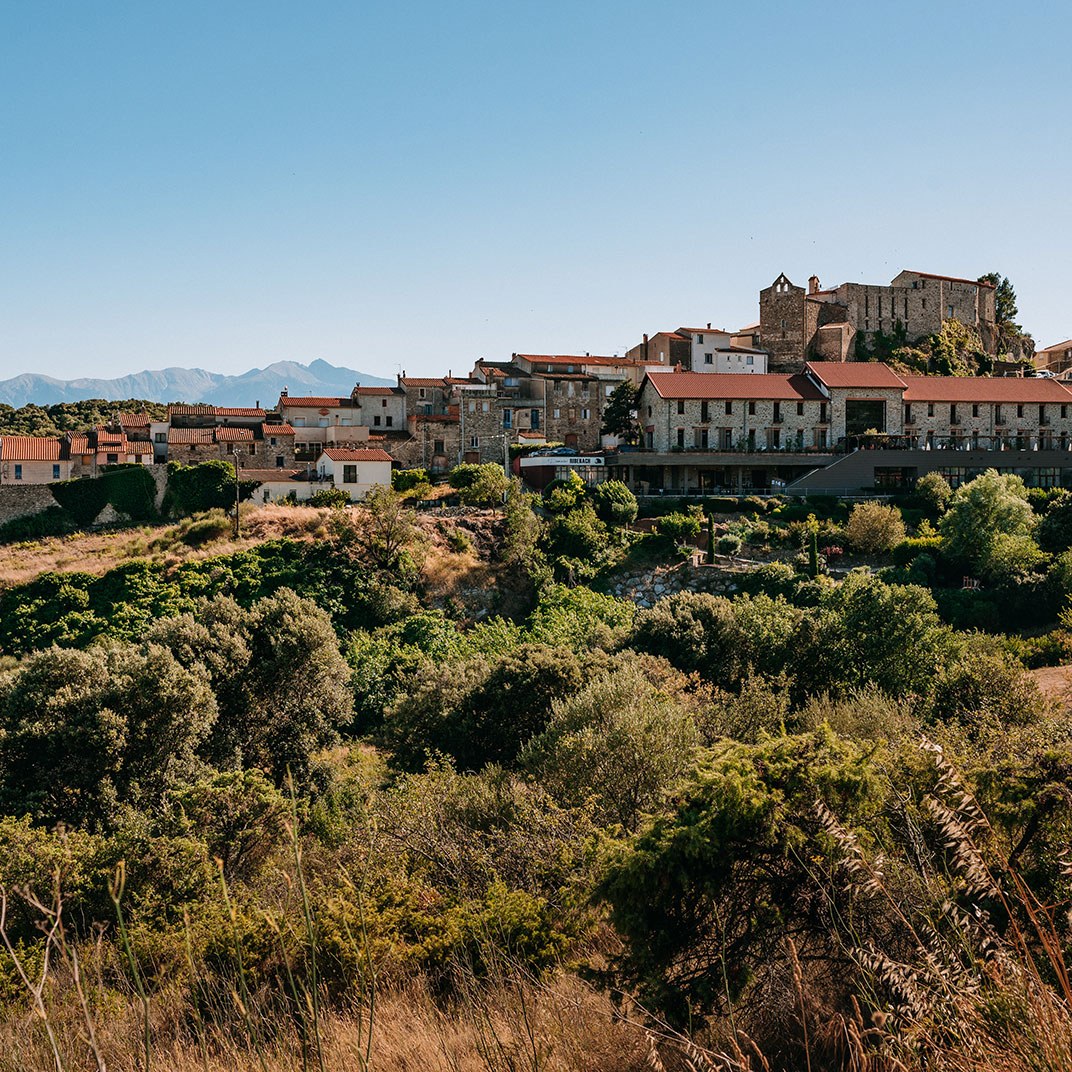
Wineries in Bélesta
Browse all →
At a Glance
- Rustic
- Elegant
- Cozy
- Scenic
- Sophisticated
- Special Occasion
- Date Night
- Terrace
- Historic Building
- Open Kitchen
- Extensive Wine List
- Farm To Table
- Local Sourcing
- Vineyard
- Garden
Cosy atmosphere blending industrial historic elements like Eiffel truss with organic touches, warm lighting, and terrace shaded by olive trees.