La Casa Del Mofongo
Our verdict
La Casa Del Mofongo brings Puerto Rican culinary tradition to South Dixie Highway in West Palm Beach, anchoring a stretch of the city where Caribbean and Latin American cooking has built a loyal, largely local following. The restaurant's name signals its focus immediately: mofongo, the fried plantain dish that functions as both staple and cultural marker across the Puerto Rican diaspora, is the organizing principle of the menu.

Pearl is the En Primeur Club membership app, where members save venues, book tables and use the concierge.
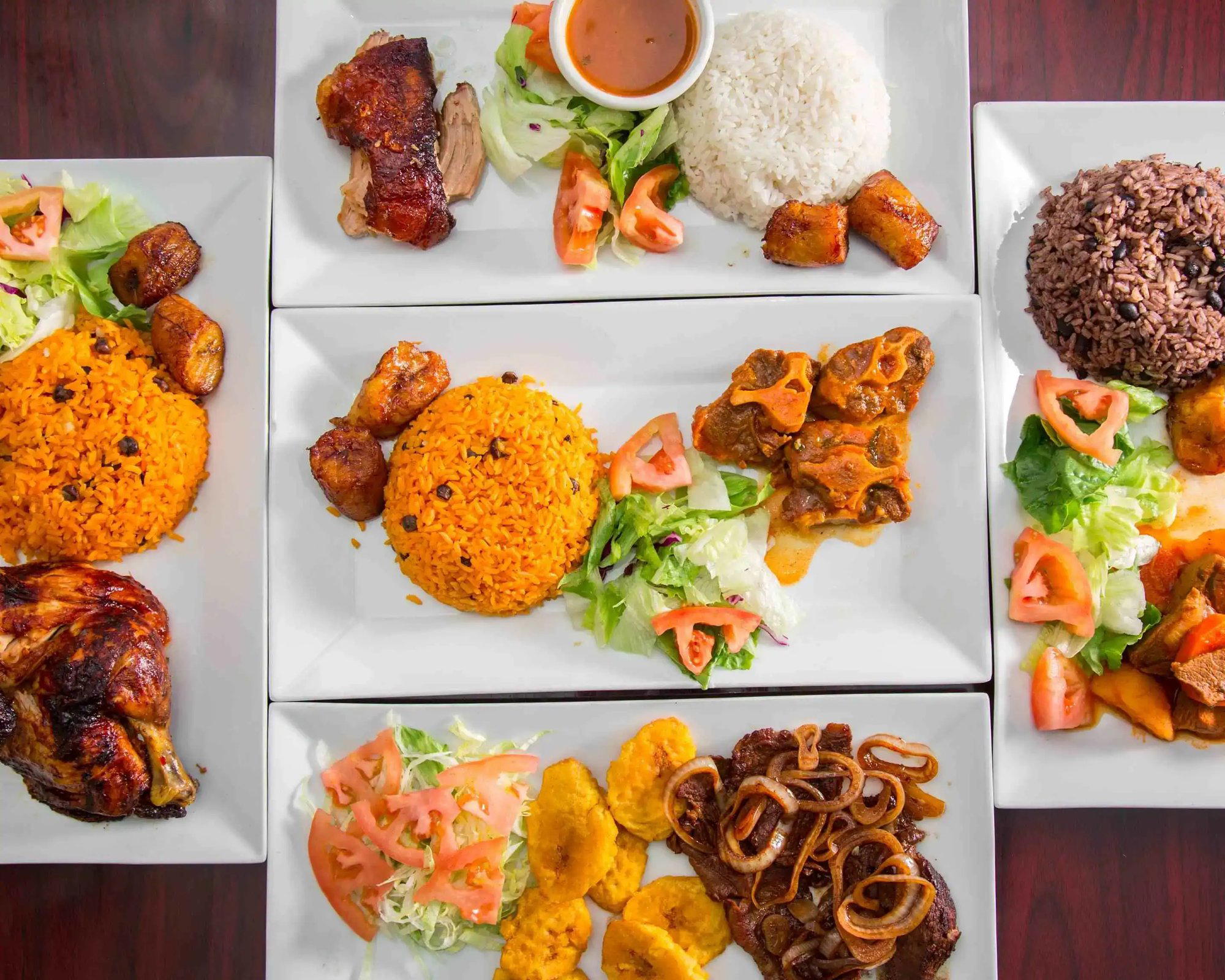
The menu
What to order
- Mofongo with skirt steak
- Pastelon empanada
Plantain, Diaspora, and the South Dixie Corridor
South Dixie Highway in West Palm Beach is not the city's most photographed dining address. It lacks the waterfront positioning of the Palm Beach inlet restaurants and the curated retail energy of Clematis Street. What it has instead is a concentration of immigrant-run kitchens serving food that reflects where the city's working population actually comes from. La Casa Del Mofongo, at 6108 S Dixie Hwy, sits squarely in that corridor, and its name functions as both menu declaration and cultural flag: this is a Puerto Rican kitchen, and mofongo is the point.
Mofongo occupies a specific place in Puerto Rican foodways that outsiders sometimes underestimate. It is not a side dish or a novelty preparation. It is a technique-dependent, labor-intensive foundation built from green plantains that are fried, mashed with garlic and pork crackling, then shaped into a vessel or mound that carries proteins, sofrito-based sauces, and stewed meats. The dish traveled with Puerto Rican communities to the continental United States through New York in the mid-twentieth century and has since followed diaspora populations south into Florida. In cities like Orlando, Miami, and increasingly West Palm Beach, mofongo restaurants function as community anchors in the same way that certain dim sum halls do for Cantonese neighborhoods or red-sauce Sunday spots do for Italian-American communities in the Northeast.
The Dish at the Center
Understanding what distinguishes a well-executed mofongo from a mediocre one requires paying attention to the plantain itself. Green plantains, unlike ripe ones, carry starch rather than sugar, and their behavior under heat and pressure determines texture throughout. Overcooked plantain produces a gluey, dense mash; undercooked plantain resists the mortar and leaves the finished dish grainy. The traditional tool is a wooden pilón, a Caribbean mortar and pestle, and the ratio of rendered pork fat to garlic to plantain is where individual kitchens assert their identity. Restaurants in Puerto Rico's restaurant-dense San Juan neighborhoods, particularly in Miramar and La Placita, treat their mofongo preparation as a point of differentiation in the same way a Neapolitan pizzeria might treat its dough hydration.
The proteins and braised elements that accompany mofongo vary by kitchen and by region of origin within Puerto Rico itself. Camarones al ajillo, pernil, carne guisada, and churrasco all appear regularly on Puerto Rican menus across Florida. These dishes share a flavor architecture built around sofrito, the aromatic base of recao, ají dulce peppers, garlic, onion, and tomato that functions as the mother preparation of Puerto Rican cooking. It is the element that distinguishes Puerto Rican cuisine from Dominican and Cuban kitchens that share some overlapping ingredients but diverge substantially in technique and final character.
West Palm Beach's Caribbean and Latin American Dining Context
West Palm Beach's dining scene has diversified considerably over the past decade. The city's restaurant conversation tends to center on higher-price-point venues: places like Avocado Grill, Agora Mediterranean Kitchen, and aioli occupy the mid-to-upper range of the local market and draw editorial attention accordingly. Specialist ethnic kitchens like A-1 Thai Restaurant and 8 Pot Korean BBQ & HotPot serve tight, specific audiences who have already decided what they want before arriving. La Casa Del Mofongo belongs to this second category: a restaurant operating in a defined tradition for a community that knows the reference points and judges accordingly.
That framing matters because it changes how you should read the room. The standard benchmarks applied to fine dining, the kind used to evaluate places like Le Bernardin in New York City, Alinea in Chicago, or The French Laundry in Napa, are irrelevant here. The relevant comparison is whether the mofongo is properly executed, whether the sofrito base carries real depth, and whether the kitchen understands the cuisine it is serving. Tasting-menu ambition and natural-wine programs are not the point. Technique fidelity to a specific culinary tradition is.
Florida's Puerto Rican population, concentrated heavily in the Orlando corridor but present throughout the state's coastal cities, has supported a consistent tier of community-facing Caribbean restaurants for decades. West Palm Beach sits at the edge of this geography. Venues like La Casa Del Mofongo serve a population that can immediately distinguish between an approximation of the cuisine and the real thing, which creates a quality filter that has nothing to do with Michelin recognition and everything to do with repeat local custom.
Placing It in the Broader Dining Picture
For visitors arriving in West Palm Beach whose frame of reference runs toward destination restaurants, Single Thread Farm in Healdsburg, Blue Hill at Stone Barns in Tarrytown, Providence in Los Angeles, or Addison in San Diego, La Casa Del Mofongo represents a different kind of value proposition. It is not trying to sit alongside Atomix in New York City, Lazy Bear in San Francisco, Emeril's in New Orleans, The Inn at Little Washington, or 8½ Otto e Mezzo Bombana in Hong Kong in any competitive sense. Its value lies in its specificity: a defined cuisine, a signature dish, and a neighborhood address that reflects the city's demographic reality more honestly than its waterfront showcase restaurants do.
Visitors with genuine curiosity about Puerto Rican cooking, particularly those who have not spent time in New York's South Bronx or Humboldt Park in Chicago, where the diaspora's restaurant culture is densest, will find this a more instructive meal than another mid-range American grill. The South Dixie address, the no-frills setting, and the community-facing format are consistent signals of a kitchen cooking for people who already know what they are ordering. See the full West Palm Beach restaurants guide for broader context on the city's dining corridors.
Planning Your Visit
La Casa Del Mofongo is located at 6108 S Dixie Hwy, West Palm Beach, FL 33405, on a commercial stretch that is most easily reached by car. Parking on South Dixie is generally available at or near the address. The restaurant's focus on a specific national cuisine means the menu will reward guests who arrive with some familiarity with Puerto Rican cooking, or at minimum, a willingness to ask what is cooking well that day.
Frequently asked questions
Where is La Casa Del Mofongo located?
La Casa Del Mofongo is located at 6108 S Dixie Hwy, West Palm Beach, FL 33405, West Palm Beach.
Is La Casa Del Mofongo one of the few Puerto Rican-focused restaurants in West Palm Beach?
West Palm Beach's dining scene has broadened considerably over the past decade, but restaurants built around a single Puerto Rican dish rather than a generalist Caribbean or Latin American menu remain uncommon in the city. La Casa Del Mofongo on South Dixie Hwy occupies that narrower category, making it a reference point for anyone specifically seeking Puerto Rican diaspora cooking in Palm Beach County.
What's the best thing to order at La Casa Del Mofongo?
The name is the answer: mofongo is the kitchen's organizing principle. Puerto Rican mofongo is built from fried green plantains mashed with garlic and pork fat, shaped into a hollow and filled with meat or seafood. At a restaurant that centers its identity on a single dish, that dish is the reference point for everything else on the menu.
Can I walk in to La Casa Del Mofongo?
Booking policy details were not available at time of writing. Restaurants at this format and neighborhood position along South Dixie Hwy in West Palm Beach typically accommodate walk-ins, but calling ahead remains the practical approach for groups or weekend visits. The address is 6108 S Dixie Hwy, West Palm Beach, FL 33405.
What's the standout thing about La Casa Del Mofongo?
The specificity of focus sets it apart. West Palm Beach's Caribbean and Latin American flavors tend to be distributed across generalist menus, while La Casa Del Mofongo organizes its kitchen around one Puerto Rican dish with genuine depth. On South Dixie Hwy, away from the waterfront dining corridors that dominate the city's restaurant conversation, that kind of specialization is relatively rare.
Price and Recognition
Comparable venues nearby, for context on price, style, and recognition.
| Venue | Cuisine | Price | Awards | Notes |
|---|---|---|---|---|
| La Casa Del MofongoThis venue (the venue you are viewing) | Authentic Dominican | $20–30 | Not listed | Not listed |
| Howley's Restaurant | Classic American Diner | $20–30 | Not listed | South Dixie Highway, Classic American Diner |
| Pistache French Bistro | Parisian French Bistro with Mediterranean Infusion | $30–50 | Wine Spectator Award of Excellence | Downtown West Palm Beach, Parisian French Bistro with Mediterranean Infusion |
| Serenity Garden Tea House | Not listed | $30–50 | Not listed | near Norton Museum, Traditional High Tea House |
| Cafe Sapori | Traditional and Modern Italian | $30–50 | Not listed | Palm Beach, Traditional and Modern Italian |
| RH Rooftop Restaurant at RH West Palm | Elevated American | $30–50 | Not listed | West Palm Beach, Polished American |
Continue exploring
More in West Palm Beach
Restaurants in West Palm Beach
All restaurants in West Palm Beach →
Bars in West Palm Beach
All bars in West Palm Beach →
Details
- Cozy
- Lively
- Whimsical
- Family
- Casual Hangout
- Group Dining
- A La Carte
Current opening hours
- Monday
- 11 AM–9 PM
- Tuesday
- 11 AM–9 PM
- Wednesday
- 11 AM–9 PM
- Thursday
- 11 AM–9 PM
- Friday
- 11 AM–10 PM
- Saturday
- 11 AM–10 PM
- Sunday
- 11 AM–7 PM
Hours can change for holidays and private events. Hours as of .
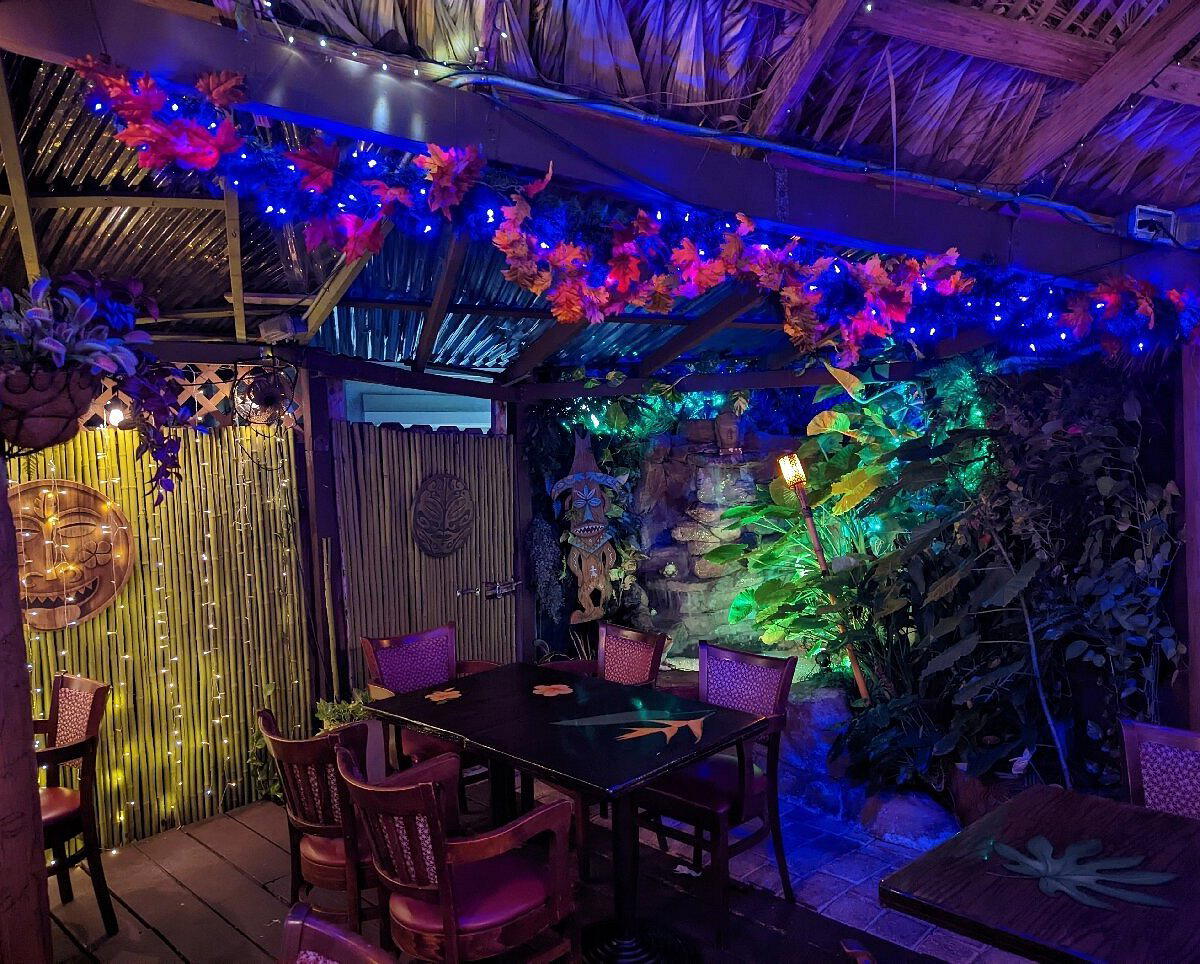
Lively and cozy with a lively atmosphere ideal for family gatherings and casual dining.