The Brazilian Court Hotel



Michelin Selected · Virtuoso Luxury Hotel Partner · Leading Hotels of World Member
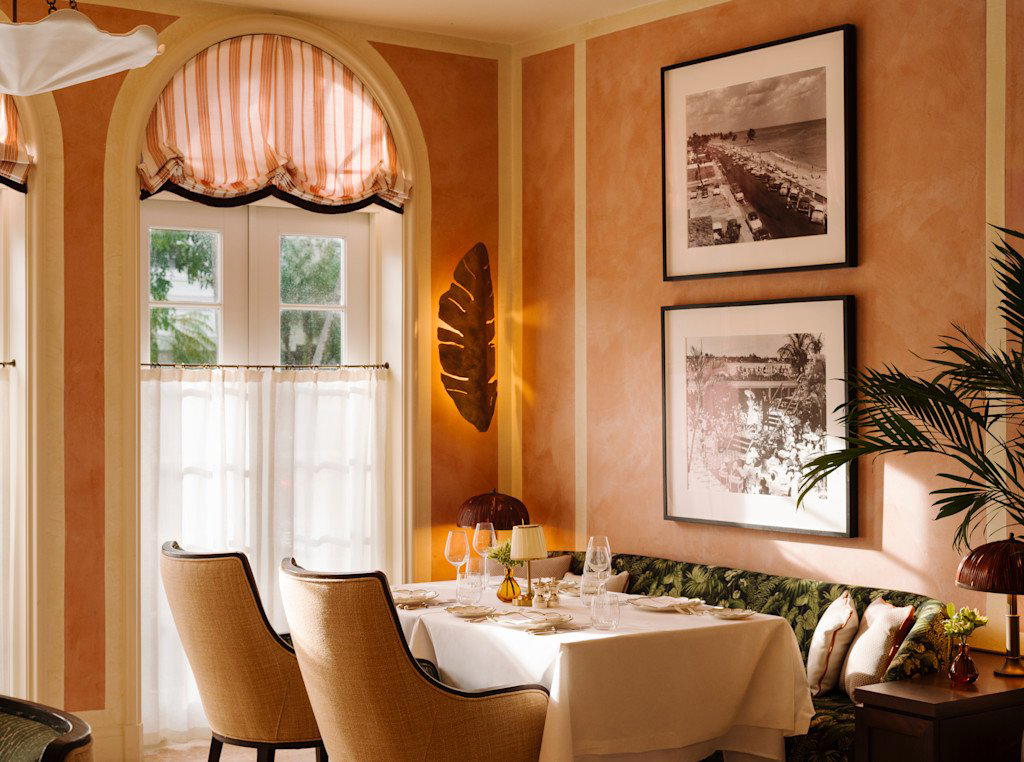
A Leading Hotels of the World member occupying a 1920s Spanish Colonial compound on Australian Avenue, The Brazilian Court Hotel offers 80 rooms around two tropical courtyards and a secluded pool. Café Boulud, Daniel Boulud's outpost inside the hotel, anchors the dining program. The property sits in the quieter residential tier of Palm Beach luxury, distinct from the oceanfront resort model.

Pearl is the En Primeur Club membership app, where members save venues, book tables and use the concierge.
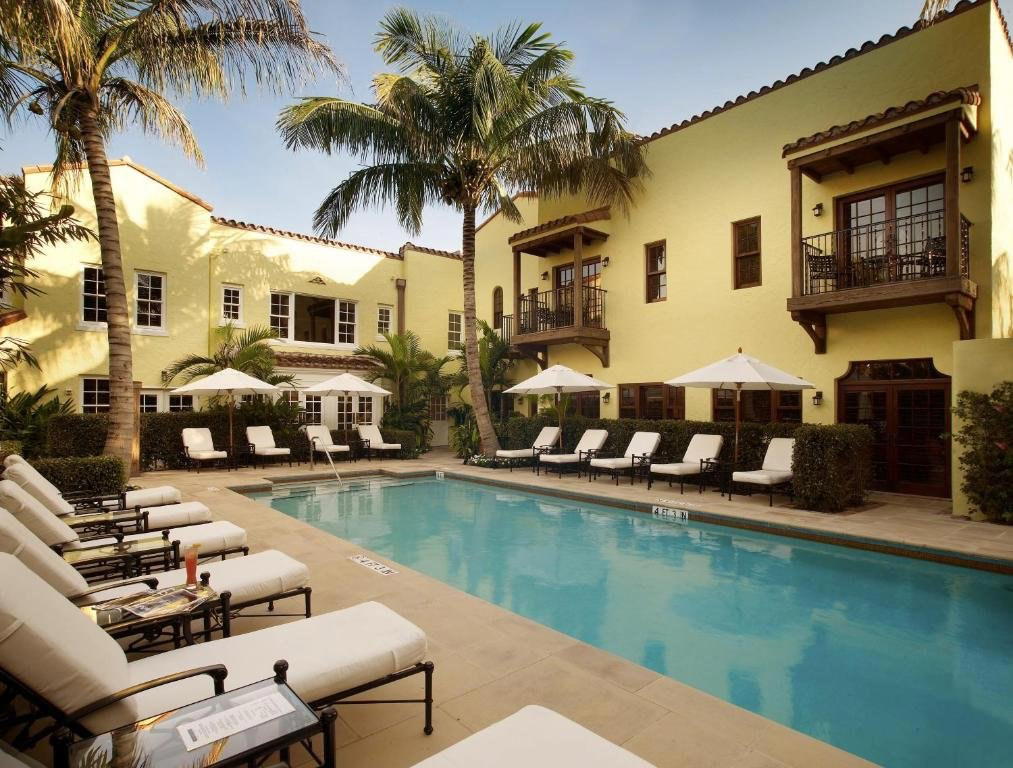
Spanish Colonial Bones, Roaring Twenties Residue
Palm Beach's luxury hotel stock divides into two broad camps: the grand oceanfront resort, built for spectacle and scale, and the courtyard boutique, built for discretion. The Brazilian Court Hotel, at 301 Australian Ave, belongs firmly to the second category. Its Spanish Colonial architecture, stucco facades, terracotta roof lines, shaded loggias, dates to the 1920s, and the property has retained that low-profile residential character through successive renovations. Where properties like The Breakers command the beachfront with 538 rooms and a century of grand-hotel theatre, and the Four Seasons Resort Palm Beach anchors the southern end of the island with polished international infrastructure, The Brazilian Court operates at 80 rooms across two tropically landscaped courtyards, a scale that makes anonymity difficult and repeat-guest recognition the norm.
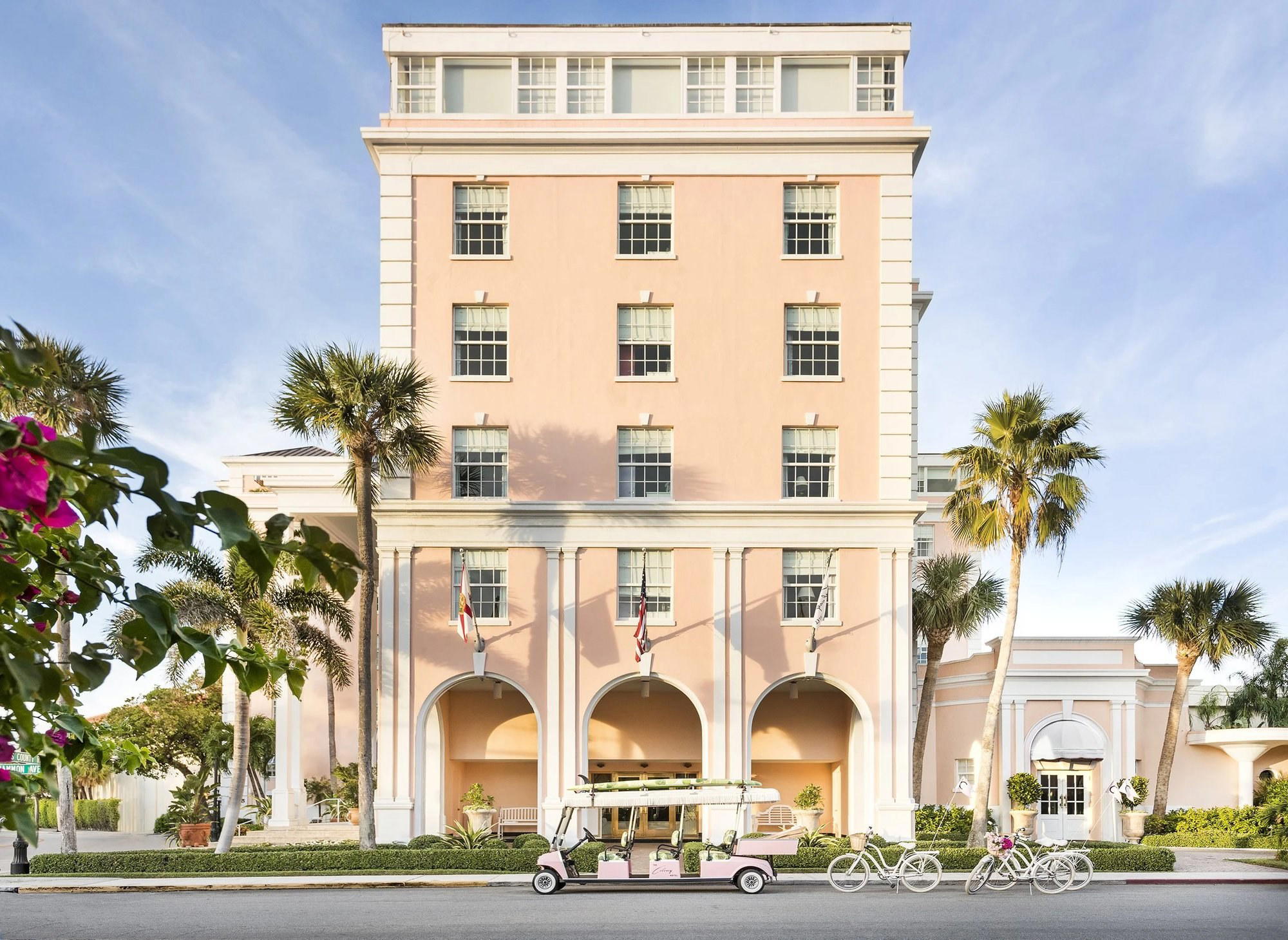
That credential is not decorative: the LHW network curates on those criteria specifically, and Brazilian Court's 80-key footprint is part of why it qualifies. For context, compare the courtyard intimacy here against the Colony Palm Beach, which operates a similarly boutique Palm Beach identity but with a more socially animated lobby culture, or the White Elephant Palm Beach, which pitches its intimacy toward a nautical, marina-adjacent aesthetic. Brazilian Court's courtyard grammar is its own: shaded, tropical, and quiet in a way that feels deliberate rather than accidental.
The Courtyard as the Real Amenity
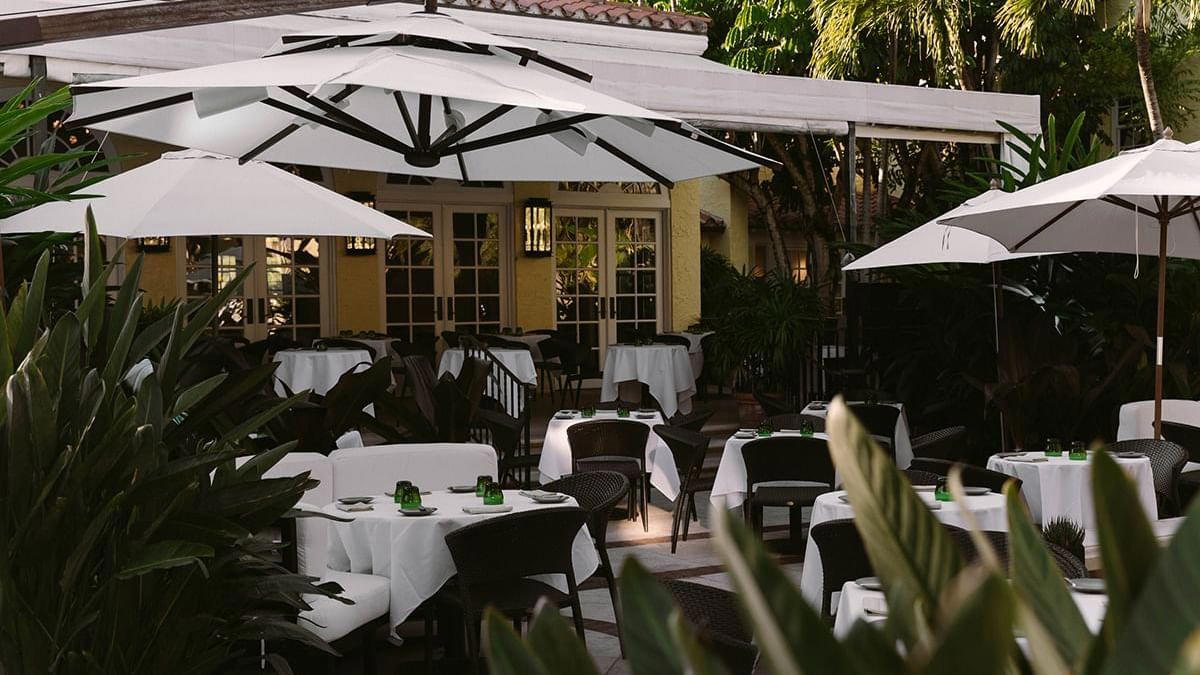
The hotel's two interior courtyards, framed by tropical planting, fountains, and the kind of dappled afternoon light that makes Florida winters feel genuinely civilised, function as the property's central amenity in a way that no amenity list quite captures. The secluded pool sits beyond them, palm-fringed and sufficiently removed from street noise to allow the stillness that the property's loyal repeat clientele comes specifically to find. This is not the pool deck built for social display, a format well-served by the Amrit Ocean Resort and Residences or the Beach Club at The Boca Raton, but a setting for the kind of unstructured afternoon that guests at this price tier increasingly have to plan around. The warm ocean breezes that move through the property in the winter season, roughly November through April, are a climatic feature that the architecture is designed to work with: cross-ventilated corridors and shaded courtyard seating that makes air-conditioning feel optional rather than obligatory.
For travellers approaching from the domestic boutique-hotel circuit, the Brazilian Court fits a pattern seen at a small number of historic American properties: Hotel Bel-Air in Los Angeles operates a similar residential-compound logic with garden paths and a discretion-first service culture. Troutbeck in Amenia translates a comparable historic-building intimacy to the Hudson Valley.
Café Boulud and the Case for Destination Dining Inside a Hotel
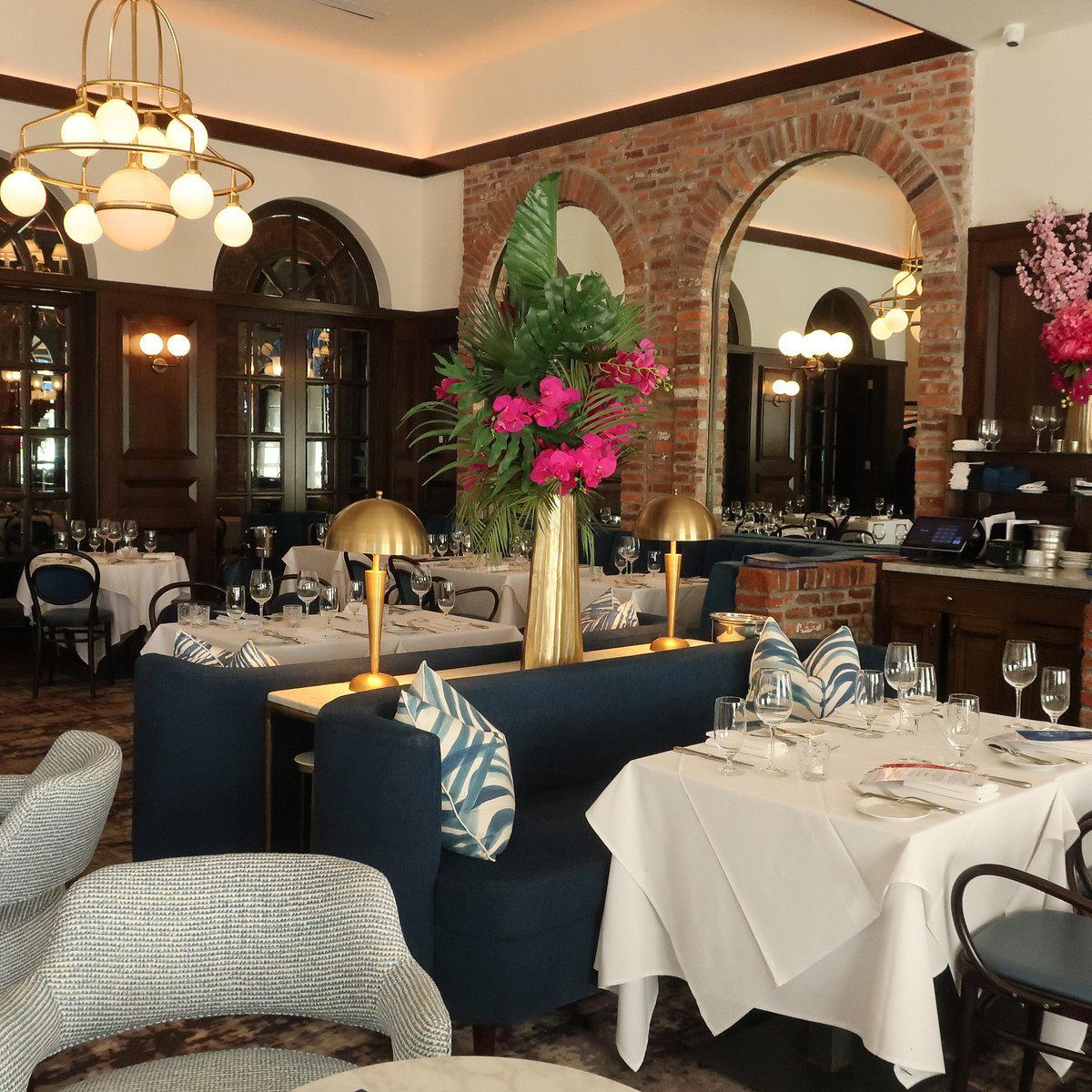
The presence of Café Boulud, Daniel Boulud's Palm Beach outpost, inside the hotel changes the property's competitive position in a specific way. In a market where hotel restaurants frequently function as convenient fallbacks rather than destinations, a Boulud-branded kitchen draws a separate reservation-seeking audience. Boulud's broader restaurant group spans New York, Montreal, Miami, and international addresses, and Café Boulud as a format sits in his portfolio between the formality of Daniel and the accessibility of db Bistro, French-accented, seasonally driven, and technically serious without the weight of a tasting-menu-only format. The Palm Beach edition benefits from the kitchen lineage that credential implies, and guests who would otherwise leave the property for dinner on Worth Avenue have reason to stay. For a property of 80 rooms, a dining program with genuine independent draw is a meaningful differentiator. Compare this with the The Fifth Avenue Hotel in New York City, where the dining program similarly anchors a boutique property's identity beyond its room count, or Auberge du Soleil in Napa, where the restaurant has long operated as the property's most publicly recognised asset.
The salon and wellness offering completes the on-property loop for guests who prefer to limit movement during a short stay. The Brazilian Court Salon, positioned as a full-service offering, follows the logic of self-contained luxury that boutique properties at this tier have increasingly adopted: reduce the need to leave, and the intimacy of 80 rooms becomes an asset rather than a limitation.
Responsible Luxury and the Small-Footprint Advantage
Sustainability argument for smaller historic properties is structural rather than programmatic. An 80-room property operating in a 1920s building carries a per-key construction footprint that a new-build resort cannot match on embodied carbon terms alone. The preservation of existing architecture, the courtyard cooling system that works with rather than against the Florida climate, and the absence of the ancillary infrastructure that large resorts require (multiple pools, convention facilities, beach clubs scaled for hundreds) all represent a lower operational intensity per guest night. This is not to suggest that The Brazilian Court has published a sustainability programme or holds environmental certification, the venue data does not confirm either, but the small-scale historic-property model has an inherent resource efficiency that the larger resort tier, however well-intentioned its programming, cannot replicate structurally. Properties like Post Ranch Inn in Big Sur or Sage Lodge in Pray have made environmental positioning a core part of their identity; Brazilian Court's version of that case is quieter and more architectural.
For travellers comparing across the Palm Beach market, the question is essentially one of format preference. Those seeking ocean access and beach-club infrastructure will find more purpose-built offerings at the Four Seasons Resort Palm Beach or among the properties covered in our full Palm Beach guide. Those seeking the specific compound calm that comes from 80 rooms, two shaded courtyards, a serious kitchen, and a building that has been standing since the 1920s will find fewer alternatives in the market. The Jonah's Restaurant and Boutique Hotel operates at a comparable scale with its own dining-led identity, and the Hyatt Regency Aruba Resort, Spa and Casino offers a different resort-scale proposition for those willing to extend the trip. But within Palm Beach proper, at this room count and with this combination of architectural pedigree and kitchen credential, the competitive set is genuinely thin.
Planning a Stay
The property operates year-round, but Palm Beach's high season runs from late November through April, when the island's permanent and seasonal population peaks and restaurant reservations across the market become competitive. Booking during this window, particularly for Café Boulud, should be treated as a separate planning task from the hotel reservation itself. The property is located on Australian Avenue in the residential core of the island, within walking distance of Worth Avenue's retail and restaurant corridor. For travellers cross-referencing against historic boutique hotels in other American markets, Raffles Boston and Aman New York occupy analogous positions in their respective cities: LHW-adjacent or equivalent credentials, small-to-mid key counts, and dining programs that extend the property's reach beyond its room inventory.
Cost Snapshot
Comparable venues nearby, for context on price, style, and recognition.
| Venue | Price | Awards | Notes |
|---|---|---|---|
| The Brazilian Court HotelThis venue (the venue you are viewing) | Not listed | Michelin Selected · Virtuoso Luxury Hotel Partner | Not listed |
| Eau Resort & Spa | $300–500 | Michelin Selected · La Liste Top Hotels | Manalapan, Relaxed modern luxury resort with Spanish exterior and Palm Beach interiors by Jonathan Adler. |
| PGA National Resort | $300–500 | Michelin Selected · Mr & Mrs Smith Seal of Approval | Palm Beach Gardens, Luxury golf resort with Palm Beach chic modernized through 100M renovation |
| The Vineta | Not listed | 2 Michelin Keys · Michelin Guide New Hotels New Hotel | Palm Beach, Historic Mediterranean Revival boutique hotel |
| Amrit Ocean Resort & Residences | Not listed | Star Wine List | Singer Island, Wellness-oriented luxury resort blending Eastern principles with Western opulence |
| Yacht Club at The Boca Raton | Not listed | Star Wine List · Forbes 5-Star | East Boca Raton, All-suite adults-only waterfront hotel |
Recognition history
Dated appearances from independent guides and award organizations, with the underlying list record or original source where available.
Michelin Selected
Michelin
Virtuoso Luxury Hotel Partner
Virtuoso
Leading Hotels of World Member
Leading Hotels of World
Continue exploring
More in Palm Beach
Hotels in Palm Beach
All hotels in Palm Beach →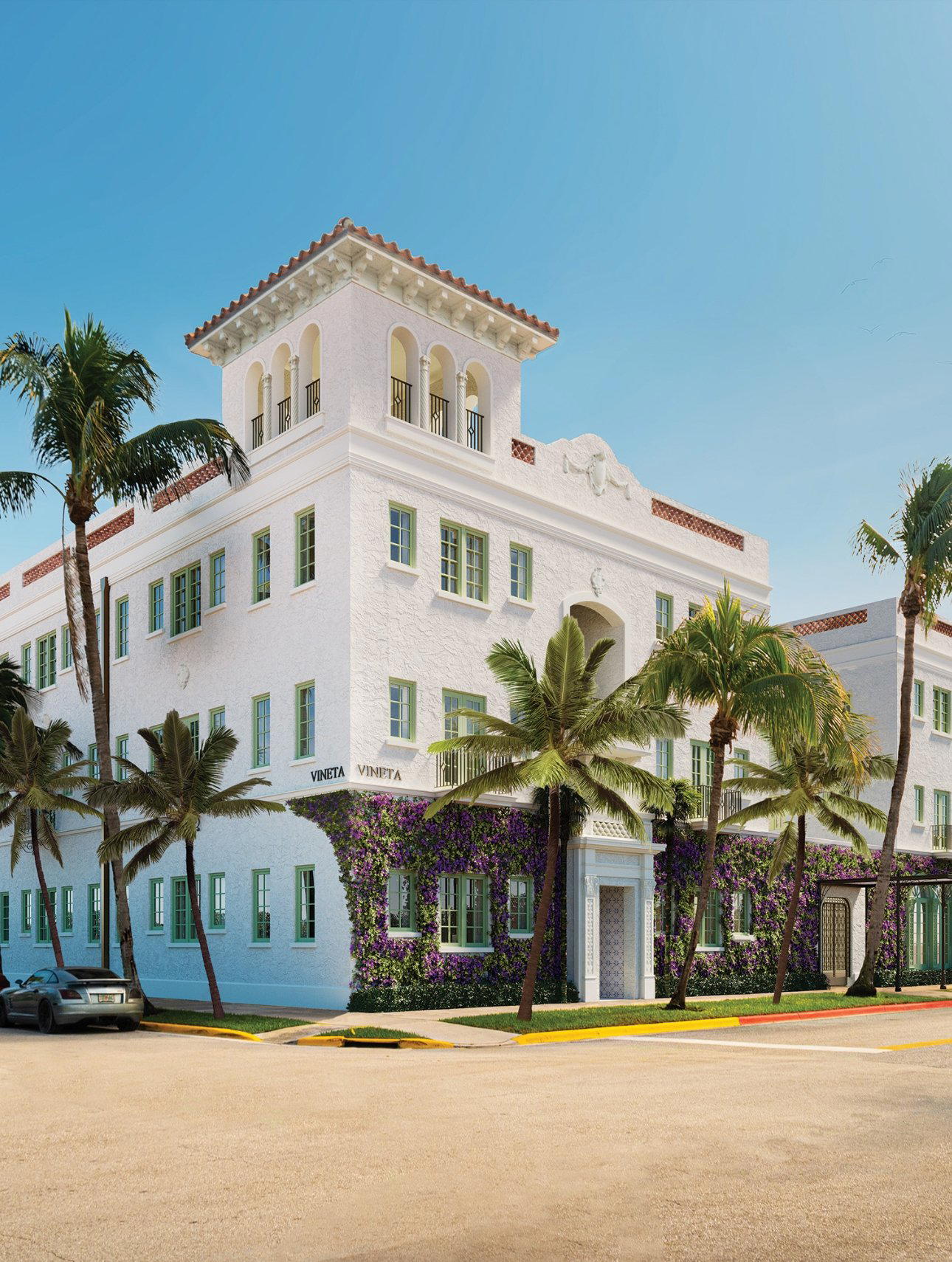
Details
- Elegant
- Sophisticated
- Romantic
- Quiet
- Classic
- Romantic Getaway
- Honeymoon
- Anniversary
- Weekend Escape
- Historic Building
- Garden
- Pool
- Spa
- Fitness Center
- Room Service
- Concierge
- Wi Fi
- Valet Parking
- Garden
- Elevator
- Wheelchair Accessible
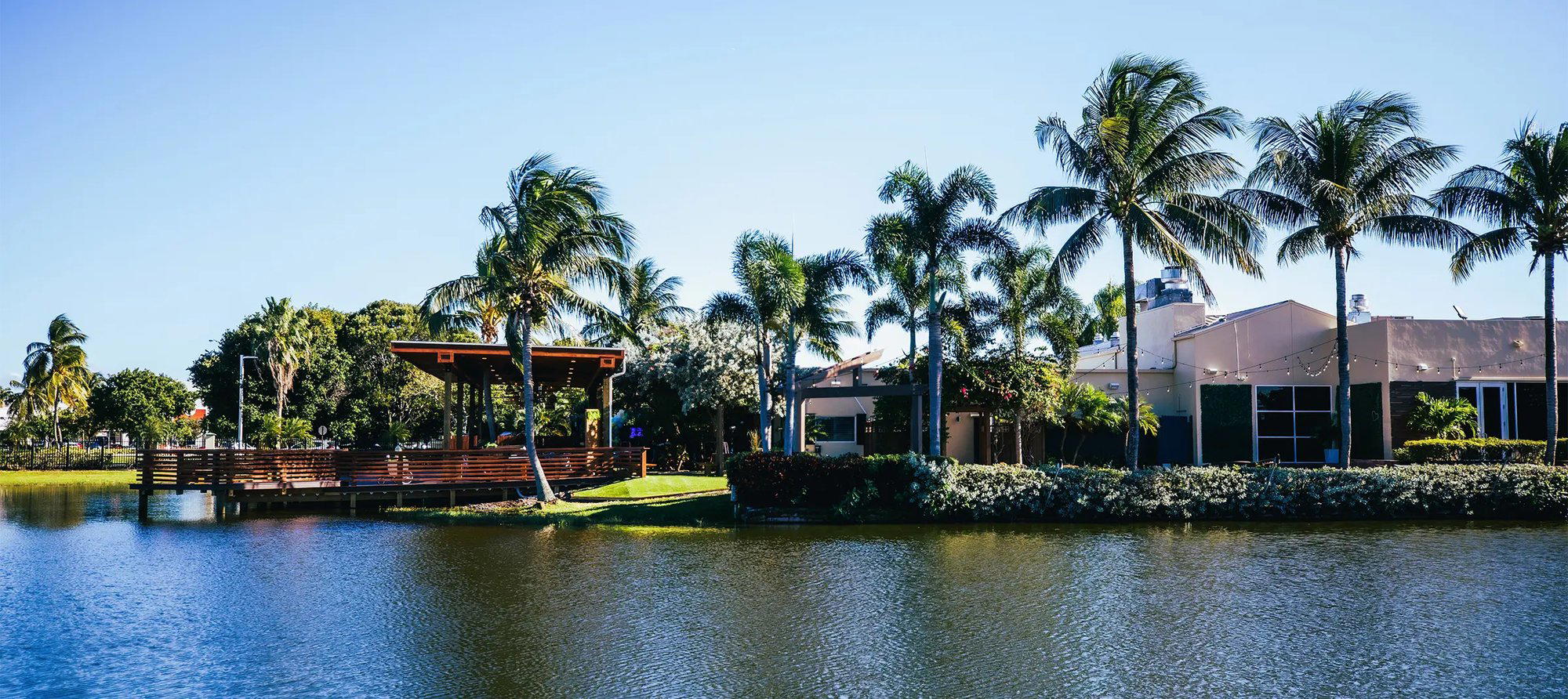
Tranquil and elegant with lush tropical gardens, palm-fringed seclusion, and warm ocean breezes.