Pistache French Bistro

Wine Spectator Award of Excellence
Our verdict
Pistache French Bistro brings a classic Parisian bistro format to Clematis Street in downtown West Palm Beach, translating French technique through the lens of Florida's subtropical produce and Gulf Coast seafood. The address at 101 N Clematis St places it at the center of the city's most active dining corridor, making it a practical anchor for an evening that moves between drinks, dinner, and the waterfront.

Pearl is the En Primeur Club membership app, where members save venues, book tables and use the concierge.
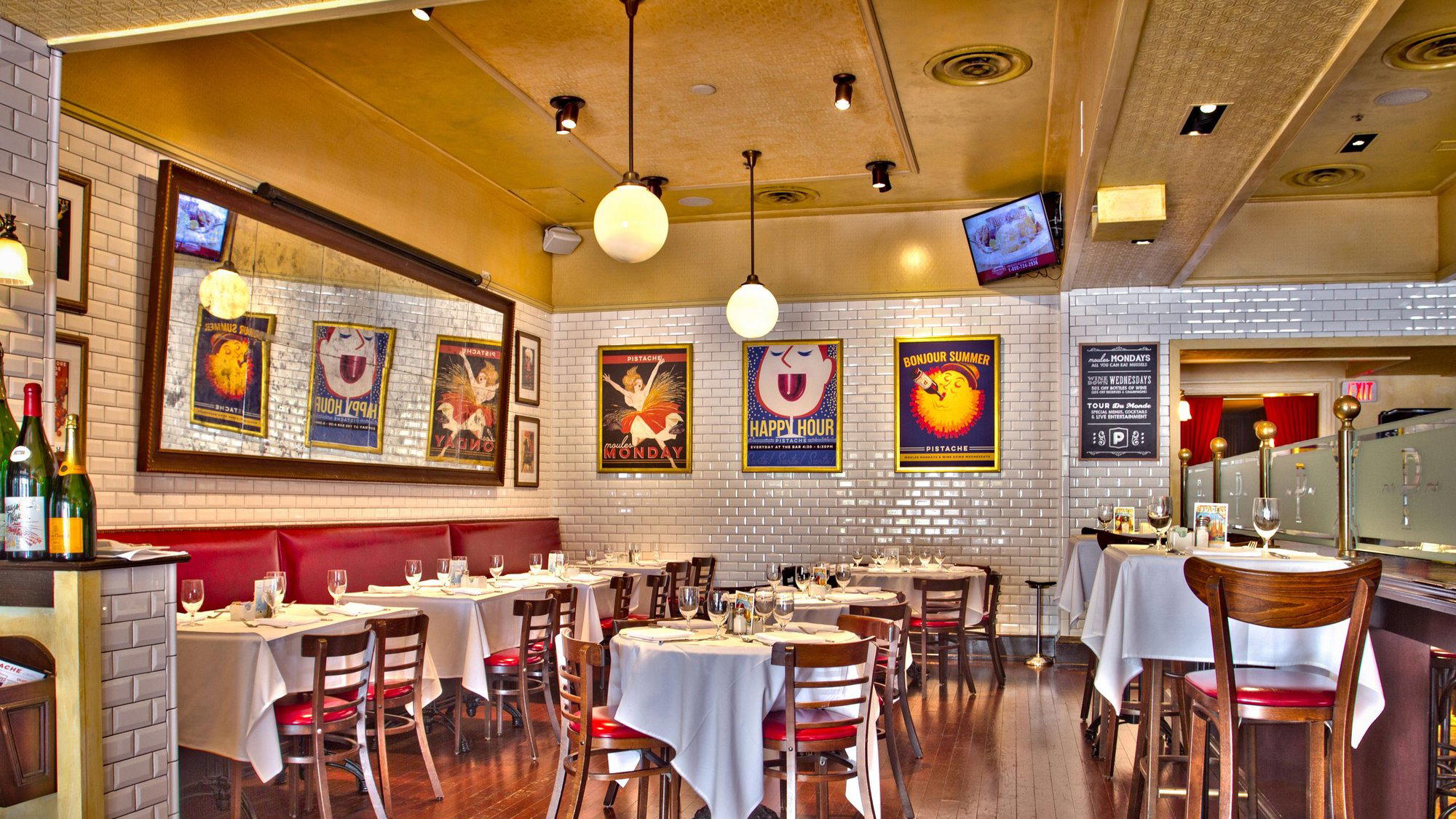
The menu
What to order
- Moules Frites
- Chicken Paillard
- Filet Au Poivre
Clematis Street and the Case for French Technique in a Subtropical City
Clematis Street in downtown West Palm Beach has, over the past decade, settled into a reliable pattern: casual American bars on one end, a handful of international formats in the middle, and a small cluster of restaurants serious enough to draw diners from Palm Beach proper across the bridge. The French bistro format, which travels well precisely because its architecture is so legible, zinc bar, tight tables, a menu built around classical sauces and protein cookery, finds particular traction in Florida's dining scene, where the climate pushes producers toward a growing season that most of France cannot match. Stone fruit arrives early, Gulf seafood runs through winter months when northern markets are thin, and the citrus belt an hour inland from West Palm Beach produces ingredients that a classically trained kitchen can put to work in ways that go well beyond decoration.
Pistache French Bistro occupies the corner at 101 N Clematis St, a position that gives it both street-level visibility and proximity to the waterfront foot traffic that defines evening dining in downtown West Palm Beach. The bistro format here sits in a specific tier of the local market: more structured and France-facing than the aioli American casual format or the Avocado Grill's produce-driven American approach, but operating in a different register from the fuller international spread at Agora Mediterranean Kitchen or the specific regional depth of A-1 Thai Restaurant.
Where Florida's Larder Meets the French Kitchen
The intersection of classical French method and Florida's subtropical ingredient calendar is the most interesting editorial lens through which to read Pistache. French technique, the reduction-based sauces, the precise treatment of fish, the reliance on butter and cream as structural rather than decorative elements, was built for European climates and their particular seasonal rhythms. Transplanting that method to a Florida context creates both friction and opportunity. The friction: French cuisine's foundational proteins (duck confit, lamb, pork belly) are not native to South Florida's culinary identity. The opportunity: the region's seafood, citrus, and tropical produce can carry classical French preparation in directions the Parisian brasserie tradition never explored.
This is not an isolated local experiment. Across the American South and Southeast, French-trained kitchens have been threading Gulf and Atlantic seafood into bistro formats for years. Emeril's in New Orleans made that intersection central to its identity decades ago. The question for any bistro operating in this register is how deliberately the kitchen pursues the local-classical dialogue rather than defaulting to a generic French menu that could exist in any mid-market American city.
The Bistro Format as Competitive Position
In a city where the dining options cluster toward American-casual and pan-Asian formats, 8 Pot Korean BBQ & HotPot represents a different end of that spectrum entirely, a French bistro holds a specific position. It is neither the destination tasting-menu format of places like The French Laundry in Napa or Alinea in Chicago, nor the weeknight American casual that dominates the Clematis Street corridor. The bistro occupies middle ground: a format that rewards repeat visits, supports a full evening of eating and drinking without ceremony, and anchors its identity in a culinary tradition with enough depth to sustain a serious wine list and a kitchen interested in technique.
That middle-ground positioning is worth taking seriously in a market like West Palm Beach, where the proximity to Palm Beach means there is genuine appetite for European dining formats at a price point below the island's most formal rooms. Restaurants like Le Bernardin in New York City or Providence in Los Angeles set the ceiling for classical French-influenced fine dining in America; Pistache operates well below that ceiling, in a register that is more about the well-executed weeknight meal than the annual occasion dinner. That distinction matters for how you approach a reservation and what you expect to find at the table.
Planning a Visit: Clematis Street in Context
Clematis Street is most active from Thursday through Saturday evenings, when the waterfront draws a mixed crowd of residents and visitors. A French bistro with a serious wine program fits naturally into an evening that might start at the bar and move into a longer dinner, which is architecturally how the bistro format has always worked, the zinc counter is not a waiting room, it is part of the experience. Downtown West Palm Beach is walkable once you are in it, with parking structures within two blocks of the Clematis Street corridor making the neighborhood more accessible than the Palm Beach island addresses across the Intracoastal. For visitors staying near the waterfront, the address at 101 N Clematis St is within easy walking distance of most downtown hotels.
For a broader map of where Pistache sits among the city's dining options, the EP Club West Palm Beach restaurants guide places it alongside the full competitive set, from Agora Mediterranean Kitchen to the more casual formats on the same street. The bistro format tends to book more tightly on winter weekends, when seasonal residents return to the area and restaurant capacity on the island and the mainland tightens considerably, a dynamic that affects most serious restaurants in South Florida between December and April.
Frequently asked questions
Is Pistache French Bistro okay with children?
Pistache sits on Clematis Street in downtown West Palm Beach, a pedestrian corridor that draws a mixed crowd of residents and visitors across age groups. The bistro format, structured service, plated courses, a quieter register than the casual American bars nearby, suits families with older children more naturally than it does toddlers. Parents with young children should weigh the pace of a French bistro setting against their own comfort level before booking.
What is the atmosphere like at Pistache French Bistro?
The room occupies 101 N Clematis St, putting it squarely in the active core of downtown West Palm Beach's waterfront strip. Clematis Street runs busiest Thursday through Saturday evenings, and the energy outside filters into bistro dining rooms along the block. Inside, the French bistro format pulls in a different direction from the louder American-casual venues nearby: expect a more deliberate pace, table service, and a room calibrated for conversation rather than background noise.
How does Pistache French Bistro compare to other French restaurants in the West Palm Beach area?
French bistros are a thin category in West Palm Beach, where the dining mix skews heavily toward American-casual and pan-Asian formats. Pistache's position on Clematis Street, the city's primary downtown dining corridor at 101 N Clematis St, gives it both visibility and a competitive gap to occupy. In a county where Palm Beach's Worth Avenue corridor gets most of the fine-dining attention, a classical French bistro in downtown West Palm Beach addresses a distinct part of the market.
What should I order at Pistache French Bistro?
Pistache operates as a French bistro in a subtropical Florida city, which makes the intersection of classical technique and local seasonal produce the most productive way to read the menu. The editorial lens here is French method applied to a Gulf Coast ingredient calendar, a combination that distinguishes Pistache from the American-casual and pan-Asian formats that dominate the rest of Clematis Street. For current menu specifics, checking directly with the restaurant before your visit is the most reliable approach.
Same-City Peers
Comparable venues nearby, for context on price, style, and recognition.
| Venue | Cuisine | Price | Awards | Notes |
|---|---|---|---|---|
| Pistache French BistroThis venue (the venue you are viewing) | Parisian French Bistro with Mediterranean Infusion | $30–50 | Wine Spectator Award of Excellence | Not listed |
| Flare House | American Fusion | Not listed | Not listed | Northwood |
| French Grill House | French Countryside Steakhouse | $50–100 | Not listed | Northwood |
| Batch New Southern Kitchen & Tap - West Palm Beach | New Southern | Not listed | Not listed | Clematis Street |
| Pescatore Ristorante | Authentic Italian Trattoria | $30–50 | Not listed | North Dixie Highway |
| La Casa Del Mofongo | Authentic Dominican | $20–30 | Not listed | South West Palm Beach |
Recognition history
Dated appearances from independent guides and award organizations, with the underlying list record or original source where available.
Wine Spectator Award of Excellence
Wine Spectator
Continue exploring
More in West Palm Beach
Restaurants in West Palm Beach
All restaurants in West Palm Beach →
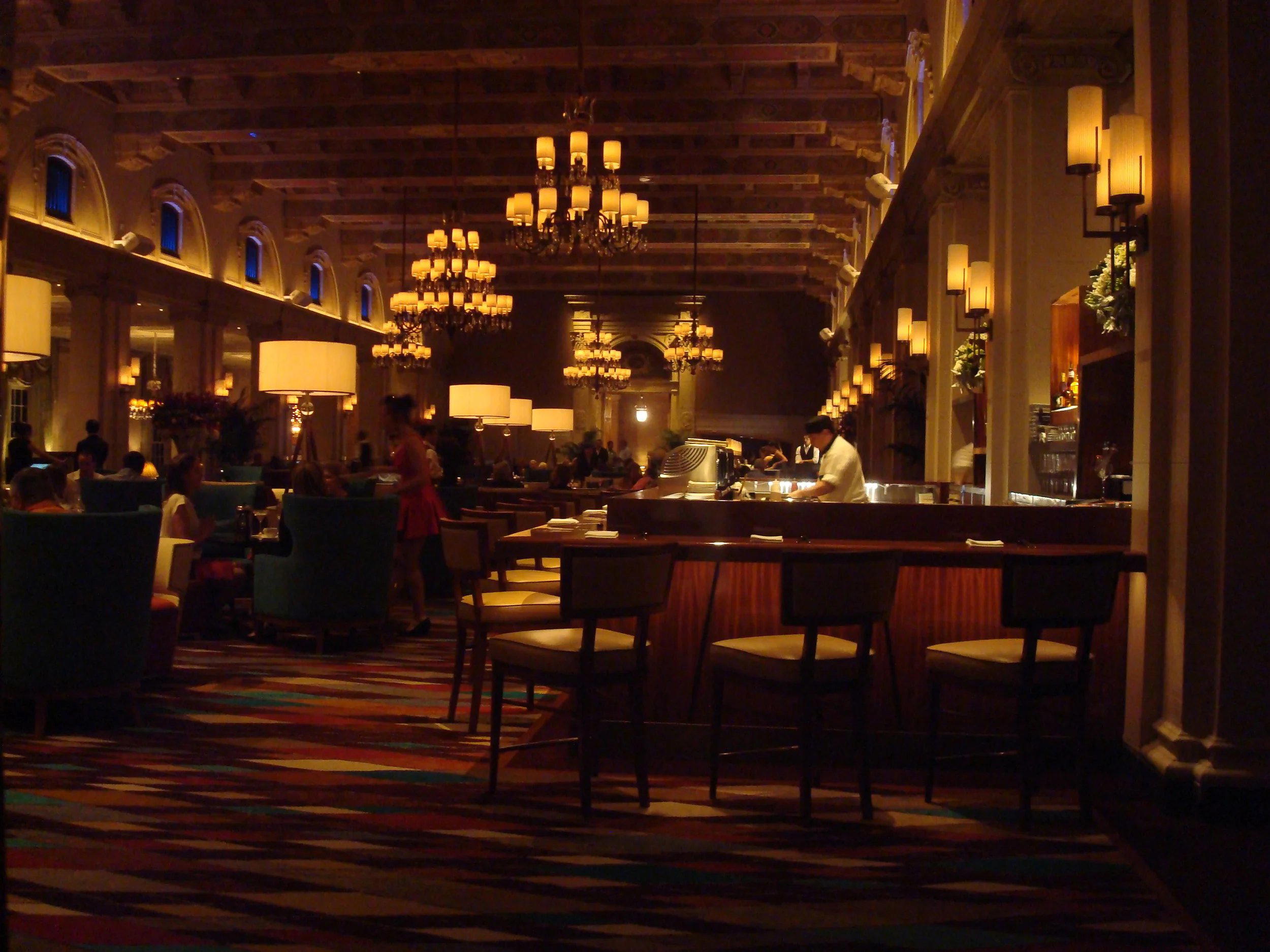
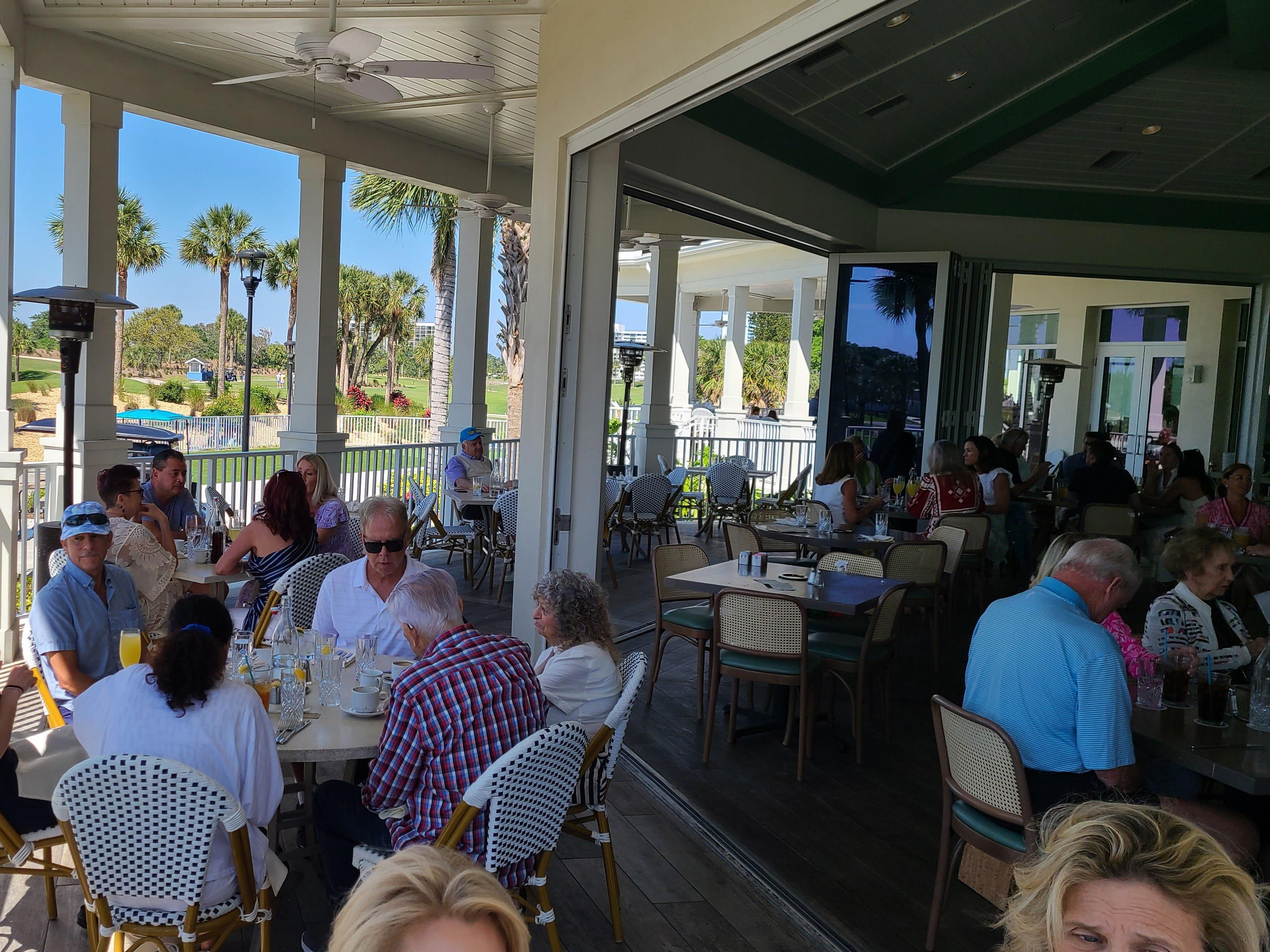
Bars in West Palm Beach
All bars in West Palm Beach →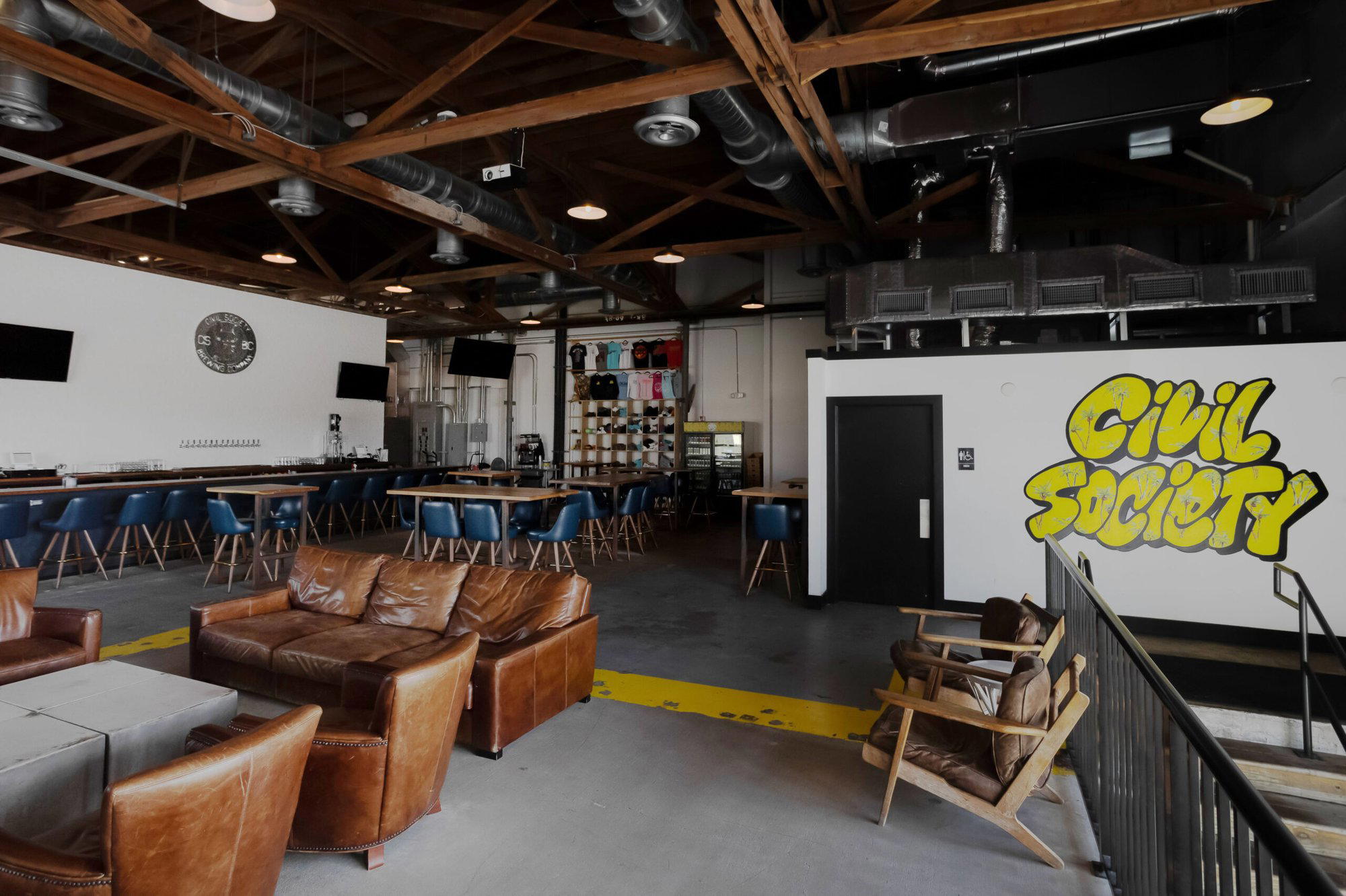
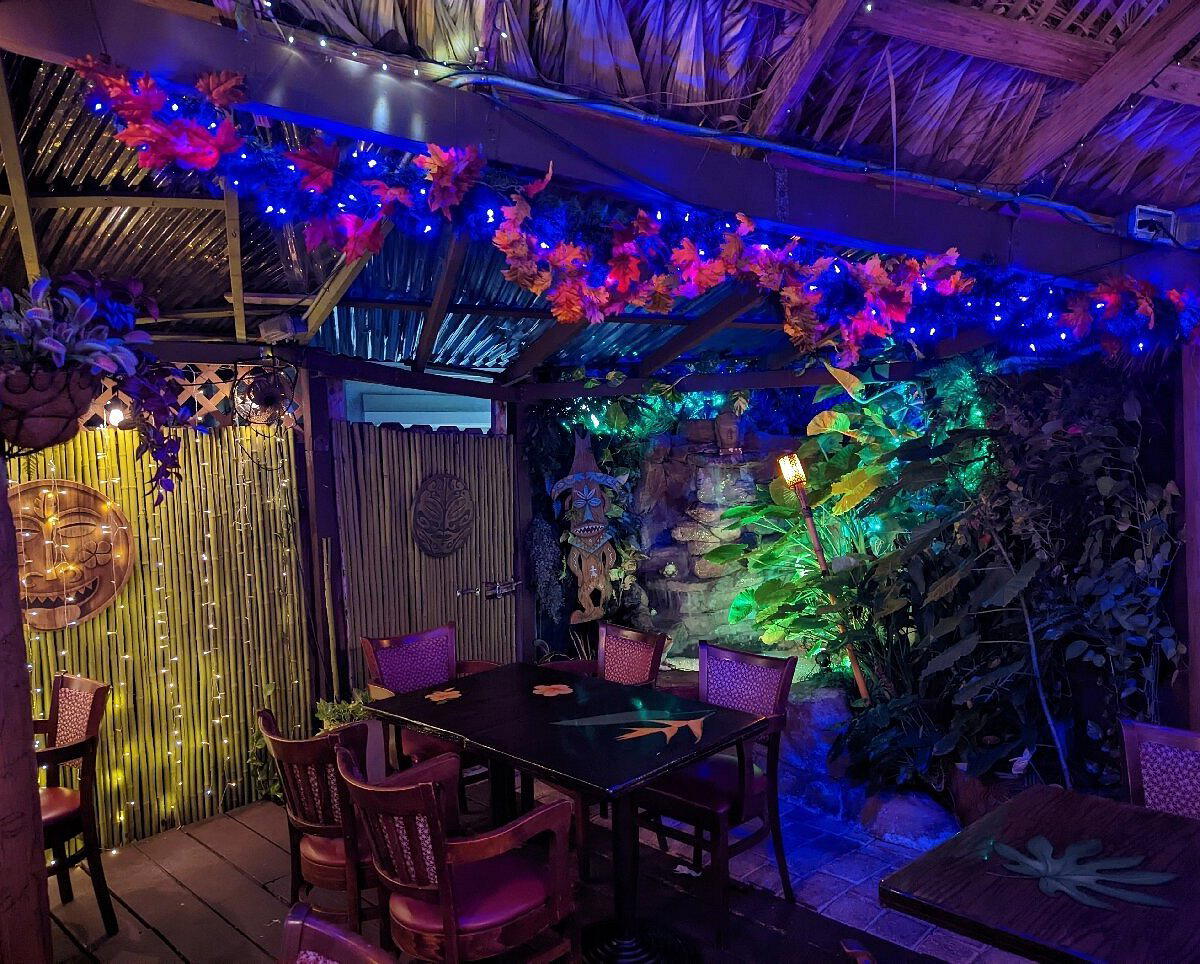
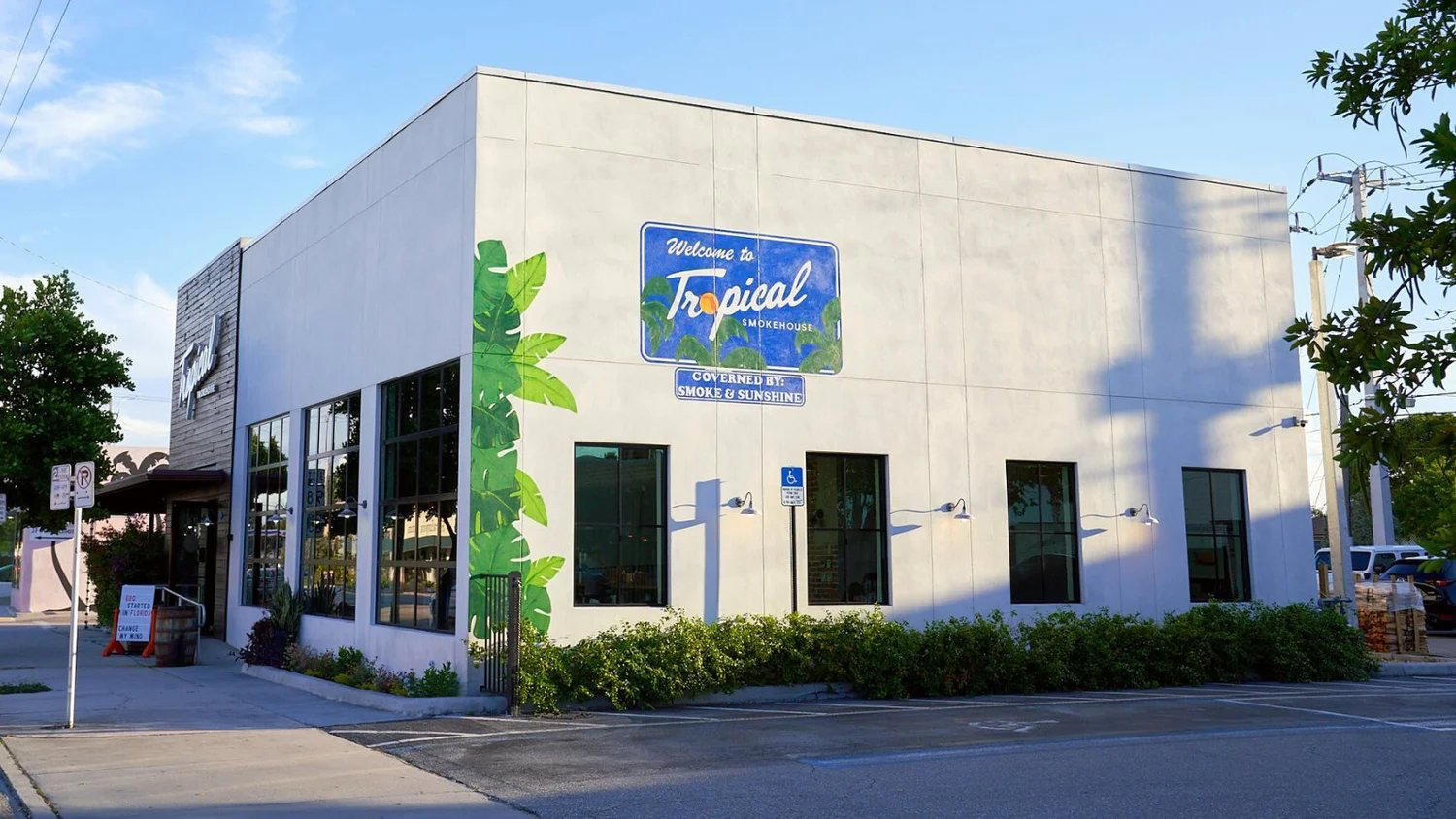
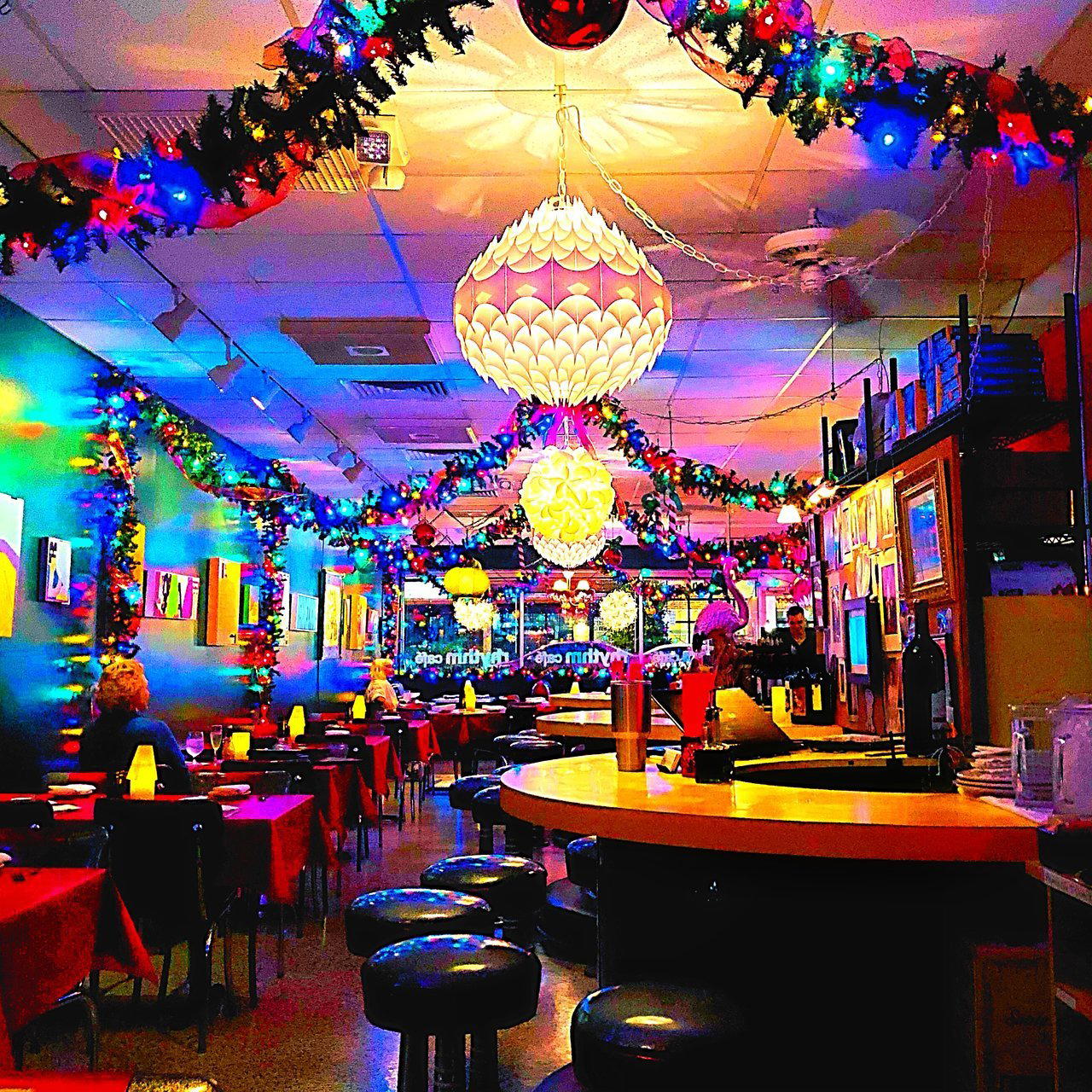
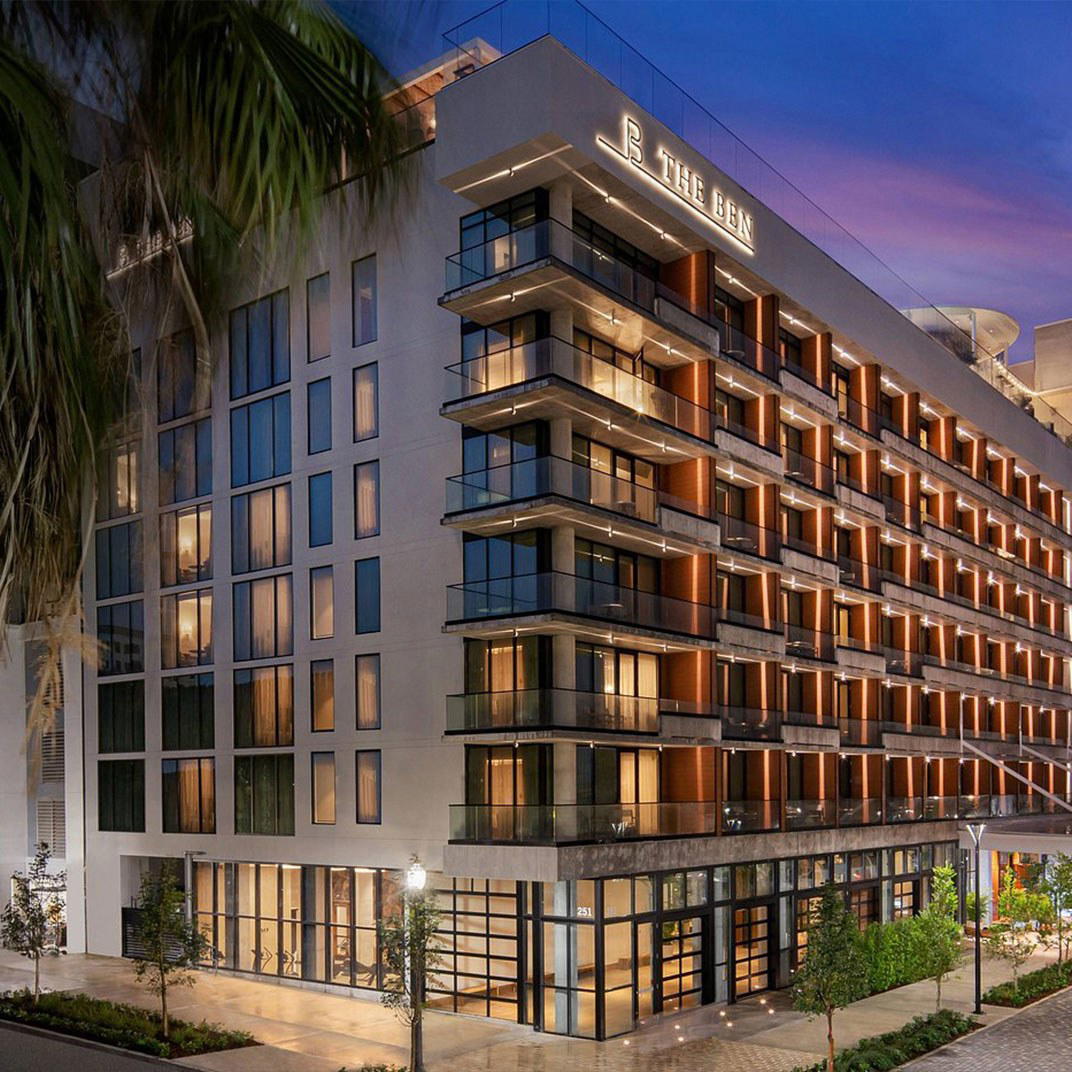
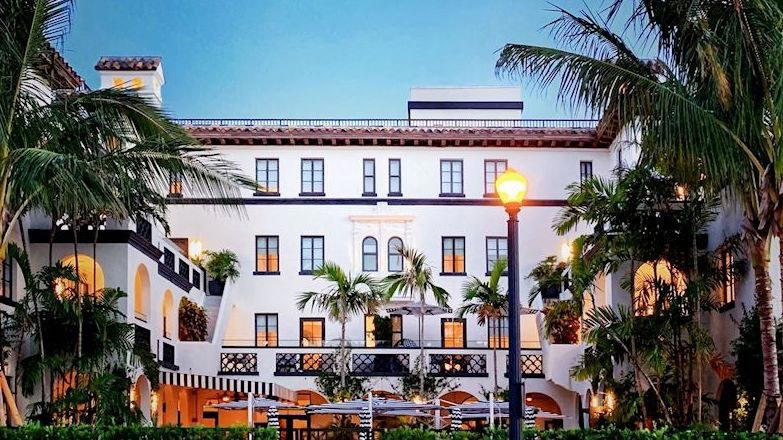
Pistache French Bistro
The wine
Pistache French Bistro holds the Wine Spectator Award of Excellence, which Wine Spectator gives to lists of usually 90 or more selections.
- Wine Spectator
- Wine Spectator Award of Excellence
- Extensive wine list
- Craft cocktails
Details
- Classic
- Elegant
- Cozy
- Date Night
- Brunch
- Casual Hangout
- Live Music
- Open Kitchen
- Terrace
- Extensive Wine List
- Craft Cocktails
- Local Sourcing
- A La Carte
- Vegetarian Friendly
- Vegan Options
- Gluten Free Options
Current opening hours
- Monday
- 11:30 AM–8:45 PM
- Tuesday
- 11:30 AM–8:45 PM
- Wednesday
- 11:30 AM–8:45 PM
- Thursday
- 11:30 AM–8:45 PM
- Friday
- 11:30 AM–9:30 PM
- Saturday
- 11 AM–9:30 PM
- Sunday
- 11 AM–8:45 PM
Hours can change for holidays and private events. Hours as of .
Tasteful modern European ambience that is carefree and casual, evoking a classic French brasserie well-suited for people-watching on the patio.