Malakor Thai Cafe
West Palm Beach's North End has quietly built a reputation for neighborhood dining that resists the polish of downtown. Malakor Thai Cafe, at 425 25th Street, sits inside that tradition: a Thai kitchen operating in a part of the city where regulars still outnumber tourists, and where the food is expected to carry the room without theatrical support.
Pearl is the En Primeur Club membership app — saves, bookings, and concierge access live there. Same editors, same standards.
- Address
- 425 25th St, West Palm Beach, FL 33407
- Phone
- +1 561 762 9070
- Website
- malakor.com
- Directions
- Get directions
 Saves & bookings on Pearl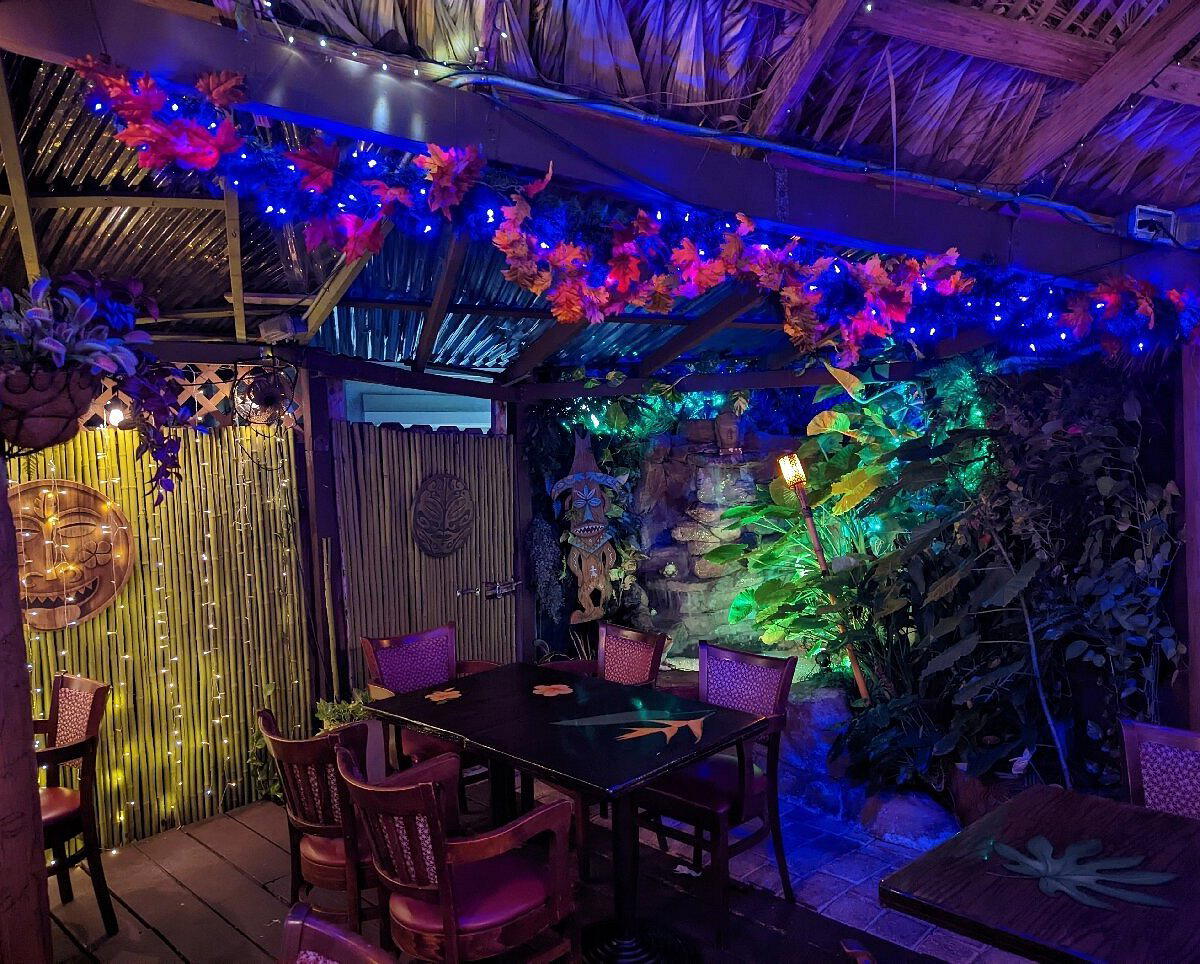
Thai Food at the North End of the Dial
West Palm Beach's dining conversation tilts heavily toward its waterfront corridor and the Clematis Street strip, where Italian trattorias like Grato and European-inflected cafes like Cafe Sapori and Cafe Centro capture most of the editorial attention. The neighborhoods north of downtown operate differently. On 25th Street, the foot traffic is local, the signage is modest, and the kitchens that survive here do so on repeat business from people who live within a few miles of the door.
Thai cooking in the American South tends to bifurcate into two camps: the Americanized suburban buffet model, heavy on peanut sauce and sweet basil, and the smaller, more serious kitchens that hold closer to regional Thai technique. The distance between those two camps is not always visible from the outside. It shows up in the broth, in the heat calibration, and in whether the kitchen understands that fish sauce and lime juice are not interchangeable. Where Malakor falls on that spectrum is part of what draws a specific type of diner to 25th Street.
The Pairing Question: What You Drink Against What You Eat
Thai food presents a specific challenge for anyone thinking about drink pairings, and it is a challenge that most American Thai restaurants sidestep by defaulting to Thai iced tea and domestic lagers. The problem is structural: the cuisine works across sour, sweet, salty, bitter, and heat simultaneously, often within a single dish. A drink that is too tannic closes the palate. One that is too sweet amplifies the sugar already present in many preparations. One that is too carbonated competes with the aromatics.
The drinks programs at craft-focused bars elsewhere in the country have started to take this seriously. At Kumiko in Chicago, the kitchen-bar integration is precise enough that food and drink are designed in dialogue. Bar Leather Apron in Honolulu approaches Pacific-adjacent flavors with similar intent. The model of building a drinks list that actively complements rather than simply accompanies the food is now a measurable differentiator in serious bar-kitchen programs, from Jewel of the South in New Orleans to ABV in San Francisco.
At a neighborhood Thai cafe operating without a full bar license or a cocktail program, the calculus shifts. The practical answer for Thai food at this price point and format is cold, lower-alcohol, and either dry or gently sweet: dry Riesling, sparkling water with a squeeze of lime, cold-brew jasmine tea, or a clean lager with enough carbonation to cut through fat in dishes like pad see ew without overwhelming the galangal and lemongrass present in more aromatic preparations. Thai iced tea, despite its ubiquity, actually works structurally: the sweetened condensed milk rounds out heat, and the strong tea base keeps the palate alert. These are not exotic solutions. They are the right ones for the format.
A Neighborhood Format in a City Still Figuring Itself Out
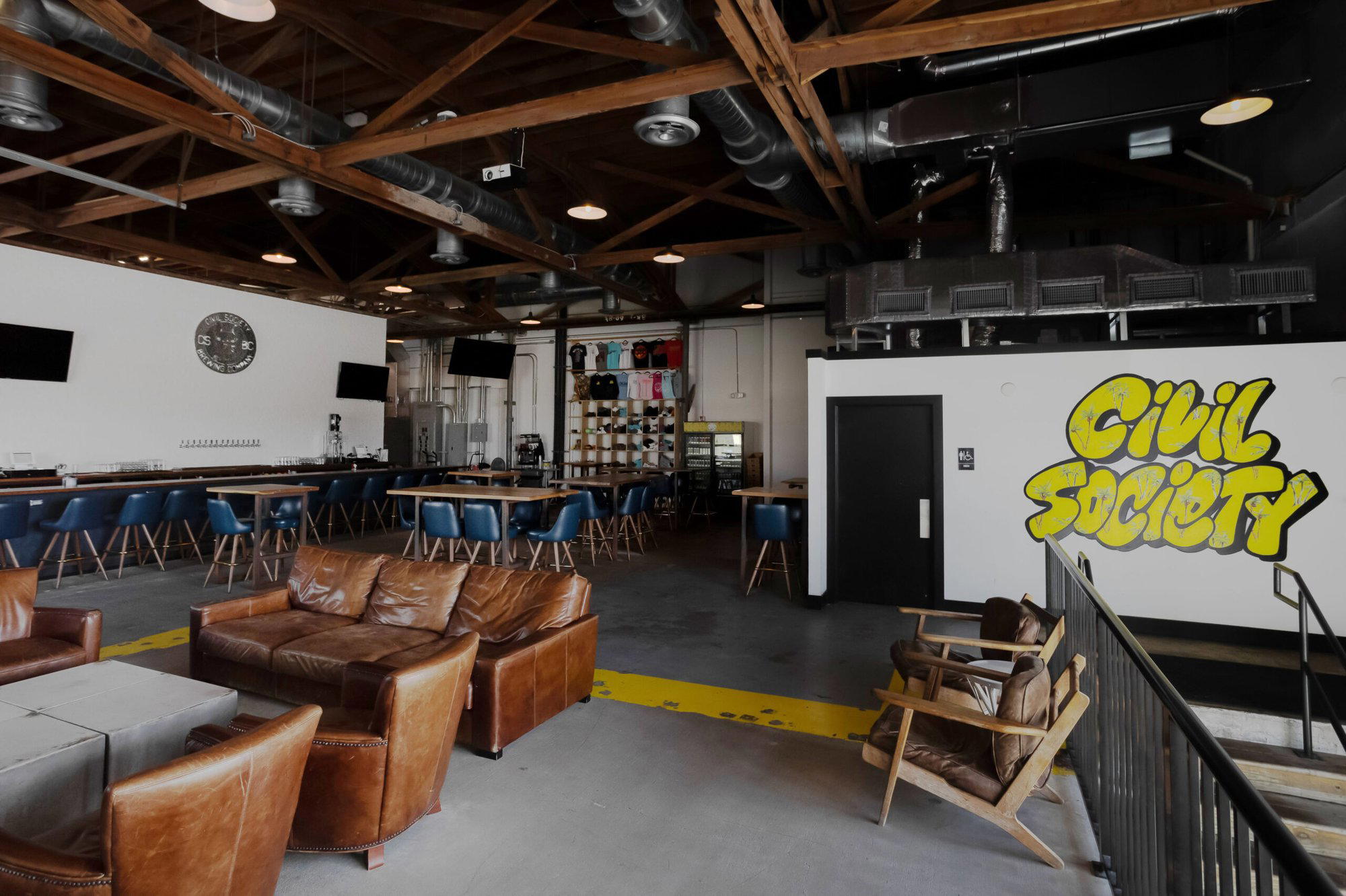
West Palm Beach has spent the better part of a decade repositioning its dining scene, adding brewery taprooms like Civil Society Brewing Co. and watching craft cocktail culture push further into neighborhoods that previously had little of it. That expansion has been real, but it has not been uniform. The north end of the city absorbs less of the development capital and, as a result, retains a more functional dining character: places that feed people rather than perform for them.
Thai cafes occupy a specific and useful niche in that kind of neighborhood. They offer a cuisine with genuine depth, at a price point that makes regular visits viable, in a format that does not require a reservation or a dress code. The model has proven durable across the American urban fabric, from immigrant-dense metros to mid-size southern cities, precisely because it does not depend on novelty. The food itself is complex enough to sustain interest without theatrical presentation.
For the broader West Palm Beach scene, venues like Malakor represent the counterweight to the destination-dining push. They are the reason a neighborhood functions as a neighborhood rather than just a collection of restaurants. The same dynamic plays out in cities with more-documented food scenes: the specialist, low-key formats that operate below the awards radar are often where consistent cooking happens, because the kitchen is cooking for regulars.
Getting There and Planning Your Visit
Malakor Thai Cafe is at 425 25th Street, West Palm Beach, FL 33407, in the city's North End. The address sits away from the Clematis Street cluster and the waterfront dining strip, which means parking is generally easier than in the downtown core, and the pace is slower. For visitors already exploring the city's broader dining picture, this is a reasonable addition to an itinerary that starts downtown and moves north.
At the neighborhood level in West Palm Beach, that logic applies with equal force, even without the awards to prove it.
Comparable Options
Comparable venues nearby, for context on price, style, and recognition.
| Venue | Cuisine | Price | Notes |
|---|---|---|---|
| Malakor Thai CafeThis venue — the venue you are viewing | lounge | $$ | Not listed |
| The Blind Monk | wine_bar | $$ | Downtown West Palm Beach |
| Tropical Smokehouse | pub | $$ | Antique Row |
| Rhythm Cafe | wine_bar | $$ | Antique Row |
| Civil Society Brewing Co. | beer_bar | $ | West Palm Beach |
Continue exploring
More in West Palm Beach
Bars in West Palm Beach
Browse all →
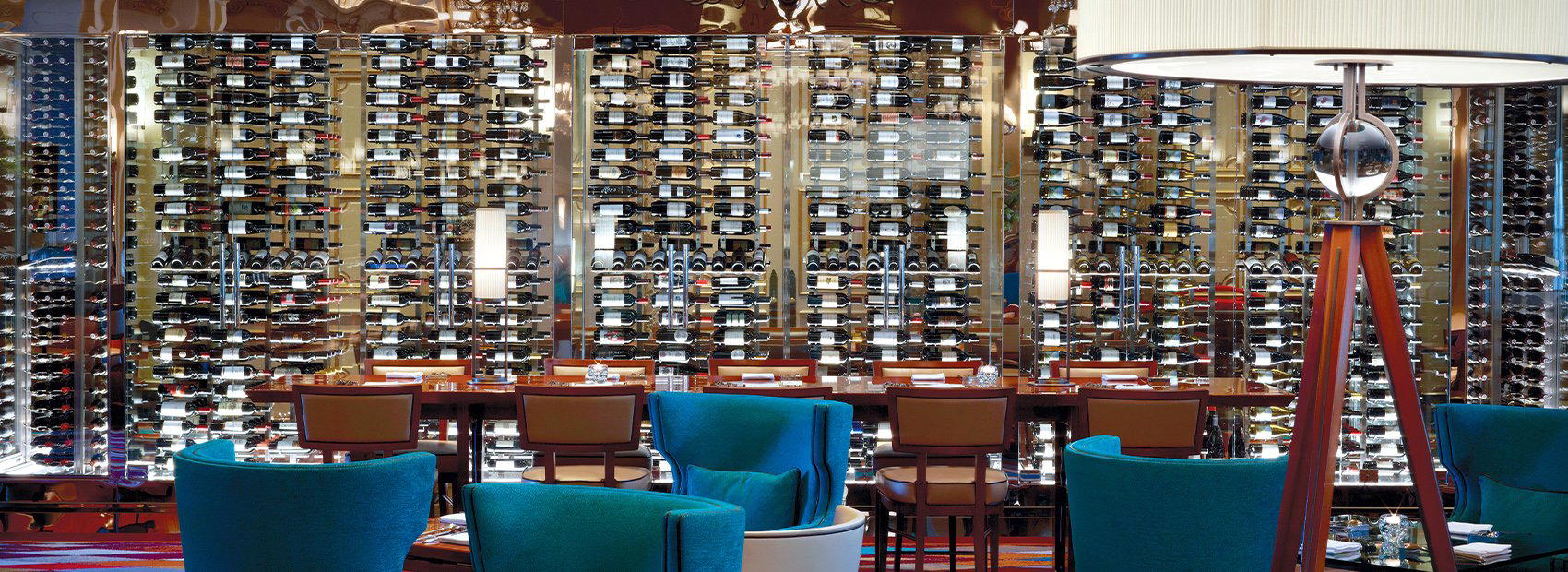
Restaurants in West Palm Beach
Browse all →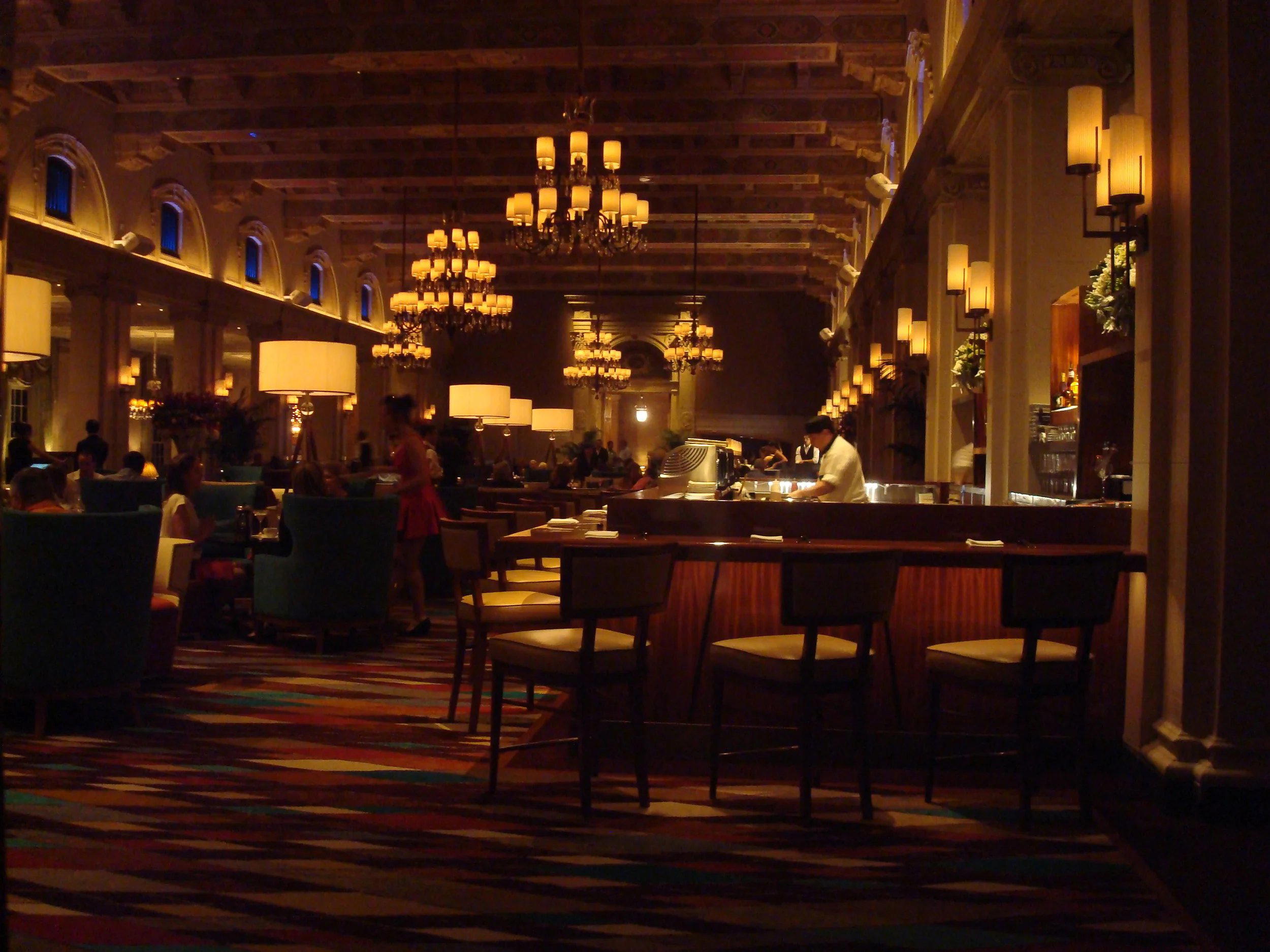
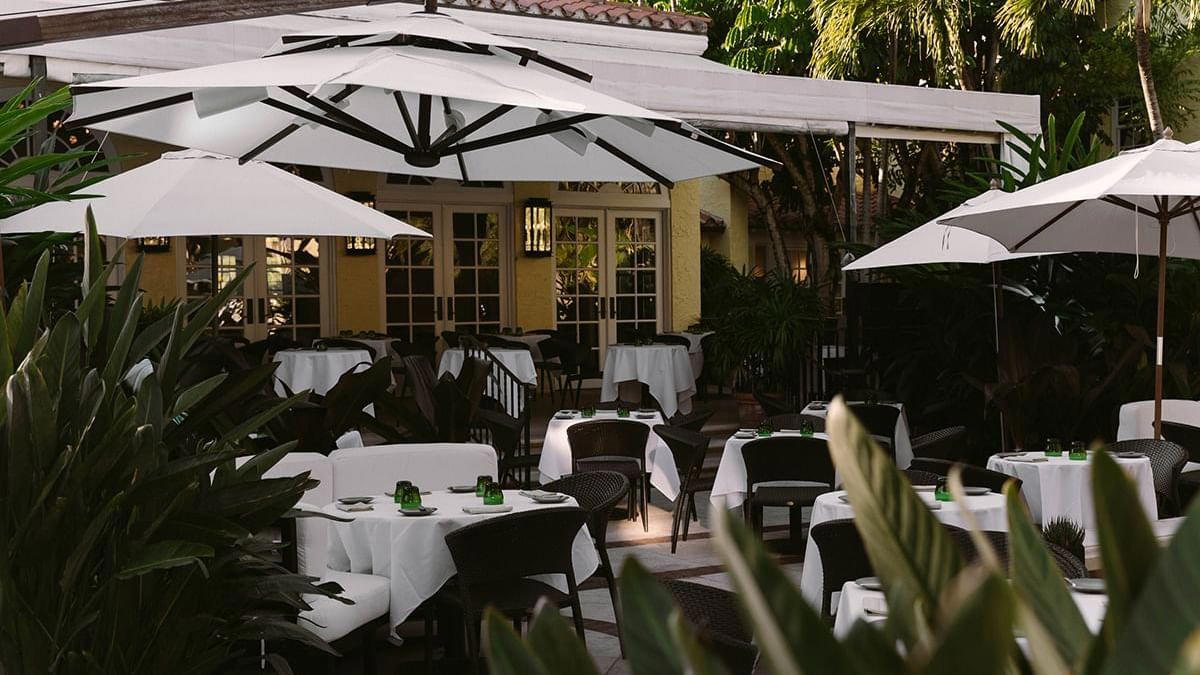
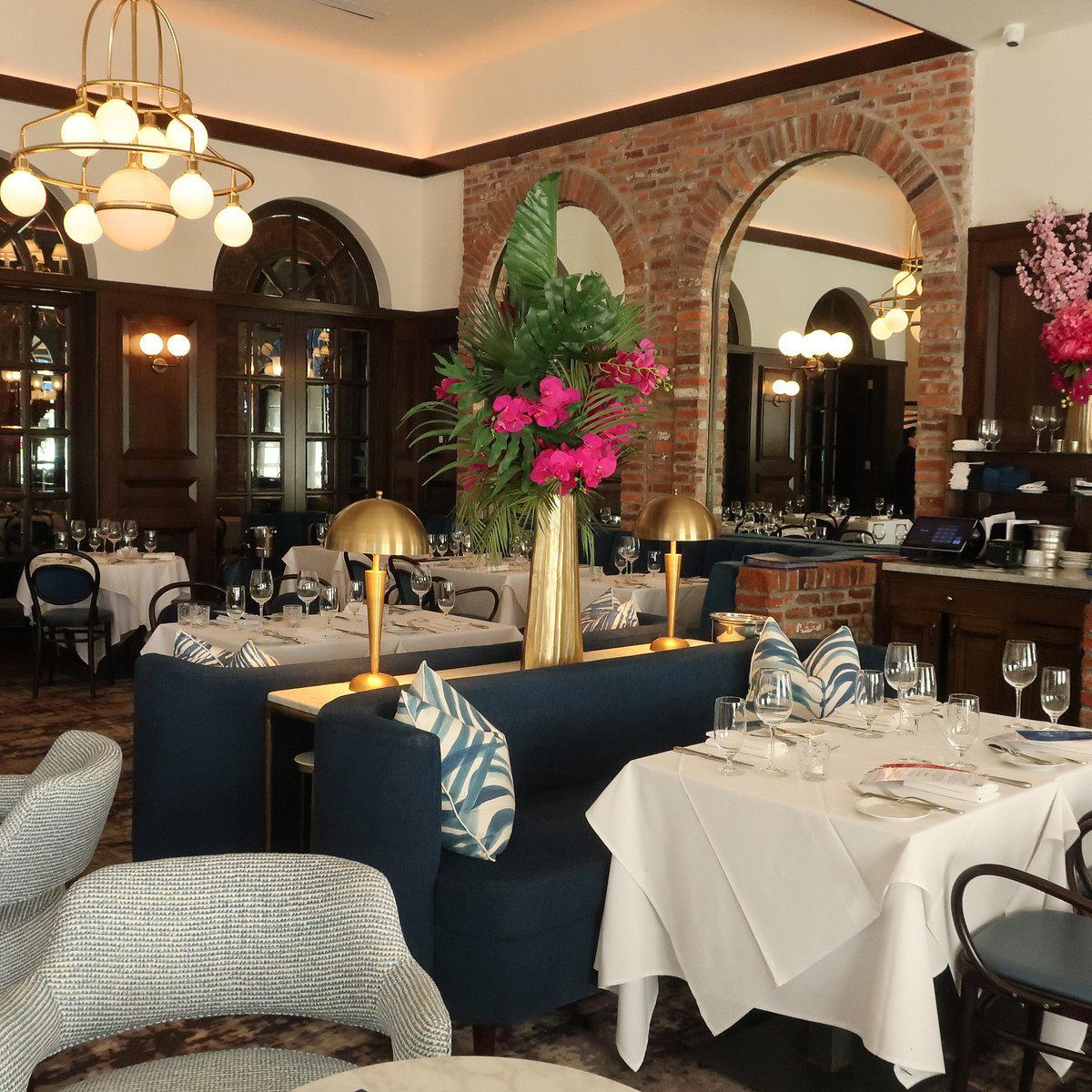
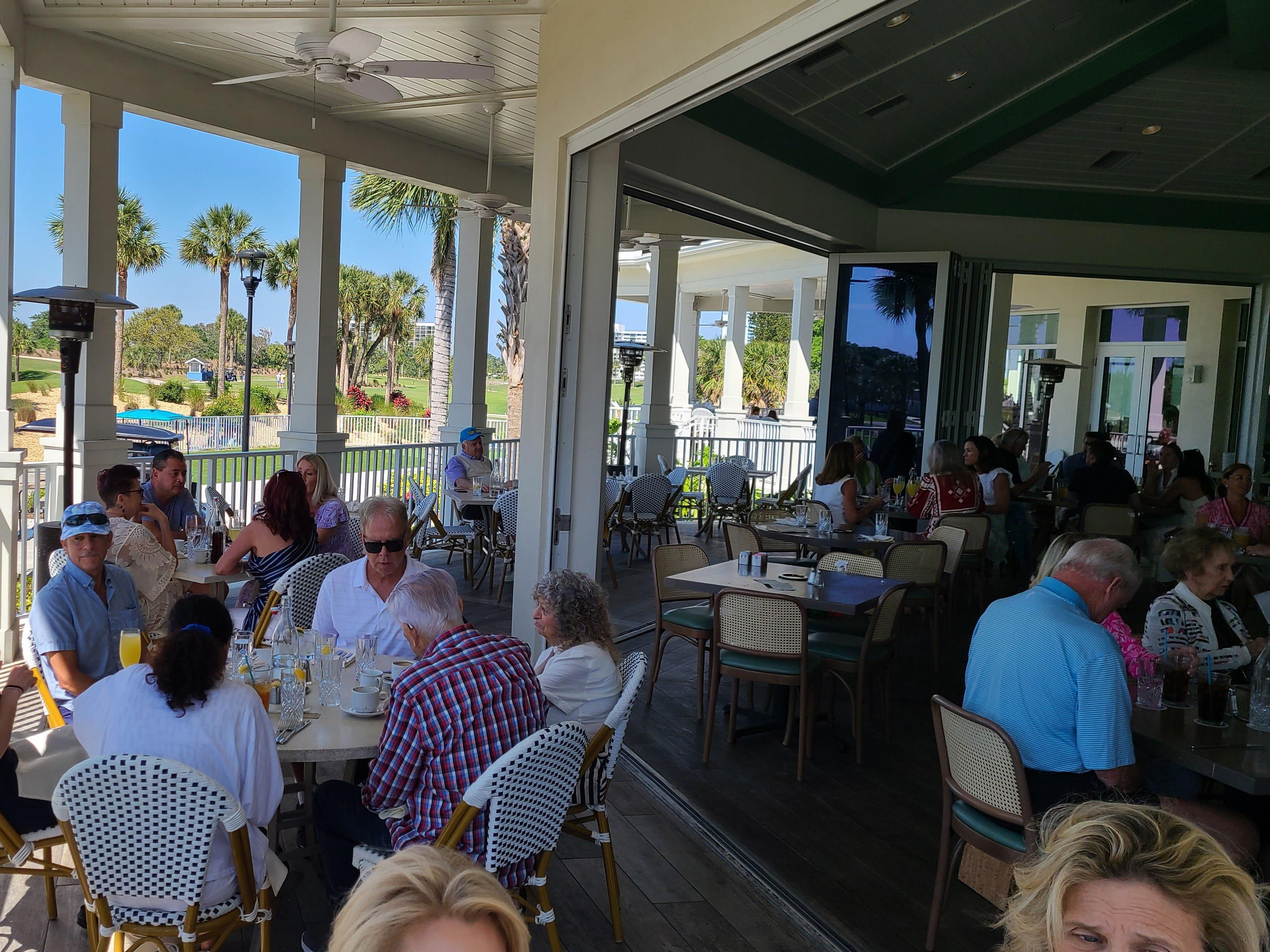
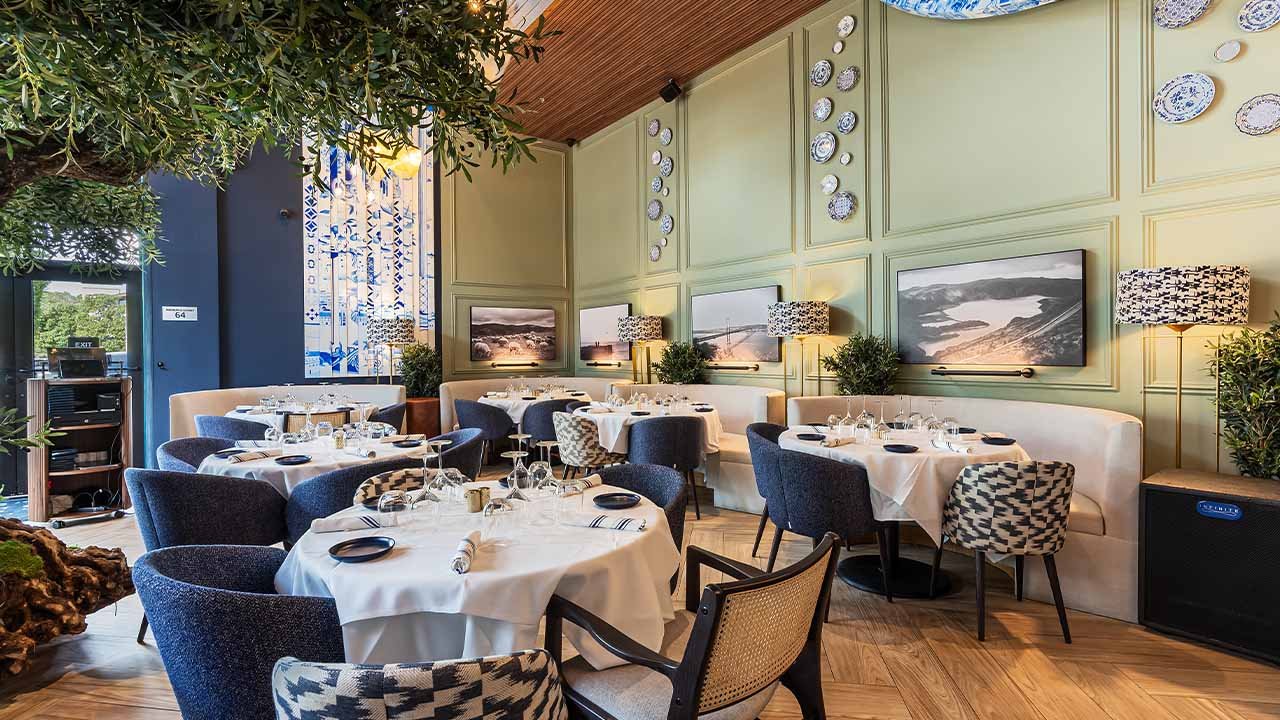
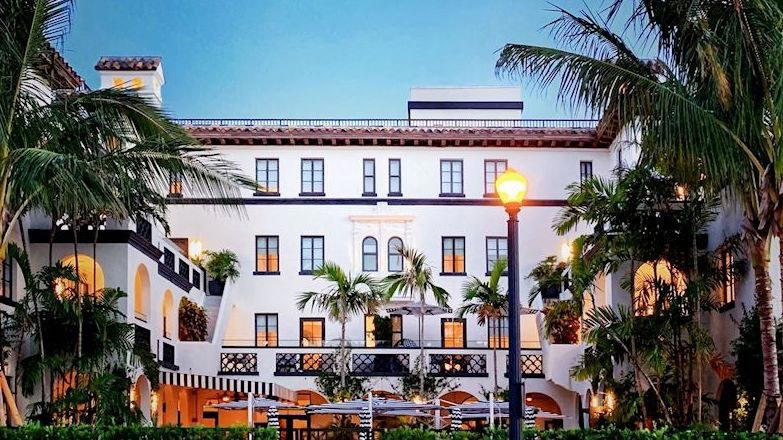
At a Glance
- Lively
- Casual
- Casual Hangout
- Group Outing
- Family
- Standalone
- Design Destination
- Seated Bar
- Outdoor Terrace
- Lounge Seating
Current opening hours
- Monday
- 11:30 AM–3 PM, 5–10 PM
- Tuesday
- 11:30 AM–3 PM, 5–10 PM
- Wednesday
- 11:30 AM–3 PM, 5–10 PM
- Thursday
- 11:30 AM–3 PM, 5–10 PM
- Friday
- 11:30 AM–3 PM, 5–10 PM
- Saturday
- 12–3 PM, 5–10 PM
- Sunday
- 12–3 PM, 5–10 PM
Hours can change for holidays and private events. Last verified .
Lively and inviting with open floor plan, colorful décor, and electronic ambient music creating an energetic yet welcoming atmosphere.