
Tabelog 100 #72
Our verdict
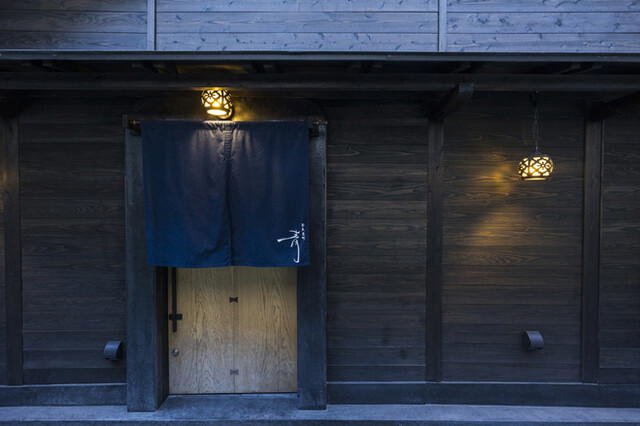
La Casa gives Munakata’s yoshoku tradition a coastal reading rather than a city-diner one, with fish-led cooking, wine, and a small house-restaurant scale near Munakata Taisha. Its Tabelog 100 Yoshoku WEST 2025 selection places it in a serious regional conversation, but the appeal is quieter: a compact room, counter and table seating, and a format that suits families as well as solo diners.

Pearl is the En Primeur Club membership app, where members save venues, book tables and use the concierge.
The menu
What to order
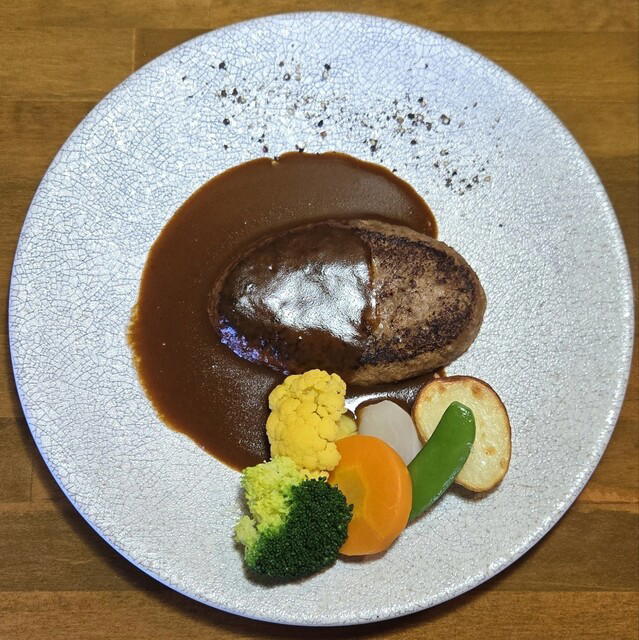
- 100% beef Hamburg steak
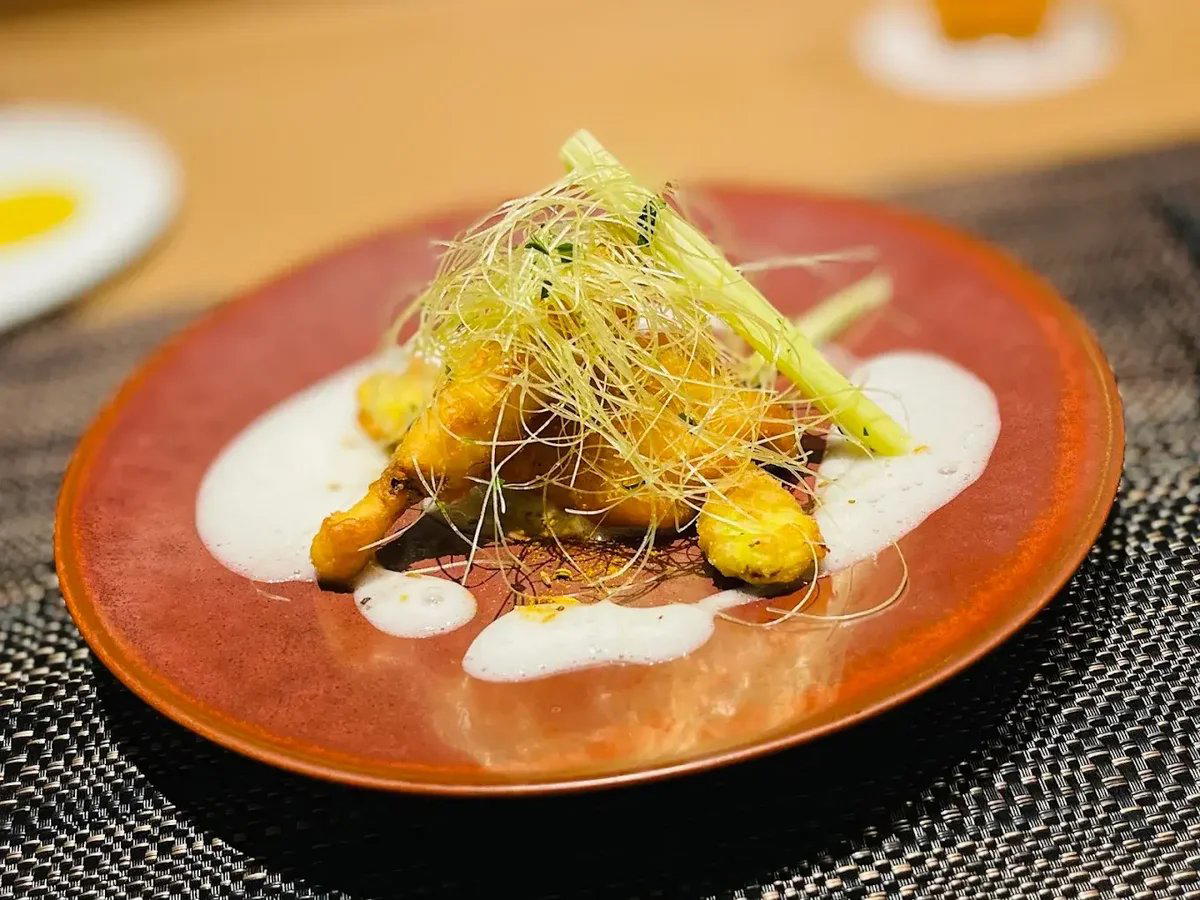
- Fish-focused yoshoku dishes
- Lunch course menu
Approaching La Casa in Munakata changes the expectations around yoshoku. This is not the department-store lunch counter version of Japanese-style Western cooking, nor a polished hotel grill room version. The appeal is better framed through Munakata itself: fewer distractions than a major city-center meal, and a clearer sense that the cooking is being judged by what lands on the plate rather than by theatrical service.
Yoshoku has always been a translation cuisine. In Japan, cutlets, stews, omelet rice, gratins, hamburg steak, and seafood preparations became domestic forms rather than replicas of Europe. In Munakata’s dining orbit, that translation can feel more practical than nostalgic: Western technique used to frame Japanese produce and familiar Japanese dining habits.
Yoshoku, read through Munakata rather than the city center
La Casa’s clearest editorial signal is its position inside the yoshoku category, a field that can range from casual comfort food to more deliberate restaurant cooking. That matters in Munakata, where a meal does not need to copy the pace or polish of a major city to feel worth seeking out. The restaurant’s Tabelog Hyakumeiten recognition for 2025, with a listed score of 3.67, is useful not as decoration but as context: this is a Munakata yoshoku address being evaluated within a broader field, not only as a local convenience.
The category also places the room in a narrower lane than a casual set-meal shop. Yoshoku can be awkward when the cooking is too sweet, too heavy, or too dependent on nostalgia. A more careful kitchen changes that equation. It allows the genre to behave like restaurant cooking while keeping the Japanese structure of rice, sauce, and set-course familiarity. That is the value of this kind of place: it does not need to reject yoshoku’s comfort grammar to make it feel current.
Munakata’s restaurant map is not dense in the way a larger city’s can be, so individual addresses carry more weight. A dessert specialist such as Ice Kobo Raku Nouka answers a different local craving, while La Casa sits in the meal proper: a cuisine-conscious stop rather than a quick snack detour. For a wider read on the city’s dining options, our full Munakata restaurants guide gives the better overview.
A small-restaurant scale with yoshoku discipline
The restaurant’s format is part of the argument, even without needing to overstate the particulars. The experience belongs to the focused dining tier rather than the anonymous café tier. That framing affects how yoshoku is received. A clear restaurant context lets timing, sauces, and plating matter; the familiar category keeps the meal accessible. In a city where outings may combine errands, visits, and family plans, that balance is part of the appeal.
For travelers, the Munakata location gives the meal a natural frame without turning it into a tourist-only stop. Regional dining often produces a familiar pattern: sweets, noodles, souvenir food, and quick lunches near the main flow of movement. A more considered yoshoku restaurant shifts that pattern into a slower register. It is better understood as a meal to anchor a Munakata outing than as an incidental bite between stops.
The audience signals are broad without becoming generic. Yoshoku is familiar enough for mixed-age dining, but specific enough to reward diners who pay attention to technique, sauce, and the way Japanese Western cuisine has evolved locally. That combination is valuable in regional Japan, where many serious restaurants can feel socially narrow even when the cooking is accessible. Here, the category itself helps: it gives the meal an easy entry point without reducing it to a checklist lunch.
How it fits into a Munakata itinerary
Munakata rewards travelers who do not treat it as a single-stop excursion. The city’s appeal is cumulative: local food culture, an unhurried pace, and a hospitality rhythm distinct from larger urban centers. Pairing a meal here with the broader city guides makes sense, especially for visitors building a full day rather than a single lunch. For stays, see our full Munakata hotels guide; for drinking, our full Munakata bars guide; for producers and bottles, our full Munakata wineries guide; and for cultural planning, our full Munakata experiences guide.
In national context, La Casa belongs to a Japan-wide category of specific restaurants that are more useful than their modest packaging suggests. The comparison is not with luxury counters in Tokyo or Kyoto, but with focused regional addresses that give one cuisine a local accent. Readers mapping that broader spread can also look within Munakata itself: places such as Izumi, TOBIUME, Teppanyaki, and The Lounge on the Water show how varied the city’s dining can be, while other unnamed dining rooms fill in the everyday picture around them.
The editorial case is clear: choose this address when Munakata itself is part of the reason for eating. The cooking sits at the intersection of yoshoku familiarity, local context, and attentive hospitality. That combination gives the city a more grounded dining identity than a checklist meal ever could.
Frequently asked questions
Is La Casa good for families?
La Casa is a yoshoku restaurant in Munakata, and the category is generally approachable for a range of diners.
What kind of setting is La Casa?
La Casa is a Munakata yoshoku restaurant. Its setting is best understood as a focused local dining room rather than a large city-center venue.
Is La Casa more mid-range or high-end?
Pricing at La Casa is listed as Dinner: JPY 3,000 - JPY 3,999; Lunch: JPY 1,000 - JPY 1,999.
What days is La Casa closed?
Current opening days and closures should be checked directly with La Casa before visiting.
In Context: Similar Options
Comparable venues by cuisine and price in the same metro.
| Venue | Cuisine | Price | Awards | Notes |
|---|---|---|---|---|
| La CasaThis venue (the venue you are viewing) | Japanese-style Western (Yoshoku) house restaurant | $20–30 | Tabelog 100 #72 | Not listed |
| Ice Kobo Raku Nouka | Gelato & Ice Cream Shop | $1–10 | Tabelog 100 #62 | Munakata |
| Ikkaku | Kagawa Honetsukidori Grilled Chicken | $20–30 | Not listed | Takamatsu |
| 和風レストラン 青葉の庄 | Traditional Japanese Washoku Set Meals | Not listed | Not listed | 宇陀市 |
| かねかつ | Ramen & Tsukemen Shop | $10–20 | Tabelog 100 #9 | 北浦和 (Kita-Urawa) |
| Kappa | Tonkatsu with Demi-Glace Sauce | $10–20 | Tabelog 100 #78 | Achi |
Recognition history
Dated appearances from independent guides and award organizations, with the underlying list record or original source where available.
Tabelog 100 #72 · No. 72
Tabelog · Tabelog 100 - Yoshoku - WEST - 2025
Continue exploring
More in Munakata
Restaurants in Munakata
All restaurants in Munakata →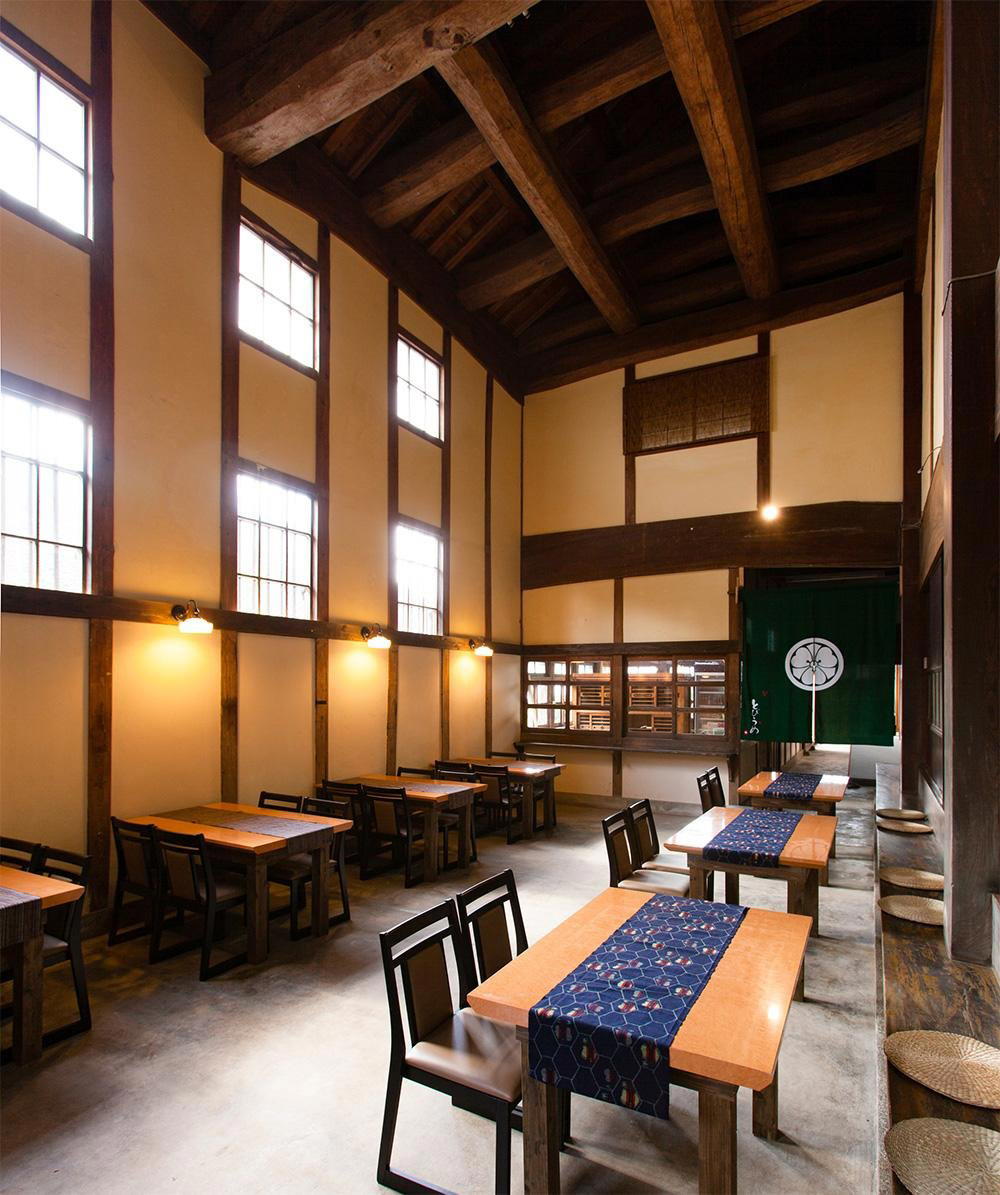
Details
- Cozy
- Classic
- Family
- Solo
- Casual Hangout
- Date Night
- Standalone
- Terrace
- Private Dining
- Set Menu
- A La Carte
- Counter Dining
- Wine
Current opening hours
- Monday
- Closed
- Tuesday
- Closed
- Wednesday
- Closed
- Thursday
- Closed
- Friday
- Closed
- Saturday
- 11 AM–2:30 PM
- Sunday
- 11 AM–2:30 PM
Hours can change for holidays and private events. Hours as of .
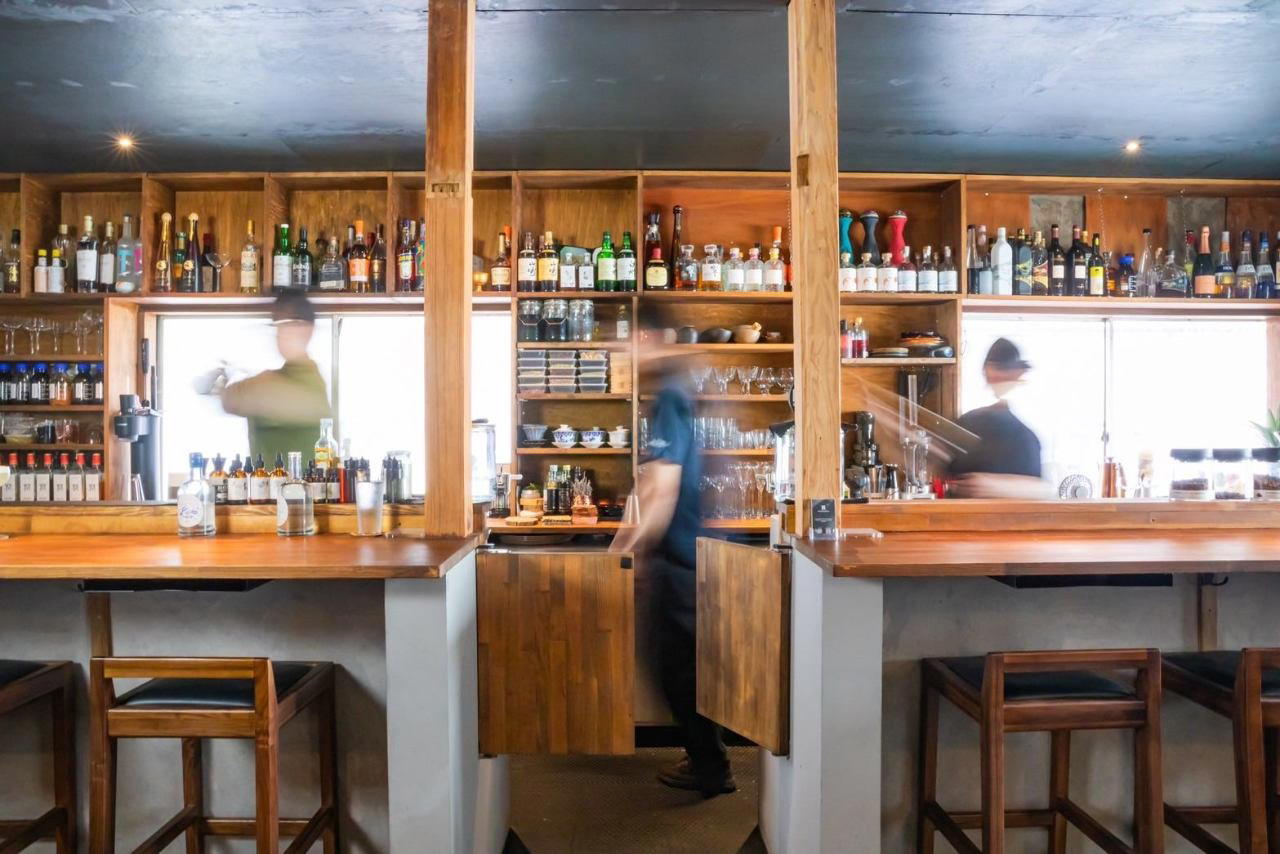
A small house-restaurant with about twenty seats, non-smoking and family-friendly, combining a stylish yet homey interior, counter and table seating, and a relaxed lunchtime atmosphere that suits both solo diners and families.