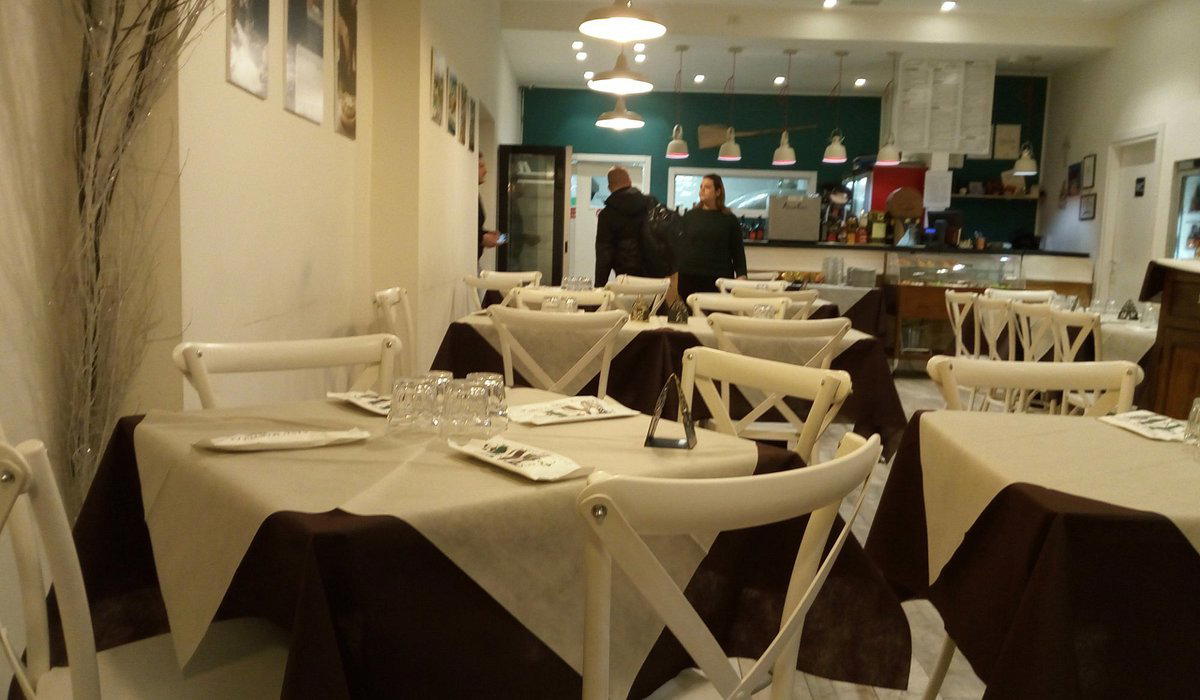
Via Sapienza sits in the dense historic grid between the Duomo and the university district, and La Cantina di via Sapienza is one of the addresses that has long anchored the street's reputation for no-ceremony Neapolitan eating. The format belongs to a trattoria tradition that Naples protects fiercely: short menus, communal energy, and prices calibrated for the neighbourhood rather than the tourist circuit.
Pearl is the En Primeur Club membership app — saves, bookings, and concierge access live there. Same editors, same standards.
- Address
- Via Sapienza, 40, 80138 Napoli NA, Italy
- Phone
- +39 081 459078
- Website
- cantinadiviasapienza.it
- Directions
- Get directions
 Saves & bookings on Pearl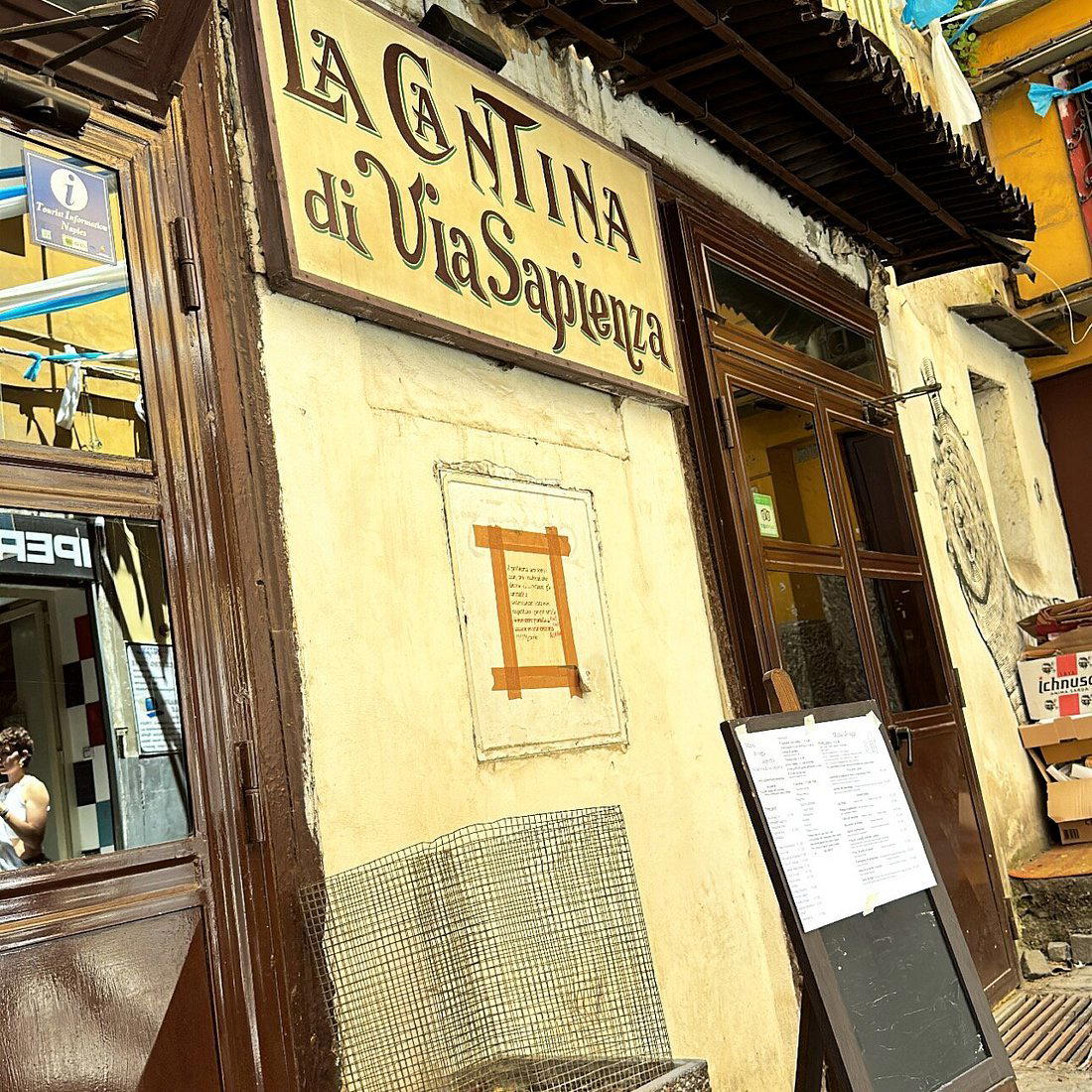
A Street That Eats Seriously
Via Sapienza runs through one of the oldest quarters of Naples, threading between the Duomo complex and the university buildings that have defined this part of the centro storico for centuries. Streets like this one follow a specific logic in Naples: they are not dining destinations in the way that a curated restaurant row might be, but they function as reliable infrastructure for the people who live and work in them. The cantina format, a word that in this city still carries its original meaning of a wine-anchored neighbourhood room rather than a branded concept, fits that logic precisely.
For context on how Naples organises its eating, it helps to separate the city's dining tiers. At one end sit creative fine-dining rooms like George Restaurant, which operates at the €€€€ bracket and positions itself in a national conversation about contemporary Italian cooking. A step below, addresses like Veritas work the Campanian canon with more formal structure. Then there is the dense, unpretentious middle tier to which a cantina like this one belongs: places where the value proposition is immediacy, informality, and proximity to the ingredient rather than the concept. Neither Palazzo Petrucci's ambition nor Gino Sorbillo's queue-drawing fame applies here. This is a different register entirely.
What Planning a Visit Actually Looks Like
The editorial angle on La Cantina di via Sapienza is, frankly, the logistics, and specifically the gap between what visitors assume about booking Neapolitan cantinas and how these places actually operate. Naples at the cantina level tends to work on limited covers, walk-in tolerance that varies by hour and season, and an absence of the digital booking infrastructure that visitors accustomed to London or Tokyo reservation systems expect. That is not unusual for this category in this city, it is characteristic of it.
What that means practically: arriving mid-afternoon at a southern Italian cantina when service has ended, or showing up on a Saturday evening assuming a table will materialise, is a gamble with poor odds. The more reliable approach across this tier in Naples is to arrive early in the lunch service window, treat the first pass as reconnaissance if the room is full, and return within twenty minutes. The centro storico lunch crowd moves with more predictability than the dinner crowd, and a room this close to the university district will move faster at lunch than at dinner in term time. For visitors planning a tighter itinerary, the surrounding streets offer backup options: 12 Morsi and 1947 Pizza Fritta both hold their own in this part of the city and serve as credible contingencies if Via Sapienza is at capacity.
The opening hours are Mon 12:30 to 3 PM; Tue 9 AM to 3 PM; Wed closed; Thu to Sat 12:30 to 3 PM; Sun 12 to 3 PM, so lunch is the reliable window.
The Neighbourhood as Context
Via Sapienza's immediate surroundings deserve a moment. The street is within walking distance of the Complesso Monumentale dei Girolamini, the Museo del Tesoro di San Gennaro, and the main axis of Spaccanapoli. This is not background decoration; it shapes who eats at places like this cantina and when. The lunch crowd in this quarter is drawn from university staff, clergy, legal professionals working in the nearby court buildings, and craftspeople from the small workshops that still operate in the ground floors of the palazzi. That composition pushes cantinas here toward the kind of cooking that is fast, filling, and rooted in the Campanian larder without making a performance of it, pasta al forno, braised secondi, seasonal vegetables cooked in olive oil and left to sit. The kind of food that Italy exports as a concept but that is hardest to find at its most unconstructed outside of neighbourhoods exactly like this one.
For visitors building a broader Italian itinerary, the contrast with the country's formal fine-dining tier is worth noting. Italy's most recognised restaurant addresses, from Osteria Francescana in Modena to Enoteca Pinchiorri in Florence, from Le Calandre in Rubano to Piazza Duomo in Alba, share almost nothing operationally with a Neapolitan cantina beyond the fact that both serve Italian food. The planning logic is entirely different, the price tier is entirely different, and the thing being preserved is entirely different. Fine dining in Italy at that level, whether at Reale in Castel di Sangro, Uliassi in Senigallia, or Dal Pescatore in Runate, operates through advance booking, formal structure, and deliberate occasion-building. A cantina like this one operates through proximity, repetition, and refusal to engineer the experience at all. Both are worth seeking out; neither substitutes for the other.
Internationally, the gap is even wider. The pre-booked tasting format at Lazy Bear in San Francisco or the technical precision at Le Bernardin in New York City represent a different axis of restaurant culture entirely. The comparison is useful not to rank one above the other but to sharpen what Via Sapienza actually offers: the opposite of engineered dining, in one of Italy's most food-serious cities.
Planning Your Visit
La Cantina di via Sapienza is at Via Sapienza, 40, in the centro storico of Naples. No website or reservations line is publicly listed, which places it squarely within the walk-in cantina tradition of this quarter. The address is reachable on foot from Piazza del Gesù Nuovo and from the Museo Archeologico Nazionale, and it sits close enough to the main Spaccanapoli axis that it can anchor a half-day in this part of the city. For those extending into the wider Campanian region, Quattro Passi in Marina del Cantone and Atelier Moessmer further north represent the formal end of the southern Italian dining range, and the contrast with an address like this one is instructive in both directions. Similarly, Enrico Bartolini in Milan demonstrates how differently northern Italian fine dining organises itself from the cantina tradition of the Mezzogiorno.
Side-by-Side Snapshot
Comparable venues nearby, for context on price, style, and recognition.
| Venue | Cuisine | Price | Notes |
|---|---|---|---|
| La Cantina di via SapienzaThis venue — the venue you are viewing | Authentic Neapolitan Trattoria | $ | Not listed |
| 1947 Pizza Fritta | Neapolitan Fried Pizza | $ | Il Vasto |
| Gino e Toto Sorbillo | Neapolitan Pizza | $ | Mater Dei |
| Pastfood | Neapolitan Street Food | $ | Mater Dei |
| Ciro a Santa Lucia | Neapolitan Pizza & Fresh Seafood | $$ | San Ferdinando |
| Pizza Fritta da Fernanda | Traditional Neapolitan Pizza Fritta | $ | Vomero |
Continue exploring
More in Naples
Restaurants in Naples
Browse all →
Bars in Naples
Browse all →
Hotels in Naples
Browse all →


At a Glance
- Rustic
- Cozy
- Classic
- Casual Hangout
- Solo
- Family
- Standalone
- Historic Building
- Local Sourcing
Current opening hours
- Monday
- 12:30–3 PM
- Tuesday
- 9 AM–3 PM
- Wednesday
- Closed
- Thursday
- 12:30–3 PM
- Friday
- 12:30–3 PM
- Saturday
- 12:30–3 PM
- Sunday
- 12–3 PM
Hours can change for holidays and private events. Last verified .