La Cave occupies a discreet address on the Boulevard de la République, a short walk from the Palais des Festivals, placing it in the quieter residential current of Cannes rather than the full glare of the Croisette. The format here is caviste-led: wine drives the structure of an evening, and food follows accordingly. For visitors who find the city's grander dining rooms too ceremonially weighted, La Cave offers a different register entirely.
Pearl is the En Primeur Club membership app — saves, bookings, and concierge access live there. Same editors, same standards.
- Address
- 9 Bd de la République, 06400 Cannes, France
- Phone
- +33493997987
- Website
- lacavecannes.com
- Directions
- Get directions
 Saves & bookings on Pearl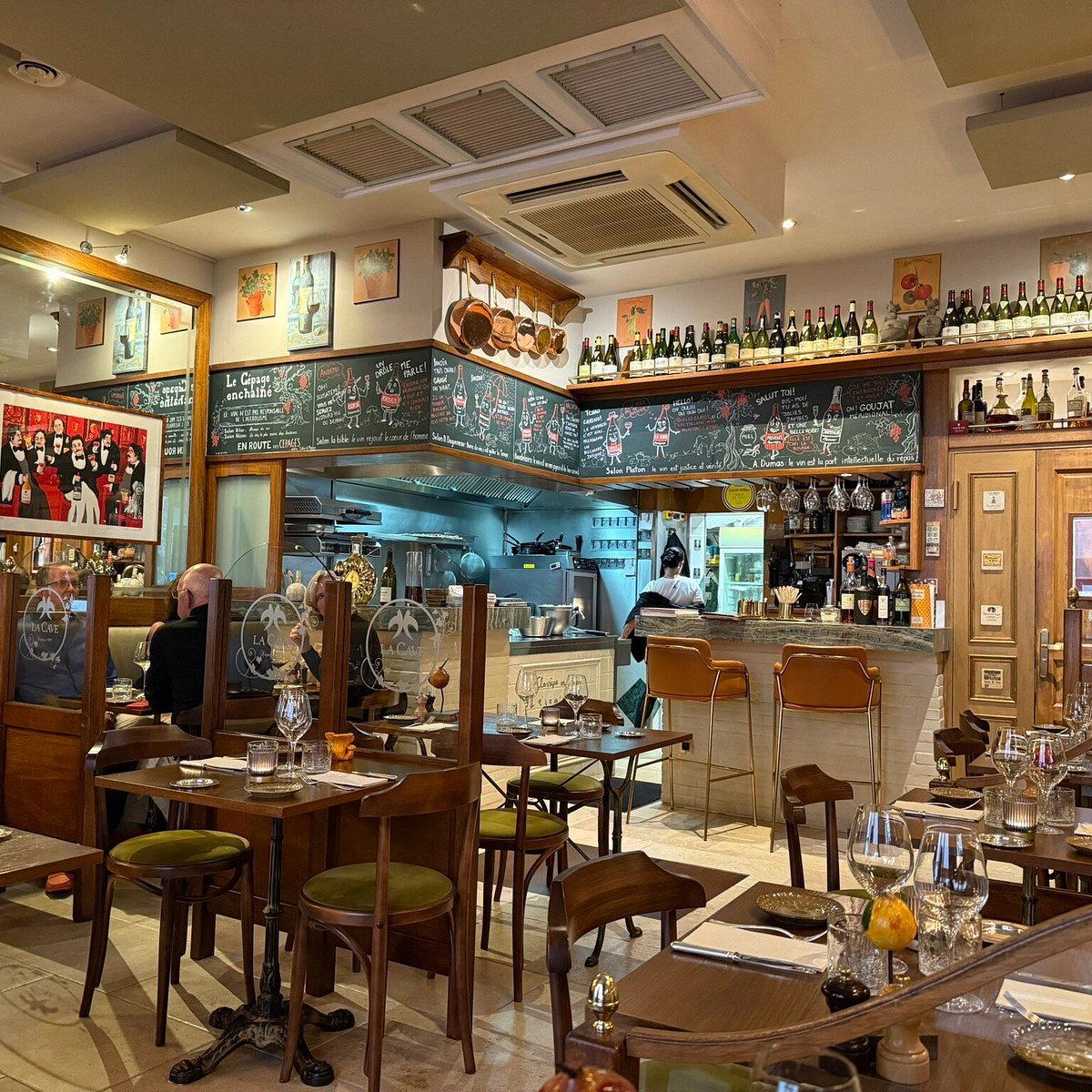
Wine First, Then Food: The Logic Behind Cannes' Cave Culture
Cannes has a well-documented appetite for ceremony. The dining rooms closest to the Croisette, places like Alléno Paris au Pavillon Ledoyen in Paris's southern comparable set, operate on the assumption that the occasion is the point. Further from the seafront, a different hospitality format surfaces: the cave à manger, where wine selection precedes the menu conversation and the pacing of the meal is slower, less theatrical, more contingent on what's open and pouring well that night. La Cave, a Traditional French Bistro in Cannes at 9 Boulevard de la République, belongs to that tradition.
Boulevard de la République runs through the part of Cannes that conference delegates and first-time visitors rarely reach. It is residential in texture, practical in its commerce, and removed enough from the Palais des Festivals to feel like a different city. Approaching La Cave on foot from the old port, the transition from tourist Cannes to neighbourhood Cannes happens within two or three blocks. The address is a signal in itself.
The Ritual of a Wine-Led Meal
In French cave culture, the architecture of a meal works differently than it does in a restaurant built around a kitchen. The cellar, or the selection behind the counter, sets the agenda. A table might open with whatever the house is currently excited about: a Bandol from an estate that arrived that week, a Provence rosé outside the mainstream Côtes de Provence register, or something from further afield that the buyer has been accumulating in small quantities. Food arrives in response to that, not as the anchoring event.
This inversion of the conventional restaurant sequence is worth understanding before you arrive. Venues operating in this format tend to resist the imposed rhythm of appetiser-main-dessert in favour of something closer to the Spanish or Italian practice of ordering as the wine dictates. That does not mean the food is incidental. Across French cave à manger culture generally, the kitchen produces work that holds its own against dedicated bistros, often with a compressed menu that focuses on whatever pairs cleanly with a wide range of wines. Think charcuterie with enough fat to carry tannin, soft cheeses timed to open bottles, and dishes that ask for a second glass rather than demanding to be the centrepiece.
For context on how Cannes positions its more casual mid-market dining, Aux Bons Enfants operates on a similar everyday-Provençal frequency, though with a kitchen-first rather than cellar-first structure. Bistro Les Canailles and Bobo bistro occupy related niches in the city's mid-register dining. La Cave's distinction, if the format holds to type, is that the wine list is not a supplement to the meal but its organising principle.
Where La Cave Sits in the Cannes Dining Order
Cannes dining splits, roughly, into three tiers. At the leading end, formal rooms with Michelin recognition or equivalent standing attract visitors for occasion meals. Below that, a cluster of traditional Provençal and seafood-led addresses, among them Astoux et Brun, serve the city's regular appetite for well-sourced fish and shellfish at prices below the grand dining room tier. The third register is more informal: wine bars, caves, and neighbourhood bistros that serve the city's permanent population rather than its seasonal visitors.
The restaurant operates at the intersection of the second and third tiers. It is not a grand restaurant in the manner of the Croisette hotels, nor is it the kind of Provençal institution that has been serving the same bouillabaisse since the postwar decades. It is, instead, a place whose value is relational: it makes most sense when you understand it against the broader Cannes offering, and when you arrive with the expectation of a wine conversation rather than a tasting menu sequence.
For those who have spent time at addresses like Affable, which occupies the traditional bistro register with more formal service structure, the restaurant represents a deliberate step down in ceremony and a corresponding step up in informality. That is not a criticism. The Riviera's cave culture is a serious thing, and the buyers who run these spaces often have access to regional producers that formal restaurants bypass in favour of more recognisable appellations.
The Broader French Cave Tradition
To understand what the restaurant is doing, it helps to place it in the wider French context. The cave à manger format proliferated across France's secondary cities and resort towns through the 2000s and 2010s, partly as a response to the cost and complexity of running a full restaurant kitchen, partly as an expression of a generation of wine buyers who wanted to eat well alongside their work. The model has precedent in Lyon, in Bordeaux, and along the Rhône corridor, where vignerons and négociants have long blurred the line between selling wine and feeding the people who came to buy it.
On the Côte d'Azur, that tradition lands with a particular regional inflection. Provence's wine identity, which extends beyond the rosé category that dominates export markets into serious red production around Bandol and Palette, gives cave operators genuine depth to work with. A well-stocked cave in this region can move between Burgundy references, local Domaine de Trevallon, and Italian selections from across the border at Ventimiglia without those choices feeling arbitrary. The Riviera's proximity to both Italian and Alpine wine cultures, illustrated in part by the ambition of restaurants like Mirazur in Menton, creates a regional wine literacy that good cave operators translate into interesting, shorter lists.
Planning Your Visit
The restaurant sits at 9 Boulevard de la République, a walkable distance from both the old port and the main train station, which makes it accessible without relying on the seafront hotel corridor. The restaurant is recommended for reservations and is open Monday to Saturday from 6:30 to 10:30 PM, with Sunday closed, particularly during the film festival period in May when the city's hospitality resources compress sharply. Walk-in availability depends heavily on the season: during festival weeks and the summer peak, any serious address in Cannes fills earlier than usual. Outside those windows, Cannes dining is considerably more navigable, and neighbourhood addresses like La Cave are likelier to have space at short notice.
What It’s Closest To
Comparable venues nearby, for context on price, style, and recognition.
| Venue | Cuisine | Price | Notes |
|---|---|---|---|
| La CaveThis venue — the venue you are viewing | Traditional French Bistro | $$ | Not listed |
| Le Grain de Sel | Modern French-Asian Fusion Bistro | $$ | ['Saint-Nicolas'] |
| Affable | Classical French-Mediterranean Bistro | $$ | ['Gare'] |
| Suquet Première | Provençal Créatif | $$$ | ['Stanislas'] |
| Bistro Les Canailles | Traditional French Bistro | $$ | ['La Californie'] |
| Cave Croisette | French Bistro with Mediterranean Tapas | $$$ | ['La Californie'] |
Continue exploring
More in Cannes
Restaurants in Cannes
Browse all →
Bars in Cannes
Browse all →
Hotels in Cannes
Browse all →
At a Glance
- Classic
- Cozy
- Elegant
- Intimate
- Date Night
- Special Occasion
- Historic Building
- Wine Cellar
- Extensive Wine List
- Local Sourcing
- Organic
Current opening hours
- Monday
- 6:30–10:30 PM
- Tuesday
- 6:30–10:30 PM
- Wednesday
- 6:30–10:30 PM
- Thursday
- 6:30–10:30 PM
- Friday
- 6:30–10:30 PM
- Saturday
- 6:30–10:30 PM
- Sunday
- Closed
Hours can change for holidays and private events. Last verified .
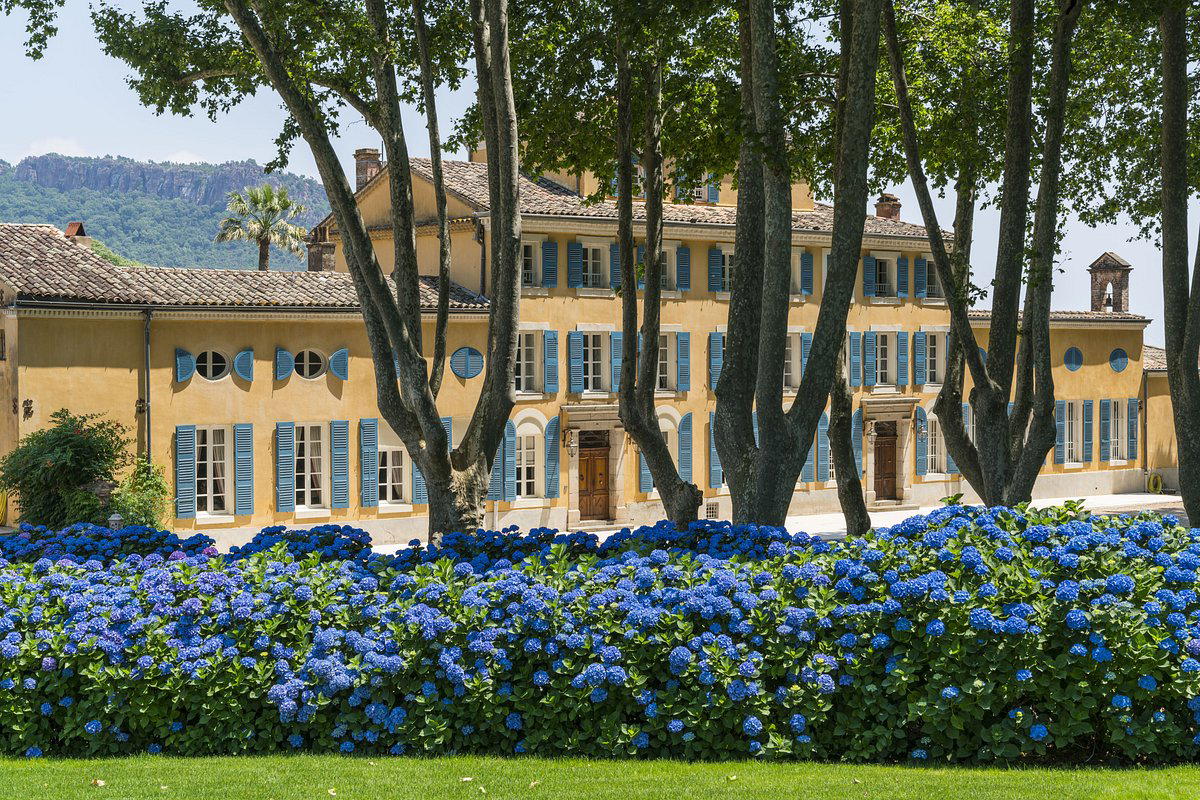
Warm and friendly ambiance in a cozy, wood-paneled setting with Parisian bistro decor, created by welcoming owners.