La Brouette
La Brouette sits along the Route de Cagnes on the approach to Saint-Paul-de-Vence, the walled medieval village that has drawn artists and collectors to the Côte d'Azur for generations. In a region where market-driven Provençal cooking is the baseline expectation, the restaurant occupies a quieter register, unhurried, rooted in local supply, and worth factoring into any serious visit to the village.
Pearl is the En Primeur Club membership app — saves, bookings, and concierge access live there. Same editors, same standards.
- Address
- 830 Rte de Cagnes, 06570 Saint-Paul-de-Vence, France
- Phone
- +33637435223
- Website
- la-brouette.fr
- Directions
- Get directions
 Saves & bookings on Pearl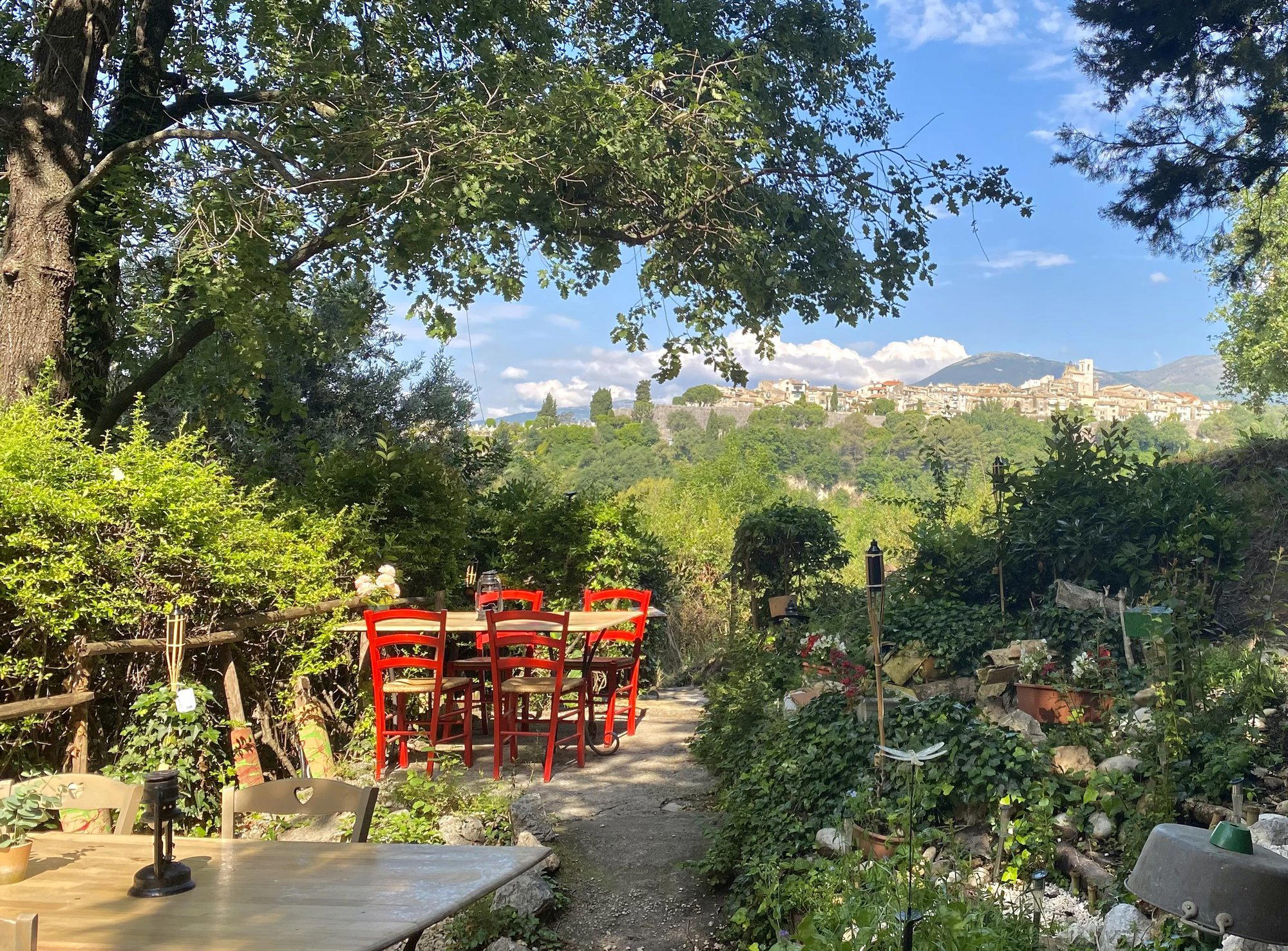
The Road Into Saint-Paul-de-Vence Sets the Tone
The Route de Cagnes climbs toward Saint-Paul-de-Vence through a corridor of plane trees, olive groves, and low stone walls that have barely changed in fifty years. La Brouette is a Scandinavian Northern European restaurant in Saint-Paul-de-Vence at 830 Rte de Cagnes, 06570 Saint-Paul-de-Vence, France. The positioning matters: this is not a restaurant competing for terrace space inside the medieval walls, where summer crowds thin the experience considerably. It occupies the quieter margin between the village and the plain below, which gives it a particular character, more local in cadence, less curated for tourism.
Saint-Paul-de-Vence carries a specific cultural weight on the Côte d'Azur. The village was a gathering point for twentieth-century painters, writers, and filmmakers, many of whom ate at the handful of tables that then existed within the walls. That history now draws visitors who are as likely to arrive by hired car from Nice or Cannes as by the narrow D7 road. The dining scene has adjusted accordingly, splitting between restaurants pitched at day-trippers and those operating on a more grounded, season-aware model. La Brouette sits in the latter category.
Provençal Cooking and the Question of Where Things Come From
In the broader context of French regional cooking, Provence occupies an unusual position. It has among the more identifiable ingredient traditions in Europe, olive oil pressed from local groves, tomatoes dried in summer heat, lavender-scented honey, lamb from the Alpilles, fish landed at Antibes and Nice, and yet the region's restaurants range from those who use these ingredients with genuine proximity to those who invoke them as atmosphere while sourcing conventionally. The gap matters more than it might seem, because Provençal cuisine at its most coherent is essentially an argument about place. The tomato in a daube, the courgette flower in a beignet, the basil in a pistou: these read differently when they come from within twenty kilometres than when they arrive from a central depot.
La Brouette operates in a region where that sourcing proximity is genuinely available. The Marché Provençal in nearby Antibes runs every morning and carries particularly consistently high-quality fruit, vegetables, and seafood on the Riviera. The farms of the Var and the Alpes-Maritimes interior supply ingredients that larger urban restaurants cannot easily access. For a restaurant of this scale and position, working within that local supply network is the baseline expectation of serious Provençal cooking, and the standard against which the kitchen is read by those who eat here regularly rather than occasionally.
This is the framework in which French regional restaurants below the Michelin upper tier operate on the Côte d'Azur. The starred addresses, Mirazur in Menton, at the three-star level, or the creative intensity of AM par Alexandre Mazzia in Marseille, represent one end of the regional spectrum. But the more durable dining tradition of the south sits in the middle register: bistros and auberges where the cooking is anchored to what the season actually offers, and where the format encourages a longer, unhurried table rather than a choreographed tasting sequence. L'Oustau de Baumanière in Les Baux has held that balance across decades; Auberge du Vieux Puits in Fontjoncouse demonstrates how a remote village address can carry genuine culinary authority. The restaurant operates in a similar spirit, if at a different scale and register.
The Village Context and the Competitive Set
Within Saint-Paul-de-Vence itself, the dining options cluster around the village's medieval core, where the lanes are too narrow for delivery vehicles after 9am and the terrace views command a premium that does not always translate to the plate. The more considered alternative is to eat just outside the walls, where logistics are easier and the clientele skews toward people who live within the département rather than those passing through for an afternoon. The restaurant's address on the Route de Cagnes puts it in that category. Its nearest peer in terms of approach and neighbourhood register is Restaurant Café Timothé, which occupies a similar position in the village's dining ecosystem.
For visitors building a serious itinerary around the Côte d'Azur and its hinterland, the region's food culture rewards some planning. The-known French kitchens, Alléno Paris au Pavillon Ledoyen, Flocons de Sel in Megève, Troisgros in Ouches, Bras in Laguiole, or the historic permanence of Paul Bocuse in Collonges-au-Mont-d'Or, define one tier. Below that, regional addresses like La Brouette represent the texture of French dining culture that rarely surfaces in international rankings but shapes how people who live here actually eat.
Planning a Visit
Saint-Paul-de-Vence sees its heaviest footfall between June and August, when the village can feel overwhelmed by midday. The quieter shoulder months, April, May, September, and October, align better with both the local ingredient calendar and the experience of eating in the area without the summer compression. The restaurant's location on the Route de Cagnes means it is reachable by car from Nice in under forty minutes, and from Cannes in a similar window. Parking along this stretch of road is more manageable than inside the village itself. Confirm current hours and reservation details directly before visiting.
Comparable Venues
Comparable venues nearby, for context on price, style, and recognition.
| Venue | Cuisine | Price | Notes |
|---|---|---|---|
| La BrouetteThis venue — the venue you are viewing | Scandinavian Northern European | $$ | Not listed |
| Restaurant Café Timothé | Organic French Bistro | $$ | Saint-Paul de Vence |
| Dolce Provenza | Provençal & Italian Mediterranean Bistro | $$$ | Domaine du Mas de Pierre |
| OAD 2017 My Grandmother's Cooking | Grandmother's Cooking | Not listed | near Champs-Élysées |
| Chez Yassine | Authentic Tunisian | $$ | Noailles |
| La Pigeot | Authentic Moroccan | $$$ | Valbonne village |
Continue exploring
More in Saint-Paul-de-Vence
Restaurants in Saint-Paul-de-Vence
Browse all →
Bars in Saint-Paul-de-Vence
Browse all →
Hotels in Saint-Paul-de-Vence
Browse all →
Wineries in Saint-Paul-de-Vence
Browse all →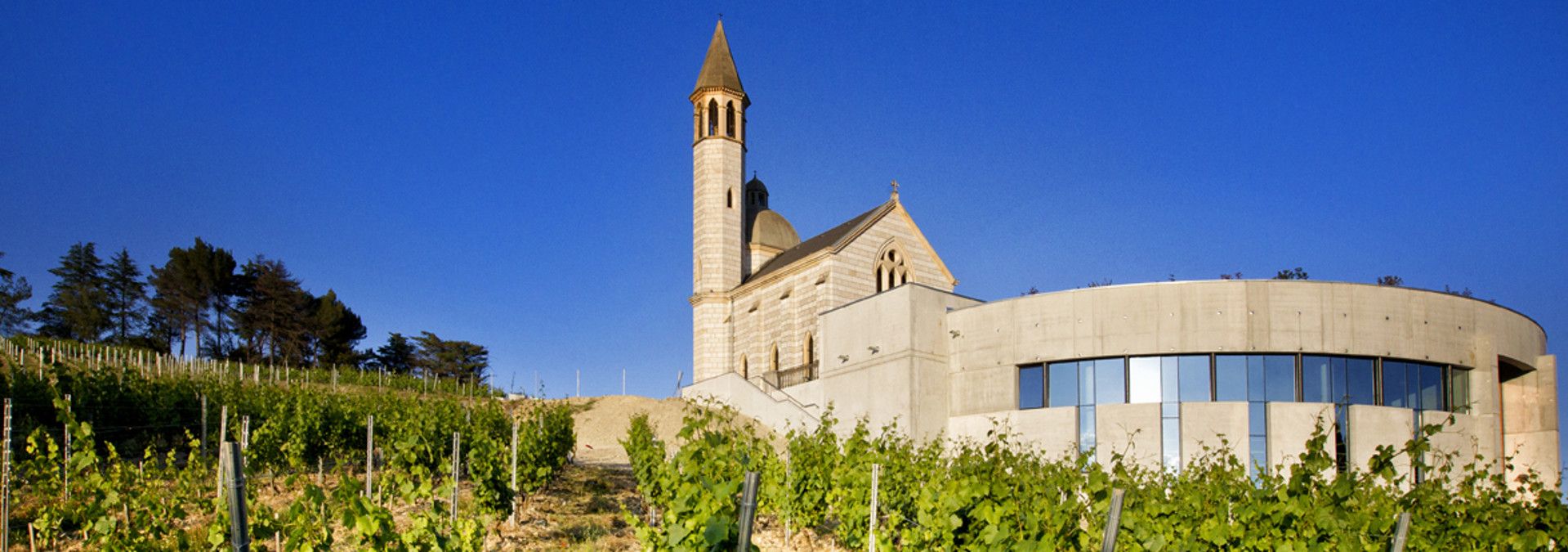
At a Glance
- Rustic
- Cozy
- Romantic
- Scenic
- Intimate
- Date Night
- Special Occasion
- Terrace
- Garden
- Historic Building
- Organic
- Mountain
- Garden
Current opening hours
- Monday
- 12–2 PM, 7:30–10 PM
- Tuesday
- 12–2 PM, 7:30–10 PM
- Wednesday
- 12–2 PM, 7:30–10 PM
- Thursday
- 12–2 PM, 7:30–10 PM
- Friday
- 12–2 PM, 7:30–10 PM
- Saturday
- 12–2 PM, 7:30–10 PM
- Sunday
- 12–2 PM, 7:30–10 PM
Hours can change for holidays and private events. Last verified .
Rustic charm with a cozy winter fireplace and solid wood tables, or intimate summer terrace in a flower garden with dramatic village views.