La Bistro Mediterranean Kitchen
La Bistro Mediterranean Kitchen occupies a neighbourhood slot in Horsforth, one of Leeds's more settled suburban dining corridors along Long Row. The kitchen draws on Mediterranean traditions in a market where Leeds diners increasingly expect regional specificity rather than generic southern European coverage. It sits in a mid-tier bracket where the cooking style, room character, and regulars matter more than critical apparatus.
Pearl is the En Primeur Club membership app — saves, bookings, and concierge access live there. Same editors, same standards.
- Address
- 124 Long Row, Horsforth, Leeds LS18 5AT, United Kingdom
- Phone
- +441133450110
- Website
- labistroleeds.co.uk
- Directions
- Get directions
 Saves & bookings on Pearl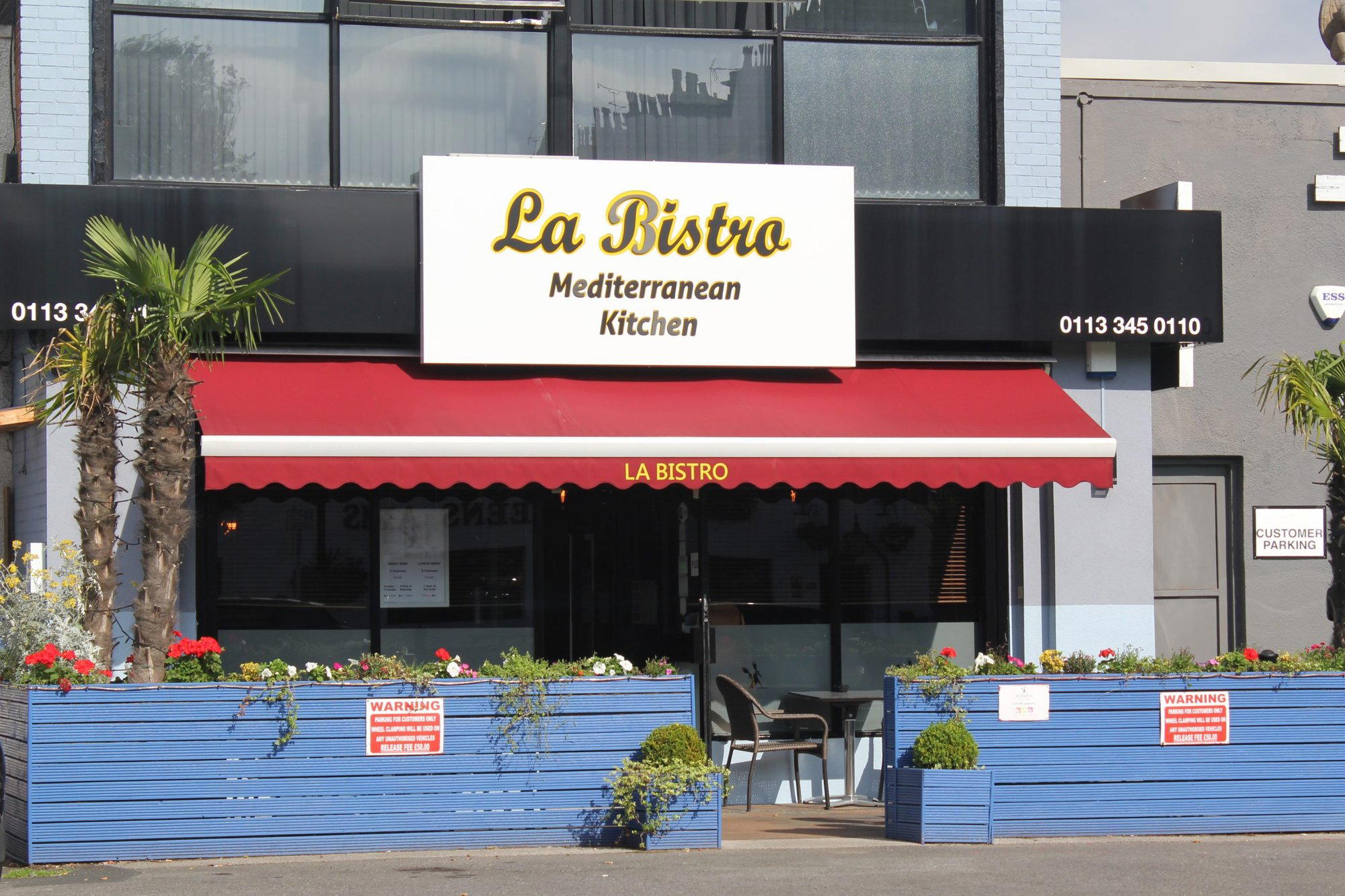
Horsforth's Mediterranean Counter in Context
Long Row in Horsforth runs through one of Leeds's more established suburban dining strips, where the customer base skews local and returning rather than destination-driven. The neighbourhood sits northwest of the city centre, far enough from the Kirkstall Road corridor and the Leeds city core to operate on its own terms. Restaurants here tend to anchor themselves in repeat trade rather than tourist footfall, which shapes everything from portion logic to service cadence. La Bistro Mediterranean Kitchen occupies that position: a neighbourhood restaurant in the most functional sense, where the room presumably fills with familiar faces on a Friday and the cooking is measured against what regulars expect rather than what a Michelin inspector might note.
The broader Mediterranean category in British casual dining has fractured considerably over the past decade. What once read as a unified genre covering pasta, grilled fish, and tagines has disaggregated into more specific national traditions. Italian kitchens now compete on regional specificity. Greek and Turkish food has moved well beyond the old kebab-house framing. Levantine and North African cooking has found a foothold in cities with more adventurous dining cultures. In Leeds specifically, the restaurant scene has grown diverse enough that generic Mediterranean positioning carries less cover than it once did. The question any kitchen in this space has to answer is which part of the Mediterranean it actually knows leading.
The Room and Its Character
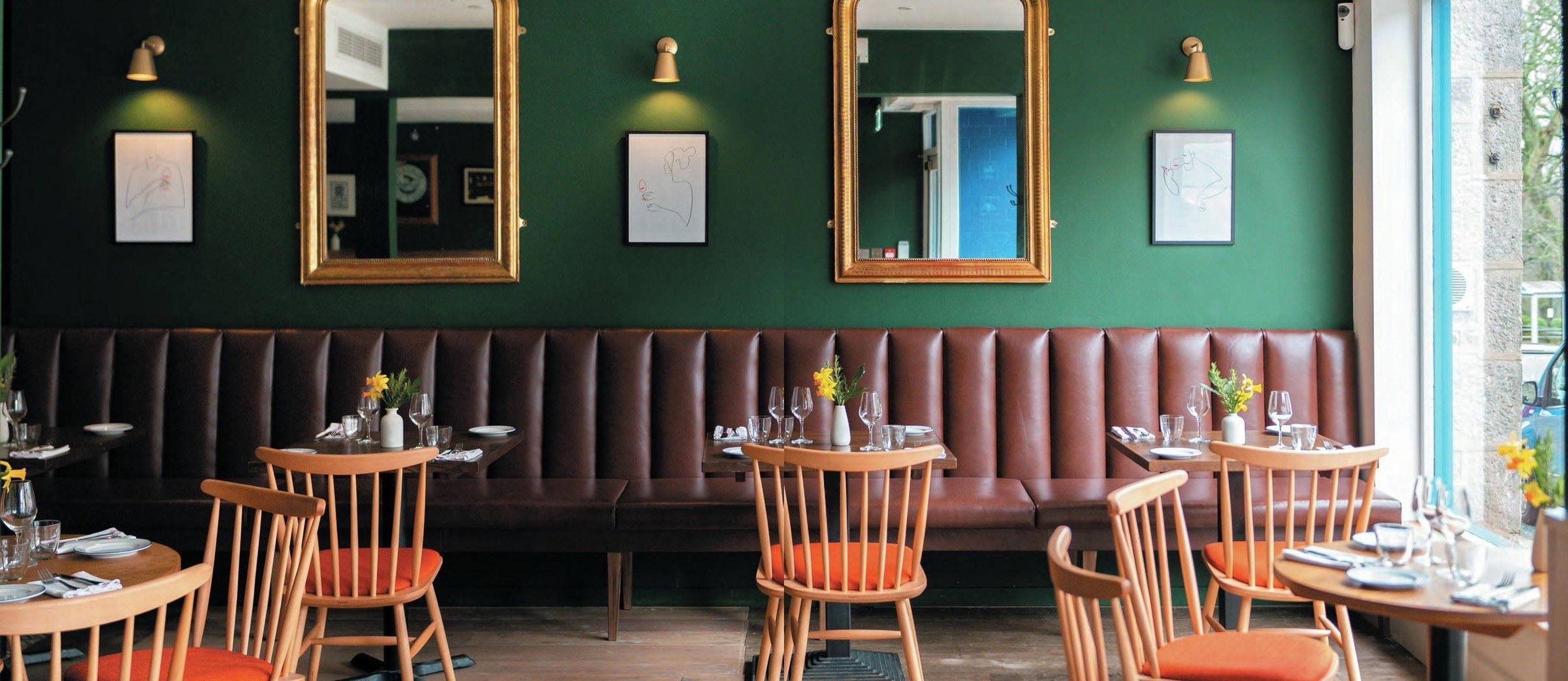
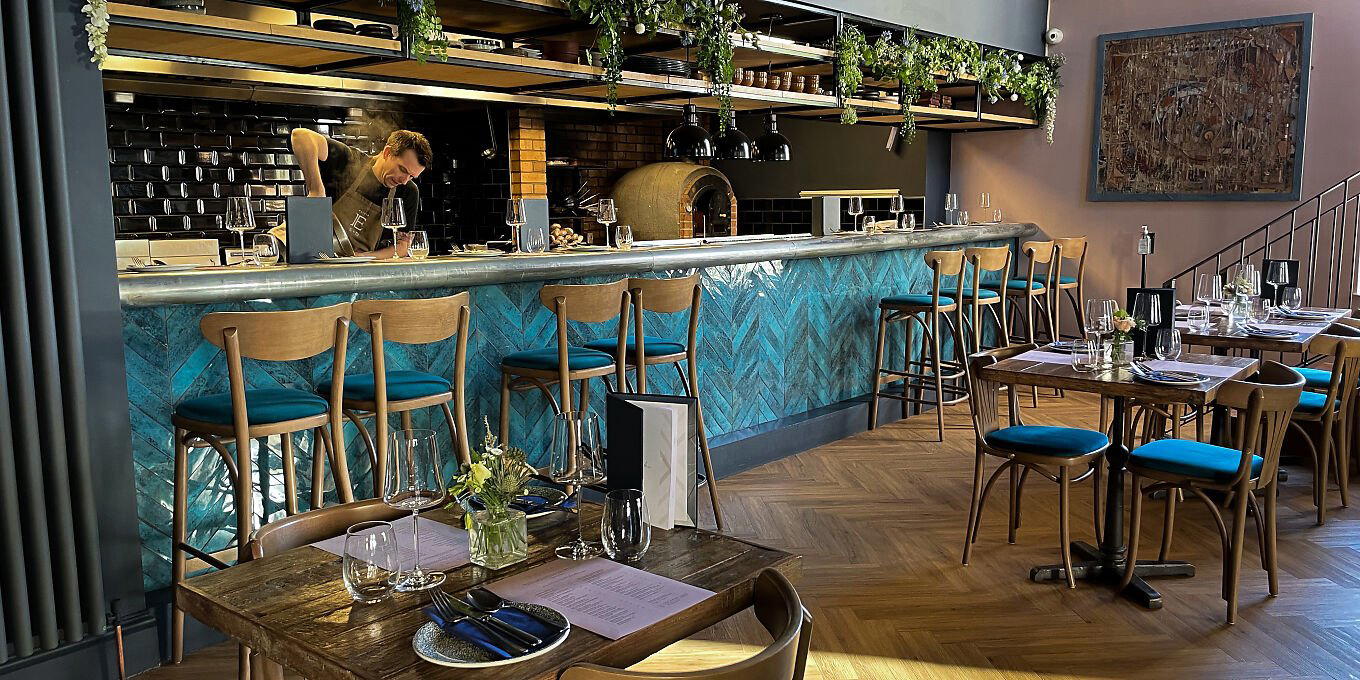
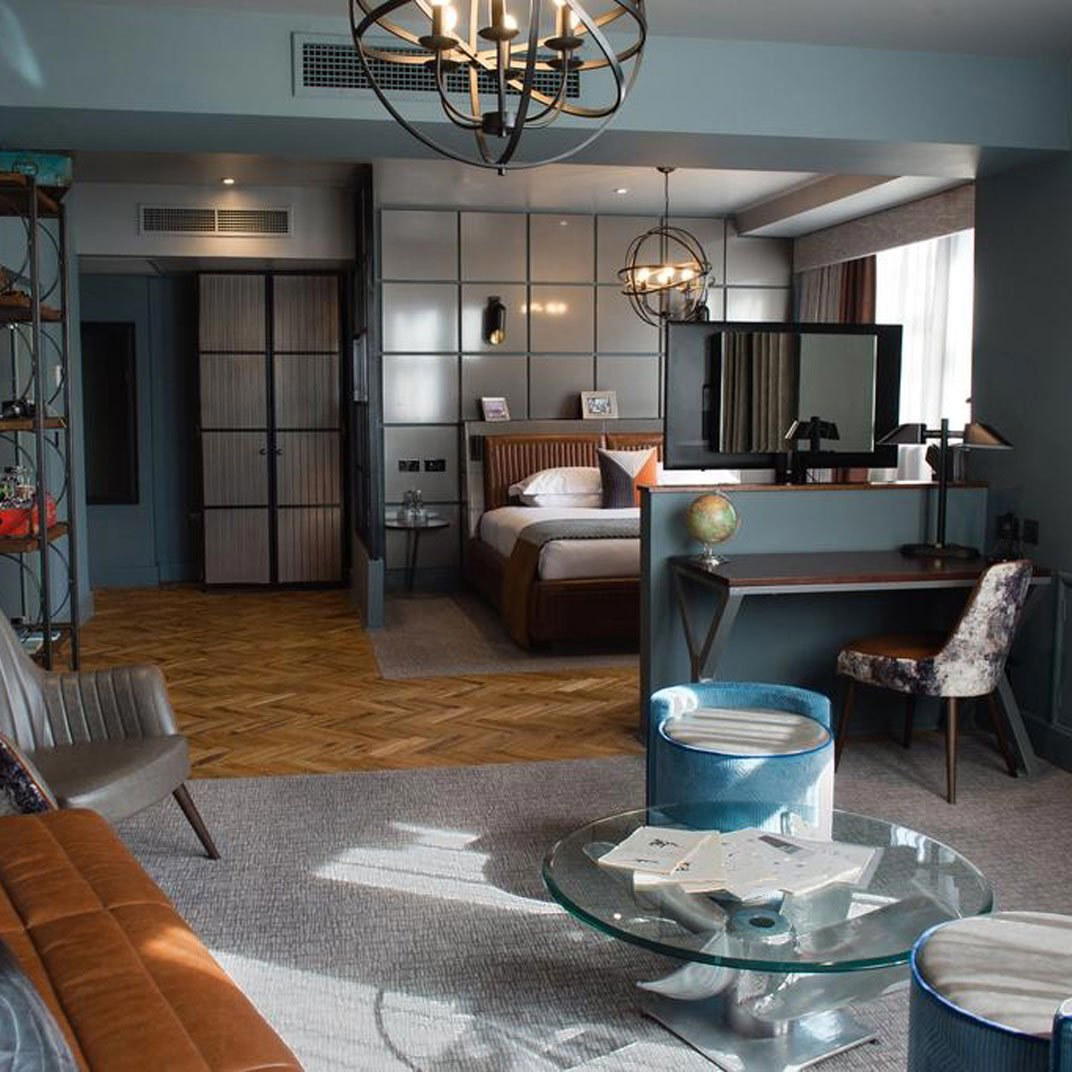
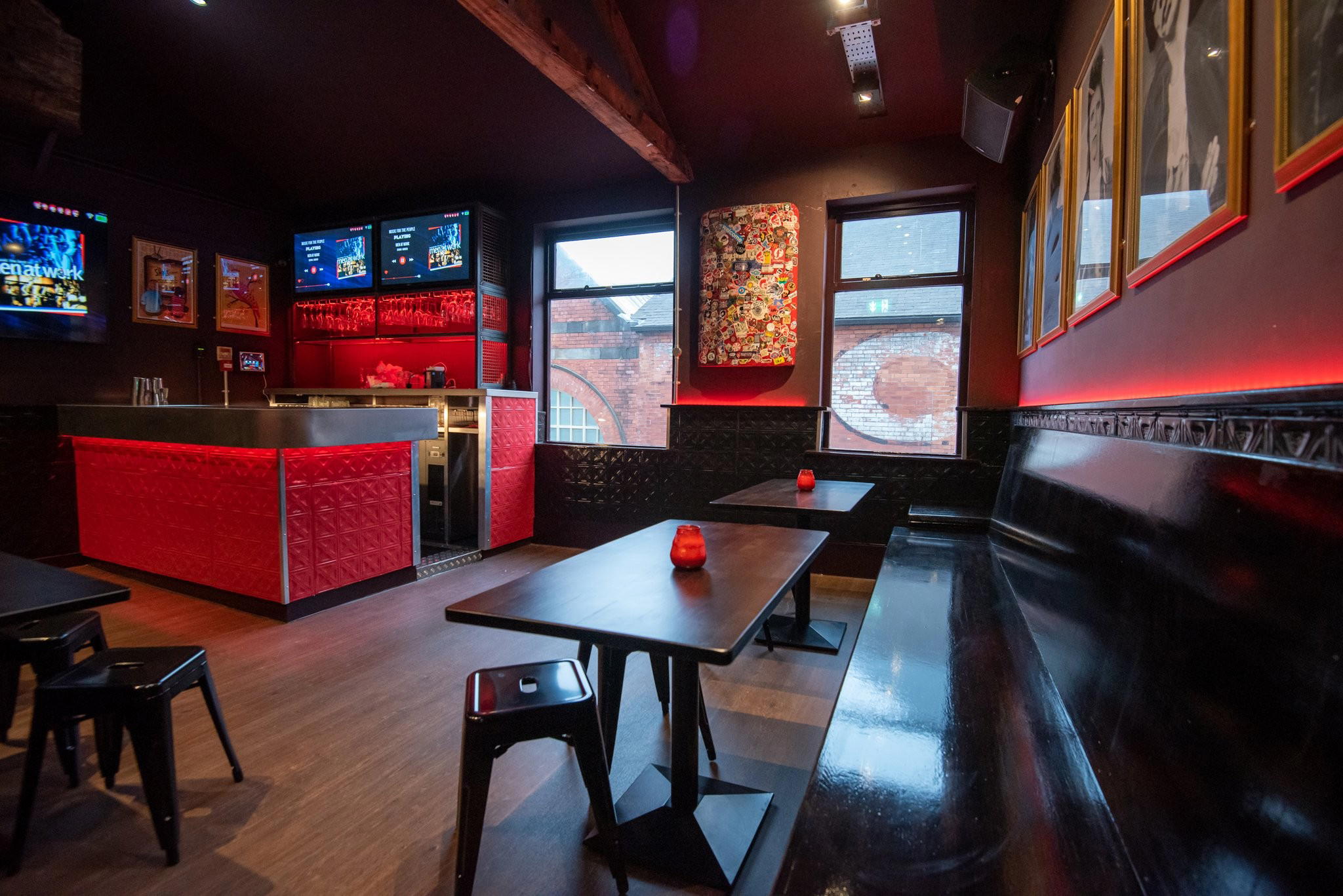
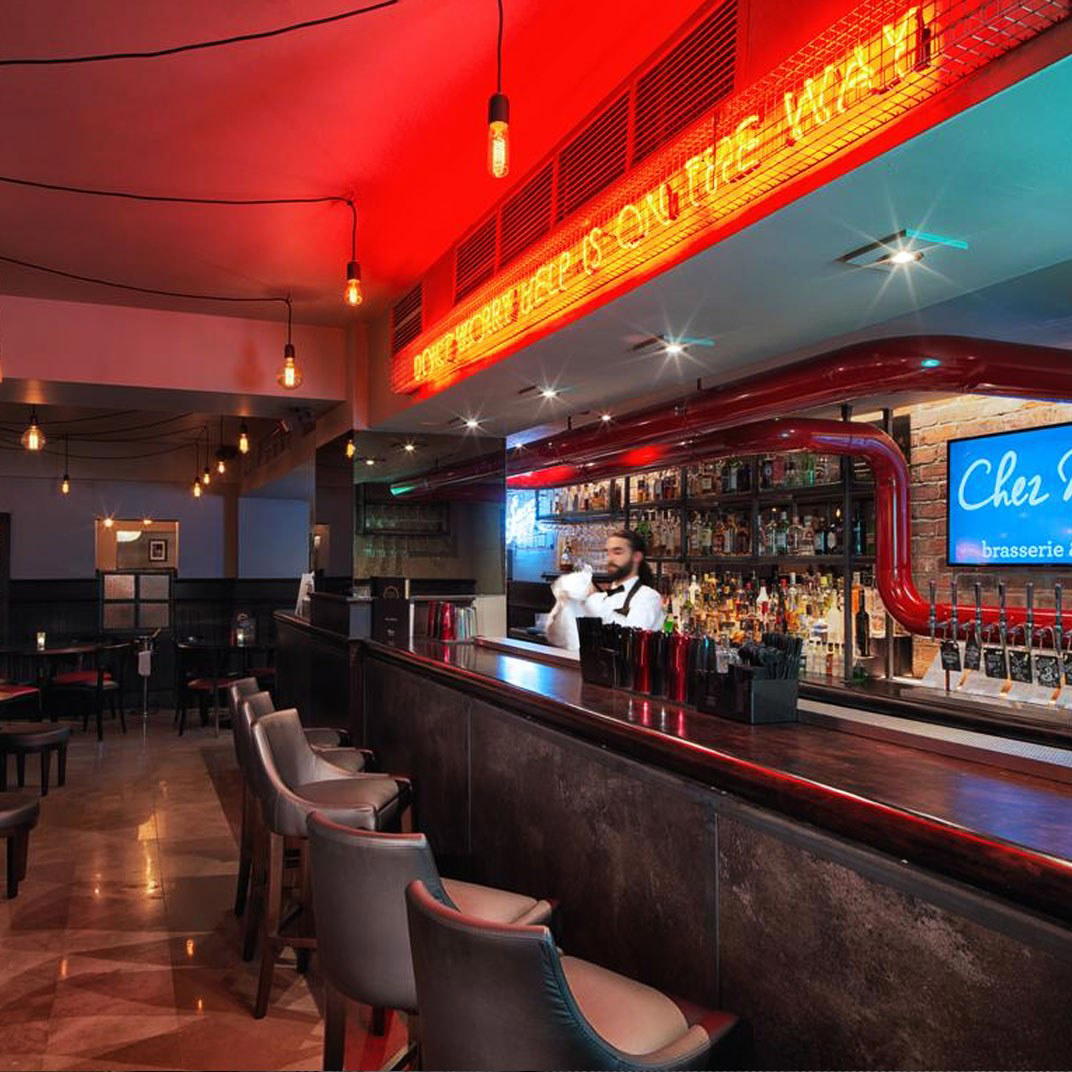
Mediterranean restaurant interiors in the UK have followed a recognisable arc: terracotta tones, rough plaster, ceramic tilework, and some version of vine or olive imagery. Whether La Bistro follows that visual grammar or stakes out something different is not documented in available records, but the format implied by a neighbourhood bistro in a Leeds suburb suggests a room built for comfort over theatrics. Bistro-scale rooms in this tier typically run between thirty and sixty covers, with enough acoustic softness to hold a conversation at a reasonable register. The address on Long Row places it in a retail and food strip rather than a converted industrial space or heritage building, which tends to produce a more direct, unpretentious dining environment.
That kind of room, when it works, creates a particular atmosphere: warm without being fussy, busy enough to feel alive on a midweek evening, quiet enough on a Tuesday to hear the kitchen. The sensory experience of eating in a well-run neighbourhood Mediterranean restaurant is less about spectacle and more about accumulated small details: the smell of garlic and olive oil reaching the dining room before the plate does, the sound of a wood-fired grill or a busy sauce station, the texture of bread that has been made that morning. Whether the kitchen at La Bistro delivers on those specific details is not something that can be verified from available data, but those are the signals that separate a functioning neighbourhood restaurant from a merely adequate one.
Where It Sits in the Leeds Dining Picture
Leeds has developed a restaurant scene with genuine range. The city's South Asian cooking, particularly the cluster of kitchens along Harehills Road and in the wider inner suburbs, draws comparison with the best of the genre in the north of England. Indian and Sri Lankan restaurants such as Arusuvai and Dastaan Leeds represent the kind of cuisine-specific depth that has raised the bar on what specialist cooking looks like in the city. Mexican cooking has found a foothold too, with Casa Susanna staking out a position in a category that Leeds had previously underserved. Plant-forward kitchens like Eat Your Greens have found their audience. Italian operators such as Da Vito Ristorante provide more direct competition to any Mediterranean-positioned restaurant. You can find our broader assessment of the city's options in the full Leeds restaurants guide.
In that context, a Mediterranean kitchen in Horsforth is competing partly against destination restaurants in the city centre and partly against other neighbourhood operators in LS18 and the surrounding postcodes. The advantage of the suburban position is loyalty: a restaurant that earns its neighbourhood doesn't need to re-earn it every service. The risk is insularity, where the cooking stops developing because the regulars don't push for change. The leading neighbourhood Mediterranean restaurants in the UK manage to keep a foot in both camps, doing the reliable dishes well enough to hold the base while rotating enough seasonal material to stay interesting.
For those whose reference points run to the higher-end British restaurant circuit, the distance from La Bistro's positioning and operations like CORE by Clare Smyth in London, L'Enclume in Cartmel, or Moor Hall in Aughton is not primarily one of quality in any absolute sense; it is a difference in category and intent. Neighbourhood bistros serve a function that Michelin-starred rooms cannot: accessible, familiar, repeatable dining that fits around ordinary schedules. The comparison set for La Bistro is not Waterside Inn in Bray or Le Manoir aux Quat'Saisons in Oxford but rather the other operators within a five-kilometre radius competing for the same Thursday evening trade.
Internationally, the contrast is even sharper. Kitchens like Le Bernardin in New York City or Atomix in New York City operate in a tier defined by global recognition and technical ambition. Closer to home, Opheem in Birmingham, Midsummer House in Cambridge, Gidleigh Park in Chagford, Hand and Flowers in Marlow, and hide and fox in Saltwood each occupy clearly defined positions in the upper tier of British dining. La Bistro's position is structurally different: its value is proximity and repeatability, not destination pull.
Planning a Visit
La Bistro Mediterranean Kitchen is at 124 Long Row, Horsforth, Leeds LS18 5AT. Horsforth is accessible from Leeds city centre by rail on the Harrogate line, with Horsforth station a short walk from the Long Row area, or by car via the A6120 ring road. For a neighbourhood restaurant of this type in the Leeds suburbs, booking ahead for weekend evenings is advisable; weekday lunches and early dinners are typically more accessible without advance notice. Specific hours, pricing, and booking contact details are not confirmed in available records, so checking directly with the restaurant before travelling is the practical approach.
- La Bistro Burger
- Pollo Asparagi
- Pollo Alla Boscaiola
- Mixed Kebab
- Moussaka
- Garlic Tomato Bread
How La Bistro Mediterranean Kitchen Leeds compares with similar nearby venues.
| Venue | Cuisine | Price |
|---|---|---|
| Forde | Mediterranean Cuisine | £ |
| Bavette | French Steakhouse, French | ££ |
At a Glance
- Cozy
- Classic
- Family
- Date Night
- Group Dining
- Casual Hangout
- Celebration
- Standalone
- Terrace
- Beer Program
- Local Sourcing
Current opening hours
- Monday
- Closed
- Tuesday
- 3–9 PM
- Wednesday
- 3–9 PM
- Thursday
- 3–9 PM
- Friday
- 12–9:30 PM
- Saturday
- 12–9:30 PM
- Sunday
- 12–8:30 PM
Hours can change for holidays and private events. Last verified .
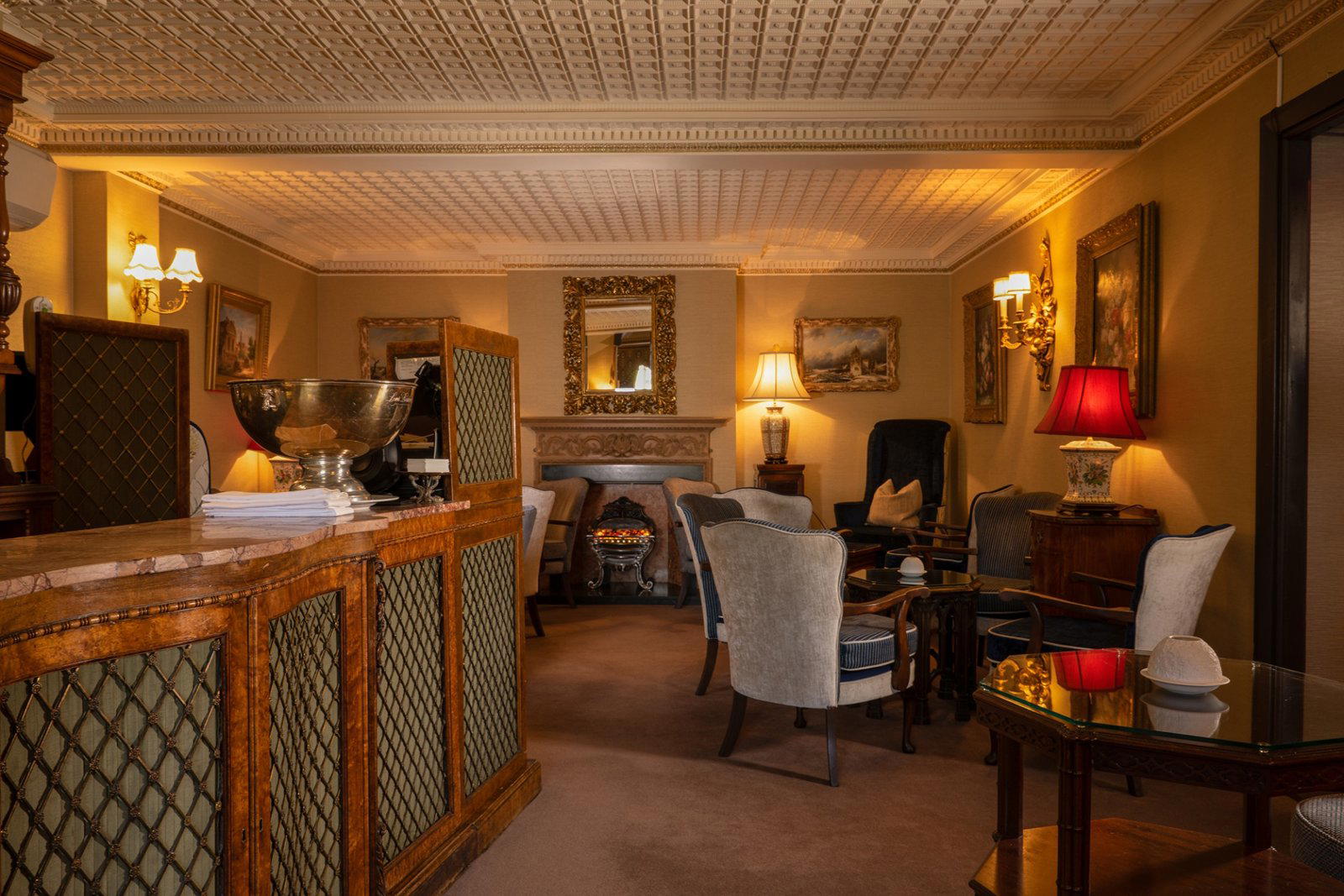
Cosy and relaxing with a warm, welcoming atmosphere; clean and well-maintained with a relaxed Sunday afternoon vibe that encourages lingering and enjoyment.
Know Before You Go
- Getting there
- 124 Long Row, Horsforth, Leeds LS18 5AT, United Kingdom