AOC sits on Cours Lafayette in Lyon's 3rd arrondissement, a few minutes from the Halles Paul Bocuse market that defines the city's ingredient culture. The address places it squarely in a neighbourhood where the wine list often tells you more about a restaurant's ambitions than the menu does. For visitors building a Lyon itinerary around serious French dining, AOC is worth understanding in that context.
Pearl is the En Primeur Club membership app — saves, bookings, and concierge access live there. Same editors, same standards.
- Address
- 102 Cr Lafayette F, 69003 Lyon, France
- Phone
- +33472607957
- Website
- facebook.com
- Directions
- Get directions
 Saves & bookings on Pearl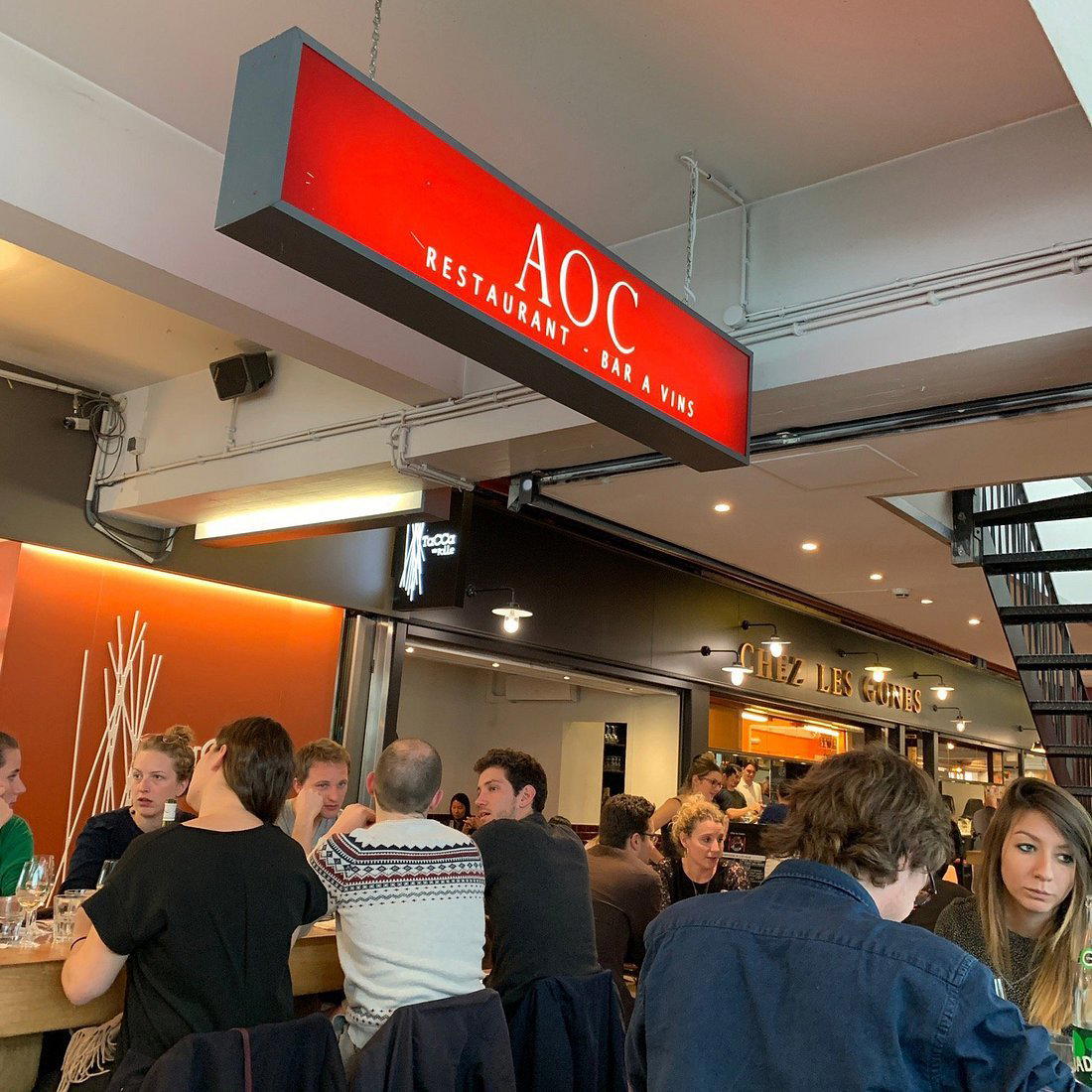
Cours Lafayette and the Geography of Lyon's Third
Lyon's 3rd arrondissement is not the obvious first stop for visitors who arrive with a list of celebrated addresses. The Presqu'île concentrates most of the Michelin-weighted names, and the Croix-Rousse draws those chasing the traboules and the bouchon tradition. The 3rd sits east of the Rhône, anchored by the Halles Paul Bocuse market hall, and its dining character is shaped more by proximity to that market than by any particular fine-dining cluster. Cours Lafayette runs through the centre of this, a long boulevard where the rhythm is neighbourhood commerce rather than destination gastronomy. AOC, at number 102, occupies that register.
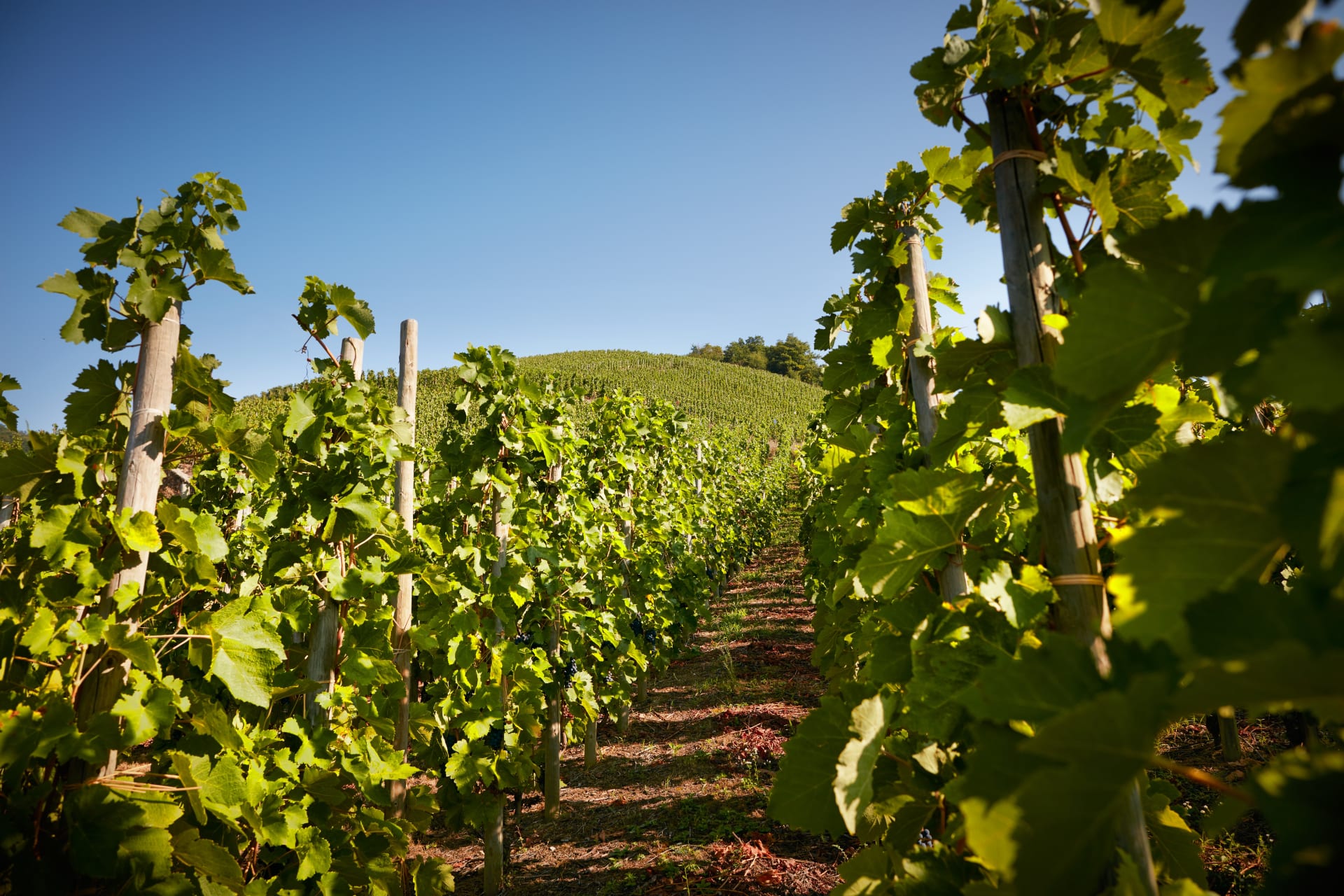
That positioning matters when reading a wine-forward restaurant in this city. Lyon functions as one of the natural distribution points for France's most consequential wine regions: Burgundy to the north, the Rhône Valley extending south from the city limits, Beaujolais immediately to the west. A restaurant serious about its cellar in Lyon has access to producer relationships and négociant networks that a comparable address in Paris or London would have to work considerably harder to build. AOC's name, Appellation d'Origine Contrôlée, the French designation governing wine and food production geography, signals where the editorial weight is meant to fall.
What the Name Signals About the Wine List
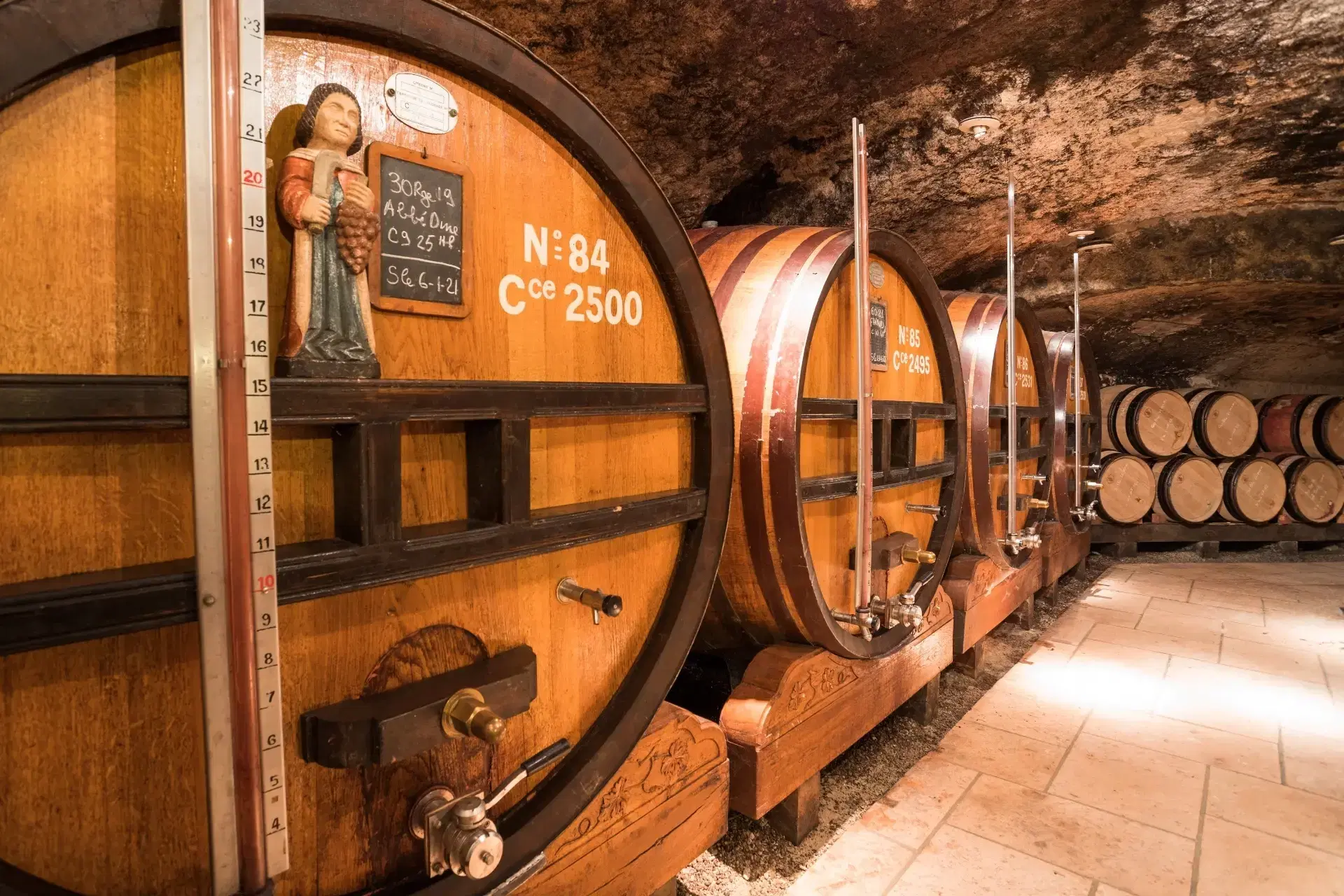
In French dining culture, naming a restaurant after the country's wine classification system is a declaration of intent. The AOC framework is the structure through which France codifies terroir: it defines not just what a wine is called, but where its grapes are grown, how they are vinified, and what characteristics the resulting wine must express. A restaurant that takes this as its name is, at minimum, asserting that appellation thinking matters to how it selects and presents wine.
This positions AOC within a recognisable Lyon subtype: the bistrot à vins or wine-led table that treats the cellar as the primary editorial statement. This format has deep roots in the city. Lyon's café and bouchon culture historically blurred the line between wine merchant and restaurateur, and several of the city's most-discussed addresses, including places operating at price points considerably above the neighbourhood average, trace their identity to that overlap. Across France, comparable formats have proliferated at every price tier, from natural wine bars in Paris's 11th to more structured cellar-focused restaurants in Bordeaux and Burgundy. What separates the serious versions from the casual ones is usually the depth of vertical selection, the specificity of producer relationships, and whether the person presenting the wine can actually explain what distinguishes one appellation from the next.
Lyon's Dining Context: Where AOC Fits
Lyon supports a restaurant ecology that runs from the neighbourhood bouchon, andouillette, quenelles, tablier de sapeur, served without ceremony, up through a tier of contemporary French addresses that now compete with the leading in the country. La Mere Brazier represents the historical anchor of that upper tier, carrying a lineage that runs through the founding generation of French grande cuisine. Le Neuvième Art and Takao Takano operate in the contemporary creative register, the kind of addresses that now appear on French fine-dining shortlists alongside Mirazur in Menton and Alléno Paris au Pavillon Ledoyen. Au 14 Février and Burgundy by Matthieu work the middle tier, where the cooking is serious without the formality or the three-figure price points of the ceiling addresses.
AOC at Cours Lafayette occupies a different position in this hierarchy: a neighbourhood-anchored address where the wine programme shapes the experience more than the kitchen's ambition to produce technically complex plating. That is not a criticism. Lyon's dining culture was built partly on places where the right Brouilly or a producer Côte-Rôtie mattered as much as what arrived on the plate. The bouchon tradition institutionalised this. The city's relationship with the Rhône valley, with Beaujolais, and with the Burgundy appellation structure to the north gives restaurants in this register a sourcing advantage that is genuinely geographical, not just rhetorical.
Further afield, the tradition of wine-forward French tables reaches its most formalised expression at addresses like Troisgros - Le Bois sans Feuilles and Paul Bocuse - L'Auberge du Pont de Collonges, where cellar depth runs to decades of verticals. At the other end of the formality spectrum, producers-direct bistrot formats in Beaujolais and the northern Rhône have made the AOC framework the centrepiece of the dining proposition, less ceremony, more direct access to the wine itself. Georges Blanc in Vonnas and Bras in Laguiole show how regional French restaurants can carry national significance without relocating to a major city. AOC's neighbourhood address follows a similar logic at a more local scale.
Planning a Visit: Practical Considerations
Cours Lafayette is served by Lyon's Part-Dieu transport hub, the city's main rail terminus and a major node on the metro network, making the 3rd arrondissement easy to reach from either Lyon-Saint Exupéry airport or the city's other districts. The Halles Paul Bocuse market, a few minutes north on Cours Lafayette, is worth visiting before or after: it is the working reference point for Lyon's ingredient culture and gives useful context for understanding what the city's kitchens are working with on any given week.
AOC is open daily for daytime service, with Sunday hours ending at 1 PM. Reservations are recommended.
Visitors building a longer France itinerary around serious wine-forward dining might also consider Auberge de l'Ill in Illhaeusern, Les Prés d'Eugénie in Eugénie-les-Bains, Flocons de Sel in Megève, and La Table du Castellet in Le Castellet, each anchored to a specific regional wine identity in the way the AOC system itself requires. For a transatlantic comparison, the sommelier-led programmes at Le Bernardin in New York City and the producer-direct sourcing approach at Lazy Bear in San Francisco offer useful reference points for how wine curation functions as a restaurant's primary editorial statement.
Comparable Venues
Comparable venues nearby, for context on price, style, and recognition.
| Venue | Cuisine | Price | Notes |
|---|---|---|---|
| AOCThis venue — the venue you are viewing | Traditional Lyonnais Bistro | $$ | Not listed |
| La Cocagne | Traditional French Bistro | $$ | Quartier Mutualité Préfecture Moncey |
| Bistrot du Palais | Traditional Lyonnaise Bistro | $$ | Quartier Voltaire Part-Dieu |
| Le Bistrot de Lyon | Authentic Lyonnaise Bistro | $$ | Quartier Bellecour Cordeliers |
| Maison Moly | French Bistronomique | $$ | Quartier Bas des Pentes Presqu'île |
| Breizh Café - Lyon | Authentic Breton Crêperie & Galettes | $$ | Quartier Bas des Pentes Presqu'île |
Continue exploring
More in Lyon
Restaurants in Lyon
Browse all →
Bars in Lyon
Browse all →
Hotels in Lyon
Browse all →

At a Glance
- Lively
- Classic
- Rustic
- Business Dinner
- Casual Hangout
- Family
- Group Dining
- Standalone
- Beer Program
- Local Sourcing
Current opening hours
- Monday
- 7 AM–7 PM
- Tuesday
- 7 AM–7 PM
- Wednesday
- 7 AM–7 PM
- Thursday
- 7 AM–7 PM
- Friday
- 7 AM–7 PM
- Saturday
- 7 AM–7 PM
- Sunday
- 7 AM–1 PM
Hours can change for holidays and private events. Last verified .
Lively market setting with red-checkered tablecloths and decorative copper pots; energetic buzz from shoppers and diners enjoying wine and local dishes.