La Baratte

Michelin Plate
Our verdict
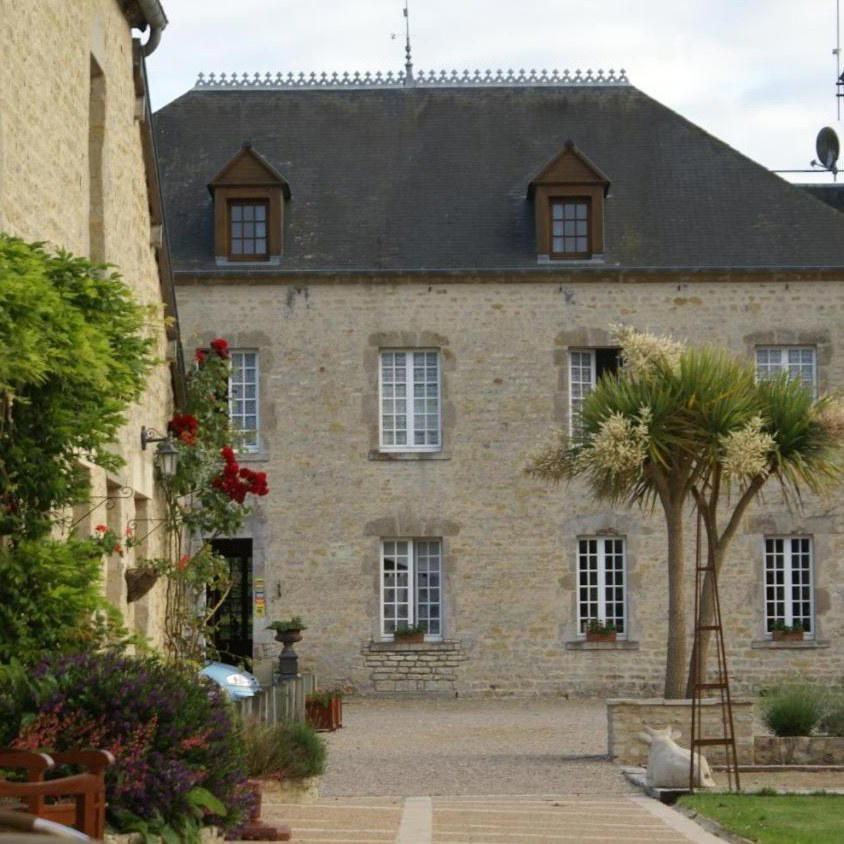
A former village bar and grocery shop in rural Normandy, La Baratte has been reimagined by the Lefèvre couple as a stone-walled inn where locally sourced ingredients anchor a rotating daily menu. The rotisserie in the hall sets the tone: this is honest, produce-driven cooking at prices that reflect the Norman countryside rather than the capital. Accessible, unhurried, and rooted in place.

Pearl is the En Primeur Club membership app — saves, bookings, and concierge access live there. Same editors, same standards.
- Address
- Le Bourg
- Phone
- +33 2 33 45 45 49
- Hours
- Mon 9 AM–2 PMTue–Wed ClosedThu 9 AM–2 PMFri–Sat 9 AM–2 PM, 6–8:30 PMSun 9 AM–3 PM
- Website
- restaurant-labaratte.fr
- Directions
- Get directions
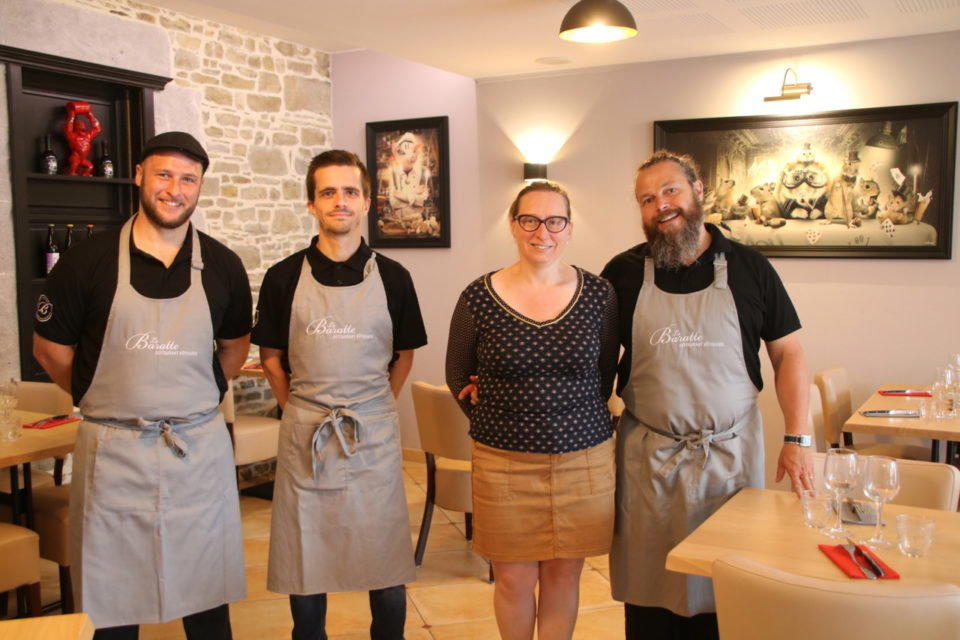
Stone Walls, Local Roots: Dining in the Norman Bocage
Rural Normandy operates on a different register from France's celebrated restaurant cities. In villages like Saint-Denis-le-Vêtu, the dining tradition was never built around destination chefs or tasting-menu architecture. It was built around the inn: a place where the community ate, drank, and gathered, and where the kitchen drew from whatever the surrounding farmland offered that week. La Baratte sits squarely in that tradition, housed in a building that once served as the village bar and grocery shop — a local-stone structure whose function has shifted but whose character has not. For travellers exploring the Manche département or passing through the Norman bocage, understanding that lineage matters more than any single dish on the menu.
The broader context here is worth stating plainly. France's most awarded tables — from Alléno Paris au Pavillon Ledoyen in Paris to Mirazur in Menton, or the generational ambition of Troisgros - Le Bois sans Feuilles in Ouches, operate in a tier defined by multi-course precision, deep cellars, and bookings that run months in advance. Village inns like La Baratte occupy an entirely different position: they are the connective tissue of French rural food culture, places where locality is not a marketing concept but a practical reality. The farms are close. The producers are known. The menu changes because the supply does.
What the Rotisserie Tells You
A rotisserie positioned in the hall, visible to diners, is not a decorative choice. It is a declaration of method. The aromas that move through the dining room, chicken fat rendering over heat, herbs catching warmth, communicate the cooking approach before a menu is placed on the table. Dishes of the day built around the rotisserie, such as chicken colombo, signal a kitchen that works with what is available and what the equipment does well, rather than one constructing elaborate composed plates. This is direct cooking: technique in service of ingredient quality, not the other way around.
That approach connects La Baratte to a longer French tradition of auberge cooking, distinct from the gastronomy you find at places like Auberge de l'Ill in Illhaeusern or Auberge du Vieux Puits in Fontjoncouse, which have evolved into destination-dining institutions with Michelin recognition. The village inn at La Baratte's level serves a different purpose: it keeps the local food economy turning, connects the table to nearby producers, and offers a meal that costs what a meal in the Norman countryside should cost. The Lefèvre couple's stated commitment to top-notch local produce at eater-friendly prices is not a positioning statement so much as a description of how rural French hospitality has always worked at its most functional.
The Room and the Alfresco Space
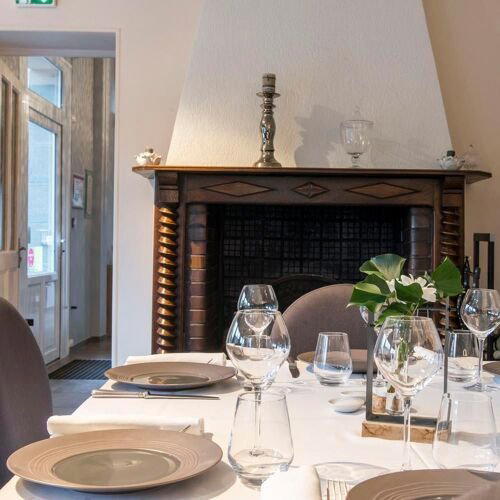
The interior at La Baratte has been updated with a bright, contemporary sensibility, a deliberate contrast to the traditional stone exterior. This split between a historic shell and a refreshed interior is common across rural French auberges that have been taken on by owners intent on making them viable for a modern clientele without erasing what makes the building worth entering in the first place. When weather permits, a pleasant outdoor space extends the dining area, which is a significant consideration in Normandy, where the calendar of genuinely warm days is shorter than further south but deeply appreciated when it arrives. The alfresco option transforms the experience for summer visitors in particular.
Saint-Denis-le-Vêtu is a small commune in the Manche, and La Baratte functions as the kind of address that anchors a village's social life. For visitors, that context shapes the atmosphere: expect a room where locals are likely present, where service operates at a pace set by the kitchen rather than a front-of-house choreography, and where the experience has more in common with a well-run family table than a formal restaurant.
Local Sourcing as Structural Commitment
Normandy has genuine agricultural depth. The region produces some of France's most recognised dairy, Camembert, Livarot, Pont-l'Évêque, alongside apple orchards that supply cider and calvados, and livestock farming that puts quality poultry and beef within close reach of any kitchen paying attention. A commitment to local produce in this context is not a vague aspiration; it is access to a supply chain that is genuinely among the strongest in northern France.
The practical implication for diners is that the daily menu at La Baratte will reflect what that supply chain delivers. This is a different experience from dining at a kitchen that designs dishes months in advance and sources globally to execute them. It is closer to what you find at places built around terroir and season, though at a price point and register that has nothing to do with the grands restaurants. Think of it as the rural counterpart to the sourcing discipline you see at celebrated addresses like Bras in Laguiole, where the relationship between landscape and plate is the entire argument, just expressed here at a community scale rather than a destination-dining one.
For the traveller building an itinerary around French regional food, La Baratte represents a category that the major guides and destination lists tend to overlook in favour of multi-starred addresses like Assiette Champenoise in Reims or Au Crocodile in Strasbourg. There is editorial value in that gap. The village inn, when run with genuine commitment to produce and honest pricing, tells you something about a region that three-Michelin-star cooking, by definition, cannot.
Planning Your Visit
La Baratte sits at Le Bourg in Saint-Denis-le-Vêtu, the geographic and social centre of the village. Given the rural setting and the inn's role as a community address, visiting mid-week or outside peak summer months is likely to offer a quieter experience. The alfresco terrace makes the venue particularly well-suited to warm-weather visits, when the Norman countryside is at its most generous. Booking ahead is advisable for a venue of this size and character, particularly if visiting as a group or during summer weekends when the region draws visitors from further afield. Pricing is positioned to reflect the local market rather than the tourist trade, the Lefèvre couple's explicit commitment to eater-friendly prices means this is accessible across a wide range of budgets.
For those building a broader picture of what Saint-Denis-le-Vêtu and the surrounding Manche offers, our full Saint-Denis-le-Vêtu restaurants guide maps the wider dining picture, while our Saint-Denis-le-Vêtu hotels guide, bars guide, wineries guide, and experiences guide cover the full range of what the area offers to visitors.
Frequently asked questions
Does La Baratte work for a family meal?
The format fits family dining well. La Baratte occupies the former village bar and grocery shop in Saint-Denis-le-Vêtu, and the Lefèvre couple runs it as a welcoming inn rather than a formal restaurant. Eater-friendly prices and a convivial alfresco space on sunny days reinforce that accessible, all-ages character.
What's the overall feel of La Baratte?
Traditional stone exterior, contemporary interior — the room has been updated with a bright, modern sensibility that sits in deliberate contrast to the building's Norman origins. A rotisserie in the hall keeps the dining room fragrant with the day's dishes, grounding the space in something functional rather than decorative.
Is La Baratte award-winning?
La Baratte has received recognition including: Tasty wholesome food crafted from top-notch local produce at eater-friendly prices: such is the pledge of the Lefèvre couple who runs this welcoming inn built out of local stone – formerly the village bar and grocery shop. A bright, trendy ….
What dish is La Baratte famous for?
The rotisserie anchors the kitchen's identity, and chicken colombo appears among the noted dishes of the day. The daily-changing approach means the menu follows the rotisserie's rhythm and the Lefèvre couple's commitment to top-notch local produce rather than a fixed signature dish.
Where exactly is La Baratte?
La Baratte is located at Le Bourg, Saint-Denis-le-Vêtu.
Do they take walk-ins at La Baratte?
La Baratte sits at Le Bourg, the social centre of Saint-Denis-le-Vêtu, and functions as the village inn — a role that historically keeps the door open to passing trade. That said, the rural setting and the inn's local following mean calling ahead is advisable, particularly for weekend meals or larger groups.
Comparison Snapshot
Comparable venues nearby, for context on price, style, and recognition.
| Venue | Cuisine | Price | Awards | Notes |
|---|---|---|---|---|
| La BaratteThis venue — the venue you are viewing | Traditional French Country Cooking | $20–30 | Michelin Plate | Not listed |
| Le 11 | French Crêperie & Pizzeria | $20–30 | Not listed | Agon-Coutainville |
| Le Cambusier | Modern French Bistro with Local Seafood | $30–50 | Michelin Plate | Intra-Muros |
| Le Surcouf | Iodized Bistro with Asian Influences | $20–30 | Not listed | port de Cancale |
| Racines | Modern French Bistronomy | $30–50 | Michelin Plate | centre-ville |
| L'Edulis - Jonathan Datin | Modern French Normandy Seafood | $50–100 | Michelin Plate | town centre |
Recognition history
Dated appearances from independent guides and award organizations, with the underlying list record or original source where available.
Michelin Plate
Michelin
Continue exploring
More in Saint-Denis-le-Vêtu
Restaurants in Saint-Denis-le-Vêtu
Browse all →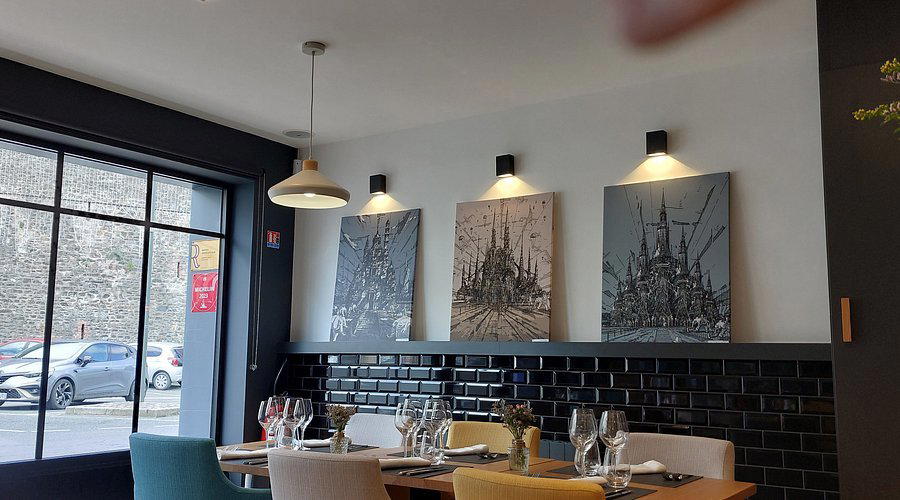
Details
- Cozy
- Rustic
- Trendy
- Family
- Casual Hangout
- Terrace
- Local Sourcing
- A La Carte
Current opening hours
- Monday
- 9 AM–2 PM
- Tuesday
- Closed
- Wednesday
- Closed
- Thursday
- 9 AM–2 PM
- Friday
- 9 AM–2 PM, 6–8:30 PM
- Saturday
- 9 AM–2 PM, 6–8:30 PM
- Sunday
- 9 AM–3 PM
Hours can change for holidays and private events. Last verified .
Bright, trendy interior with pleasant alfresco terrace for sunny days and welcoming, relaxed atmosphere.