La Baguette de Paris YOSHIKAWA

A compact Nishinomiya bakery with Tabelog Bread WEST “Tabelog 100” selections in 2020 and 2022, La Baguette de Paris YOSHIKAWA belongs to the Kansai bread culture where daily buying matters as much as destination dining. The appeal is the ritual: arrive, choose from bread, sandwiches, and Western-style sweets, then treat the purchase as part of the neighbourhood’s everyday food rhythm.
Pearl is the En Primeur Club membership app — saves, bookings, and concierge access live there. Same editors, same standards.
- Address
- 3-6 Hinoikecho, Nishinomiya, Hyogo 662-0084, Japan
- Phone
- +81 798-72-0770
- Website
- tabelog.com
 Saves & bookings on Pearl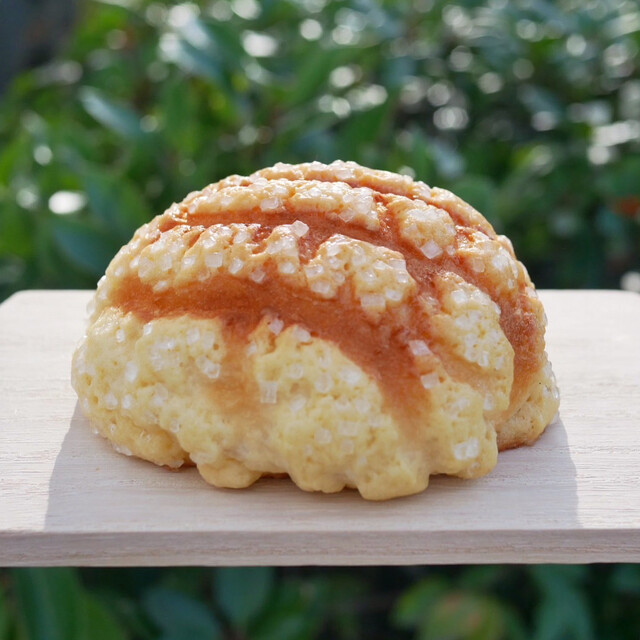
Approaching a serious Japanese bakery differs from approaching a restaurant. The tempo is shorter, the stakes quieter, and judgement happens at the counter rather than over a long meal. In Nishinomiya, that ritual has force: residential streets, school-run timing, and the Kansai habit of buying bread with the deliberation given elsewhere to sushi or coffee. La Baguette de Paris YOSHIKAWA is a take-out bakery, not a sit-down dining room, so it should not be assessed through table service or chef theatre. The sharper questions are how the selection behaves through the day, how disciplined the category focus is, and why a small bakery has earned repeat attention in a region crowded with ambitious bread shops.
The answer starts with format. Japan’s bakery culture has long treated French technique as a base rather than a costume. Baguettes, pain de campagne, sandwiches, viennoiserie, and sweet bakery work often sit side by side; stronger shops show range without turning the counter into novelty. Here, the public category is direct: bread, sandwiches, and Western-style sweets. That spread places the bakery in the everyday-use tier, not the tasting-menu economy, and explains why recognition from Tabelog’s Bread WEST “Tabelog 100” list in 2020 and 2022 matters. For bread, repeat selection signals consistency across early-morning buying, family purchasing, and local custom, not spectacle.
Why Kansai bread culture rewards the morning counter
Kansai has a deep bakery map, with Kobe’s port-city history and Osaka’s commuter appetite feeding dense boulangeries, sandwich shops, and patisseries. Nishinomiya sits in that orbit but is not just a spillover market. Its dining character is residential rather than theatrical: smaller shops, family-friendly habits, and a willingness to cross neighbourhood lines for reliable everyday food. Bakery buying becomes local literacy. A good counter is judged not by one headline item, but by whether the day’s purchase can serve breakfast, lunch, and the walk home.
Within Nishinomiya, La Baguette de Paris YOSHIKAWA occupies the low-spend end of a broader local spectrum. Nearby references range from higher-ticket formats such as numero Cinco to casual daily-use addresses including Ryoichi Yamauchi and O'KINY, while Asai sits in a mid-range bracket. That spread shows how the city rewards different kinds of precision. A bakery does not compete like a dinner counter, but it can be held to a similar standard of repeatability. The Bread WEST selections suggest the shop earned attention by tightening the everyday occasion, not enlarging it.
The ritual is practical without formality. Take-out service compresses the decision: scan, choose, pay, leave. The counter must communicate quickly. Shops with too many unrelated ideas feel unfocused; those with too narrow a range become special-purpose stops. The listed categories keep the frame coherent. Bread anchors the visit, sandwiches extend it into lunch, and Western-style sweets add a second register without pushing the shop into full patisserie territory. That balance is common in Japan, but hard to execute well enough to matter beyond the neighbourhood.
A small bakery in Nishinomiya's broader food map
Travellers often read Nishinomiya by proximity: between Osaka and Kobe, close to better-known dining circuits, easy to underestimate. That is a mistake if the interest is daily food culture rather than trophy dining. The city’s stronger addresses often reveal themselves through category specialization. Bread, curry, sweets, sushi, and casual set meals do not need grandeur to be worth planning around. The point is to understand what each address is built for. A bakery like this belongs at the start of the day or as a mid-route purchase, not as a dinner substitute.
That distinction helps when pairing it with a Nishinomiya itinerary. Akash, ameen’s oven, Boulangerie Miyanaga, and Cake House Tsumagari Kouyouen honten each point to a different local appetite: curry, bread, patisserie, or neighbourhood dining rather than one consolidated restaurant district. For a wider view, Our full Nishinomiya restaurants guide is the better starting map, while Our full Nishinomiya hotels guide, Our full Nishinomiya bars guide, Our full Nishinomiya wineries guide, and Our full Nishinomiya experiences guide help separate food stops from the rest of the trip structure.
Compared with destination restaurants, the bakery visit asks for lighter etiquette. Arrive with a sense of the category rather than a fixed order, read the counter, and let availability decide. Serious Japanese bread shops function as daily production cycles, not static menus. The absence of reservations is not a flaw; it is part of the transaction. Treat the stop as time-sensitive retail, then build the day around what can be carried, shared, or eaten soon after purchase.
How to place it beside Japan's wider casual dining culture
Japan’s casual food culture is unusually good at making narrow formats feel complete. A bakery, onigiri counter, curry specialist, and sake bar may share little in cuisine, yet all depend on the same discipline: a limited promise delivered cleanly. That is why a Nishinomiya bread shop can sit in the same planning universe as -Grilled beef Sukiyaki- KAMAKURA TANUKIAN 鎌倉 たぬき庵 in Kamakura. 鮪と炭火焼き うお炭 秋葉原店 in Tokyo.cafe in Osaka.know in Kumamoto, (Shoku) Vietnam in Kawasaki, and [Curry Senmon Ten] Maruyama Kyoju. in Sapporo. The cuisines differ; the useful comparison is format discipline.
The same lens works outside Japan. Jōdo Saké Bar in Los Angeles and Onigiri Time in Pasadena show how Japanese casual formats travel when the promise stays clear. La Baguette de Paris YOSHIKAWA is the inverse: French bakery language absorbed into Japanese daily life, then judged by local expectations rather than imported romance. Its Tabelog Bread WEST “Tabelog 100” selections in 2020 and 2022 are the clearest external signal. The smarter reason to go is the ritual itself: a concise counter, a residential city, and a food culture that treats bread buying as a serious daily act.
Cuisine and Credentials
Nearby venues at a similar price tier for orientation.
| Venue | Cuisine | Price | Notes |
|---|---|---|---|
| La Baguette de Paris YOSHIKAWA | French‑style bakery and sandwich shop | $ | Kurakuenguchi |
| tonkatu butashou | Modern Tonkatsu & Izakaya-Style Japanese | $$ | Shukugawa |
| Cake House Tsumagari Kouyouen honten | Japanese-style Western confectionery & cakes | $$ | Koyoen |
| Men Sho Kuukai | Dining | Not listed | Nishinomiya |
| Yakitori Ryu | Yakitori & Chicken Dishes | $$$ | Mondo Yakujin |
| Elberan | Classic Japanese Western-style cakes & cookies | $$ | Shukugawa |
Recognition history
Dated appearances from independent guides and award organizations, with the underlying list record or original source where available.
Tabelog 100 #61 · No. 61
Tabelog · Tabelog 100 - Bread - WEST - 2022
Continue exploring
More in Nishinomiya
Restaurants in Nishinomiya
Browse all →




Bars in Nishinomiya
Browse all →


Hotels in Nishinomiya
Browse all →


Wineries in Nishinomiya
Browse all →
At a Glance
- Cozy
- Modern
- Solo
- Family
- Casual Hangout
- After Work
- Standalone
- Design Destination
Current opening hours
- Monday
- 9 AM–6 PM
- Tuesday
- Closed
- Wednesday
- Closed
- Thursday
- 9 AM–6 PM
- Friday
- 9 AM–6 PM
- Saturday
- 9 AM–6 PM
- Sunday
- 9 AM–6 PM
Hours can change for holidays and private events. Last verified .
A small, stylish house‑style bakery with a cozy, modern feel; guests line up for fresh bread and then quickly move on, creating a lively but orderly atmosphere rather than a sit‑down café vibe.