Our verdict
On the old market square in Donzenac, a small Corrèze village on the fringes of the Périgord, L'Ardoise Fût-ée occupies the kind of position that regional French bistros have held for generations: anchored to a local produce tradition, priced for the community, and unconcerned with the vocabulary of destination dining. It is the sort of place that tells you more about how a region eats than any tasting menu could.

Pearl is the En Primeur Club membership app — saves, bookings, and concierge access live there. Same editors, same standards.
- Address
- 14 Pl. du Marché, 19270 Donzenac, France
- Phone
- +33950576497
- Hours
- Mon ClosedTue–Thu 10 AM–1:30 PM, 5–7 PMFri–Sat 10 AM–1:30 PM, 5–10 PMSun Closed
- Website
- lardoisefutee.fr
- Directions
- Get directions
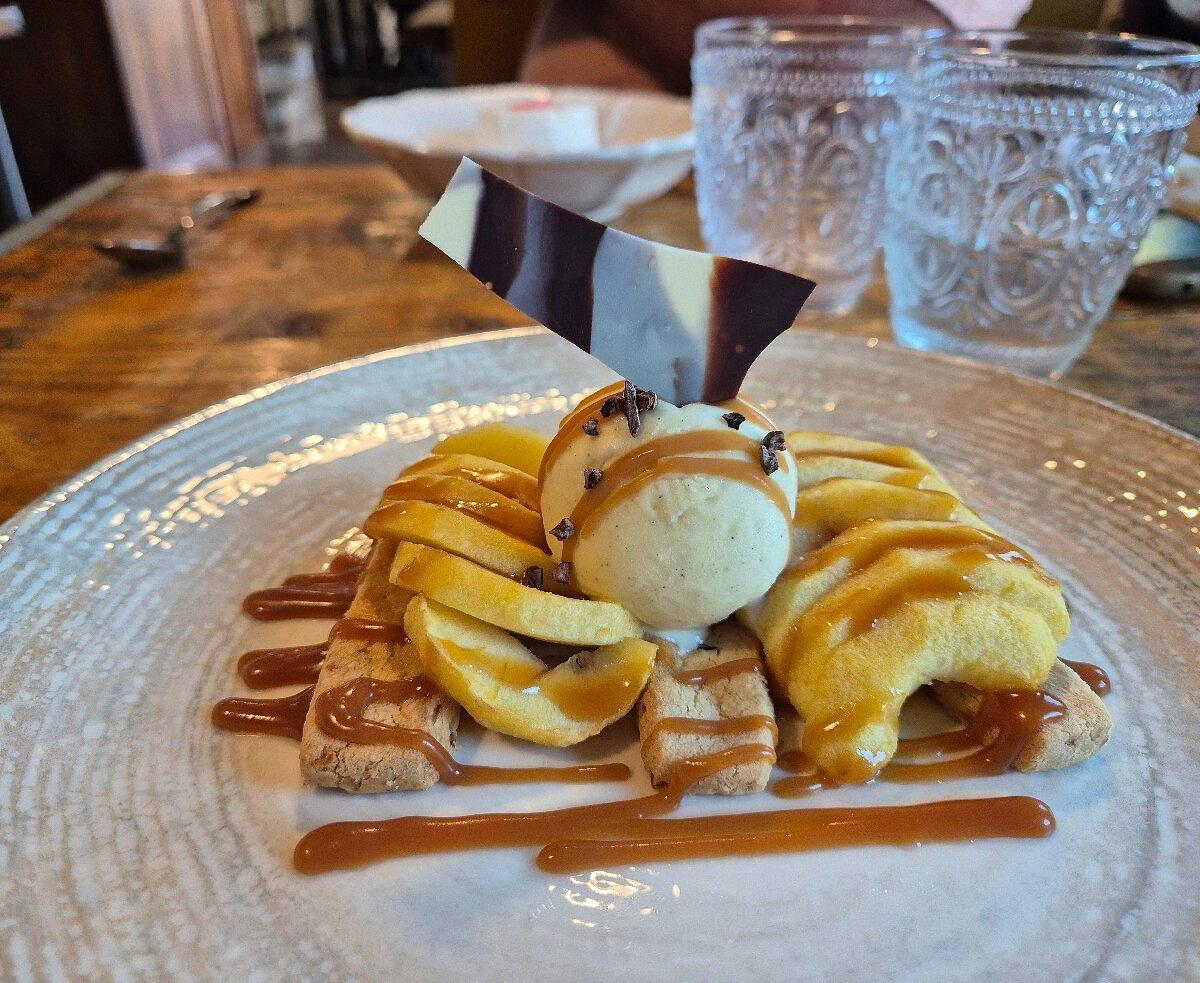
Market Square, Corrèze: What a Village Bistro Actually Means in This Part of France
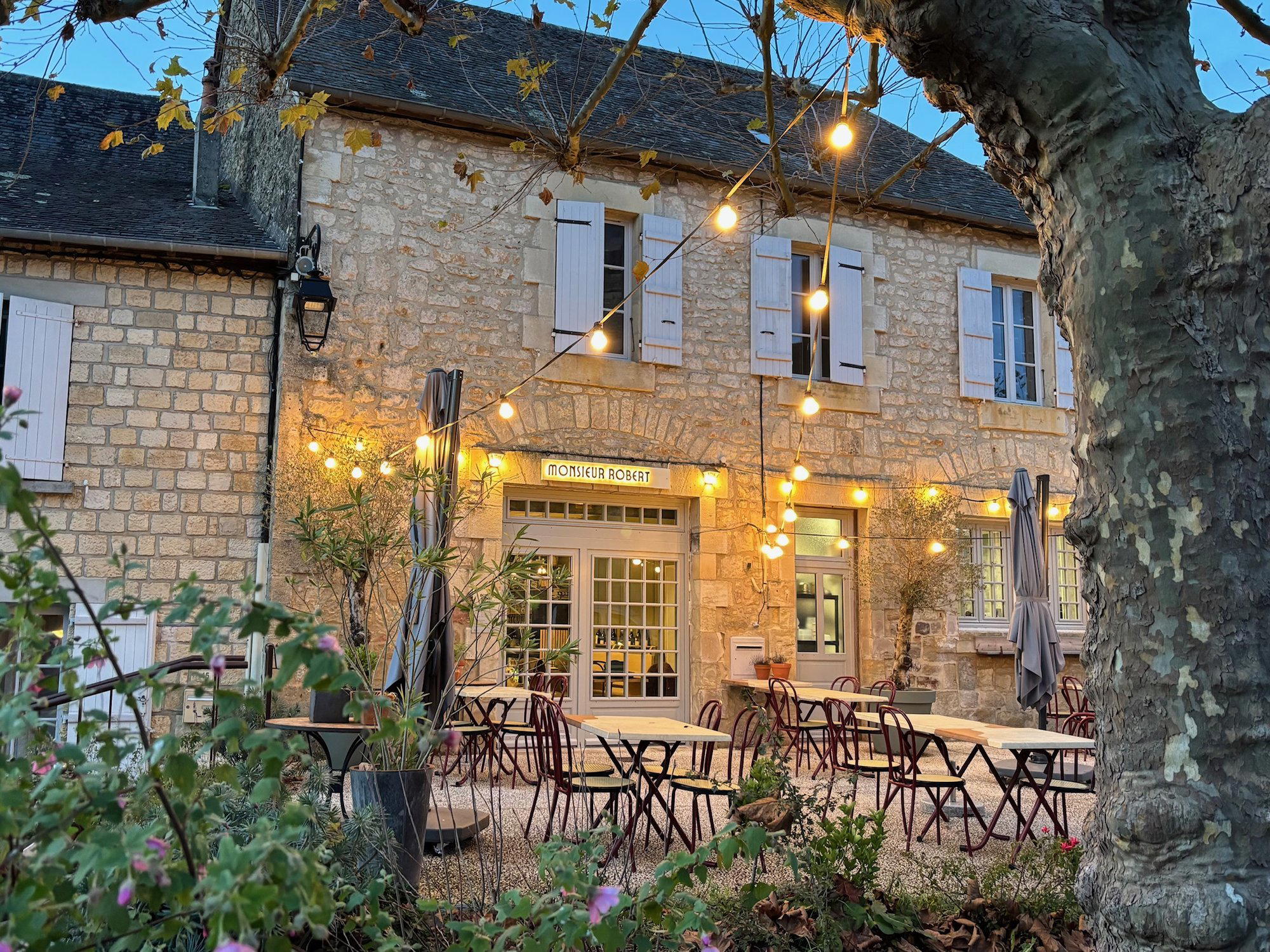
Place du Marché addresses in provincial France carry a specific kind of culinary logic. The square existed before the restaurant; the restaurant exists because the square did. In Donzenac, a village of just over 2,000 inhabitants in the Corrèze department of Nouvelle-Aquitaine, L'Ardoise Fût-ée sits at number 14 on exactly that kind of square — the sort of address where the proximity to a weekly market is not a branding exercise but a practical fact of how ingredients arrive and how menus get written. This is the context that shapes everything about what the place is and how it functions.
Corrèze sits in the southwestern quadrant of the Massif Central, where the landscape shifts from high plateau to gentler river valleys. It borders the Dordogne to the south and the Lot to the east, placing it at the intersection of three of France's most produce-serious territories. Walnut oil, ceps, duck confits, river trout, Limousin beef, and the particular charcuterie traditions of the Périgord all move through this corridor. A bistro drawing on local supply in this geography has access to a larder that the French have been refining for centuries, without requiring any particular innovation on the part of the kitchen to produce food worth eating. The question is always whether the sourcing is real or merely gestural.
The Sourcing Logic of the Corrèze Table
In southern Corrèze and the adjoining Périgord Noir, the argument for local sourcing is not ideological in the way it might be at an urban restaurant making a statement. It is structural. Producers are close. Distribution chains are short. The weekly market at a village square like Donzenac's functions as a direct transfer point between grower and kitchen, not a romantic backdrop. What this means practically is that the seasonal rhythm of the menu tends to be real rather than performed: asparagus when it appears in the valleys, ceps in autumn, lamb in spring from the plateau farms to the north.
This produce geography connects Donzenac to a wider tradition of Corrèze and Périgord cooking that runs through the whole region's restaurant culture, from simple ferme-auberges in the hills to places with considerably more formal ambitions. For the spectrum of what that tradition looks like at its most technically refined — the kind of cooking that starts from the same regional larder but layers in formal technique, venues like Bras in Laguiole, situated on the Aubrac plateau to the southeast, or Auberge du Vieux Puits in Fontjoncouse in the Languedoc, represent where southern French regional cooking goes when ambition and technique align with terroir. L'Ardoise Fût-ée operates on a different register entirely, but it draws from the same underlying conviction that the ingredient, not the gesture, is the point.
Neighbouring Le Périgord in Donzenac covers the traditional cuisine side of the same local map. Together, these two addresses represent the kind of dual-option that small French market towns have typically supported: one for the tradition, one for slightly more animated cooking on a chalkboard menu. The name itself, ardoise means chalkboard, fût-ée carries a double meaning of smoky and clever, suggests a kitchen that is alert rather than austere.
Where This Fits in French Regional Bistro Culture
The French bistro at the market square level occupies a position that the country's restaurant culture has struggled to protect in recent decades. Rising food costs, rural depopulation, and the consolidation of supply chains have made the genuinely local bistro rarer than it looks on the surface. Many places that present as local-sourcing establishments are working from the same regional wholesale suppliers as their counterparts in larger cities. The ones that are not, that actually turn on what was at the market that morning, tend to be identifiable by format: short menus, daily specials on a board, no printed menu that holds from week to week.
L'Ardoise Fût-ée's address and format signal membership in that smaller, more committed cohort. The chalkboard format, if maintained consistently, is the most honest operational signal a French bistro can give. It announces that the kitchen is working within what is available rather than around what was ordered three days ago. In a region like Corrèze, where the produce calendar is distinct and pronounced, that discipline produces a menu that reads differently in October than it does in April.
For readers who want to understand this category of French dining within the wider national context, the contrast with what happens at the top end of the country's restaurant infrastructure is instructive. Alléno Paris au Pavillon Ledoyen, Mirazur in Menton, and Troisgros in Ouches operate at the formal end of the same national tradition of ingredient-led cooking, where the sourcing logic is the same but the technical apparatus, the price point, and the booking complexity are entirely different. The village bistro and the three-star table are not opposed, they are expressions of the same underlying French insistence that ingredients carry the argument. Other reference points at the upper tier include Auberge de l'Ill in Illhaeusern, Flocons de Sel in Megève, and Georges Blanc in Vonnas, each rooted in a distinct regional larder, each expressing the same conviction at a very different scale. Across the Atlantic, Le Bernardin in New York City and Atomix represent where ingredient-first thinking operates in an entirely different urban register.
Planning a Visit to Donzenac
Donzenac sits on the A20 motorway corridor between Brive-la-Gaillarde and Tulle, making it accessible by car from Brive (roughly 10 kilometres to the north) or from Limoges further north along the same axis. The village itself is compact and walkable once you arrive. Brive-la-Gaillarde has a TGV-connected station, placing Donzenac within reach of a day trip from Bordeaux or Paris for those combining the stop with broader Corrèze travel. L'Ardoise Fût-ée's placement on the market square puts it within the central cluster of the village, with parking generally available around the square perimeter. Specific hours, current pricing, and booking arrangements are best confirmed directly given the limited published data available; village bistros of this format frequently operate on lunch-focused hours with limited evening service, particularly outside summer months. For the wider dining picture across the village and surrounding area, our full Donzenac restaurants guide covers the options in context.
Frequently asked questions
Would L'Ardoise Fût-ée be comfortable with kids?
Place du Marché bistros in provincial Corrèze typically draw a mixed local crowd including families, particularly at lunch. A village square setting like 14 Pl. du Marché in Donzenac tends toward relaxed, informal service rather than the formality of destination dining rooms. That said, specific family amenities are not documented, so contacting the restaurant directly before a visit with children is advisable.
How do I find L' Ardoise Fût-ée?
L' Ardoise Fût-ée is located at 14 Pl. du Marché, 19270 Donzenac, France, Donzenac.
Can I walk in to L' Ardoise Fût-ée?
Reservations are recommended for L' Ardoise Fût-ée in Donzenac. Confirm current policy via the venue's official channels.
What is the atmosphere like at L'Ardoise Fût-ée?
The address on Place du Marché places the restaurant at the civic centre of Donzenac, a small Corrèze town on the A20 corridor between Brive-la-Gaillarde and Tulle. Market square bistros in this part of France operate as community anchors as much as eating places — expect a room shaped by local regulars and the rhythms of a working village rather than the curated quietness of a destination restaurant. The name itself, which plays on the French word for barrel ('fût') and the idea of being clever or shrewd ('futée'), signals a tone of self-aware informality.
Comparable Venues
Comparable venues nearby, for context on price, style, and recognition.
| Venue | Cuisine | Price | Awards | Notes |
|---|---|---|---|---|
| L' Ardoise Fût-éeThis venue — the venue you are viewing | French Bistronomic with Local Products | $20–30 | Not listed | Not listed |
| Le Périgord | Traditional French Regional | $30–50 | Michelin Plate | Donzenac |
| Les Petits Ventres | Modern Traditional Limousin French | $20–30 | Not listed | rue de la Boucherie |
| L’aventure | French Mountain Grill | $30–50 | Not listed | Oz en Oisans |
| Le Signal 2108 | Bistronomic French with Regional Alpine Specialties | $30–50 | Not listed | Signal Mountain |
| Le Seizieme | Traditional French Bistro | $30–50 | Not listed | Périgueux |
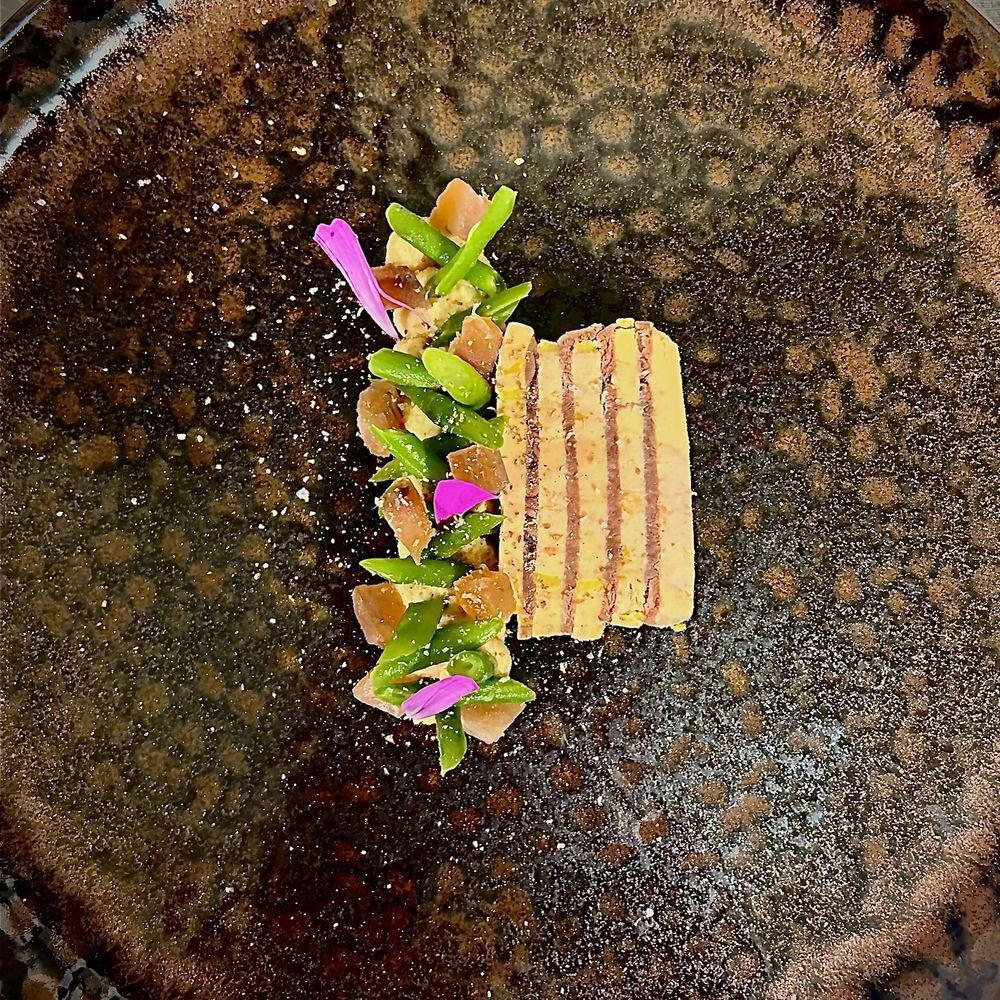
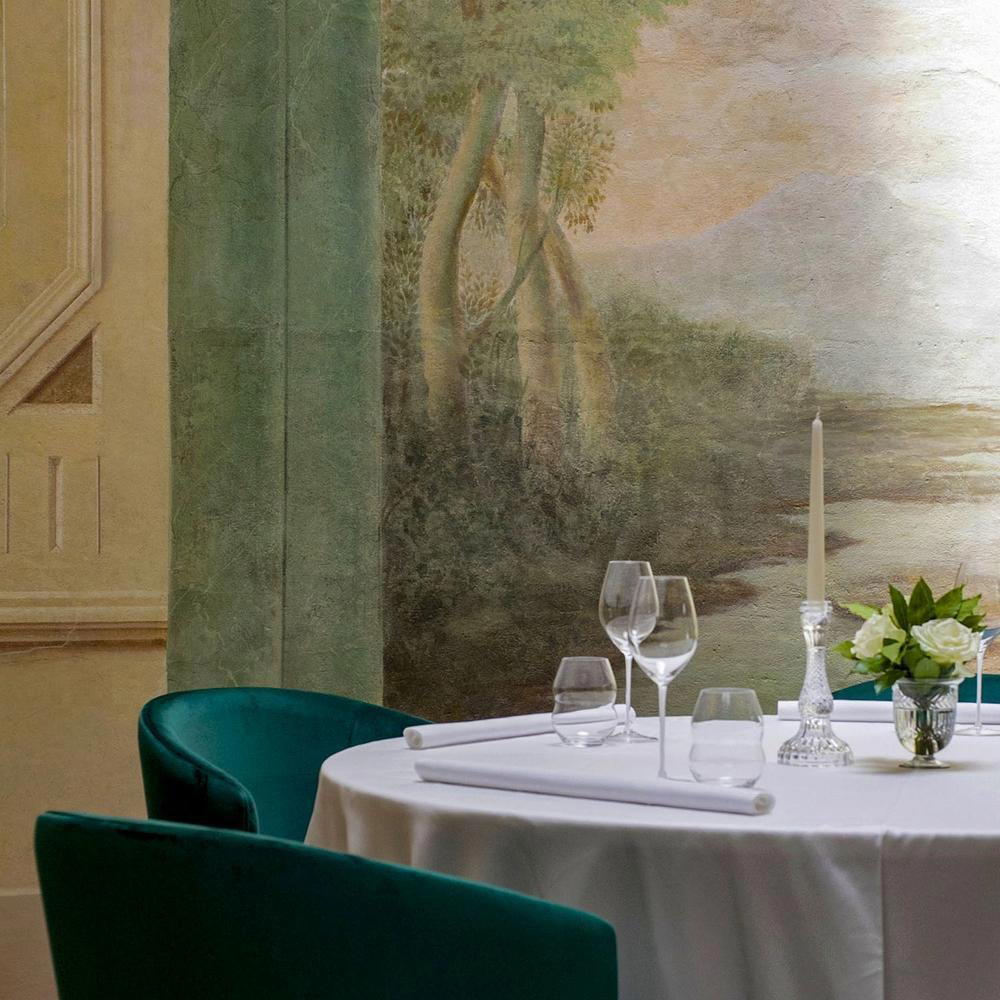
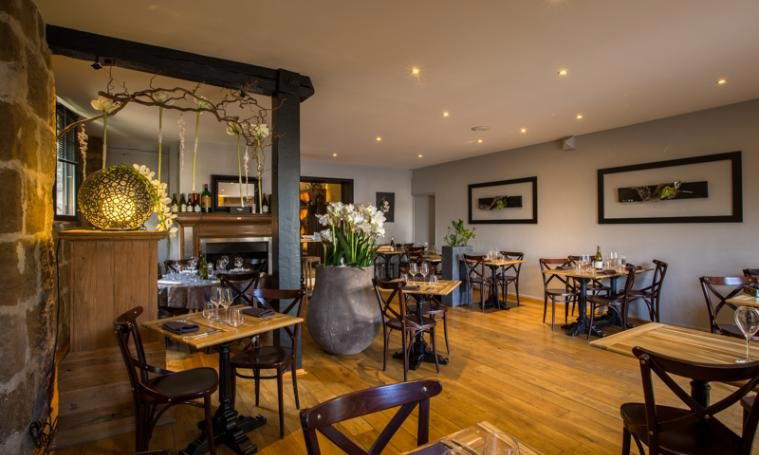
L' Ardoise Fût-ée
The wine
- Wine program
- Curated wine list
- Extensive wine list
Details
- Cozy
- Rustic
- Lively
- Casual Hangout
- Wine Cellar
- Extensive Wine List
- Local Sourcing
- A La Carte
Current opening hours
- Monday
- Closed
- Tuesday
- 10 AM–1:30 PM, 5–7 PM
- Wednesday
- 10 AM–1:30 PM, 5–7 PM
- Thursday
- 10 AM–1:30 PM, 5–7 PM
- Friday
- 10 AM–1:30 PM, 5–10 PM
- Saturday
- 10 AM–1:30 PM, 5–10 PM
- Sunday
- Closed
Hours can change for holidays and private events. Last verified .
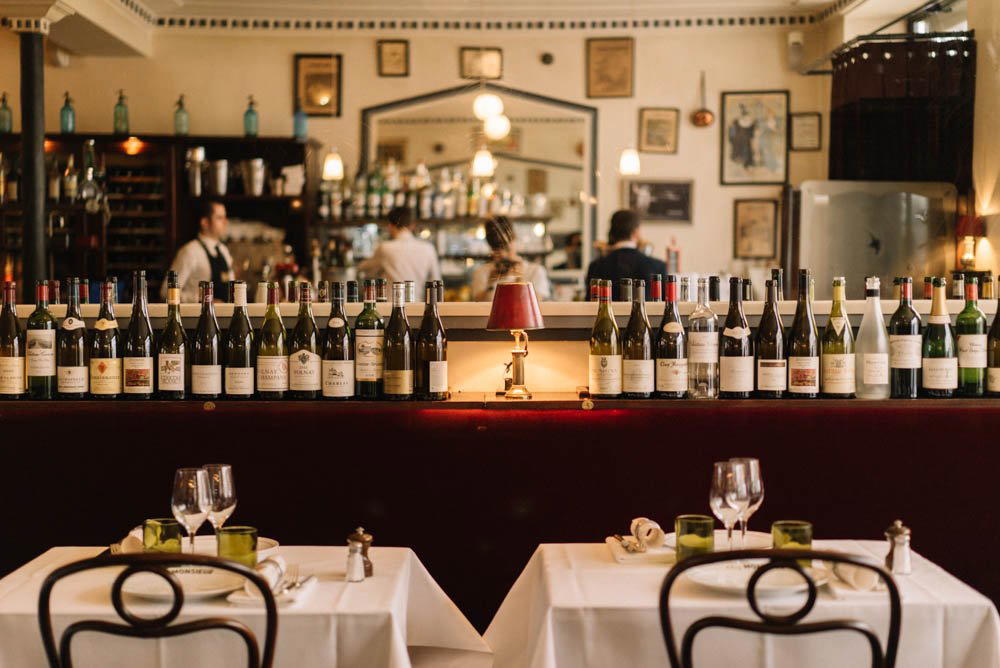
Convivial and welcoming atmosphere in a bar-restaurant-wine cellar concept with friendly staff.