Our verdict
Les Petits Ventres serves Modern Traditional Limousin French in a historic building, with tripe, sweetbreads and a terrace over the street scene.

Pearl is the En Primeur Club membership app — saves, bookings, and concierge access live there. Same editors, same standards.
- Address
- 20 Rue de la Boucherie, 87000 Limoges, France
- Phone
- +33555342290
- Hours
- Mon ClosedTue–Sat 12–2 PM, 7–9:30 PMSun Closed
- Website
- les-petits-ventres.fr
- Directions
- Get directions
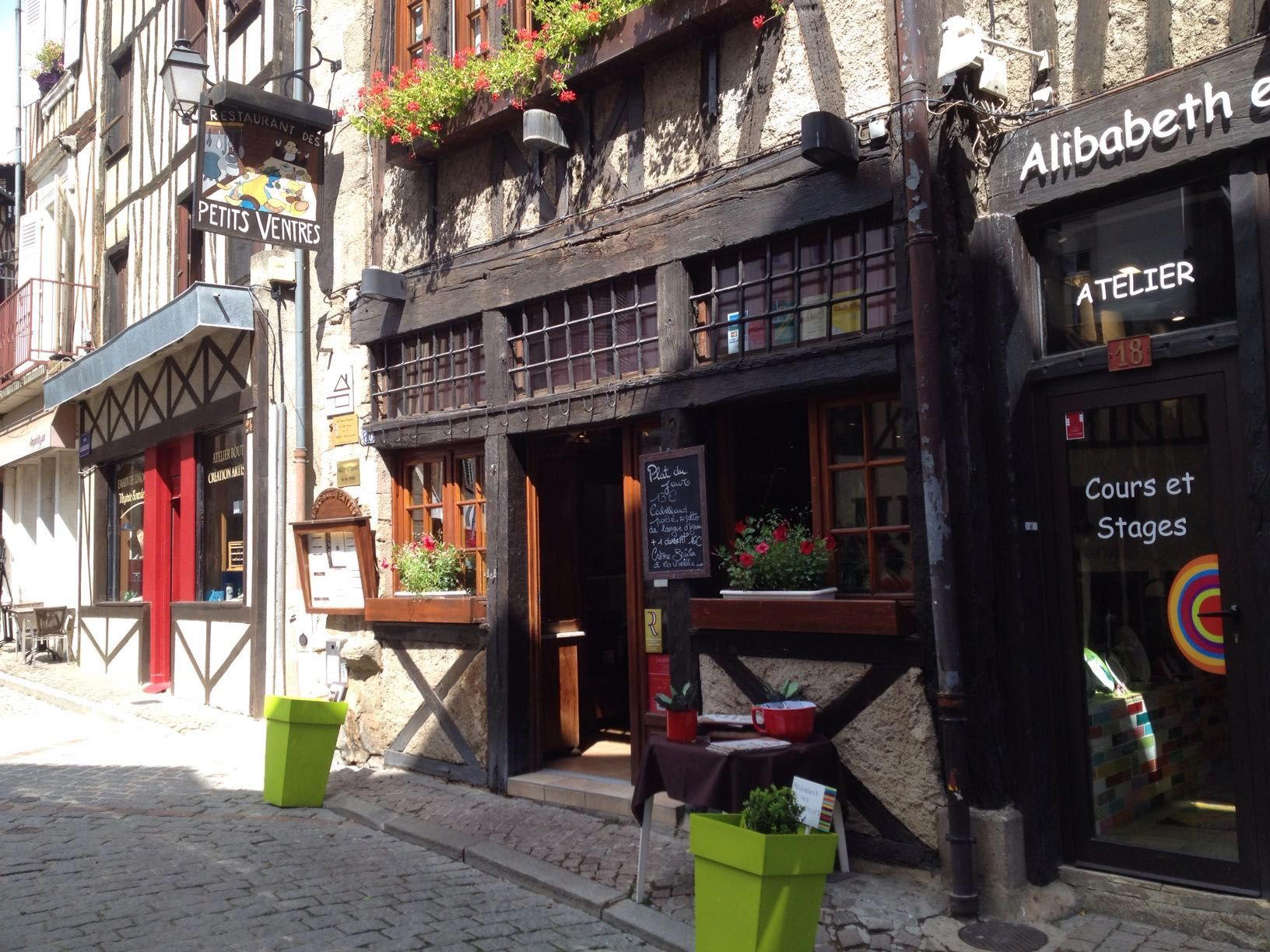
The Street That Time Kept
Rue de la Boucherie is one of the more quietly arresting streets in provincial France. The medieval butchers' quarter in Limoges has retained its timber-framed architecture and its tight, cobbled character through centuries of commerce, religious festivals, and the kind of slow urban change that elsewhere erases such things. Les Petits Ventres sits at number 20 on this street, and that address alone carries more editorial weight than most restaurant credentials. Before you push open the door, the setting has already told you something about what dining here will feel like: rooted, specific, and shaped by a sense of place that is not manufactured.
In France, a certain category of traditional restaurant operates at the intersection of regional pride and culinary memory. These are not bistros performing nostalgia for tourists, nor are they temples of technique positioning themselves against starred peers. They are places where the food tells you where you are in France, where the menu is a kind of argument about what a region's cooking actually means. Les Petits Ventres belongs to this tradition. The name itself is a reference to offal, to the tripe and organ cuts that defined the butchery culture of this street for generations, and that specificity signals intent: this is cooking that does not apologise for its origins.
The Logic of the Meal Here
Dining rituals in French regional restaurants of this type follow a particular grammar. The meal is not a tasting sequence or a chef's editorial statement delivered in twelve courses. It is a contract between kitchen and table, where the guest's role is to settle in, order deliberately, and allow the pace of the room to set the tempo of the afternoon or evening. In a city like Limoges, where the dining culture is less self-consciously gastronomic than Lyon or Bordeaux, this unhurried format is the norm rather than a stylistic choice.
The category of cooking associated with Rue de la Boucherie historically centres on the fifth quarter: tripe, andouillette, rognons, and the cuts that require patience and technique to transform. This is not food that photographs easily or travels well as a concept, which is partly why it remains concentrated in the specific French cities and regions where the tradition is alive. Limoges, with its market culture and its continued relationship to livestock farming in the surrounding Haute-Vienne, is one of those places. A meal at a restaurant on this street should, if the kitchen is working seriously, produce the sensation of eating something that could not have come from anywhere else.
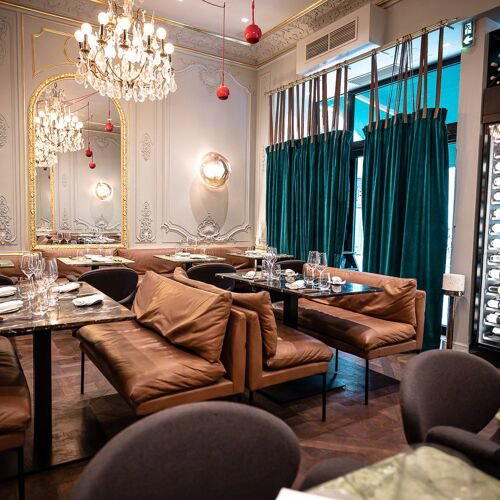
Within the Limoges dining scene, different restaurants occupy distinct positions. Amphitryon (Modern Cuisine) and L'Aparté (Modern Cuisine) represent the contemporary register of the city's cooking, where technique and seasonal sourcing are the primary editorial voice. La Cuisine du Cloître (Modern Cuisine) and L'Echanson each occupy their own corners of what Limoges currently offers. Les Petits Ventres sits in a different category entirely: it is not competing on modernity. It is making a case for continuity.
What French Regional Cooking Asks of the Diner
There is a set of expectations worth calibrating before arriving. Regional French restaurants of this type reward a particular kind of attention. You are not arriving to be surprised by invention. You are arriving to eat something that requires craft precisely because it is not trying to be anything other than what it is. Offal cookery, when it is done with conviction, demands clean sourcing, confident seasoning, and a willingness to let the ingredient speak without decoration. It sits at the opposite end of the spectrum from the elaborately composed plates found at three-star houses like Alléno Paris au Pavillon Ledoyen in Paris, Mirazur in Menton, or Flocons de Sel in Megève. It is closer in spirit to the tradition of deeply rooted regional cooking that institutions like Troisgros - Le Bois sans Feuilles in Ouches and Auberge de l'Ill in Illhaeusern have maintained alongside their starred ambitions, or the terroir-led conviction of Bras in Laguiole.
The comparison is instructive rather than flattering in the conventional sense. Les Petits Ventres is not claiming a position in that starred conversation. What it shares with those houses is the idea that a meal should communicate the logic of a place. In Laguiole, that means the Aubrac plateau. On Rue de la Boucherie in Limoges, it means the butchery tradition that shaped the street for five hundred years.
The broader French dining scene has seen renewed critical interest in traditional bistro and brasserie cooking over the past decade, partly as a correction to the period when tasting menus dominated serious food conversation. In that context, restaurants preserving genuine regional specificity have become more editorially legible, not less. The question for a restaurant like this is always whether the cooking is alive or preserved: whether the kitchen is making active choices or simply maintaining a format. That distinction is what separates a traditional restaurant from a museum of one.
Planning Your Visit
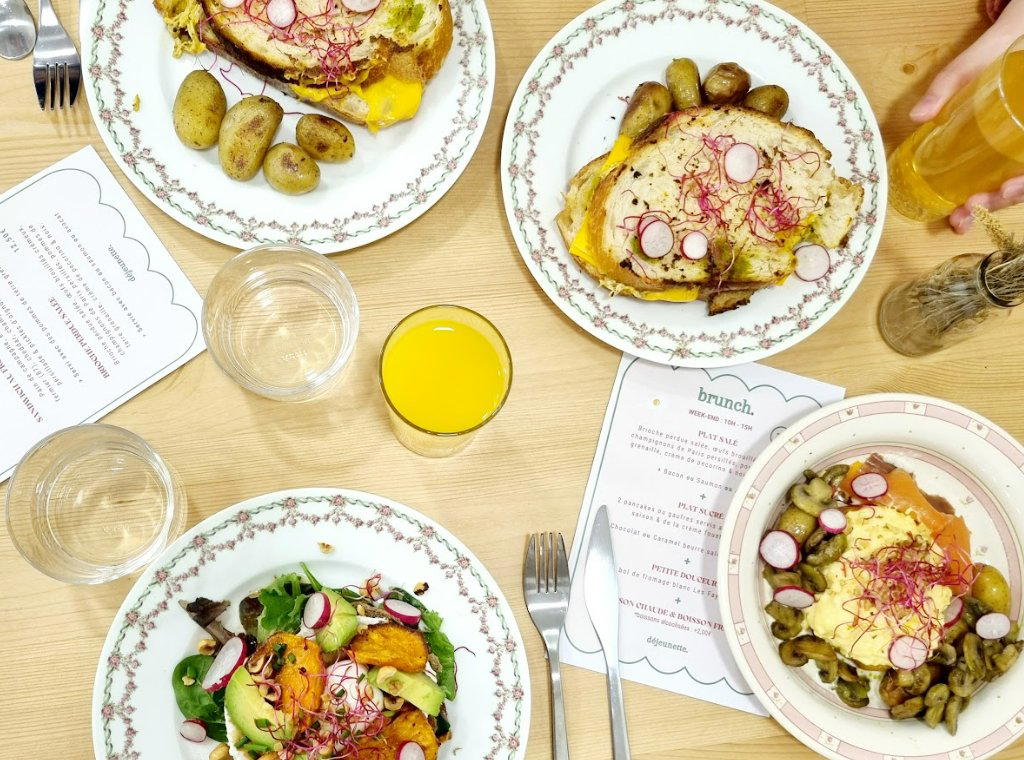
Limoges is accessible by TGV from Paris Austerlitz, with journey times around two and a half hours, making it a viable day trip from the capital for those with a specific reason to go. The city is not a primary destination on the French gastronomic circuit, which means its restaurants operate without the booking pressure that surrounds tables at Paul Bocuse - L'Auberge du Pont de Collonges in Collonges-au-Mont-d'Or or the intense reservation dynamics of a New York counter like Atomix in New York City. For visitors combining Limoges with a broader Limousin itinerary, the city's restaurant calendar follows standard French rhythms: lunch service is often the most relaxed entry point, and midweek visits tend to offer more room than Friday or Saturday evenings. Rue de la Boucherie is walkable from the city centre and from Limoges-Bénédictins station, one of the more architecturally notable provincial French train stations. For additional context on the city's dining options, the full Limoges restaurants guide covers the range of current choices across price points and formats, including Déjeunette Brunch for those looking for a lighter daytime format.
Given the sparse online presence for Les Petits Ventres, the most reliable approach for booking is a direct visit or a call during service hours. This is not unusual for French restaurants of this type and generation: many operate with minimal digital footprint precisely because their clientele is local and repeat.
Frequently asked questions
Where is Les Petits Ventres in Limoges?
Les Petits Ventres is located at î20 Rue de la Boucherie, 87000 Limoges, France, Limoges.
Is Les Petits Ventres the right choice for someone who wants to understand Limousin cooking from its source?
Few restaurants in France are as directly tied to the physical and historical origins of their cooking as Les Petits Ventres on Rue de la Boucherie — a street that has been associated with the meat trade in Limoges since the medieval period. The kitchen draws on the Limousin tradition of using the whole animal, which places it closer to the root of French regional cookery than most contemporaries. For a diner whose interest is in understanding where these preparations come from rather than how they have evolved, the address at 20 Rue de la Boucherie is a logical starting point.
What's the must-try dish at Les Petits Ventres?
The name itself is a direct reference to the offal traditions of Rue de la Boucherie, Limoges's medieval butchers' quarter, which positions tripe and other secondary cuts as the kitchen's natural subject matter. Regional French restaurants of this type typically organise the menu around what the market delivered that morning.
What's the best way to book Les Petits Ventres?
Arriving in person to reserve a table is a reasonable fallback for restaurants on this street, many of which operate without a formal reservations system. Visiting midweek reduces competition for tables.
What's the defining dish or idea at Les Petits Ventres?
The restaurant takes its name from the French term for small tripe parcels, placing it squarely within the offal-focused cooking tradition that made Rue de la Boucherie historically significant in Limoges. The defining idea is continuity with that butchers' quarter heritage rather than reinvention of it. This is a kitchen more interested in preserving a culinary grammar than in updating it.
How does Les Petits Ventres handle allergies?
No allergy or dietary accommodation policy is documented for Les Petits Ventres. Given the kitchen's focus on offal and traditional Limousin preparations, guests with specific dietary requirements should check the venue's official channels before visiting. The menu structure at restaurants of this type tends to leave limited room for substitution.
Category Peers
Comparable venues nearby, for context on price, style, and recognition.
| Venue | Cuisine | Price | Notes |
|---|---|---|---|
| Les Petits VentresThis venue — the venue you are viewing | Modern Traditional Limousin French | $20–30 | Not listed |
| L'Echanson | Traditional French Bistro | $20–30 | Centre Ville |
| Le Bœuf à la Mode | French Steakhouse & Butcher | $30–50 | Downtown Limoges |
| Le Bouillon Limousin | Traditional French Brasserie with Limousin Specialties | $30–50 | centre ville |
| La Table des Compagnons | Traditional French Limousin Bistro | $20–30 | Near Cathedral |
| Le Bistrot d'Olivier | Traditional French Limousin Bistro | $20–30 | Halles Centrales |
Continue exploring
More in Limoges
Restaurants in Limoges
Browse all →
Hotels in Limoges
Browse all →
Wineries in Limoges
Browse all →
Details
- Classic
- Cozy
- Rustic
- Casual Hangout
- Family
- Terrace
- Historic Building
- Extensive Wine List
- Local Sourcing
- Street Scene
- A La Carte
- Vegetarian Friendly
- Gluten Free Options
Current opening hours
- Monday
- Closed
- Tuesday
- 12–2 PM, 7–9:30 PM
- Wednesday
- 12–2 PM, 7–9:30 PM
- Thursday
- 12–2 PM, 7–9:30 PM
- Friday
- 12–2 PM, 7–9:30 PM
- Saturday
- 12–2 PM, 7–9:30 PM
- Sunday
- Closed
Hours can change for holidays and private events. Last verified .
Warm, convivial atmosphere in a multi-level half-timbered building with terrace seating, evoking authentic French bistro charm.