Kyoto Japanese Restaurant
On Salt Lake City's east side, Kyoto Japanese Restaurant occupies a stretch of 1300 South where the neighbourhood's residential rhythm slows the pace before you reach the door. Among the city's Japanese dining options, it holds a place that reflects how Japanese cuisine has taken root in landlocked Utah, positioning itself closer to the neighbourhood institution end of the spectrum than the downtown dining-destination tier.
Pearl is the En Primeur Club membership app — saves, bookings, and concierge access live there. Same editors, same standards.
- Address
- 1080 E 1300 S, Salt Lake City, UT 84105
- Phone
- +18014873525
- Website
- kyotoslc.com
- Directions
- Get directions
 Saves & bookings on Pearl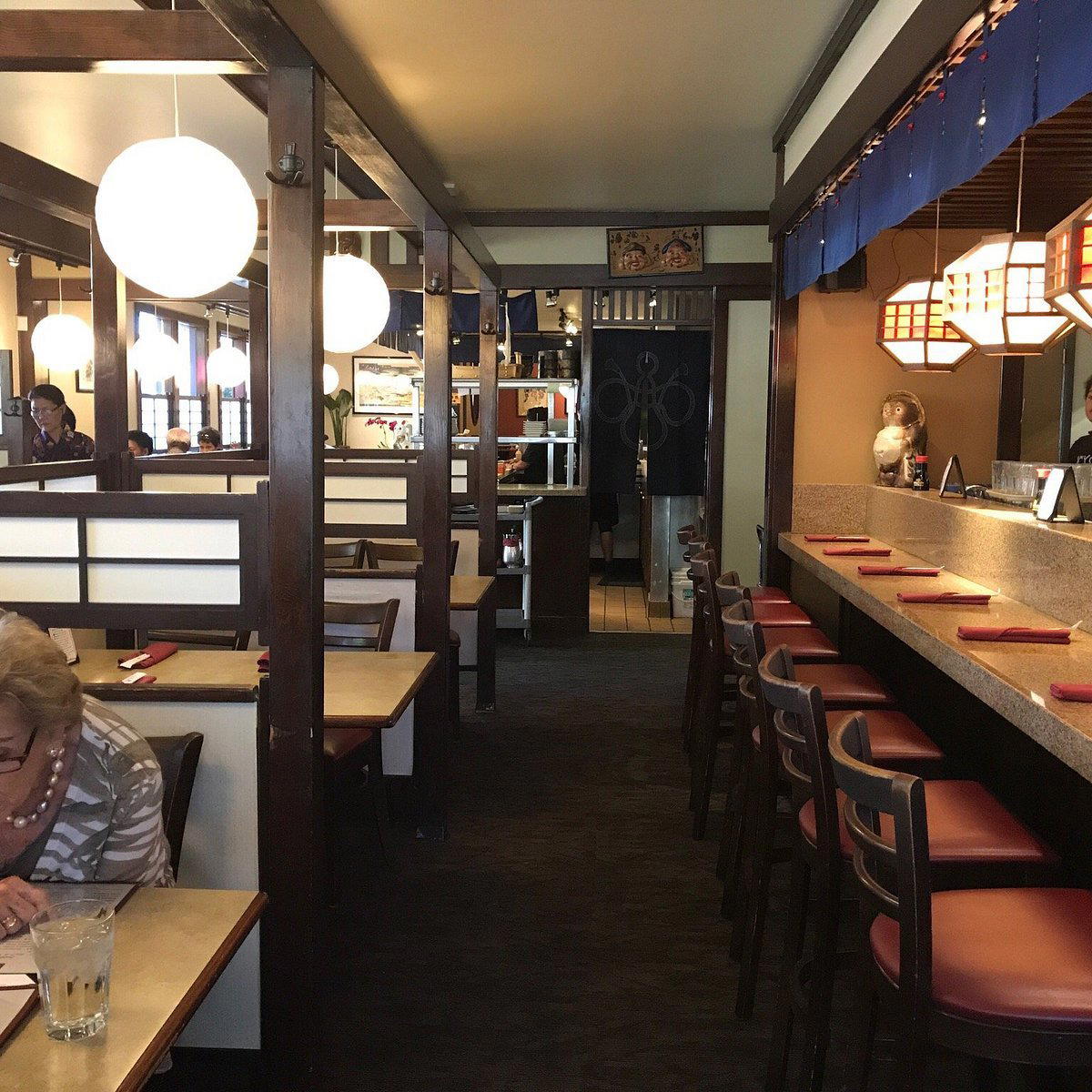
East Side, Slower Pace: What the Address Tells You
Salt Lake City's dining scene divides along predictable fault lines: the downtown corridor around Gallivan Plaza draws hotel guests and expense-account crowds, while the east-side streets, particularly along the 1300 South corridor, attract a neighbourhood-first clientele who return on weeknights rather than occasions. Kyoto Japanese Restaurant, at 1080 East 1300 South, sits squarely in that second category. The address itself is editorial context. This is not the part of the city where restaurants perform for visitors; it is where they earn regulars.
In a state where Japanese dining has historically skewed toward accessible sushi combinations and bento-format lunches, the east side has quietly become the more considered setting. The residential streets around the Sugar House and 9th and 9th corridors have accumulated a range of independent restaurants that operate with lower overhead and less pressure to chase trends. Kyoto fits within that pattern, occupying territory that feels more Kyoto-the-city's neighbourhood bistro equivalent than the showpiece dining that the name might initially suggest.
Understanding which part of the city a restaurant inhabits is often as useful as understanding its menu.
Japanese Dining in a Landlocked City: The Category Context
Japanese cuisine in inland American cities operates under constraints that coastal counterparts do not face in the same way. The supply chain for high-quality seafood is longer, the pool of Japan-trained kitchen staff is smaller, and the local reference point for what Japanese food should taste like is often shaped by earlier, more accessible interpretations of the cuisine. Cities like Salt Lake City have, over the past two decades, seen that reference point shift. A broader population has travelled, and a growing community of Japanese and Japanese-American residents has raised expectations for authenticity in everyday settings.
The result is that a neighbourhood Japanese restaurant in Salt Lake City today exists in a more demanding environment than its equivalent from fifteen years ago. Diners who have eaten ramen in Tokyo or attended omakase counters in Los Angeles, at venues like Providence in Los Angeles, or experienced the technical precision on display at Atomix in New York City, arrive with a calibrated sense of what quality looks like. That is the audience the east-side corridor increasingly serves.
Nationally, the gap between the neighbourhood Japanese restaurant and the destination Japanese counter has widened. Venues like Le Bernardin in New York City or Alinea in Chicago set a reference point for what fine dining ambition looks like at the summit tier, while the neighbourhood restaurant occupies a different but equally necessary position in the ecosystem: consistent, local, and anchored to a specific community's appetite.
The Neighbourhood Institution Model
Across American cities, the neighbourhood Japanese restaurant follows a recognizable format. It tends toward a compact room, a menu that balances traditional categories with a handful of local adaptations, and a customer base that measures quality by consistency over time rather than innovation. This is the model that sustains Japanese dining in inland cities, where the economics of the destination-dining format are harder to support without a dense tourist base or a concentration of corporate dining budgets.
Salt Lake City's east side supports this model well. The residential density between the university and the Sugar House district provides a steady local audience. Compared to the downtown dining corridor, where restaurants like Bambara Salt Lake City operate with a hotel-adjacent format, or the bar-forward concepts like Blind Rabbit Kitchen, the east-side Japanese restaurant operates in a quieter competitive frame. Its peers are the other independents along the corridor, not the downtown flagships.
Other independents in the broader east-side comparable set, including Avenues Proper and Arlo Restaurant, have each built neighbourhood followings by committing to a specific format and executing it reliably. That is the competitive standard in this part of the city, and it is the standard against which Kyoto is most usefully measured.
What the Location Offers the Diner
Proximity to the University of Utah and the Research Park corridor means the 1300 South stretch draws a cross-section of the city that skews younger and more internationally minded than some other Salt Lake City neighbourhoods. That audience tends to have more direct exposure to Japanese cuisine in its various forms, whether through travel, through Salt Lake City's small but present Japanese-American community, or through the city's growing range of dining options that have expanded the reference points available to local diners.
For visitors to Salt Lake City, the east side represents an alternative to the downtown-and-Temple-Square axis that captures most tourist traffic. Restaurants along this corridor, including Adelaide, operate at a remove from that tourist concentration, which tends to produce a different room dynamic. The audience is local, the pace is less performative, and the experience is calibrated to returning customers rather than first-time visitors looking for a landmark meal.
This is a meaningful distinction. A neighbourhood Japanese restaurant in this setting is less likely to be auditioning for a single occasion and more likely to be building toward the kind of accumulated trust that produces multi-year regulars. That is a different value proposition from the destination dining that venues like The French Laundry in Napa, Blue Hill at Stone Barns in Tarrytown, or Single Thread Farm in Healdsburg represent, but it is a legitimate and often more durable one.
Planning Your Visit
Kyoto Japanese Restaurant is located at 1080 East 1300 South, in a part of Salt Lake City that is accessible by car with street parking generally available along the corridor. The 1300 South stretch sits south of the 9th and 9th district and east of the main Sugar House commercial strip, placing it in a residential transition zone where foot traffic is lower than in busier commercial corridors. For visitors without a car, the area is reachable via TRAX and connecting bus routes from downtown, though the east-side geography rewards having independent transport.
The Essentials
Comparable venues nearby, for context on price, style, and recognition.
| Venue | Cuisine | Price | Notes |
|---|---|---|---|
| Kyoto Japanese RestaurantThis venue — the venue you are viewing | Not listed | $$ | Not listed |
| Koyote | Capitol Hill, Authentic Japanese Ramen | $$ | Not listed |
| The Blue Plate Diner | Sugarhouse, Americana Diner Comfort Food | $$ | Not listed |
| Saffron Valley - Avenues | The Avenues, British Colonial Indian | $$ | Not listed |
| HandoSake Sushi | Not listed | $$ | Clark Learning Office Center, Japanese Hand Roll Bar |
| Tsunami Restaurant & Sushi - Tsunami on 9th | Not listed | $$ | 9th and 9th, Japanese Sushi & Fusion |
Continue exploring
More in Salt Lake City
Restaurants in Salt Lake City
Browse all →
Bars in Salt Lake City
Browse all →
Hotels in Salt Lake City
Browse all →
Wineries in Salt Lake City
Browse all →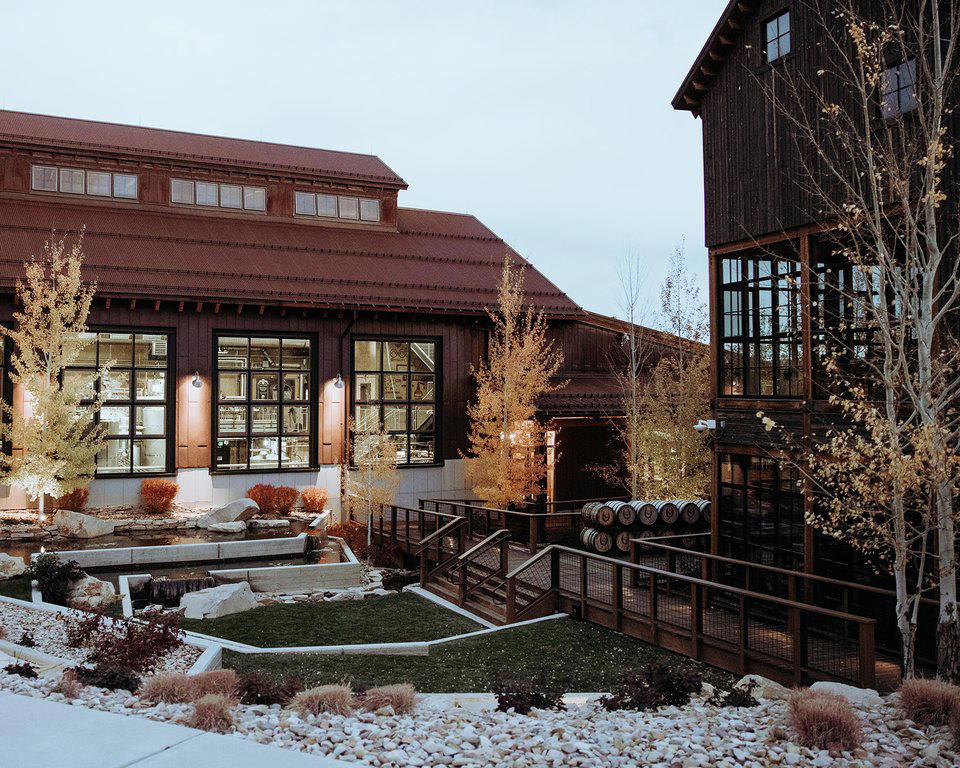
At a Glance
- Cozy
- Classic
- Intimate
- Date Night
- Family
- Casual Hangout
- Open Kitchen
- Sake Program
- Garden
Current opening hours
- Monday
- 11 AM–2 PM, 5–9:30 PM
- Tuesday
- 11 AM–2 PM, 5–9:30 PM
- Wednesday
- 11 AM–2 PM, 5–9:30 PM
- Thursday
- 11 AM–2 PM, 5–9:30 PM
- Friday
- 11 AM–2 PM, 5–10 PM
- Saturday
- 11 AM–2 PM, 5–10 PM
- Sunday
- 5–9 PM
Hours can change for holidays and private events. Last verified .
Cozy atmosphere with Japanese landscaped garden, sunken tables, and traditional decor creating an authentic feel.