Tsunami Restaurant & Sushi - Tsunami on 9th
Our verdict
Tsunami on 9th occupies a well-established position in Salt Lake City's Japanese dining scene, drawing a consistent local following to its 9th and 9th address. The restaurant sits in a neighborhood that rewards pedestrian exploration, surrounded by independent businesses that give the block its character. For sushi and Japanese-influenced plates in a city still building its fine-dining identity, it functions as a reliable reference point.

Pearl is the En Primeur Club membership app, where members save venues, book tables and use the concierge.
The menu
What to order
- Tsunami Baby Back Ribs
- Tsunami Roll
- Fire Breathing Dragon Roll
Where the 9th and 9th Neighborhood Sets the Tone
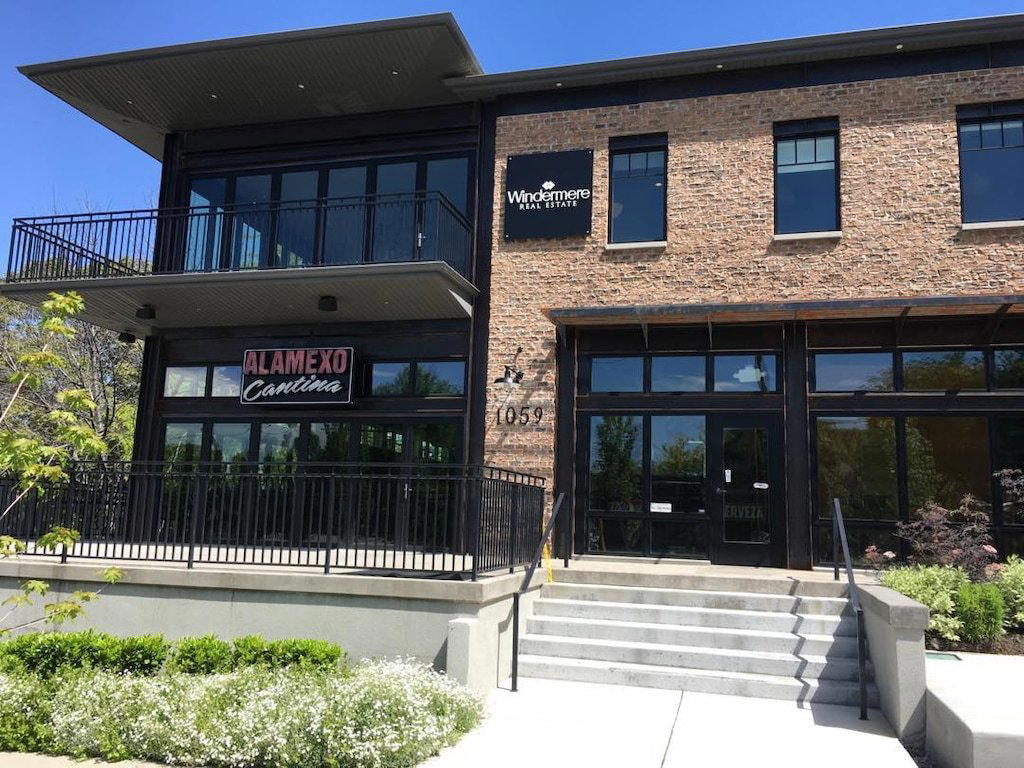
Salt Lake City's 9th and 9th district operates on a different register than the downtown core. The streets are narrower, the storefronts more independent, and the foot traffic moves at a pace that suggests residents rather than tourists. Approaching Tsunami Restaurant & Sushi along East 900 South, the shift is immediate: this is a dining room that belongs to its block in the way that only long-standing neighborhood restaurants do. The address, 1059 E 900 S, places it inside one of the city's more textured commercial corridors, where proximity to the University of Utah and the Capitol Hill residential zone creates a consistent local audience that doesn't need a special occasion to show up.
That kind of embedded neighborhood positioning matters more than it might in a city with denser restaurant competition. In Salt Lake City, where the premium dining market has historically concentrated downtown or in the Sugar House corridor, a Japanese restaurant that holds its ground in a residential pocket is sustaining something distinct. The scene around it, including independent cafes, boutique retail, and bars like Avenues Proper a short distance away, gives the area a coherence that reinforces rather than competes with the dining experience.
Japanese Dining in a City Finding Its Footing
Understanding Tsunami on 9th requires situating it inside the broader arc of Japanese cuisine in American mid-tier cities. For most of the 2000s and 2010s, Japanese restaurants outside coastal metros operated in two modes: high-volume Americanized rolls or spartan traditional formats with limited crossover appeal. The more interesting development in cities like Salt Lake City has been the emergence of restaurants that occupy the middle ground, places that take fish quality and preparation seriously without demanding the formality or pricing of a dedicated omakase counter.
That middle tier is where Salt Lake City's Japanese dining is most active. Compared to a city like San Francisco, where operations such as Lazy Bear represent one end of a deeply stratified market, or New York, where Atomix has redefined what Korean-influenced tasting menus can achieve at the highest level, Salt Lake City's dining identity is still consolidating. That consolidation creates genuine opportunity for restaurants that read their neighborhood correctly and maintain consistent standards over time. Tsunami on 9th has occupied its position in that process long enough to function as a reference point for the category locally.
Across the broader EP Club roster, it's useful to note what precision at the upper end of the American restaurant market looks like for context: Le Bernardin in New York City has long established the benchmark for technique-driven seafood at the formal end, while The French Laundry in Napa and Providence in Los Angeles anchor what multi-course seafood and tasting formats can look like with full infrastructure behind them. Tsunami on 9th operates in a different tier and a different city, but the comparison clarifies what the local market is building toward.
The Service Floor and Team Dynamic
In a restaurant without a prominent public-facing chef identity, the floor team carries a disproportionate share of the dining experience. This is actually a more common situation than it appears: many mid-market neighborhood restaurants in American cities function through accumulated staff knowledge rather than a single named culinary figure. The team dynamic at venues like this tends to produce a particular kind of consistency, service that is familiar rather than formal, where institutional knowledge of the menu and the regulars shapes how the room runs.
That model has parallels in how collaborative restaurant operations work at higher price points. At venues like Single Thread Farm in Healdsburg or Blue Hill at Stone Barns in Tarrytown, the interaction between kitchen, floor, and beverage program is precisely calibrated and publicly documented. The same principle, that the relationship between what arrives at the table and how it is contextualized by the person delivering it shapes the meal, applies at every tier. For a neighborhood sushi restaurant, that means the quality of the server's ability to guide a first-time guest through the menu is as consequential as the fish sourcing.
Salt Lake City's restaurant floor culture has been developing alongside its kitchen talent. Operations like Arlo Restaurant, Adelaide, and Bambara Salt Lake City have each contributed to raising expectations for what attentive service looks like in the city. Tsunami on 9th sits in that same civic dining conversation, where the floor team's capacity to read the room and manage pacing matters to the overall standard.
Reading the Room: Who Eats Here and When
The 9th and 9th location draws a specific cross-section of Salt Lake City diners: residents from the surrounding blocks who treat it as a standing option, university-adjacent visitors looking for something with more substance than the strip-mall sushi typical of student neighborhoods, and out-of-towners who've been pointed toward the area by locals. That mix produces a dining room with a dual character, reliable and unhurried on weeknights, more compressed on weekends when the neighborhood's foot traffic peaks.
Seasonally, the dynamic shifts. Utah winters concentrate dining indoors and reward restaurants with consistent heat management and a room that doesn't feel provisional. The area around 9th and 9th holds up better in cold months than some of the city's more exposed dining corridors, making it a practical choice from November through March when outdoor tables disappear from most of the competition. Spring and summer, when the neighborhood sidewalks activate and the proximity to Liberty Park draws more pedestrian traffic, the restaurant draws from a wider catchment. Planning accordingly, arriving early on Thursday through Saturday evenings in warmer months, is the most direct way to manage the room.
For visitors building a broader Salt Lake City itinerary, the 9th and 9th area pairs naturally with the city's other independent dining pockets. Blind Rabbit Kitchen represents the kind of adjacent independent operation that has shaped the neighborhood's dining identity. The full Salt Lake City restaurants guide maps how these areas relate to each other across the city's dining geography.
Planning Your Visit
Tsunami on 9th is located at 1059 E 900 S, Salt Lake City, UT 84102, within the 9th and 9th commercial district. Street parking is available along both 900 South and the surrounding residential streets, with access easiest outside the evening peak. Given the neighborhood's density and the restaurant's local following, weekend evenings benefit from advance planning rather than walk-in timing. Verified booking details and current hours are best confirmed directly with the restaurant, as online information for this location is not consistently centralized. For context on how Tsunami on 9th fits into the broader local market, Emeril's in New Orleans, Alinea in Chicago, and Addison in San Diego each illustrate what sustained investment in a consistent culinary identity produces at higher price tiers, a useful frame for understanding the ambitions of the American restaurant market that Salt Lake City is increasingly joining.
Frequently asked questions
at Tsunami Restaurant & Sushi - Tsunami on 9th?
How far ahead should I plan for Tsunami Restaurant & Sushi - Tsunami on 9th?
What's the standout thing about Tsunami Restaurant & Sushi - Tsunami on 9th?
How does Tsunami Restaurant & Sushi - Tsunami on 9th handle allergies?
Is Tsunami Restaurant & Sushi - Tsunami on 9th worth it?
Does Tsunami on 9th offer anything that distinguishes it from other sushi restaurants in the Salt Lake City market?
Peers You’d Cross-Shop
Comparable venues nearby, for context on price, style, and recognition.
| Venue | Cuisine | Price | Notes |
|---|---|---|---|
| Tsunami Restaurant & Sushi - Tsunami on 9thThis venue (the venue you are viewing) | Japanese Sushi & Fusion | $20–30 | Not listed |
| Kyoto Japanese Restaurant | Authentic Japanese Sushi | $20–30 | 9th and 9th |
| Rio Grande Cafe | Classic Mexican Comfort Food | $20–30 | East Central |
| Caputo's Market & Deli | Italian Deli | $10–20 | Clark Learning Office Center |
| El Cholo Restaurant | Classic Mexican | $20–30 | Sugarhouse |
| Zest Kitchen & Bar | Plant-Based Global Fusion | $20–30 | Clark Learning Office Center |
Continue exploring
More in Salt Lake City
Restaurants in Salt Lake City
All restaurants in Salt Lake City →
Bars in Salt Lake City
All bars in Salt Lake City →
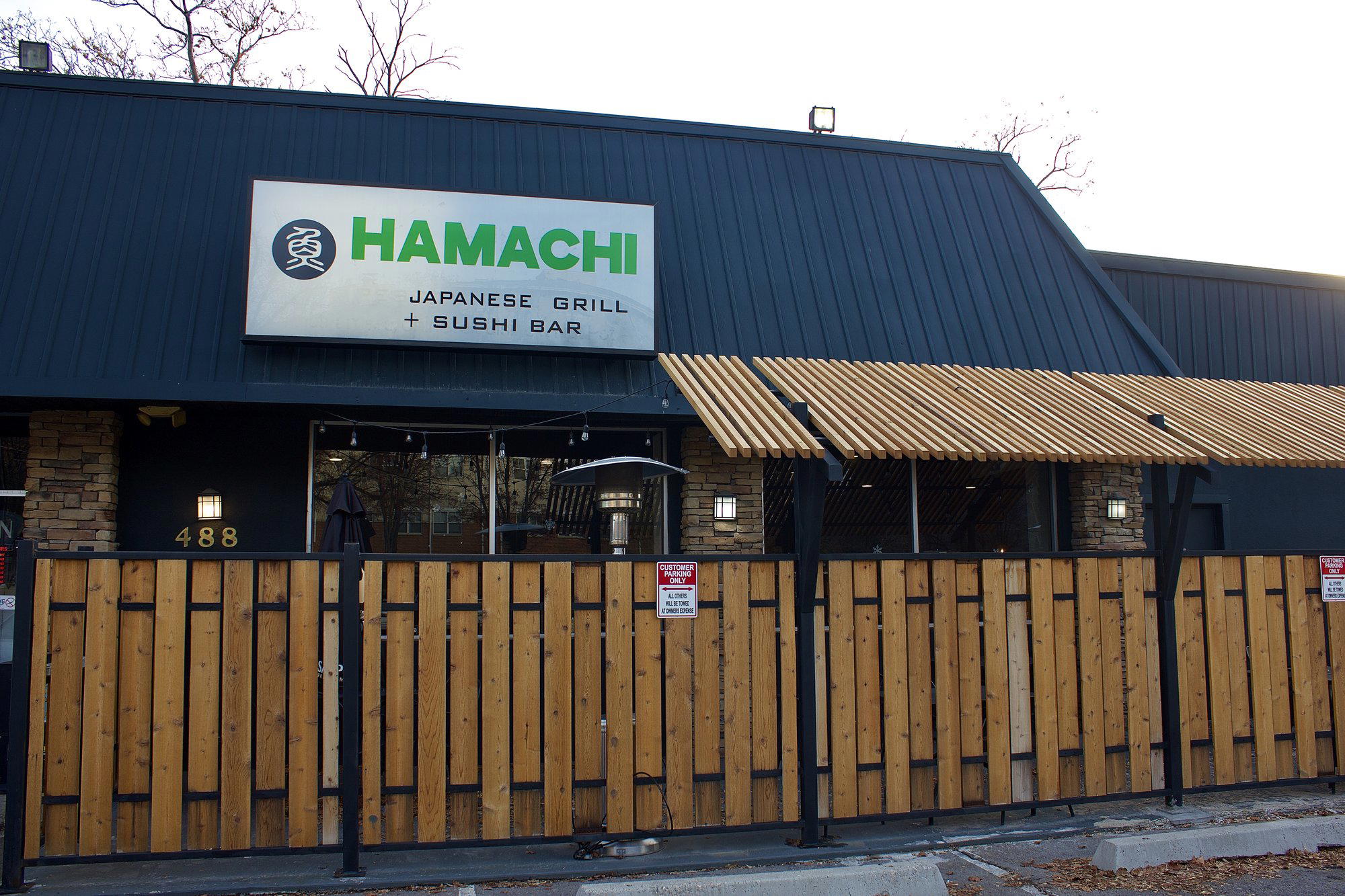
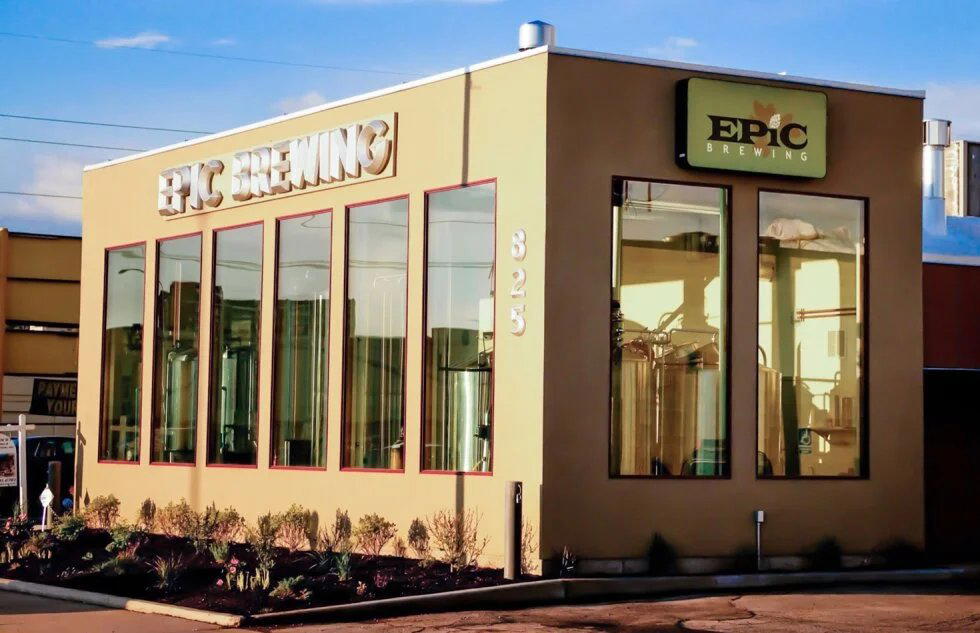
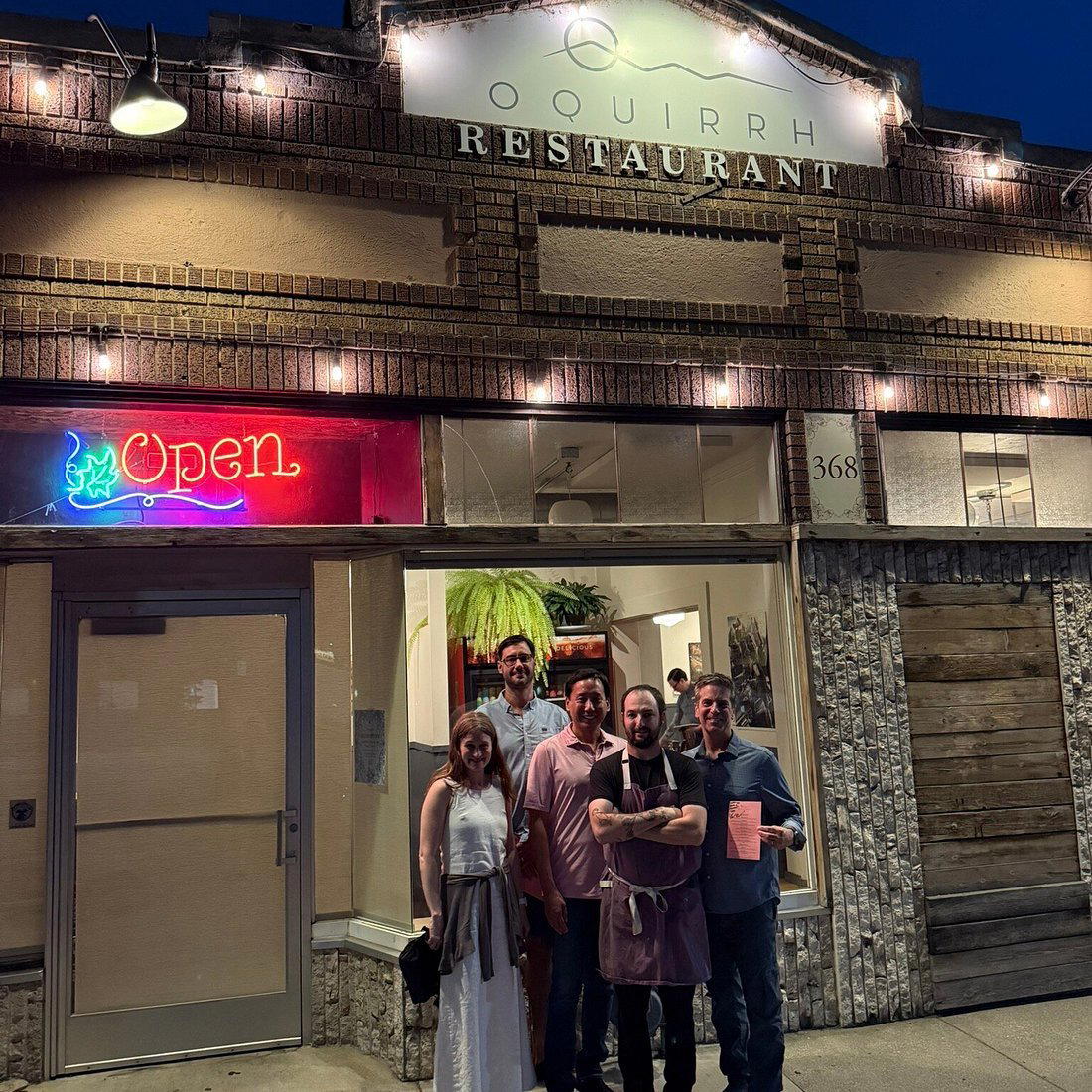
Hotels in Salt Lake City
All hotels in Salt Lake City →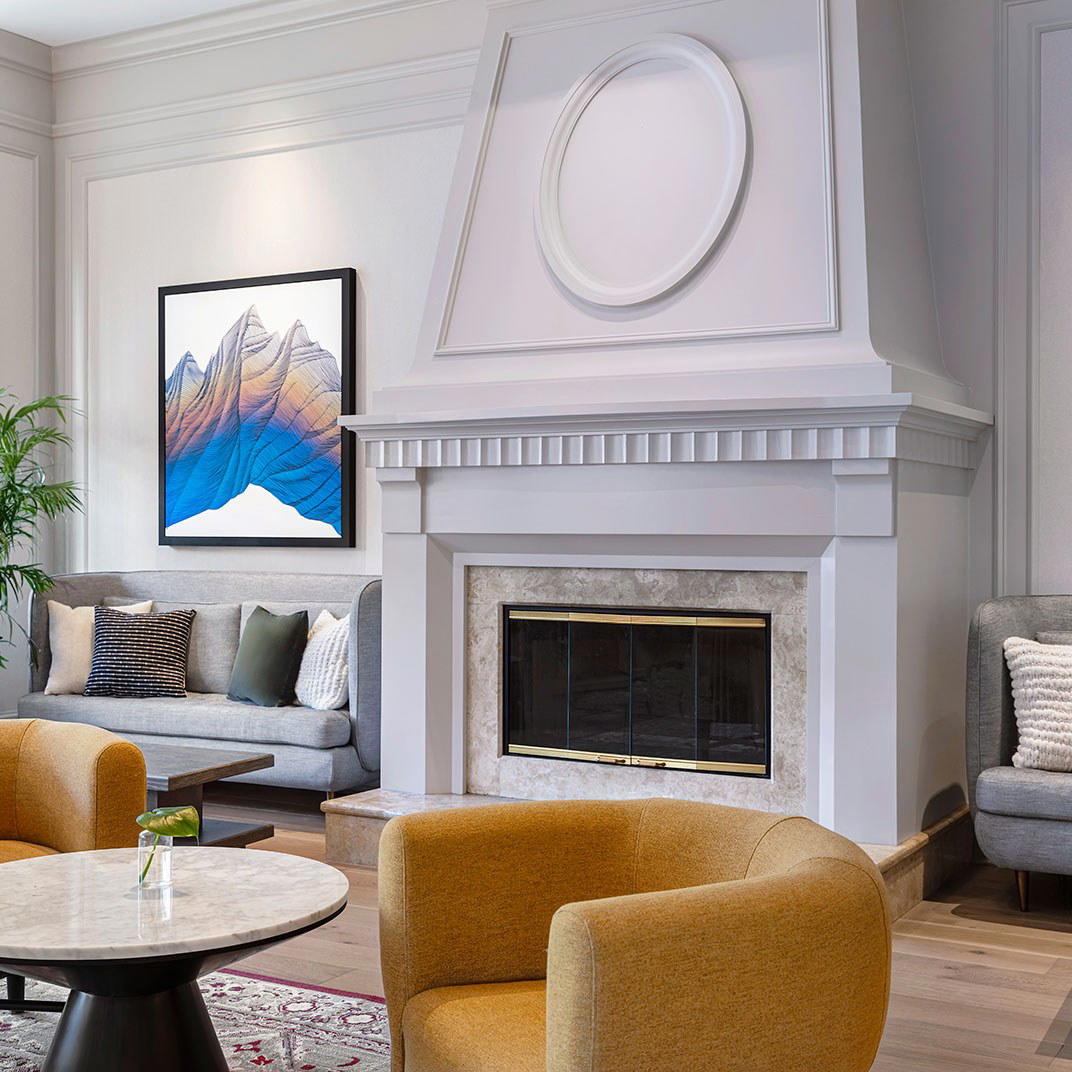
Wineries in Salt Lake City
Browse all →
Details
- Modern
- Trendy
- Lively
- Date Night
- Group Dining
- Casual Hangout
- Open Kitchen
- Sake Program
- A La Carte
- Small Plates
- Vegetarian Friendly
Current opening hours
- Monday
- Closed
- Tuesday
- 11:30 AM–8:30 PM
- Wednesday
- 11:30 AM–8:30 PM
- Thursday
- 11:30 AM–8:30 PM
- Friday
- 11:30 AM–9 PM
- Saturday
- 12–9 PM
- Sunday
- 12–8 PM
Hours can change for holidays and private events. Hours as of .
Exciting contemporary atmosphere with modern Japanese decor and lively dining vibe.