Azumi
Azumi occupies a specific tier in Houston's Japanese dining scene, where the format and clientele suggest a room built for return visits rather than occasions. Located at 4444 Westheimer Rd in River Oaks, it sits alongside the city's serious-spend dining corridor and draws a crowd that treats it as a standing appointment rather than a destination event.
Pearl is the En Primeur Club membership app — saves, bookings, and concierge access live there. Same editors, same standards.
- Address
- 4444 Westheimer Rd Suite G-130, Houston, TX 77027
- Phone
- +18308300220
- Website
- azumirestaurant.com
- Directions
- Get directions
 Saves & bookings on Pearl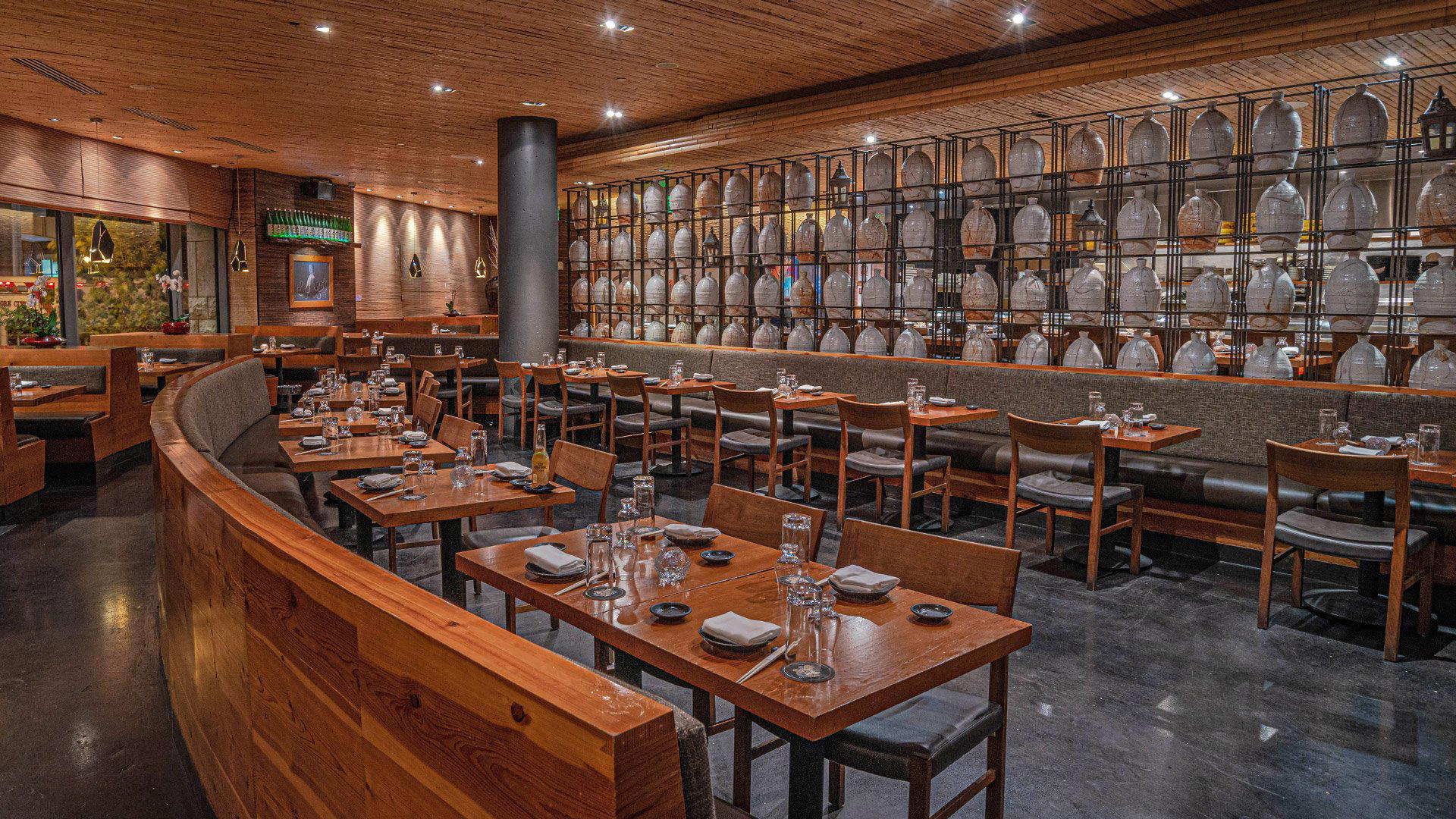
The Room Before the Food
Houston's Westheimer corridor through River Oaks has become the clearest barometer of where the city's serious restaurant money lands. The stretch running through and past the River Oaks District, where Azumi occupies suite G-130 at 4444 Westheimer, carries a density of high-spend dining that rivals any comparable block in Dallas or Miami. What the address tells you before you sit down is that the room is playing in a specific register: not the converted warehouse energy of Midtown, not the suburban-casual tone of Sugar Land.
Japanese dining in Houston has developed along two distinct tracks over the past decade. One track runs through neighborhood sushi bars and ramen counters where price, speed, and familiarity drive repeat traffic. The other sits at the higher-commitment end: omakase counters, izakaya-influenced formats with serious sake programs, and restaurants where the kitchen's Japanese reference points are treated with the same seriousness that, say, March brings to its Venetian framework or Musaafer applies to regional Indian tradition. Azumi operates in that second track, a Japanese restaurant on Westheimer that positions against the city's premium dining cohort rather than the broader sushi market.
What the Regulars Are Actually Ordering
The clearest measure of a restaurant's real identity is not its opening-night press but what the table next to you orders on a Tuesday in February. In rooms like Azumi, that Tuesday table often reveals more about the kitchen's strengths than any curated media visit. Regulars in Houston's River Oaks dining circuit tend to gravitate toward Japanese restaurants with a coherent izakaya logic, where the progression from light, raw preparations through richer cooked dishes holds together across an extended evening rather than collapsing into a parade of unrelated plates.
In cities with mature Japanese dining markets, the restaurants that generate loyal return traffic share a common architecture: a raw bar section anchored by quality fish sourced with attention to provenance, a cooked section that demonstrates range without overreaching, and a beverage program, whether sake-focused, Japanese whisky-forward, or built around a tight natural wine list, that gives regulars a reason to drink slowly and stay late. Houston's premium Japanese tier has been developing toward that model, and venues on the Westheimer corridor carry the price expectations and room quality that support it.
The River Oaks Dining Ecosystem
Understanding Azumi means understanding its postcode. River Oaks District as a dining address puts a restaurant in conversation with Le Jardinier Houston, which applies a French vegetable-forward framework to the same affluent audience, and with BCN Taste & Tradition, which has built a loyal Spanish dining clientele in the same corridor. The common thread across those rooms is not cuisine type but guest expectation: these are restaurants where the check average is understood going in, where the service model is more formal than the energy implies, and where the wine or sake list is taken seriously as part of the total spend.
That peer context matters because it shapes who walks through the door. The River Oaks restaurant guest is, broadly, a repeat visitor to this part of the city with established relationships with specific rooms. Japanese dining at this address competes not just with other Japanese restaurants but with Tatemó's masa-focused Mexican program and with the serious-spend European formats nearby. The kitchen has to hold its own against that range of alternatives for the same discretionary evening.
How Houston's Japanese Scene Compares
Nationally, the cities setting the pace for premium Japanese dining right now are New York, Los Angeles, and San Francisco, where omakase counters operate on three-month booking windows and beverage pairings run alongside chef's-choice progression menus. Providence in Los Angeles demonstrates how Japanese technique applied to California seafood can anchor a two-Michelin-star program; Lazy Bear in San Francisco shows how counter-format dining builds a different kind of relationship between kitchen and guest. Houston's premium Japanese tier is developing toward comparable seriousness, and the restaurants on Westheimer are one visible expression of that development.
The comparison also works in the other direction: Houston diners who travel frequently and eat at Le Bernardin in New York City, The French Laundry in Napa, or Addison in San Diego bring calibrated expectations back to their home city. That well-traveled local guest is a meaningful part of the River Oaks dining audience, and premium Japanese restaurants in this corridor are judged against an international reference frame.
Why the Regulars Return
In high-spend Japanese dining across American cities, the restaurants with the durable guest loyalty are not always the ones with particularly formal omakase credentials. Rooms that allow guests to eat at their own pace, ordering à la carte across a wide range of preparations, building a meal around a particular fish or a particular sake, often generate deeper return patterns than fixed-progression formats. The guest who returns twelve times a year is usually eating à la carte, not sitting through another chef's-choice sequence. That flexibility, combined with a service team that recognizes faces and remembers preferences, is the operational model that converts first visits into standing appointments.
Houston has enough sophisticated Japanese dining regulars, shaped by the city's large Japanese expat community, its international business travel patterns, and its established fine-dining culture, to support that model at the River Oaks price point.
Know Before You Go
- Address: 4444 Westheimer Rd, Suite G-130, Houston, TX 77027
- Neighbourhood: River Oaks District, Westheimer corridor
- Parking: River Oaks District has structured parking adjacent to the retail and restaurant complex
- Reservations: Recommended for this price tier and neighbourhood; walk-in availability varies by night
At a Glance
Comparable venues nearby, for context on price, style, and recognition.
| Venue | Cuisine | Price | Notes |
|---|---|---|---|
| AzumiThis venue — the venue you are viewing | Galleria, Modern Japanese Sushi | $$$$ | Not listed |
| Uchi Houston | Montrose, Modern Japanese Omakase | $$$$ | Not listed |
| Sushi Horiuchi | Neartown, Modern Japanese Omakase | $$$$ | Not listed |
| Nobu Houston | Galleria, Japanese Peruvian Fusion | $$$$ | Not listed |
| Hachi | Galleria, Fine Dining Omakase Sushi | $$$$ | Not listed |
| Chama Gaucha - Houston | Not listed | $$$$ | Briargrove, Brazilian Churrascaria Steakhouse |
Continue exploring
More in Houston
Restaurants in Houston
Browse all →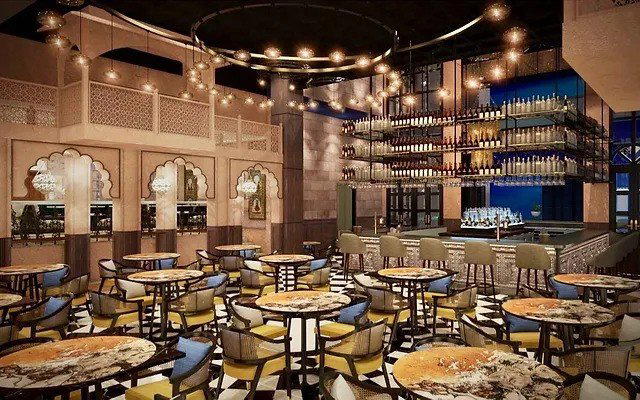
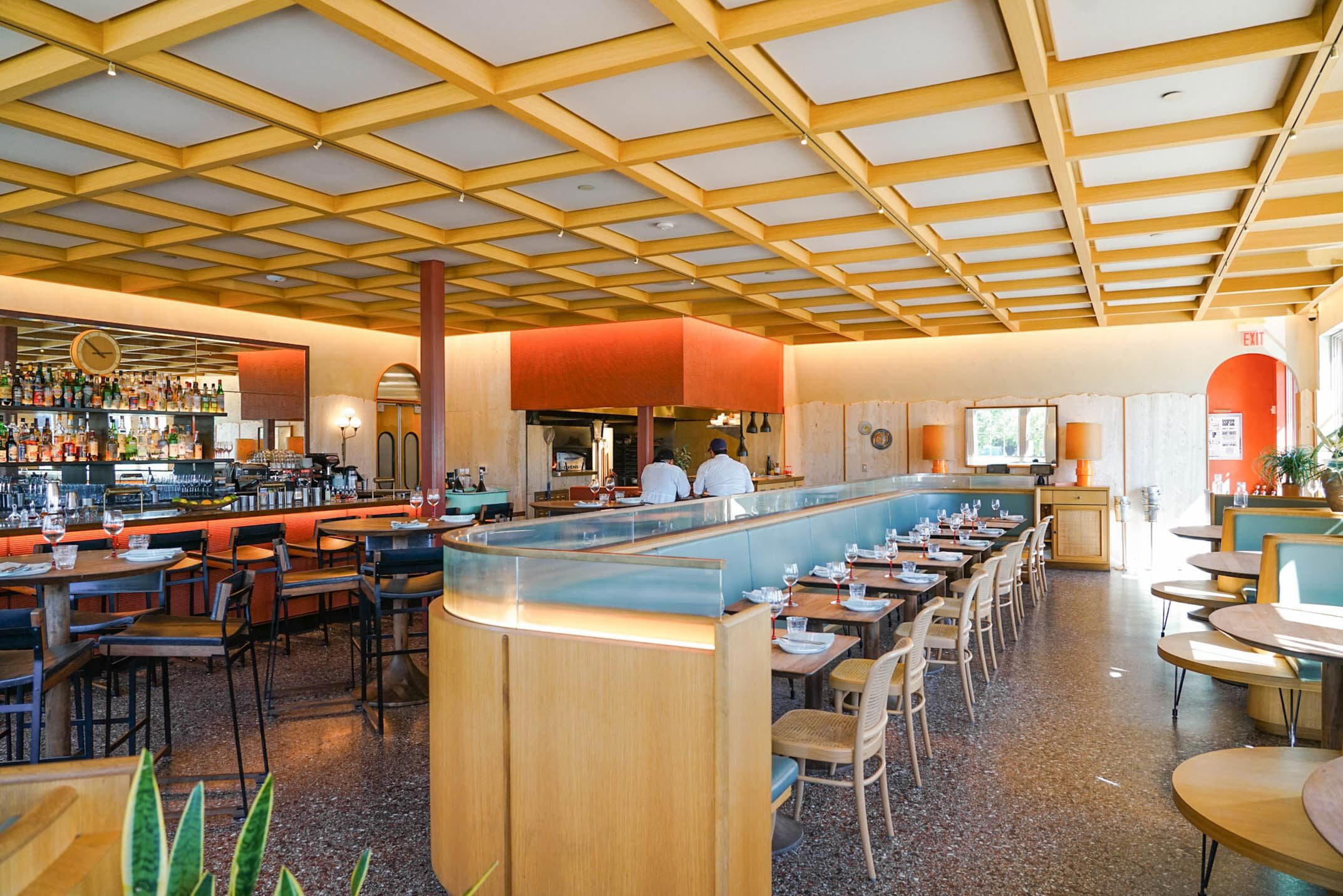
Bars in Houston
Browse all →
Hotels in Houston
Browse all →
At a Glance
- Modern
- Elegant
- Sophisticated
- Trendy
- Lively
- Date Night
- Group Dining
- Special Occasion
- Business Dinner
- Open Kitchen
- Craft Cocktails
- Sake Program
Current opening hours
- Monday
- 11:30 AM–10 PM
- Tuesday
- 11:30 AM–10 PM
- Wednesday
- 11:30 AM–10 PM
- Thursday
- 11:30 AM–10 PM
- Friday
- 11:30 AM–11 PM
- Saturday
- 11:30 AM–11 PM
- Sunday
- 11:30 AM–10 PM
Hours can change for holidays and private events. Last verified .
Lively and inviting with stylish design, dramatic lighting, and a DJ-driven vibe on busy nights.