
Tabelog 100 #66
Our verdict
Kagoshima’s kurobuta culture is the point here: pork shabu-shabu, tonkatsu and regional pork dishes treated as a local ingredient story rather than a generic hot-pot meal. Kurobuta Ryori Ajimori sits in Tenmonkan with Tabelog 100 - Hot Pot - 2024 recognition, a long-running 1978 opening date, and a format built around black pork served with shochu, sake or wine.

Pearl is the En Primeur Club membership app — saves, bookings, and concierge access live there. Same editors, same standards.
- Address
- 13-21 Sennichicho, Kagoshima, 892-0843, Japan
- Phone
- +81 99-224-7634
- Hours
- Mon–Tue 11:30 AM–2:30 PM, 5–9:30 PMWed ClosedThu–Sun 11:30 AM–2:30 PM, 5–9:30 PM
- Website
- adimori.com
- Directions
- Get directions
The menu
What to order
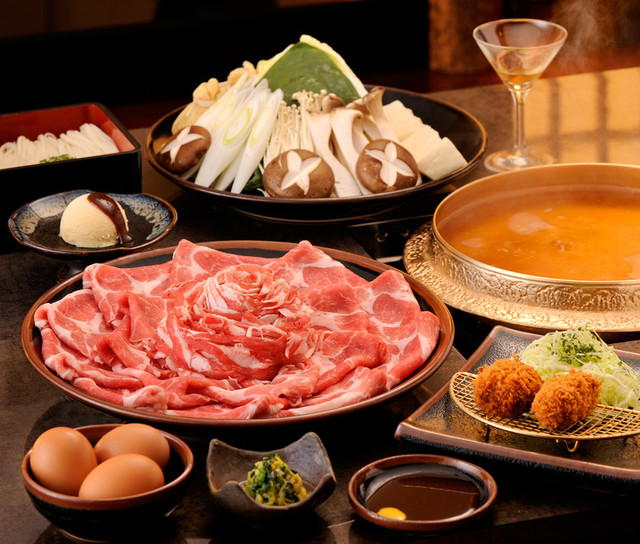
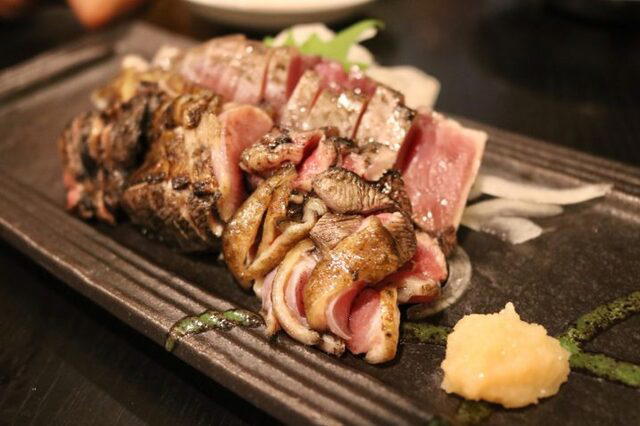
- Kurobuta Shabu-Shabu
- Black Pork Shabu-Shabu Course
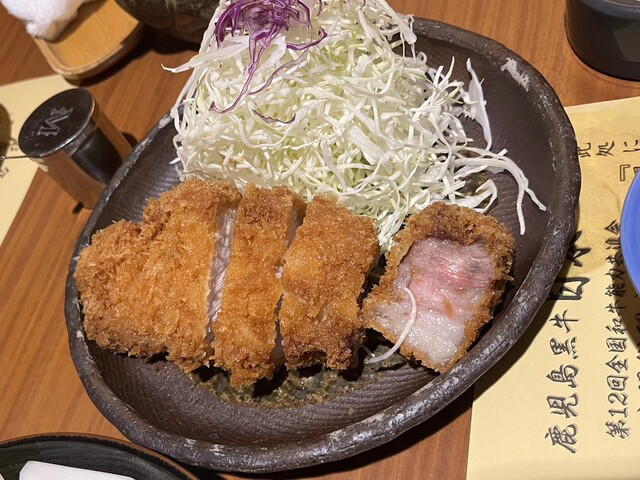
- Kurobuta Tonkatsu
- Kurobuta Croquettes
- Kurobuta Shigure-ni
Kagoshima gives its dining an urban rhythm: tram stops, covered shopping streets, late dinners after drinks, and restaurants that treat Satsuma ingredients as civic property. In that setting, pork is not a supporting protein. Kagoshima kurobuta carries the weight that wagyu carries elsewhere in Japan, and Kurobuta Ryori Ajimori belongs to the part of the city where that ingredient is given a dedicated stage rather than folded into a general izakaya menu.
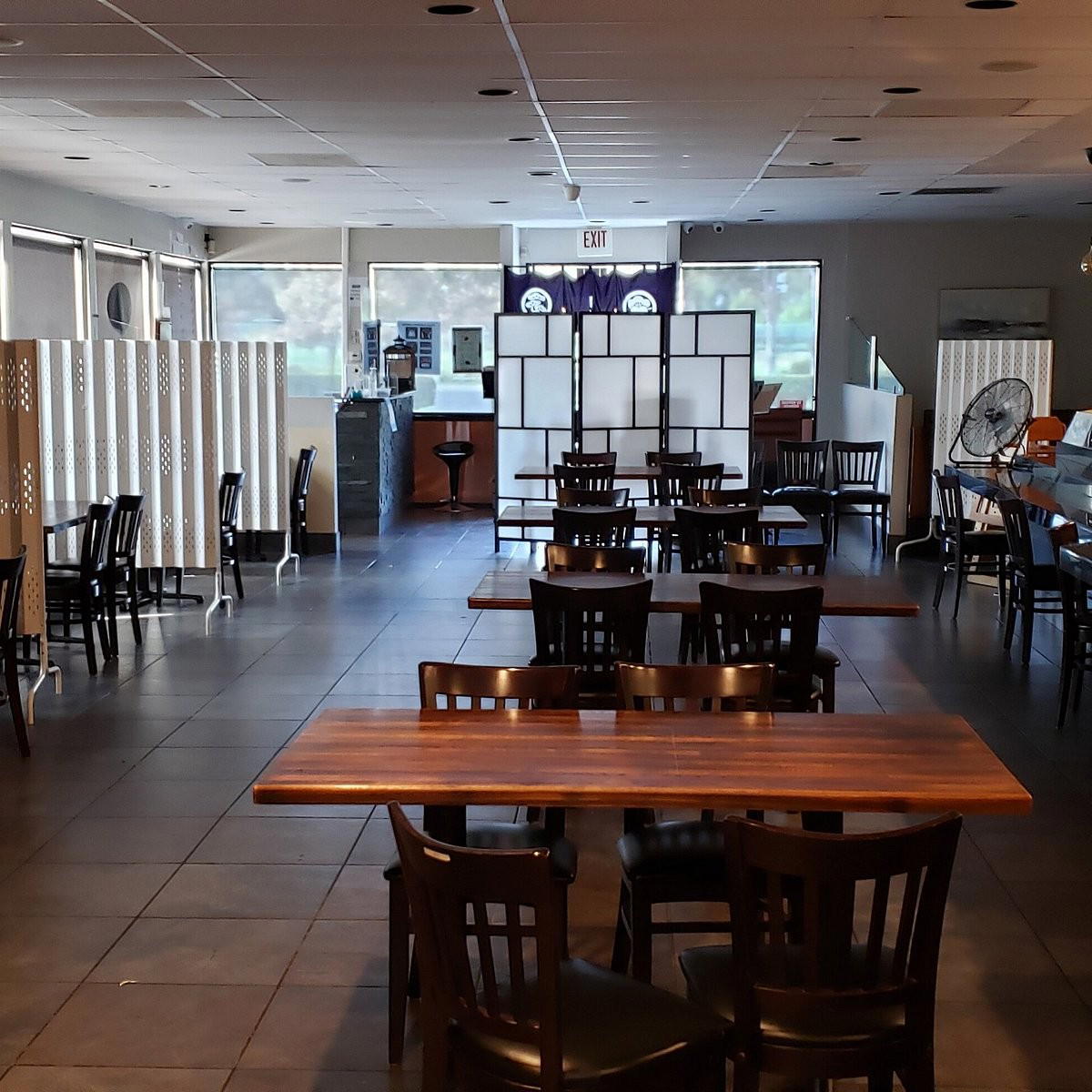
The room format tells the same story. This is not a tiny counter built for scarcity theatre; it is a substantial restaurant suited to both focused meals and group dining. That scale matters in Kagoshima, where serious local dining often has to serve families, work groups and visitors in the same evening. The experience sits closer to regional hospitality than metropolitan tasting-menu minimalism.
Kagoshima black pork as the main argument
Kurobuta is one of Kagoshima’s defining food identities, tied to the former Satsuma domain and to a regional preference for pork with depth rather than leanness. The city’s better pork restaurants tend to split into two broad camps: cutlet houses that make the ingredient legible through frying, and hot-pot rooms that make the fat, broth and dipping sequence the point. Ajimori belongs in that local conversation as a pork specialist rather than as a generic stop on a visitor checklist.
Ajimori’s core distinction is its focus on Kagoshima black pork through pork shabu-shabu and related dishes. That detail is more than service style. Standard shabu-shabu often asks the diner to read the meat through condiments and rhythm; here, the argument stays narrow and pushes the pork itself into sharper focus. The meal is best understood as a shared regional experience, not a solo quick dinner.
The menu category is broader than hot pot alone: pork shabu-shabu, tonkatsu and pork dishes define the kitchen’s lane. Tabelog selected the restaurant for Tabelog 100 - Hot Pot - 2024, and the listed score of 3.67 places it in a credible local-recognition bracket rather than a tourist-only address. The award matters because hot pot is a crowded national category in Japan; a Kagoshima pork specialist appearing in that list signals regional specificity competing inside a wider Japanese format.
A Kagoshima room built for groups, not performance dining
Kagoshima’s restaurant culture is often more practical than precious. Visitors looking for a hushed, eight-seat chef counter will read the room wrong. The better comparison is with Kagoshima venues that express the city through product and setting, including other local dining rooms and the after-dinner cocktail register at BAR STINGER. These are different formats, but they share a city logic: clear specialisation, local demand, and a direct relationship to Kagoshima’s eating and drinking habits.
Ajimori has a different kind of authority from novelty-led dining. The stronger editorial read is not nostalgia; it is continuity. A pork-focused restaurant operating in Kagoshima reflects how deeply kurobuta is embedded in local dining. The drinks side should also be read through the region, where shochu naturally connects many tables back to southern Kyushu.
The atmosphere should be understood through use rather than decoration. This is a restaurant that can work for small parties, larger groups and visitors who want a clear Kagoshima pork meal without turning the evening into performance dining. That combination makes the restaurant useful for families and business groups without reducing the meal to a casual drop-in snack.
How to place it in a Kagoshima itinerary
For a traveller building a Kagoshima food route, this is the pork anchor. The rest of the itinerary should widen around it: casual ramen or dessert at lower spend levels, a cocktail stop in Kagoshima, and at least one meal built around fish or rice. Our full Kagoshima restaurants guide is the clean starting point for that spread, while Our full Kagoshima bars guide, Our full Kagoshima hotels guide, Our full Kagoshima wineries guide and Our full Kagoshima experiences guide help frame the city beyond dinner.
Within Japan’s wider hot-pot and casual-specialist spectrum, the comparison should stay disciplined. Other restaurants in Japan and abroad may show how ingredient-led dining can travel across formats, but they do not share the same dining purpose. Ajimori’s point is narrower and more local: Kagoshima black pork, presented through a category that Tabelog recognised in its 2024 hot-pot selection.
The editorial case is simple: choose Ajimori when the meal needs to explain Kagoshima through kurobuta rather than merely include it. The Tabelog 100 - Hot Pot - 2024 selection supplies external recognition, the listed Tabelog score of 3.67 supplies a useful local signal, and the pork shabu-shabu focus gives the table a clear point of view on the ingredient.
Frequently asked questions
Is Kurobuta Ryori Ajimori a family-friendly restaurant?
Kurobuta Ryori Ajimori is a Kagoshima pork restaurant that can suit a shared meal, especially for diners looking for pork shabu-shabu, tonkatsu or other pork dishes. Check the venue's official channels for the latest details.
What's the vibe at Kurobuta Ryori Ajimori?
This is a practical Kagoshima restaurant rather than a chef’s-counter room. Its pork-focused menu sets a group-oriented tone, while the 2024 Tabelog 100 Hot Pot selection gives it added weight in Kagoshima.
What does dinner at Kurobuta Ryori Ajimori typically cost?
Dinner at Kurobuta Ryori Ajimori is listed at JPY 5,000 - JPY 5,999; lunch is listed at JPY 3,000 - JPY 3,999.
When is Kurobuta Ryori Ajimori open?
Check Kurobuta Ryori Ajimori's official channels for current opening hours before visiting.
Where is Kurobuta Ryori Ajimori in Kagoshima?
Kagoshima.
In Context: Similar Options
Comparable venues by cuisine and price in the same metro.
| Venue | Cuisine | Price | Awards | Notes |
|---|---|---|---|---|
| Kurobuta Ryori AjimoriThis venue — the venue you are viewing | Traditional Kagoshima Kurobuta Shabu-Shabu | $30–50 | Tabelog 100 #66 | Not listed |
| Nana Kamado | Authentic Japanese Cuisine | $30–50 | Not listed | Takamibaba |
| Tonkatsu Kawakyu | Kagoshima Black Pork Tonkatsu | Not listed | Not listed | Chuocho |
| Kumasotei (熊襲亭) | Authentic Satsuma Shabu-Shabu | $20–30 | Not listed | 天文館 |
| Aji no Tonkatsu Maruichi | Kagoshima Kurobuta Tonkatsu | $20–30 | Tabelog 100 #39 | downtown Kagoshima (Takamibaba) |
| Sushisho Nomura | Kagoshima-Style Omakase Sushi | $30–50 | Tabelog Silver #132 | Matsubaracho |
Recognition history
Dated appearances from independent guides and award organizations, with the underlying list record or original source where available.
Tabelog 100 #66 · No. 66
Tabelog · Tabelog 100 - Hot Pot - 2024
Continue exploring
More in Kagoshima
Restaurants in Kagoshima
Browse all →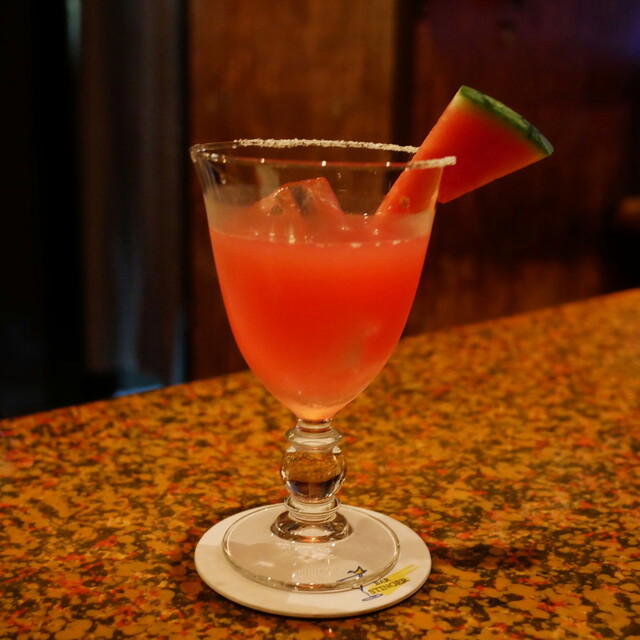
Hotels in Kagoshima
Browse all →
Wineries in Kagoshima
Browse all →
Details
- Classic
- Cozy
- Well Known
- Family
- Group Dining
- Casual Hangout
- Business Dinner
- Standalone
- Historic Building
- Local Sourcing
- Set Menu
- Family Style
Current opening hours
- Monday
- 11:30 AM–2:30 PM, 5–9:30 PM
- Tuesday
- 11:30 AM–2:30 PM, 5–9:30 PM
- Wednesday
- Closed
- Thursday
- 11:30 AM–2:30 PM, 5–9:30 PM
- Friday
- 11:30 AM–2:30 PM, 5–9:30 PM
- Saturday
- 11:30 AM–2:30 PM, 5–9:30 PM
- Sunday
- 11:30 AM–2:30 PM, 5–9:30 PM
Hours can change for holidays and private events. Last verified .
Traditional, bustling shabu-shabu house with a classic Japanese interior, warm lighting, and a comfortable, slightly busy atmosphere suited to families and groups rather than quiet, intimate dining.