On the harbour front of Ærøskøbing, one of Denmark's most carefully preserved medieval towns, Kraut & Koala occupies a position where island-sourced ingredients and Nordic-Australian culinary instincts appear to meet. The name signals the cross-cultural premise directly: fermented, foraged, and local Danish produce set against antipodean technique. For visitors making the ferry crossing to Ærø, it warrants a place in the meal plan.
Pearl is the En Primeur Club membership app — saves, bookings, and concierge access live there. Same editors, same standards.
- Address
- Ærøskøbing Havn 4, 5970 Ærøskøbing, Denmark
- Website
- krautogkoala.com
- Directions
- Get directions
 Saves & bookings on Pearl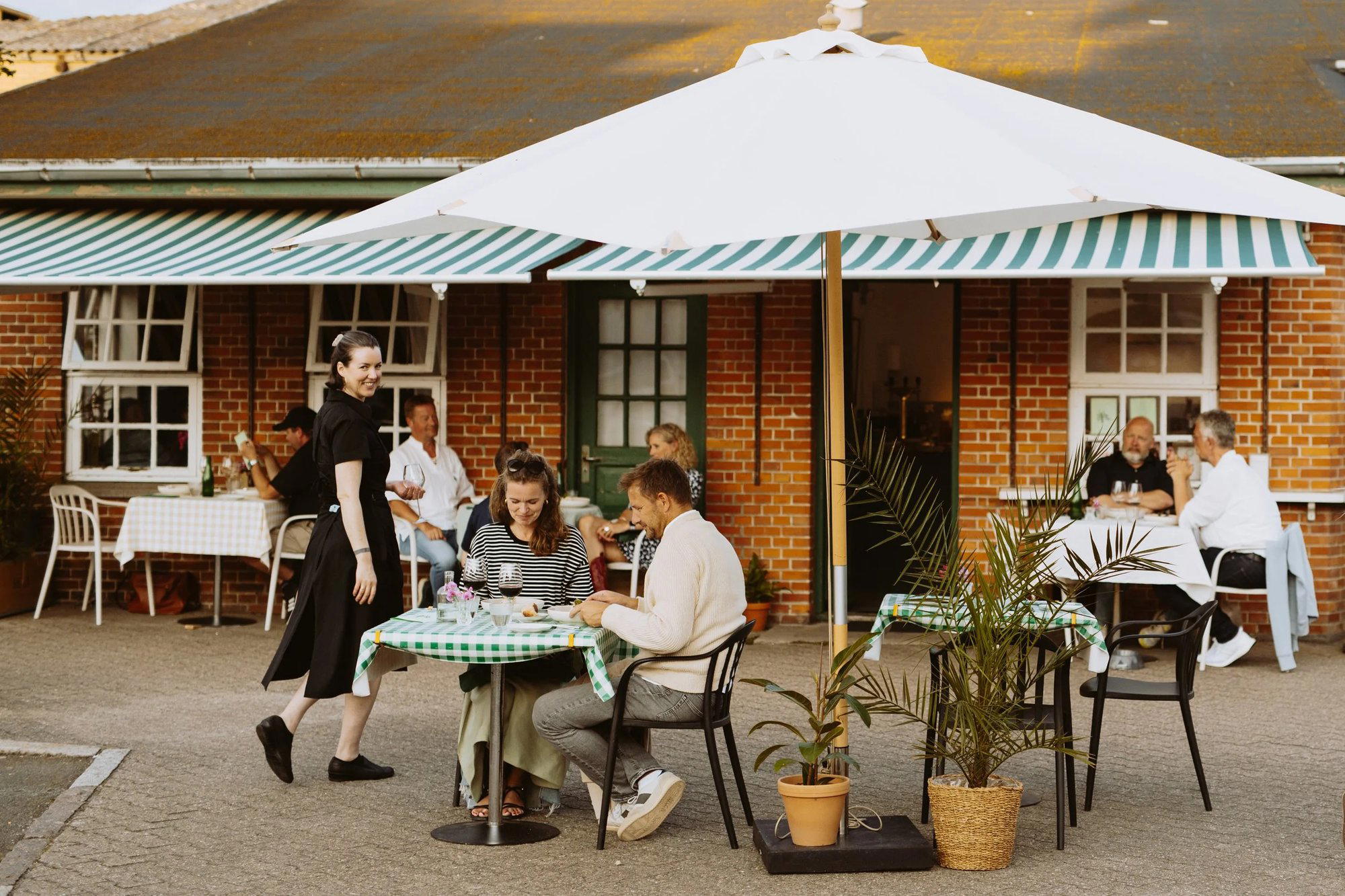
Where the Ferry Docks and the Larder Begins
Ærøskøbing is the kind of town that Danish preservationists point to as evidence that restraint works. The cobbled streets, the half-timbered facades, the harbour wall that catches afternoon light off the Little Belt, none of it has been dramatically altered since the 18th century. Arriving by ferry from Svendborg, the walk from the dock to the harbour address at Ærøskøbing Havn 4 takes minutes, but the shift in register is immediate: you move from open water to a compressed, human-scaled townscape where the restaurant sits as part of the fabric rather than apart from it. That physical context matters for understanding what Kraut & Koala is attempting. Dining in a place this small and this insular carries different stakes than dining in a city where ingredient supply chains are invisible and anonymous.
The Sourcing Argument on a Small Island
Ærø's agricultural character is not incidental to any serious kitchen operating here. The island runs roughly 30 kilometres long and produces a meaningful quantity of its own vegetables, dairy, and livestock within that contained geography. For a restaurant whose name references fermentation (kraut being the shorthand that travels) alongside the Australian vernacular of the koala, the island's self-contained supply logic is more than convenient, it is structurally useful. Fermentation as a preservation discipline makes particular sense in island conditions, where seasonal abundance has historically required techniques that extend shelf life across leaner months. Denmark's broader engagement with lacto-fermentation and cold-climate preservation, developed and codified at the restaurant level by the Copenhagen new Nordic generation over the past two decades, finds a different expression when applied to an island community that has been self-reliant by geography rather than by culinary ideology.
That distinction separates what smaller, island-based kitchens can credibly claim from what larger urban restaurants in Copenhagen, Geranium in Copenhagen, Jordnær in Gentofte, or the more conceptually ambitious Frederikshøj in Aarhus, construct through curation and logistics. On Ærø, short supply chains are a function of physical reality. The island's small-scale farmers and producers are not a curated roster assembled for brand reasons; they are simply the people nearby.
The Cross-Cultural Premise
The Australian reference embedded in the name positions Kraut & Koala within a small but recognisable category of Nordic restaurants that import technique or perspective from outside the Scandinavian tradition. This cross-pollination has produced some of Denmark's more interesting kitchens at the regional level, not the headline institutions, but the places where a chef's outside formation changes how local ingredients are approached. Henne Kirkeby Kro in Henne is an older example of an internationally informed sensibility finding its clearest expression in a rural Danish setting. At the regional tier, venues like ARO in Odense and LYST in Vejle demonstrate that credible contemporary cooking is no longer concentrated in Copenhagen alone.
The specific Australian contribution to a kitchen framed around fermentation and Nordic produce is harder to define without granular menu data, but the culinary culture that has emerged from Australia over the past generation, particularly from Melbourne and Sydney, places strong emphasis on open-fire technique, produce-first menus, and a pragmatic rather than dogmatic relationship to culinary tradition. That orientation, applied to Ærø's local larder, suggests a kitchen that is interested in the ingredient before the category.
Ærøskøbing's Dining Position
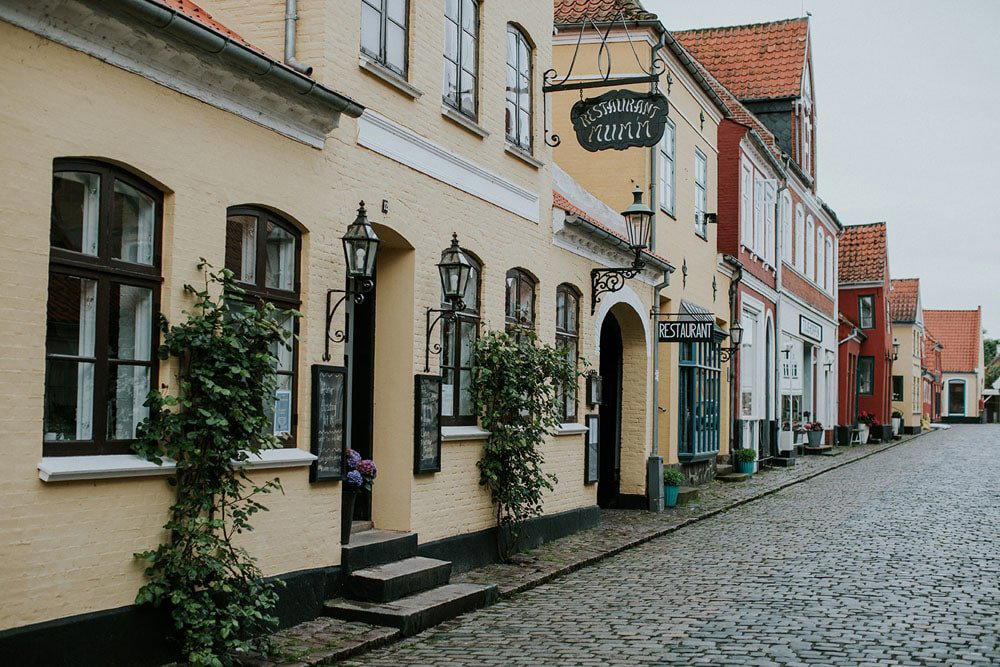
Island's restaurant options are limited by the scale of the population it serves year-round. Summer tourism from mainland Denmark, Germany, and Scandinavia expands the effective audience considerably, but the off-season context keeps the operation grounded in local reality rather than visitor-season performance. Mumm and På Torvet represent the broader dining options in Ærøskøbing, giving visitors a compact set of choices within walking distance of each other. In a town this size, each kitchen's ingredient sourcing decisions have an outsized effect on local producers, the volume a single restaurant moves can represent a meaningful portion of a small farm's output.
For context on how Danish regional dining positions itself nationally, the programme of restaurants across the country, from Alimentum in Aalborg to Domæne in Herning, Dragsholm Slot Gourmet in Hørve to MOTA in Nykøbing Sjælland, and Frederiksminde in Præstø, shows a national dining culture that has genuinely distributed beyond its capital. Ærøskøbing sits at the outer edge of that distribution, geographically and logistically, which makes a kitchen with a clear sourcing philosophy here more rather than less relevant. Pearl by Paul Proffitt in Kruså and Parsley Salon in Hellerup illustrate how individual operator vision can establish a kitchen identity outside the obvious urban centres.
Planning the Visit
Reaching Ærøskøbing requires the Svendborg ferry, a crossing of roughly one hour. The practical implication is that a meal at Kraut & Koala is most sensibly embedded in an overnight stay on the island rather than treated as a standalone destination dinner. Summer weekends fill the ferry crossings and the town's accommodation early; booking the restaurant and the ferry in the same planning window is the logical approach. The restaurant is open Friday and Saturday from 6 to 9 PM, with reservations recommended. The harbour address at Ærøskøbing Havn 4 is central and walkable from the ferry terminal and from most of the island's accommodation options in town.
Comparable Spots, Quickly
Comparable venues nearby, for context on price, style, and recognition.
| Venue | Cuisine | Price | Notes |
|---|---|---|---|
| Kraut & KoalaThis venue — the venue you are viewing | German & European | $$$$ | Not listed |
| Mumm | Europeiskt, Skandinaviskt | $$$ | R Sk Bing |
| På Torvet | Classic Danish Smørrebrød Café | $$ | Ærøskøbing |
| Gaia | Island Farm-to-Table Fine Dining | $$$$ | Torrig L |
| Fru Larsen | Contemporary Nordic | $$$$ | Laurbjerg |
| Broløkke | New Nordic Brasserie | $$$ | Humble |
Continue exploring
More in R Sk Bing
Restaurants in R Sk Bing
Browse all →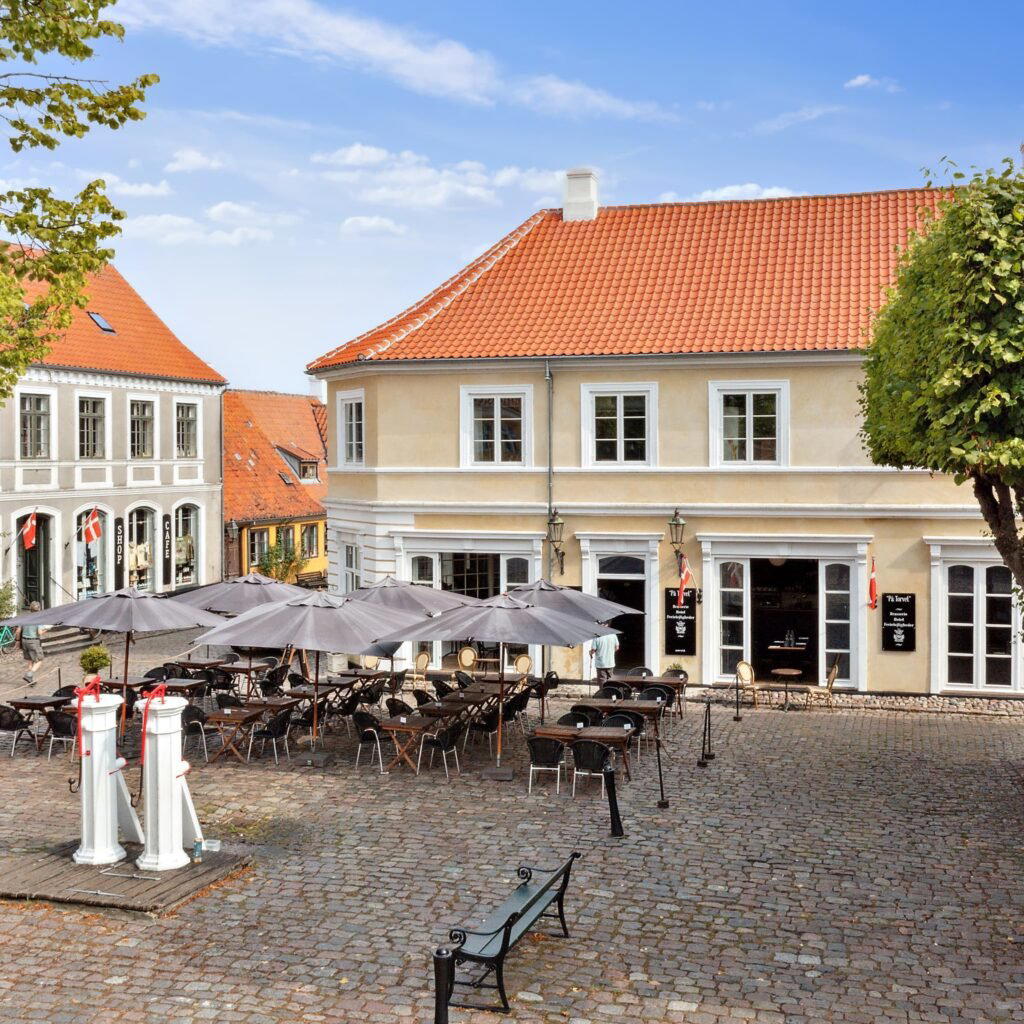
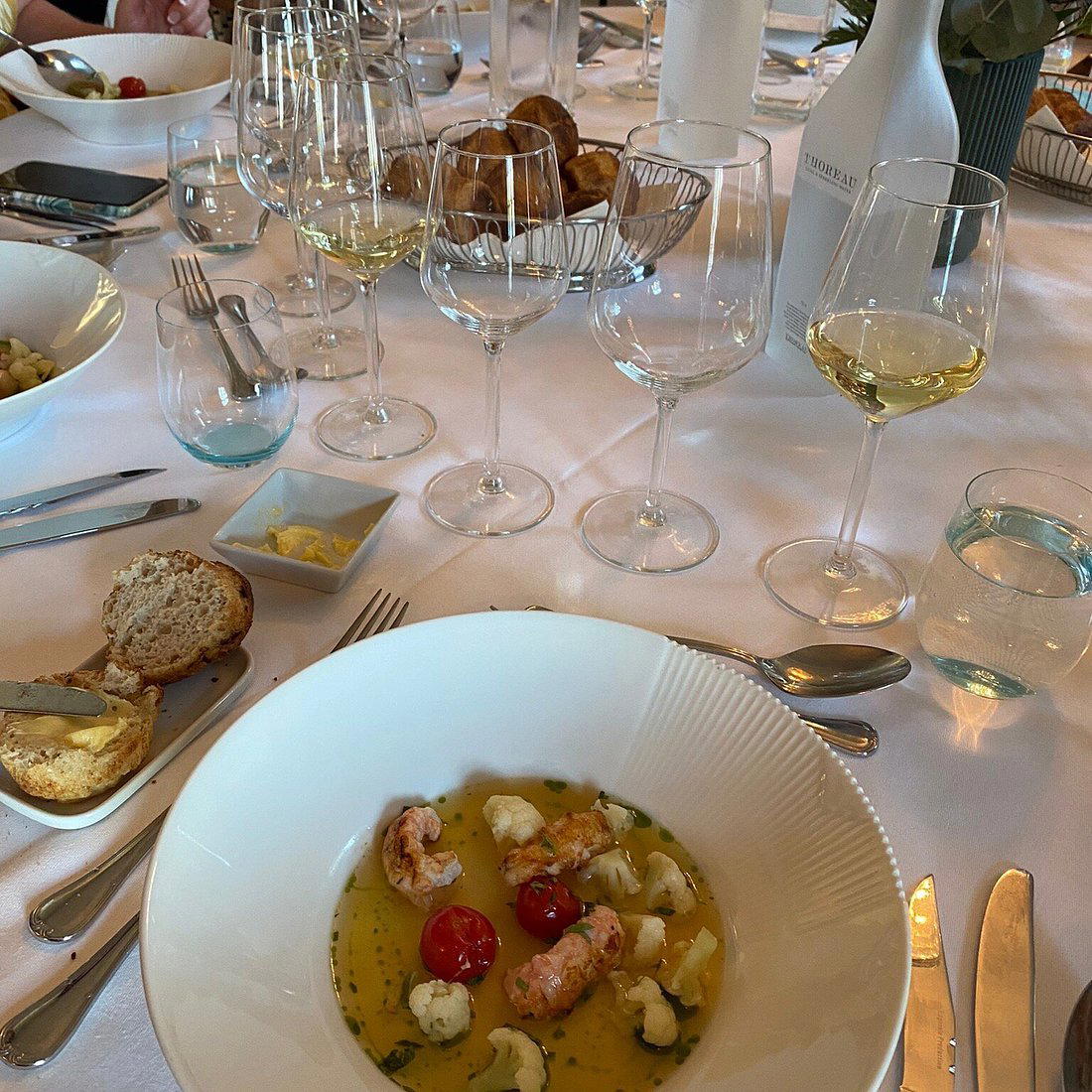
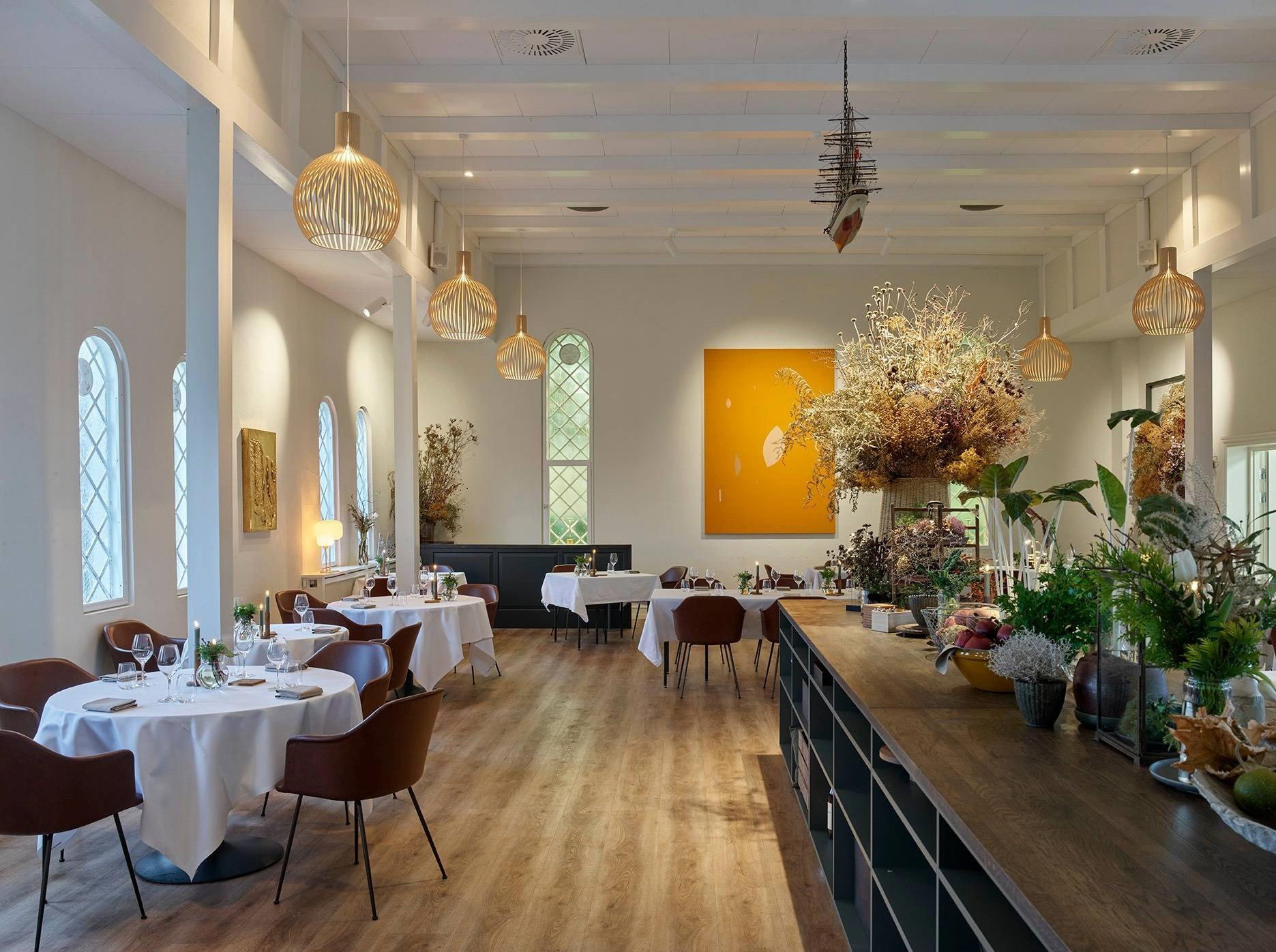
Hotels in R Sk Bing
Browse all →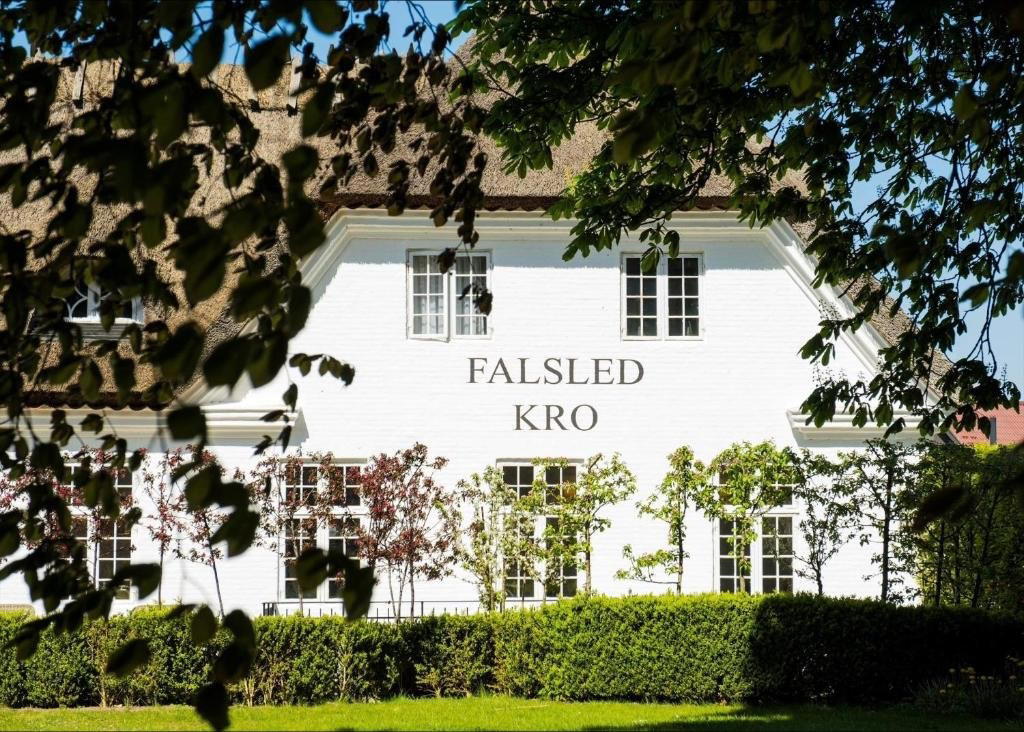
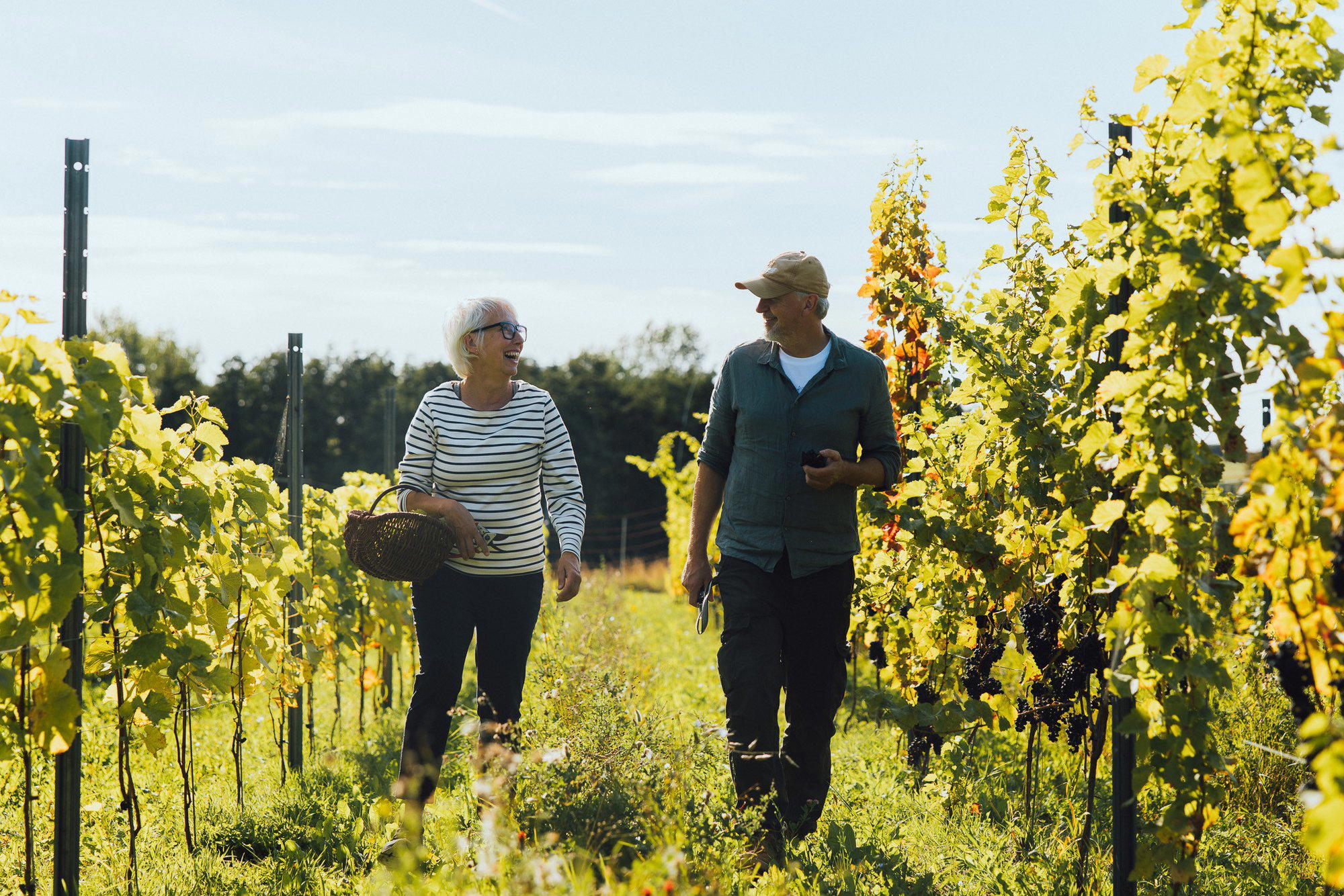

At a Glance
- Elegant
- Modern
- Sophisticated
- Special Occasion
- Date Night
- Standalone
Current opening hours
- Monday
- Closed
- Tuesday
- Closed
- Wednesday
- Closed
- Thursday
- Closed
- Friday
- 6–9 PM
- Saturday
- 6–9 PM
- Sunday
- Closed
Hours can change for holidays and private events. Last verified .