Gaia sits on Vejrø, a small Danish island in the Smålandsfarvandet waters south of Zealand, placing it among the more geographically remote dining destinations in Scandinavia. The address alone, island-only, accessible by ferry, signals an intentional remove from urban restaurant culture. For the growing cohort of destination-dining travelers who treat the journey as part of the editorial, this is a significant data point.
Pearl is the En Primeur Club membership app — saves, bookings, and concierge access live there. Same editors, same standards.
- Address
- Vejrø 4, 4943 Torrig, Denmark
- Phone
- +4563205920
- Website
- vejroe.dk
- Directions
- Get directions
 Saves & bookings on Pearl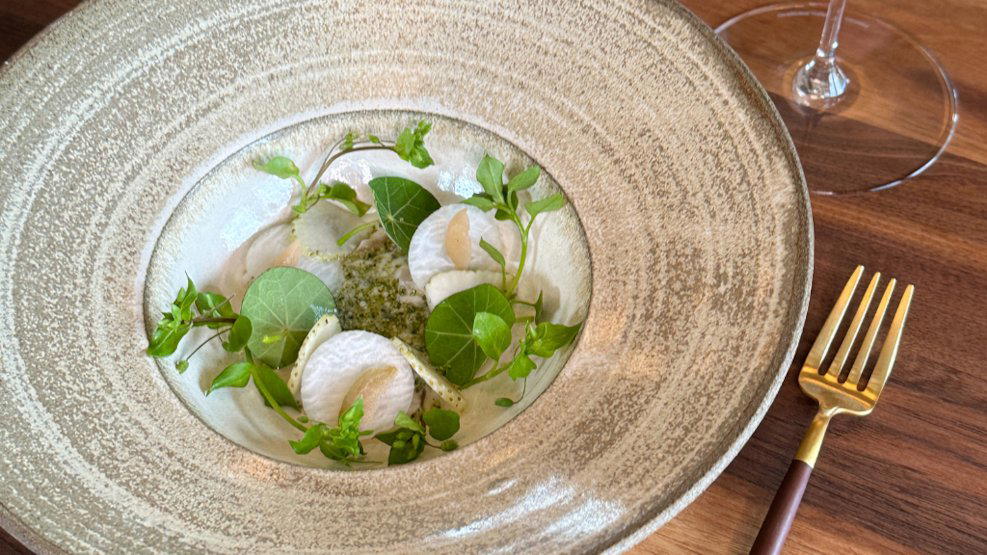
An Island Address and What It Implies
Gaia is an island farm-to-table fine dining restaurant in Torrig, Denmark, with. You find them at the end of long roads, inside converted farmhouses, or, in the case of Gaia in Torrig L, on an island accessible only by water. The address, Vejrø 4, 4943 Torrig, Denmark, is not incidental. Vejrø is a small island in the Smålandsfarvandet, the shallow inland sea between Zealand, Lolland, and Møn. Getting there requires deliberate planning, which means every guest who arrives has already committed to something beyond a dinner reservation.
This geography matters for reasons that go further than atmosphere. One compelling case for island and coastal destination dining in Scandinavia has always been the supply chain argument: proximity to the water shapes what arrives on the plate, and an address like Vejrø places a kitchen in direct dialogue with the surrounding marine and agricultural environment. The location situates it inside a broader tradition of Nordic destination eating that runs from Henne Kirkeby Kro in Henne on the Jutland coast to Dragsholm Slot Gourmet in Hørve on the Odsherred peninsula.
The Ingredient Logic of Remote Kitchens
Scandinavian destination restaurants built on island or coastal settings carry a specific claim: that the sourcing radius shrinks to almost nothing when the kitchen is surrounded by water, farmland, or both. The islands of southern Denmark sit within fishing grounds that yield eel, flounder, herring, and various shellfish depending on season. Onshore, the island microclimates of this region have historically supported market gardening, and the relative isolation of island farms tends to preserve older production methods that align with contemporary kitchen values around provenance and low-intervention growing.
This is the editorial tradition that Gaia enters by holding an island address. It is a tradition that the broader Nordic restaurant wave formalized through places like Geranium in Copenhagen, which built its reputation partly on a documented relationship with specific growers, and that continues in regional contexts at restaurants such as Frederiksminde in Præstø, itself a short distance away on the southern Zealand coast. The sourcing argument works well when a restaurant is specific about it: named farms, named fishermen, seasonal menus that move when the supply moves.
Where Gaia Sits in the Danish Regional Scene
Denmark's restaurant recognition has historically concentrated in Copenhagen, where Geranium holds three Michelin stars and venues like Jordnær in Gentofte operate at the summit of the national price and prestige bracket. The regional picture is more distributed. Aarhus carries its own critical mass of serious cooking, anchored by Frederikshøj. Beyond those two cities, Denmark's most interesting dining increasingly lives in smaller towns and genuinely rural settings, connected by a willingness among a certain type of traveler to drive or ferry to reach a single table.
Torrig L sits in the part of the map that most Copenhagen-focused food guides overlook. That pattern of uneven attention is not unusual: coastal and island restaurants in smaller Danish municipalities rarely get the same frequency of critical visits as urban peers, which means their reputations develop more slowly and sometimes more accurately, through word of mouth among guests who made the journey. Comparable regional operations across Denmark, Tri in Agger on the Jutland coast, LYST in Vejle at the summit of the Vejle Fjord, demonstrate that provincial coastal settings are producing some of the more considered food in the country.
For international comparison, the model of the destination restaurant anchored to a specific natural environment and a tight sourcing geography maps to formats that have found success far outside Scandinavia. Lazy Bear in San Francisco built its identity around communal dining and a hyper-specific relationship with producers. Le Bernardin in New York City has spent decades demonstrating that a rigorous commitment to a single ingredient category, in its case, seafood, can sustain a restaurant at the highest level across generations. The disciplinary lesson applies regardless of scale.
The Practical Case for the Journey
Destination restaurants in rural Denmark operate on a different logic from urban alternatives. Guests do not drop in. The journey to Vejrø requires crossing to the island, which means ferry schedules govern arrival and departure windows. This kind of built-in friction is not a liability for the right traveler: it is precisely the structure that separates a meal at an island restaurant from a booking at an urban counter. The commitment to reach the place becomes part of what makes the experience cohere.
For those building a broader southern Zealand or regional Danish itinerary, the geography connects naturally to other serious kitchens in the area. Frederiksminde in Præstø is the closest comparable in the region with a documented fine dining format. Further afield, Syttende in Sønderborg, Pearl by Paul Proffitt in Kruså, Alimentum in Aalborg, Domæne in Herning, ARO in Odense, Parsley Salon in Hellerup, and Ti Trin Ned in Fredericia represent the broader regional circuit for guests who treat Denmark as a destination rather than a stopover.
Fast Comparison
Comparable venues nearby, for context on price, style, and recognition.
| Venue | Cuisine | Price | Notes |
|---|---|---|---|
| GaiaThis venue — the venue you are viewing | Island Farm-to-Table Fine Dining | $$$$ | Not listed |
| Lille Mølle | Modern Nordic Fine Dining | $$$$ | Indre By |
| Kokkeriet | Modern Danish Fine Dining | $$$$ | Indre By |
| Grønbech Churchill | Innovative Nordic Fine Dining | $$$$ | Indre By |
| Vår | Contemporary Nordic Fine Dining | $$$ | Odense C |
| Noma Under The Bridge | Nordic Coal-Grilled Family Style | $$$$ | Christianshavn |
Continue exploring
More in Torrig L
Restaurants in Torrig L
Browse all →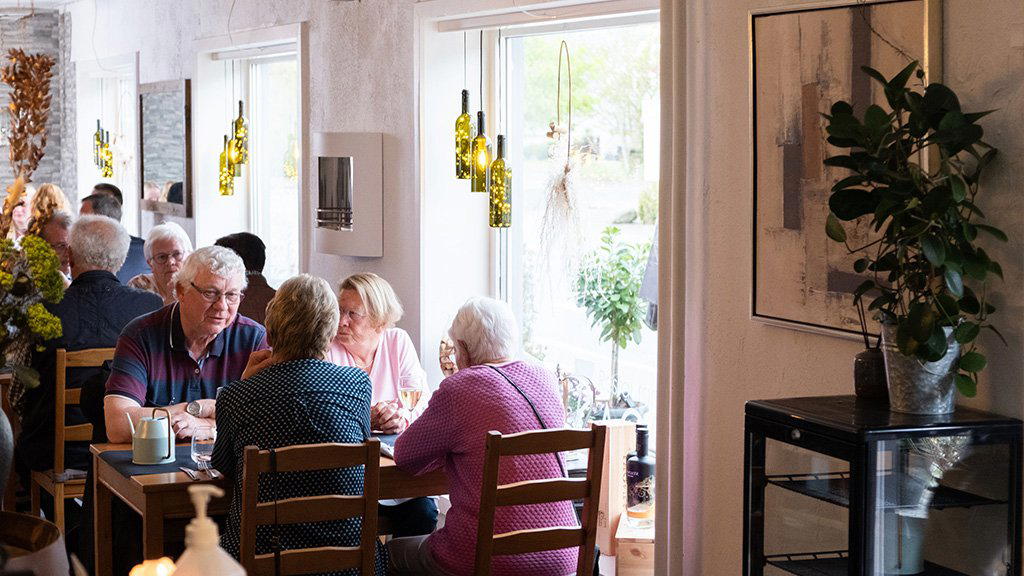
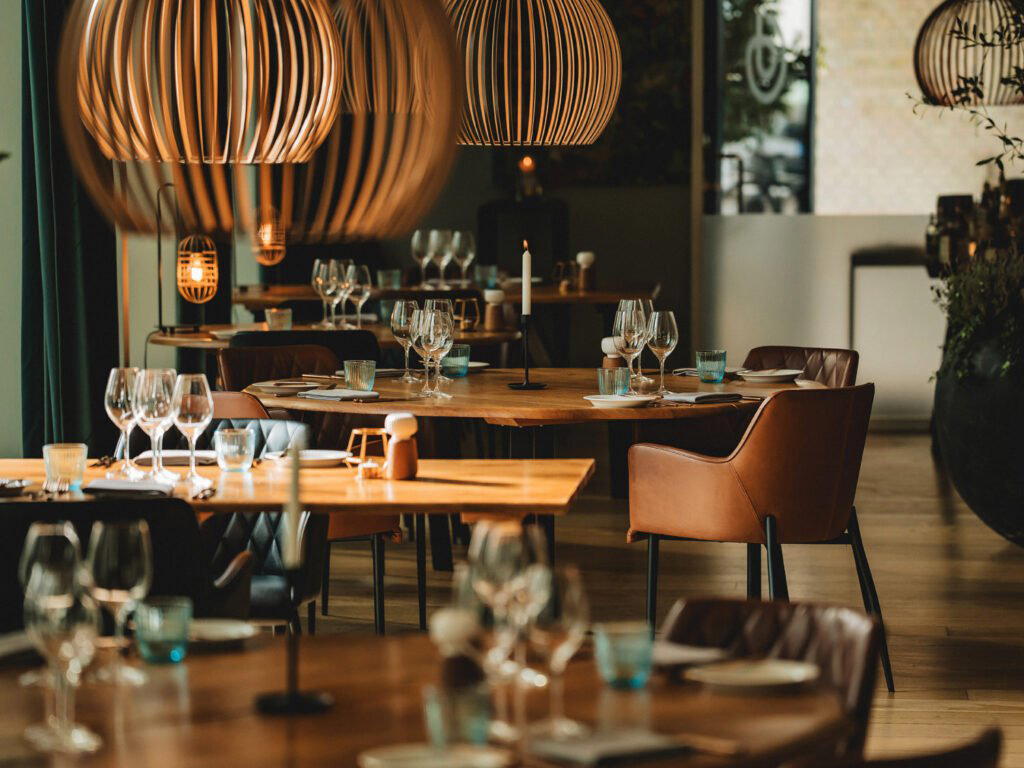

At a Glance
- Elegant
- Intimate
- Scenic
- Special Occasion
- Standalone
- Farm To Table
- Local Sourcing
- Waterfront
Current opening hours
- Monday
- Closed
- Tuesday
- Closed
- Wednesday
- 8 AM–9 PM
- Thursday
- 8 AM–9 PM
- Friday
- 8 AM–9 PM
- Saturday
- 8 AM–9 PM
- Sunday
- 8 AM–2 PM
Hours can change for holidays and private events. Last verified .
Exclusive and nature-connected atmosphere highlighting the island's landscape through culinary presentation.