On the cobbled main street of Ærøskøbing, one of Denmark's most carefully preserved small towns, Mumm occupies a quiet place in an island dining scene that rewards patience and a willingness to slow down. The restaurant sits within a context where the ritual of the meal matters as much as what arrives on the plate, and where the pace of island life sets the tempo for the table.
Pearl is the En Primeur Club membership app — saves, bookings, and concierge access live there. Same editors, same standards.
- Address
- Søndergade 12, 5970 Ærøskøbing, Denmark
- Phone
- +4562521212
- Website
- restaurant-mumm.dk
- Directions
- Get directions
 Saves & bookings on Pearl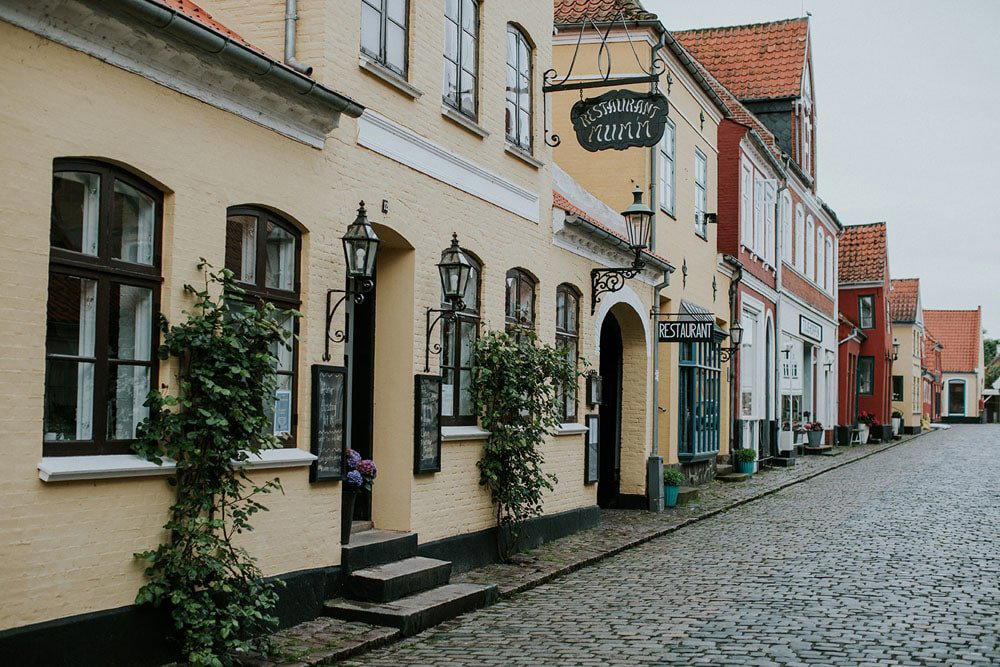
Dining at the Pace of the Island
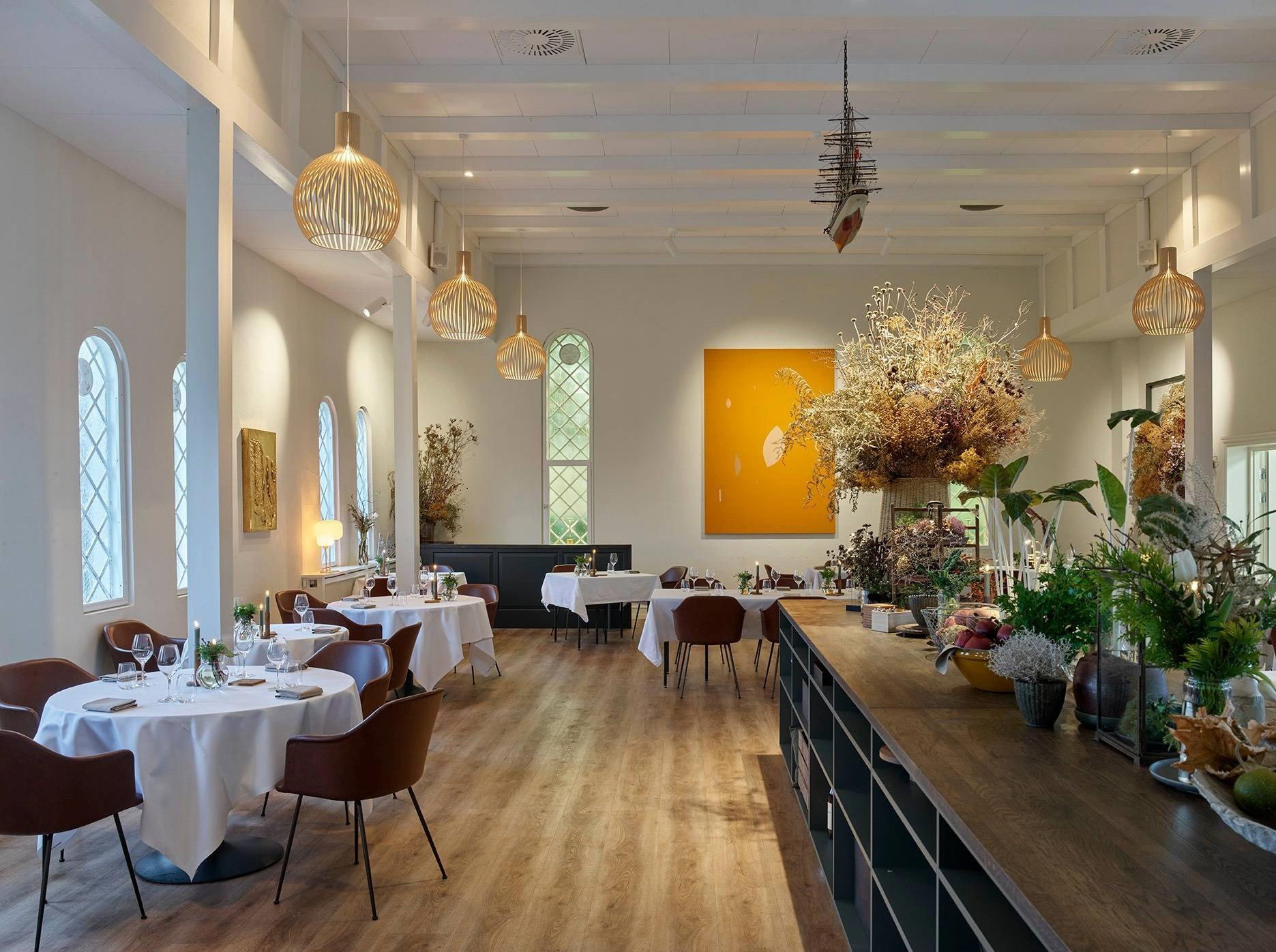
Ærøskøbing does not hurry. The town's half-timbered houses, lantern-lit alleys, and car-free rhythm are not incidental to the experience of eating here, they are the frame around it. Søndergade 12, where Mumm sits, runs through the historical centre of a town that Denmark has preserved with unusual care, and that preservation extends, in its way, to how meals are taken. In small-island dining rooms like this one, the gap between courses carries meaning. The ritual of the meal, its pacing and its pauses, is thrown into relief by the quiet outside.
Ærøskøbing draws visitors willing to take the ferry from Svendborg, roughly an hour's crossing from Funen, and that self-selection shapes the clientele. People who arrive here have already committed time. The meal at Mumm sits inside that commitment rather than competing with it.
The Ærø Dining Context
Ærø is a small island in the South Funen Archipelago, with a permanent population well under ten thousand. Its restaurant options are limited by that scale, which means the few dining rooms that operate in Ærøskøbing carry more weight per table than comparable rooms in a city. Visitors cross between the handful of options, including Kraut & Koala and På Torvet, and Mumm occupies its own position within that small comparable set.
Geranium in Copenhagen and Jordnær in Gentofte operate at the summit of the national awards structure. Regional ambition surfaces at Frederikshøj in Aarhus, Alimentum in Aalborg, and ARO in Odense. Ærøskøbing does not compete in that tier, nor does it try to. What it offers is a different argument: that the setting, the pace, and the island's own produce can carry a meal without the infrastructure of a major city behind it.
Denmark's tradition of destination dining in rural locations has precedent. Henne Kirkeby Kro in Henne and Dragsholm Slot Gourmet in Hørve have demonstrated that serious cooking outside Copenhagen can justify the journey. Frederiksminde in Præstø, LYST in Vejle, and Domæne in Herning extend that pattern. Mumm sits within a country that has, over the past two decades, built a credible case for eating well far from the capital.
The Ritual of the Meal Here
Island dining rooms impose a particular etiquette, not through formality but through circumstance. When the next ferry departs in the morning and the town offers limited late-night alternatives, the meal becomes the evening's full architecture. There is no theatre to hurry toward, no second venue to reach. The table is the event.
This is the context in which the dining ritual at Mumm should be read. In cities where the counter culture and the tasting-menu format have become the dominant frames, from the kaiseki-influenced progression at MOTA in Nykøbing Sjælland to the precision of Parsley Salon in Hellerup, pacing is a designed element, engineered by the kitchen. In Ærøskøbing, pacing emerges from the place itself. That is a different proposition, and not a lesser one.
The South Funen Archipelago produces its own ingredients: fish from the surrounding waters, produce from island farms, foraging opportunities that a kitchen close to the source can exploit in ways that a Copenhagen address cannot replicate. The Danish New Nordic framework, established over the past two decades at institutions from Noma onward, built its argument on exactly this kind of proximity. A small island restaurant sits, in principle, at the logical end of that argument, even if its execution operates at a different scale than the flagship rooms that shaped the movement.
Approach and Logistics
Reaching Ærøskøbing requires planning that most Danish dining does not. The ferry from Svendborg runs regularly, but crossing times and the island's limited accommodation mean that Mumm functions, for most visitors, as part of an overnight stay rather than a day trip. That changes the relationship with the meal. You are not grabbing a table between commitments. You are organising an itinerary around it.
For diners already on Ærø, the address on Søndergade places Mumm within walking distance of the town's main historic area. Ærøskøbing is compact enough that no address within it is far from any other. Booking ahead is advisable given the island's limited capacity across all its restaurants; in high summer, demand from Danish and international visitors concentrates across few rooms.
Comparable planning logic applies at Pearl by Paul Proffitt in Kruså and at destination rooms more broadly, the meal begins with the decision to make the trip. That framing suits Ærøskøbing well.
Where Mumm Sits in the Wider Picture
For readers calibrated against high-intensity urban dining, whether at Le Bernardin in New York City or Atomix in New York City, the shift required to appreciate a small island room in southern Denmark is a genuine one. The reference points change. What matters here is not the number of courses, the wine list's depth, or the kitchen's technical ambition relative to the national tier. What matters is whether a meal in this setting, at this pace, in this town, delivers something those other rooms cannot.
The case for Ærøskøbing as a dining destination rests on that specificity. Places like Domæne in Herning and ARO in Odense make their argument through kitchen ambition. Mumm's argument, set on a preserved island that the twenty-first century has touched only lightly, is more atmospheric in nature. Whether that argument holds depends on what you are looking for when you cross the water.
Planning Your Visit
What should I eat at Mumm?
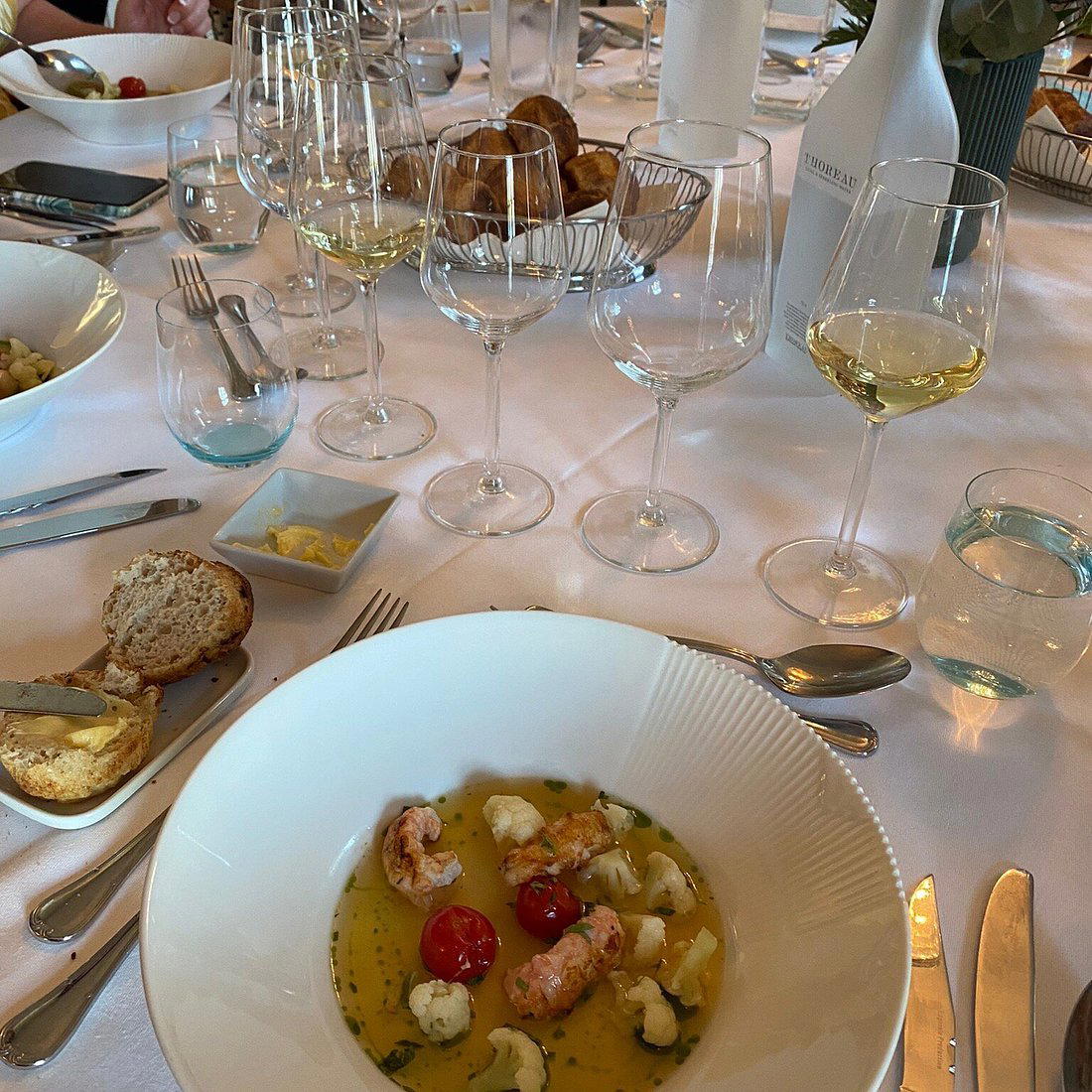
As a general principle for island restaurants in the South Funen Archipelago, dishes built around local seafood and seasonal island produce tend to reflect what the kitchen can source with genuine proximity. When booking, it is worth asking directly about the current menu format and any dishes that anchor the meal that season.
How far ahead should I plan for Mumm?
Ærøskøbing's small size means the island's dining rooms carry concentrated demand, particularly from late spring through August when Danish and European visitors arrive in volume. Booking several weeks ahead for summer visits is prudent. The additional logistics of the ferry crossing and overnight accommodation mean that planning horizons here are longer than for a city restaurant of comparable size.
What is the standout thing about Mumm?
The setting does a significant share of the work. Ærøskøbing is one of Denmark's most intact historic towns, and eating within it carries a quality of removal from ordinary life that few restaurant addresses can offer. The meal happens inside a town that has resisted modernisation, and that resistance shapes the experience of sitting at a table there in ways that kitchen credentials alone cannot replicate.
Is Mumm good for vegetarians?
If vegetarian options are a requirement, contact the restaurant directly before booking. Island kitchens with access to seasonal local produce often have flexibility around plant-based dishes, but this should be confirmed rather than assumed. Check the venue's current contact details or website for accurate information.
Is Mumm worth visiting as a standalone reason to travel to Ærø?
Ærøskøbing rewards visitors who treat the island as the destination and the meal as one part of it rather than the singular purpose of the trip. The town's preserved architecture, the ferry crossing, and the pace of island life collectively frame the dining experience in ways that justify the journey. Diners who have explored Denmark's regional restaurant scene, from Henne Kirkeby Kro to Frederiksminde, will find Ærøskøbing a natural next step in understanding how Danish dining traditions extend beyond the cities.
Where It Fits
Comparable venues nearby, for context on price, style, and recognition.
| Venue | Cuisine | Price | Notes |
|---|---|---|---|
| MummThis venue — the venue you are viewing | Europeiskt, Skandinaviskt | $$$ | Not listed |
| Kraut & Koala | German & European | $$$$ | Ærøskøbing |
| På Torvet | Classic Danish Smørrebrød Café | $$ | Ærøskøbing |
| Munkebo Kro | Traditional Danish with Modern Twist | $$$ | Munkebo, Kerteminde |
| LAVA | Danish & French Bistro | $$ | Midtbyen |
| Noma Under The Bridge | Nordic Coal-Grilled Family Style | $$$$ | Christianshavn |
Continue exploring
More in R Sk Bing
Restaurants in R Sk Bing
Browse all →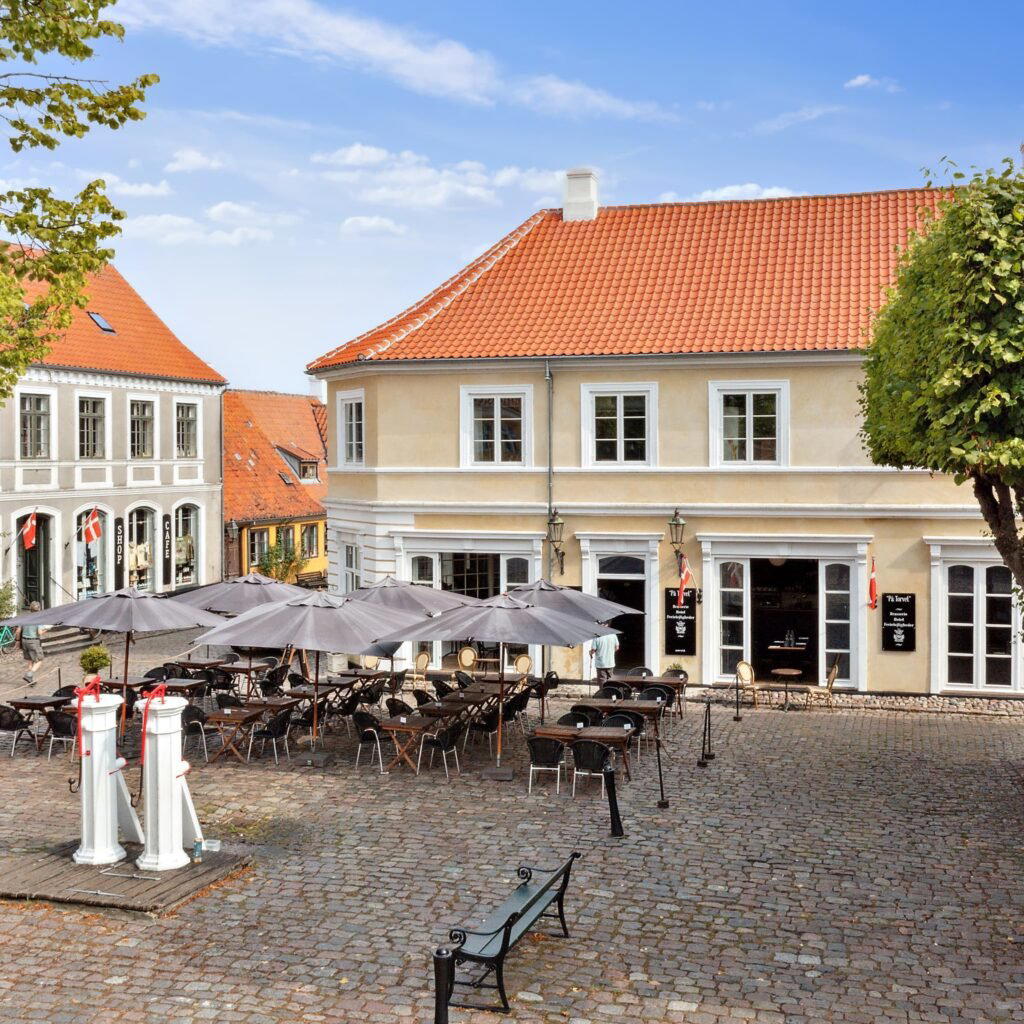
Hotels in R Sk Bing
Browse all →

At a Glance
- Romantic
- Date Night
Current opening hours
- Monday
- Closed
- Tuesday
- Closed
- Wednesday
- 5:30–9 PM
- Thursday
- 5:30–9 PM
- Friday
- 5:30–9 PM
- Saturday
- 5:30–9 PM
- Sunday
- Closed
Hours can change for holidays and private events. Last verified .
romantisk