KPOT Korean BBQ & Hot Pot
Fire at the Table: How Korean BBQ and Hot Pot Found a Home in Kissimmee Walk into KPOT Korean BBQ & Hot Pot on Margaritaville Boulevard and the first thing that registers is sound: the steady hiss of burners igniting, the low bubble of broth...
Pearl is the En Primeur Club membership app — saves, bookings, and concierge access live there. Same editors, same standards.
- Address
- 3280 Margaritaville Blvd, Kissimmee, FL 34747
- Phone
- +14075070707
- Website
- thekpot.com
- Directions
- Get directions
 Saves & bookings on Pearl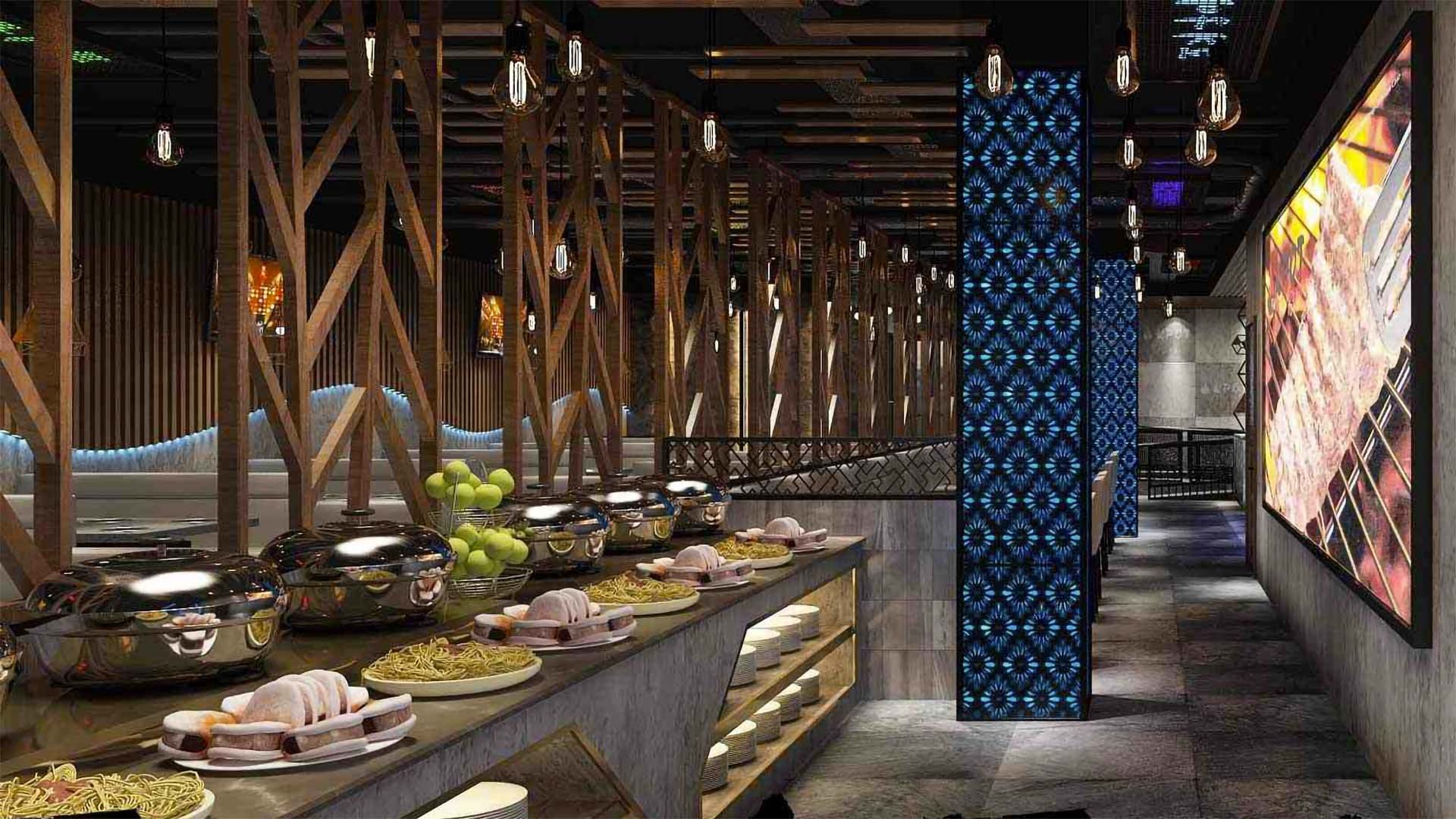
Fire at the Table: How Korean BBQ and Hot Pot Found a Home in Kissimmee
KPOT Korean BBQ & Hot Pot is a casual Korean BBQ & Hot Pot restaurant in Kissimmee, Florida, at 3280 Margaritaville Blvd. Walk into KPOT Korean BBQ & Hot Pot on Margaritaville Boulevard and the first thing that registers is sound: the steady hiss of burners igniting, the low bubble of broth working itself into a rolling simmer, the ambient conversation of a dining room where every table is its own small production. The format is communal by design. Each seat positions the diner directly in front of a heat source, and the cooking process belongs entirely to the table. That dynamic shifts the atmosphere away from the conventional restaurant script, where food arrives finished and the diner receives it. Here, arrival is a beginning rather than an endpoint.
The dual-concept format, Korean barbecue alongside hot pot, is now an established category across American cities with significant Korean-American dining communities. KPOT has built its footprint around making that format accessible beyond those markets, placing locations in tourist corridors where international and domestic visitors alike may be encountering the format for the first time. The Kissimmee address, set within the Margaritaville resort development, reflects that positioning directly.
The Format and What It Demands of the Diner
Interactive dining has been a feature of East and Southeast Asian cuisine traditions for centuries. Korean barbecue in particular, where thin-sliced or marinated meats are grilled tableside over charcoal or gas, carries a social architecture that Western tasting menus rarely replicate. The hot pot tradition, drawing on Chinese origins and adapted across Korean, Japanese, and other regional iterations, adds a second thermal logic to the table: a shared simmering vessel into which raw ingredients are added, cooked briefly, and retrieved.
KPOT places both formats at a single table, which is less common than offering one or the other. The practical result is that a group can split attention between grilling and simmering, treating each as its own sub-meal or combining them across courses. That flexibility accounts for much of the concept's broad appeal in high-footfall, mixed-group dining environments like Kissimmee. Families with children, groups with mixed dietary preferences, and solo travelers joining the communal format all find workable entry points.
For those new to the format, the sensory orientation takes a few minutes. The smell of marinated meat meeting a hot grill surface arrives before any food is plated. The visual cues of rising steam from a hot pot, the color shift of vegetables as they hit simmering broth, and the sound of fat rendering on a grill surface do more to set appetite than any written menu description. This is food experienced through process, not just through result.
Kissimmee's Dining Range and Where KPOT Sits
Kissimmee's restaurant scene is shaped by two competing pressures: the proximity to Orlando's theme park infrastructure, which drives demand for high-volume, accessible dining, and the ambitions of a small number of operators who have introduced more format-driven concepts to the corridor. The result is a market that runs from casual chain dining to the tableside theater of Brazilian churrasco at venues like Adega Gaucha Kissimmee and BR 77 Brazilian Steakhouse, where the interactive element is built into the service model rather than the cooking.
KPOT occupies a different interactive register. Where Brazilian steakhouses deliver food to the table in a continuous parade managed by servers, Korean BBQ and hot pot return agency to the diner. The table becomes workspace. That distinction matters for how guests calibrate their expectations: this is a format that rewards a slower pace and some willingness to engage with the cooking. Those who want food to arrive ready should look elsewhere; those who want the cooking to be part of the evening will find the format well-suited to groups.
For sushi alongside the Kissimmee dining circuit, Bayridge Sushi represents a different Asian dining register. For those whose preference runs toward steakhouse rather than interactive formats, Cow Steakhouse offers a more conventional approach. The range of options reflects how the corridor has matured beyond theme-park proximity dining. Estefan Kitchen Orlando and other concept-driven operators have pushed the local scene toward more deliberate dining experiences.
A Note on Context: Interactive Formats Across the American Scene
The premium end of American dining increasingly favors structured tasting experiences at fixed counters, the kind of format found at places like Atomix in New York City, where Korean fine dining operates at an entirely different register, or at destination restaurants such as Alinea in Chicago, Lazy Bear in San Francisco, or The French Laundry in Napa. Those formats place the kitchen's sequence in full control. The appeal runs in the opposite direction at Korean BBQ: the diner controls pace, portion, and combination. Neither format is superior; they serve different intentions entirely.
Broader American fine dining, from Le Bernardin in New York City and Providence in Los Angeles to Blue Hill at Stone Barns in Tarrytown and Single Thread Farm in Healdsburg, has built its authority around a fixed sequence of dishes. Interactive formats like Korean BBQ invert that model. The diner's editorial voice governs the meal. Both represent legitimate and distinct dining philosophies; the choice between them is a question of what kind of evening you want.
Other destination-tier operators, including The Inn at Little Washington, Addison in San Diego, Emeril's in New Orleans, and 8 1/2 Otto e Mezzo Bombana in Hong Kong, each operate within the chef-as-author tradition. KPOT is in a different conversation, one about accessibility, communal participation, and format novelty in markets not already saturated with Korean dining options.
Planning Your Visit
KPOT at 3280 Margaritaville Blvd sits within a resort development that generates consistent foot traffic year-round, with particular density during Florida's winter season when northern visitors arrive in larger numbers. The format is suited to groups of four or more, where a mix of barbecue and hot pot selections creates enough variety to sustain a long table session. Reservations are advisable during peak travel periods.
Comparable Options
Comparable venues nearby, for context on price, style, and recognition.
| Venue | Cuisine | Price | Notes |
|---|---|---|---|
| KPOT Korean BBQ & Hot PotThis venue — the venue you are viewing | Korean BBQ & Hot Pot | $$ | Not listed |
| Salt & the Cellar by Akira Back | Asian-Mediterranean Fusion | $$$ | Kissimmee |
| Ford's Garage | American Burger Bar & Comfort Food | $$ | Sunset Walk |
| Pie Fection | Italian-Brazilian Pizza Fusion | $$ | Kissimmee |
| Istanbul Grill | Authentic Turkish Grill | $$ | Celebration |
| Bayridge Sushi | Creative Japanese Sushi | $$$ | Kissimmee |
Continue exploring
More in Kissimmee
Restaurants in Kissimmee
Browse all →
Bars in Kissimmee
Browse all →

At a Glance
- Lively
- Trendy
- Energetic
- Group Dining
- Casual Hangout
- Celebration
- Open Kitchen
- Sake Program
Current opening hours
- Monday
- 12:30–11:30 PM
- Tuesday
- 12:30–11:30 PM
- Wednesday
- 12:30–11:30 PM
- Thursday
- 12:30–11:30 PM
- Friday
- 12:30 PM–12:30 AM
- Saturday
- 12:30 PM–12:30 AM
- Sunday
- 12:30–11:30 PM
Hours can change for holidays and private events. Last verified .
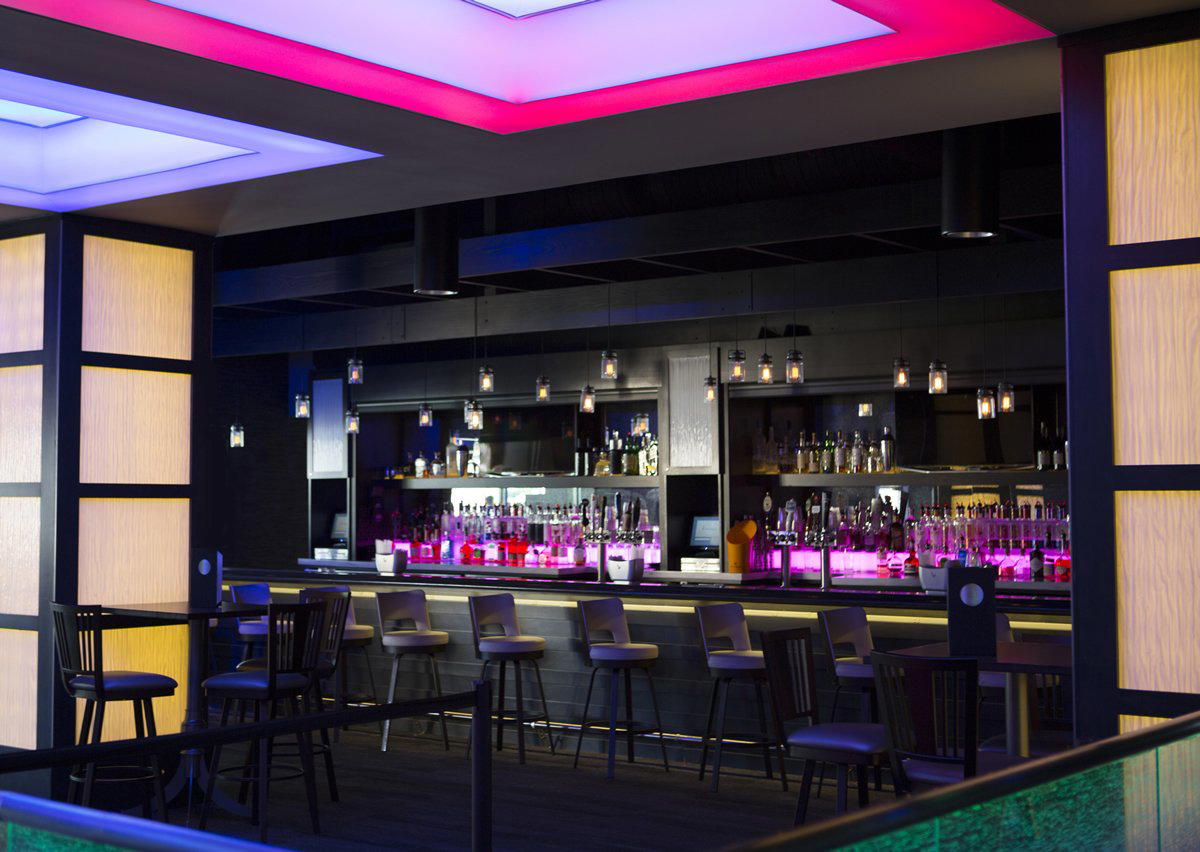
Lively and lively setting with full bar and nightlife vibe.