Koyla Indian Restaurant
Koyla Indian Restaurant sits on Kruisweg in Hoofddorp, bringing Indian cooking to a town better known for its proximity to Schiphol than for subcontinental cuisine. In a local dining scene dominated by European formats, Koyla represents the kind of specialist addition that shifts a neighbourhood's range. For visitors and residents seeking Indian food in the Amsterdam satellite corridor, it is the address on the map.
Pearl is the En Primeur Club membership app — saves, bookings, and concierge access live there. Same editors, same standards.
- Address
- Kruisweg 1017, 2131 CR Hoofddorp, Netherlands
- Phone
- +31232002312
- Website
- koylarestaurant.nl
- Directions
- Get directions
 Saves & bookings on Pearl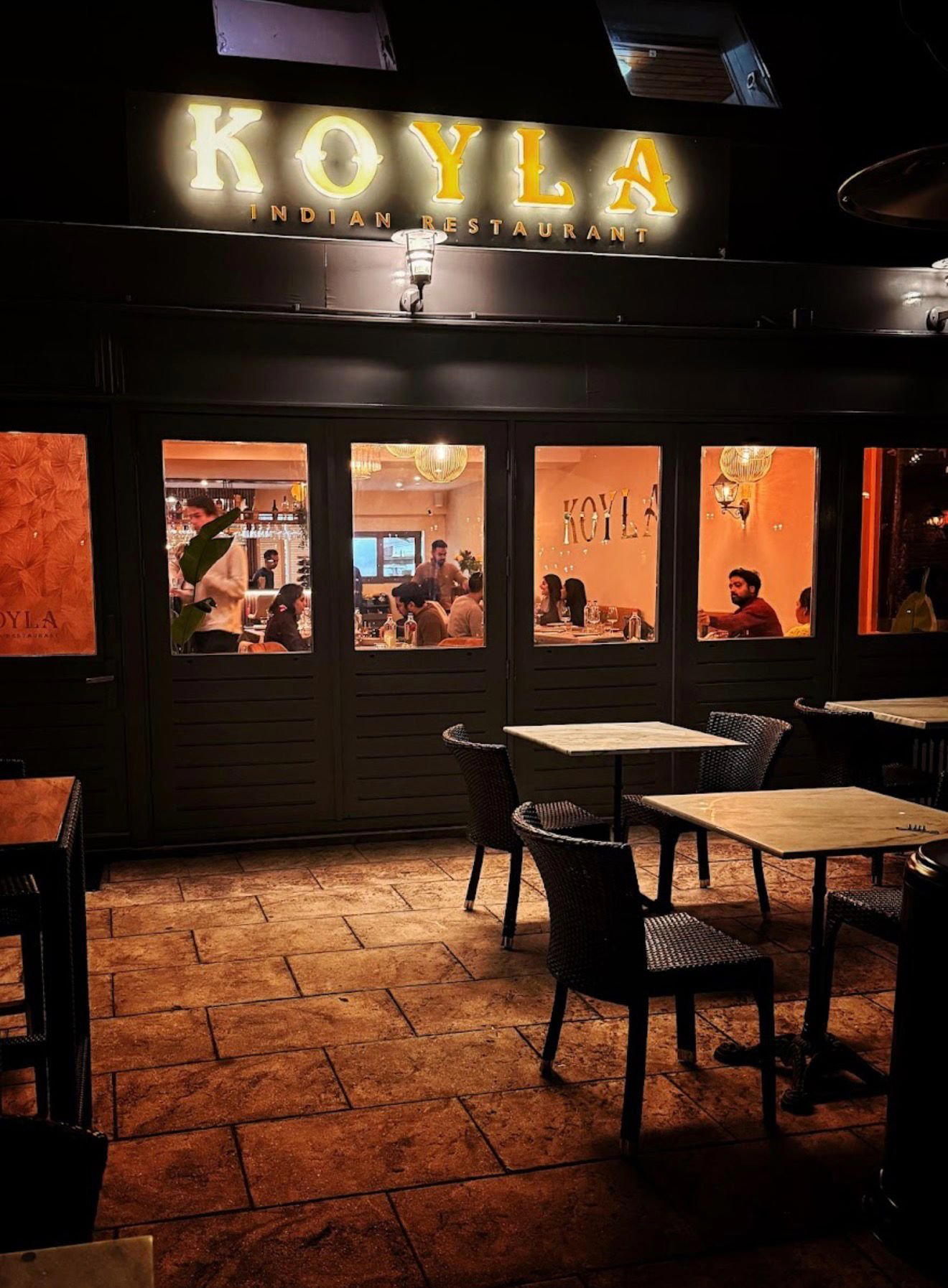
Indian Cooking in a Dutch Satellite Town
Hoofddorp does not carry the culinary reputation of Amsterdam, twelve kilometres to its east, or Amstelveen, where Aan de Poel anchors a more established fine-dining identity. The town's restaurant scene runs closer to the practical than the destination-driven: a cluster of European formats serving a working population that commutes through Schiphol and returns home. Into that context, Koyla Indian Restaurant on Kruisweg 1017 enters as a category statement rather than a marginal addition. Indian cuisine is underrepresented across the Haarlemmermeer polder municipalities, and a dedicated restaurant at a main-road address fills a gap that the surrounding dining options, European bistros, international chains, and the farm-to-table approach at Den Burgh, do not address.
Where the Ingredients Come From, and Why That Question Matters
Indian cooking at its most considered is an exercise in sourcing discipline. The cuisine's depth comes less from technique theatrics than from the quality and provenance of its spices, pulses, and proteins. Cumin, coriander, cardamom, turmeric, and fenugreek are not interchangeable commodities; their region of origin, processing method, and freshness materially alter the flavour profile of a dish. A tarka dal made with freshly ground coriander from Rajasthan and one made with a shelf-stable supermarket blend are, in effect, different dishes. This is the editorial question that frames any serious Indian restaurant in northern Europe: where does the kitchen actually source its aromatics, and how recently were they ground?
The Netherlands sits in an advantageous position for answering that question. Rotterdam's port handles significant volumes of South Asian dry goods, and Amsterdam has a long-established South Asian wholesale infrastructure built around the Surinamese-Indian diaspora that arrived in the mid-twentieth century. A Hoofddorp kitchen has practical access to sourcing channels that many comparable European cities do not. Whether Koyla draws on that infrastructure is a detail that the kitchen's output would confirm, but the structural opportunity exists in a way that distinguishes the Dutch market from, say, a comparable town in Germany or Scandinavia.
The spice question is also a proxy for a broader issue in European Indian restaurants: authenticity of preparation versus adaptation for local palates. Particularly technically accomplished Indian kitchens in the Netherlands tend to hold ground on spice complexity while adjusting heat levels modestly. The weaker ones flatten the flavour architecture entirely, producing dishes that share names with their Indian counterparts but little else. Koyla's positioning within that spectrum would be visible in the kitchen's approach to dishes where sourcing fidelity is hardest to fake: a lamb rogan josh, a proper biryani with caramelised onion and whole spices cooked into the rice, or a dal makhani that has been on low heat long enough to develop the texture the dish requires.
Hoofddorp's Dining Range in Context
Town's restaurant options span a narrower range than the Amsterdam dining market, and that is partly a function of scale. Hoofddorp's population sits below 80,000, and the broader Haarlemmermeer municipality, which includes it, is not structured around destination dining the way a city centre is. The fine-dining infrastructure of the Netherlands concentrates elsewhere: three-Michelin-star operations like De Librije in Zwolle and two-star addresses like Ciel Bleu in Amsterdam exist in a different tier and serve a different purpose. Closer to Hoofddorp's own comparable set, the comparison is with neighbourhood restaurants in satellite towns: the kind of cooking at De Bokkedoorns in Overveen or the regional format at De Groene Lantaarn in Staphorst speaks to what a committed kitchen outside a major city can achieve when it knows its register.
Koyla's value within Hoofddorp is precisely that it extends the town's range into a cuisine category that the other main addresses, the international menu at Cloud Nine and the Italian format at Trattoria Buoni Amici, do not cover. For residents and for the transient population connected to Schiphol, an Indian kitchen at a permanent Hoofddorp address is a practical and culinary addition. The airport corridor brings a significant number of South Asian business travellers and expatriates through the area, and that demographic tends to be a reliable gauge of quality in Indian restaurants: the kitchen that earns their repeat business is usually doing something right on spice and preparation.
Planning a Visit
Koyla sits at Kruisweg 1017 in Hoofddorp, a main artery that runs through the town and is accessible from the central areas near Schiphol. The address is more functional than atmospheric in its surroundings, which is typical for Kruisweg's commercial stretches. Koyla is open Tuesday to Thursday and Sunday from 5 to 10 PM, Friday and Saturday from 5 to 10:30 PM, and is closed on Monday. Reservations are recommended, and the price tier is about $60 per person. Given the limited number of Indian restaurants in the Haarlemmermeer area, table availability on weekend evenings may be tighter than the address's low-key exterior would suggest.
Those travelling from Amsterdam with an appetite for comparison should note that the Dutch fine-dining tier extends well beyond the capital: De Nieuwe Winkel in Nijmegen, De Lindehof in Nuenen, and FG in Rotterdam represent what the Netherlands produces at its most serious. Internationally, the Korean tasting-counter model at Atomix in New York City and the seafood precision of Le Bernardin demonstrate what ingredient sourcing looks like when it becomes the explicit organising principle of a kitchen. Koyla operates in a different register and at a different scale, but the sourcing question that frames those kitchens applies here too.
Quick Comparison
Comparable venues nearby, for context on price, style, and recognition.
| Venue | Cuisine | Price | Awards | Notes |
|---|---|---|---|---|
| Koyla Indian RestaurantThis venue — the venue you are viewing | North Indian Fine Dining | $$$ | Not listed | Not listed |
| Cloud Nine | International Hotel Cuisine | $$ | Not listed | Hoofddorp |
| Trattoria Buoni Amici | Traditional Italian Trattoria | $$$ | Not listed | Zuid |
| Den Burgh | Modern European Fine Dining | $$$ | Michelin Plate | Beukenhorst Oost |
| Indicious | Indian Fine Dining | $$$ | Not listed | Herenhof |
| Super Lyan | Modern Fusion Cocktail Bar | $$$ | Not listed | Hemelrijk |
Continue exploring
More in Hoofddorp
Restaurants in Hoofddorp
Browse all →

Bars in Hoofddorp
Browse all →
Hotels in Hoofddorp
Browse all →


Wineries in Hoofddorp
Browse all →
At a Glance
- Lively
- Modern
- Elegant
- Sophisticated
- Date Night
- Business Dinner
- Group Dining
- Special Occasion
- Open Kitchen
- Standalone
- Craft Cocktails
Current opening hours
- Monday
- Closed
- Tuesday
- 5–10 PM
- Wednesday
- 5–10 PM
- Thursday
- 5–10 PM
- Friday
- 5–10:30 PM
- Saturday
- 5–10:30 PM
- Sunday
- 5–10 PM
Hours can change for holidays and private events. Last verified .
Modern and elegant with a lively bar atmosphere, lively and energetic setting that balances contemporary design with bold Indian aesthetics.