

Michelin Bib Gourmand · World's 50 Best #55
Our verdict
Kotori brings yōshoku, Japan's tradition of reinterpreting Western dishes through a Japanese lens, to Pinheiros, pairing it with grilled skewers and Brazilian ingredients. The price point sits at the accessible end of São Paulo's Japanese dining tier, making the Michelin recognition here particularly pointed.

Pearl is the En Primeur Club membership app, where members save venues, book tables and use the concierge.
The menu
What to order
- Eryngii mushrooms
- Shokupan rabanada
- Chicken karaage
Pinheiros and the Grammar of Japanese Food in São Paulo
São Paulo's Japanese-Brazilian community is the largest outside Japan, and its influence on the city's dining culture runs far deeper than sushi counters and ramen shops. Over the past decade, a sharper distinction has emerged between venues that treat Japanese cuisine as a format, pristine fish, disciplined technique, controlled environments, and those that treat it as a conversation with Brazilian ingredients, kitchen culture, and local appetite. Kotori, on Rua Cônego Eugênio Leite in Pinheiros, sits firmly in the second category. The neighbourhood itself signals something: Pinheiros draws the kind of crowd that reads menus carefully, knows what yōshoku means, and returns to a table precisely because it doesn't feel like a performance.
Yōshoku as a Culinary Position
Yōshoku, Japan's tradition of adapting Western dishes into a distinctly Japanese register, has a long and specific history. From the yoshoku restaurants of Meiji-era Tokyo, where beef stew and omurice became Japanese institutions, to contemporary kitchens reworking the concept through local produce and modern technique, it represents one of Japanese cuisine's most underappreciated traditions. In São Paulo, applying that framework to Brazilian ingredients creates a genuinely productive tension. Brazilian produce, the cuts, the tropical acids, the grains, responds differently to Japanese technique than its European counterparts do, and the results at a kitchen committed to that dialogue tend to surprise in proportion to how seriously the kitchen takes both sides of the equation. Kotori's focus on yōshoku, alongside a grilled skewer programme, positions it in a niche that few São Paulo kitchens occupy with the same degree of intention. For comparison, Jun Sakamoto occupies the higher-priced sushi counter end of the city's Japanese tier, while venues like Kuro and Kanoe approach Japanese form from different editorial angles. Kotori's yōshoku-plus-skewer format gives it a distinct competitive position within that set.
The Beverage Angle: Why the Drinks Programme Matters Here
The editorial angle most worth developing at Kotori is not what arrives on the plate but what sits alongside it. Yōshoku's hybrid character, Western dish structures refracted through Japanese technique, creates a pairing challenge that standard wine-led programmes handle awkwardly. Sake, by contrast, has the structural range to move across both registers. A junmai daiginjo, clean and faintly fruity, can track alongside the delicacy of a Japanese-inflected preparation; an aged kimoto or yamahai, with its lactic funk and grip, holds its own against char and fat from the grill. The question at any São Paulo restaurant with serious Japanese ambitions is whether the beverage programme treats sake as a genuine pairing tool or a gesture toward authenticity.
Shochu, less familiar to Brazilian diners than sake but deeply embedded in Japanese drinking culture, adds another layer. Its range, barley, sweet potato, rice, buckwheat, means it can function as a digestif or as a mid-meal palate reset, particularly against the smoke and seasoning of yakitori-style skewers. A drinks programme that integrates both sake and shochu with some granularity, rather than offering a token bottle of each, signals a kitchen that has thought about the full table experience rather than just the food component. At the price point Kotori operates, the $$ tier, on the accessible end of São Paulo's Michelin-recognised Japanese dining, a coherent beverages approach would be a meaningful differentiator from the mid-range competition.
For São Paulo diners building a drinks-forward evening, cross-referencing Kotori with our full São Paulo bars guide is worth doing. The Pinheiros neighbourhood has enough serious bar culture nearby that a pre-dinner or post-dinner drink doesn't require a taxi.
The Michelin Signal and What It Implies About Peers
Back-to-back Bib Gourmand recognition, 2024 and 2025, from Michelin carries a specific meaning. The Bib is not a consolation prize for kitchens that missed a star; it identifies venues that deliver a defined quality threshold at a price the guide considers accessible. In São Paulo's context, where the starred tier includes $$$$ addresses like D.O.M. and Evvai, and $$$ options like Maní, the $$ Bib Gourmand tier represents something genuinely different: quality-per-spend, consistently executed. A Casa do Porco operates in the same price tier and has become one of the city's most discussed tables for exactly that reason. Kotori's consecutive recognition places it in that conversation, a kitchen where the Michelin inspector returned a second year and found the same or improved standard.
Across São Paulo's Japanese dining options, Kinoshita and Kan Suke represent the more formal, higher-priced register. Huto occupies a different format.
For broader context on how São Paulo's Japanese kitchens compare to their Tokyo equivalents, Myojaku and Azabu Kadowaki represent the reference tier in Japan, which is useful context for calibrating what São Paulo's leading Japanese kitchens are working toward.
Planning a Visit
Kotori is at R. Cônego Eugênio Leite, 639, in Pinheiros, a neighbourhood that functions well on foot once you're in it, with good transport connections from central São Paulo. The $$ price positioning means a full dinner with drinks should land well below the $$$ and $$$$ Michelin addresses in the city, which makes it a realistic option for more than one visit rather than a once-a-trip occasion. Pinheiros has enough around it, bars, wine shops, neighbouring restaurants, that building an evening around the area rather than just the table is direct. See our full São Paulo restaurants guide for the wider neighbourhood context, and our full São Paulo hotels guide if you're planning a longer stay in the city.
For those travelling across Brazil and building a broader itinerary of serious kitchens, Lasai in Rio de Janeiro, Manu in Curitiba, and Manga in Salvador represent the range of what Brazil's regional dining scene is doing at a high level. Mina in Campos do Jordão, Castelo Saint Andrews in Gramado, and Orixás North Restaurant in Itacaré extend that map further. Our full São Paulo experiences guide and wineries guide round out the city picture for visitors spending more than a day or two.
Frequently asked questions
What's the must-try dish at Kotori?
What the Michelin Bib Gourmand and the kitchen's stated focus do confirm is that the yōshoku preparations and the grilled skewer programme are the two axes around which the menu is built. A table that orders across both, rather than anchoring to one, is likely to get the clearest picture of what the kitchen is doing. Given the beverage programme's potential, ordering with sake or shochu in mind rather than defaulting to wine will give a more coherent meal.
Side-by-Side Snapshot
| Venue | Cuisine | Price | Awards | Notes |
|---|---|---|---|---|
| KotoriThis venue (the venue you are viewing) | Modern Yōshoku Yakitori | $30–50 | Michelin Bib Gourmand · World's 50 Best #55 | Not listed |
| Evvai | Modern Italian-Brazilian Fusion | $200–300 | 3 Michelin Stars · World's 50 Best #95 | Contemporary Italian, Modern Cuisine |
| D.O.M. | Modern Brazilian Amazonian Fine Dining | $150–200 | 2 Michelin Stars · World's 50 Best #74 | Modern Brazilian, Creative |
| Maní | Modern Creative Brazilian | $50–100 | 1 Michelin Star · World's 50 Best #67 | Brazilian - International, Creative |
| Jun Sakamoto | Japanese Omakase | $100–150 | 1 Michelin Star · La Liste Top Restaurants | Sushi, Japanese |
| A Casa do Porco | Modern Brazilian Pork-Centric | $30–50 | Michelin Bib Gourmand · World's 50 Best #25 | Regional Brazilian, Brazilian |
Recognition history
Dated appearances from independent guides and award organizations, with the underlying list record or original source where available.
Michelin Bib Gourmand
Michelin
World's 50 Best Latin America's Best Restaurants #55
World's 50 Best
Full recognition history (4 entries)
Michelin Bib Gourmand
Michelin
Michelin Bib Gourmand
Michelin
Continue exploring
More in São Paulo
Restaurants in São Paulo
All restaurants in São Paulo →
Bars in São Paulo
All bars in São Paulo →


Details
- Trendy
- Modern
- Cozy
- Sophisticated
- Date Night
- Solo
- Casual Hangout
- Open Kitchen
- Craft Cocktails
- Sake Program
- Local Sourcing
- Small Plates
- A La Carte
- Sake Program
- Craft Cocktails
Current opening hours
- Monday
- Closed
- Tuesday
- 7–11 PM
- Wednesday
- 7–11 PM
- Thursday
- 7–11 PM
- Friday
- 7–11 PM
- Saturday
- 12–4 PM, 7–11 PM
- Sunday
- Closed
Hours can change for holidays and private events. Hours as of .
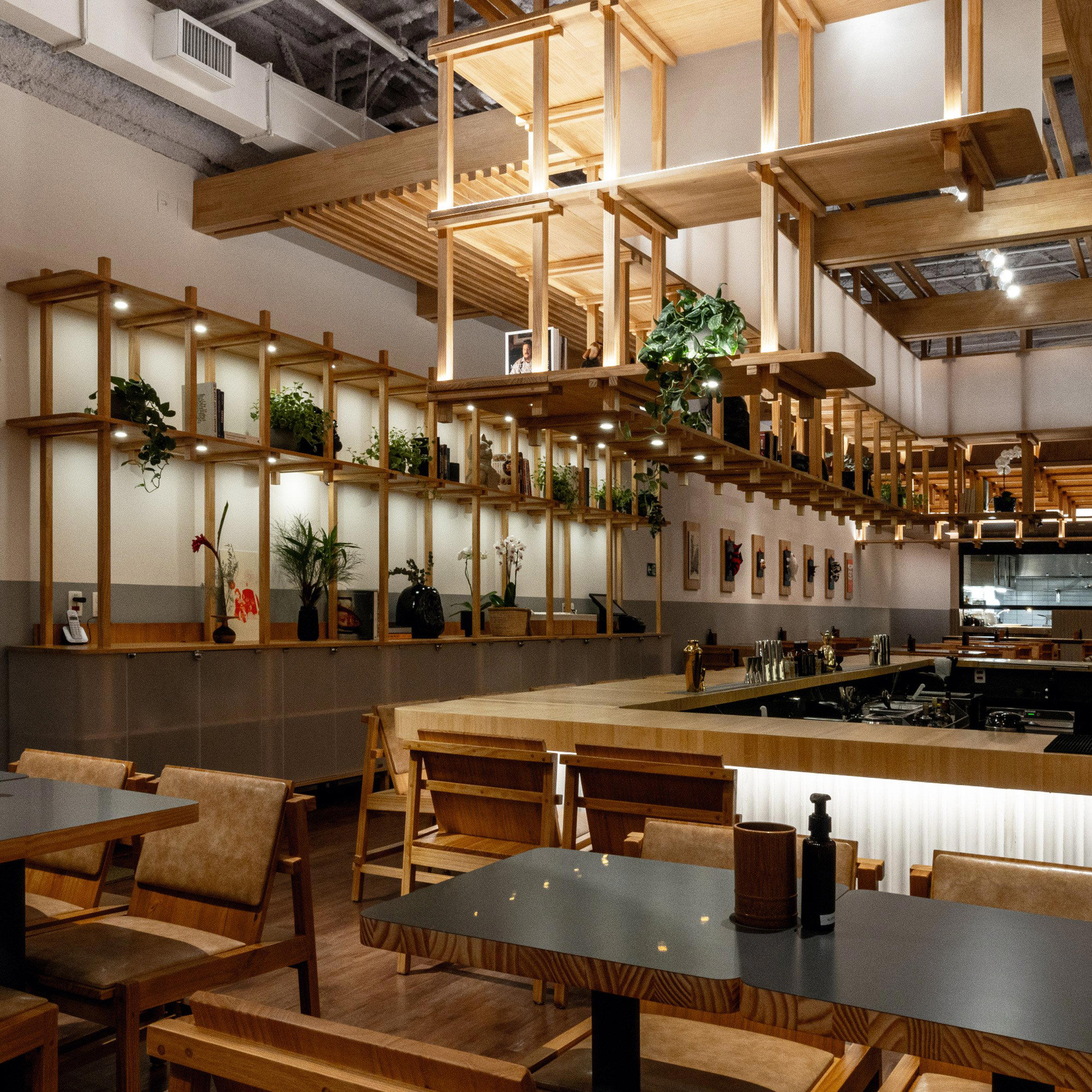
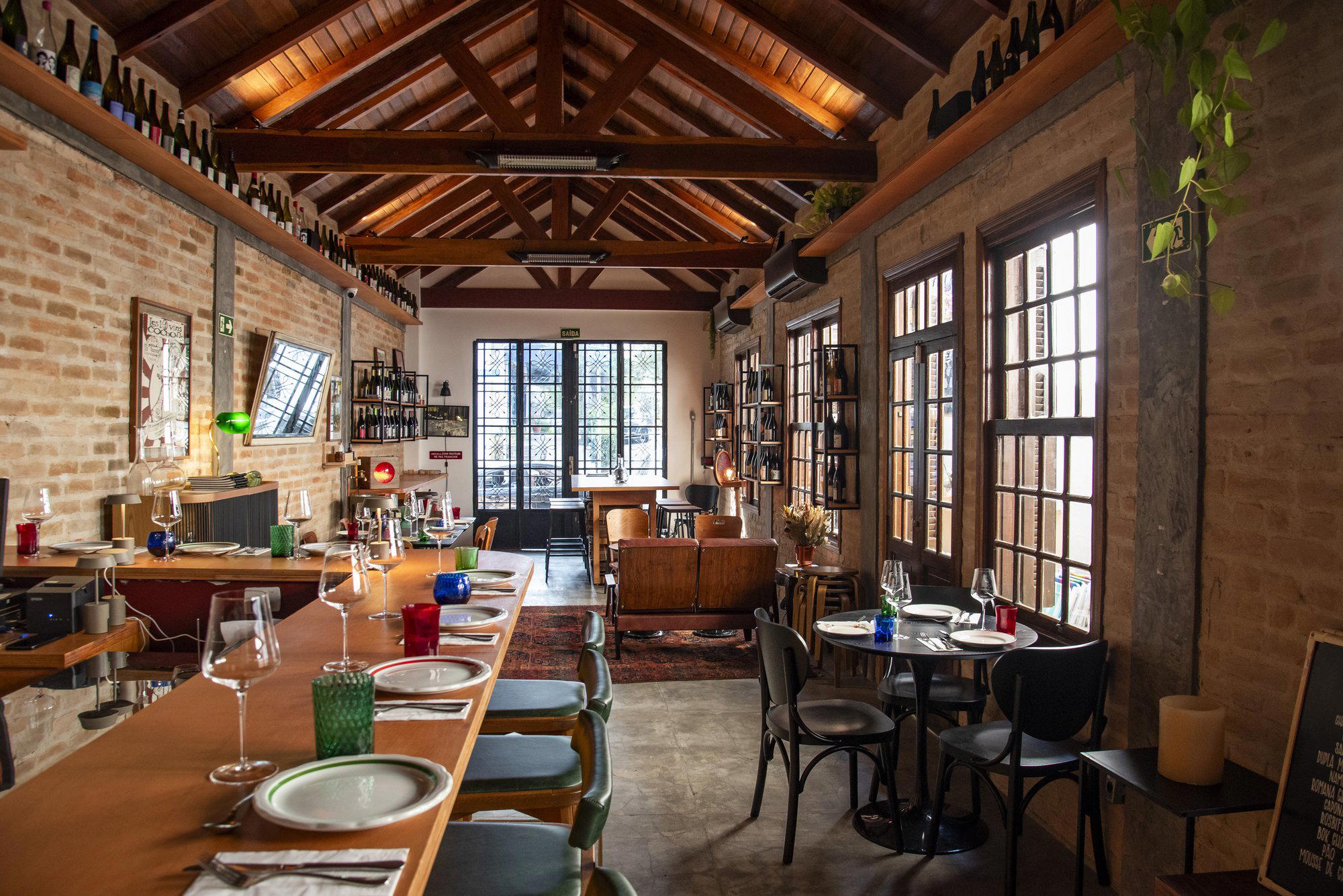
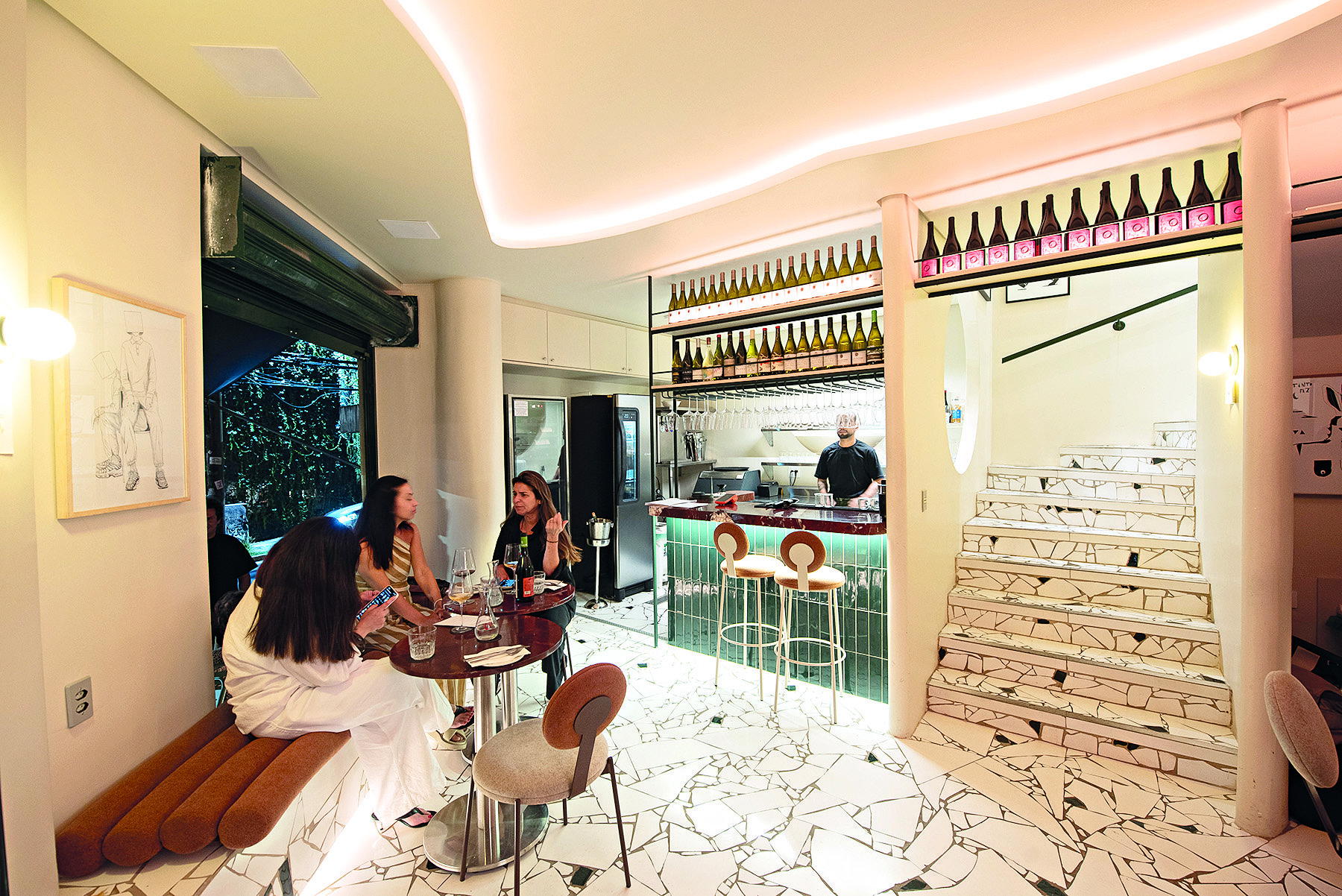
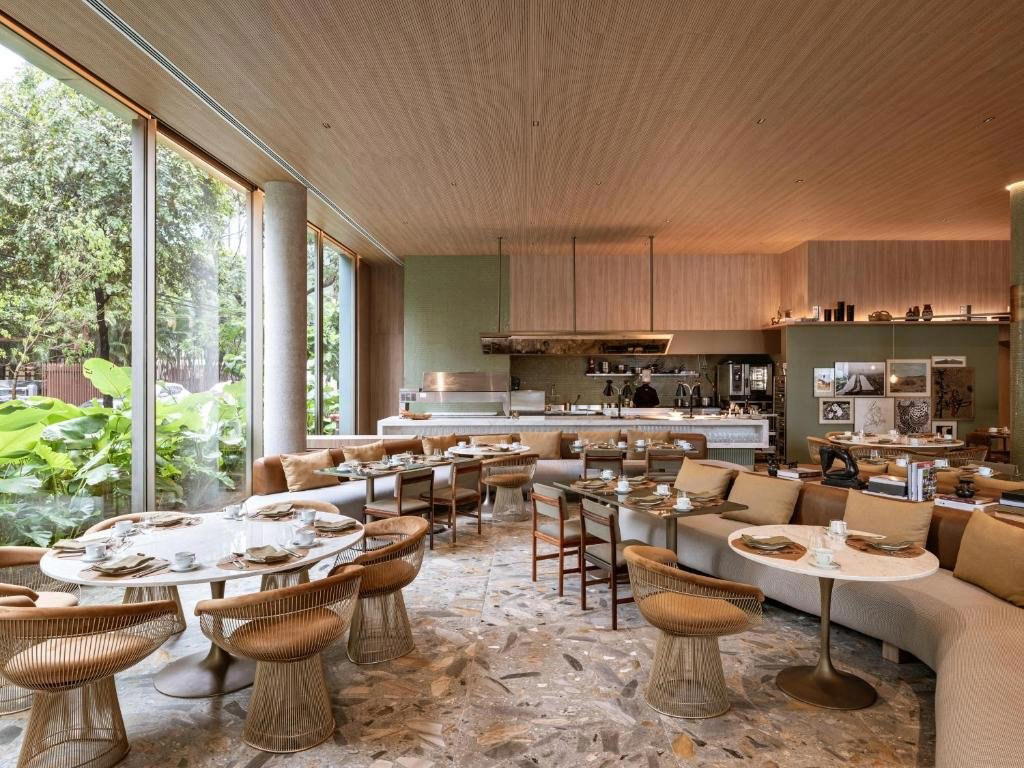
Cozy yet cool interior with wooden lattice ceilings, open kitchen, and Japanese design elements inspired by moorings, high fashion, and washi paper for an intimate, serene atmosphere.