
Michelin Plate
Our verdict
Kosushi has held consecutive Michelin Plate recognition in 2024 and 2025, placing it among the more consistent Japanese addresses in São Paulo's Itaim Bibi neighbourhood. The kitchen works within a classical Japanese register at a mid-range price point, drawing a loyal crowd that books ahead.

Pearl is the En Primeur Club membership app, where members save venues, book tables and use the concierge.
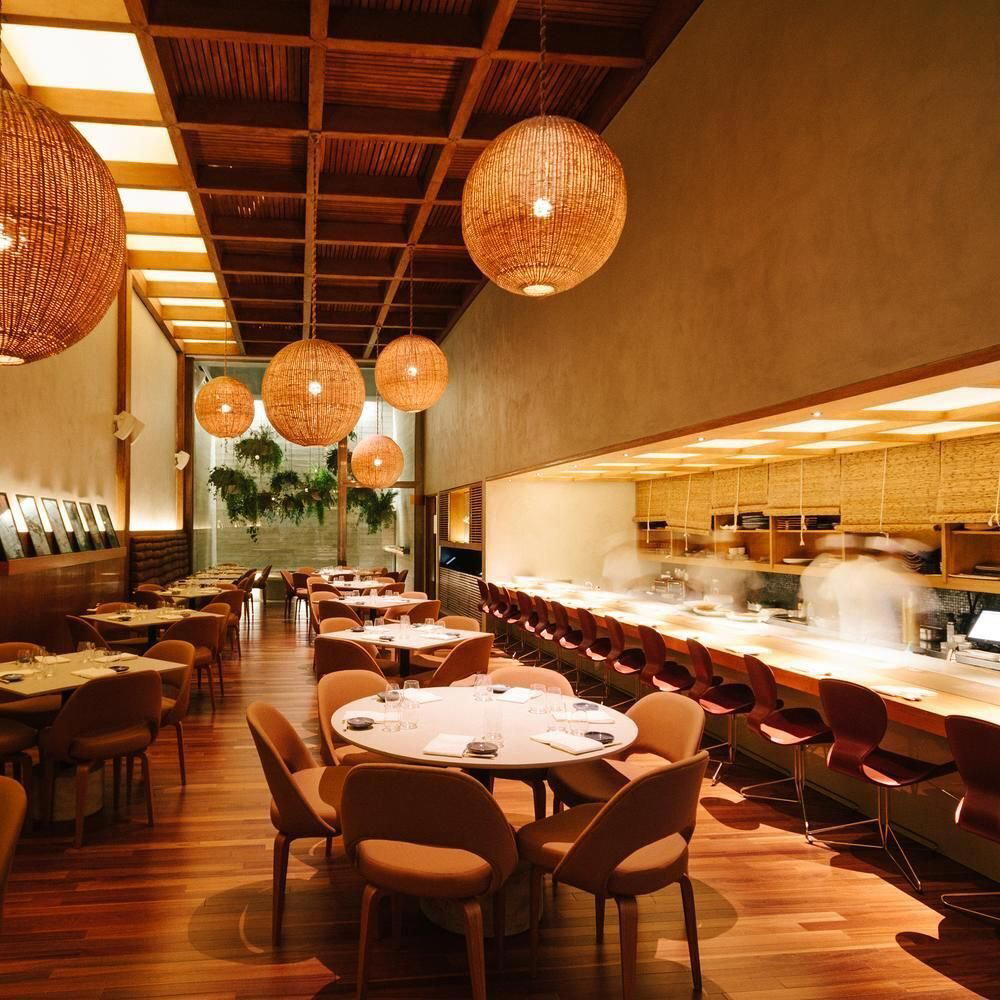
Japanese Dining in Itaim Bibi: Where Consistency Earns Its Place
Rua Viradouro runs through one of São Paulo's most concentrated corridors for serious eating. Itaim Bibi has been the city's default address for Japanese cuisine for decades, shaped in part by Brazil hosting the largest Japanese diaspora community outside Japan itself, a demographic fact that pushed culinary standards here in ways that distinguish São Paulo's Japanese scene from anywhere else in Latin America. Within that neighbourhood, the difference between a casual sushi delivery spot and a Michelin-recognised kitchen is often invisible from the street. Kosushi, at number 139, belongs to the latter category: two consecutive Michelin Plate awards, in 2024 and 2025, place it among a consistent tier of Japanese restaurants that have earned formal critical attention rather than simply neighbourhood loyalty.
The Case for Simplicity: Why Comfort Food Demands Technique
There is a tendency in premium dining coverage to treat Japanese cuisine as synonymous with omakase counters and tasting menus priced above $200. São Paulo's Japanese scene tells a more complete story. The city's deep-rooted Japanese community has kept alive a tradition of technically disciplined everyday cooking, ramen, udon, donburi, teishoku, that rarely surfaces in international food media but sustains a standard that visitors from Tokyo would recognise. A bowl of broth-based noodles, executed correctly, requires the same rigour as a composed tasting course: stock built over hours, noodle texture calibrated to the liquid, balance achieved through restraint rather than embellishment.
That tradition is what makes the mid-range Japanese tier in São Paulo worth attention beyond its price point. Venues like Kosushi operate in a register where the quality signal is repetition, whether the kitchen produces the same result on a Tuesday lunch as it does on a Saturday evening, rather than seasonal reinvention. For reference, the $$$ price tier here sits alongside addresses like Jun Sakamoto and Maní in São Paulo's mid-high bracket, though Kosushi's Japanese-only focus gives it a different competitive logic than either of those.
São Paulo's Japanese Quarter in Context
São Paulo's relationship with Japanese cuisine is structural, not incidental. The first wave of Japanese immigration arrived in the early twentieth century, and subsequent generations built a food culture that now accounts for some of the most technically credible Japanese cooking outside Japan. The Liberdade neighbourhood remains the symbolic centre of that community, but the actual concentration of high-quality Japanese restaurants has shifted toward Itaim Bibi and Vila Olímpia over the past two decades, following the city's economic geography westward.
Within Itaim Bibi's Japanese tier, the differences between venues are often matters of format and register. Huto and Kan Suke represent different points on the spectrum from casual to considered, while KANOE, Kinoshita, and Kuro each occupy distinct niches within the city's broader Japanese scene. Kosushi's consecutive Michelin Plate recognition positions it as a venue that has cleared the threshold of formal quality assessment, not starred, but noted, which in a city as competitive as São Paulo carries genuine weight.
For comparison, Tokyo addresses like Myojaku and Azabu Kadowaki represent what the upper end of that same Japanese culinary tradition looks like in its home market. The São Paulo scene, at its stronger addresses, operates as a credible extension of that tradition rather than a local approximation of it.
Brazil's Broader Dining Moment
São Paulo sits at the centre of a Brazilian restaurant scene that has attracted sustained international attention over the past decade. That attention has mostly focused on creative Brazilian cuisine, addresses like Lasai in Rio de Janeiro, Manga in Salvador, Manu in Curitiba, Mina in Campos do Jordão, and Orixás | North Restaurant in Itacaré, but Japanese cuisine has been part of São Paulo's serious dining fabric for far longer than the recent wave of Brazilian fine dining recognition. Castelo Saint Andrews in Gramado represents the kind of regional specificity that marks Brazil's culinary diversity, and São Paulo's Japanese tradition is equally specific: shaped by a particular immigrant community, a particular neighbourhood, and a set of technical standards that have compounded over generations.
Planning a Visit
Kosushi sits on Rua Viradouro in Itaim Bibi, one of São Paulo's denser neighbourhoods for both dining and corporate activity, which means the room fills quickly at peak hours. The $$$ price tier reflects a mid-range spend for São Paulo, comparable to the city's other recognised Japanese addresses rather than the $$$$ bracket occupied by the starred creative kitchens. For visitors building a broader itinerary, the full São Paulo restaurants guide covers the range of the city's dining scene, while the São Paulo hotels guide, bars guide, wineries guide, and experiences guide provide the surrounding context for a full visit.
Frequently asked questions
What should I order at Kosushi?
Do I need a reservation for Kosushi?
Same-City Peers
| Venue | Cuisine | Price | Awards | Notes |
|---|---|---|---|---|
| KosushiThis venue (the venue you are viewing) | Modern Japanese Sushi | $50–100 | Michelin Plate | Not listed |
| Evvai | Modern Italian-Brazilian Fusion | $200–300 | 3 Michelin Stars · World's 50 Best #95 | Contemporary Italian, Modern Cuisine |
| D.O.M. | Modern Brazilian Amazonian Fine Dining | $150–200 | 2 Michelin Stars · World's 50 Best #74 | Modern Brazilian, Creative |
| Maní | Modern Creative Brazilian | $50–100 | 1 Michelin Star · World's 50 Best #67 | Brazilian - International, Creative |
| Jun Sakamoto | Japanese Omakase | $100–150 | 1 Michelin Star · La Liste Top Restaurants | Sushi, Japanese |
| A Casa do Porco | Modern Brazilian Pork-Centric | $30–50 | Michelin Bib Gourmand · World's 50 Best #25 | Regional Brazilian, Brazilian |
Recognition history
Dated appearances from independent guides and award organizations, with the underlying list record or original source where available.
Michelin Plate
Michelin
Full recognition history (3 entries)
Michelin Plate
Michelin
Michelin Plate
Michelin
Continue exploring
More in São Paulo
Restaurants in São Paulo
All restaurants in São Paulo →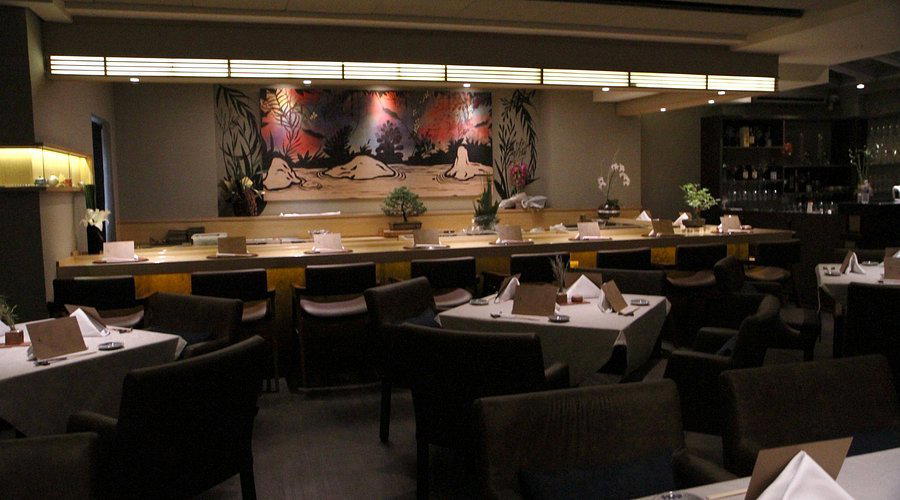
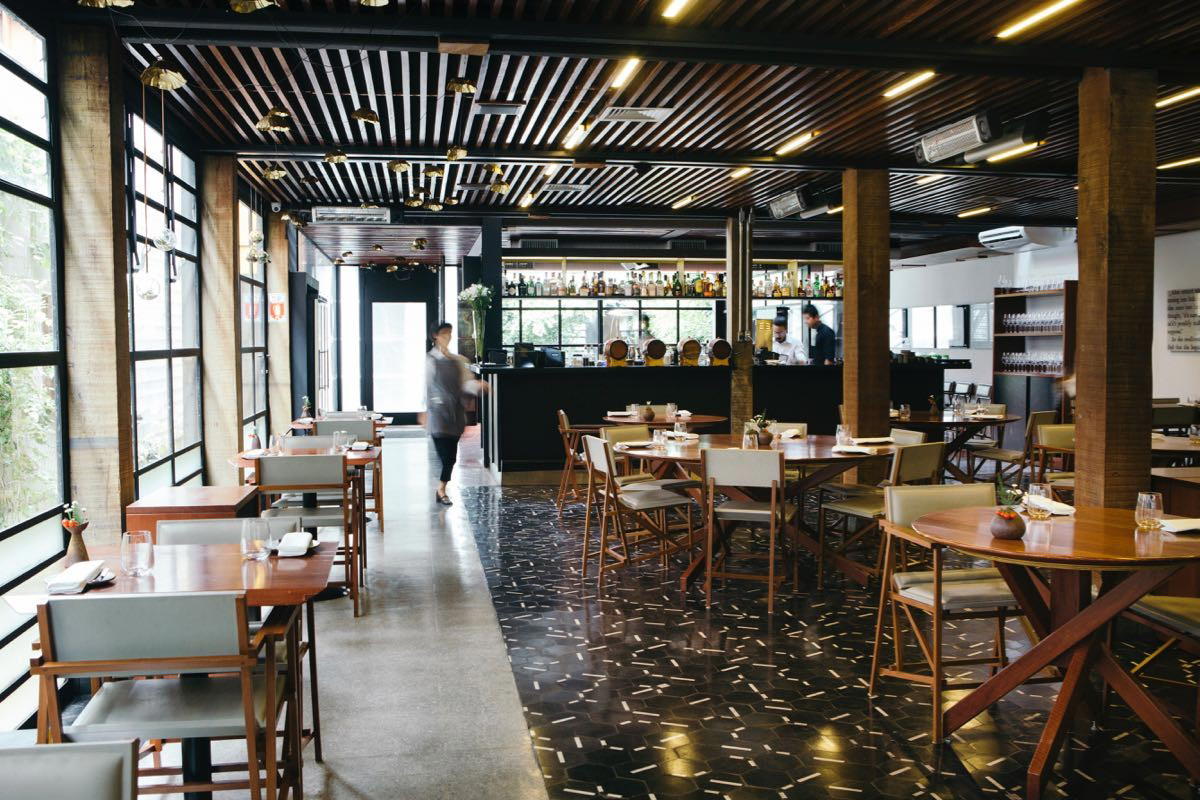
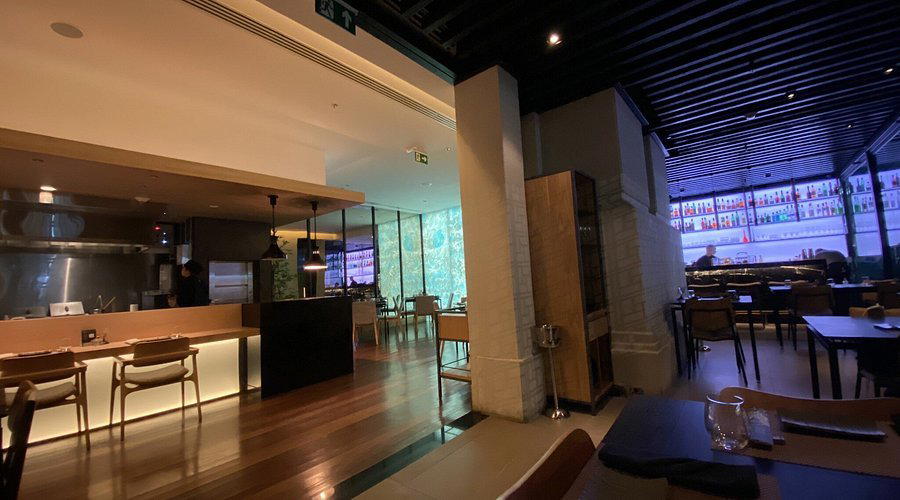
Bars in São Paulo
All bars in São Paulo →

Details
- Elegant
- Modern
- Sophisticated
- Date Night
- Business Dinner
- Open Kitchen
- Sake Program
- A La Carte
- Counter Dining
- Vegetarian Friendly
Current opening hours
- Monday
- 12–3 PM, 7–11 PM
- Tuesday
- 12–3 PM, 7–11 PM
- Wednesday
- 12–3 PM, 7–11 PM
- Thursday
- 12–3 PM, 7–11 PM
- Friday
- 12–3 PM, 7–11 PM
- Saturday
- 7–11 PM
- Sunday
- 7–11 PM
Hours can change for holidays and private events. Hours as of .
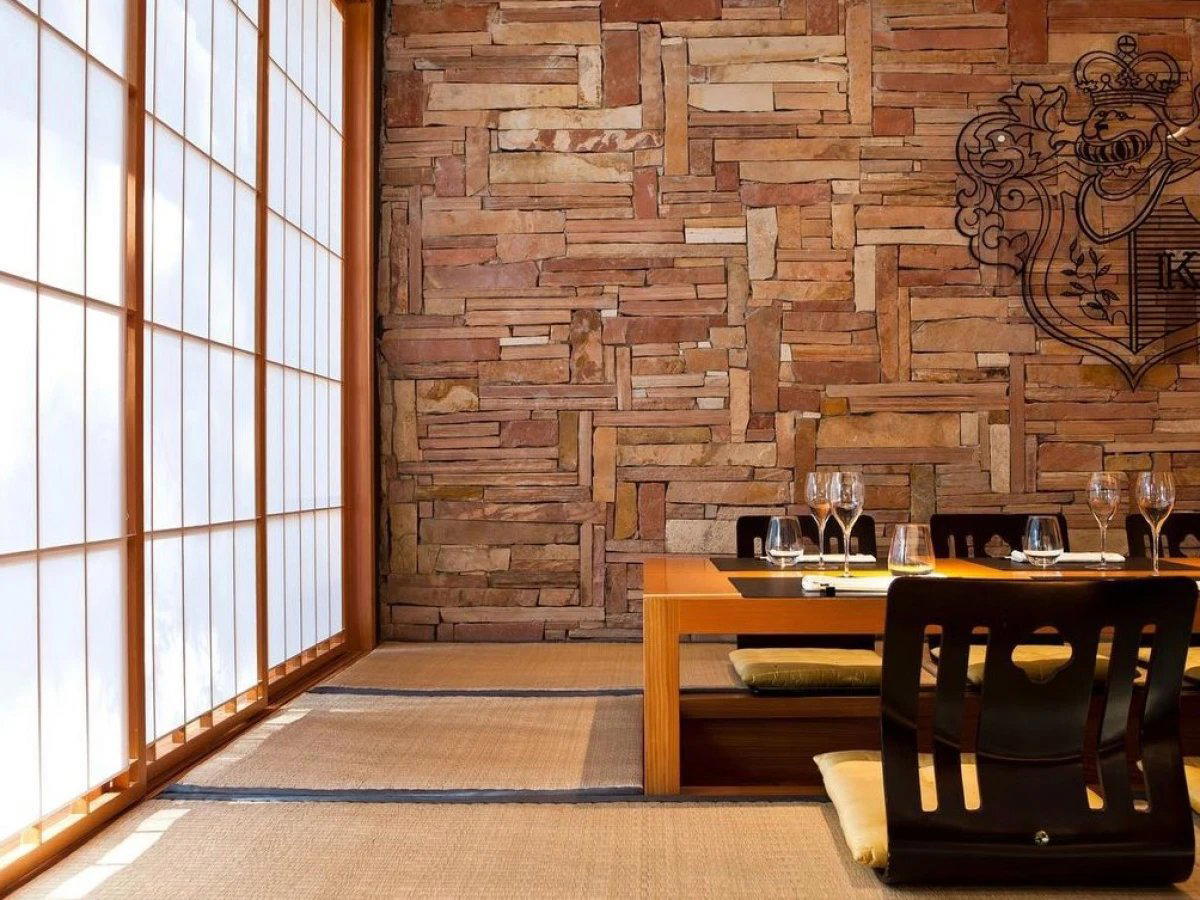
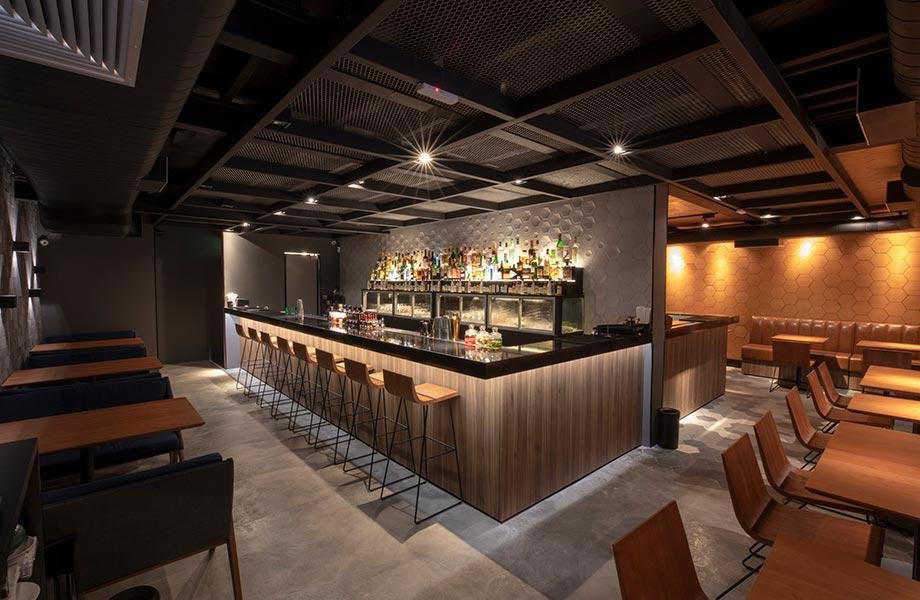
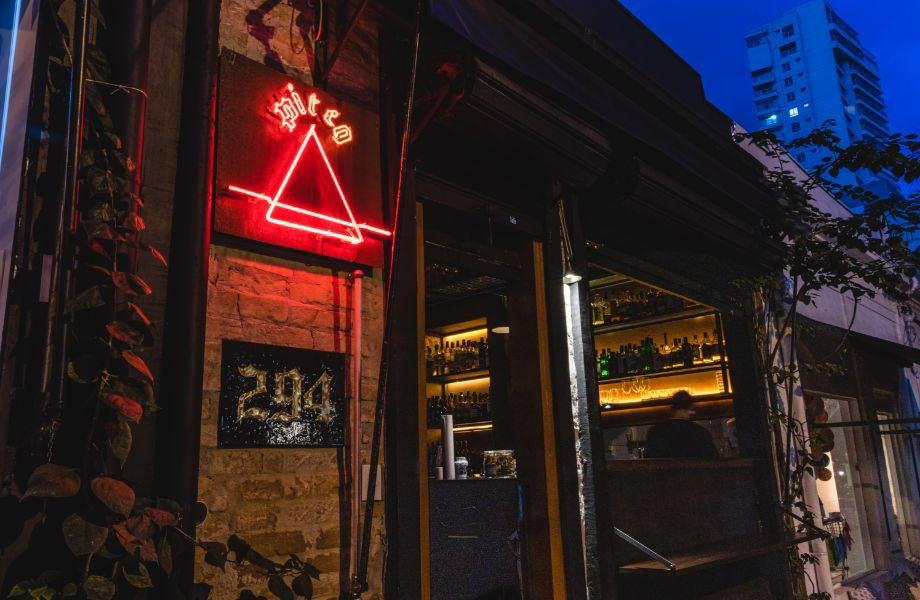
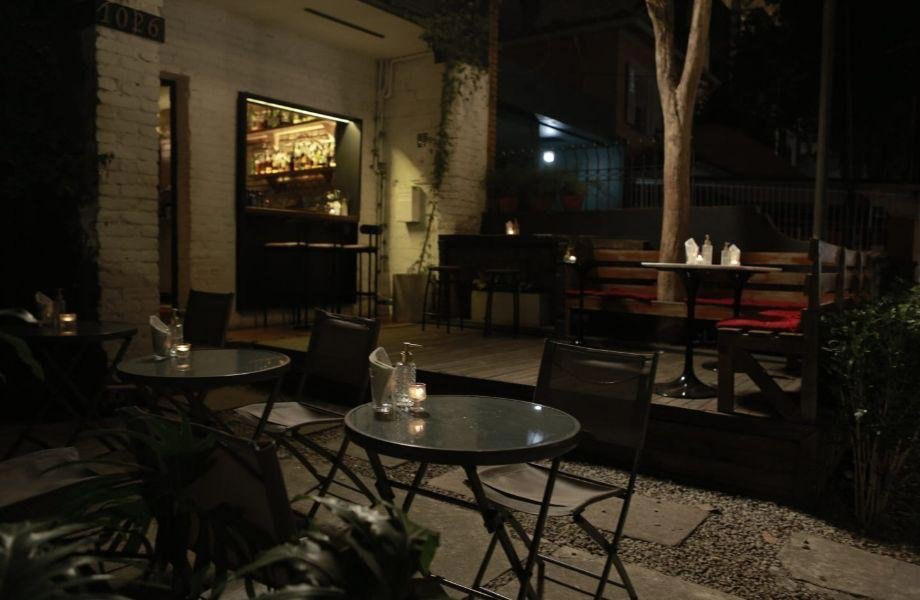
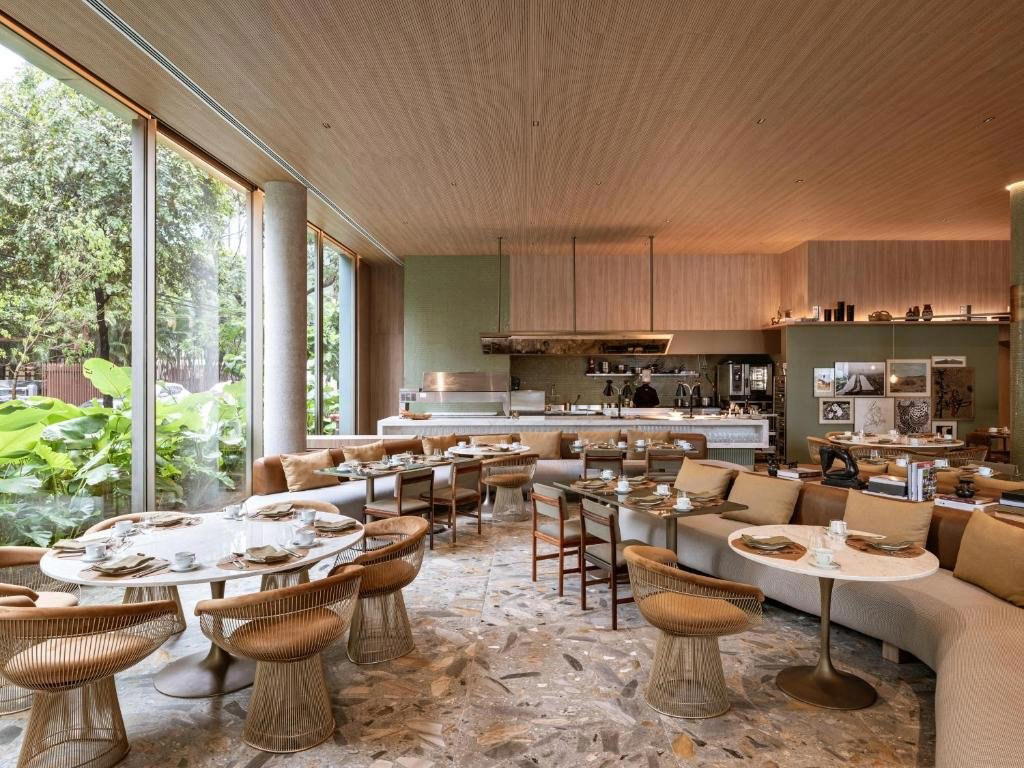
Welcoming contemporary ambience with soft lighting, bright colors, and modern Japanese-inspired design elements.