
Tabelog 100 #13
Our verdict
Koryoriya Sono Hen puts Fukuoka’s izakaya culture into a compact Hakata setting: fish-led cooking, regional Japanese dishes, sake and shochu rather than spectacle. Its selection for Tabelog 100 Izakaya WEST 2025 gives it a clear trust signal in a city where casual drinking rooms often carry as much culinary weight as formal counters.

Pearl is the En Primeur Club membership app — saves, bookings, and concierge access live there. Same editors, same standards.
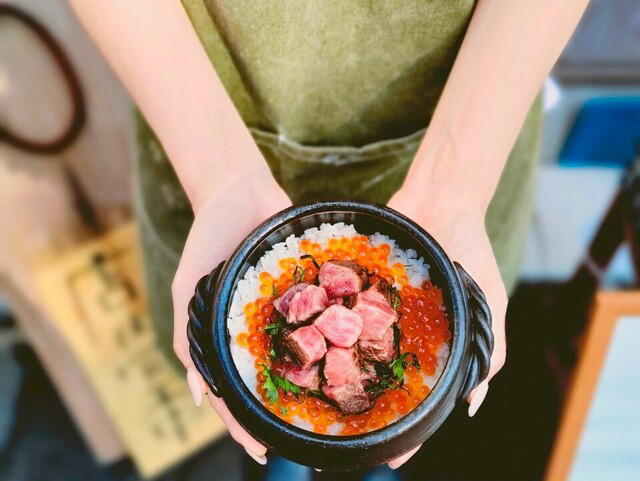
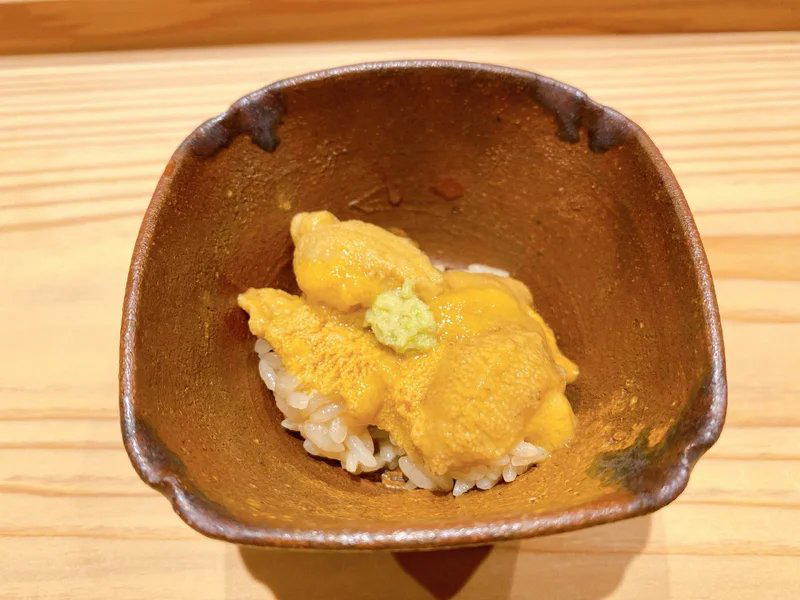
The menu
What to order
- Donabe clay pot rice
- Sono Hen chawanmushi
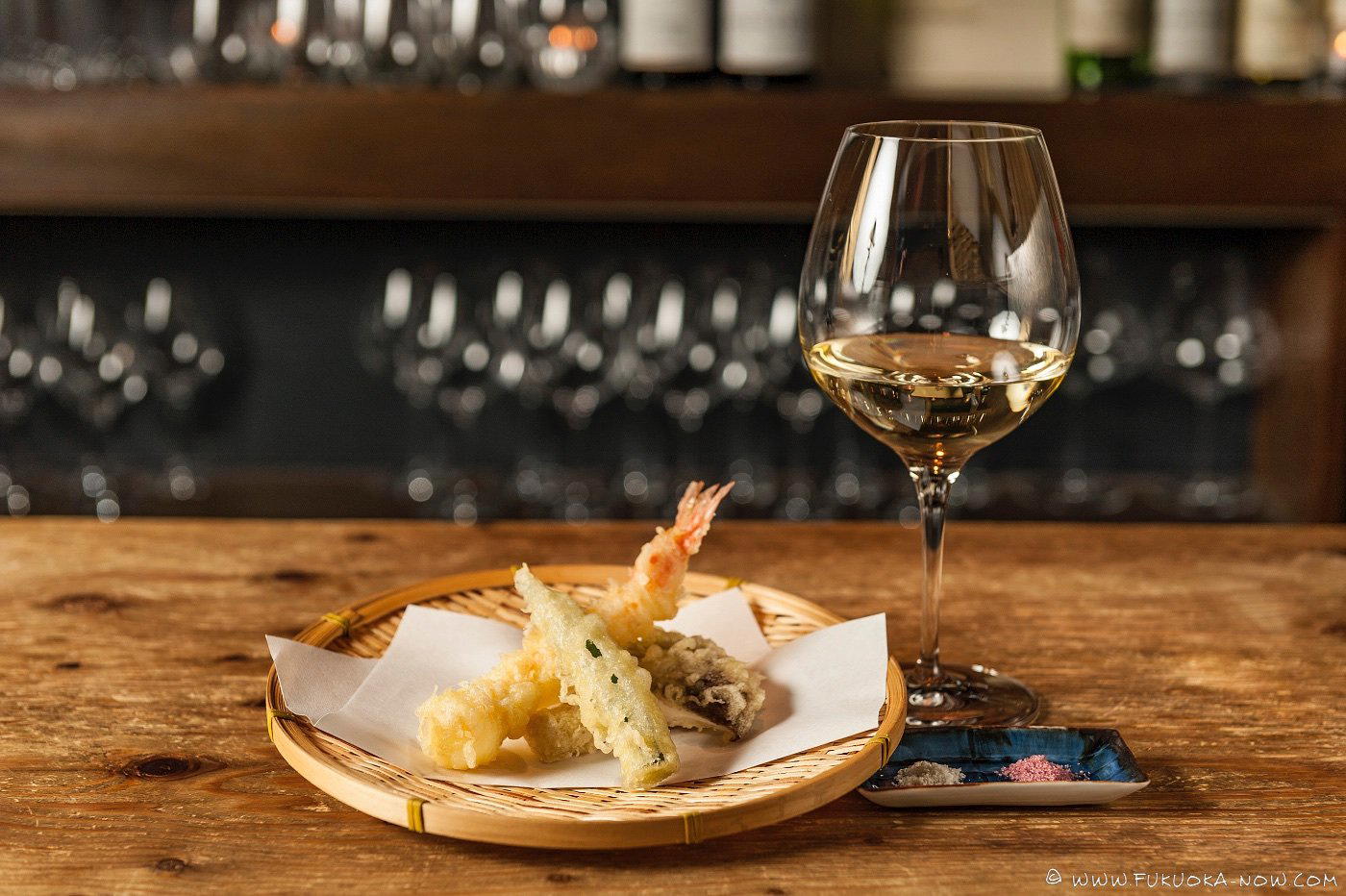
- Obanzai-style small dishes
- Deluxe one-plate lunch
- Hot pot fresh fish shabu-shabu
- Wagyu beef with ikura sauce
Fukuoka is the right setting for this kind of meal: close enough to the city’s everyday momentum, but with the easy rhythm of a casual drinking room. The appeal is not ceremony. It is the grammar of an izakaya: drinks, shared plates, and a kitchen built around Japanese and regional cooking that treats the evening as a casual pleasure rather than tasting-menu theatre.
Fukuoka rewards this style of dining because the city’s food culture is not only about ramen queues and yatai nostalgia. The stronger story is range: seafood counters, udon institutions, yakitori rooms, curry specialists, other international cooking, and izakaya kitchens that can handle a full evening without becoming formal. For a wider read on the city, Our full Fukuoka restaurants guide maps that spread, while other tightly focused casual restaurants show how local dining days can be defined by modest rooms with clear purpose.
A recognised izakaya in a city that takes casual dining seriously
Koryoriya Sono Hen sits in the izakaya, Japanese cuisine, and regional cuisine category, which matters more than it sounds. In Japan, izakaya can mean anything from inexpensive beer snacks to kitchens with serious intent. Here, the listed categories place the cooking in a familiar but flexible camp: not fine dining, but not throwaway drinking food either.
The 2025 Tabelog Hyakumeiten recognition gives the room a useful benchmark. Tabelog’s Hyakumeiten lists tend to reward consistency within a genre rather than international luxury codes, so inclusion says something specific: this is being judged in the context of notable izakaya-style dining, not against formal kaiseki or hotel dining. In Fukuoka, that is the right competitive set. The city’s serious meals often happen in casual rooms where the difference between a snack bar and a destination kitchen comes down to discipline, pacing, and a clear sense of purpose.
That positioning also explains the price context. Koryoriya Sono Hen is listed at Dinner: JPY 3,000 - JPY 3,999; Lunch: JPY 1,000 - JPY 1,999, which keeps it in the accessible middle of the city’s serious casual tier. Alongside Fukuoka peers such as Shinshu Soba Murata, Seimon Barai, Hakata Meidai Yoshizuka Unagiya, Daitou en Honten, and Karo No Uron, it helps show how broad the city’s everyday dining field can be. The point is an evening built around izakaya structure, Japanese cooking, and regional cuisine, with enough recognised standing to justify seeking it out.
The room reads as casual, social, and drink-friendly
Izakaya rooms work when the format has rhythm. The meal is shaped by timing, sharing, and the informal back-and-forth that makes this category so durable in Japan. Rather than approaching Koryoriya Sono Hen as a grand dining room, it is better read as a place where the social mechanics of an izakaya matter as much as any single dish.
The category itself points toward flexibility. Izakaya dining often has to serve several uses in the same night: a proper dinner, a second stop, or the place where a drink becomes a meal. The stronger editorial reading is simple: this is a Fukuoka kitchen with enough structure to be recognised beyond a purely local audience, while still belonging to the casual register that makes the city so rewarding.
For travellers building a broader Fukuoka itinerary, this kind of dinner pairs well with a day that does not stay inside one genre. Other Fukuoka dining rooms show how the city’s casual strength extends beyond a single Japanese category. After dinner, use Our full Fukuoka bars guide for the drinking map, and Our full Fukuoka hotels guide if the night is being planned around the city.
How to read its place in Fukuoka
The useful way to approach Koryoriya Sono Hen is not as a trophy reservation. It is better understood as part of Fukuoka’s grounded dining culture, where a room can be casual in format and serious in execution. The 2025 Tabelog Hyakumeiten recognition supplies the external validation; the category tells the reader what to expect; the listed score of 3.51 gives another documented point of reference.
That distinction matters because Fukuoka can be misread by visitors looking only for single-dish fame. The stronger itinerary gives space to different registers: izakaya, udon, curry, grilled meat, bars, and daytime counters. Travellers continuing through Japan can compare how casual formats shift by city through other dining rooms across the country, but Koryoriya Sono Hen’s relevance is best kept in its Fukuoka context.
For international context, sake-led and Japanese casual formats take different shapes abroad, but Fukuoka’s version is less about exporting a polished idea and more about protecting the social mechanics of the izakaya: casual rhythm, flexible dining, and food that can carry the night. Add Our full Fukuoka wineries guide and Our full Fukuoka experiences guide for the rest of the trip, but keep this meal in its proper frame. It is a Fukuoka izakaya with documented 2025 Tabelog Hyakumeiten recognition, and that is precisely its value.
Frequently asked questions
What does dinner at Koryoriya Sono Hen typically cost?
Pricing at Koryoriya Sono Hen is listed as Dinner: JPY 3,000 - JPY 3,999; Lunch: JPY 1,000 - JPY 1,999.
When is Koryoriya Sono Hen open?
Published hours are not provided in the available ground-truth details for Koryoriya Sono Hen; check directly before visiting.
How do I find Koryoriya Sono Hen?
Fukuoka.
What makes Koryoriya Sono Hen worth seeking out?
The draw is its 2025 Tabelog Hyakumeiten recognition, which places it in a documented tier of Fukuoka izakaya dining rather than a generic neighbourhood tavern. Its listed categories — Izakaya, Japanese Cuisine, and Regional Cuisine — give the format a clear identity, while the Tabelog score of 3.51 adds another specific point of reference.
A Quick Peer Check
Comparable venues at the same tier for side-by-side context.
| Venue | Cuisine | Price | Awards | Notes |
|---|---|---|---|---|
| Koryoriya Sono HenThis venue (the venue you are viewing) | Seasonal Japanese Izakaya & Obanzai | $30–50 | Tabelog 100 #13 | Not listed |
| Sakana to Sakana Ito Okashi | Japanese Seafood Izakaya | $10–20 | Tabelog 100 #88 | Chūō |
| Tori Noya | Miyazaki-style charcoal-grilled chicken izakaya | $30–50 | Tabelog 100 #51 | Chūō |
| HAKKO Shokudo | Fermentation-focused Japanese teishoku | $10–20 | Tabelog 100 #74 | Chūō |
| Bajo So | Traditional Hakata gyoza & izakaya | $20–30 | Tabelog 100 #92 | Sawara |
| Jidori Shokudo Magaribuchi ten | Japanese Jidori Chicken BBQ | $20–30 | Tabelog 100 #99 | Sawara |
Recognition history
Dated appearances from independent guides and award organizations, with the underlying list record or original source where available.
Tabelog 100 #13 · No. 13
Tabelog · Tabelog 100 - Izakaya - WEST - 2025
Continue exploring
More in Fukuoka
Restaurants in Fukuoka
All restaurants in Fukuoka →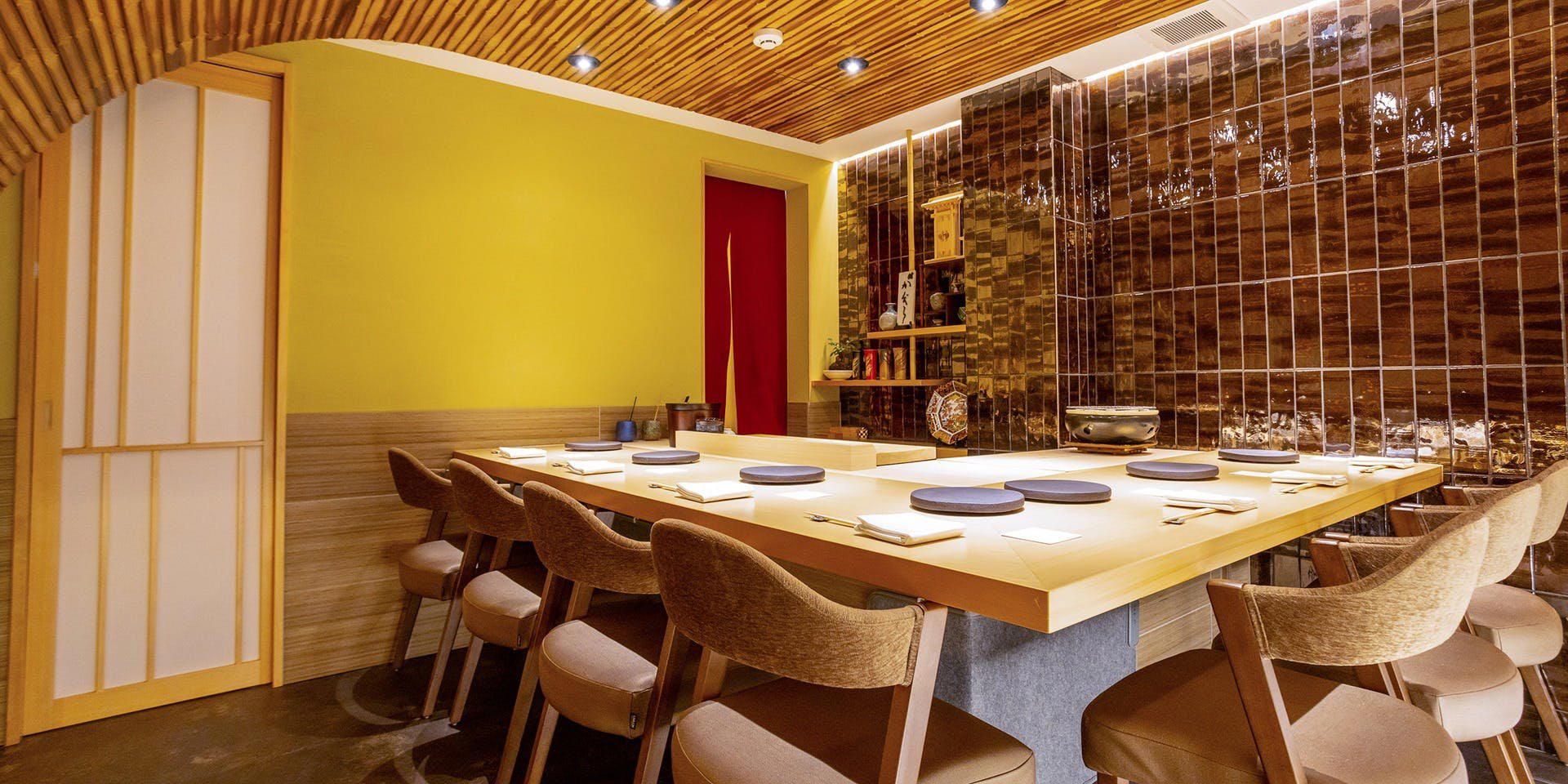
Details
- Cozy
- Lively
- Intimate
- Casual Hangout
- After Work
- Group Dining
- Solo
- Date Night
- Late Night
- Standalone
- Sake Program
- Beer Program
- A La Carte
- Small Plates
- Sake
- Shochu
- Beer
Current opening hours
- Monday
- 11 AM–3 PM, 5 PM–1 AM
- Tuesday
- 11 AM–3 PM, 5–10:30 PM
- Wednesday
- 11 AM–3 PM, 5 PM–1 AM
- Thursday
- 11 AM–3 PM, 5 PM–1 AM
- Friday
- 11 AM–3 PM, 5 PM–1 AM
- Saturday
- 11 AM–3 PM, 5 PM–1 AM
- Sunday
- 11 AM–3 PM, 5 PM–1 AM
Hours can change for holidays and private events. Last verified .
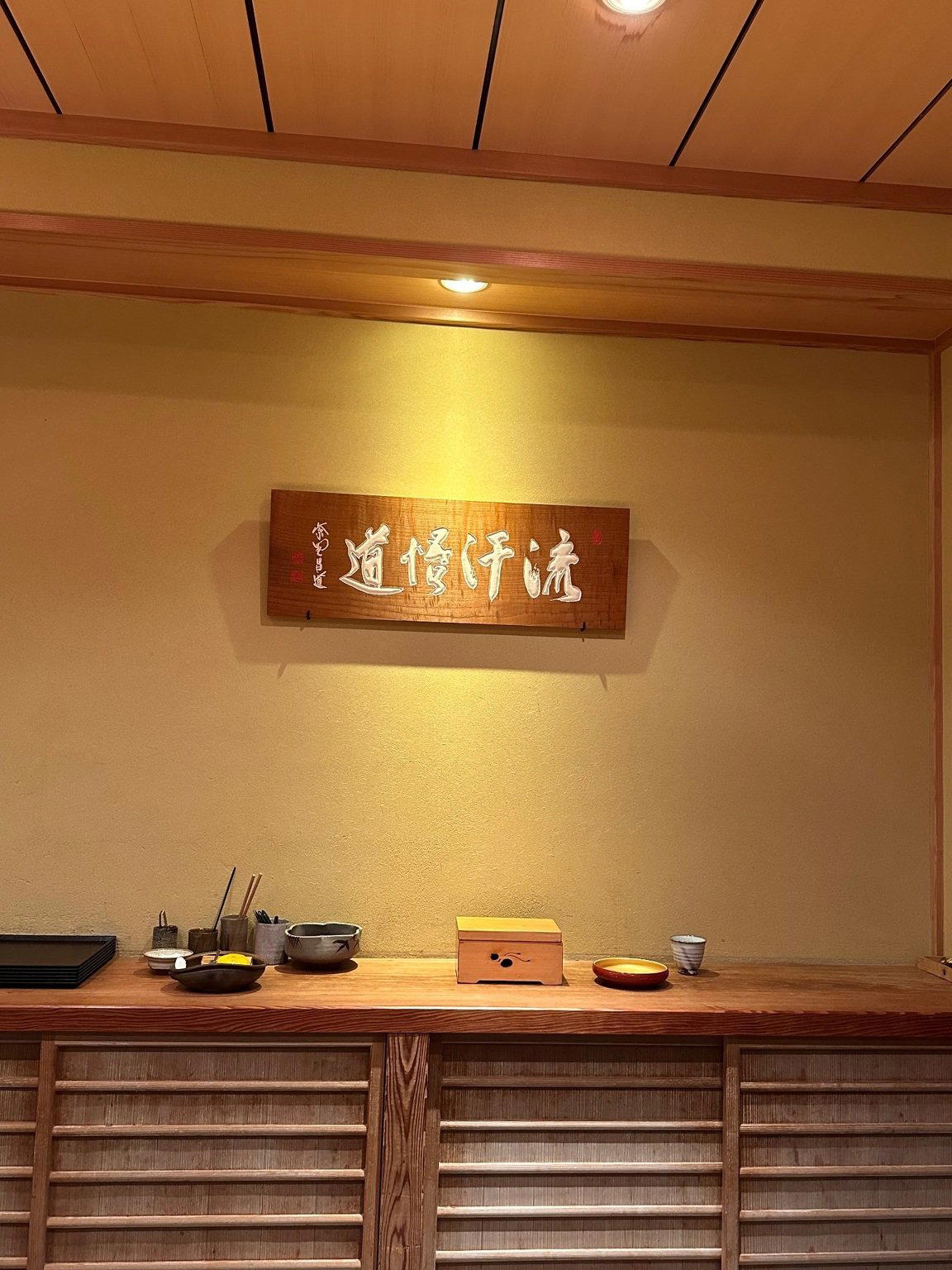
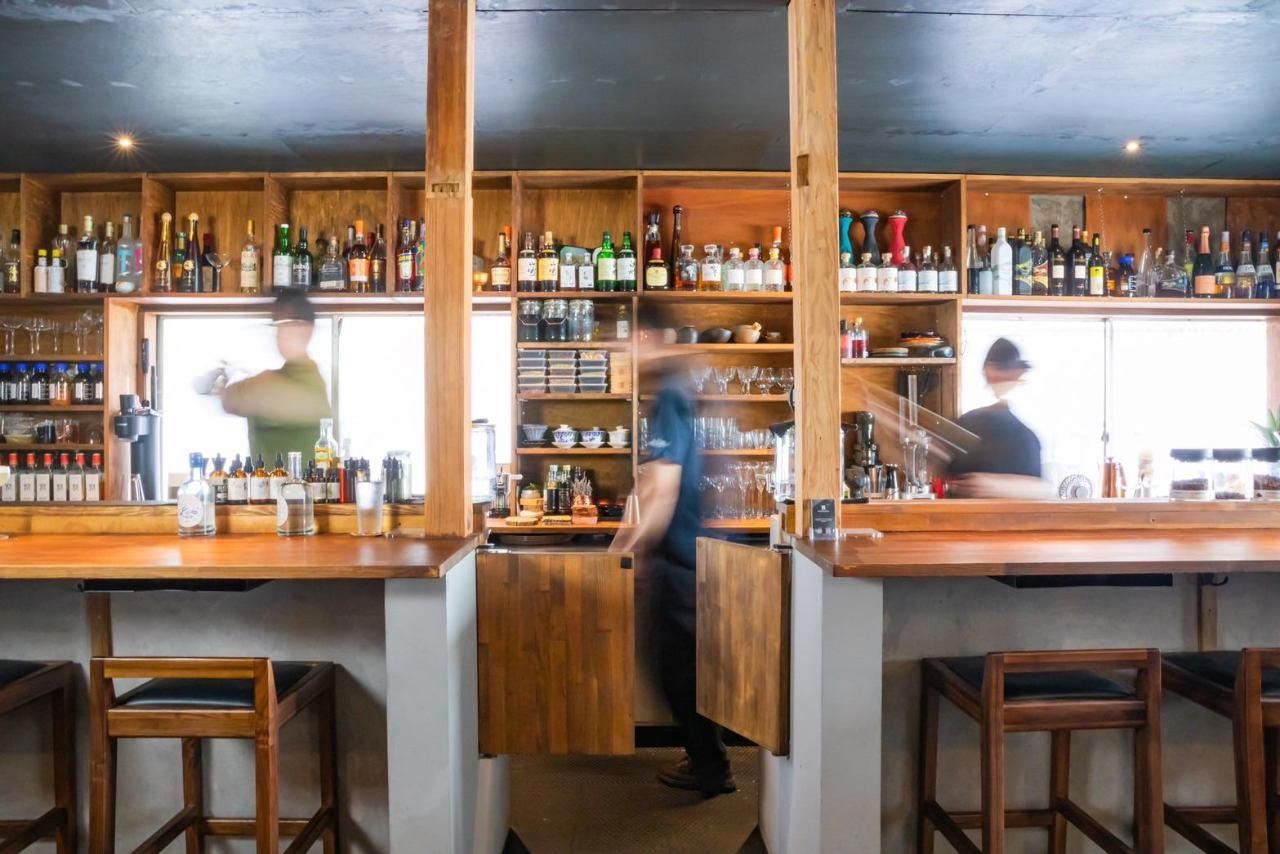
A small, cozy Japanese koryori-ya with a warm, home-style feel; guests sit close together over seasonal small plates and drinks, creating a relaxed but lively neighborhood atmosphere rather than a formal dining room.