
Tabelog 100 #88
Our verdict
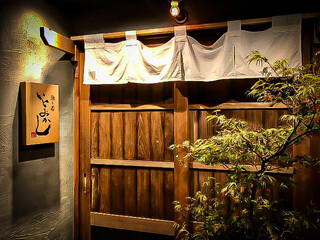
Haruyoshi’s fish-led izakaya culture is the frame here: counter seats, private rooms, morning service on most days, and a menu that connects seafood, sushi, sake, shochu, and wine without turning into a formal kappo script. Sakana to Sakana Ito Okashi carries Tabelog 100 Izakaya WEST selections for 2024 and 2025, placing it in Fukuoka’s serious tavern tier rather than the city’s casual drinking fringe.

Pearl is the En Primeur Club membership app — saves, bookings, and concierge access live there. Same editors, same standards.
The menu
What to order
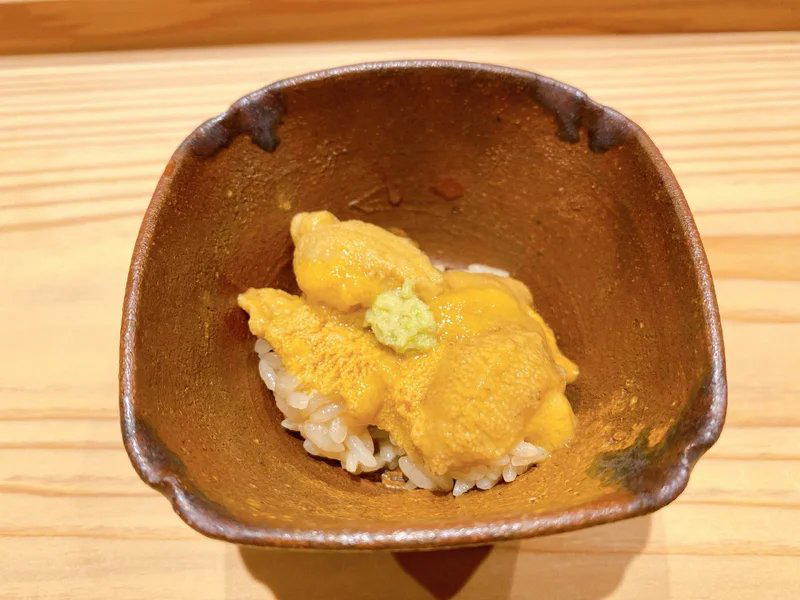
- Assorted sashimi
- Hakata specialty live mackerel with sesame
- Mackerel bonito flakes with pickled shallots
Fukuoka moves at a different tempo from Japan’s larger dining capitals. At street level, the city supports small dining rooms, house-style restaurants, and fish-focused counters alongside more casual tavern culture. Sakana to Sakana Ito Okashi fits a Fukuoka tradition that treats the izakaya not only as a drinking stop but as flexible seafood dining: a place where the meal can be shaped around fish, conversation, and a drinks-friendly rhythm rather than a single formal script.
Fukuoka’s seafood benefits from geography. The city faces the Genkai Sea, and its better fish houses prize immediacy over ceremony. The comparison is not Tokyo sushi formality, but the western Japan izakaya model, where sashimi, grilled or cooked fish, sushi, sake, shochu, and small cooked dishes can share one meal naturally. Recognised in the 2025 Tabelog Hyakumeiten selection, Sakana to Sakana Ito Okashi sits in a competitive bracket. The accolade matters because izakaya recognition in Japan is crowded, local, and comparative; it signals a room judged within a defined tavern category, not only as another pleasant neighbourhood restaurant.
Fish first, but not a sushi-counter script
The menu architecture matters. Many premium Japanese dining rooms narrow choice into a course sequence; serious izakaya often do the opposite, letting meals build from categories rather than a fixed narrative. Here the listed signals are clear: izakaya, seafood, and sushi. That gives the kitchen more range than a pure sushi counter while keeping fish central. The main decision is not omakase versus à la carte, but whether the evening calls for seafood-led drinking, a fuller dinner, or a more relaxed meal built across several categories.
That flexibility is a Fukuoka strength. The city’s dining culture does not sharply separate comfort and craft. A room can serve a serious fish meal and hold a sake-and-shochu-friendly mood without becoming tourist theatre. Sakana to Sakana Ito Okashi uses that middle ground. Its identity is closer to a seafood tavern with range than a hushed special-occasion counter, which is why the izakaya label is important rather than incidental.
Drinks reinforce the structure. Sake and shochu are central to the Japanese tavern tradition, and wine can appear in this kind of setting as an additional lane rather than a replacement for local habits. In Fukuoka, that matters. The city has ramen, hot pot, skewers, curry, international cooking, and polished hotel dining within a compact radius, but fish izakaya remain core. For a broader map, Our full Fukuoka restaurants guide is the useful starting point; contrasts can be understood through other Fukuoka dining rooms rather than by treating this restaurant as a stand-alone category.
Fukuoka's serious-casual lane
The useful comparison set is local and format-driven. In Fukuoka, CUCCAGNA, クッカーニャ, Kamo to Negi Yodomizu Nigyo, 白金 にし田, and Tamura show how compact the city’s mid-to-premium field can be: different cuisines and formality levels, often close enough to consider within the same trip. Kamo to Negi Yodomizu Nigyo occupies a similar broad dinner-budget conversation, so the distinction is less spending than evening choice. Sakana to Sakana Ito Okashi answers with fish-led izakaya breadth and a category identity that moves between seafood, sushi, and tavern dining.
That separates Fukuoka from cities where premium dining often means fewer choices, narrower menus, and stricter choreography. Sakana to Sakana Ito Okashi is not best understood as a formal counter trying to behave like an izakaya, but as an izakaya whose seafood focus gives it seriousness. None of this needs to make the restaurant formal. It makes it organized in concept, separating serious izakaya from places relying only on mood.
The Tabelog Hyakumeiten recognition in 2025 gives the restaurant a public marker beyond neighbourhood familiarity. For travellers, that recognition is a useful filter: Fukuoka has many pleasant taverns, but award-list inclusion narrows attention to rooms with sustained notice in a defined category. The listed Tabelog score of 3.70 also places it in a visible review context, while the published budget range keeps expectations practical: dinner is listed at JPY 6,000 - JPY 7,999, with lunch at JPY 2,000 - JPY 2,999.
How to place it in a Fukuoka itinerary
The practical reading is simple: use this as a fish-centred Fukuoka meal rather than a formal sushi booking. Dinner is the fuller izakaya experience, while the published lunch budget gives it another possible role in the city’s dining day. Its Fukuoka location makes the restaurant easy to consider alongside hotels, bars, and late-evening movement around the city. For the rest of the trip architecture, keep Our full Fukuoka hotels guide, Our full Fukuoka bars guide, Our full Fukuoka wineries guide, and Our full Fukuoka experiences guide close rather than treating dinner as isolated.
Japan-wide comparisons should stay broad rather than over-specific. This is not a narrowly defined single-specialty restaurant, nor is it a café, hotel lounge, or purely formal sushi counter. The better analogy is category breadth around drink and food, with a Japanese tavern grammar that lets seafood, sushi, and izakaya dishes sit together naturally. For travellers used to more rigid formats, that breadth is the point: the restaurant’s value is in how it lets the meal widen without losing its fish-led centre.
The editorial verdict: Sakana to Sakana Ito Okashi is strongest for diners who want Fukuoka seafood without the behavioural code of a formal counter. The award recognition gives it credibility, the listed menu categories give it range, and the budget information makes it easy to place within a trip. Treat it as a serious izakaya with fish as the organizing principle, not a casual fallback after other reservations fail.
Frequently asked questions
Is Sakana to Sakana Ito Okashi child-friendly?
Specific child policy details are not provided here. For family dining, confirm directly with Sakana to Sakana Ito Okashi before booking.
Is Sakana to Sakana Ito Okashi formal or casual?
It reads as an izakaya rather than a formal fine-dining counter, with seafood and sushi also listed in its categories on the 2025 Tabelog Hyakumeiten information.
What's the pricing like at Sakana to Sakana Ito Okashi?
Pricing at Sakana to Sakana Ito Okashi is listed as Dinner: JPY 6,000 - JPY 7,999; Lunch: JPY 2,000 - JPY 2,999.
Where is Sakana to Sakana Ito Okashi?
Fukuoka.
Peers You’d Cross-Shop
Side-by-side context: comparable cuisine and price.
| Venue | Cuisine | Price | Awards | Notes |
|---|---|---|---|---|
| Sakana to Sakana Ito OkashiThis venue (the venue you are viewing) | Japanese Seafood Izakaya | $10–20 | Tabelog 100 #88 | Not listed |
| CUCCAGNA | Modern Seasonal Italian | $200–300 | Tabelog Bronze #49 | Not listed |
| Kamo to Negi Yodomizu Nigyo | Duck shabu-shabu (Japanese hotpot) | $30–50 | Tabelog 100 #83 | JPY 6,000 - JPY 7,999 |
| 白金 にし田 | Seasonal Kaiseki | $300–500 | Not listed | Not listed |
| Tamura | Korean Yakiniku Omakase | $150–200 | Tabelog Bronze | Not listed |
Recognition history
Dated appearances from independent guides and award organizations, with the underlying list record or original source where available.
Tabelog 100 #88 · No. 88
Tabelog · Tabelog 100 - Izakaya - WEST - 2025
Continue exploring
More in Fukuoka
Restaurants in Fukuoka
All restaurants in Fukuoka →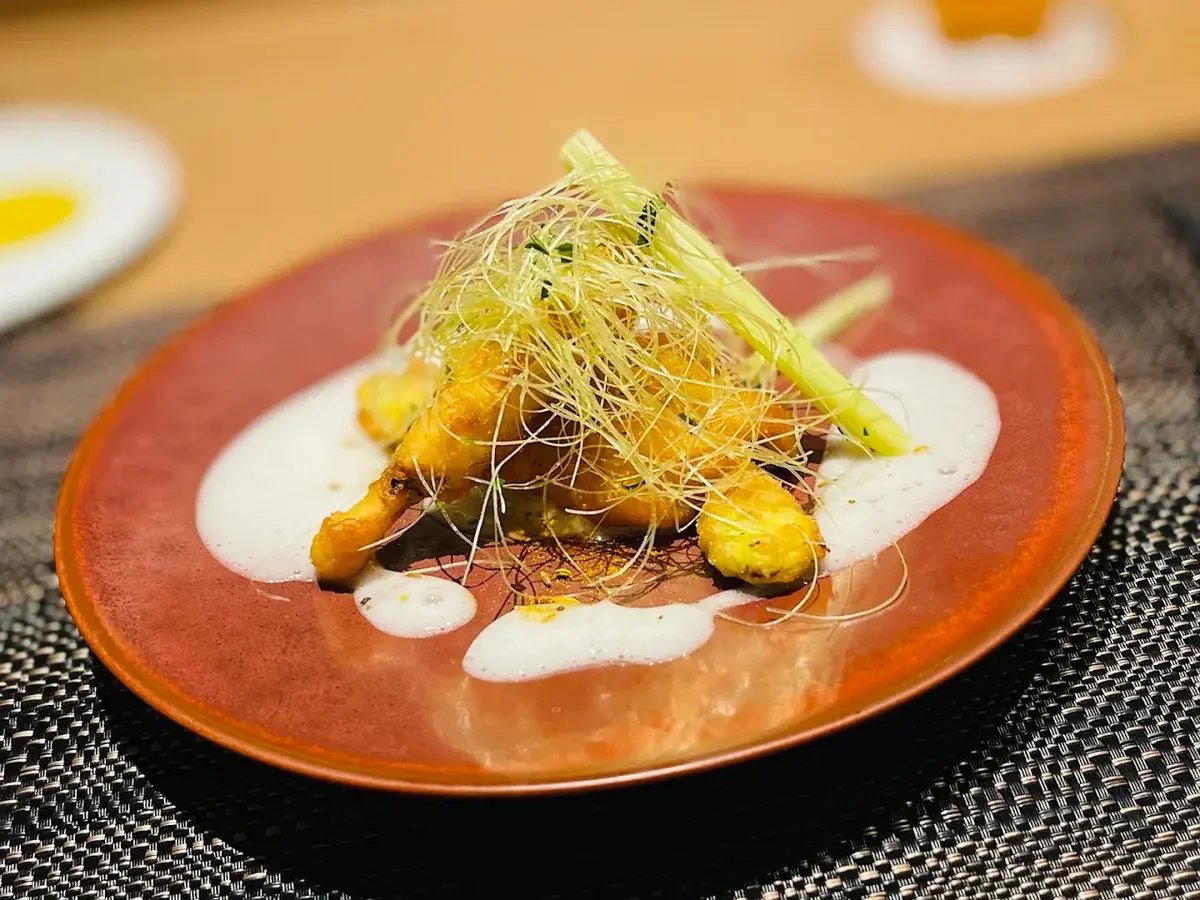
Details
- Cozy
- Lively
- Trendy
- Casual Hangout
- Group Dining
- After Work
- Solo
- Standalone
- Sake Program
- Beer Program
- Local Sourcing
- Sustainable Seafood
- A La Carte
- Set Menu
- Sake
- Beer
Current opening hours
- Monday
- 7 AM–12 PM, 5:30–10 PM
- Tuesday
- 7 AM–12 PM, 5:30–10 PM
- Wednesday
- 5:30–10 PM
- Thursday
- 7 AM–12 PM, 5:30–10 PM
- Friday
- 7 AM–12 PM, 5:30–10 PM
- Saturday
- 7 AM–12 PM, 5:30–10 PM
- Sunday
- 7 AM–12 PM, 5:30–10 PM
Hours can change for holidays and private events. Last verified .
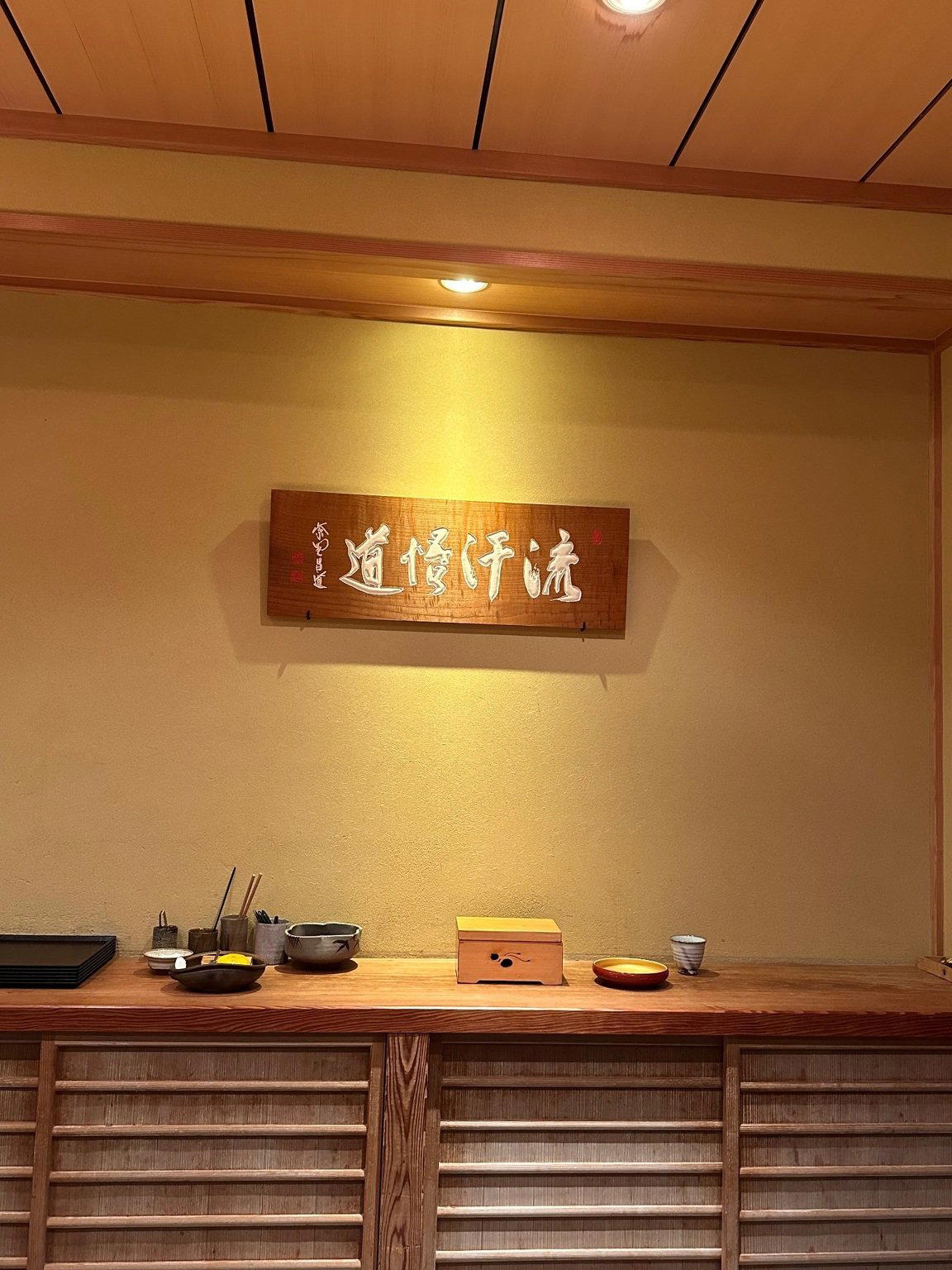
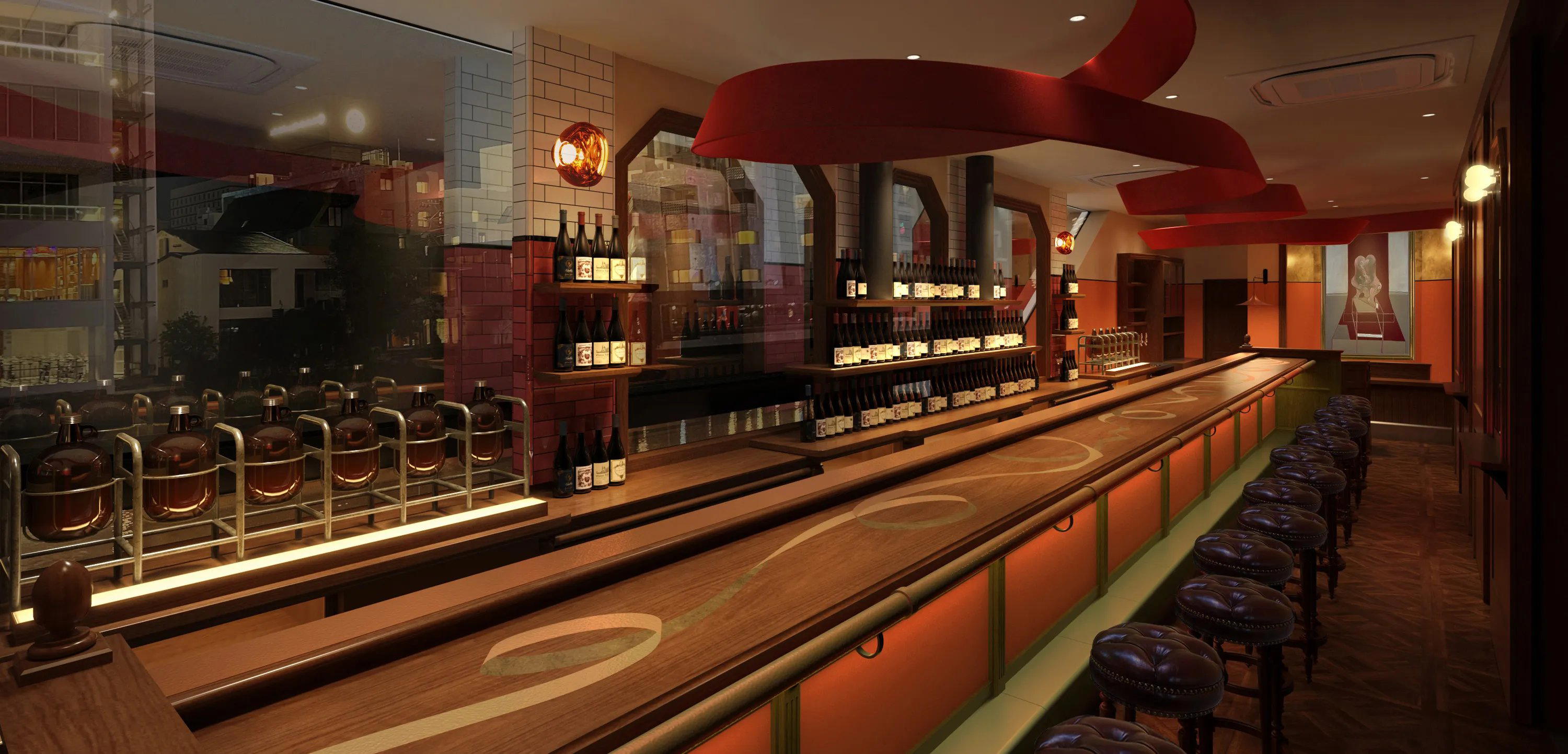
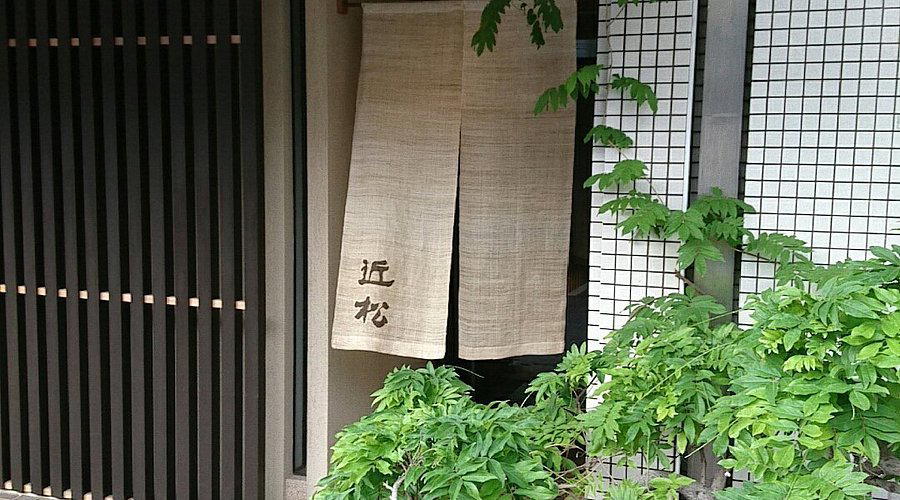
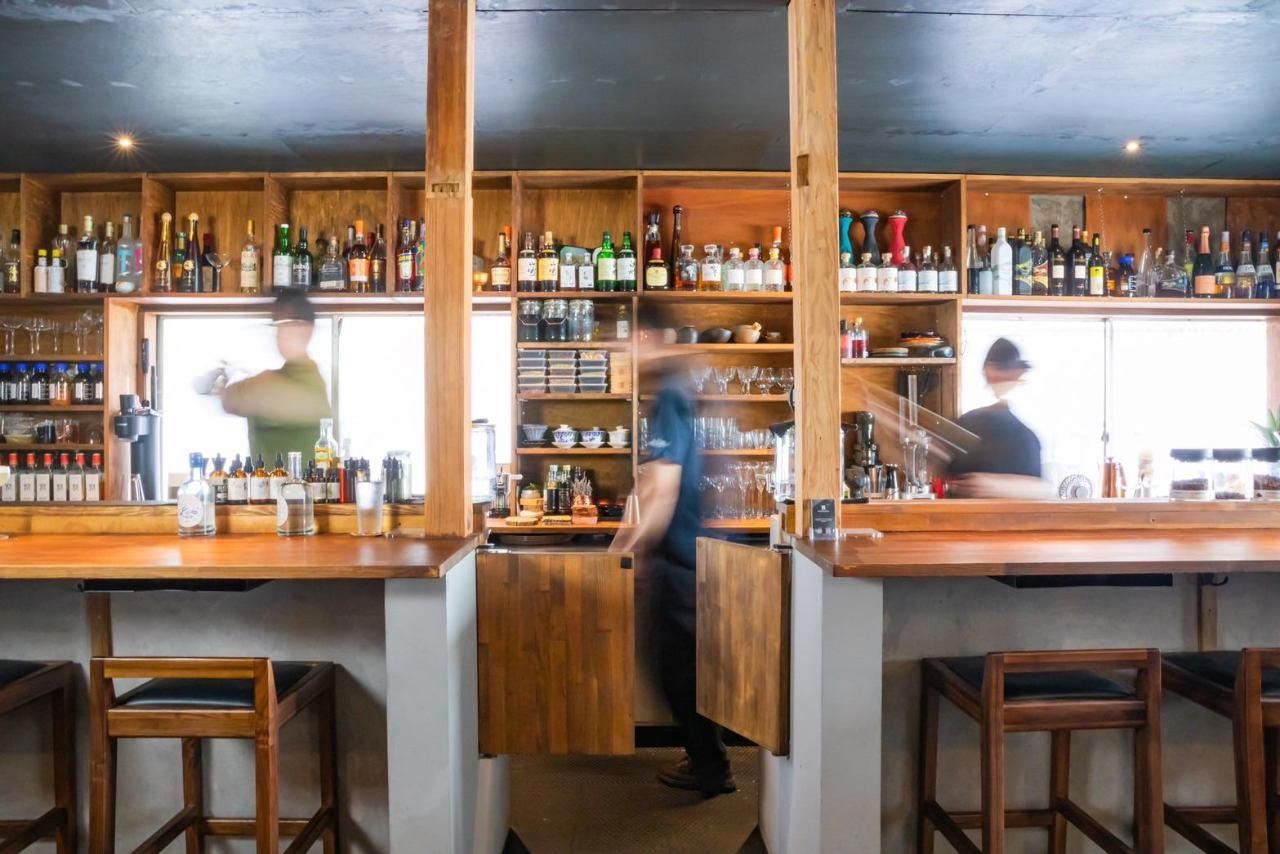
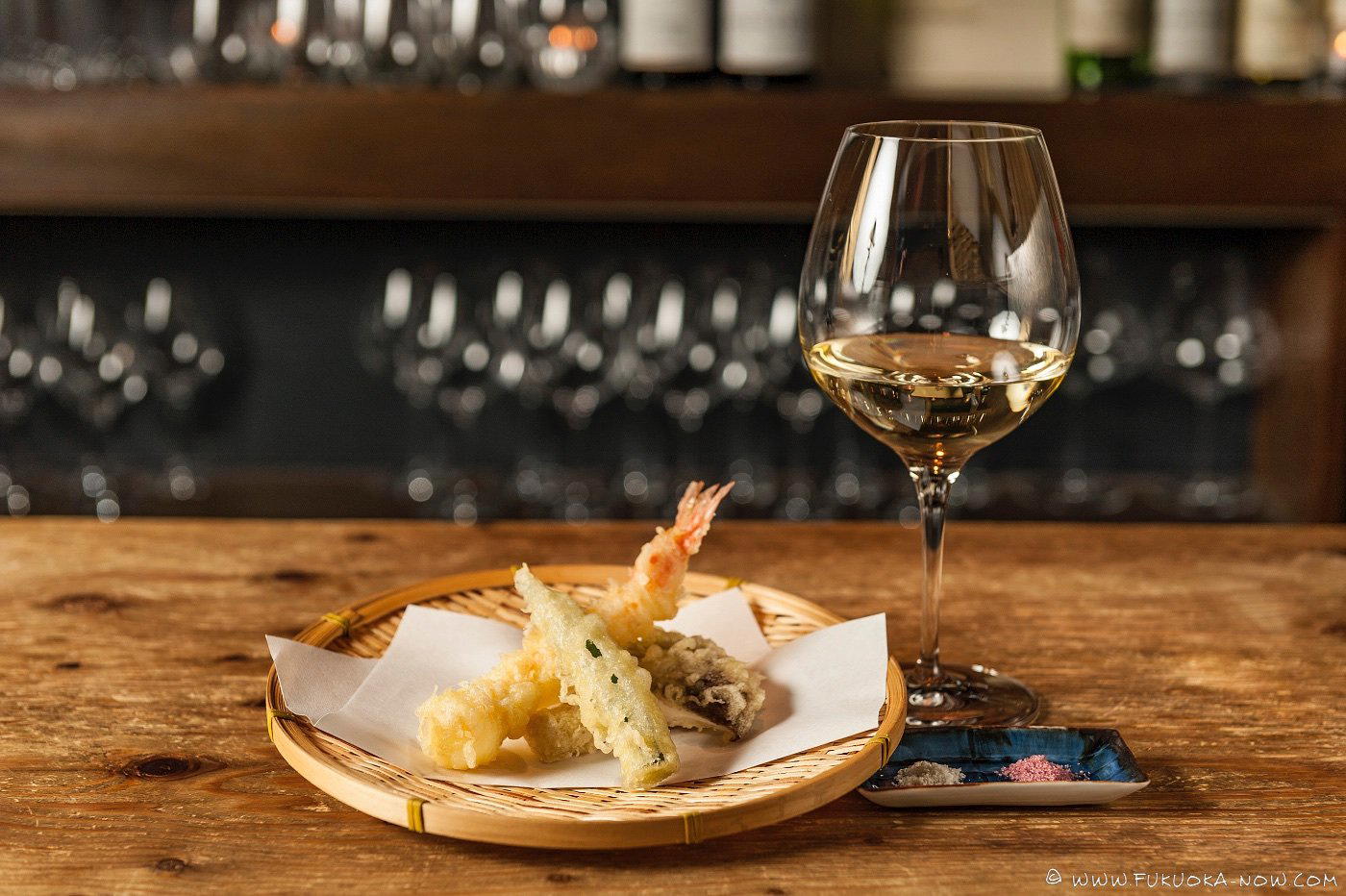
A calm, counter-centric space with a lively, up-close atmosphere centered on the kitchen and food presentation.